
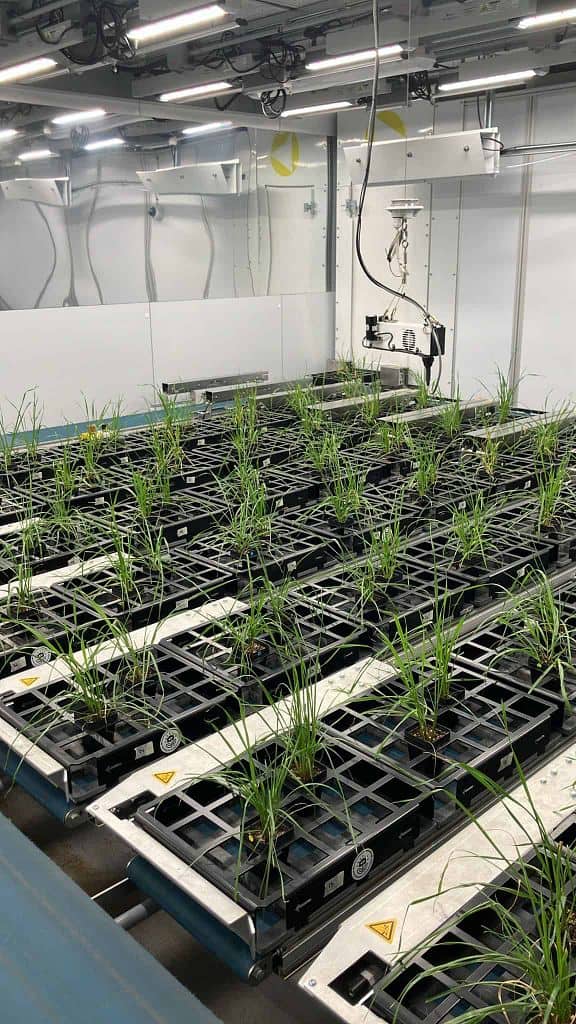
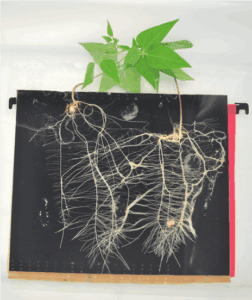
 Tepary bean (Phaseolus acutifolius) is a native crop grown in arid and semi-arid regions of the Southwestern U.S., Northwestern Mexico, and Central America. While genetic and genomic resources have been developed for tepary bean breeding, we are working to improve the phenomic and genomic resources for tepary beans to accelerate breeding and discovery of genetic components associated with improved agronomic traits and environmental resilience.
We isolated DNA from 400 tepary bean accessions, and genome sequencing data was used for SNP calling, in collaboration with Dr Andrew Nelson, Dr Timothy Porch (USDA-ARS) and Dr Duke Pauli (Uni. of Arizona). The entire collection was also screened for drought-induced changes in the shoot growth and architecture using the Raspberry Pi PhenoCage setup, and salt-induced changes in the root growth and architecture using the paperponics setup developed in Dr Miguel Pineros’ lab (USDA-ARS). The results of this project will be used for establishing Genome-Wide Association Study pipelines, and identifying genetic components underlying plant architecture, and stress resilience.
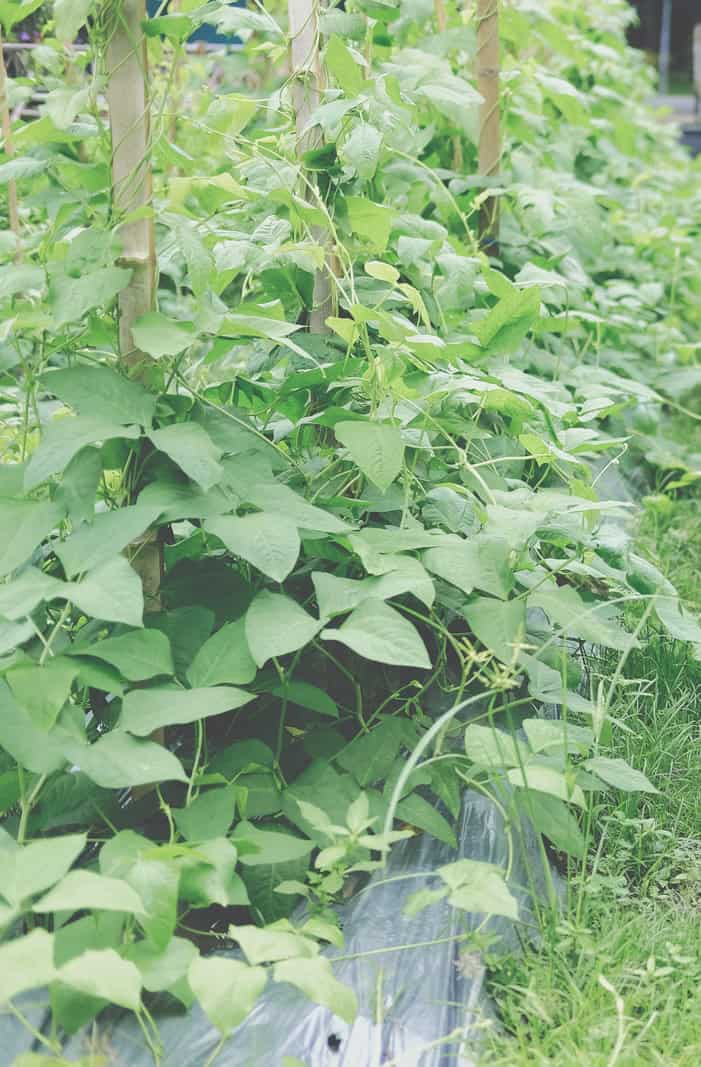
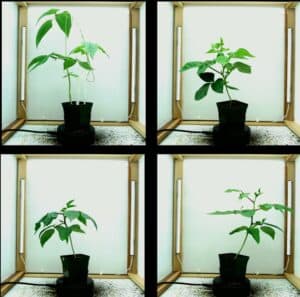 Cowpea (Vigna unguiculata) is a legume crop native to West Africa, resilient to many biotic and abiotic factors. Hayley Sussman and Olga Khmelnitsky developed protocols for screening cowpea’s responses to salt and drought stress for soil-grown plants. Hayley Sussman screened a global natural diversity panel, consisting of 368 accessions, for their responses to drought, and is currently preparing the data for the Genome-Wide Association Study, to identify genetic components underlying drought stress tolerance.
Moreover, Hayley Sussman is also working on collecting material for DNA isolation and sequencing of the Nigerian cowpea diversity panel, which was shared with us by Dr Ramatu Aliyu (Ahmadu Bello University). By developing the Nigerian cowpea panel, in collaboration with Dr Aliyu, Dr Andrew Nelson and Dr Suzy Stickler (BTI), we aim to increase the number of identified SNPs, and develop pipelines for cowpea Genome-Wide Association Studies / RNA-sequencing, allowing quick trait evaluation and associations with genetic markers. This project, funded by the Triad foundation, will significantly contribute to future breeding efforts and accelerate the fundamental understanding of environmental resilience.
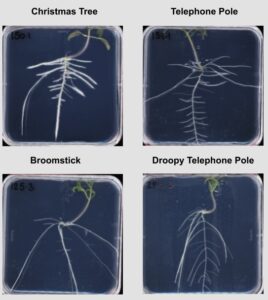 Solanum pimpinellifolium is the closest relative to cultivated tomato, and it is native to the west coast of South America. Different accessions of S. pimpinellifolium were collected from a wide variety of habitats and showed high diversity in their salt stress response in root architecture and salinity-induced changes therein. We recognized four visually distinct topologies of root architecture, that can be distinguished using Pareto Front optimality measures. We are working to expand the Pareto front calculations to improve the physiological representation of the constraints to root system architecture in the current model in collaboration with Dr Arjun Chandrasekhar (Southwestern University). Currently, Dr Maryam Rahmati-Ishka is investigating how we can alter distinct topologies using hormonal treatments, and what are the consequences of these topologies for sodium ion accumulation. Dr Rahmati-Ishka is also investigating the genetic components underlying salt stress sensitivity of lateral root development, by crossing two tomato lines with contrasting salt stress responses. Dr Julkowska is performing GWAS on collected root architecture data to identify candidate genes underlying root development and salt stress-induced changes. All the work in S. pimpinellifolium is currently focusing on salt stress. Hayley Sussman is responsible for the propagation of S. pimpinellifolium collection.
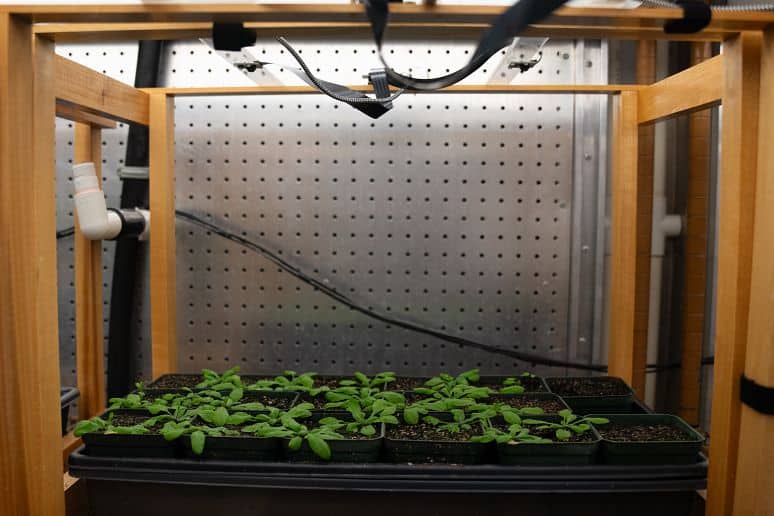
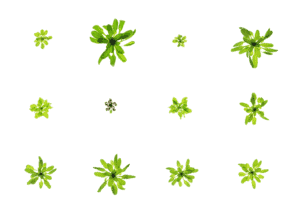
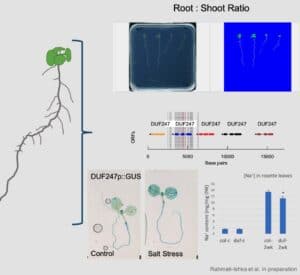 Salt stress rapidly impacts the growth and development of different plant organs to different extents, leading to alterations in plant development. Alterations to whole plant architecture, such as root-to-shoot ratio, have not been extensively explored thus far. Together with KAUST Visualization Lab, we developed a tool that quantifies green and white pixels, reflecting changes in root and shoot surface in Arabidopsis seedlings. Through forward genetics, we identified genetic components underlying salt stress-induced changes in root-to-shoot ratio including DUF247, encoding Domain of Unknown Function. Currently, Dr Rahmati-Ishka is examining the loss-of-function mutants of DUF247 using plate assays and soil-grown plants, as well as the subcellular localization of fluorophore-tagged DUF247 and GUS promoter fusion lines. Since the identified DUF247 is located in the genetic region containing other DUF247 genes, Hayley Sussman investigated the available loss-of-function mutants of the DUF247 genes located on Arabidopsis chromosome 3. Hayley Sussman generated transgenic lines targeting multiple DUF247 genes, as well as over-expression lines of specific DUF247 domains, that are currently being selected for homozygosity. Our preliminary results suggest that identified DUF247 is a negative regulator of Casparian strip formation and limits potential salt stress tolerance.
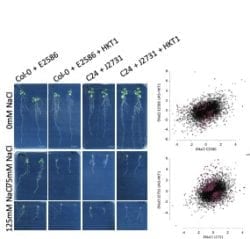 We discovered that high expression of Arabidopsis High-Affinity potassium (K+) Transporter (AtHKT1-1), sequestering sodium from the transpiration stream in root pericycle, results in increased salinity tolerance (Julkowska et al., 2017). Pericycle-specific over-expression of HKT1 resulted in reduced lateral root development under saline conditions. Interestingly, this effect seems to be specific to dicotyledonous species, as wheat lines with high HKT1 expression do not show a reduction in secondary lateral roots. Dr Julkowska examined the transcriptional changes underlying altered lateral root development downstream of HKT1 through comparative transcriptomic analysis of two lines with stelar over-expression of HKT1. Among the transcripts that were expressed differentially between UAS-HKT1 over-expression lines and their background lines, Dr Julkowska found genes involved in cell differentiation, ABA signalling and ion transport. Further validation of identified candidate genes using CRISPR-Cas9 knockouts is being currently being performed by Dr Julkowska, while over-expression lines of the genes are generated in Dr Mark Tester’s lab (KAUST). Further studies of generated mutant lines will enhance our understanding of processes controlling plant development under abiotic stress conditions and the importance of root architecture for salinity tolerance.
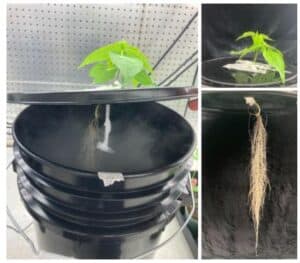 Studying the drought resilience using a non-destructive experimental setup poses significant opportunities. Traditionally, soil-grown plants are evaluated based solely on the above-ground portions due to easier accessibility. Aeroponics technology stands out as a game-changer, as it provides easy access to roots and shoots for imaging, and offers precise control over water supply. In collaboration with Prof. Perrinne Periot (CU Enngineering) we are developing aeroponics system where roots are misted with a nutrient solution. We have successfully mimicked drought conditions, eliciting physiological responses similar to those of drought-stressed plants grown in soil. As aeroponics allows for rapid changes in water availability, it will permit differentiation between water conservation and true resilience strategies within tolerant genotypes.
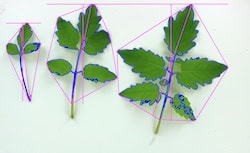 Understanding metabolic contributions to drought stress resilience in cowpea and other legume species.

Molly Christel

Emily Miller
Ruth Nichols

Aaron Quan

Sofia Trujillo Ortigoza

Akhilesh Sharma

Aminu Aliyu

Aparna Srinivasan

Hayley Sussman

Olga Khmelnitsky

Leanna Skeete
Jade Milton
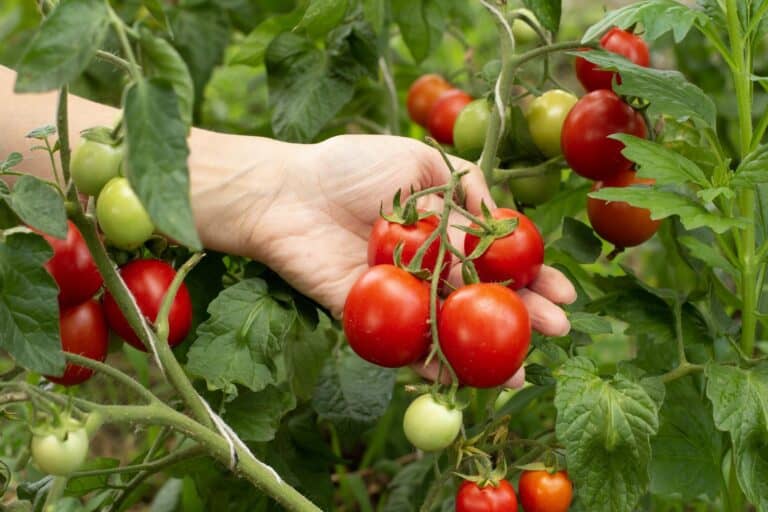
BTI, Meiogenix, and FFAR Announce $2 Million Breakthrough Tomato Genetics Collaboration
Research Lays the Foundation for Breakthroughs in Global Food Security In a landmark $2 million initiative, the Boyce Thompson Institute (BTI) and biotechnology company Meiogenix have launched a collaboration to develop drought- and disease-resistant tomatoes by tapping...
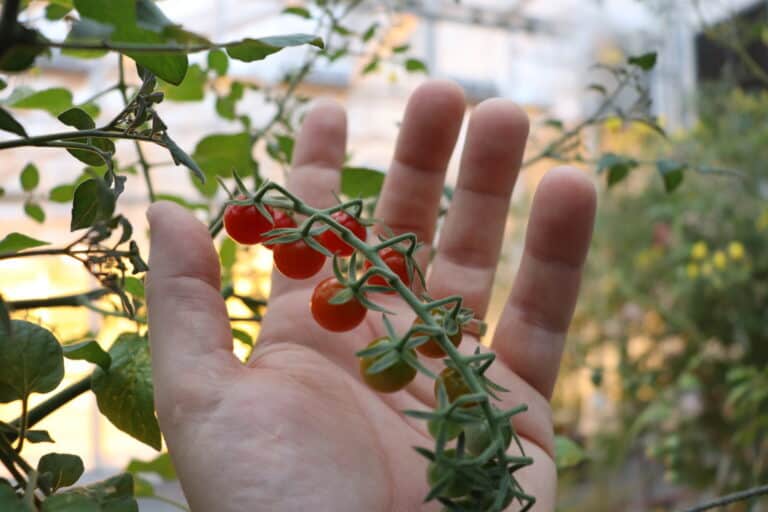
As weather patterns shift and soil salinity increases in many agricultural areas, finding crops that can thrive in these challenging conditions is crucial. Cultivated tomatoes, while delicious, often struggle in...
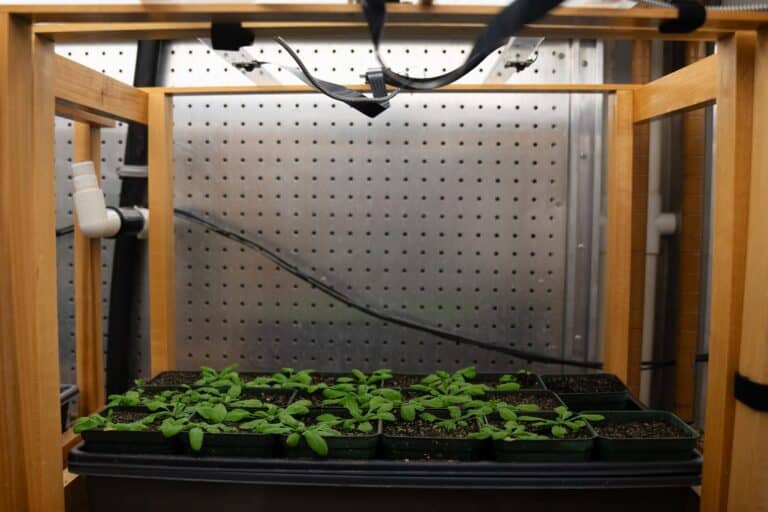
Phenotyping, which involves assessing observable plant characteristics, is crucial for understanding plant development and response to environmental stresses. Traditional methods are often cumbersome, costly, and destructive, limiting research scope and...
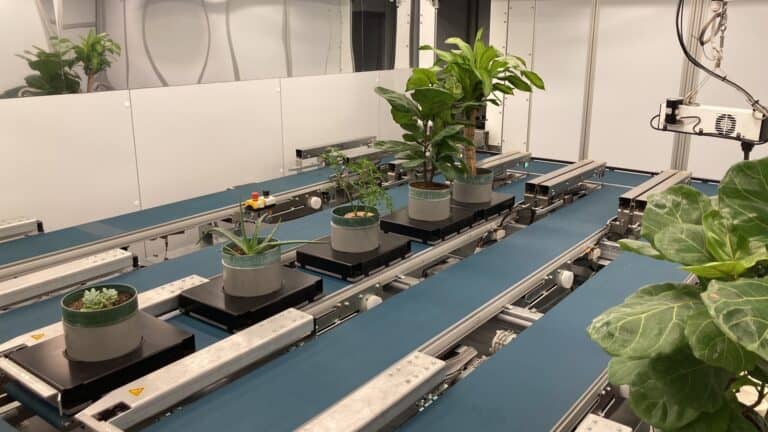
BTI is proud to announce the opening of its cutting-edge plant phenotyping facility, PhenoSight. This new facility holds significant potential for delivering unparalleled insights into plant growth, development, and response...

Cluster Hire Yields Three New Faculty Members
Boyce Thompson Institute is pleased to announce the hiring of three faculty members as part of its new and innovative “cluster hire” approach. Out of 113 applicants, the three people...
Previous Interns


Katie Carson
Intern Info


Annie Voss
Intern Info


Ting Fei
Intern Info


Yalmarie Numan Vazquez
Intern Info


Zoe James
Intern Info