-
-
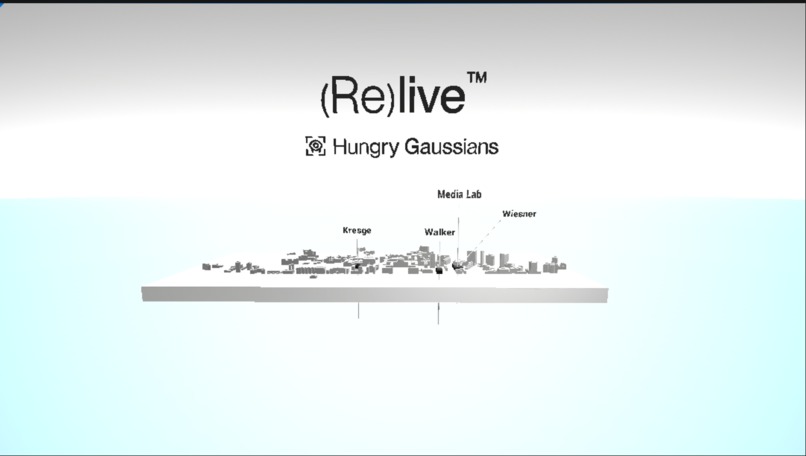
Main Scene
-
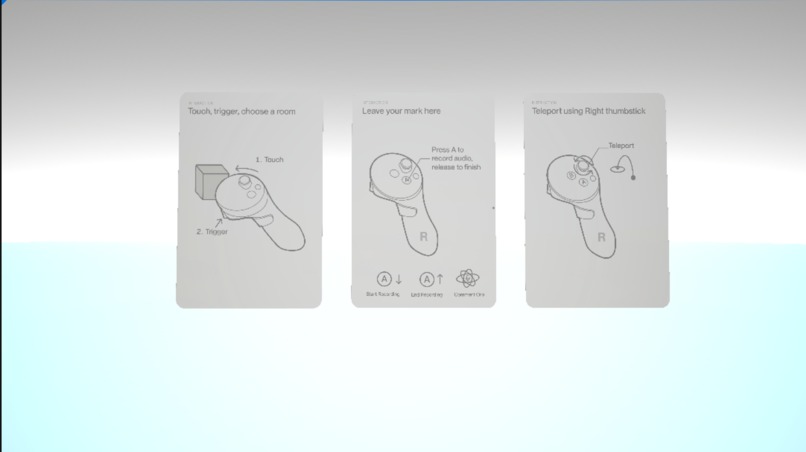
instructions right hand
-
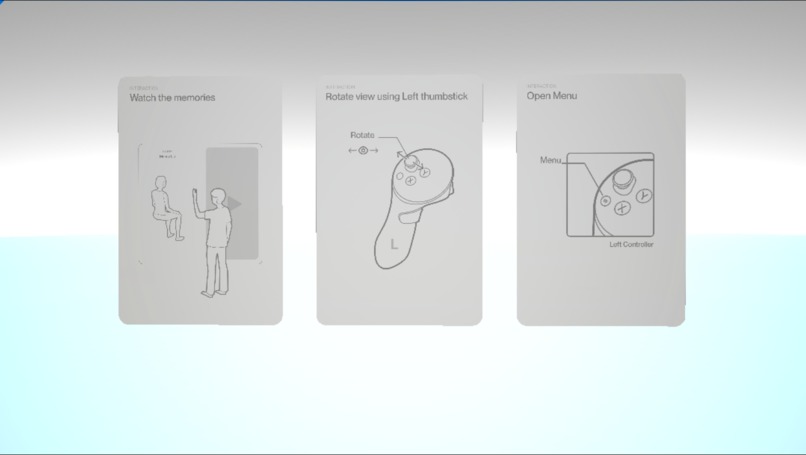
instructions left hand
-
-


Inspiration
Our memories make us who we are. Memory shapes our identity, allowing us to learn from the past, recognize loved ones, and share important life events.
Unfortunately, memory loss threatens this for many people. Diseases that impair our brain are on the rise, robbing away our memories. More than 100 million people are diagnosed, and even younger adults are experiencing "covid brain fog" that impairs memory and cognition. Memory loss isolates people from their lived experiences and connecting with loved ones. It's heartbreaking to witness someone forget their family or their own life story.
We believe memories are too valuable to lose, and we might even want to share some of them.
Studies show that sharing positive memories can reduce depressive feelings. Reminiscing keeps us linked to meaningful times and helps us pass on our life story. This is especially important for those who've had to relocate, or migrate from their homeland.
Preserving cultural and family memories allows traditions to continue and connections to be maintained across distance. Digital archiving enables this sharing of intergenerational knowledge
What it does
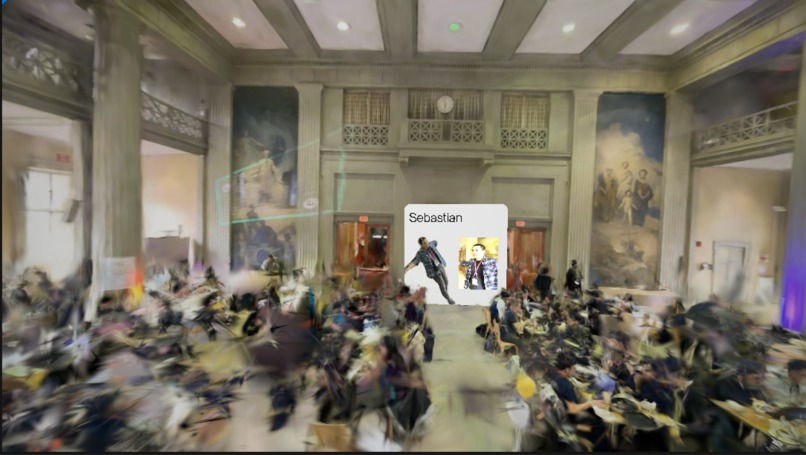
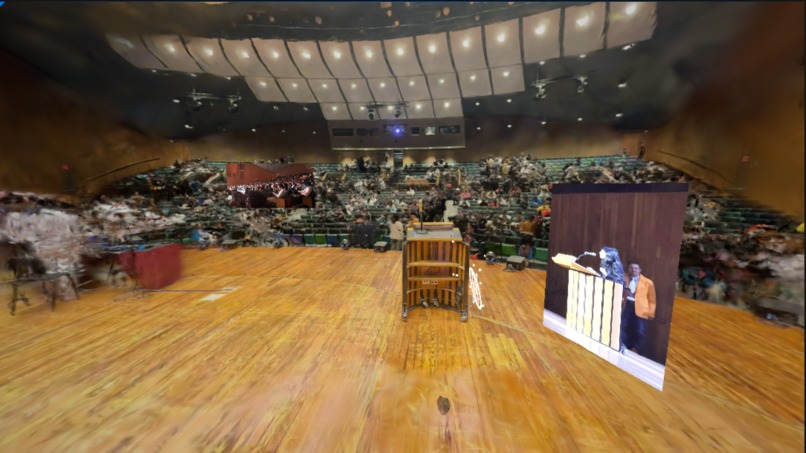
(Re)live is an innovative VR memory archive utilizing the newest 3d reconstruction technologies, allowing users to scan spaces from their lives right from their phone, and add photos, videos, audio, text and more as interactive exhibits.
This time capsule lets you curate meaningful memories and share them with others. Visitors can view your memories, and you can allow them to add their own memories to your space to enrich the collective story. It's a place to reconnect with nostalgic moments and pass them down, and share a live-like VR that makes you feel like you are right back in that moment.
Our memories make us who we are. Let's make sure they are never forgotten. The (Re)live virtual archive preserves your memories so you can revisit the experiences that shaped you and share your evolving story with future generations.
How we built it
We build the app using Unreal Engine 5 and captured Gaussian Splatts using Luma AI and OpenXR. We tested the app using quest 3 with Quest Link.
Challenges we ran into
- There are lots of performance issue with running in VR as one can imagine, due to how performance heavy it is. If using default configurations, the frame rate of our app is unusable. However we are able to figure out some very clear tricks to make use of splatt in a quite performant way.
Accomplishments that we're proud of
- fully captured splatts of the reality hack venues
- Able to capture voice memories and place anywhere in the map in a persistent way.
What we learned
- Gaussian Splatt is still a bit too early for production
What's next for Hungry Gaussians
Built With
- luma-ai
- ue5
- unreal-engine


Log in or sign up for Devpost to join the conversation.