-
-
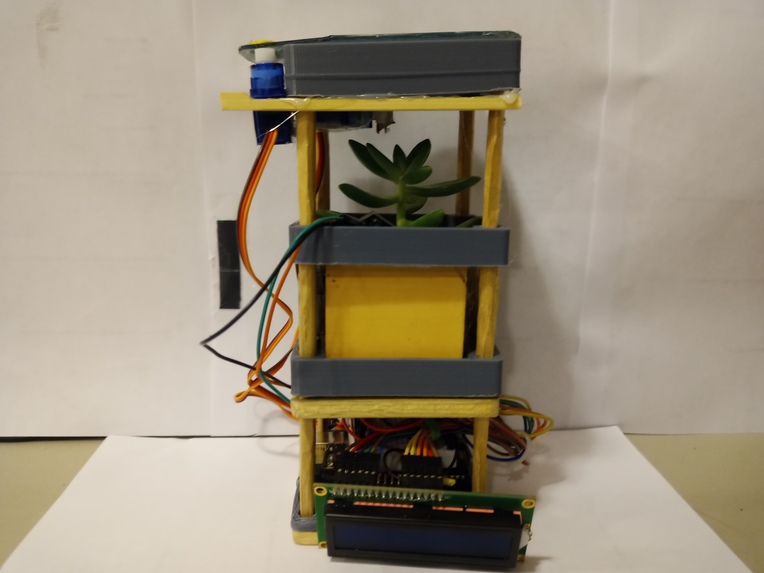
SeedPod Prototype
-
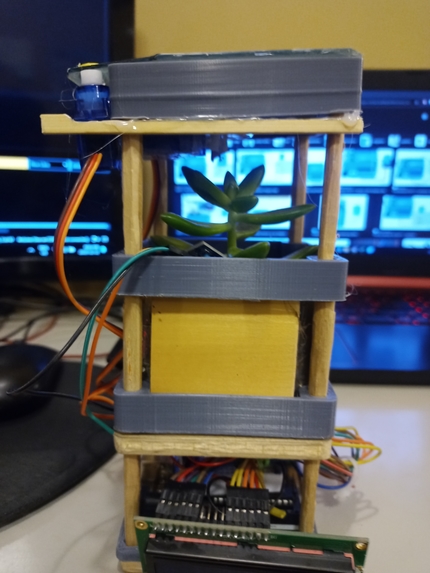
SeedPod Prototype
-
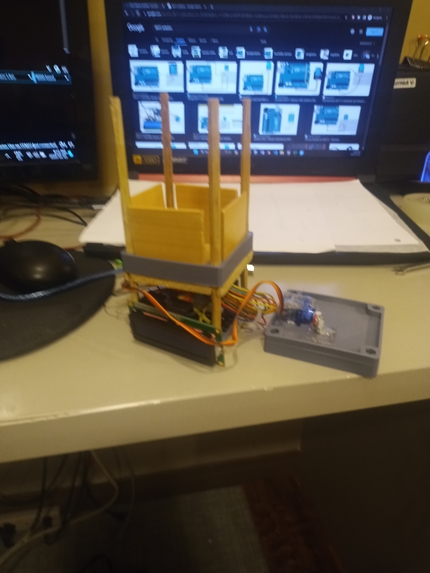
SeedPod Building
-
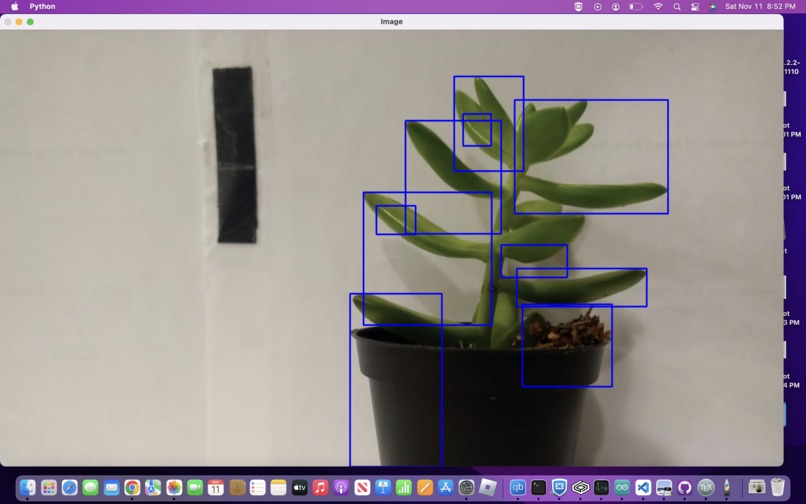
Machine Learning Process
-
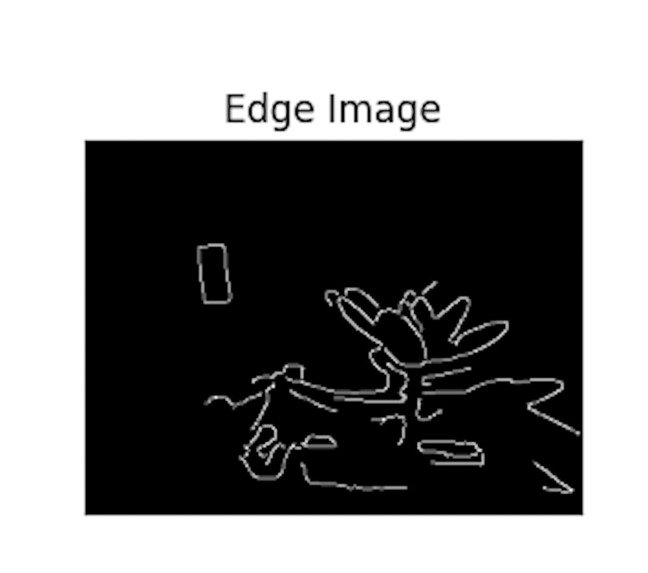
EDGE DETECTION ALGORITHM VISUAL
-
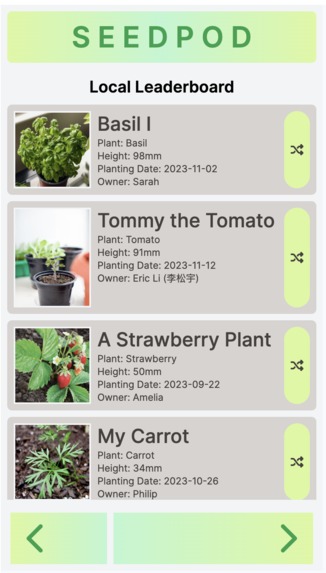
SeedPod Mobile Leaderboard
-
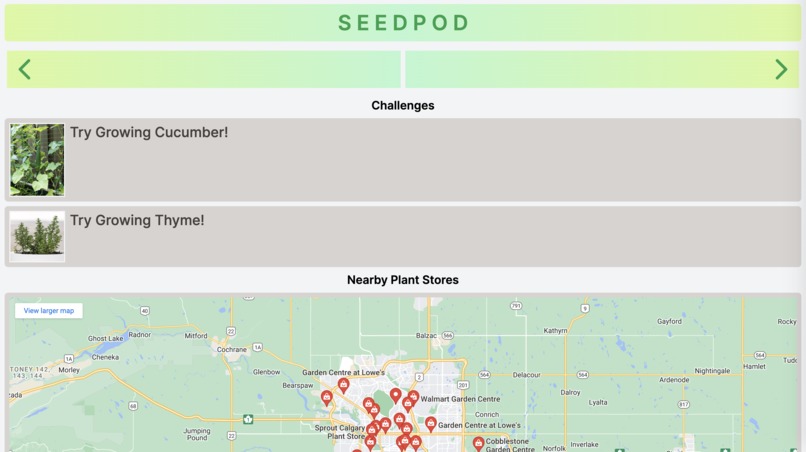
SeedPod Challenges


IMPORTANT 🛑
Unfortunately, we were unable to bundle the videos together; the main video above is the pitch for our project. To see the demonstrations of the front and backends of our project, please see the below two video links:
Physical Demo:
https://www.youtube.com/shorts/TKsS-HwEkHI
Frontend Pitch:
https://www.youtube.com/watch?v=eOn64OpT3_s
Inspiration
It is hard to grow stuff! In our modern world, sustainable individual agriculture is becoming increasingly rare due to a multitude of factors, such as urbanization and an increasingly busy world causing a lack of time to take care of plants. SeedPod aims to create change by building and coding a sustainable, automated system the encourages individual agriculture.
What it does
SeedPod 1.0 was built with 3 main principles in mind - Sustainability, Automation and Motivational Design. First, SeedPod 1.0 takes into account the humidity, temperature and plant height by utilizing an array of sensors and machine learning methods. Then, SeedPod will determine the exact amount of water your plant needs - No Waste Here! Second, SeedPod 1.0 allows the user to be hands off with their plants. SeedPod will automatically water the plants without requiring human intervention. Finally, SeedPod encourages more sustainable living by utilizing a gamified website allowing users to attempt challenges, track the growth of their friends’ plants and do plant swapping, switching plants with their friends.
How we built it
Hardware used Arduino and ESP32 Wifi Module. Backend ML algorithm is implemented as follows: after receiving and downloading the captured image from the ESP32 WebServer, the algorithm detects the Black Strip used as a reference material for measurement, converts the image to grayscale for preprocessing, and blurs the image for contrast. It then calculates the contouring of the image and detects edges present. Now the program is able to use image AI algorithms to calculate the height of the plant (by highlighting detected plant-like shapes). Accuracy has been shown to be within 5mm (0.5cm). It then transfers this data to a Flask web database, which the frontend pulls from. (see explanation videos)
The self-sufficient hardware implementation consists of five major components: the Arduino UNO, an LCD display, a DHT11 Sensor, and two servo motors. Upon detecting low soil moisture levels (through regression and humidity readings as a proxy), it opens a valve on the roof, which collects rainwater on a weekly basis. This rainwater is gradually fed into the soil, ensuring a hands-free experience for the consumer.
The purpose of the ReactJS+TailwindCSS frontend was to gamify the experience of living more sustainably through the practice of distributed agriculture. Using it, you can track the height of the plants you are growing (accomplished via communication with the Flask web database). Additionally, it is easy to add more plants, encouraging the user to build a bigger garden and grow their own food. This complements the modular construction of our Seedpod hardware implementation. The frontend is in contact with a Firebase database and can see the Seedpods of others, encouraging friendly competition between Seedpod owners, and also has challenges for what to grow next. The Google Maps API is also used to find nearby plant stores so that the user can grow even more plants.
What we learned
As a team, we learned a valuable skill in how to connect separate parts of a project. Using pre-existing skills, we created the frontend, backend, and physical robot. However, in order to make an actually functioning SeedPod, we had to learn to connect our areas of expertise.
What's next for SeedPod: Empowering Individual Agriculture
Currently, the SeedPod 1.0 is a proof of concept for a greater project. We aim to completely automate the process, even the webserver deployment, and change it so that users across the world can connect to a centralized server and change their lives for the better through sustainability.
Built With
- firebase
- javascript
- nextjs
- python
- react
- tailwind


Log in or sign up for Devpost to join the conversation.