

Designed for a
Linux-first experience

How we work with Linux distributions
We design our systems for Linux from the start, working upstream to ensure support lands in the mainline kernel and reaches distributions naturally.
We collaborate across three levels: deep partnerships with select distros, support for widely used community projects, and hardware seeding to expand compatibility over time.
The goal is simple: a Linux experience that works reliably across as many distributions as possible.
Official partners
Ubuntu and Fedora are officially supported Linux distros where we have deep engineering collaboration in place with partners who have the structural stability and resourcing to enable a robust and reliable experience on Framework hardware. For these distros, Framework provides official customer support. We use shared checklists and validations plans and have technical escalation paths available to prevent and resolve regressions and ensure stable kernel driver support. On some of our products, we also participate in the Ubuntu Certified and Fedora Ready programs.
Community supported
This tier offers a formal path for community-driven distributions that are widely used by Framework customers but may not meet the size or structural requirements of official partnership. Community supported distros commit to testing their distros on Framework hardware, self-validating with compatibility checklists, and publicly documenting known issues. While we don’t perform internal validation, we support these distros through hardware seeding and community programs and maintain open lines of communication for issue escalation.




Hardware seeding
We also seed hardware to a range of emerging and relevant distros to encourage compatibility testing and open source innovation, even if they don’t fall into a formal partnership tier.
AerynOS
Arch Linux
Bazzite
blendOS
Bluefin
Void Linux
CachyOS
EndeavourOS
Fedora
Garuda
Gentoo
KDE Linux
Linux Mint
Manjaro
NixOS
Nobara
Omarchy
openSUSE
PikaOS
Rhino Linux
Ubuntu
FreeBSD*
(not linux)
Open source sponsorships
We’ve always believed that open source moves forward fastest when the people and companies who benefit from it actively give back. That's why we’ve continued to invest in the Linux ecosystem, not just in building support for Framework hardware but in sustaining projects that make that support possible. So far, that has taken the form of monetary and hardware sponsorships across distributions, drivers, tools, and infrastructure that the Framework community depends on. You can find a list of the open source projects we’ve partnered with over on our blog.
Choosing a distro for your Framework device
Linux support continues to evolve across our entire product line. While we aim for consistency, there are some differences in behavior between models, generations, and hardware configurations. To help you get the best experience, we create compatibility guides for each product, including notes on specific distros, kernel versions, and known issues.
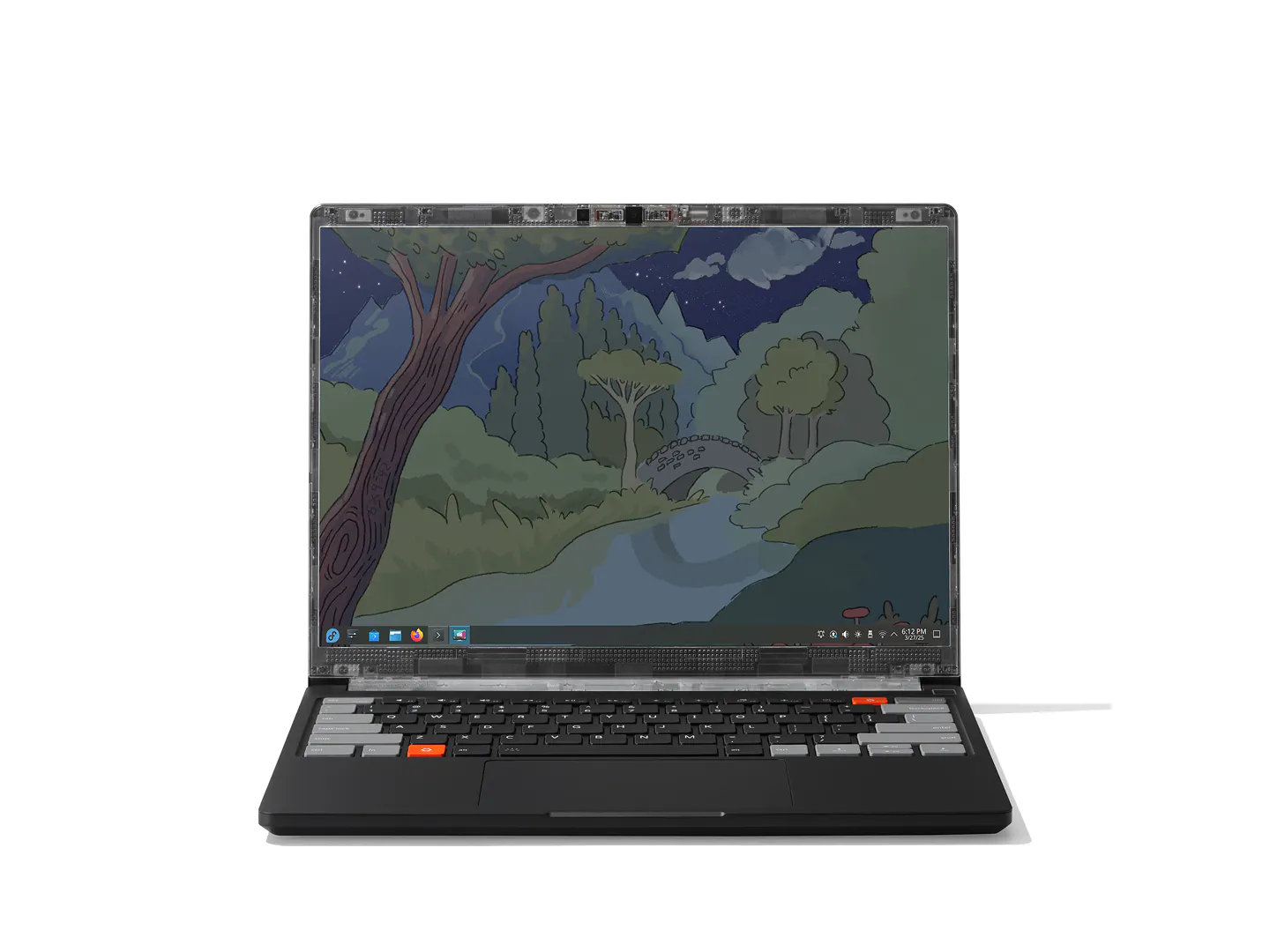
Framework Laptop 13 Pro
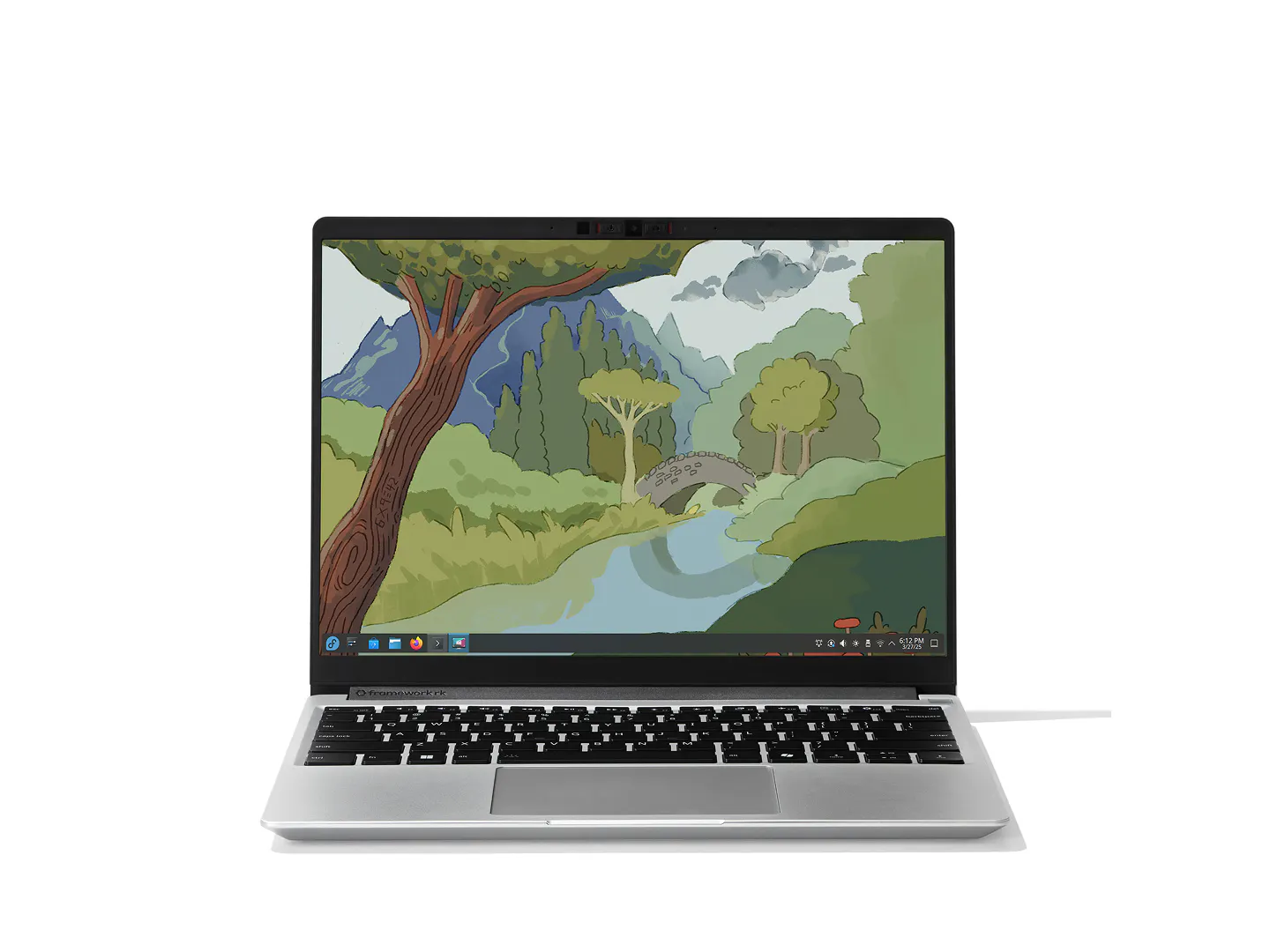
Framework Laptop 13
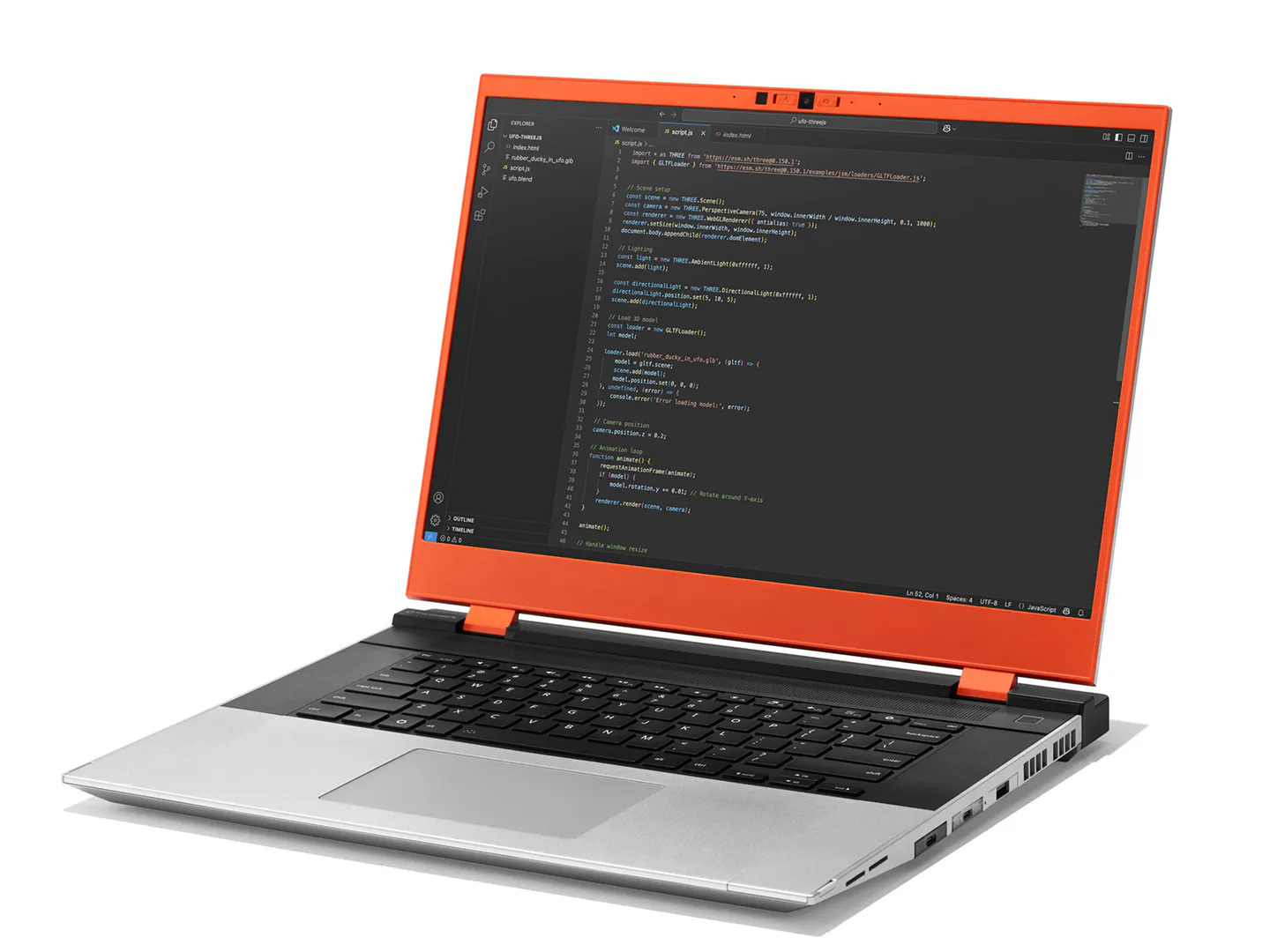
Framework Laptop 16
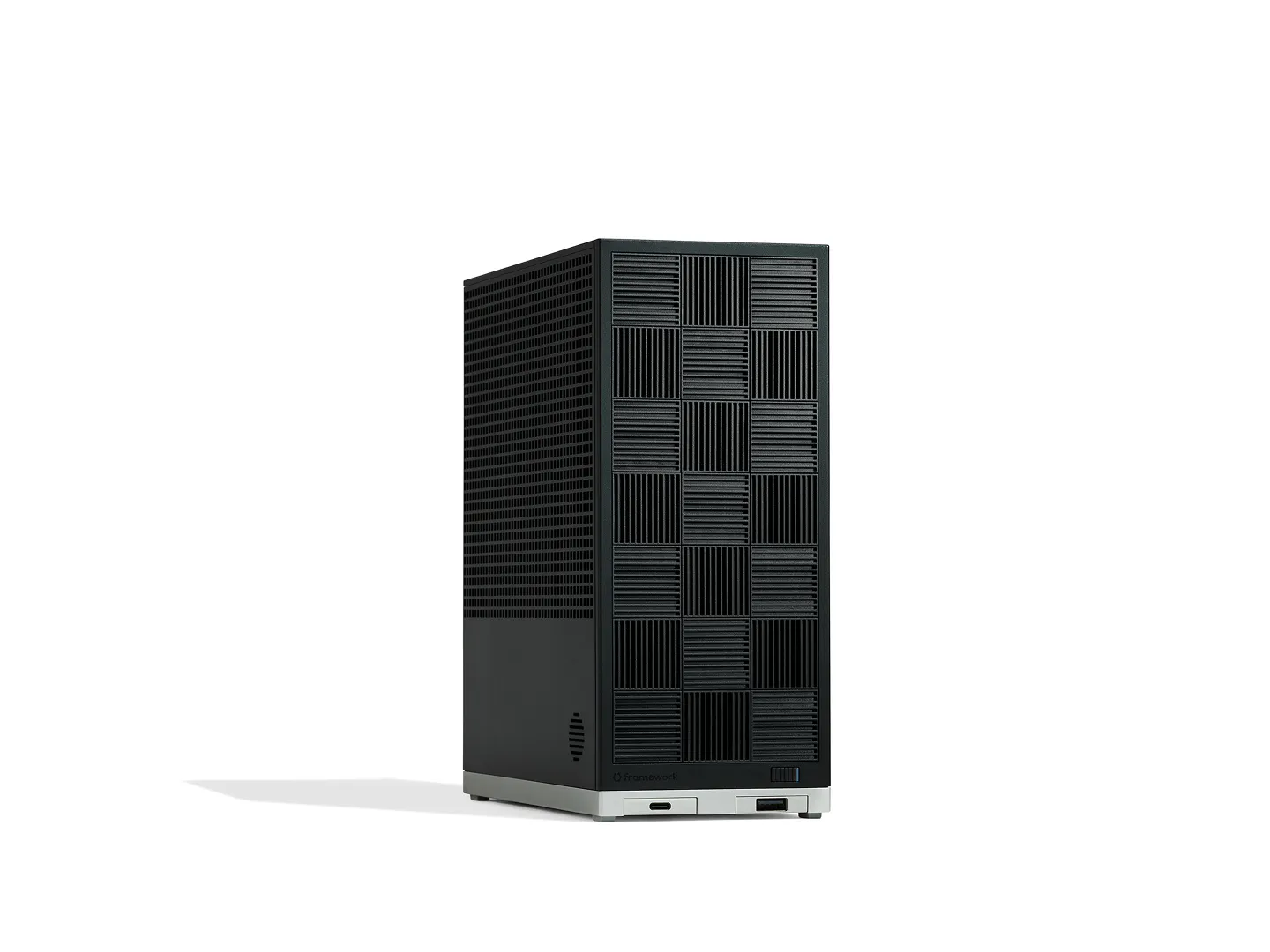
Framework Desktop
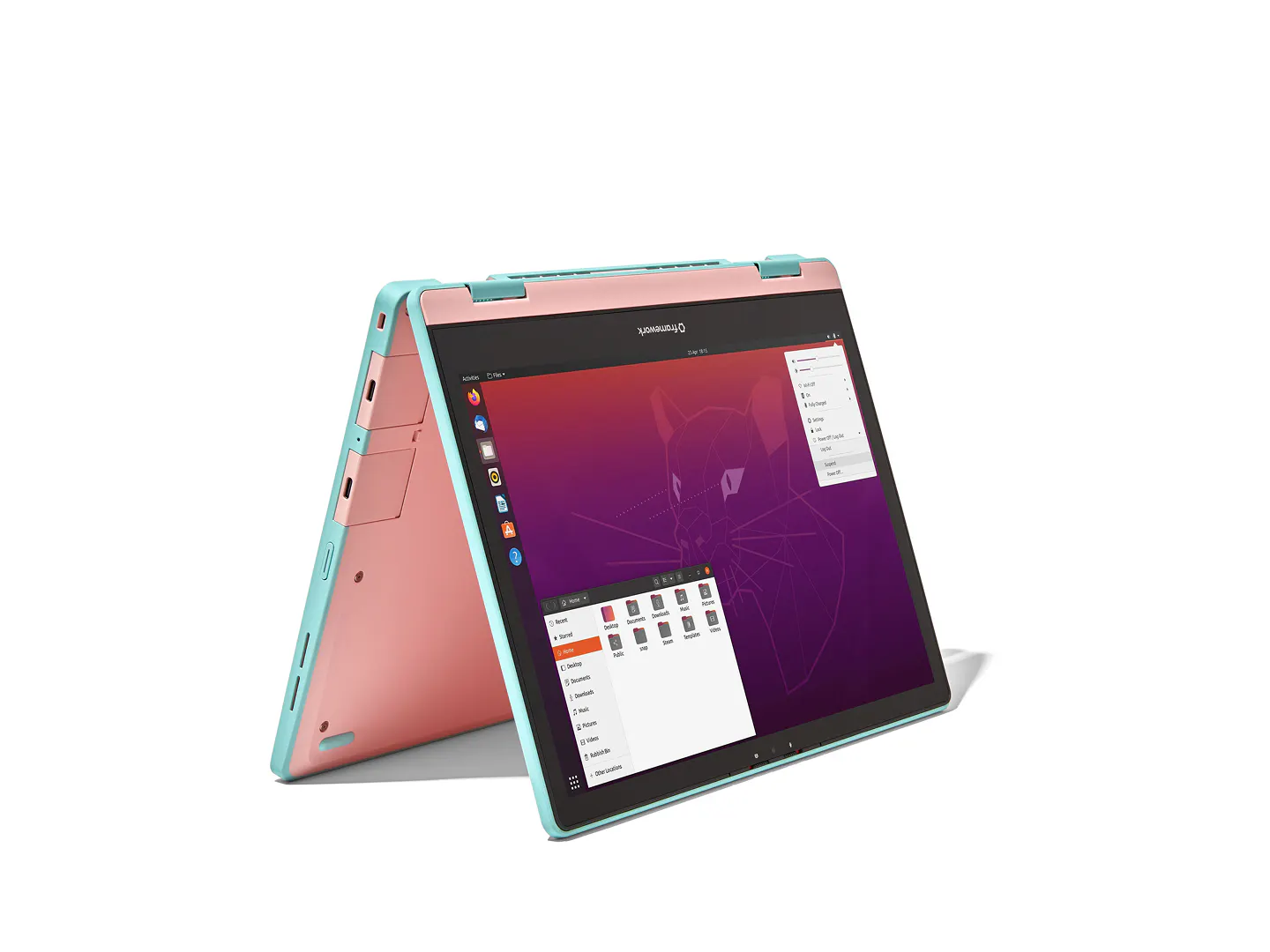
Framework Laptop 12
Community
The Framework Forum is where Linux users share setup tips, troubleshoot issues, and help each other get the most out of their laptops Whether you’re installing your first distro or tweaking your system into perfection, you’ll find real answers from people running Framework products every day.

Knowledge Base
The Knowledge Base is your go-to source for answers to common questions and troubleshooting tips, our articles written to be easy to follow and quick to reference, if you need it.

Reviews
"For those looking at a well-built, upgradeable, and all-around dependable mini Linux laptop or convertible tablet ... the Framework Laptop 12 is another great addition to the Framework Computer family."
Phoronix
"The Framework Laptop 16 offers users a high-performance, fully-repairable desktop-quality laptop with support up to four external displays. I highly recommend it to developers and enthusiasts who run Linux and tinker with upgradeable modules, or anyone who wants a sustainable laptop to escape the technology upgrade rat race."
– ZDNET
"This is exactly the kind of setup that I want personally for personal AI. Think Poe from Altered Carbon meets Home Assistant, without ridiculous heat and power requirements."
– Level1Linux

Getting started with Linux
This guide is for newer Linux enthusiasts and those who might be looking to get the best experience out of their Framework Laptop running Linux.
