In-Factory Profile Provisioning:Faster production for IoT device makers
An extension of the GSMA Remote SIM Provisioning (RSP), IFPP reduces the number of SKUs needed and speeds up the secure loading of MNO subscription profiles into eSIM-enabled devices based on geographic destination and power requirements.
What is In-Factory Profile Provisioning?
Kigen’s In-Factory Profile Provisioning (IFPP) enables smart device manufacturers to embed secure, connectivity from the earliest stages of design through to production. It accelerates product validation, simplifies global SKU management and supports secure profile provisioning in offline or air-gapped factory environments. With IFPP, OEMs can pre-configure devices with one or more operator profiles before shipment, enabling out-of-the-box connectivity tailored to geographic deployment.
Features and Benefits
IFPP is an alternative to purely relying on in-field provisioning, especially for applications using Low-Power Wide-Area (LPWAN) technologies, including NB-IoT, which rely on devices with finite battery life. The production lines of connected cellular devices can be dynamically updated with multiple profiles, streamlining fulfilment and enabling scalability. This opens a broader set of advantages such as:
Factory-based provisioning for scalable IoT
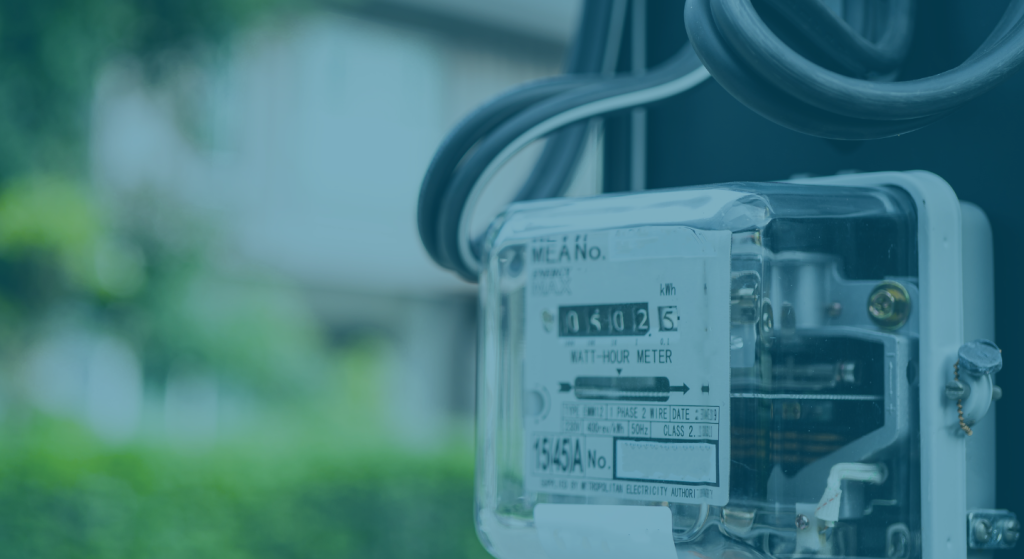
IFPP is built to future-proof connectivity for high-volume device makers. It provides major benefits for battery-powered cellular IoT devices like smart meters, wearables, and asset trackers while improving efficiency and in-field performance.
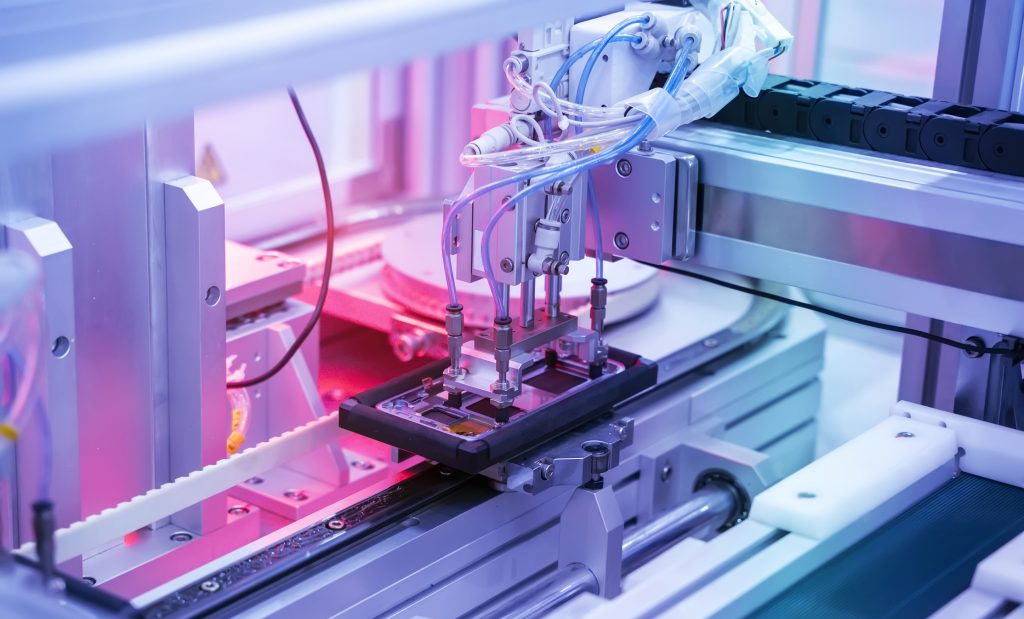
This solution allows SIM provisioning on the factory floor with secure profile loading that doesn’t need public internet access and is perfect for offline or distributed production setups. Provisioning eSIMs where devices are assembled, tested, and shipped to reduce complexity, boost security, and accelerate time to market. By embedding eSIM profile delivery within the manufacturing workflow, IFPP reduces deployment complexity, shortens time to market, and ensures compliance with industry standards.

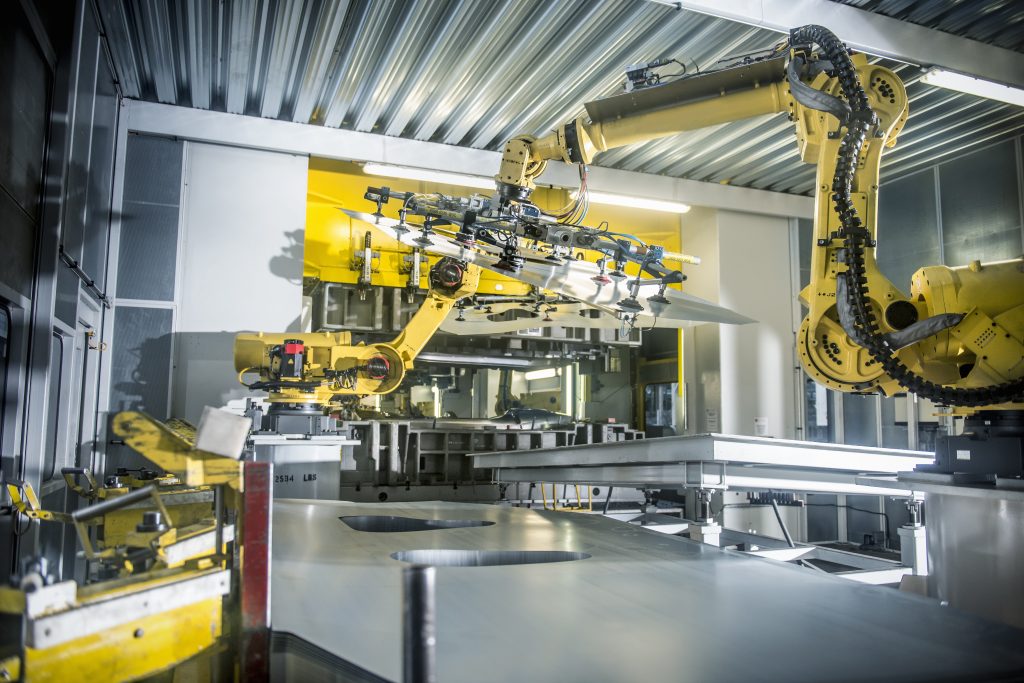
Smart manufacturing for connected products
eSIM standards like SGP.32 and SGP.42 make network provisioning more viable by supporting evolving IoT and consumer deployment models helping product teams align connectivity with long-term development goals. Configure devices with a single SKU that can be reused across markets enabling engineers to define provisioning logic once and apply it to multiple device profiles. This reduces complexity, streamlines production, and accelerates time-to-market.
Why work with Kigen on factory SIM provisioning?
To implement IFPP, OEMs must deploy a Remote SIM Provisioning platform such as Kigen’s, which needs to meet global GSMA secure accreditation scheme criteria. Kigen offers a flexible IFPP solution that can suit all manufacturing scenarios through varied degrees of offline and online provisioning, including binding the device eID and profile at the last stage of production.

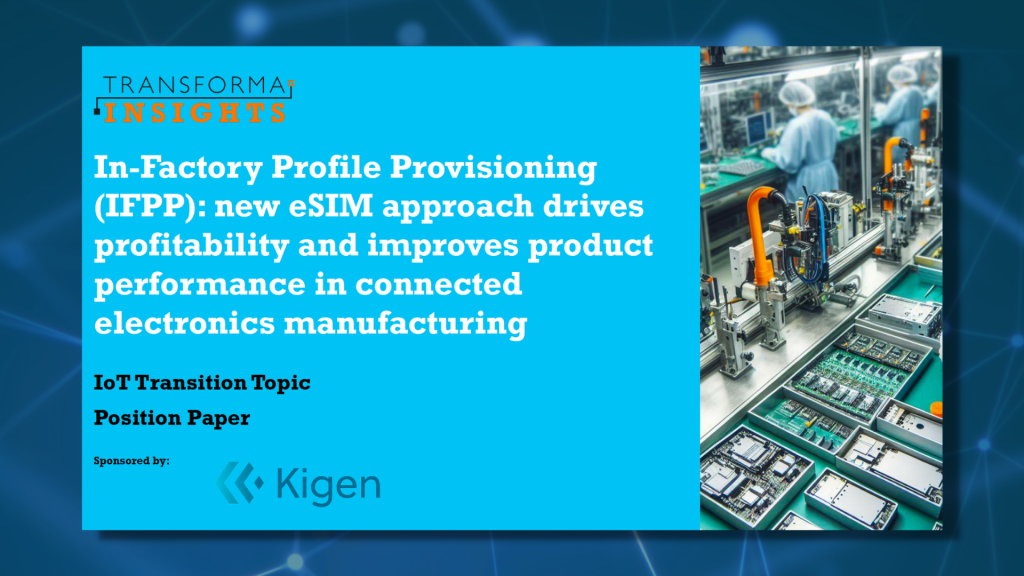
Kigen’s IFPP trial bridges engineering and production, enabling secure profile provisioning at the final stage of manufacturing.
Unify your SKU strategy with one global hardware configuration
Provision profiles instantly during manufacturing no need to pre-order SIMs months ahead
Keep production running without relying on live network access
Enter new markets securely while maintaining lean, efficient operations
eSIM standards like SGP.32 and SGP.41/42 transform how OEMs manage connectivity here’s why:
Standards-driven shift: The adoption of SGP.32 and SGP.41/42 marks a major evolution in cellular IoT, to reshape connectivity management
OEM-ready scalability: These standards are designed to help OEMs scale globally with unified processes
Simplified provisioning: Enables streamlined, remote profile provisioning reducing reliance on operator-specific integrations
Barrier removal: Long-standing challenges in global connectivity, SKU complexity and deployment timelinesaddressed at scale.
Cross-sector impact: From industrial automation to consumer electronics, the standards enable a range of applications
Inside Kigen’s IFPP: A 3-part guide
Explore our three-part blog series where, we break down how IFPP works, who it’s built for including OEMs, ODMs, and IoT solution providers and real-world use cases across industries like smart metering, wearables, and asset tracking.


Resources to inspire

Let’s get started
To learn more about how your business can benefit from In-factory Profile Provisioning (IFPP), contact one of our technical experts for a consultation today
