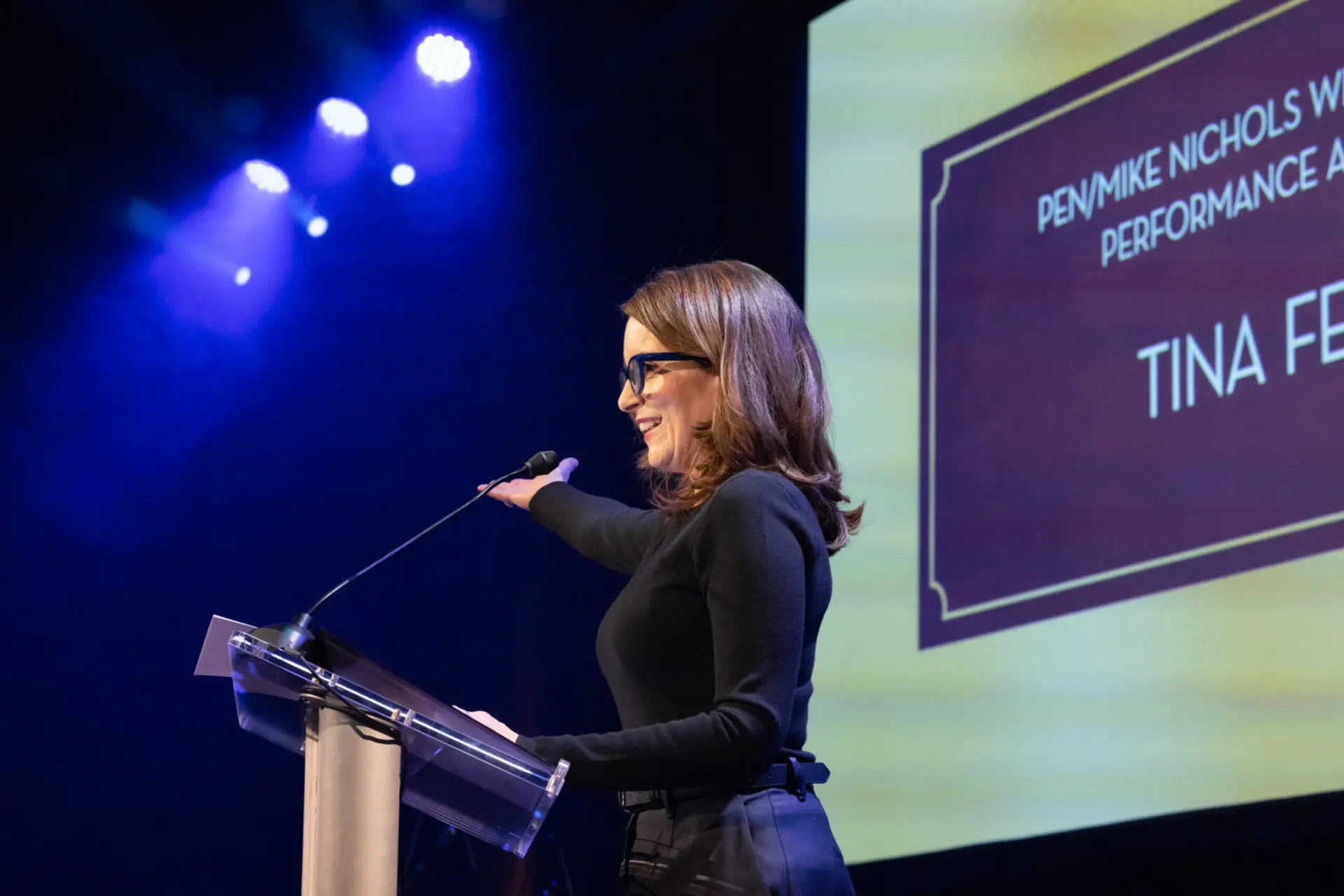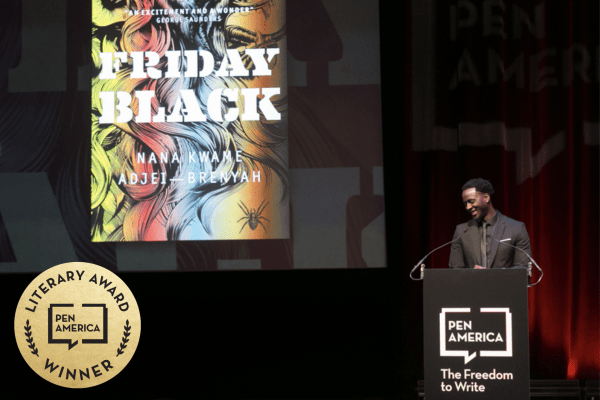
PEN America is thrilled to announce the 2026 Literary Awards winners. The following book award winners were announced live at the PEN America Literary Awards Ceremony on March 31, 2026, at The Town Hall in New York City hosted by Murray Hill.
The 2026 Literary Awards conferred nearly $350,000 to writers and translators. Spanning fiction, poetry, essay, translation, and more, these books are dynamic, diverse, and thought-provoking examples of literary excellence.
The Ceremony also honored Haitian-American author Edwidge Danticat with the PEN/Nabokov Award for Achievement in International Literature and American playwright Julia Cho with the PEN/Laura Pels International Foundation for Theater Award.
Watch the Ceremony
PEN/Voelcker Award for Poetry Collection ($5,000)
To a poet whose distinguished collection of poetry represents a notable and accomplished literary presence.
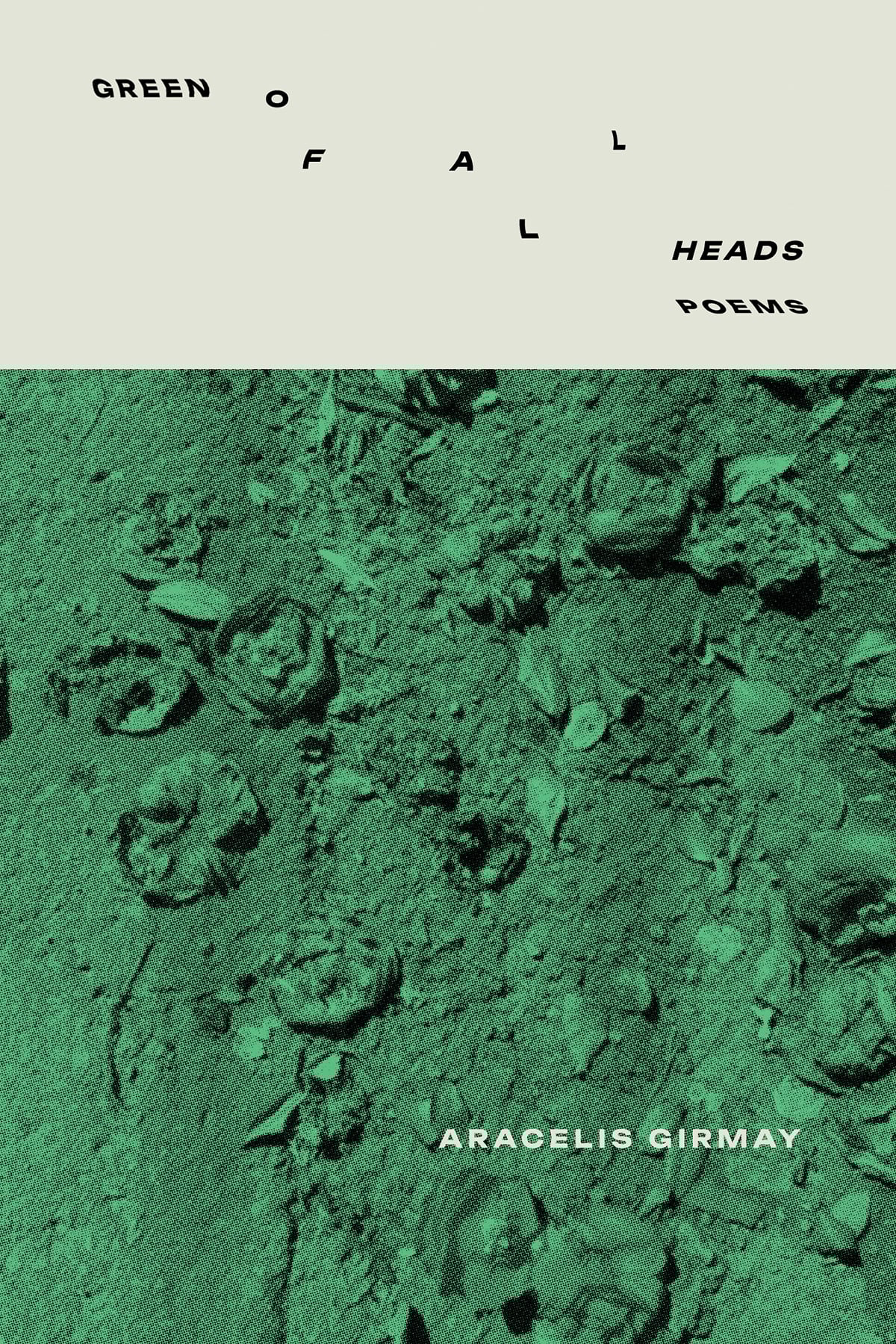
Winner: Green of All Heads, Aracelis Girmay (BOA Editions)
From the judges’ citation: “Girmay’s unique, tender, at times dreamlike poems give voice to both loss and life: the loss of a father and the birth of a child, moving from grief to joy, and through the wilds of motherhood itself. But while the book elegizes the writer’s father, it also celebrates the Eritrean community her father comes to represent, as well as the African diaspora, the book itself moving from private to communal memory. In a year of many exceptional submissions, Girmay’s collection stands out for its open-hearted intelligence, offering readers a bracing, yet hopeful, look at our current moment.”
PEN/E.O. Wilson Literary Science Writing Award ($10,000)
For a work that exemplifies literary excellence on the subject of the physical or biological sciences and communicates complex scientific concepts to a lay audience.
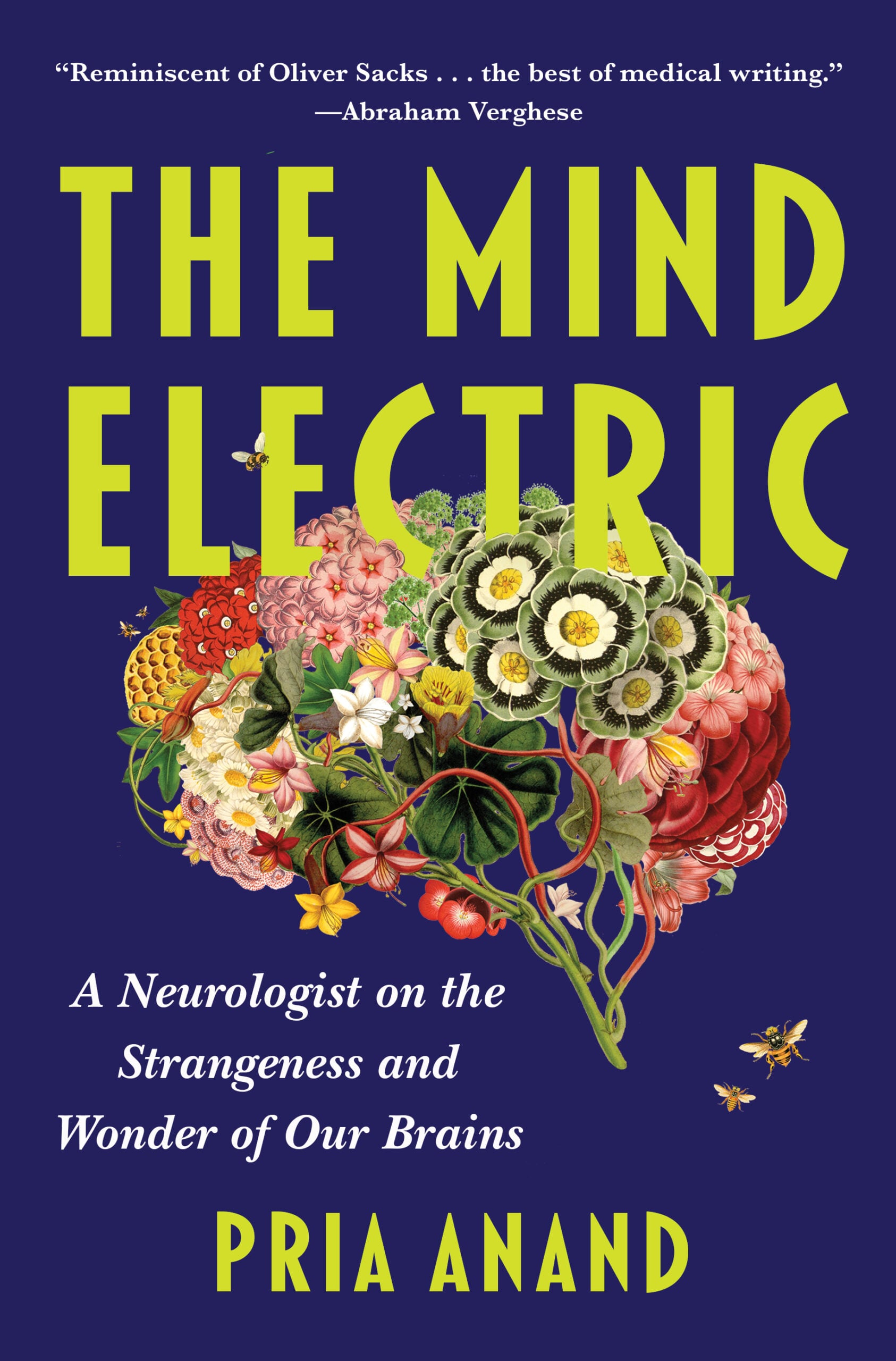
Winner: The Mind Electric: A Neurologist on the Strangeness and Wonder of Our Brains, Pria Anand (Atria)
From the judges’ citation: “Pria Anand’s The Mind Electric probes fundamental questions about the nature of the brain, the mind, and the soul with elegant prose, wit, and erudition. A genre-bending tapestry of science, memoir, literature, and case studies, the book grapples with the way medicine is practiced in the United States and beyond, from the economics of health care to the power dynamics between doctor and patient. Anand conveys the wonders of brain science with a passion that can only come from a lifelong love and commitment to the field. Her theme—that we are not the sum of our pathologies, but individuals with complex and contradictory stories—will resonate with every reader. This is science writing at its best: wisdom, insight, and clarity that does not sacrifice poetry or beauty.”
PEN/Diamonstein-Spielvogel Award for the Art of the Essay ($15,000)
For a seasoned writer whose collection of essays is an expansion on their corpus of work and preserves the distinguished art form of the essay.
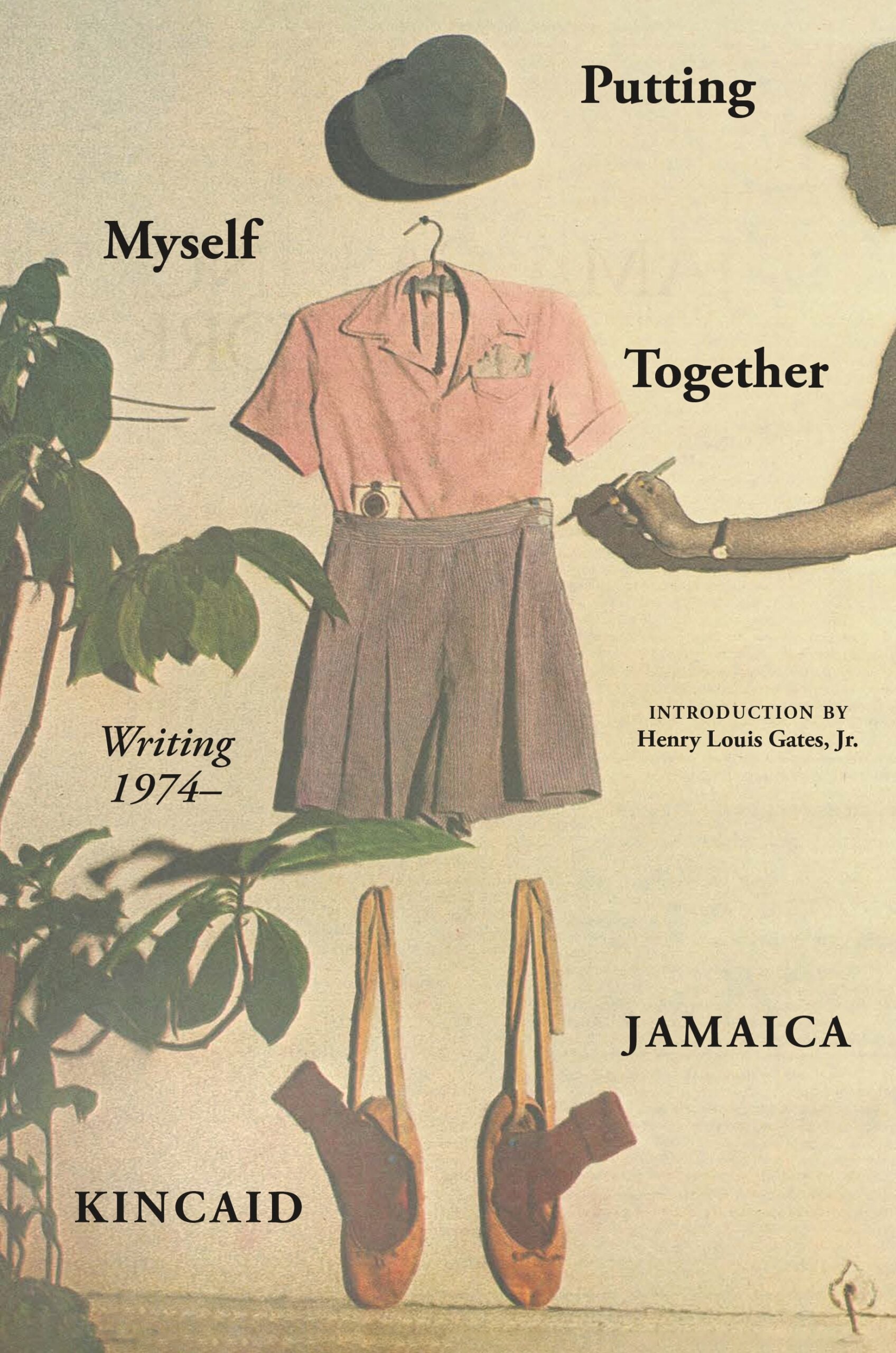
Winner: Putting Myself Together: Writing 1974–, Jamaica Kincaid (Farrar, Straus and Giroux)
From the judges’ citation: “There are writers—good writers—who make themselves a part of the cultural landscape, who find their place, their corner of the garden. Then there are those who are the landscape – the very soil, if you will, from which others draw. Writers whose voice becomes foundational.
Jamaica Kincaid is one of those writers. Her essays—wide-ranging, vocally distinct, consistently fearless—don’t seem to age. Decades later they retain their immediacy, their sharpness, their ability to elicit a laugh (or a wince) of surprise. A vein of vulnerability runs through them, but what distinguishes them—what distinguishes their author—is the combination of precision and soul, that rarest of combinations.”
PEN/Jacqueline Bograd Weld Award for Biography ($5,000)
For a biography of exceptional literary, narrative, and artistic merit, based on scrupulous research.
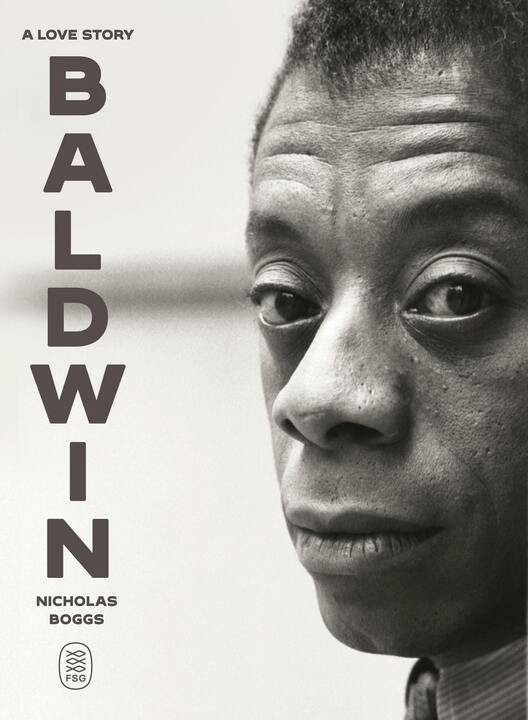
Winner: Baldwin: A Love Story by Nicholas Boggs (Farrar, Straus and Giroux)
From the judges’ citation: “Compellingly written and exhaustively researched, Nicholas Boggs’ Baldwin: A Love Story—twenty years in the making—braids blues-toned prose with piercing critical insights gleaned from interviews and hitherto unknown archival material to redefine Baldwin’s place in the literary canon and in the Black radical and queer traditions. Traversing cosmopolitan worlds from New York to Istanbul and across France, Boggs brings Baldwin’s great loves out of the shadows, illuminating the inspiration for some of his most iconic work. In the process Boggs distills Baldwin’s life into a heart-throbbing “memory of love” that echoes through the ages. A landmark achievement.”
PEN Award for Poetry in Translation ($3,000)
To a poet whose distinguished collection of poetry represents a notable and accomplished literary presence.
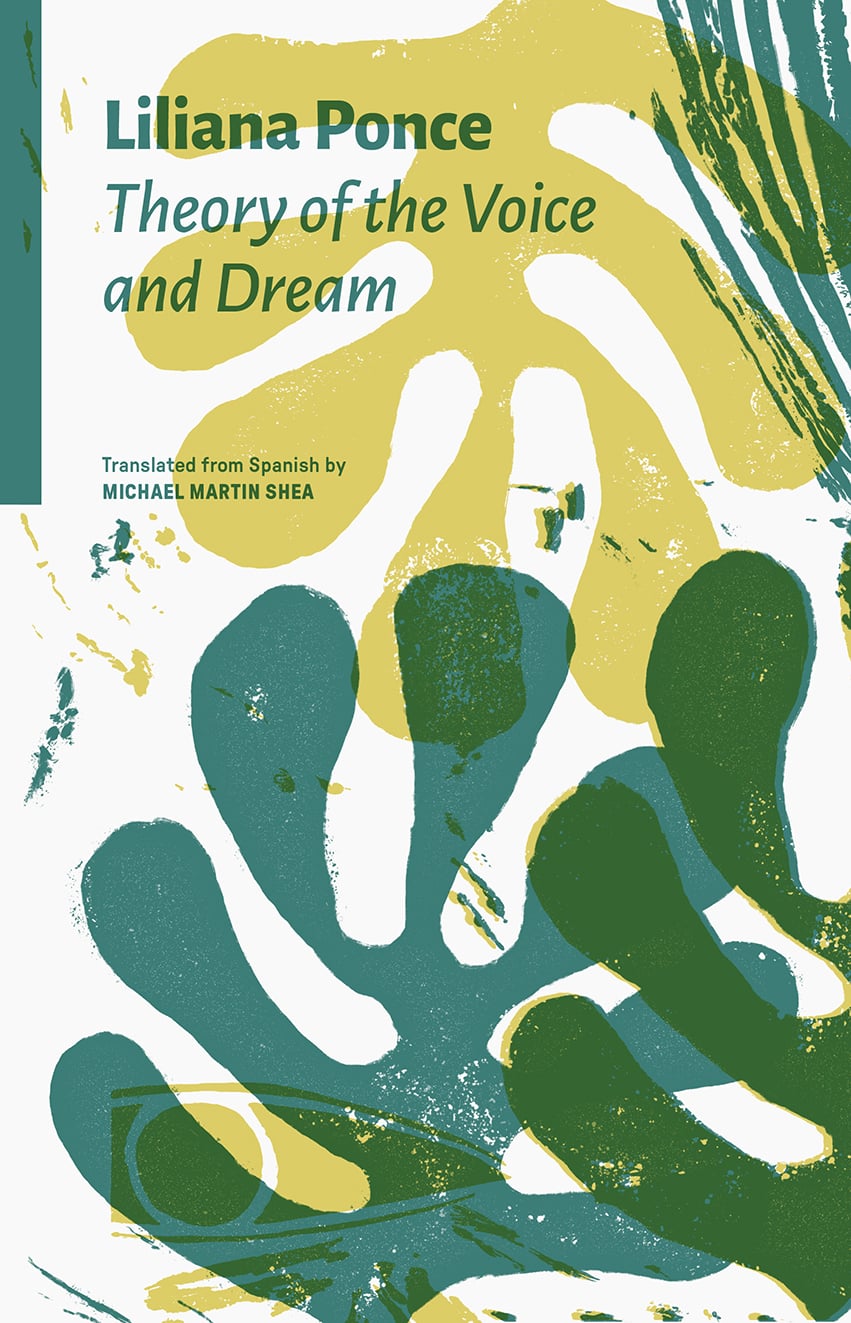
Winner: Theory of the Voice and Dream, Liliana Ponce (World Poetry Books)
Translated from Spanish by Michael Martin Shea
From the judges’ citation: “Among the five powerful finalists for the PEN Award for Poetry in Translation, the strong verse of Argentine poet Liliana Ponce’s Theory of the Voice and Dream stood out. As translator Michael Martin Shea writes in his introduction, “The collection’s first line—‘Escribir es hoy un vacío,’ or, ‘To write today is an emptiness’—may seem like a prelude to a retreat….” We considered a wide range of translations, from the most Classical to the most experimental, and this collection and its voltas wove their way to the top—more of a prelude than a retreat. The theme of these poems of meditative silence, and the “thirst of impulses, / beach without memory,” read anew “like a carnal pleasure / like certainty.” Shea’s translation deftly captures the essence of Ponce’s serial poems on creation and absence, offering them with an apt, skillful contradiction that melds appropriate ambiguity and admirable precision.”
PEN Translation Prize ($3,000)
For a book-length translation of prose from any language into English.
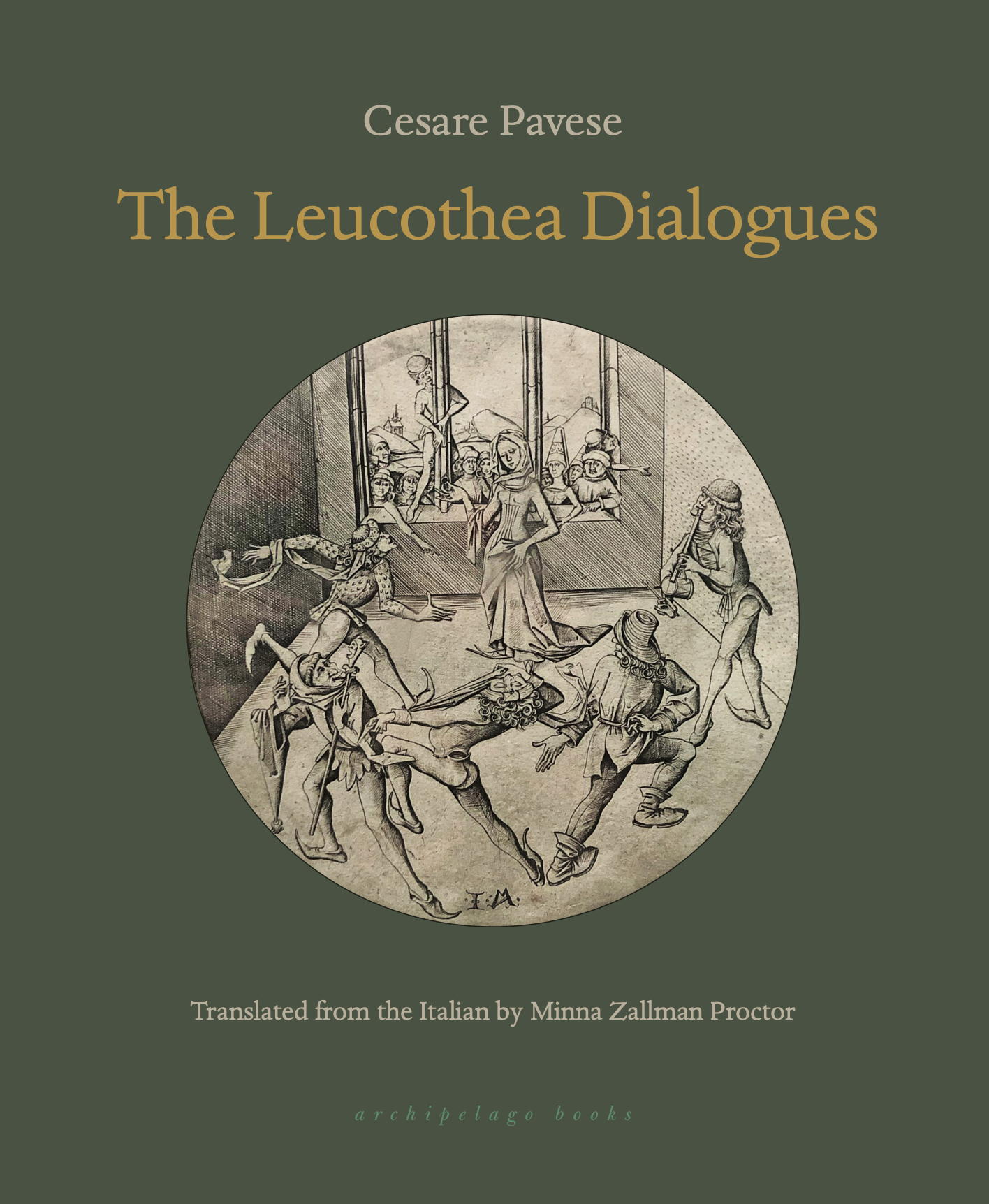
Winner: The Leucothea Dialogues, Cesare Pavese
Translated from Italian by Minna Zallman Proctor (Archipelago Books)
From the judges’ citation: “Minna Zallman Proctor’s vigorous retranslation from Italian of Cesare Pavese’s singular yet multiplicitous The Leucothea Dialogues stands out from a superb shortlist as a brilliant meditation on, as well as in, translation. Pavese’s moving book neither retells Greek myths nor simply gives a new spin on the old stories: it draws on those myths, as though drawing water from an inexhaustible well, in the service of personal, even private concerns. Made up almost entirely of dialogues between figures from Greek mythology, sometimes quite peripheral figures, the book is neither a novel nor a play nor an externalization of Pavese’s inner voices—neither quite fiction nor quite nonfiction (mythology, history, memoir), but partaking of them all. He uses myth the way writers use the world as a whole: as material to be transformed into a unique vision. Proctor’s translation, from its more approachable title to its consistently fresh and contemporary tone and rhythm, makes the book come alive for readers today. Her introduction is especially remarkable for soaring beyond the usual necessary context about author and book into its own mythological register, letting the voice of Arachne speak for her about Pavese’s relationship to myth, his book, and his future translator. Arachne, describing herself as a translator figure, tells us that Proctor, instead of reusing the literal translation Dialogues with Leucò, “calls the book The Leucothea Dialogues. [Shrugs.] I guess that sort of makes sense…. That said… when you start changing things like that, someone might complain that you’re challenging the real author…. I’ve ‘heard’ that comparing yourself to gods can make them mad.” Arachne certainly has “heard” that—she has lived it, insofar as she’s lived at all; those scare quotes run deep. Meanwhile, Proctor has heard Pavese, too, and stepped up to the challenge of his book, doing something of her own with her Italian original no less than Pavese did with his Greek material.”
PEN/Robert W. Bingham Prize for Debut Short Story Collection ($25,000)
To an author whose debut collection of short stories represents distinguished literary achievement and suggests great promise for future work.
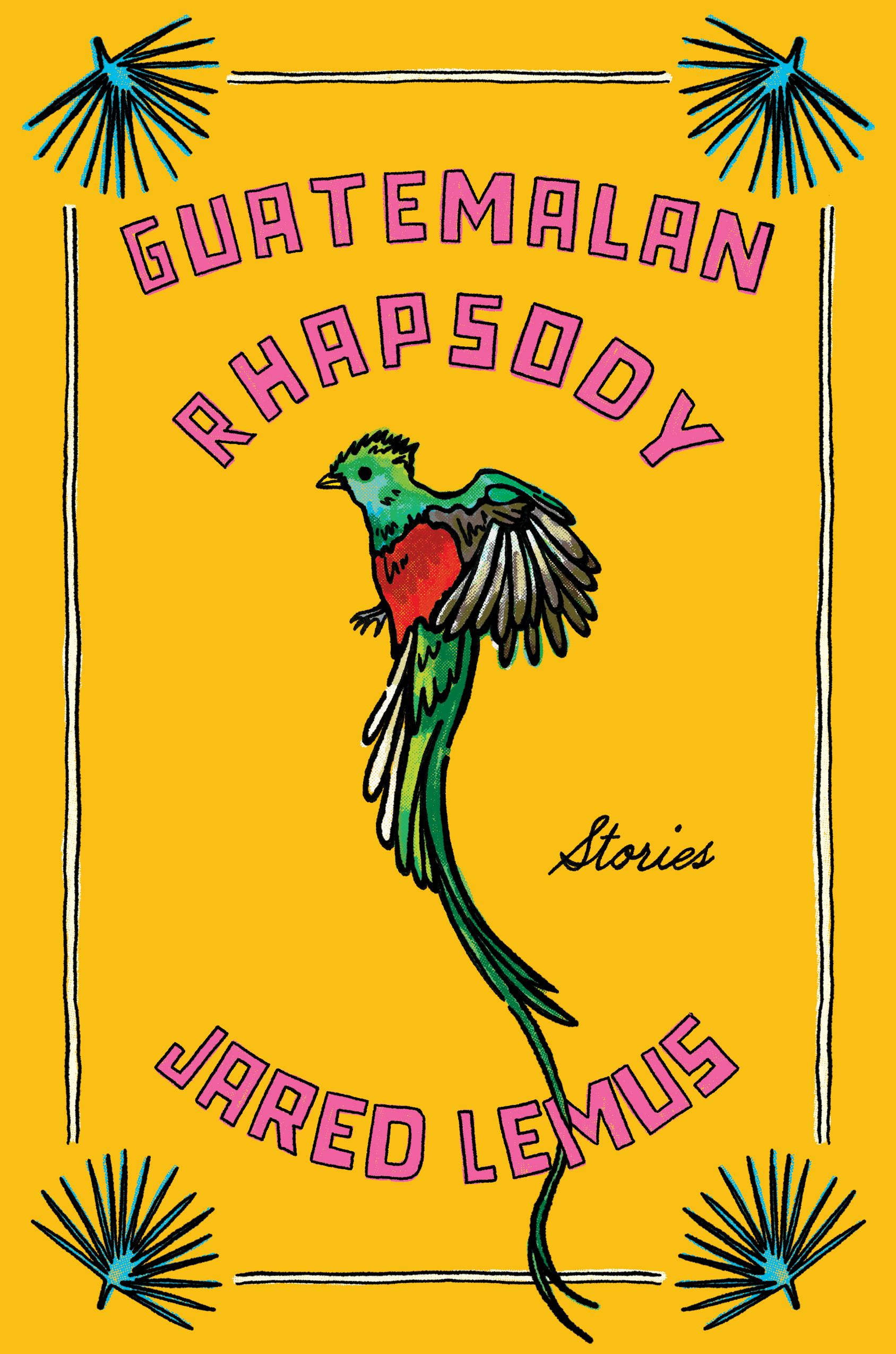
Winner: Guatemalan Rhapsody, Jared Lemus (Ecco)
From the judges’ citation: “Jared Lemus’s Guatemalan Rhapsody gathers a disparate ensemble of dreamers and bootstrappers, those who toe both sides of the law, and those who are bound by tenaciousness when life gets bleak. These are characters who scrimp and scavenge, put their hearts on a perch and love hard. Lemus’s stories are written with tenderness and lithe prose intertwined with humor that never undercuts the very real dangers the characters face—whether they are putting their lives on the line for a highway robbery or sacrificing themselves to an altar of fire. The details of place and circumstance ground the reader in every tale and have you rooting for the characters to succeed. Rare is the debut that arrives fully rendered and delivers a writer whose voice and talent promise even greater things to come.”
PEN/John Kenneth Galbraith Award for Nonfiction ($10,000)
For a distinguished book of general nonfiction possessing notable literary merit and critical perspective that illuminates important contemporary issues.
Winner: Being Jewish After the Destruction of Gaza: A Reckoning, Peter Beinart (Alfred A. Knopf)
From the judges citation: “In Being Jewish After the Destruction of Gaza, Peter Beinart offers a model for writing a new story when inherited narratives no longer hold. His prose is marked by exceptional clarity, rendering complex moral questions accessible through personal reflection alongside meaningful engagement with theology and history. Stylistically restrained and uncompromising, the book stands as a brave and vital contribution to contemporary American intellectual life, challenging readers to reckon with the demands of justice, equity, and accountability in the face of one of the most consequential and divisive issues of our time.”
PEN Open Book Award ($10,000)
To an exceptional book-length work of any literary genre by an author of color.
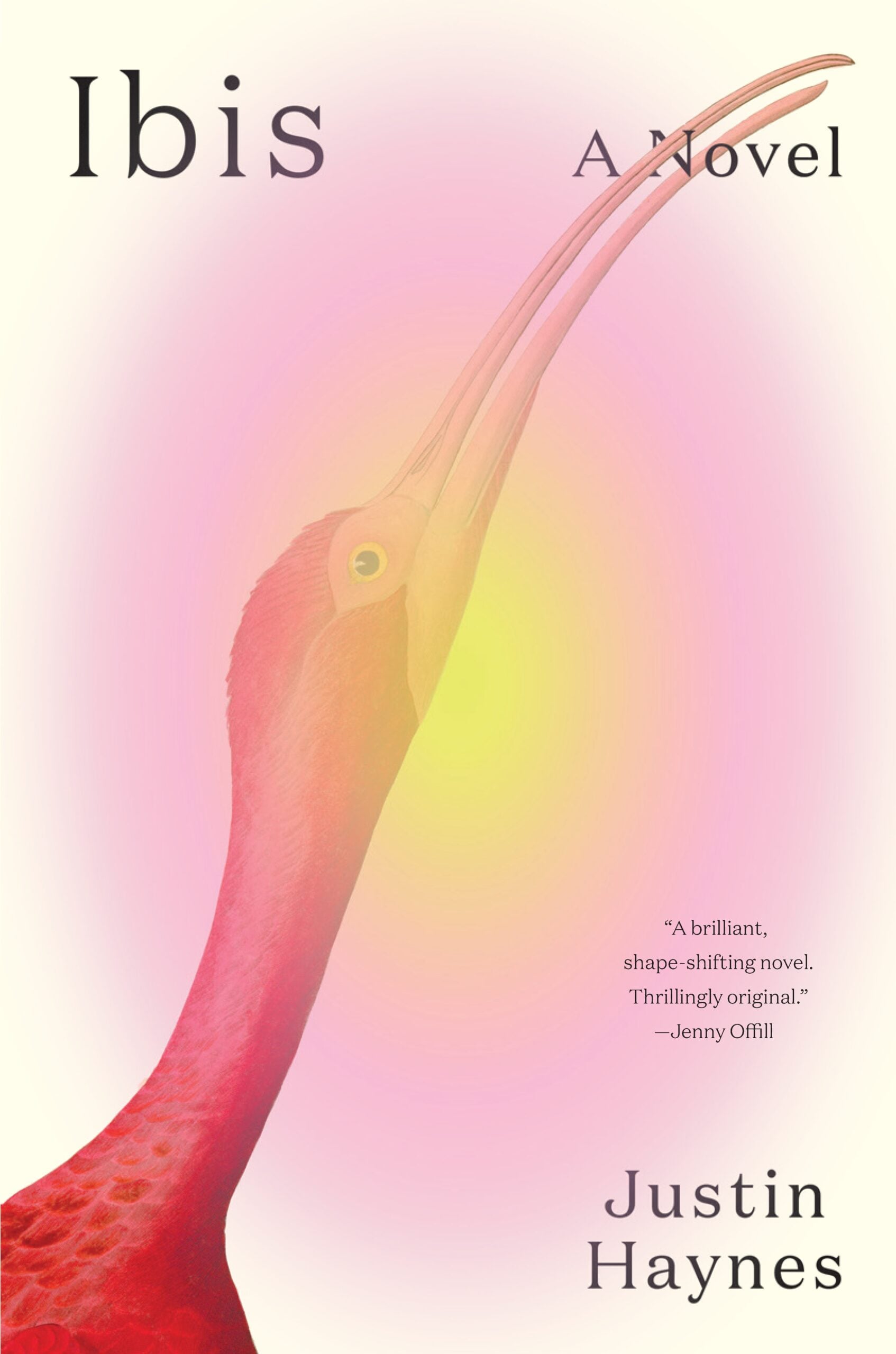
Winner: Ibis, Justin Haynes (Abrams)
From the judges’ citation: “If recent literature has revolved around intergenerational trauma, the books this year interrogate what comes next: how we, in the present, might break our inherited patterns and plots to reclaim our lives and command our futures. The task of breaking these cycles is an uncharted one, and Justin Haynes takes it on with a magical flair and wild, idiosyncratic audacity, uncorking a range of characters and perspectives that crisscross time and space, shattering any pre-given linearity. Reaching into a variety of formal lineages to unpack what is ultimately an untameable, multivocal story, Ibis bears witness to the trails of capsized bodies that expose the continuum between colonialism, slavery, and ongoing human trafficking, binding a small Caribbean island nation with Venezuela and, ultimately, the United States. Gloriously unbridled, Ibis reminds us that the only way to confront a haunted past is to accept—with humor, humility, and invention—the simultaneity, interconnectedness, and mystery of survival.”
PEN/Jean Stein Book Award ($75,000)
To a book-length work of any genre for its originality, merit, and impact, which has broken new ground by reshaping the boundaries of its form and signaling strong potential for lasting influence.
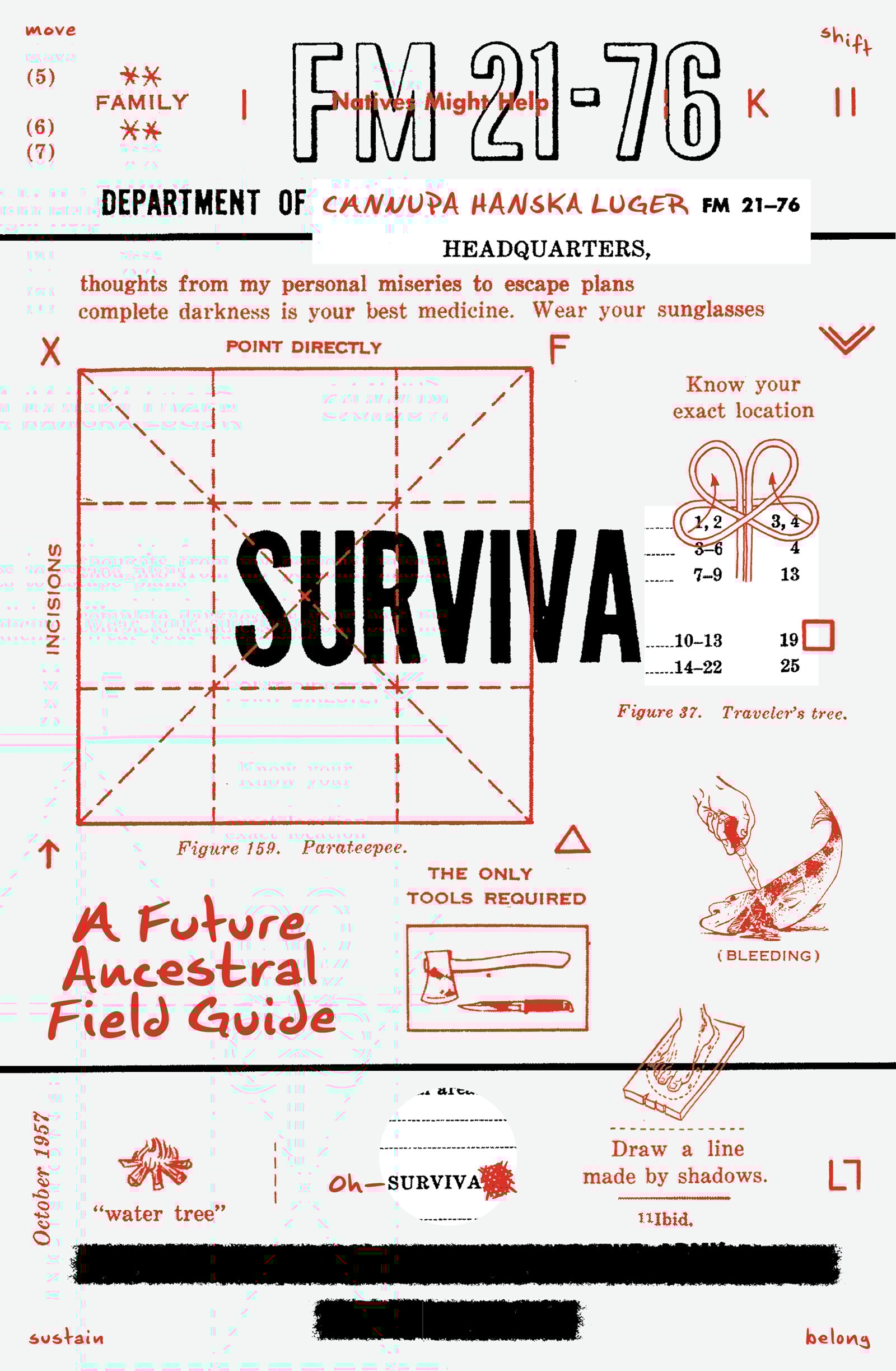
Winner: SURVIVA: A Future Ancestral Field Guide, Cannupa Hanska Luger (Ayin Press)
From the judges citation: “SURVIVA is a love song: to Earth, to community, to all who understand the only possible future is one that returns to Indigenous lifeways. What’s startling isn’t the dystopian charge—though that’s there—but the tenderness threaded through it, a choreography of care embedded in sharp surfaces. Multi-genre and multi-voiced, wholly devoted to the specificity of its observations, SURVIVA doesn’t imagine apocalypse as spectacle so much as it imagines endurance as relationship. Survival here is neither heroic nor solitary, but collective, improvised, and ethically burdened—an ongoing negotiation between Indigenous futurity, colonial debris, and the quiet insistence that something livable must still be made, even now.”