Nature Notes-(708) My Grandson Blake Writes Nature Notes This Week.

Welcome to Nature Notes
Join Nature Notes from Mondays at 11:00 pm EST to Sunday at 11:00 pm EST.
More information can be found at the top of the blog on a separate page, but it really is easy. What are you or have you seen and enjoyed in nature? It can be from your own backyard, the local park, out on a hike or anywhere. What plants and animals catch your interest? Do you garden? Have you read a good book on nature?
Write a blog post with a photo, a story, a poem, or anything goes because I love to see what Mother Nature is up to in your area. Please submit one blog post per week and link back to Nature Notes in some way.
Last week’s Nature Notes Bloggers
| 1. | Cloudia Honolulu | 4. | DISTANT SEA | 7. | Field of Flowers |
| 2. | Shiju Sugunan | 5. | Natasha | ||
| 3. | Lisa | Handmade in Israel | 6. | Natasha |

*********
My 11 year-old grandson was here to visit and we watched a new documentary on bees talking a lot about honey bees and I told Blake that he could write the information for my Nature Notes post. These are the facts that he remembered and got to share with his Grandfather.
I added the photos and there is another post about the Secret of The Bees documentary below. It was amazing.
Honey bees need to collect 40 pounds of honey to survive the winter.

******
A queen bee lays 2000 eggs a day (The large one on the middle is the queen bee)

******
Sometimes bee hives split up. The queen leaves and they have to make a new hive. This is called a swarm.
Below- A swarm of honey bees clings to a fence post while scouts seek a new cavity where the colony can start a new home. Swarms often land on structures such as mailboxes, bird baths, fences, charcoal grills, and automobiles. Swarms often hang in these locations for 3 to 5 days until they eventually move to a permanent nesting site. (Photo by J. W. Harris)

******
The bees do a waggle dance to show other bees how far the nectar and pollen is. They also waggle when there is a swarm to show the other bees where a good new home might be. Other bees go to check on that home too.
*****
The hive kicks out the male drones because they have no purpose except to go out to find a queen and mate with her.

Drone honey bee cells
Bees are in trouble and you can plant flowers and not use any pesticides.******

National Geographic’s THE SECRET OF THE BEES Documentary
…..

Honey Bee on my milkweed
Honey bees are not native to the US but are important to some crops. As honey bees gather pollen and nectar for their survival, they pollinate crops such as apples, cranberries, melons and broccoli. Some crops, including blueberries and cherries, are 90-percent dependent on honey bee pollination. One crop, almonds, depends entirely on the honey bee for pollination at bloom time.
SURPISING FACTS
Healthy, fertile queens are capable of laying eggs almost constantly. During peak season, a quality queen can lay over 2,000 eggs per day – that’s more than her own body weight in eggs in a day! Queens can live up to 5 years but generally egg production flals off after two years.
All fertilized eggs have the potential to become a queen or a worker, while unfertilized eggs become drones. Eggs hatch into larvae about three days after being laid. All larvae are fed royal jelly exclusively for the first three days after hatching. The term hatch or hatching is only used to refer to bee eggs hatching into larvae, the term emerge is used for when a bee emerges from its cell as an adult.
Bees share food and pheromones
A key part of the “chemical symphony” that allows the hive to function as a unified superorganism
Trophallaxis (Food/Pheromone Sharing): Shortly after emerging from their wax cells, young bees (often called “callow” bees) are fed by older sister workers. This is not just food sharing; it is a direct transfer of essential pheromones and microbiome bacteria from the older to the younger bee.
Primer Pheromones: Older forager bees produce a pheromone called ethyl oleate, which can act as a “slow-down” signal. When forager bees are active and successful in gathering nectar, they pass this pheromone through food sharing to younger bees, which tells them to remain in their current roles (nursing) rather than transitioning to foraging too early.
The “Welcome Home” Scent (Nasonov): While feeding and care are happening inside, older bees outside the hive often release the Nasonov pheromone to guide new bees or returning foragers to the hive entrance, often by standing in a “handstand” position and fanning their wings.
Why They Do It: This process helps maintain the hive’s social structure, ensuring that the number of young nurse bees and older forager bees stays in balance.
National Geographic’s Secrets Of The Bees Is Un-bee-lievable
Watch The Secrets of the Bees Official Trailer
Inside The Hive: Dr. Samuel Ramsey On What Secrets of the Bees Reveals
Meet Dr. Samuel Ramsey
Few scientists have done more to deepen public understanding of bee health than Dr. Samuel Ramsey. An award-winning entomologist and researcher, he’s known for his work on the Varroa mite and its impact on honeybee colonies. Now an Assistant Professor of Ecology and Evolutionary Biology at the University of Colorado Boulder, he brings years of research and field experience to the conversation.
“Storytelling is an art form, and when you’re telling a story in a documentary, it’s an art form so big that you can only manage it with a team! It takes a community of people all working together, like a hive full of bees.” Dr. Samuel (Sammy) Ramsey
Bees Aren’t Tiny Robots, They’re Brilliant Problem-Solvers
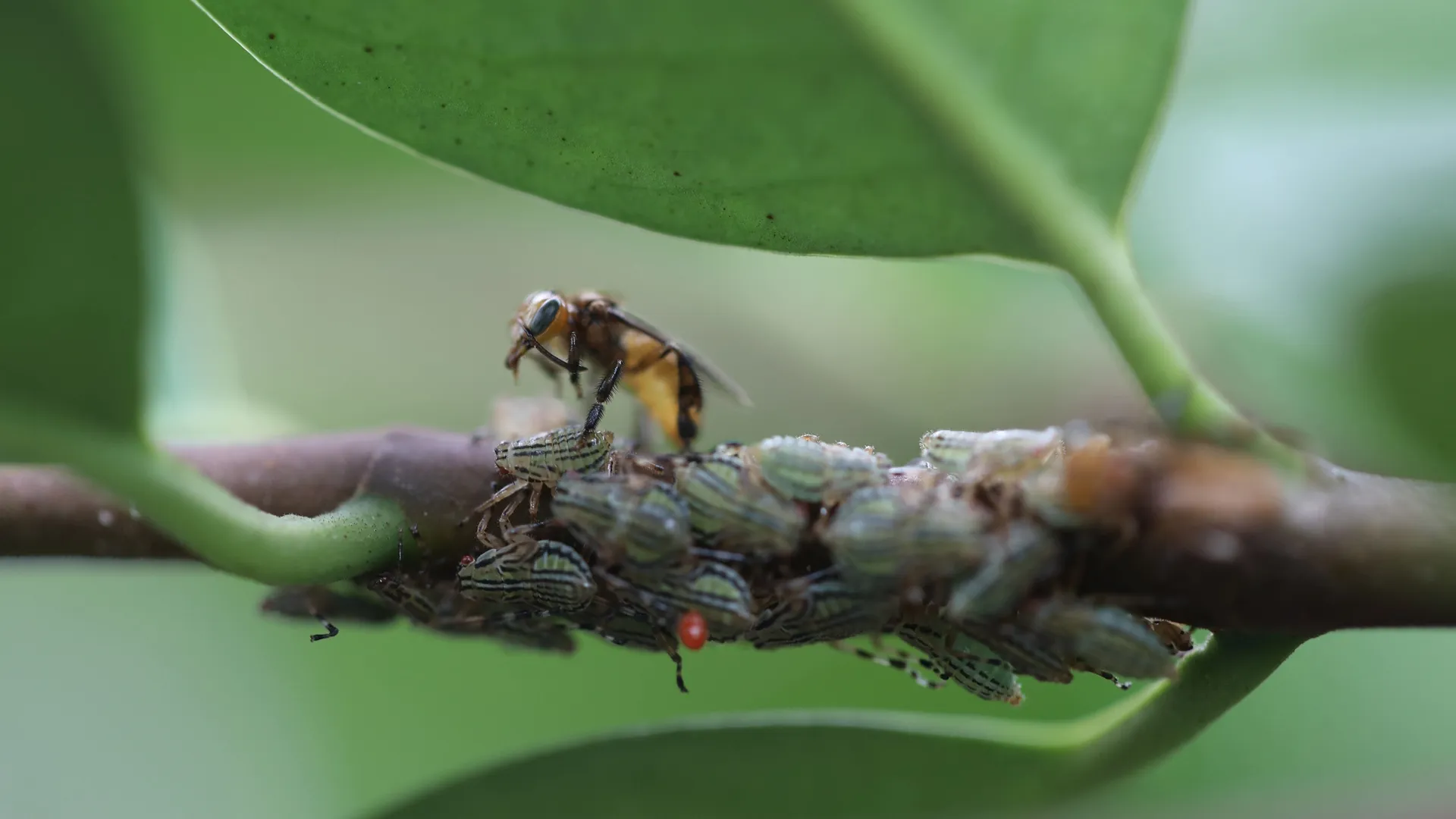
At its heart, Secrets of the Bees is a documentary that treats the hive less like a honey depository and more like a living city, full of relationships, problem-solving, and constant decision-making. One thing Dr. Ramsey hopes viewers learn is that bees aren’t running a single script.
“I want to highlight the intelligence of bees. Most people think insects are just little robots executing repetitive tasks but when you see the incredible ways they communicate and interact with the world, your mind will be blown.”
This kind of perspective shift makes you stop thinking of a hive as a swarm of scary bugs and start seeing it as a complex living system with priorities and teamwork.
Bees Play? Who Knew!
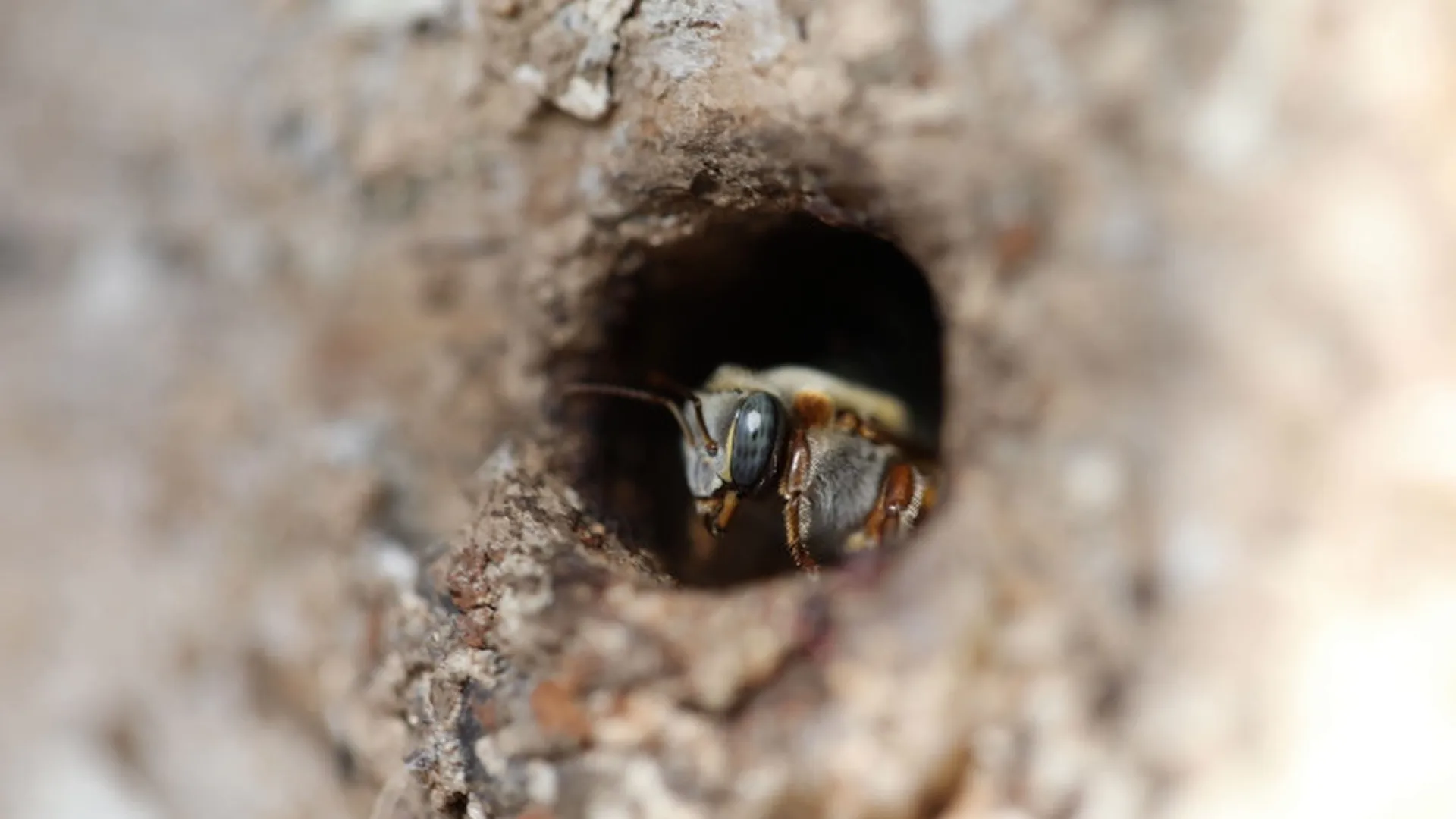
If you’ve ever needed proof that bees are more than just hardworking little commuters, Dr. Ramsey points to a moment that seems almost impossible until you see it: bumble bees playing. Not for survival. Not for food. Just…because.
“It was such an incredible experience to see bumble bees playing for the first time in person! The idea that bees can play, even when it doesn’t provide a clear physical benefit, can even give us insights into playfulness in humans. You’ve really got to see it.”
That’s the magic of this documentary. It doesn’t just teach facts, it serves up small “wait, what?” moments that stay with you.
The Biggest Threats To Bees And What We Can Do To Help
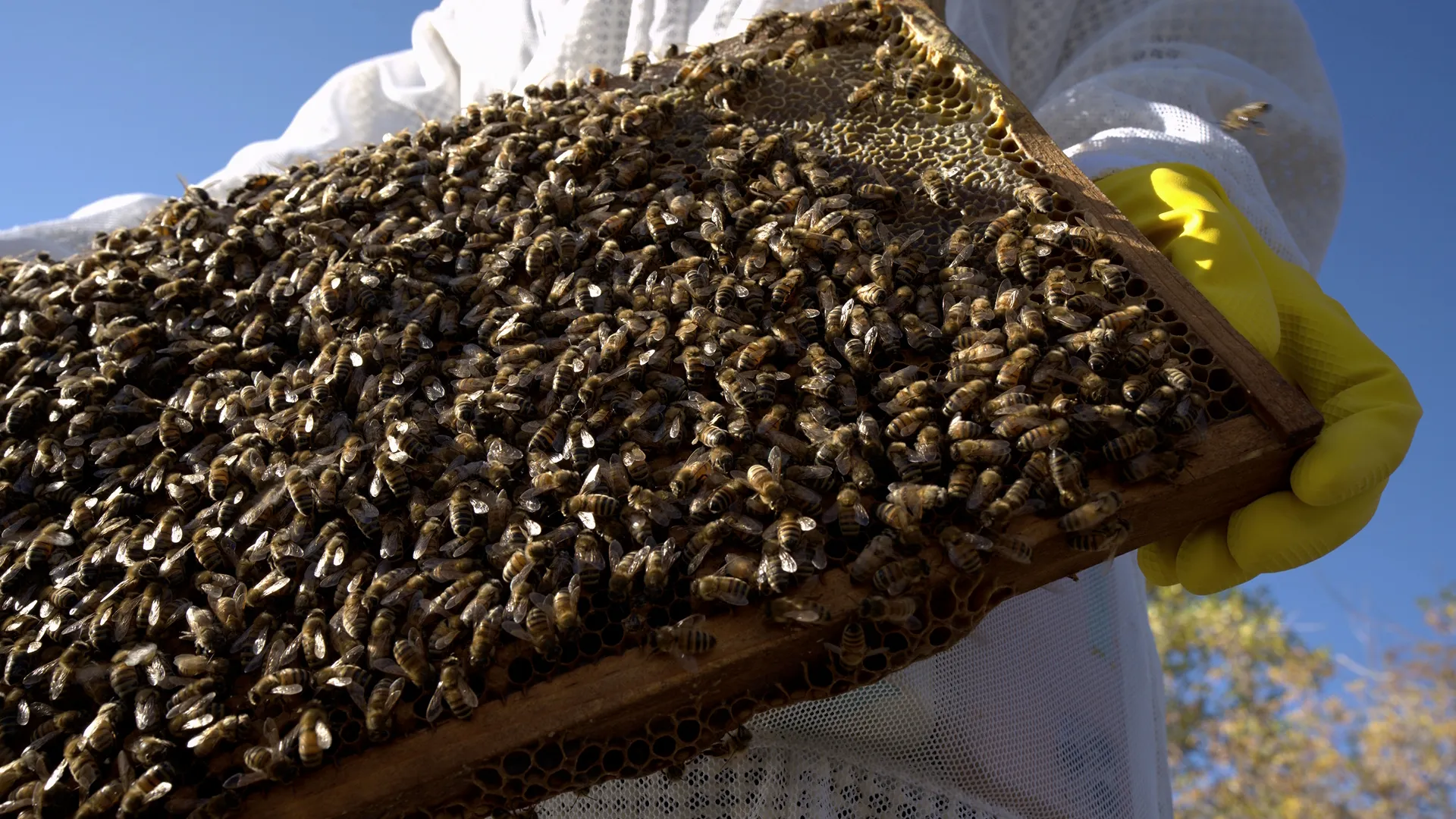
While spotlighting bee life up close, the show also widens out to the bigger question: what happens to all of us if the pollinators powering ecosystems can’t keep up?
Secrets of the Bees doesn’t sugarcoat what’s happening to bees. Instead, Dr. Ramsey frames their crisis in a surprisingly relatable way. Bees have a hierarchy of needs, and right now their basics are getting squeezed out from multiple directions. Honeybees (and many wild bee species) are under pressure from habitat change, parasites, and chemicals that disrupt how their colonies function.
“Bees need food, security, and healthy family connections. But right now, all three of their most important needs are under threat.”
Luckily, Dr. Ramsey shares practical steps anyone can take to help the bee community without becoming a full-time beekeeper.
“As a community member, you can plant native wildflowers [and] reduce usage of pesticides in the environment. If we all do our part, we can save the bees.”
Making Bee Science Click For Everyone

The Misconception Ramsey Hopes This Show Retires For Good
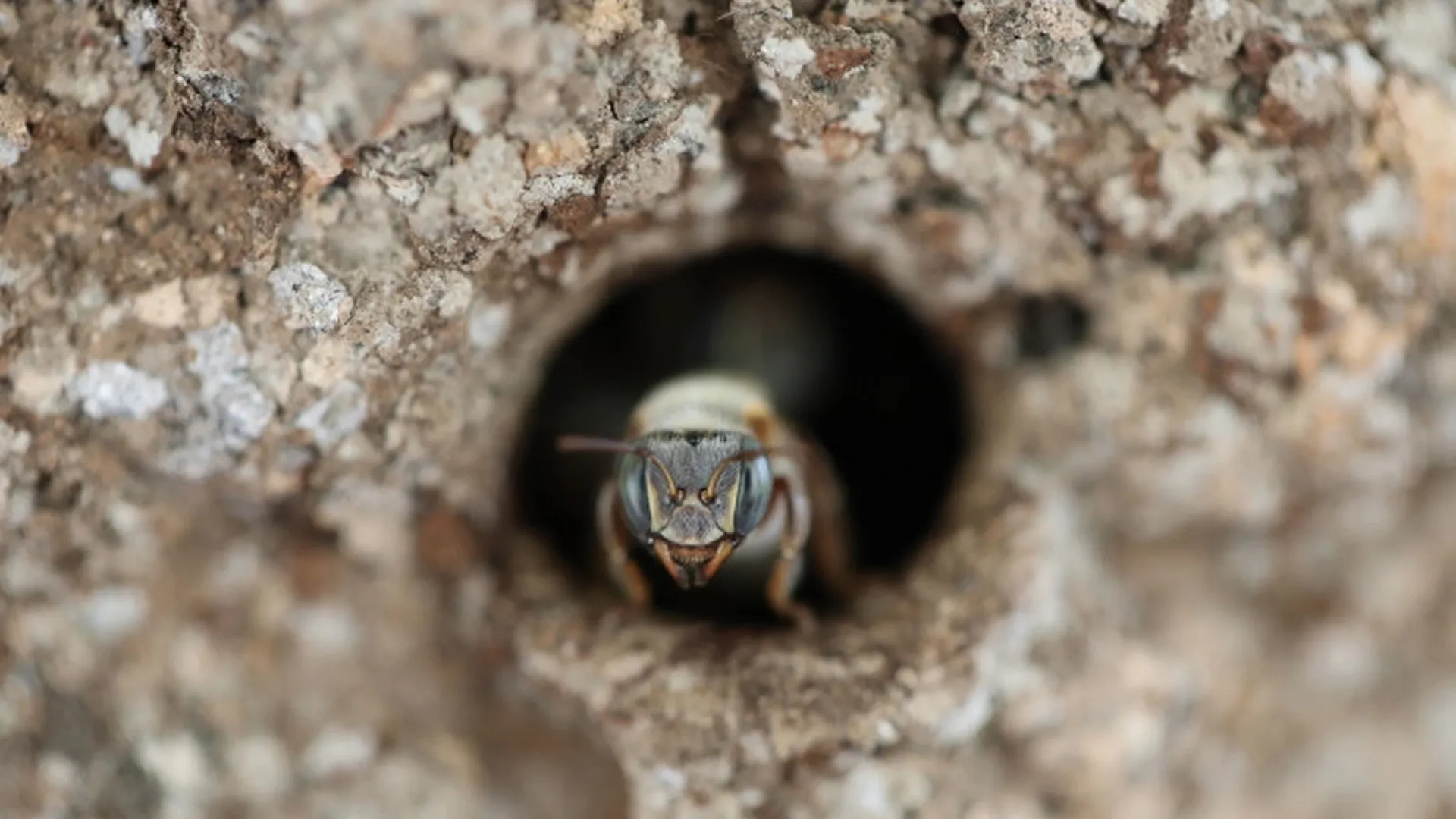
If Secrets of the Bees changes one thing, Dr. Ramsey hopes it’s removing our reflex to treat bees like tiny flying threats. Most bees aren’t looking for conflict. They’re focused on work, food, and getting back home.
“I think people will finally see that their conception of bees as aggressive creatures who are flying around looking for someone to sting is wrong. Bees are gentle, hardworking insects who are just trying to make sure their mom and sisters don’t get hurt.”
And then he makes this point that may help set your mind at ease the next time one of these little guys bumps into you. There’s no reason to be afraid, just wait for the bee to understand what it’s experiencing.
“When that bee is buzzing around you, it’s almost certainly because your shampoo smells like flowers or your dress has a floral print that confused them.”
Basically, by the time picnic season rolls around, Dr. Ramsey hopes viewers are a little less swat-first-ask-questions-later and a lot more impressed by what’s happening behind the buzz.
 ~RAMBLING WOODS
