
Resource Listing

97-025 Chronic Heart Failure Questionnaire (CHQ)
The CHQ is a validated tool to measure longitudinal change over time of patients with chronic heart disease or heart failure.

97-024 Chronic Respiratory Disease Questionnaire (CRQ)
The CRQ is a validated instrument used to measure health-related quality of life in patients with chronic airflow limitation. Patients report their dyspnea, fatigue, and emotional function during important daily activities.

97-020 Inflammatory Bowel Disease Questionnaire (IBDQ)
The IBDQ is the gold standard in inflammatory bowel disease research. It is a validated tool to measure health-related quality of life in adult patients with inflammatory bowel disease, ulcerative colitis, or Crohn’s Disease.

26-067 Ethnic Specific Food Frequency Questionnaires
A set of culturally tailored Food Frequency Questionnaires that deliver comprehensive, harmonized dietary assessments for diverse populations to support nutrition research, clinical studies, and precision?health applications.

26-034 Measure of Processes of Care (MPOC), V2.0
The MPOC 2.0 questionnaire is a survey designed to evaluate family-centred care in child health services. It gathers feedback from parents and caregivers about their experiences with healthcare services for their children with disabilities.

26-017 Manual Ability Classification System (MACS)
A five-level classification system that assesses how children with cerebral palsy use their hands in everyday activities to guide therapy and early intervention planning.

25-097 Tryptophan Derivative for Intestinal Inflammation Treatment
A novel tryptophan-derived therapeutic platform that simultaneously reduces intestinal inflammation and fibrosis, offering IBD patients a versatile and comprehensive potential treatment option.

25-085 ZT-1a as a Broad-Spectrum Antiviral Agent
ZT-1a is a novel broad-spectrum antiviral compound that significantly reduces replication of multiple virus families, offering a versatile therapeutic option for preventing and treating diverse viral infections, including COVID-19.

25-077 Gross Motor Family Report (GM-FR)
The GM-FR is a family report evaluation tool for children with cerebral palsy. It is based on and adapted from the GMFM, which is a standardized tool used to assess changes in gross motor function in children with CP.

25-071 The StrongArms-Cancer mHealth System
A mobile health platform integrating a digital goniometer, a volume-measuring wand, and an app to enable early detection and personalized management of upper extremity impairments (e.g., lymphedema, impaired shoulder range of motion) in breast cancer survivors, improving accessibility and rehabilitation outcomes.

25-069 LIMB-Q Kids
LIMB-Q Kids is a patient-reported outcome instrument developed specifically for children and adolescents with lower limb differences.
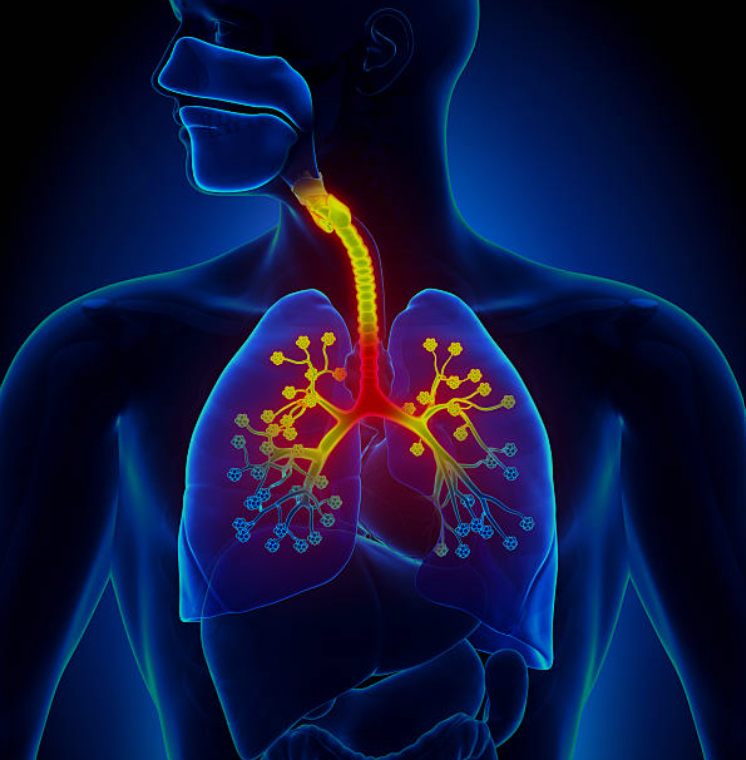
25-030 McMaster Cough Severity Questionnaire (MCSQ)
A validated patient-reported outcome measure designed to reliably assess cough frequency and intensity for use in clinical trials, research, and clinical care of chronic cough patients.

25-029 HAIR-Q
The HAIR-Q is a patient-reported outcome instrument for measuring patient satisfaction with hair appearance.

25-019 DNA assembly kit for multi-fragment cloning and large construct synthesis
A platform for fabricating three-dimensional microarrays with ultra-high specificity and sensitivity for detecting disease biomarkers.

25-014 GENDER-Q
The GENDER-Q is a patient-reported outcome instrument that means to precisely measure outcomes of psychological, hormonal and surgical gender-affirming treatments.

25-011 3D hydrogel microarrays with ultra-high detection specificity and sensitivity
Platform for fabricating three-dimensional microarrays with ultra-high specificity and sensitivity for detection of disease biomarkers.
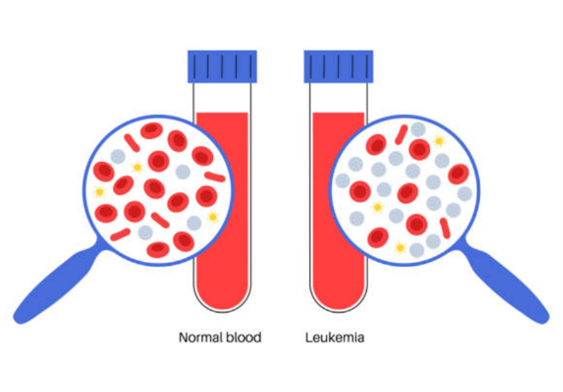
24-095 Prognostic marker for acute nyeloid leukemia (AML) relapse
A prognostic method for determining patient survival and prediction of treatment failure in Acute Myeloid Leukemia (AML).

24-086 Ultra-thin SiGe layers enabling III-V epitaxy on Si
A novel method enabling fabrication of high-performance GaAs-based lasters and photodetectors on silicon, enhancing efficiency for data communication and optical interconnects and facilitating the development of advanced multijunction photovoltaic cells, with the potential to improve energy conversion rates for residential and commercial solar power systems.

24-055 SKIN-Q
The SKIN-Q is a patient-reported outcome instrument to measure patient satisfaction with skin in the context of minimally invasive aesthetic treatments of the face and body.
24-054 Point-of-care test to quantify tranexamic acid levels in patient samples
An assay to measure TXA levels in patient plasma samples, as a simple and rapid method of performing a point-of-care test in clinical settings.

24-052 Phage-loaded hydrogel treatment for bone and implant infections
Phage-loaded injectable hydrogel treatment for osteomyelitis infections.

24-051 Children’s Assessment of Participation and Enjoyment (CAPE) and Preferences for Activities of Children (PAC)
A validated suite of assessment tools designed to measure children’s participation and preferences in leisure and recreational activities, providing insights into engagement, enjoyment, and inclusivity for research, evaluation, and clinical applications.

24-049 NAIL-Q
The NAIL-Q is a patient-reported outcome instrument for patients with any type of nail condition.
24-028 LIMB-Q
The LIMB-Q is a patient-reported outcome instrument for patients after lower extremity trauma.

24-024 Trauma-Informed Pedagogy
Knowledge module explores how trauma impacts learning and introduces strategies to cultivate positive learning spaces.

23-089 Portable, high throughput platform for rapid, one-pot, point-of-use screening of phage biobanks
A high throughput, point-of-use platform technology that allows for packaging and stabilization of bacteriophage biobanks.

23-086 Scalable fabrication of self-assembled cell sheet
Scaffold-free cell sheet for tissue construction.

23-085 Protein eutectogel as a platform for advanced materials and manufacturing
A resin-based method to fabricate protein eutectogels that can be used in tissue engineering, packaging, sensors, medical devices, air and water purification, and energy storage.

23-078 Screening Tool for Assessing Reporting of Machine Learning (STAR ML)
A novel tool for full-text screening of papers and systematically evaluating the quality of machine learning research.

23-078 Rapid Deep Learning-based Flood Losses/Risk Prediction Tool (RAPFLO)
Tool that uses hierarchical deep neural networks to estimate fluvial flood risk likelihood and level.

23-065 Youth, Young Adult Participation and Environment Measure (Y-PEM)
The Y-PEM was created in response to requests for a tool that was more appropriate for youth and can be completed by youth. The measure covers the entire age range of transitioning to adulthood, ages 12 to 30, and adds a new section to assess the workplace domain.

23-064 The Electronic Hamilton Anatomy of Risk Management (eHARM)
The Electronic Hamilton Anatomy of Risk Management (eHARM) is a cloud-based risk assessment tool designed to streamline and enhance the process of evaluating and managing violence risk in psychiatric patients.

23-060 The Aggressive Incidents Scale (AIS)
The Aggressive Incidents Scale (AIS) is an advanced and user-friendly tool designed to accurately record, monitor, and analyze patient aggression and violence by providing a common language for healthcare professionals.

23-053 PeerOnCall & PeerOnCall Support
Paired mobile health platforms designed by and for Canadian Public Safety Personnel designed to promote high quality mental health information and provide private, secure links to peer support.

23-051 1-Day cognitive behavioural therapy-based workshops for postpartum depression
A unique day-long intervention consisting of 7 hours of psychoeducation delivered in 4 modules by an individual or a pair of facilitators.

23-010 Protease-resistant ADAMTS13, a novel thrombolytic agent
An effective thrombolytic agent for the treatment of various cardiovascular diseases.

23-009 Multifunctional surface modification of biomaterials with bioactive agents to reduce thrombosis
A dual surface modification for blood-contacting medical devices that combines anticoagulant and fibrinolytic agents, enhancing the overall response and reducing thrombosis more effectively than single-agent modifications.

22-062 Canadian Blood Disorder Registry Tracker Application (MyCBDR)
A mobile hemophilia tracker that circumvents the need to log bleeds and treatments on paper manually. Users can also transmit logs to their care team.
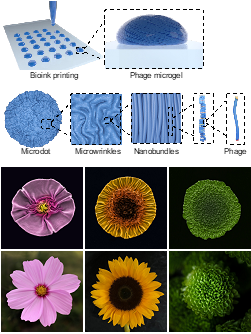
22-061 Turning biomolecules into 3D hierarchical wrinkled structures
A transformative method, free of heat and solvents, that allows for the preservation of micro and nanostructure of biologics while inducing substrate wrinkling.

22-057 Novel high-throughput method for vitamin D screening
A high-throughput method for assessing vitamin D status from blood specimens based on direct-infusion tandem mass spectrometry that offers better precision and accuracy that immunoassays.
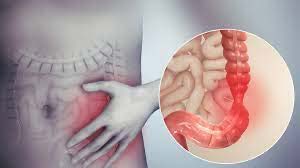
22-052 Novel diagnostic biomarker for diarrhea-predominant irritable bowel syndrome (IBSD)
A novel non-surgical diagnostic biomarker for diarrhea-predominant irritable bowel disease (IBSD) that can distinguish from IBD and normal patients who do not have IBSD, instead of invasive colonoscopies and biopsies.

22-029 Antimicrobial phage microgel sprays for bacterial control
A biomolecule-friendly, high-throughput method to synthesize sprayable phage microgels to control the growth of microorganisms in food products and other biocontrol scenarios.

22-016 ASK1 inhibitors as a potential pan-antiviral drug
Apoptosis signal-regulating kinase 1 (ASK1) is activated in response to pro-inflammatory stimuli, reactive oxygen species, and various other cellular stressors helping limit SARS-CoV2 replication and pro-inflammatory cytokine production.

22-011 Individualizing head-related transfer functions using smartphones
A fast, affordable, and accurate smartphone-based process for determining individualized Head-Related Transfer Functions that is easy to conduct and does not require expensive or specialized equipment.

22-003 Discovery of potent antiviral agent
A unique small molecule can be used in the treatment of DNA and RNA viruses with limited host cell cytotoxicity.

22-001 TrialTree
Fully functional, interactive platform designed for streamlining the process of creating randomized trial design, including feedback on trial design, resources for trial design, tools for statistical analysis plans, and support for various trial design protocols.

21-060 Constrained shrinking of pre-stressed films to achieve high-resolution nanoscale patterns
Nanoscale formation pattern that allows for high-resolution uniform patterns for industrial applications such as semiconductor manufacturing, microsystems, and optoelectronics. This can also be applied to developing optical structures or a potential replacement for deep UV and phase shift masking technologies.

21-059 The Platelet Variability Index (PVI)
Novel measure of platelet count fluctuations to improve the diagnosis of patients with Immune Thrombocytopenia (ITP).

21-043, 16-062 Cuboid size-exclusion chromatography device
A cuboid scalable SEC device for high-resolution purification and fast separation.

21-033 Enhanced photodiodes for sensing and communication
Differential Single photon avalanche diodes (SPADs).

21-029 Autism Classification System of Functioning: Social Communication (ACSF:SC)
A standardized and simplified way to discuss a child/youth’s social communication abilities.

21-017 Serum biomarkers for early detection of peripheral artery disease
A screening strategy that utilizes serum biomarkers that differentiate late-stage chronic limb-threatening ischemia (CLTI) from early-onset intermittent claudication (IC) for a more accurate diagnosis and risk assessment of peripheral artery disease.

21-008 Back2Play – Concussion Management Platform for Children and Youth
A comprehensive concussion management platform that monitors and evaluates symptoms in real-time.

21-001 In situ-gelling nanoparticle hydrogels for site-specific drug delivery
This in situ-gelling nanoparticle network hydrogel can be used for intranasal delivery of drugs to the brain.

20-078 Thermo-gel polymer system for improved ophthalmic drug delivery
Thermo-responsive eyedrops for controlled degradation and sustained drug delivery.
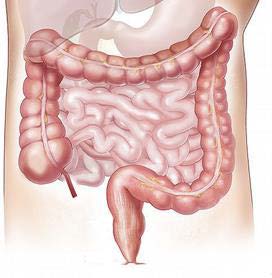
20-047 Non-invasive diagnosis and treatment monitoring of inflammatory bowel disease
A reliable, non-invasive method for diagnosing Crohn’s disease and ulcerative colitis using urinary biomarkers—offering early detection and improved monitoring in pediatric patients.

20-046 Safer, cheaper, faster conductive MoS2 manufacturing
A patented, scalable method for producing highly conductive MoS? offers a safer, faster, and more cost-effective alternative to traditional synthesis techniques.

20-043 MAC-PMSS application
An app to track mood and premenstrual symptoms so users can see if their symptoms are severe enough to bring them to healthcare providers.

20-032 Evidence Alerts application
A convenient notification system to ensure physicians stay up to date on all new studies, treatment advances and new prognosis methods.
20-026 Modifying intestinal nutrient absorption for obesity and metabolic diseases
Non-invasive method and dietary composition for treating obesity and metabolic diseases with better adherence than diets.

20-019 MyEXP application
A suite of apps that gathers experiences of mental health service users, family/caregivers and service providers following each appointment.

20-011 Antibacterial phage hydrogels
Self-healing, fluorescent antibacterial bacteriophage hydrogels for wound healing and environmental applications.

20-002 Externally-Activatable cork-shell capsules for targeted drug delivery
An ultrasound-triggered cork-shell capsule/particle drug delivery system that can control the release kinetics of therapeutic drugs without causing cellular damage.

19-087 Photoelectrochemical DNA biosensors using metal-semiconductor nanoparticles
A novel PEC DNA biosensor method that uses DNA to create a gap between metal and semiconductor nanoparticles.

19-046 Geras Fit-Frailty application
A mobile screening tool for frailty in older adults that can be completed by their caregivers or by a healthcare professional in a clinical environment.

19-044 Minimal Important Difference (MID) Credibility Assessment Tool
Novel instrument for evaluating the extent to which the design and conduct of studies measuring MIDs are likely to have protected against misleading estimates.

19-040 About My Child
A caregiver report tool that can be used to collect narrative descriptions of a child and family’s strengths and to document concerns to areas of child development.

19-020 Carbonic anhydrase-catalyzed isotope equilibrium for oxygen isotope analyses of aqueous samples
A method to significantly reduce the reaction time for oxygen isotope studies of aqueous samples from 24h to less than 1h.

19-019 Enhancing antimicrobial activity using bicarbonate
Bicarbonate enhances the effectiveness of antibiotics, offering a promising strategy to combat multidrug-resistant infections in both human and veterinary medicine.

19-018 Novel bis-amidine compound with antimicrobial activity
Unique, effective bis-amidine compound adjuvants with low cytotoxicity that are effective at enhancing an antibacterial response against antibiotic-resistant gram-negative bacteria.

19-016 SCAR-Q
The SCAR-Q is a patient-reported outcome instrument for patients with surgical, traumatic, and burn scar.

19-007 Laboratory score for predicting cardio-toxicity
A novel algorithm to detect risk of cardio-toxicity using a combination of easily detectible cardiac biomarkers in the blood.

19-002 ACNE-Q
The ACNE-Q is a patient-reported outcome instrument for patients with acne and/or acne scars.

18-084 Beyond Silence application
A mental health literacy training program customized for healthcare workers designed to promote early intervention and support within the workplace for any employee across the organization who may be struggling with mental health issues.

18-078 Cancer Distress Scales for Adolescent and Young Adults (CDS-AYA)
The CDS-AYA is a valid screening tool to measure distress and identify cancer survivors that need support.

18-058 A novel tool surface treatment for wear and chipping improvements
A method of coating the tool with a soft metal coating that is capable of melting and functioning as an in-situ liquid lubricant during the machining operation.
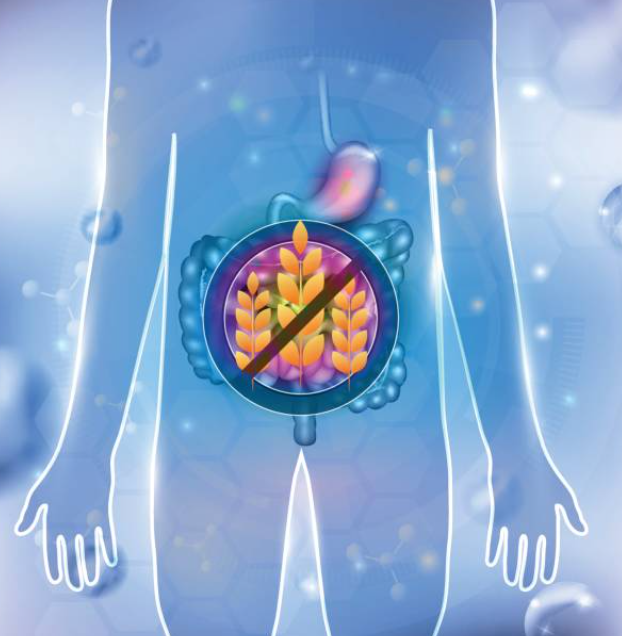
18-054 Celiac disease interventions by agents affecting the AhR pathway
A new combination therapy to treat gluten-related disorders, such as celiac disease, via targeting the aryl hydrocarbon receptor (AhR) pathway.

18-046 Public and Patient Engagement Evaluation Tool (PPEET)
The PPEET is a tool that can be used in a variety of health system organizations to assess those who organize and participate in engagement activities.

18-045 Assay to measure direct factor Xa inhibitors in blood and plasma
This assay can test both plasma and citrated whole blood to allow for simple, on-demand usage in hospital labs.

18-043 Focus on the Outcomes of Communication Under Six (FOCUS)
The FOCUS is a clinical tool designed to evaluate changes in communicative participation in preschool children. Communicative participation is the child’s communication and interaction in “real world” situations at home, school, or in the community.

18-036 MyTransition application
The MyTransition app aims to help children 12-18 slowly take responsibility for their healthcare and improve communication with physicians.

18-016 Gross Motor Function Measure (GMFM) application
A mobile clinical tool designed to evaluate gross motor function changes in children with cerebral palsy.

18-014 Antibiotic Resistance Platform (ARP): for adjuvant discovery and antibiotic dereplication
The antibiotic resistance platform (ARP) can be used for both the identification of antibiotic adjuvants and for antibiotic dereplication.

18-008 Sepsis prognostic tool to create personalized mortality risk profiles
A predictive algorithm for assessing personalized sepsis-related mortality risk profiles of septic patients with utility for both clinical trials and patient care.

17-063, 97-036 Transgenic Mice: An invaluable method of studying cancers
Genetically engineered mouse models developed by Dr. William J. Muller offer powerful tools for studying breast cancer, tumorigenesis, and testing therapies, now available through Jackson Labs.

17-047 Novel biomarker for assessment of metformin efficacy
Identifies Growth Differentiation Factor 15 (GDF15) as a novel biomarker to rapidly and reliably assess the efficacy of metformin treatment, particularly in cardiovascular and metabolic disease contexts.

17-045 McMaster handwriting assessment protocol (MHAP)
The MHAP is designed to provide a structured framework to assess handwriting in school-aged children, and to facilitate clinical decision-making.

17-033 McMaster Psychiatry Handbook
A mobile psychiatry handbook containing evidence-supported approaches to psychiatric emergencies, substance intoxication and withdrawal, and various psychiatric symptoms.

17-031 FACE-Q Kids
The FACE-Q is a patient-reported outcome instrument for patients with conditions associated with facial difference aged 6 to 29 years.

17-028 EAR-Q
The EAR-Q is a patient reported outcome instrument designed for patients with ear conditions, measuring the appearance of their ears and postoperative adverse effects.

17-011 Brush amphiphilic block copolymers for drug delivery
Brush amphiphilic block copolymers provide tunable, self-assembling nanoparticles for drug delivery and biomedical use, offering enhanced functionalization, temperature responsiveness, and versatile biomedical performance.

17-002 LIIT: Local Infusion of Immuno-Therapeutics
A platform technology with hydrogels that can sustain and localize antibody/protein release, relevant to a wide variety of clinical applications.

16-071 Young Children’s Participation and Environment Measure (YC-PEM)
The YC-PEM is a measurement tool designed to help parents, service providers, and researchers evaluate the level of participation and quality of environment of children ages 0-5 in home, daycare/preschool and community settings.

16-052 Web Accessible Population Pharmacokinetic Service (WAPPS)
WAPPS is a web application that allows health care professionals of registered hemophilia centres to securely input post-infusion plasma level measurements of factor concentrates, returning individual pharmacokinetic (PK) estimates.

16-036 BODY-Q
The BODY-Q is a patient reported outcome instrument designed to evaluate outcomes for adult patients who are obese, undergo weight loss through diets, exercises, and/or bariatric surgery.

16-020 Thermally stable adenoviral formulations through spray drying
A robust method for preparing a thermally stable adenovirus formulation, extending the possible applications of adenovirus-based vectors as thermally stable vaccines.

16-015 Laboratory scores for risk stratification of patients with possible cardiac injury
Using important biochemical parameters to accurately determine the risk of an acute cardiovascular event or death with easy interpretation.
16-003 Gross Motor Function Classification System (GMFCS)
The GMFCS is a 5-level classification system that describes the gross motor function of children and youth with cerebral palsy on the basis of their self-initiated movement with particular emphasis on sitting, walking, and wheeled mobility.

16-002 Gross Motor Function Measure (GMFM)
The GMFM is an observational instrument validated to measure change in gross motor function over time in children with cerebral palsy.

15-086 TRANSITION-Q
The Transition-Q measures self-management skills in healthcare in adolescents aged 12 to 18 years across a broad range of chronic health conditions.

15-083 CLEFT-Q
The CLEFT-Q is a validated patient reported outcome instrument designed for patients with cleft lip and/or palate aged 8-29 years measuring facial appearance, facial function, and quality of life.

15-066 Plant-derived pharmacological chaperones for treatment of phenylketonuria (PKU)
These plant-derived natural products offer a safe, yet effective, therapeutic treatment of PKU via nutritional supplementation.

15-060 Treatment of breast cancer
Dronedarone is an FDA-approved drug that has shown anti-cancer activity in breast cancer cell cultures, sphere forming assays and in mice.

15-055 Comprehensive Antibiotic Resistance Database (CARD)
A bioinformatic database of resistance genes, their products and associated phenotypes. Resource for antimicrobial resistance (AMR) surveillance in healthcare, agriculture and environmental settings.

15-010 Biomarkers for determining cardiovascular disease risk
Novel biomarkers for the assessment of the risk for development of CV

15-005 Measure of Processes of Care (MPOC)
The MPOC is a questionnaire for parents and service providers, to better understand and measure the actual experiences and behaviours of those who work with children with long-term health or developmental problems and their families.
14-069 Biomarkers of cystic fibrosis for better screening and therapeutic treatments
Identification of a novel panel of biomarkers from blood and sweat samples to improve early screening, diagnosis, and treatment monitoring for cystic fibrosis.

14-043 Quality of Prenatal Care Questionnaire (QPCQ)
The QPCQ is a validated tool to be completed by women after 36 weeks of pregnancy or within the first 6 weeks postpartum. It can be used by researchers to compare quality of prenatal care across regions, populations and service delivery models, and to examine relationships between quality of care and a variety of maternal and infant health outcomes.

14-034 Perceived Efficacy and Goal Setting (PEGS)
PEGS is a measure that enables children to rate their performance on everyday tasks to identify goals for intervention.

14-023 Quality of Upper Extremity Skills Test (QUEST)
The QUEST is a validated outcome measure designed to evaluate movement patterns and hand function in children 18 months to 8 years with cerebral palsy.

14-019 Method for determining coagulation activation in whole blood
Measuring coagulation activation, including thrombin generation, is useful in a number of clinical conditions. McMaster researchers have developed a novel method and class of substrates to do this using whole blood, for instance from a finger prick, using conventional fluorescence equipment.

13-055 Professionalism and Environmental Factors in the Workplace Questionnaire (PEFWQ)
The PEFWQ is intended to determine key attributes that influence the professionalism of nurses in their practice environments. It is designed to identify areas of concern to nurses and provide a starting point for discussion.

13-055 Participation and Environment Measure Children and Youth (PEM-CY)
The PEM-CY is a measurement tool designed to help parents, service providers, and researchers better understand the participation of children and youth ages 5-17 in home, school, and community settings.
13-046 Novel beta-lactamase inhibitor
A unique inhibitor of metallo-beta-lactamases that can be used to re-sensitize antibiotic resistant bacteria to beta-lactam antibiotics.

12-064 Seismic mitigation using a novel elastomeric isolator
A base isolation technology to mitigate the effects of earthquakes on low-rise buildings in high seismic regions.

11-017 Artificial placenta: Improved postnatal gas exchange in infants with respiratory failure
A miniaturized, pumpless artificial placenta device that passively supports gas exchange in newborns with severe respiratory failure.

09-001 Health Related Quality of Life in Children with Epilepsy (CHEQOL)
The CHEQOL is a validated self-report and parent proxy respondent for health-related quality of life. CHEQOL measures how children 8 years and older with epilepsy feel in relationships and how they are affected by the disease.

07-066 Early Development Instrument (EDI) child assessment
The Early Development Instrument (EDI) is a teacher-completed questionnaire assessing children's developmental health from ages 3.5 to 6.5 across five domains, providing population-level insights into early childhood development.

07-064 Clinical Investigator Collaborative Standard Operating Procedures (CIC-SOP)
The CIC-SOP are a compilation of processes and procedures regarding the conduct of clinical trials. They are an indication of the level of professionalism at each CIC site. SOPs are critical to quality performance and the ethical conduct of clinical trials.

07-029 Global Rating of Change Questionnaire (GRCQ)
The GRCQ is a validated questionnaire that provides a global measure to confirm, interpret and generalize findings of health-related quality of life instruments or outcomes. It interprets questionnaire scores with patients participating in controlled trials and in planning new trials.

06-056 Polycystic Ovary Syndrome Questionnaire (PCOSQ)
The PCOSQ is a validated questionnaire measuring concerns in women with polycystic ovary syndrome including emotions, body hair, weight, infertility, and menstrual problems.

05-019 Gas Chromatography/Mass Spectrometry Analysis Software Program (GASP)
GASP extracts and converts the data from the output files generated by various GC/MS instruments. The software aligns peaks from multiple gas chromatograms enabling the user to detect statistically significant differences between levels of compounds present in the specimen under study. Hey Paul from Sacramento, CA, USA, CC BY 2.0, via Wikimedia Commons

04-069 Premenstrual Symptoms Screening Tool (PSST)
The PSST is validated screening tool to identify women who suffer with Premenstrual Syndrome (PMS) or Premenstrual Dysphoric Disorder (PMDD).
04-056 Perianal Disease Activity Index (PDAI)
The PDAI is a validated index that quantifies severity and important changes in perianal disease.

CAMH VAGUS insight into psychosis scale
An easy to administer insight scale with both self-report and clinician-rated versions that would be sensitive to small changes in insight over brief periods of time, and assess the multidimensionality of insight.
CAMH Substance Misuse Awareness Scale (AASIS-SAS)
A novel and easy to administer self-report measure of illness awareness in substance misuse that can be easily tailored to any substance.
CAMH Problem Gambling Awareness Scale (AASIS-GAS)
A novel and easy to administer self-report measure of illness awareness in problem and pathological gambling.
CAMH Obesity Awareness Scale and Insight Scale (OASIS)
OASIS is a novel and easy to administer measure of insight into illness scale in obesity and related syndromes.
CAMH Nicotine Addiction Awareness Scale
Novel and easy to administer self-report measure of illness awareness in substance misuse that can be easily tailored to any substance. The measure assesses the core domains of illness awareness, including general illness awareness, accurate attribution of symptoms, awareness of the need for treatment, and awareness of negative consequences. With 10-point Likert scales for each item, this scale has the capacity to detect small changes in illness awareness.
CAMH Inventory of Drug-Taking Situations (IDTS): Drug Questionnaire
A clinical tool that allows substance use counsellors and researchers to assess the situations in which a client has used alcohol over the last year. The IDTS generates a separate profile of risk situations for each substance and can be used in both individual and group counselling programs with clients whose substance use problems range from mild to severe.
CAMH Inventory of Drug-Taking Situations (IDTS): Alcohol Questionnaire
A clinical tool that allows substance use counsellors and researchers to assess the situations in which a client has used alcohol over the last year. The IDTS can be used in both individual and group counselling programs with clients whose substance use problems range from mild to severe.
CAMH Drug-Taking Confidence Questionnaire (DTCQ): Drug Questionnaire
The Drug-Taking Confidence Questionnaire (DTCQ), a companion tool to the IDTS, allows substance use counsellors and researchers to identify a client’s self-efficacy in relation to 50 drug-taking situations.
CAMH Drug-Taking Confidence Questionnaire (DTCQ): Alcohol Questionnaire
The Drug-Taking Confidence Questionnaire (DTCQ), a companion tool to the IDTS, is easy to use and allows substance use counsellors and researchers to identify a client’s self-efficacy in relation to 50 drinking situations.
CAMH Diabetes Awareness Scale and Insight Scale (DAS)
DAS is a novel and easy to administer measure of insight into illness scale for use in diabetes.
CAMH DAST-20 Drug Abuse Screening Test
Similar to the DAST-10 but with its additional 10 items provides a broader assessment of content areas intended for clinical assessment and research purposes.
CAMH DAST-10 Drug Abuse Screening Test
The DAST-10 provides a brief, simple, practical, but valid method for identifying individuals who are abusing psychoactive drugs. This instrument takes approximately 5 minutes to administer and may be given in either a self-report or in a structured interview format.
CAMH Blood Pressure Awareness Scale and Insight Scale (BASIS)
BASIS is a novel and easy to administer measure of insight into illness scale in metabolic syndrome, as related to hypertension.
CAMH Alcohol Misuse Awareness Scale (AASIS-AAS)
A novel and easy to administer self-report measure of illness awareness in alcohol misuse.
CAMH Alcohol Dependence Scale (ADS): Questionnaire
One of the most widely used research and clinical tools for measuring the severity of alcohol dependence and assessing clients with alcohol problems.

Basadur Basadur Telescoping
Telescoping is a three-stage tool used in the evaluation step of the two-step ideation-evaluation process of creative problem-solving, applied after a group has completed generating solution ideas.
Basadur Basadur Team InQ (Innovation Quotient) Survey
The InQ survey, or Innovation Quotient, assesses the quality of your team’s problem-solving and innovation and measures attitudes, skills, and behaviours, assigning a rating on one of 5 levels to indicate where improvements can be made.
Basadur Basadur Simplexity Thinking
Simplexity is an innovative thinking & creative problem-solving process that separates innovation into clearly-defined steps, and can be defined as a framework that combines knowledge, process, skills needed to enable successful innovation.
Basadur Basadur Publications
Min Basadur, professor emeritus of McMaster’s DeGroote School of Business, is the author of several reference texts and practical guides in the field of applied creativity. A summary of each of these books is available.
Basadur Basadur innovation profile
The Basadur Profile is a proven assessment tool validated by research that provides insight into how people and teams prefer to think during the innovation process.
Basadur Basadur Challenge Mapping
The purpose of Challenge Mapping is to uncover and clarify the different problems and subproblems lurking within a complex ill-defined situation, and to understand how they relate to one another; the Challenge Mapping Process also enables organizations significantly improve the success rate of new projects.
