literature.stackexchange.com
What does "he got plucked" mean in "Jane Eyre"?
Get plucked, John Reed!
Coding guidelines and standards for agents need to be a little different—more explicit, demonstrative of patterns, and obvious.
The risk isn’t just that we’ll get lazy and become lousy at critical thinking; the risk is that we’ll outsource our judgement and lose the ability to make qualitative, moral, and interpersonal judgments altogether.
The difference between AI that impresses people in demos and AI that drives production value is context.
So many platforms feel heavy because they mirror the organization, not the architecture the organization claims to want.
From interoperability to knowledge architecture to creating AI tools people can actually use, here’s a recap of what we learned from DeveloperWeek 2026.
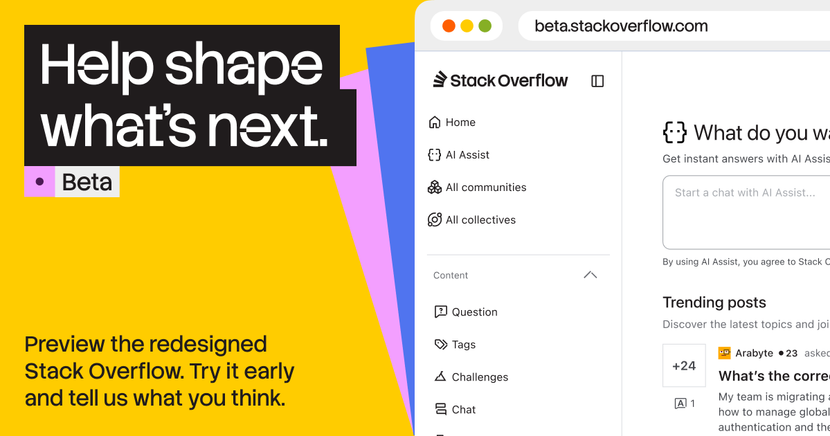
Come check out the new Stack Overflow beta experience, tell us what you think, and help shape what’s next.
API and network traffic get all the press, but some folks are still trying to build a better upload scanner.
Developer trust is synonymous with a willingness to deploy AI-generated code to production systems with minimal human review, as well as assurance that AI tools aren’t introducing unacceptable risks and technical debt that will burden you down the line.
There are big hitters in the AI space that use this tech for humanitarian and environmental good—from start-ups fighting climate change to voice recognition experts diagnosing diseases. But you don't need to be backed by AWS or Microsoft to do good. In part two of this series, we dive into how anyone can use AI for good.
In a world where AI is replacing human workers, using up energy and water, and deepening disconnect, is AI for humanitarian good even possible? The answer is yes. In the first part of this two-part series, we're taking a look at just a few AI do-gooders and what they're doing to fight climate change, make healthcare more accessible, and help their communities.
Not only is there a future for software development, but we’re on the cusp of enormous demand for code developed by humans.
Quality software still needs high-quality code, AI agents or not.
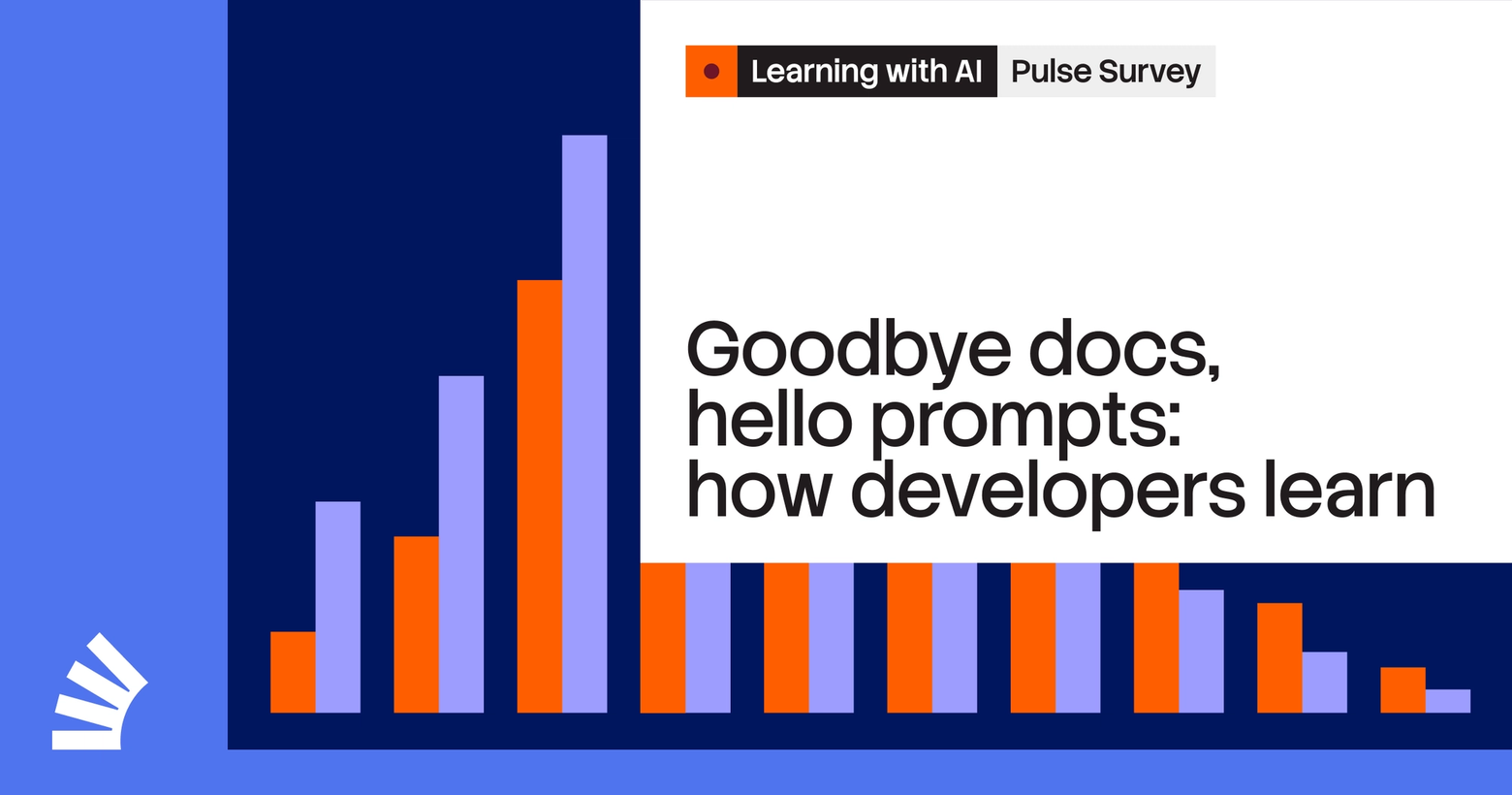
We're running a survey to understand how people are using AI to learn and whether that's helping, hurting, and replacing tools.
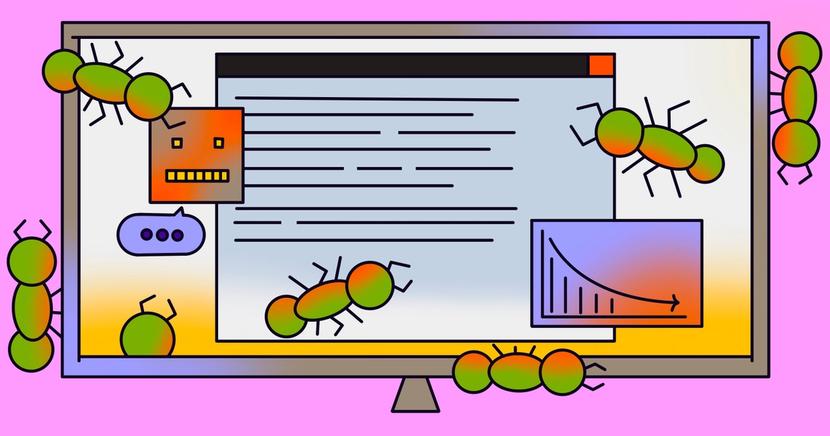
What specific kind of bugs is AI more likely to generate? Do some categories of bugs show up more often? How severe are they? How is this impacting production environments?
We’re excited to announce our 17th annual Stack Gives Back campaign donations.
Security controls can be a bit of a cat and mouse game—you block one attack, new ones spring up.
“The sheer act of thinking outside the box makes the box bigger.”
A new meaning for “Peanut Butter, Jelly Time.”
Where is my Sam Altman? Where is my Claude song? Where is my agentic ending? Where have all the AI apps gone?
The difference between modding and hacking really comes down to how helpful the end result is.
The great sandbox escape, coming to an AI near you.
A worse Internet is a better product.
Slopify your codebase even faster with a swarm of agents!
Eighty years ago, engineers invented a room that does math.
The bots can’t take your job if you work at a Subway.
Willingness to look stupid is also what keeps this Overflow alive.
Are you asking if people are down with A-P-P?
Your $2,000 custom gaming rig isn’t powerful enough for Llama 3.3, sorry.
Every week we’ll share a collection of great questions from our community, news and articles from our blog, and awesome links from around the web.
Read previous issues →