
Walk into a modern building and you probably notice the obvious things first: the lighting, the air conditioning, the design, the windows, maybe even the furniture. What you rarely notice is what is working quietly behind the walls and around pipes. Armacell is part of that less-visible side of building performance, where insulation helps control heat, reduce energy waste, protect equipment, and make indoor spaces more comfortable. And honestly, this side of construction is becoming harder to ignore.
Buildings today are expected to do much more than simply provide shelter. They need to stay comfortable through changing weather, use less energy, support better indoor conditions, and keep operating costs under control. That is where smarter insulation starts making a real difference.
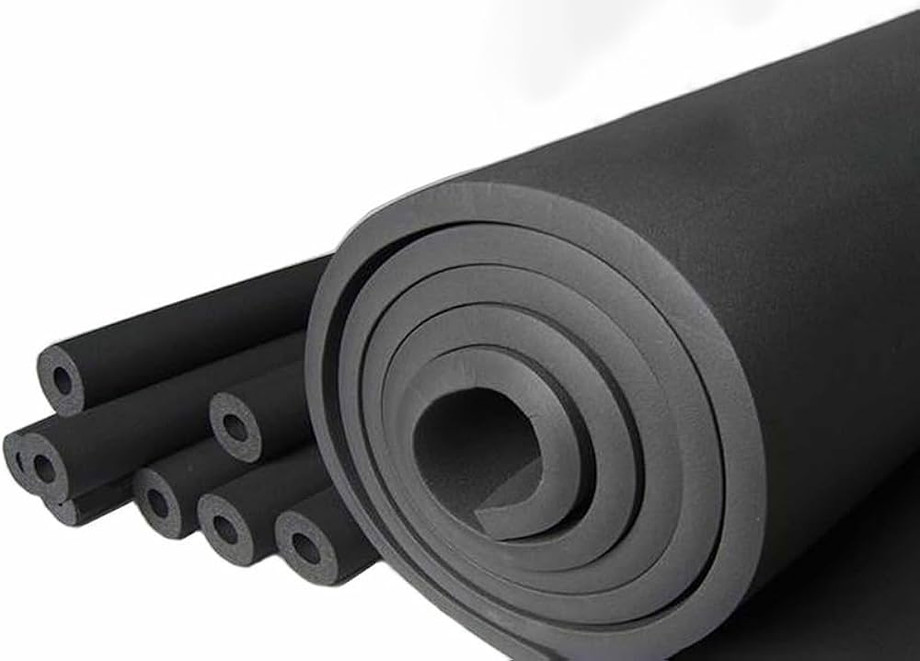
Insulation Is No Longer Just About Keeping Things Warm
For years, insulation was often treated as something you install and forget about. It was there to stop heat from moving where it shouldn't.
That thinking has changed.
Modern insulation can play a role in several parts of a building, from heating and cooling systems to plumbing, refrigeration, equipment rooms, and structural areas. Good insulation helps systems work with less wasted energy instead of forcing heating and cooling equipment to work harder than necessary.
The International Energy Agency says buildings account for around 30% of global energy demand, while poorly insulated buildings remain a major efficiency problem.
That puts insulation in a much more important position than many people realise.
So, What Makes Insulation “Smarter”?
The word smarter does not simply mean newer material. It is more about how well the insulation fits the actual needs of a building.
A good insulation solution should consider things like:
-
How much heat needs to be controlled
-
Where the insulation will be installed
-
Moisture and condensation risks
-
Available installation space
-
Fire safety requirements
-
Noise and acoustic comfort
-
Long-term durability
-
How easily installers can work with the material
This matters because every building is different. A residential tower, hospital, shopping centre, office and industrial facility don't face the same problems.
Choosing insulation only by looking at its price can easily become a false saving. If the material is difficult to install, poorly suited to the application, or loses performance over time, the building may end up paying for that decision later.
The HVAC System Can Only Do So Much
Here's something many people overlook.
A high-efficiency air conditioning or heating system can still waste energy if the surrounding pipework and equipment are not properly insulated.
Think about a chilled water pipe carrying cooled water through a warm area. Without suitable insulation, heat from the surroundings can move toward the pipe. The cooling system then has to work harder to maintain the required temperature.
The same basic idea applies to heating systems.
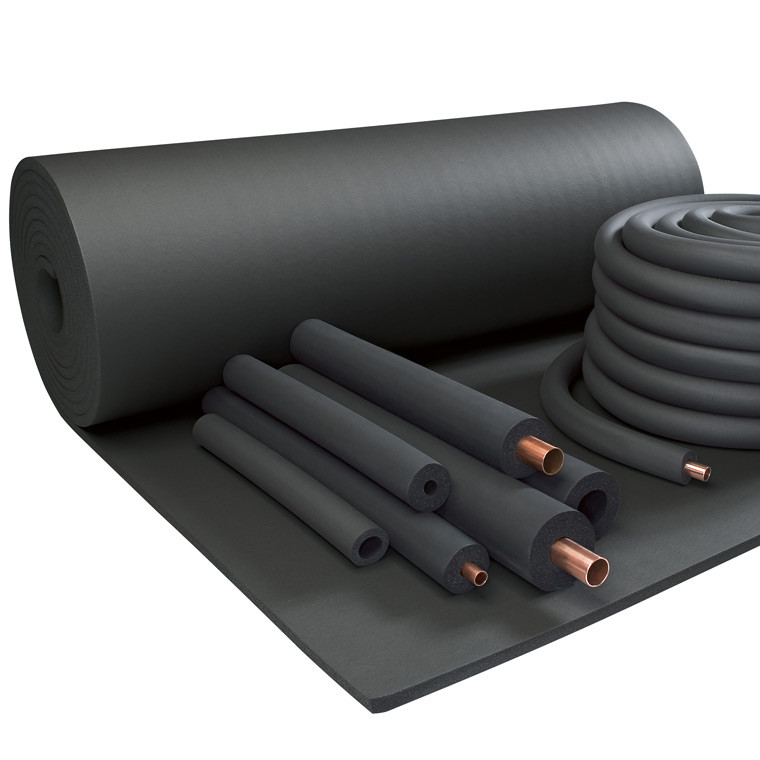
Proper technical insulation helps reduce unwanted heat transfer, allowing HVAC systems to operate more effectively. This is especially useful in larger buildings where kilometres of pipes, ducts and mechanical systems may be involved.
In simple words, the equipment does the heavy lifting, while insulation helps make sure that effort is not wasted.
Comfort Is Becoming a Bigger Part of the Conversation
Energy bills are important, but people also notice how a building feels.
Is the room too hot?
Is the air conditioner running constantly?
Are some areas colder than others?
Can you hear the mechanical equipment through the walls?
These everyday experiences can affect how comfortable people feel at home, at work or in public spaces.
Modern insulation solutions are therefore being looked at from a wider perspective. Energy efficiency is still important, but fire safety, acoustic comfort and indoor air quality are also becoming part of material selection. Armacell itself highlights these factors when discussing insulation for residential buildings.
That shift is important because a truly well-performing building should not only consume less energy. It should also feel better to live and work in.
Small Details Can Have a Surprisingly Big Impact
One of the interesting things about insulation is that its value is often hidden.
You may never walk into a building and think, “The insulation around those pipes is doing a great job.”
And that's actually the point.
When insulation is designed and installed properly, it quietly does its job in the background. It helps control temperatures, protects systems and reduces unnecessary energy loss without asking for attention.
Some of the areas where technical insulation can make a difference include:
-
Heating and plumbing systems
-
HVAC pipework
-
Refrigeration systems
-
Mechanical equipment
-
Plant rooms
-
Industrial equipment
-
Structural applications
-
Areas where condensation control is important
This is why insulation decisions made during the design and construction stage can have an impact long after the building is finished.
Better Insulation Can Also Help Older Buildings
Not every energy-efficient building needs to be brand new.
There are millions of existing buildings that were designed at a time when energy efficiency was not given the same attention it receives today. Upgrading these buildings can be a practical way to improve performance without rebuilding everything from scratch.
The IEA points to building retrofits and better insulation as important measures for reducing energy demand in existing buildings.
That could mean improving insulation around heating and cooling systems, replacing outdated materials or addressing areas where energy is being lost unnecessarily.
For building owners, this can be a more realistic approach than waiting for a complete renovation.
Installation Matters More Than People Think
Even the right insulation material can perform poorly if it is installed badly.
Gaps, poor joints, incorrect sizing or damaged sections can create weak spots. In applications where condensation control matters, small installation mistakes can become bigger problems over time.
This is why the skill of the installer matters almost as much as the material itself.
Manufacturers are also putting more attention into training and installation support. Armacell, for example, highlights installer training as part of its approach to helping customers achieve better energy efficiency and workmanship.
It is a simple lesson, but an important one: good materials need good hands.
Also Read: Before Choosing a Glass Wool Manufacturer, Ask These 6 Questions
The Future of Buildings May Be Quieter and Less Wasteful
The future of construction is not only about futuristic glass buildings, smart sensors or complicated technology.
Sometimes, progress comes from improving the things that are already there.
Better insulation is one of those changes.
As energy prices, climate concerns and building performance expectations continue to shape construction decisions, materials that help buildings use energy more wisely will become increasingly important. The focus is moving from simply constructing bigger buildings to creating buildings that perform better throughout their lifetime.
And that is where smarter insulation has a real opportunity.
It may sit behind walls, around pipes or inside mechanical rooms, but its impact can reach much further. A well-insulated building can waste less energy, protect expensive equipment, improve comfort and make everyday systems work more efficiently.
In the end, the best insulation is not the material people notice. It is the material that quietly helps everything else work better.
For anyone looking deeper into why building efficiency matters, the International Energy Agency's Energy Efficiency 2025 report offers useful data and analysis on energy use, building performance and the growing need for better-insulated buildings.
