1. X
  2. NASA
Log inSign up
NASA
74.3K posts
NASA profile banner
user avatar

NASA

@NASA
Making the seemingly impossible, possible. ✨
Pale Blue Dot
nasa.gov
Born October 1, 1958
Joined December 2007
119
Following
92.2M
Followers
AffiliatesAffiliatesRepliesRepliesMediaMedia
  • Pinned
    user avatar
    NASA
    @NASA
    Aug 6
    It's a great time to tune in and stream space with us! Don't miss out — keep an eye on nasa.gov/live for the latest updates on how to watch the total solar eclipse, our upcoming rocket launches and spacewalks, and other live events.
    A graphic highlighting three upcoming NASA broadcasts: the total solar eclipse on August 12, the Roman Space Telescope launch on August 30, and the launch of Crew-13 on September 12. The background is a blue-tinted look at Earth from the International Space Station. Credit: NASA
  • user avatar
    NASA
    @NASA
    7h
    Tomorrow, a total solar eclipse is passing over part of the Northern Hemisphere, and you can watch it with us! We'll be broadcasting live views of the eclipse beginning at 1:15pm ET (1715 UTC) on Aug. 12. Check out ways to tune in: nasa.gov/live/
    A group of four people on the roof of the NASA Headquarters building watching a total solar eclipse. They are wearing eclipse glasses and looking up to the top left corner of the photo. Credit: NASA/Connie Moore
  • user avatar
    NASA
    @NASA
    11h
    If you're fortunate enough to be in the path of tomorrow's total solar eclipse, we're here to help you capture the moment! Learn how to take the best photos with these tips from our photography experts.
    Image
    00:00
  • user avatar
    NASA
    @NASA
    Aug 10
    We're bringing space closer to home! A continuous feed of our programming is now streaming on @discoveryplus live channels, while HBO Max will stream our special events, including the Artemis III mission in 2027. Get the details: go.nasa.gov/4bItxci
    A selfie taken during a spacewalk shows the reflective visor of an astronaut's helmet, mirroring the Earth's cloud-covered surface, sections of the International Space Station, and the spacesuited astronaut holding the camera. Credit: NASA/Mark Vande Hei
  • user avatar
    NASA
    @NASA
    Aug 7
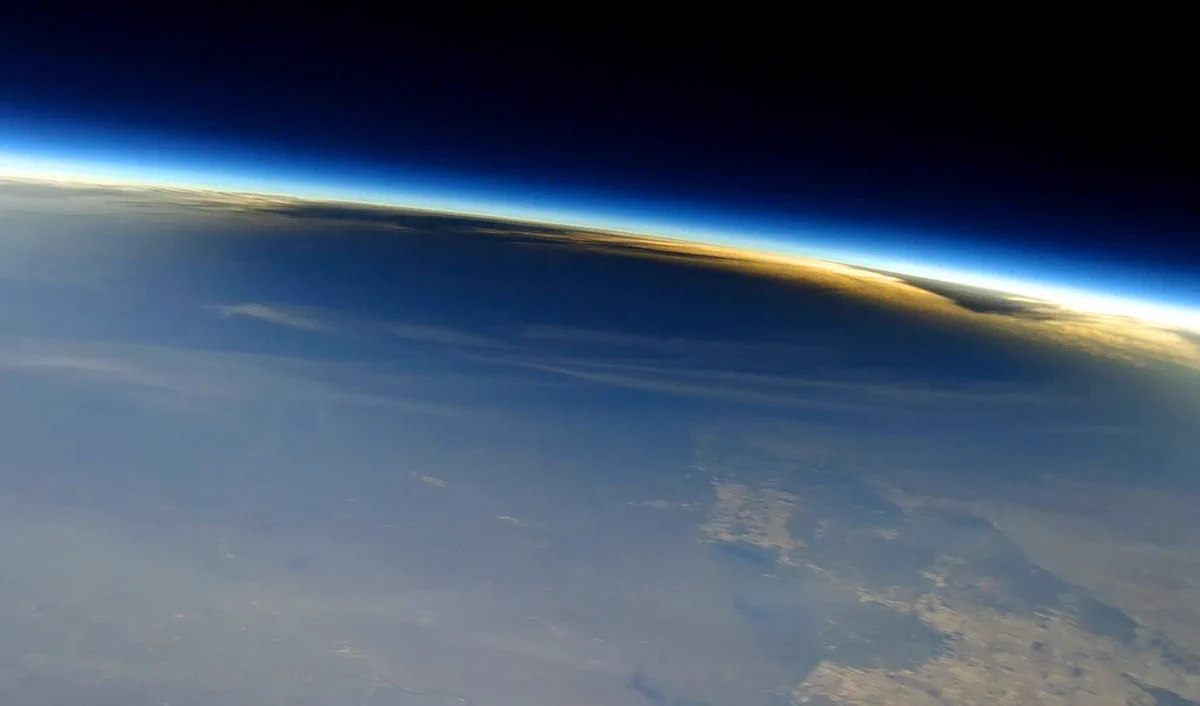
    Total solar eclipses provide a unique opportunity to study the Sun, and on Aug. 12, we'll take to the skies to learn more. NASA-funded teams will study the eclipse with a high-flying research jet and scientific balloons: go.nasa.gov/45Lo15b
    This image shows the Moon’s shadow on Earth during the total solar eclipse on April 8, 2024, as seen from about 90,000 feet from a camera carried by a scientific balloon. Earth's atmosphere is also visible in this image, with its distinctive glow. Credit: Nationwide Eclipse Ballooning Project/Virginia Tech

Log in or sign up for X

See what’s happening and join the conversation

Continue with phone
or
Log in with username or email
Terms·Privacy·Cookies·Accessibility·Ads Info·© 2026 X Corp.
Advertisement
Advertisement