
knitable!
Welcome to knitable - the home for short and sweet knitting instruction. No chitchat here - just bitesized tutorials that get straight to the point so you can get back to your knitting! Whether you are a newbie in search of instruction or you just need a refresher for a forgotten cast on - knitable is here to help.
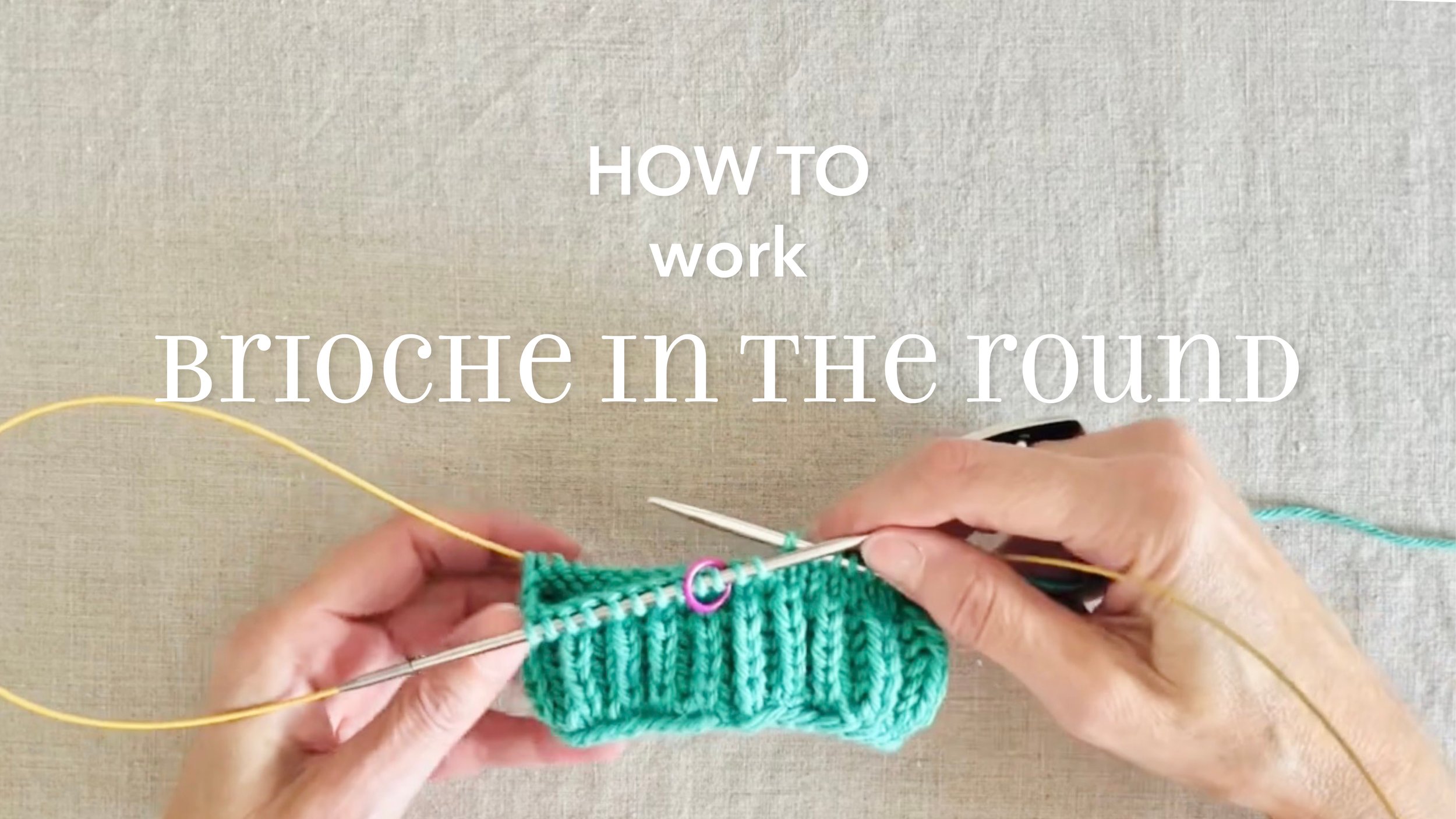
If you’ve ever worked Brioche Stitch Flat you will see that working Brioche Stitch in the Round is very similar. Worked over an even number of stitches, it begins with a setup round followed by a 2-round repeat which builds a deep, spongy rib.
Abbreviations:
BRK (Brioche Knit) - knit the next stitch together with its corresponding yarnover.
BRP (Brioche Purl) - purl the next stitch with its corresponding yarnover.
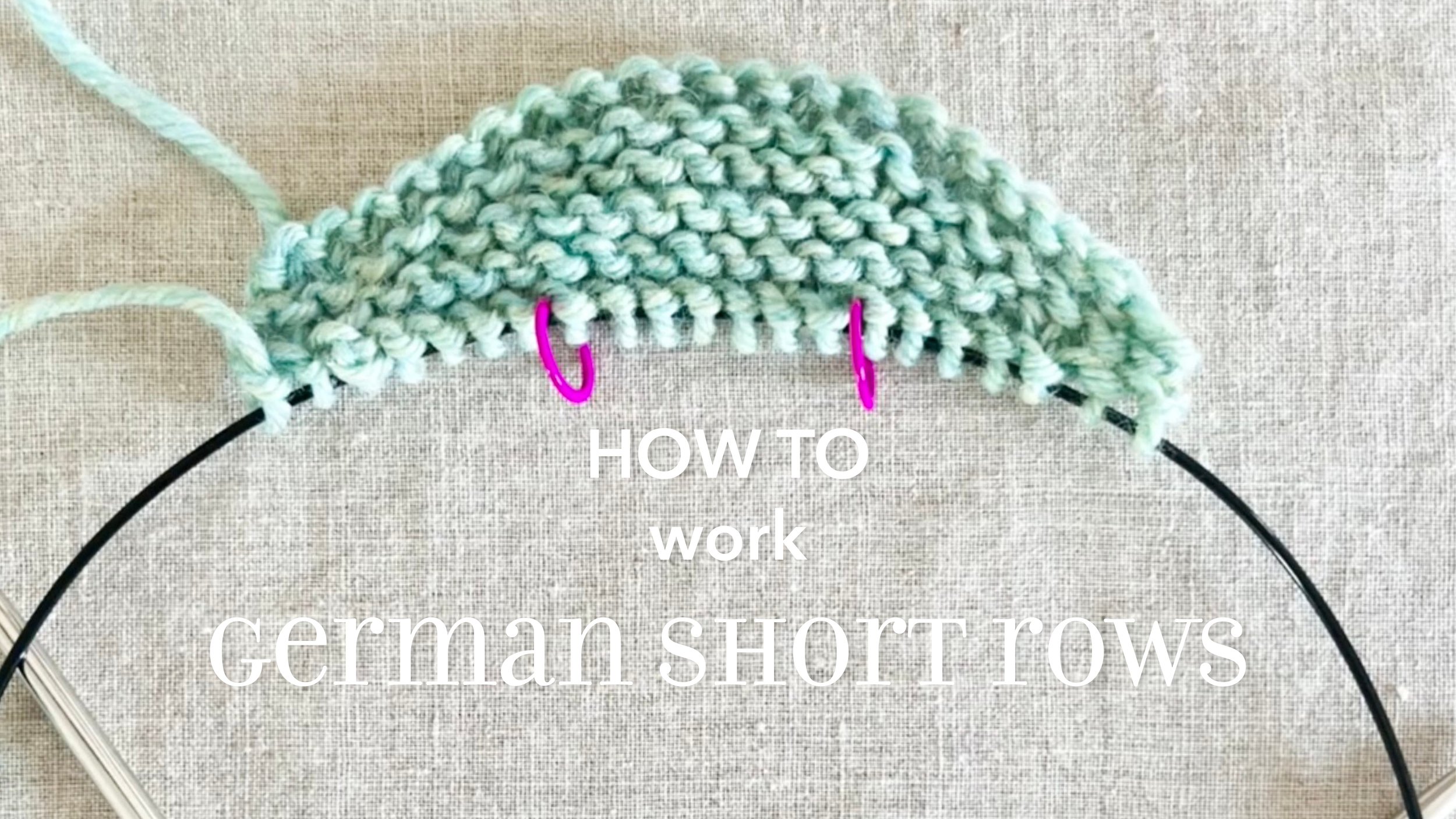
German Short rows is a fantastic method for adding length or depth to a project. This tutorial will show you how to knit German short rows in garter stitch which is nearly, magically, and satisfyingly invisible.
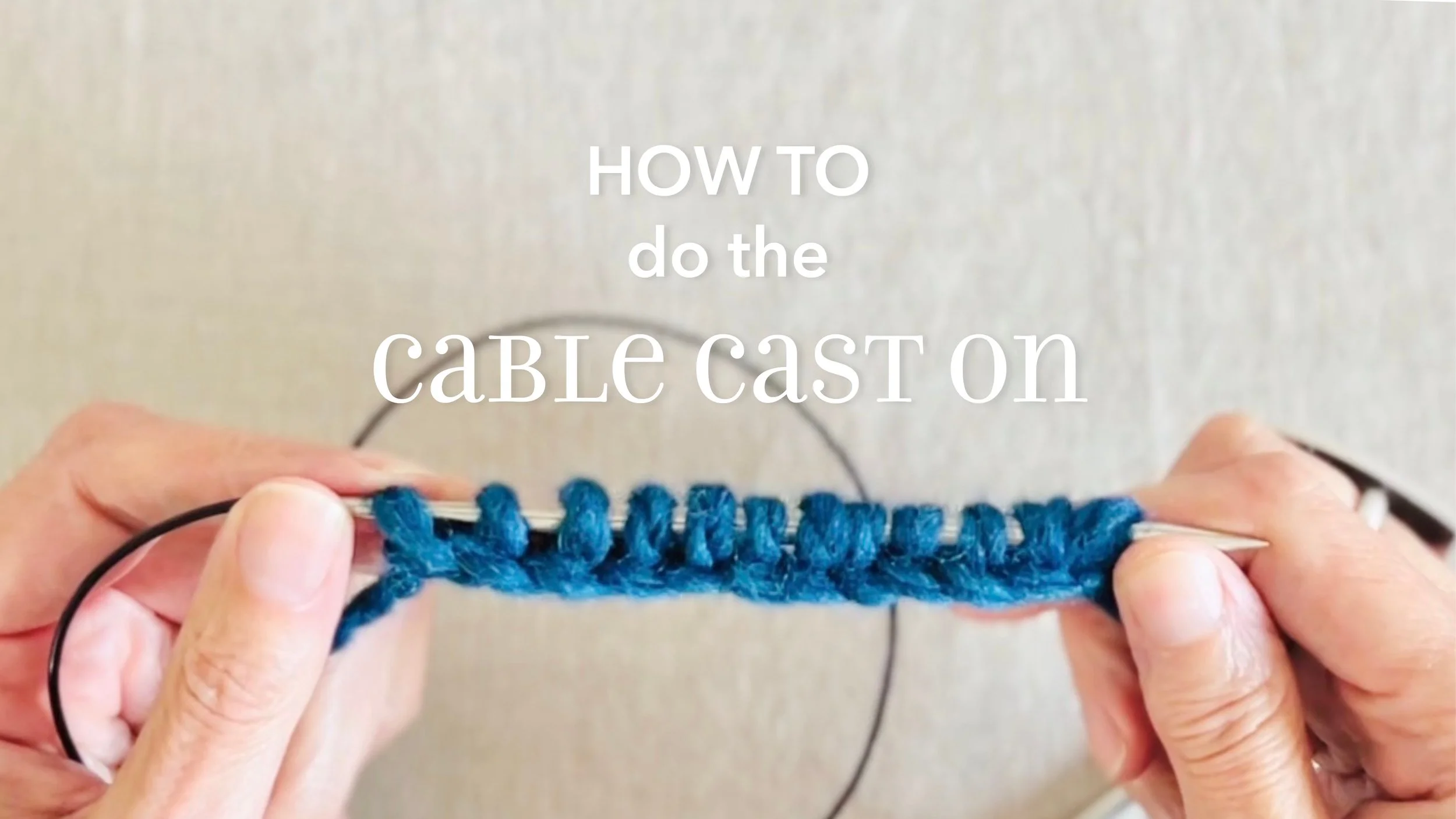
The Cable Cast On is a great simple one to have in your cast on repertoire. It creates a firm edge (as opposed to stretchy) that is perfect for adding stitches to the end of a row. I like to use it when I need to cast on extra stitches for the underarm of sweater.
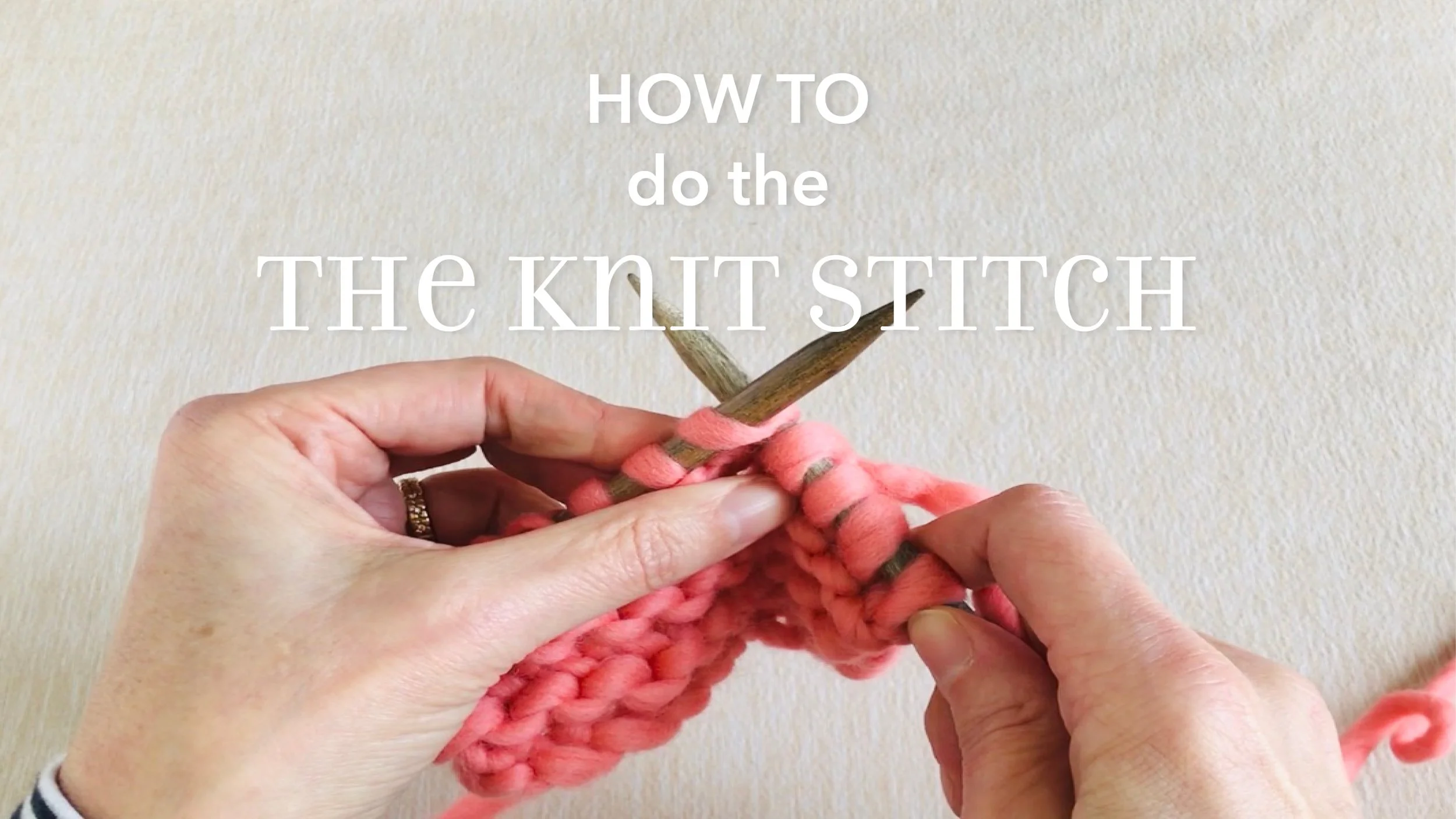
Knit and purl are the foundation stitches of knitting. Once you have cast on, it's go time! Watch out - once you get started you may not be able to stop! This tutorial will show you how to knit the English method, holding the yarn in your right hand and throwing.
Knitting is tricky at first. If you have made a mistake (which everyone does!) and want to fix it so that you can move on - I have made a video on "tinking". This is a very useful skill! You can find the video here: • How to Tink (or Unknit)
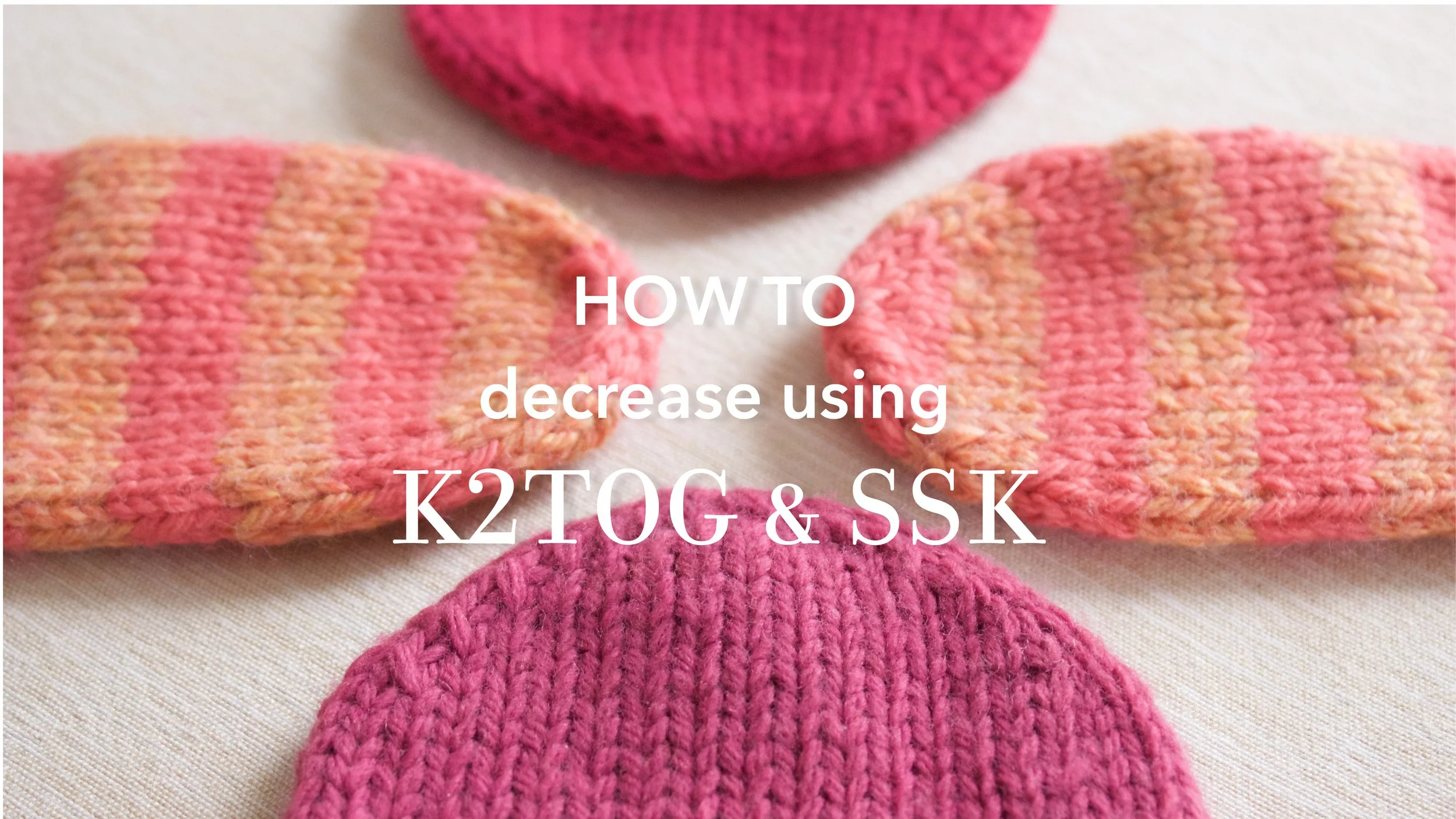
K2tog and SSK are essential building blocks of knitting. Everything that is shaped - from the crown of a hat to a toe of a sock has been shaped with increases and decreases. K2tog and SSK are basic decreases used to create the curved top of mittens, the gentle shape of a sleeve, or a waistline. You will encounter them again and again on your knitting journey. K2tog and SSK are mirrored decreases. K2tog visibly leans to the right while SSK leans to the left. This tutorial demonstrates how to make these two fundamental decreases.
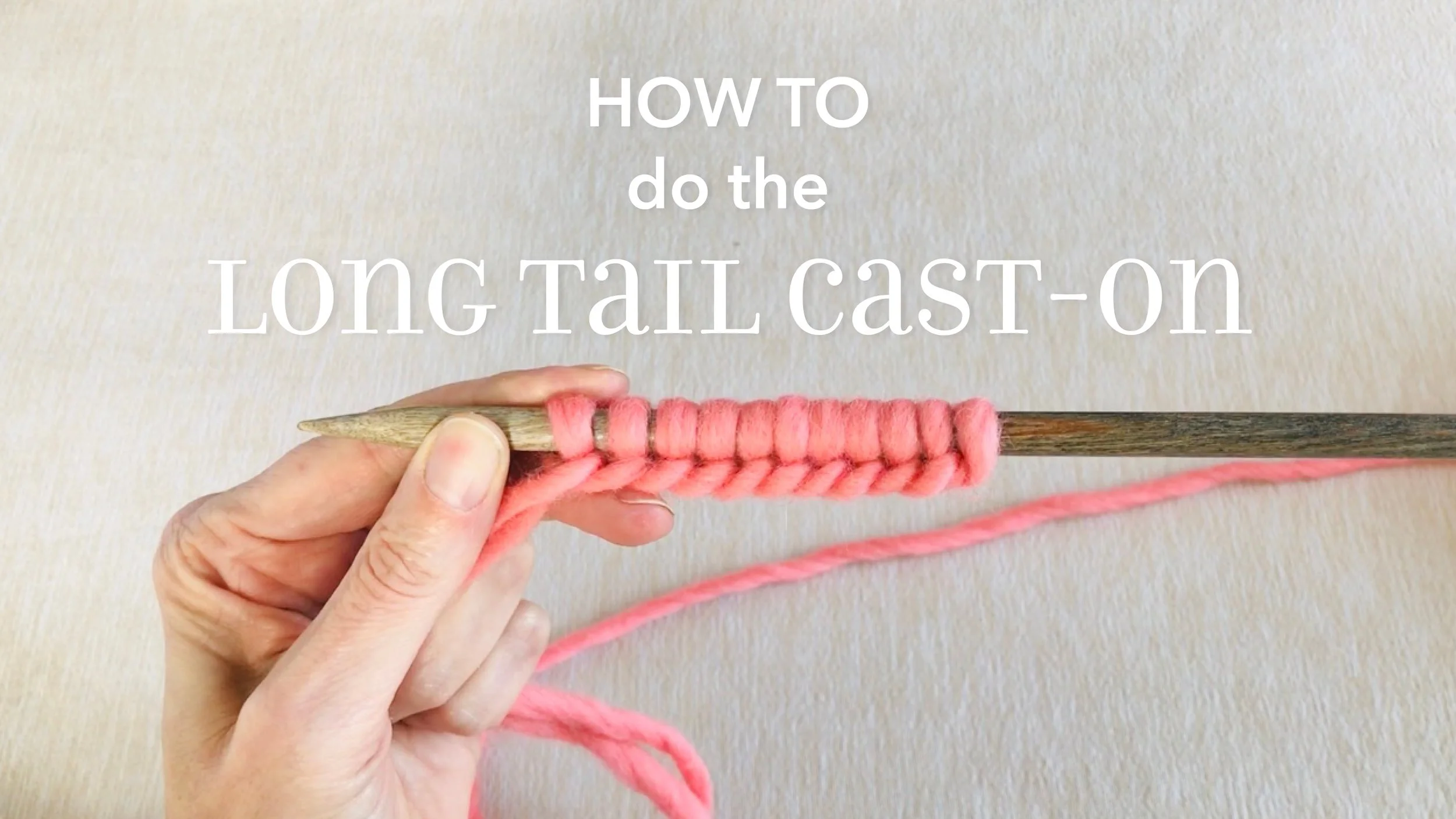
There are many cast-ons out there - some with very specific uses. The Long Tail Cast-On is the mother of all cast-ons. This is a good solid cast-on that provides a firm but elastic edge. It can be used for any project that does not specify a different cast-on. It may appear confusing at first, but when you break it down - it's pretty simple. Just make sure that you unspool enough yarn before you start. You will need at least three times the length of your project. This cast-on is a yarn eater!
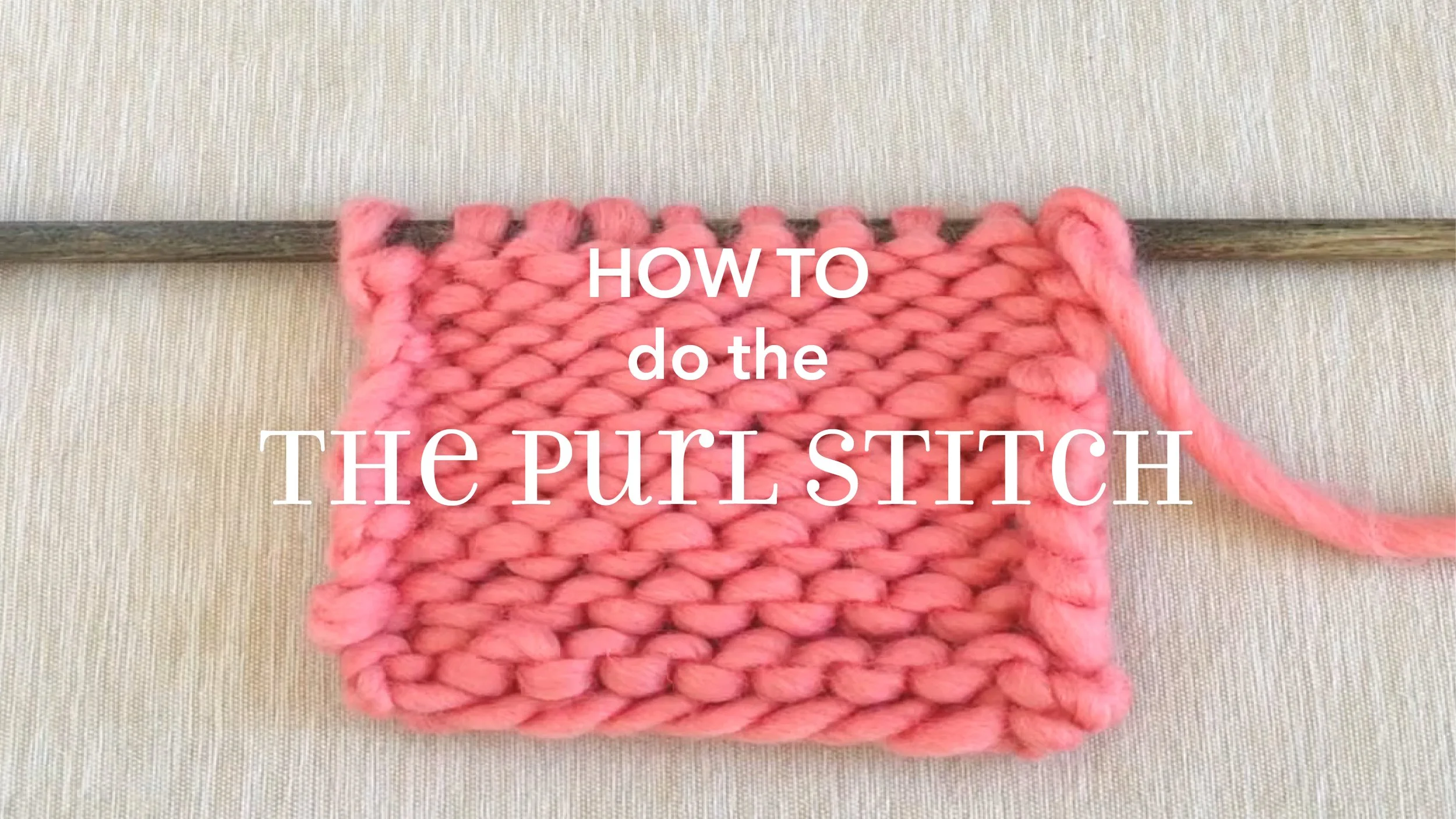
Knit and purl are the foundation stitches of knitting. Once you've got the knit stitch down, it's time to learn how to purl! This video will teach you how to purl in the "English" style - holding the yarn in your right hand and throwing (English style). Go to 1:13 to get straight to the heart of the instruction.
Knitting (and purling) are tricky at first. If you have made a mistake and need to get back to correct it, I have made a video on "tinking". This shows you how to unknit - which is a very useful skill! You can find the video here: • How to Tink (or Unknit)
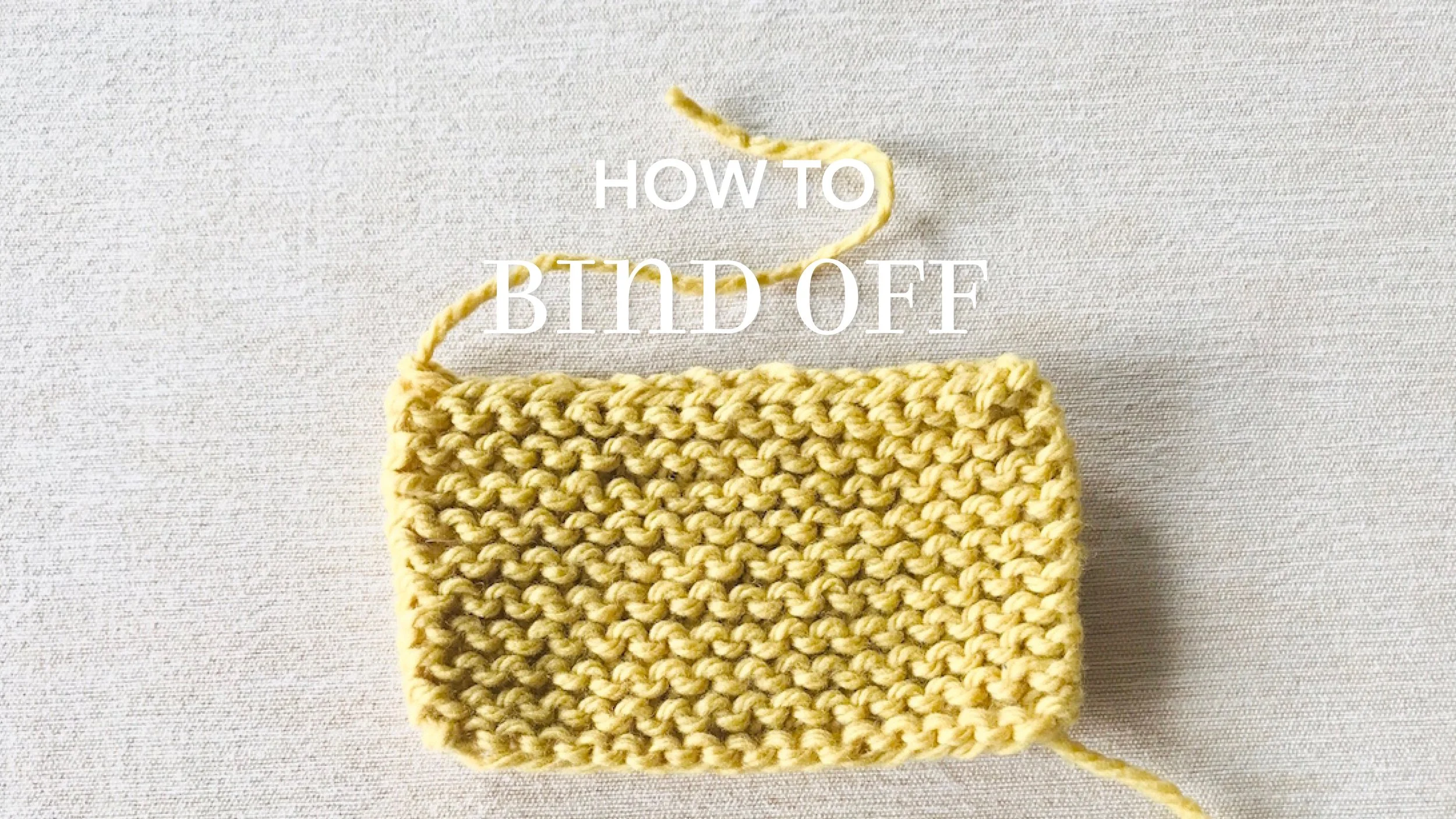
Binding off (or casting off) is the final step in many a knitting project - and an essential knitting skill. There are many bind-offs, but this basic bind-off is the grandmammy of them all - and it's so simple - you can learn it in less than 5 minutes!
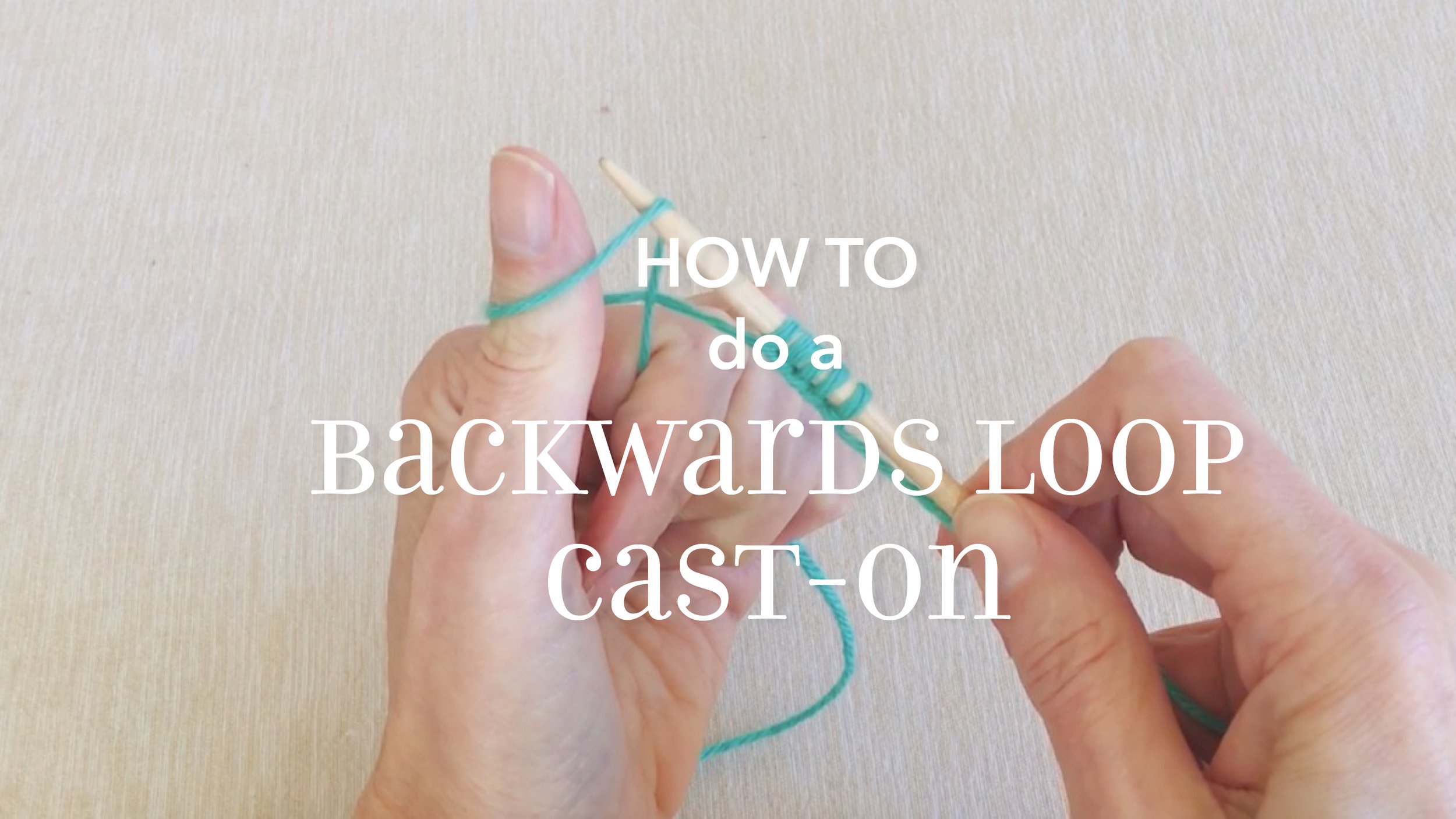
There are MANY cast-ons we knitters need in our tool belts. The backwards loop cast-on is one of the most common. This simple cast-on is most often used to add stitches at the end of a row - for mitten thumbs or the underarm of a raglan when you knit in the round.
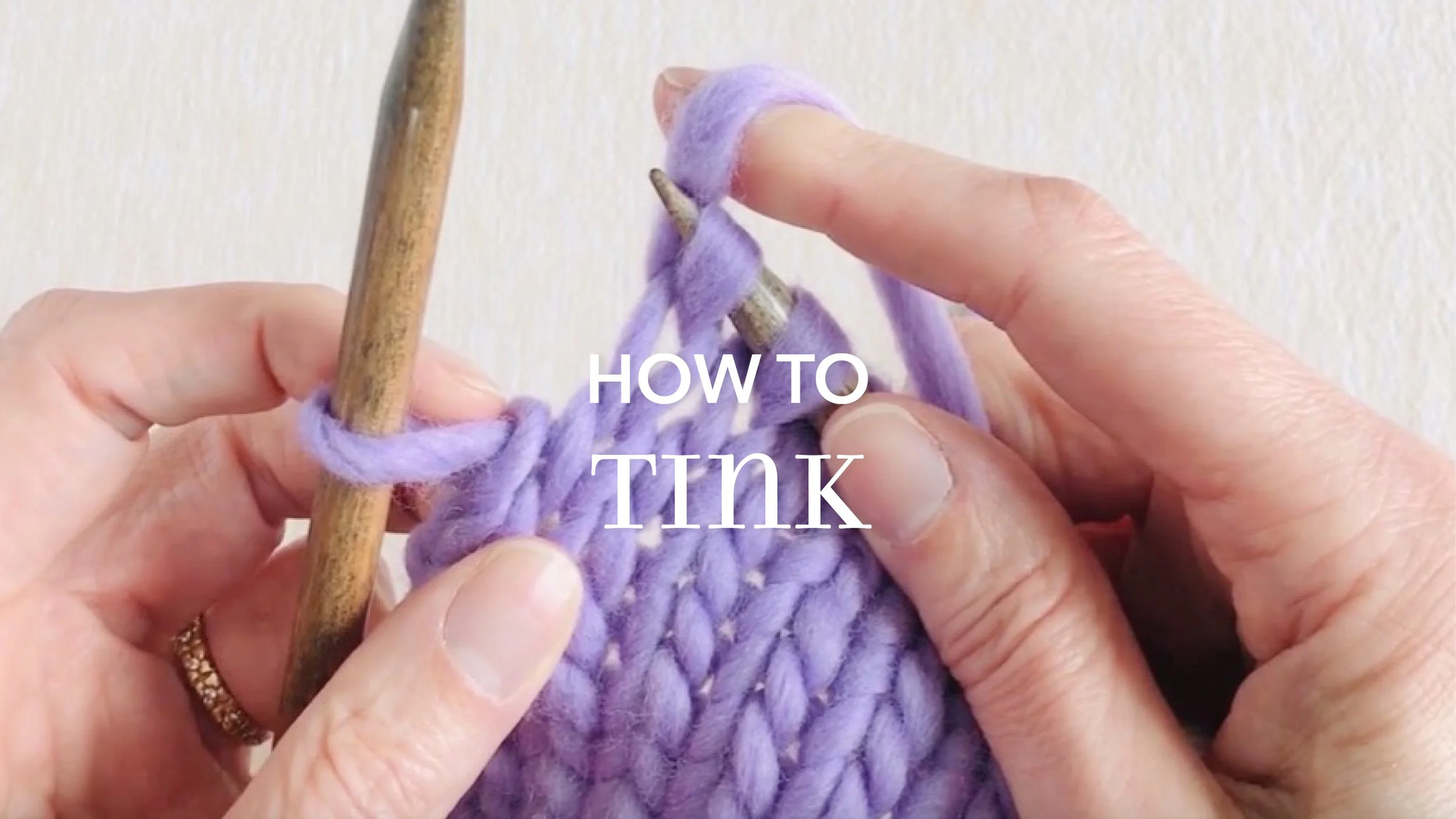
Knitting is tricky business - especially in the beginning. One of the most important skills you can have is knowing how to tink - or unknit. Tinking is especially useful if you've made a mistake in the last row or 2. This video will show you how to back up to your mistakes. Don't worry, you'll be going forwards again in no time!
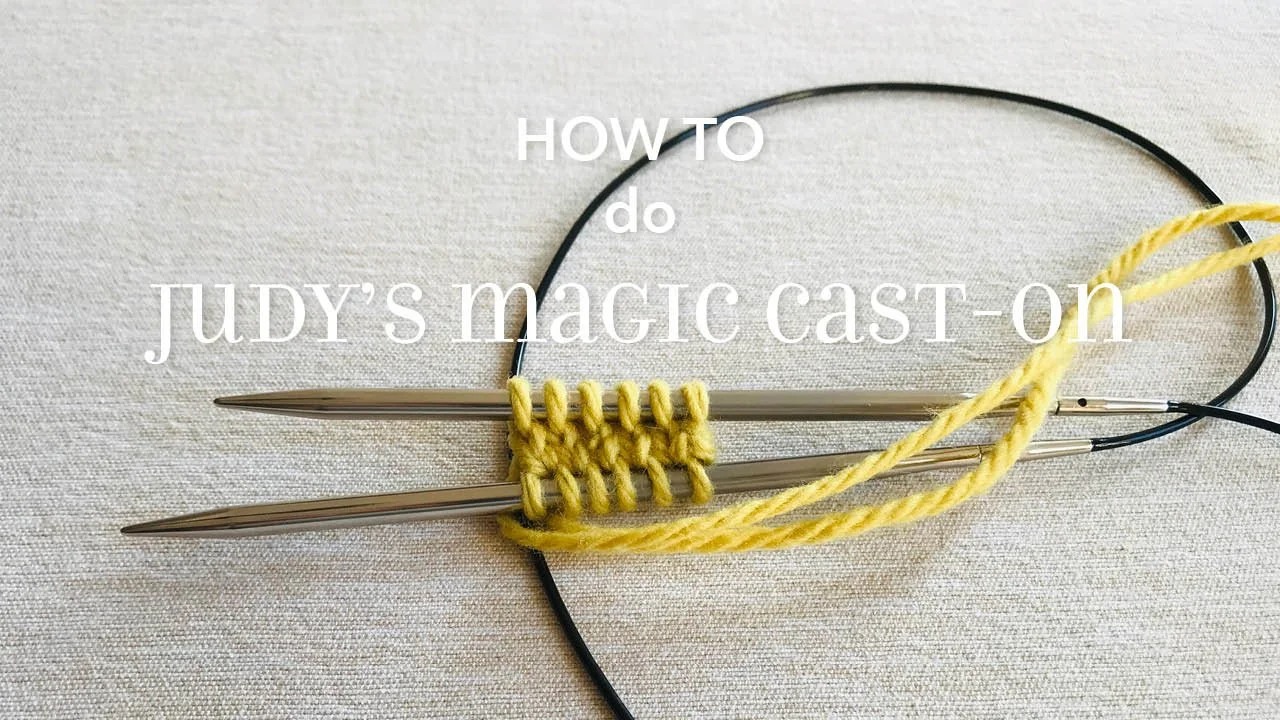
Judy's Magic Cast-On is an ingenius (and popular) way to start toe-up socks, but I have also used it to start my Simple Striped Hoodie! Like many knitting techniques, it can be confusing at first, but once you get into the rhythm of it - it's quite simple - even meditative!
This tutorial will show you how to cast on and work the first round of Judy’s Magic Cast on.
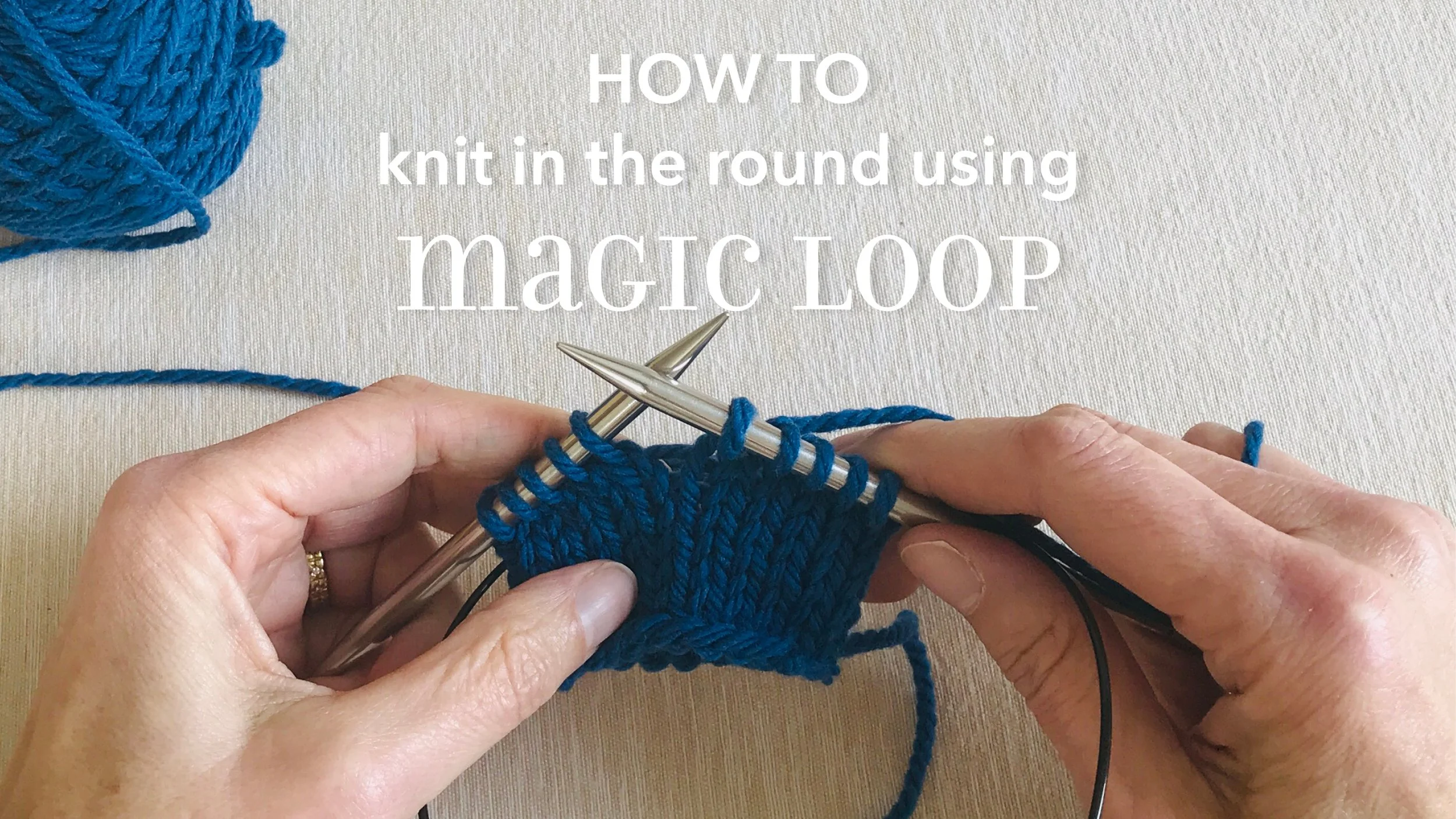
Magic loop right is one of the great knitventions of all time - right up there with sliced bread for knitters. This is the go-to method for knitting small circumferences in the round such as socks, mittens, sleeves, and hats. I remember the day I learned magic loop almost as well as the day I had my first child. It was momentous! I was a relatively new knitter and I had managed to acquire several sets of double pointed needles for various projects, but I could hardly stand to knit with them. 4 sticks and a piece of string is just too much to manage! Learning the magic loop was like having the sun come out after years of rain. It felt like a miracle. I knit everything on circular needles, and I use magic loop all the time. ALL of it! I do hope this little video makes life a little easier for some knitters out there.
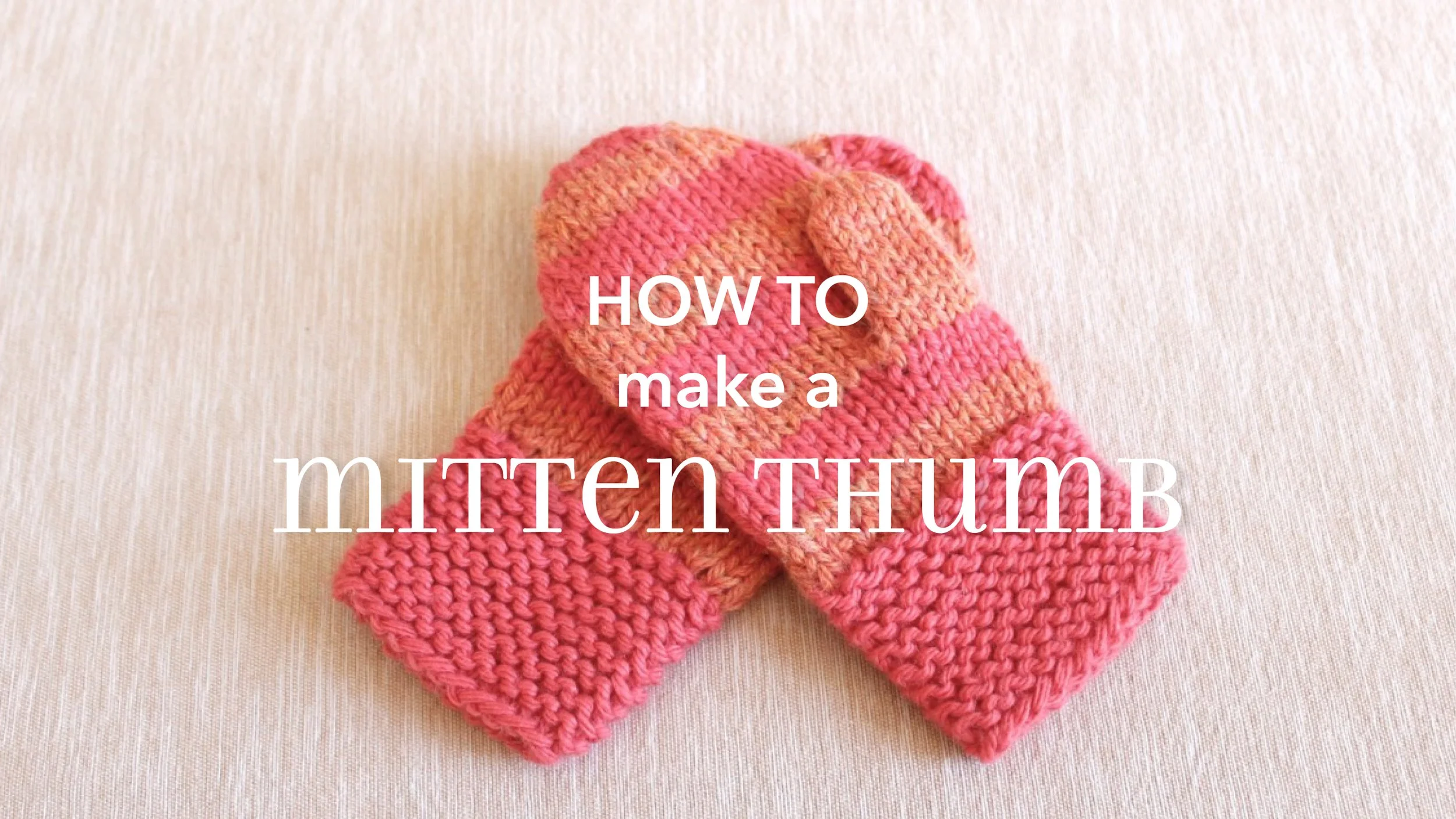
If you've never knit a mitten before - it is a skill-builder! There is casting on, knitting in the round, increasing, decreasing, striping (if you are so inclined) and picking up stitches. This tutorial covers how to pick up stitches and work the thumb in my Simple Stripey MItts pattern. Many knitting patterns use a thumb gusset, but this thumb is similar to an afterthought thumb - in fact it may well qualify as an afterthought thumb!
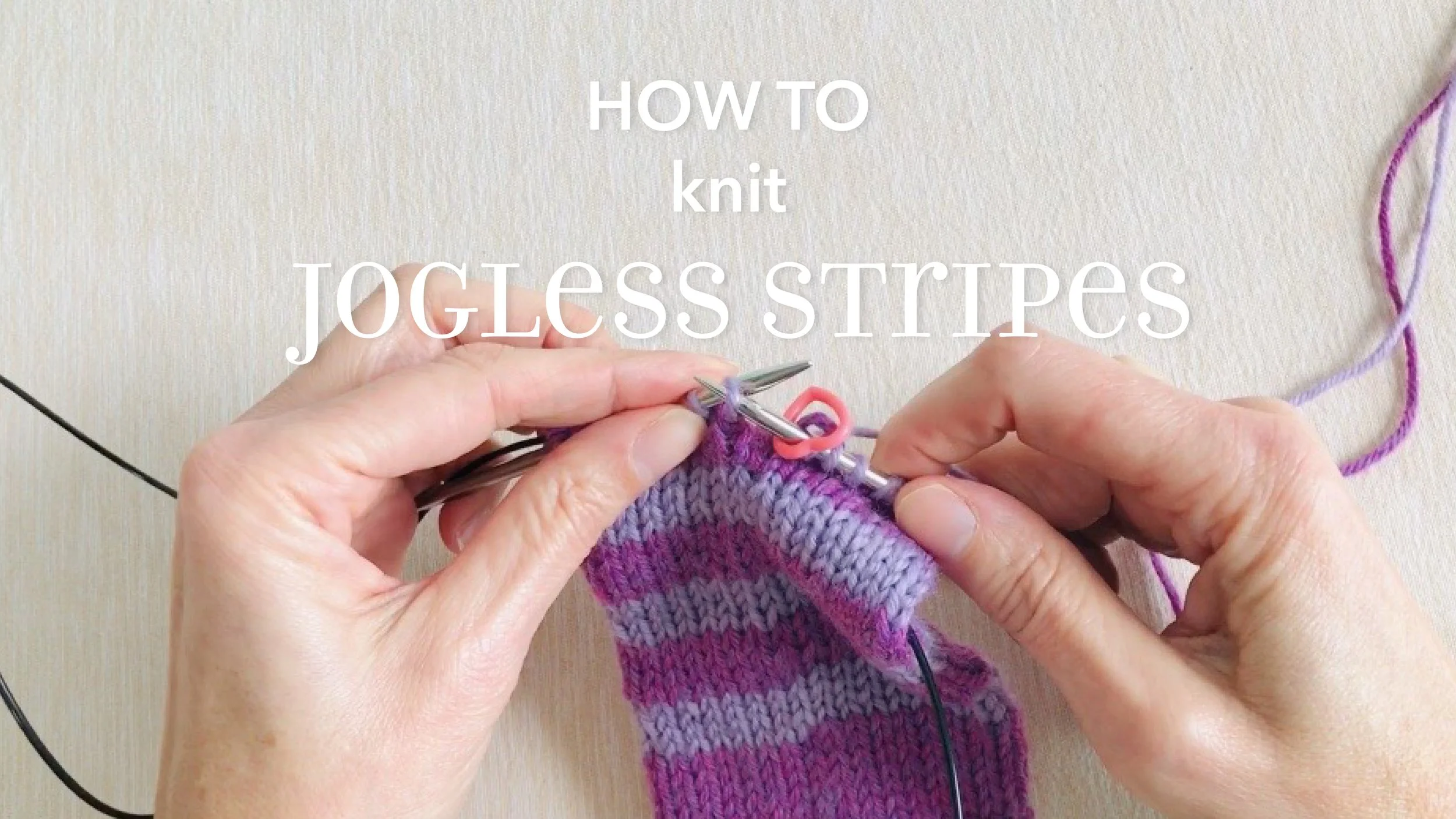
For those in search of smoother stripes, you have come to the right place. Knitting in the round is a most genius invention, but it does create challenges. When we change colors there is a noticeable jog at the beginning of the round - unless we correct for it. This tutorial will teach you how to outsmart the spiral and create jogless stripes. This technique is useful when knitting stripes that are more than 3 rows in length. If you would prefer to skip the explanation and see how to do a jogless stripe, go straight to 1:00 for the goods.
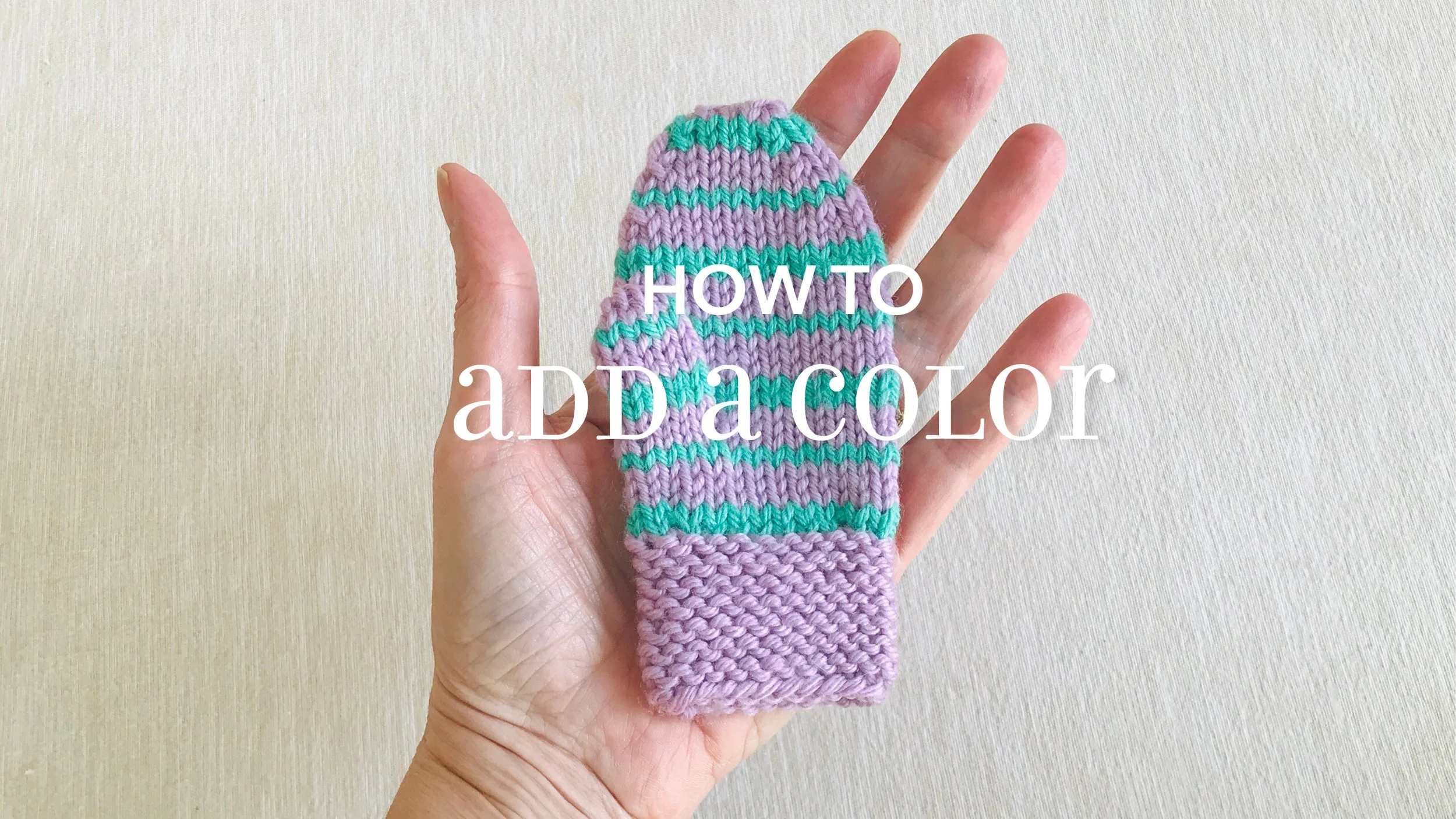
Stripes are the easiest way to add zip to a project, but there are some tricks to getting it right. Here's how to add a color when you are knitting - either in the round or flat. It's probably easier than you thought!
The pattern for the Simple Stripey Mitts shown in the video is available here: https://www.ravelry.com/patterns/library/simple-stripey-mitts
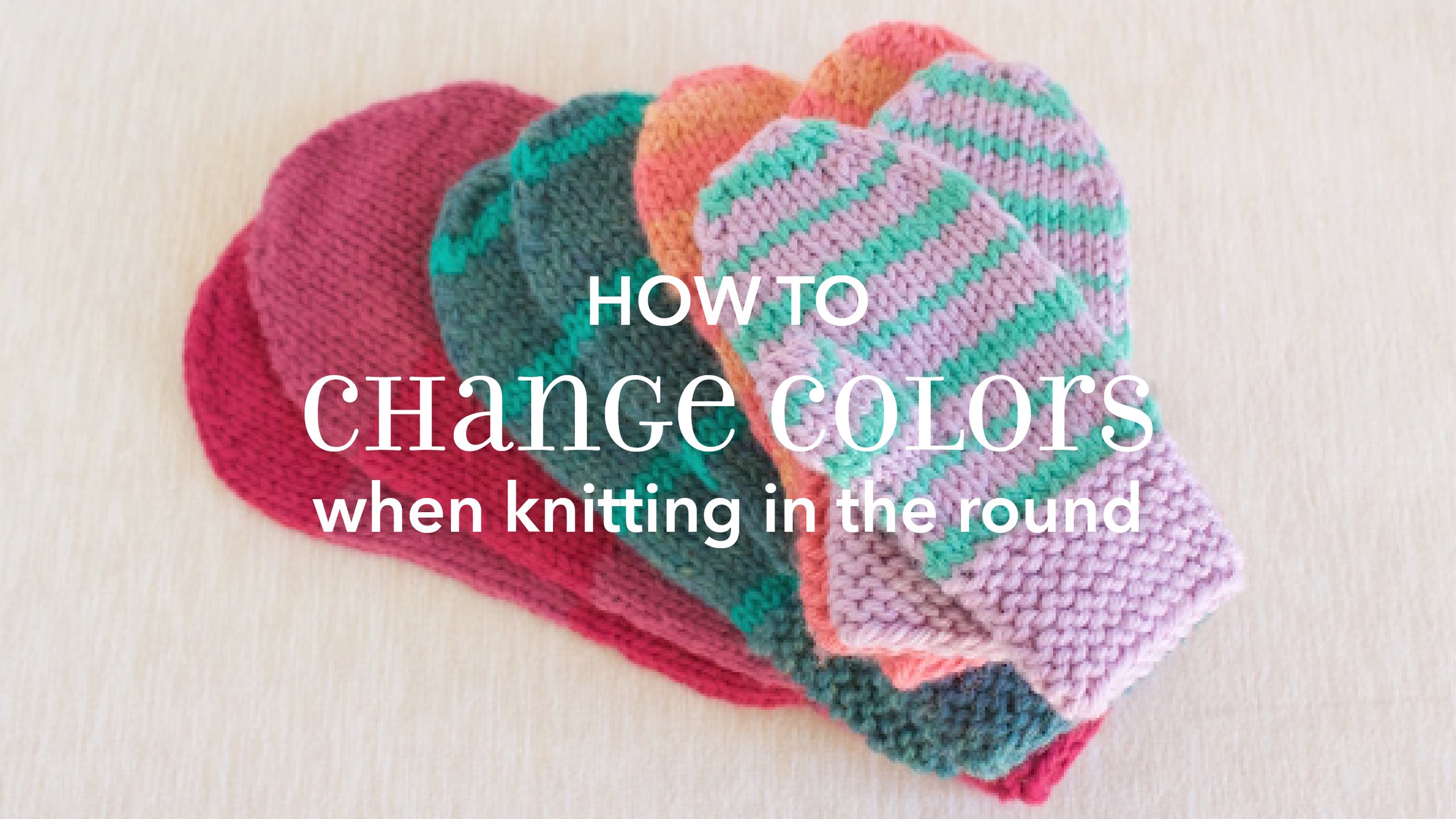
Stripes are the easiest way to add zip to a project, but there are some tricks to getting it right. Here's a quick and easy method you can use to change colors when you are knitting in the round with 2 colors.
The pattern for the Simple Stripey Mitts shown in the video is available here: https://www.ravelry.com/patterns/library/simple-stripey-mitts

Brioche is a fabulously squishy ribbed fabric made up of a combination of slipped stitches and paired yarn overs. The basic brioche stitch may look complicated, but it's actually quite simple when you break it down! Start with a single color to master the basics. This step-by-step tutorial is for English knitters (throwers).