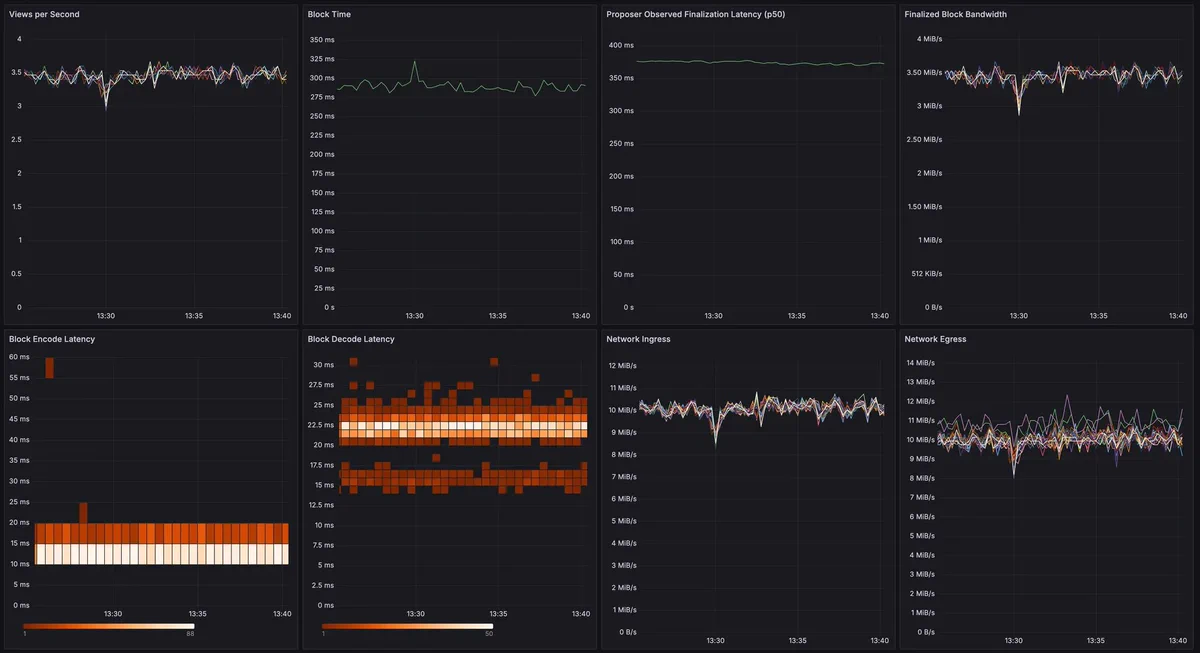
Simplex can now produce blocks as fast as its leader can build them.
In a global deployment with 50 validators, it sustained 200 blocks per second with 300ms finality.
One block every 5ms.
It turns out, this trade wasn't necessary.
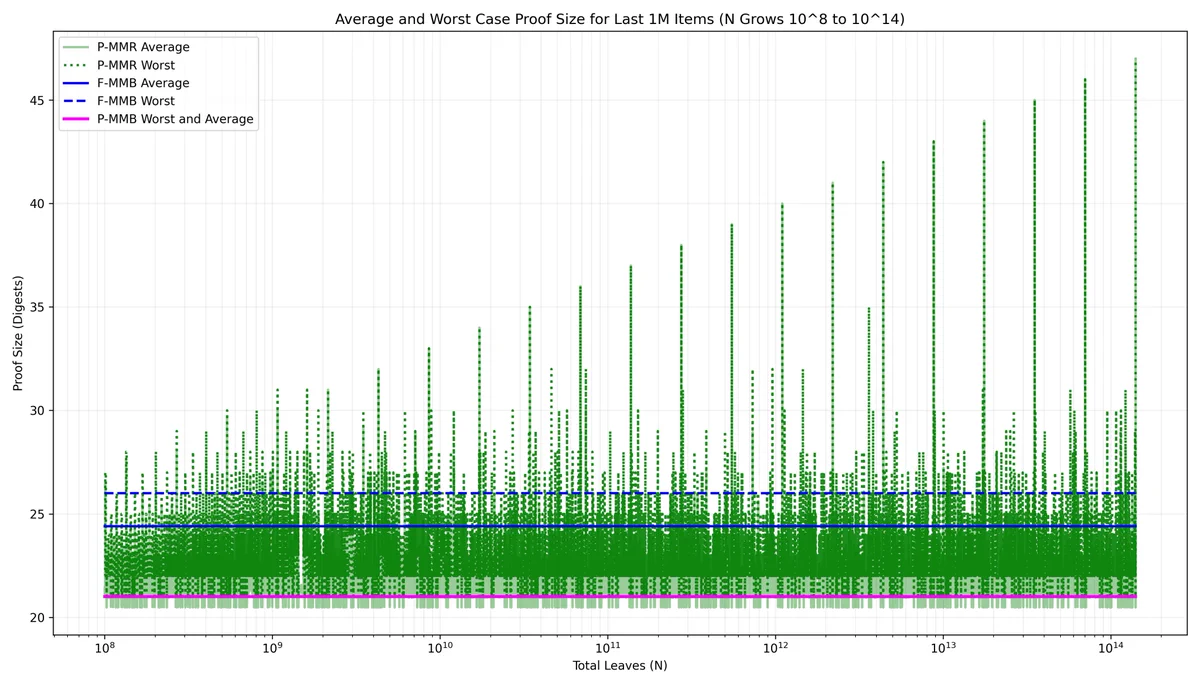
@roberto_bayardo designed a new tree structure that bounds proof size for active state to only **2 hashes** above the optimal structure (a balanced binary Merkle tree):
On prediction markets with N outcomes, I heard they run a separate YES/NO orderbook for each outcome, and rely on arbitrageurs to "balance" such markets. If this is the case, why? Why are exchanges not doing the implied matching atomically to increase liquidity?