
Nutanica
 Truth of Stake | |
Type of site | Encyclopedia |
|---|---|
| Available in | 1 languages |
List of languages English | |
| Founded | January 1, 2025 Miami, Florida, U.S. |
| Headquarters | , U.S. |
| Area served | Worldwide |
| Founder(s) | Price Givens |
| Key people | Crank Eriksson Monteiro Danny D'Brito |
| Industry | Internet |
| Revenue | 700,000,000 MLX June-July 2026 |
| URL | www |
| Advertising | Tangled Ad Network, Adsense |
| Registration | Required to edit |
| Users | <1,000 |
| Launched | January 1, 2025 |
| Current status | Active |
Nutanica.com is an encyclopedic resource that uses economics and game theory to incentivize knowledge creators and reduce irrelevant or incorrect content. Nutanica uses Millix as the reserve currency.
Own a page, earn from its readers
Every article on Nutanica can be owned. The owner stakes Millix on it and receives the advertising revenue from its page views.
- Open any article.
- Choose Tools → Stake To Claim.
- To be paid, have a Tangled.com account and enter your Tangled API key in your Nutanica account preferences.
A page someone already owns can be taken over with a higher stake.
Original works
Writing that exists only on Nutanica.
- Neogenian concepts
- Neogenian
- Neogenesis · Neogenesis: Dawn of the New Mind · Neogenic Evolution
- Metarationalism · Metarationalism: The New Science of Mind
- Cosmogenesis: The Awakening Universe
- Subnetwork Mind · Brain Filter Theory · Mental waveform
- Inner Selves (Shadow, Mirror, Power) · Psychegenesis
- Teleocracy: Creating the New Earth · Genesis Singularity
- Morgue · Works of Morgue · Deathcurrent · Avatar · Zeda
Featured
Most read yesterday
More to read
- Metarationalism: The New Science of Mind
- Cosmogenesis: The Awakening Universe
- Inner Selves (Shadow, Mirror, Power)
- Morgue
- Deathcurrent
Economics
The economic model for Nutanica allows users to stake Millix to have ownership in articles and receive advertising revenue from page views on the article. Nutanica uses Tangled.com as the custodial Millix wallet to send and receive Millix to and from Nutanica. For Nutanica users to be paid, they must have a Tangled.com account and enter their Tangled API key in their Nutanica account preferences.
Any Nutanica user can acquire ownership of an article by going to the article, selecting Tools -> Stake To Claim.
Platform
Nutanica uses the open source codebase from WikiMedia. Refer to WikiMedia documentation for formatting tutorials and tips.
Recent articles
3 November 2026
- 05:0605:06, 3 November 2026 Stonewall National Monument (hist | edit) [1,814 bytes] Sinfulee (talk | contribs) (New page on Stonewall National Monument: establishment by proclamation on June 24, 2016, its area centered on Christopher Park, the earlier National Historic Landmark designation, and management by the National Park Service.)
- 05:0505:05, 3 November 2026 Stonewall Inn (hist | edit) [1,915 bytes] Sinfulee (talk | contribs) (New page on the Stonewall Inn: location, the June 28, 1969 police raid and uprising, and its designation as a National Historic Landmark in 2000 and part of Stonewall National Monument in 2016.)
- 05:0505:05, 3 November 2026 Sexual orientation (hist | edit) [3,051 bytes] Sinfulee (talk | contribs) (New page on sexual orientation: definition, common orientations, the distinction between sexual and romantic orientation, independence from gender identity, and measurement scales, with sources.)
- 05:0505:05, 3 November 2026 LGBT rights (hist | edit) [2,759 bytes] Sinfulee (talk | contribs) (New page on LGBT rights: scope, criminalization worldwide, international advocacy through UN Free & Equal and ILGA World, intersex rights, and the Stonewall uprising in the United States, with sources.)
- 05:0405:04, 3 November 2026 Kinsey scale (hist | edit) [2,170 bytes] Sinfulee (talk | contribs) (New page on the Kinsey scale: origin in the 1948 study, the seven ratings and the X category, the absence of an official test, and later alternative scales, sourced to the Kinsey Institute.)
- 05:0405:04, 3 November 2026 International Classification of Diseases (hist | edit) [1,454 bytes] Sinfulee (talk | contribs) (New page on the International Classification of Diseases: purpose, origin in the nineteenth century, the eleventh revision adopted in 2019 and in effect from 1 January 2022, and its uses, sourced to the World Health Organization.)
- 05:0405:04, 3 November 2026 ILGA World (hist | edit) [1,341 bytes] Sinfulee (talk | contribs) (New page on ILGA World: membership of over 2,000 organizations in more than 170 countries and territories, founding in 1978, regional structure, United Nations consultative status, and its advocacy and research work.)
- 05:0405:04, 3 November 2026 Gender identity (hist | edit) [3,039 bytes] Sinfulee (talk | contribs) (New page on gender identity: definition, the distinction from gender expression, related terms including cisgender, transgender, non-binary, genderqueer and Two-Spirit, and the distinction from sex characteristics and sexual orientation.)
- 05:0305:03, 3 November 2026 Encyclopaedia Britannica (hist | edit) [838 bytes] Sinfulee (talk | contribs) (New page on Encyclopaedia Britannica: first publication in Edinburgh in 1768, its standing as the oldest general English-language encyclopaedia, and its editorial method.)
- 05:0305:03, 3 November 2026 American Psychological Association (hist | edit) [1,473 bytes] Sinfulee (talk | contribs) (New page on the American Psychological Association: membership, headquarters, mission, governance and strategic plan, and publications, sourced to the association's own description.)
- 05:0205:02, 3 November 2026 Alfred Kinsey (hist | edit) [2,072 bytes] Sinfulee (talk | contribs) (New page on Alfred Kinsey: career at Indiana University, the founding of the Institute for Sex Research in 1947, and the Kinsey Reports of 1948 and 1953, sourced to the Kinsey Institute.)
- 05:0205:02, 3 November 2026 Polyamory (hist | edit) [2,538 bytes] Sinfulee (talk | contribs) (New page on polyamory: definition as a consensual relationship form rather than a sexual orientation, distinctions from other forms of non-monogamy, relationship structures, and history and legal status, sourced to Encyclopaedia Britannica.)
- 05:0205:02, 3 November 2026 Two-Spirit (hist | edit) [2,945 bytes] Sinfulee (talk | contribs) (New page on Two-Spirit: meaning as a pan-Indigenous term, origin in the early 1990s, traditional roles, the effects of colonization and the modern revival, and the related term Indigiqueer, with sources from the Indian Health Service.)
- 05:0105:01, 3 November 2026 Genderqueer (hist | edit) [1,586 bytes] Sinfulee (talk | contribs) (New page on genderqueer: definition as a fluid gender identity, its relation to transgender and non-binary gender, and the origin of the word, with sources from the Human Rights Campaign Foundation and Encyclopaedia Britannica.)
- 05:0105:01, 3 November 2026 Non-binary gender (hist | edit) [2,194 bytes] Sinfulee (talk | contribs) (New page on non-binary gender: definition, its use as an umbrella for agender, bigender, genderqueer and gender-fluid identities, its relationship to transgender identity, and the distinction from intersex, with sources.)
- 05:0105:01, 3 November 2026 Aromanticism (hist | edit) [1,651 bytes] Sinfulee (talk | contribs) (New page on aromanticism: definition as a romantic orientation, its distinction from asexuality, the aromantic spectrum, and queerplatonic relationships, with sources from the Asexual Visibility and Education Network.)
- 05:0105:01, 3 November 2026 Pansexuality (hist | edit) [1,310 bytes] Sinfulee (talk | contribs) (New page on pansexuality: definition as capacity for attraction regardless of gender, relationship to bisexuality, and panromantic orientation, with sources from the Human Rights Campaign Foundation and the Asexual Visibility and Education Network.)
- 05:0005:00, 3 November 2026 Ally (LGBTQ) (hist | edit) [1,505 bytes] Sinfulee (talk | contribs) (New page on the term ally: definition as an active supporter, inclusion of supporters within the communities themselves, the reading of the letter A, and intersex allyship, with sources from the Human Rights Campaign Foundation and interACT.)
- 05:0005:00, 3 November 2026 Asexual (hist | edit) [2,385 bytes] Sinfulee (talk | contribs) (New page on asexuality: definition, the asexual spectrum, romantic orientation and queerplatonic relationships, and the state of research, with sources from the Asexual Visibility and Education Network, the Human Rights Campaign Foundation and The Trevor Project.)
- 04:5904:59, 3 November 2026 Intersex (hist | edit) [3,055 bytes] Sinfulee (talk | contribs) (New page on intersex: definition as variation in sex traits, prevalence estimates, terminology, medical interventions and human rights positions, and the distinction from gender identity, with sources from interACT and the Human Rights Campaign Foundation.)
- 04:5904:59, 3 November 2026 Questioning (sexuality and gender) (hist | edit) [1,867 bytes] Sinfulee (talk | contribs) (New page on questioning as a term for people exploring their sexual orientation or gender identity, its usage and its place in longer forms of the initialism, with sources from the Human Rights Campaign Foundation and the Indian Health Service.)
- 04:5904:59, 3 November 2026 Queer (hist | edit) [2,153 bytes] Sinfulee (talk | contribs) (New page on the term queer: present usage as an inclusive label, its history as a slur and its reclamation, its use as an umbrella term and the criticism of that use, and queer theory, with sources.)
- 04:5904:59, 3 November 2026 Transgender (hist | edit) [3,461 bytes] Sinfulee (talk | contribs) (New page on the term transgender: narrower and broader meanings, gender identity and expression, independence from sexual orientation, transitioning, the distinction from intersex, and the pride flag, with sources.)
- 04:5904:59, 3 November 2026 Bisexual (hist | edit) [2,087 bytes] Sinfulee (talk | contribs) (New page on the term bisexual: definition as attraction to more than one gender, relationship to pansexuality, biphobia, and separation from gender identity, with sources.)
- 04:5804:58, 3 November 2026 Gay (hist | edit) [2,379 bytes] Sinfulee (talk | contribs) (New page on the term gay: usage for people of any gender and the narrower usage for men, same-gender loving, homophobia, and the 1973 change in psychiatric classification, with sources.)
- 04:5804:58, 3 November 2026 Lesbian (hist | edit) [2,382 bytes] Sinfulee (talk | contribs) (New page on the term lesbian: definition as a sexual orientation, relation to gay, bisexual and pansexual, and historical context, with sources from the Human Rights Campaign Foundation, the Indian Health Service and the National Park Service.)
1 November 2026
- 12:2112:21, 1 November 2026 Nutrition (hist | edit) [35,970 bytes] Neron (talk | contribs) (Nutrition)
31 October 2026
- 15:5915:59, 31 October 2026 Self-mastery (hist | edit) [4,560 bytes] Sinfulee (talk | contribs) (New article on self-mastery: definition, background in Greek philosophy (enkrateia and akrasia in Xenophon, Plato, and Aristotle), its place as an aim of Psychegenesis through Innerstar Actualization, Hyperawareness, and Willforming, and its relation to other Neogenian concepts.)
- 15:5915:59, 31 October 2026 Gospel of Thomas (hist | edit) [4,647 bytes] Sinfulee (talk | contribs) (New article on the Gospel of Thomas: its discovery among the Nag Hammadi codices in 1945, the Greek fragments from Oxyrhynchus, its content and main themes, scholarly debate on date and character, and its Neogenian reading on self-knowledge and bringing forth what lies within.)
- 15:5815:58, 31 October 2026 Allegory of the Cave (hist | edit) [4,279 bytes] Sinfulee (talk | contribs) (New article on the Allegory of the Cave from Book VII of Plato's Republic: the story, its interpretation within the dialogue and in later thought, and its Neogenian reading, which stresses the discomfort and gradual adjustment of leaving an inherited picture of the world.)
- 15:5815:58, 31 October 2026 Resurrection (hist | edit) [4,797 bytes] Sinfulee (talk | contribs) (New article on resurrection: definition and distinction from reincarnation, views in Judaism, Christianity, and Islam, the inward understanding of resurrection in the Gospel of Philip, and its Neogenian use as an image for the end of an old self within one life, distinct from Deathcurrent.)
- 15:5815:58, 31 October 2026 Metanoia (hist | edit) [3,473 bytes] Sinfulee (talk | contribs) (New article on metanoia, the Greek word for a change of mind: its meaning in the New Testament, the long debate over translating it as repentance, conversion, or penance, its use for prostration in Orthodox practice, and its Neogenian reading as an honest change of mind, linked to related concepts.)
- 15:5715:57, 31 October 2026 Archon (hist | edit) [4,469 bytes] Sinfulee (talk | contribs) (New article on the Greek term archon, meaning ruler: its civic use for the chief magistrates of Greek cities, its use in Gnostic texts such as the Apocryphon of John and the Gospel of Philip for the rulers of the material world, differing interpretations, and a Neogenian reading of archons as unexamined inner rules, with links to related concepts.)
19 October 2026
- 19:2219:22, 19 October 2026 Electric vehicle (hist | edit) [28,738 bytes] Neron (talk | contribs) (Electric vehicle)
18 October 2026
14 October 2026
- 23:1123:11, 14 October 2026 Stock market (hist | edit) [21,641 bytes] Neron (talk | contribs) (Stock market)
- 20:5920:59, 14 October 2026 Perceived Best Action Principle (hist | edit) [4,797 bytes] Sinfulee (talk | contribs) (New article on the Perceived Best Action Principle: definition, grounding in the Principle of Sufficient Reason, scope, role in Willforming, related views and references.)
11 October 2026
- 18:5918:59, 11 October 2026 Renewable energy (hist | edit) [24,730 bytes] Neron (talk | contribs) (Renewable energy)
10 October 2026
- 21:1321:13, 10 October 2026 Inflation (hist | edit) [28,924 bytes] Neron (talk | contribs) (Inflation)
8 October 2026
- 20:1020:10, 8 October 2026 Dream EEG and mentation (hist | edit) [22,655 bytes] MichaelsonEffect (talk | contribs) (An overview of the relationship between EEG, MEG, and conscious experience during sleep, including dream reports, REM and NREM sleep, neural correlates of dreaming, EEG frequencies, dream content, the DREAM database, predictive analysis, methodological limitations, and current research.) Tag: Visual edit
- 20:0220:02, 8 October 2026 Observable dreaming (hist | edit) [21,470 bytes] MichaelsonEffect (talk | contribs) (An overview of methods for making dreaming experimentally observable, including neural correlates, dream decoding, EEG, real-time reporting, interactive dreaming, lucid-dream communication, large dream databases, methodological limitations, and current research.) Tag: Visual edit
- 19:5619:56, 8 October 2026 Neural decoding of dreams (hist | edit) [20,248 bytes] MichaelsonEffect (talk | contribs) (An overview of dream content analysis, including systematic coding of dream reports, quantitative and qualitative methods, Hall and Van de Castle systems, linguistic and computational analysis, inter-rater reliability, sampling limitations, cultural differences, and current research.) Tag: Visual edit
- 19:4519:45, 8 October 2026 Computational dream analysis (hist | edit) [22,584 bytes] MichaelsonEffect (talk | contribs) (An overview of computational dream analysis, including automated content analysis, linguistic methods, large dream databases, and emerging machine-learning approaches.) Tag: Visual edit
- 19:3919:39, 8 October 2026 Real-time dream reporting (hist | edit) [26,629 bytes] MichaelsonEffect (talk | contribs) (An overview of real-time dream reporting, including lucid-dream communication, physiological signaling, time-locking dream events to neural activity, interactive dreaming, recent research on real-time visual experience, methodological limitations, and current directions in the study of conscious experience during sleep.) Tag: Visual edit
- 19:3219:32, 8 October 2026 Dreams and emotional memory (hist | edit) [32,706 bytes] MichaelsonEffect (talk | contribs) (An overview of the relationship between dreaming and emotional memory, including emotional-memory processing during sleep, REM and NREM sleep, dream affect, memory reactivation, emotional reactivity, experimental manipulation of dream content, nightmares, methodological limitations, and current research.) Tag: Visual edit
- 19:2919:29, 8 October 2026 Dream content analysis (hist | edit) [36,681 bytes] MichaelsonEffect (talk | contribs) (An overview of dream content analysis, including standardized coding systems, quantitative and qualitative methods, reliability and validity, sampling and dream-report limitations, computational analysis, natural-language processing, and current methodological developments.) Tag: Visual edit
- 19:2519:25, 8 October 2026 Dream incubation (hist | edit) [21,570 bytes] MichaelsonEffect (talk | contribs) (An overview of dream incubation, including historical practices, pre-sleep intention, suggestion, mental imagery, targeted dream incubation, sensory stimulation, sleep-onset research, creativity studies, methodological limitations, potential applications, and current research into experimentally influencing dream content.) Tag: Visual edit
- 19:2119:21, 8 October 2026 Targeted dream reactivation (hist | edit) [20,509 bytes] MichaelsonEffect (talk | contribs) (An overview of targeted dream reactivation, including its relationship to targeted memory reactivation, sensory cueing, sleep-stage timing, experimental evidence, dream incorporation, memory consolidation, methodological limitations, and current research into the controlled influence of dream content.) Tag: Visual edit
7 October 2026
- 18:1818:18, 7 October 2026 Nuclear power (hist | edit) [32,975 bytes] Neron (talk | contribs) (Nuclear power)
5 October 2026
Related Tangled.com content
❤️ ♤♡♧♢ ♦️♠️♣️♥️ #Freeroll_Fridays ♦️♠️♣️♥️ ♤♡♧♢ ❤️ Comment below if you will be playing or you will be cheering on your favorite player. Please Join g/poker and g/pokerleague this Friday for our 2nd #Freeroll Tournament 😜 Do You Feel Lucky? Do You Like Poker? JOIN us for this epic stream and chance to #WIN 1st place 15 million #mlx 2nd place 10 million #mlx 3rd place 5 million #mlx 4th place 3 million #mlx 5th place 2 million #mlx 😎It is ♦️Free♦️ to play😎 ℹ️ Rules are simple ℹ️ Make it to the top 5 places and win... ℹ️ You must own a verification badge and be subscribed to:@miah @octo g/poker g/pokerleague g/poker music will be brought to you by g/millixradio g/poker will be live streaming the event at 18:00 EST Check the Tangled Calendar... Everyone is welcome........... Thank you to our sponsors g/studio g/nutanica g/fiatleak
POKER ♦️♠️♣️♥️ ♤♡♧♢ ❤️ https://www.pokernow.club/games/pglBctY7lX9vLb8cFZfiRJIk9 The Monday #POKER Game will be LIVE Streaming Tonight at 19:00 EST (00:00 UTC) Do You Feel Lucky? Do You Like Poker? JOIN us for this epic stream and chance to #WIN the POT. Decide how much you want to Gamble, tip the Live Stream with the desired amount and put your Poker Face on 😎 ♦️♠️♣️♥️ ❗once you tipped the live stream post, click the link ⏩ in it to join the game, type a username, enter the amount of chips you bought, and wait to be sited. ℹ️ Rules are simple. 1 chip = 1000 millix. ℹ️ Limits are: min 1,000,000 mlx =1,000 chips), max 10,000,000 mlx (=10,000 chips) ℹ️ you must own a verification badge and be subscribed to: g/poker @miah @octo and our sponsors g/studio g/nutanica g/fiatleak 0:25 / 2:18:07 show more
JOIN MY STREAM TO LEARN HOW TO MAKE A NUTANICA ARTICLE USING PERPLEXITY SPONSORED BY g/studio
JOIN MY STREAM TO LEARN HOW TO MAKE A NUTANICA ARTICLE SPONSORED BY g/studio

Simple guide how to create nutanica article using chatgpt. Note: do not copypaste the generated external links, most of the time its deadlink and thats bad for SEO. Create your own external or references links for a better search result and ranking.
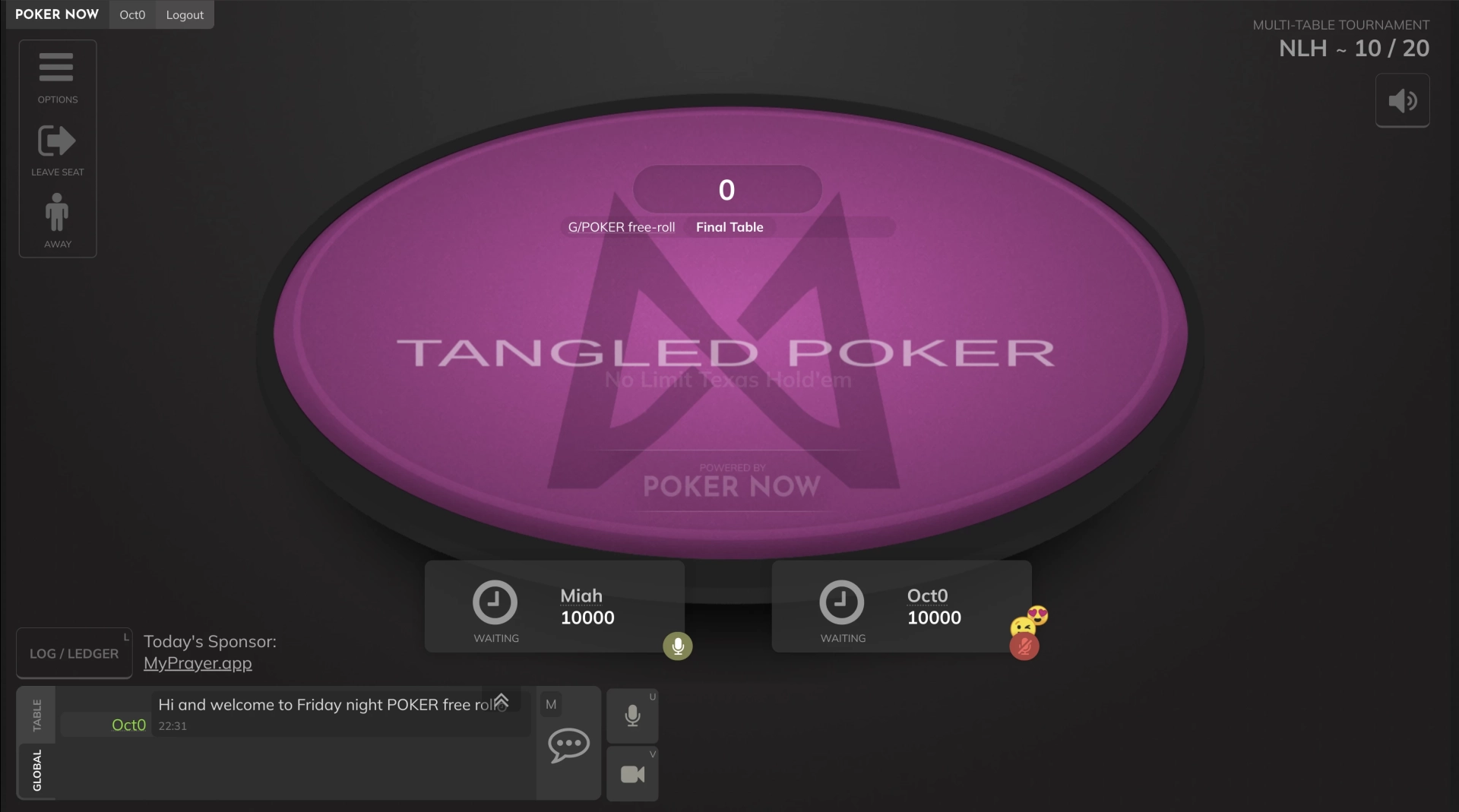
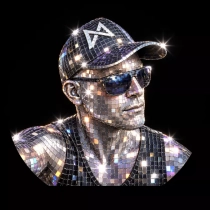
❤️ ♤♡♧♢ ♦️♠️♣️♥️ FREEROLL-FRIDAY-POKER ♦️♠️♣️♥️ ♤♡♧♢ ❤️ Please Join g/poker Tonight for out first of many freerolls. Will be live streaming the event at 19:00 EST (00:00 UTC) Do You Feel Lucky? Do You Like Poker? JOIN us for this epic stream and a chance to #WIN 😎It is ♦️Free♦️ to play😎 1st place 15 million #mlx 2nd place 10 million #mlx 3rd place 5 million #mlx 4th place 3 million #mlx 5th place 2 million #mlx ℹ️ Rules are simple ℹ️ Make it to the top 5 places and win... ℹ️ You must own a verification badge and be subscribed to: @miah @octo g/poker g/pokerleague Thank you to our sponsors g/studio g/nutanica g/fiatleak

Tangled – Dezentraler Browser, soziale Medien und passive Einkommensmöglichkeiten Warum ist Tangled Social etwas Besonderes für mich? Was Tangled Social für mich so besonders macht, ist, dass ich von Anfang an dabei bin und jede Entwicklung aus erster Hand miterlebe, ähnlich wie einem Baby bei seinen ersten Schritten zuzusehen. Der Vater von Tangled Social, Price Givens (@price), hat vom ersten Tag an eine herzliche Beziehung zu allen Benutzern aufgebaut und ihre Verbindung zur Plattform gefördert. Um diese einzigartige Nähe wie auf keiner anderen Social-Media-Plattform zu erleben, können auch Sie sich uns anschließen. Darüber hinaus können Sie auf #Tangled Social ganz einfach Menschen aus allen Nationen und Teilen der Welt treffen. #Was zeichnet es technologisch aus? Tangled Social basiert vollständig auf dem #Millix-Ökosystem. Gemäß dieser Struktur dreht sich die Wirtschaft um eine Kryptowährung namens #Millix. Um einen Beitrag zu erstellen, zu antworten, zu liken, an verschiedenen Interaktionen teilzunehmen oder sogar eine Gruppe zu bilden, benötigen Sie #Millix. Klingt zunächst etwas entmutigend, nicht wahr? Lassen Sie uns Ihren Geist beruhigen. Was ist #Millix? Kann es verwendet werden? #Millix ist eine von Grund auf neu erstellte Kryptowährung. Weitere Informationen finden Sie unter „ https://millix.org/faq.html “. Innerhalb des #Millix-Ökosystems bieten Ihnen zahlreiche Anwendungsplattformen mühelose Möglichkeiten, #Millix zu verdienen. Zum Beispiel: der Chromium-basierte Tangled Browser. #Tangled Browser. #Tangled Browser, eine Adaption eines Webbrowsers, belohnt Sie mit #Millix, indem es kleine Anzeigen anzeigt, während Sie den ganzen Tag im Internet surfen. #Tangled Social belohnt Sie etwa alle 10–15 Minuten Ihrer Aktivität mit 50.000 #Millix. Wenn Sie sich mit #Tangled Browser verbinden, verdoppeln sich Ihre Einnahmen und erreichen 100.000 #Millix. Mit Cobra Helix können Sie #Millix verdienen, indem Sie einfache webbasierte Spiele basierend auf Ihrer Punktz

The Millix ecosystem includes: 🟣http://millix.com 🟣http://tangled.com browser 🟣http://tangled.com social 🟣swapland 🟣cobra helix 🟣tangled trivia 🟣on the node 🟣nutanica


Why is #Tangled Social special to me? What makes #Tangled Social special to me is that I have been involved in it since its first day, witnessing its every development firsthand, like watching a baby take its first steps, and even contributing to it. The father of #Tangled Social, Price Givens (@price), has built a warm relationship with all the users on the platform from day one, ensuring their connection to the platform (myself being the best example). You can join us to experience this closeness that you won't find on any other social media platform. What sets it apart technologically? #Tangled Social is built entirely on the #Millix ecosystem. According to this structure, the economy revolves around a cryptocurrency called #Millix. To create a post, reply, like, or engage in any other interaction, or even create a group, you need #Millix. It might seem quite intimidating at first, right? Now, let us put your mind at ease. What is this #Millix? Can you eat it? #Millix is a cryptocurrency created from scratch. Within the #Millix ecosystem, there are several application platforms that provide you with effortless opportunities to earn #Millix. For example, #Tangled Browser: As a web browser, #Tangled Browser rewards you with #Millix as you browse the web through the small ads it displays. #Tangled Social: Gives you 2000 #Millix every 15 minutes you are active, and if you connect with #Tangled Browser, your earnings double, reaching 4000 #Millix. Cobra Helix: Allows you to earn #Millix based on the points you accumulate by playing simple web-based games. #Tangled Trivia: you can use your knowledge in a trivia game to win #Millix rewards. OnTheNode: By publishing your articles on OnTheNode, you can earn #Millix for your approved content. Apart from these active projects, you have the opportunity to earn #Millix by providing content through developing applications like Nutanica (an alternative to Wikipedia) and Wavly (an alternative to Spotify), which are currently in the development stage. These are app


Yesterday @laron01 made a wikipedia entry for #millix. It's no surprise that almost immediately, the wikipedia community killed the article because they don't think it's important. We'll just build a web3 version of wikipedia and decide for ourselves what's important. #nutanica <a rel="noreferrer nofollow noopener" href="https://nutanica.com/" target="_blank">https://nutanica.com/</a>
