CLOUD APPLICATION DEVELOPMENT SERVICES

Build Applications That Can Adapt as the Business Changes

Tech.us designs, builds, migrates, and connects cloud applications around how your users, data, systems, and operations need to work.
Use cloud architecture to support changing demand, easier access, stronger integration, and continued application improvement without depending on fixed infrastructure.

0 +
0 +
0 +

TRUSTED BY INDUSTRY LEADERS

CLOUD APPLICATION OUTCOMES

Move Beyond the Constraints of Fixed Infrastructure

Cloud applications give businesses more flexibility in how software is built, accessed, operated, and expanded as requirements change.

Adapt Resources to Demand

Use cloud infrastructure to increase or reduce computing capacity as application workloads change.

Improve Access and Collaboration

Make applications and information easier to access across locations without depending entirely on on-premise systems.

Reduce Dependence on Physical Infrastructure

Move application workloads away from infrastructure that must be purchased, maintained, and expanded internally.

Connect Applications and DataConnect Applications and Data

Improve the flow of information between cloud services, databases, and existing business applications.

Build Security Into the Cloud Environment

Apply controls such as encryption, identity management, and layered security around cloud applications and data.

Prepare Applications for Recovery

Put recovery mechanisms in place so applications and data can be restored when failures, attacks, or unexpected events occur.

OUR SERVICES

Develop, Move, Connect, and Operate Applications in the Cloud

Tech.us supports cloud applications across their lifecycle, from creating new products to migrating existing systems and managing the environment after deployment.

Cloud Application Development

Build cloud-based web and mobile applications using the capabilities of platforms such as AWS, Azure, and Google Cloud.

Cloud Application Migration

Move existing and legacy applicationsto cloud environments while planning the transition around business continuity and application availability.

SaaS Development

Create cloud-based software products designed for online delivery, changing usage levels, and continued product development.

Cloud Integration

Connect cloud applications, services, databases, and on-premise systems so data can move between the technologies supporting the business.

Cloud IoT

Connect IoT devices and infrastructure with cloud platforms to manage devices and process the data they generate.

Cloud Application Support

Monitor, maintain, review, and update cloud applications after deployment to support continued operation.

Cloud Infrastructure Management

Manage the computing, networking, and storage resources underlying cloud applications based on operational requirements.

Cloud Security

Apply security measures including data encryption, Identity and Access Management, and layered controls around cloud applications.

Cloud Disaster Recovery

Plan for application and data recovery following cyber incidents, hardware failures, and other unexpected disruptions.

Selected Work

Work That Solves Real Business Challenges

Explore selected projects where Tech.us has turned complex requirements into practical technology designed around business needs.

View All Case Studies

AI-Powered Takeoffs From Complex Construction Drawings

A precast concrete manufacturer partnered with Tech.us to bring AI into the estimating workflow. The system uses OCR, computer vision, and generative AI to identify, extract, and visualize structures, pipes, and components from complex construction drawings.

Read the Case Study
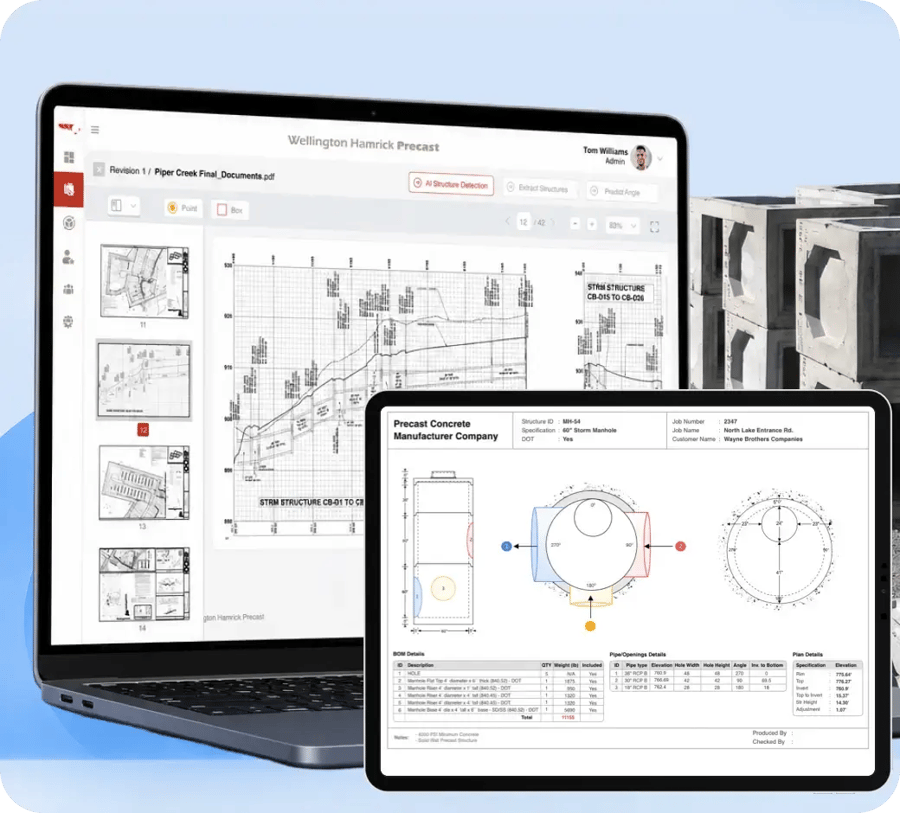

Wellington Hamrick Precast AI takeoff automation tool shown on laptop and tablet

Mobile Fleet Visibility Built for Field Operations

SkyHawk by TELUS needed a streamlined mobile experience for its Connect Anywhere platform. Tech.us built the core experience around real-time asset tracking, fleet activity, secure configuration, and map-based operational visibility.

Read the Case Study
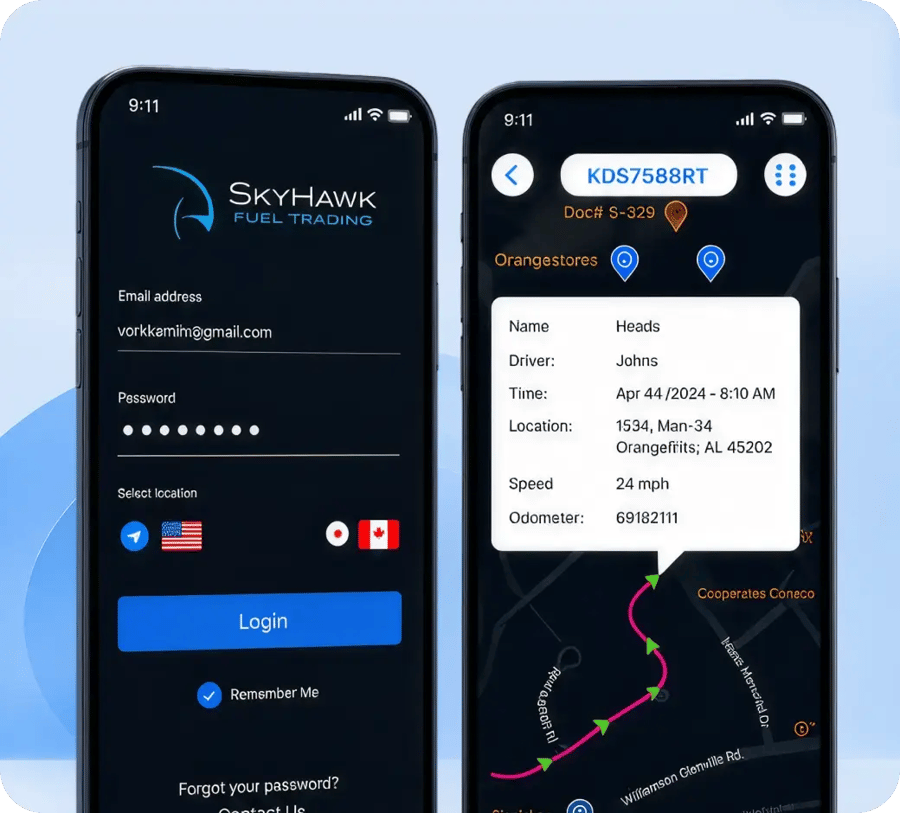

SkyHawk by TELUS mobile app screens showing fleet tracking and login

Personalized Financial Technology Built to Scale

Tech.us helped bring Wealth Mastery to life as a digital platform that puts personalized financial planning tools directly in users' hands while supporting a large and growing audience.

Read the Case Study
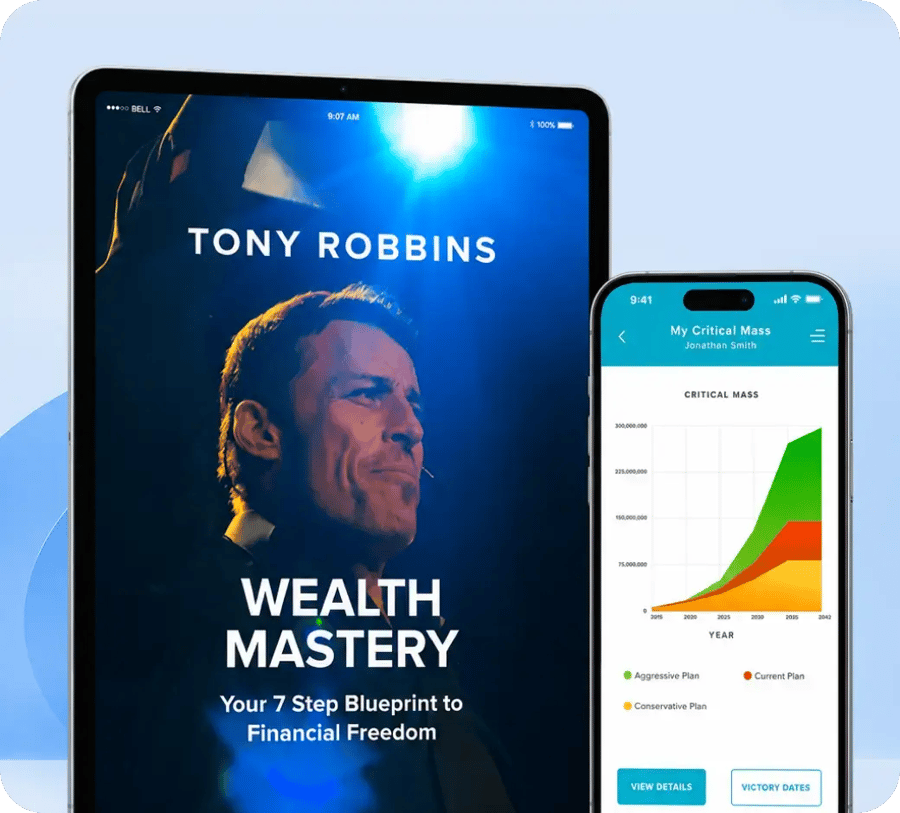
Tony Robbins Wealth Mastery app shown on tablet and phone

WHY CHOOSE TECH.US

Build the Application and Its Cloud Environment Together

A cloud application is shaped by more than application code. Infrastructure, integrations, security, availability, data, and ongoing operations all influence how well it works after launch.

Start With How the Application Needs to Operate

Define the users, workloads, integrations, data requirements, and business needs before determining how the cloud environment should support them.

Connect With the Systems Already in Place

Plan cloud applications around the databases, services, and existing applications they need to exchange information with.

Treat Migration as More Than a Hosting Change

Consider how existing applications need to be moved, connected, and operated in the new environment rather than simply relocating them.

Build Security Into the Environment

Address encryption, identity, access, and other cloud security requirements as part of application and infrastructure decisions.

Plan Beyond Deployment

Support monitoring, maintenance, updates, infrastructure management, and recovery after the application goes live.

Match Deployment to Business Requirements

Use public, private, hybrid, or multi-cloud approaches according to the application's security, operating, and infrastructure needs.

why-choose-techus

HOW WE WORK

Turn Cloud Requirements Into a Defined Delivery Plan

Cloud decisions should follow what the application needs rather than starting with a platform or technology choice.

1

Understand

Define the application requirements, business goals, expected timeline, existing environment, and available budget.

2

Estimate

Identify the resources and investment needed for the application, infrastructure, migration, integration, and other required work.

3

Plan

Create a roadmap covering the application approach, cloud environment, technical dependencies, and delivery priorities.

4

Execute

Build or migrate the application against the agreed plan while incorporating feedback as the work progresses.

WHEN CLOUD FITS

Use the Cloud Where It Removes a Real Application Constraint

The value of cloud architecture depends on the problem the application needs to solve.

Infrastructure Is Limiting Application Growth

Move beyond fixed computing capacity when changing workloads require more flexibility.

Existing Applications Need a New Environment

Migrate legacy or internally hosted applications when the current infrastructure is becoming difficult to maintain or expand.

Systems Need to Exchange Data More Effectively

Use cloud integration to connect applications, services, databases, and existing internal systems.

Users Need Easier Application Access

Support applications that need to be available across different locations and working environments.

Connected Devices Need Centralized Processing

Use cloud platforms to manage IoT infrastructure and process information generated by connected devices.

Recovery Needs More Attention

Strengthen how application data and workloads can be restored following failures or other disruptive events.

Is Your Current Application Environment Limiting What Comes Next?

Build or move applications into a cloud environment designed around changing workloads, connected systems, and the way your business needs to operate.

Talk To Our Cloud Expert

CLOUD DEPLOYMENT MODELS

Choose the Cloud Model Around the Workload

There is no single cloud deployment model for every application. Security, data, cost, infrastructure, and operating requirements can point to different approaches.

Public Cloud

Use shared cloud infrastructure when the application can benefit from flexible resources and a more cost-conscious infrastructure model.

Private Cloud

Use a dedicated cloud environment when greater control over data privacy and security is important to the application.

Hybrid Cloud

Combine public and private environments when some applications or data need greater isolation while other workloads can use public cloud resources.

Multi-Cloud

Use services from multiple cloud providers when different workloads benefit from different platforms or when reducing dependence on one provider is important.

CONSIDERATIONS

Design for What Happens After the Application Goes Live

Moving an application into the cloud changes how it can be operated, integrated, protected, and expanded.

Application Performance

Infrastructure should reflect the application's computing, storage, networking, and workload requirements.

Data Flow

Cloud services, databases, and existing systems need clearly planned integration points.

Security and Access

Encryption, identity management, permissions, and other controls should reflect how users and systems interact with the application.

Infrastructure Capacity

Cloud resources should be aligned with actual operating requirements rather than treated as fixed infrastructure.

Ongoing Maintenance

Monitoring, application updates, performance reviews, and infrastructure management continue after deployment.

Recovery

Application and data recovery should be considered before a disruption occurs rather than added only after one.

TECH STACK

Cloud Technology Chosen Around the Application, Not the Logo

The technology stack should reflect how the application needs to run, connect, scale, and be operated over time.
We work across cloud, DevOps, frontend, backend, data, and related technologies so the environment can fit the workload rather than forcing the application into a predefined stack.

Agentic AI & Orchestration

Agentic AI Agentic AI
AI Agents AI Agents
Multi-Agent Systems Multi-Agent Systems
Agentic Workflow Automation Agentic Workflow Automation
Model Context Protocol (MCP) Model Context Protocol (MCP)
Agent-to-Agent Protocol (A2A) Agent-to-Agent Protocol (A2A)
Agent Memory and Reasoning Agent Memory and Reasoning

RECOGNITION

Recognized for Technology Excellence

Explore the awards and industry recognition associated with Tech.us.
Mobile App Daily — Top Web Development Company
DesignRush — Top AI Development Company
Mobile App Daily — Top AI Company
TechReviewer — Top Mobile App Developers
TechReviewer Award

FAQ

Cloud Application Development Questions

Cloud application development is the process of designing and building software that runs using cloud infrastructure and services rather than depending entirely on locally managed physical infrastructure.

Tech.us provides cloud application development, application migration, SaaS development, cloud integration, Cloud IoT, application support, cloud infrastructure management, cloud security, and disaster recovery.

Yes. Tech.us supports the migration of existing and legacy applications to cloud platforms and plans the transition around the application's current environment and operating requirements.

Yes. Tech.us develops cloud-based web and mobile applications using services and capabilities available through major cloud platforms.

Tech.us supports public cloud, private cloud, hybrid cloud, and multi-cloud deployment models.

Public cloud uses shared infrastructure supplied by a cloud provider. Private cloud provides a more dedicated environment and can be appropriate when greater control over data and security is required.

Hybrid cloud combines public and private cloud environments. This allows organizations to determine which applications or data remain in a more controlled environment and which workloads use public cloud resources.

Multi-cloud uses services from more than one cloud provider. It can allow organizations to use different providers for different requirements and reduce dependence on a single platform.

Yes. Tech.us connects cloud services, applications, databases, and on-premise systems to improve data flow and collaboration between them.

Yes. Tech.us supports the integration of IoT infrastructure with cloud platforms so connected devices can be managed and their data processed through cloud services.

The source identifies multilayer security, data encryption, Identity and Access Management, and established security practices as part of Tech.us cloud security services.

Yes. Tech.us provides continued cloud application monitoring, maintenance, regular reviews, and updates after deployment.

The source covers management of cloud computing resources, networking, and storage, with those components adjusted around operational requirements.

Build a Cloud Application Around What the Business Needs Next

Create, migrate, or improve applications with cloud infrastructure designed around how they need to perform, connect, and operate beyond launch.

Talk to Our Cloud Expert