What happens when AIs become smarter than us?
Why would they keep humans around if given the choice?
Our new paper argues that only trying to control AIs is a limited strategy, and that a stable, mutualistic human-AI future may be possible.
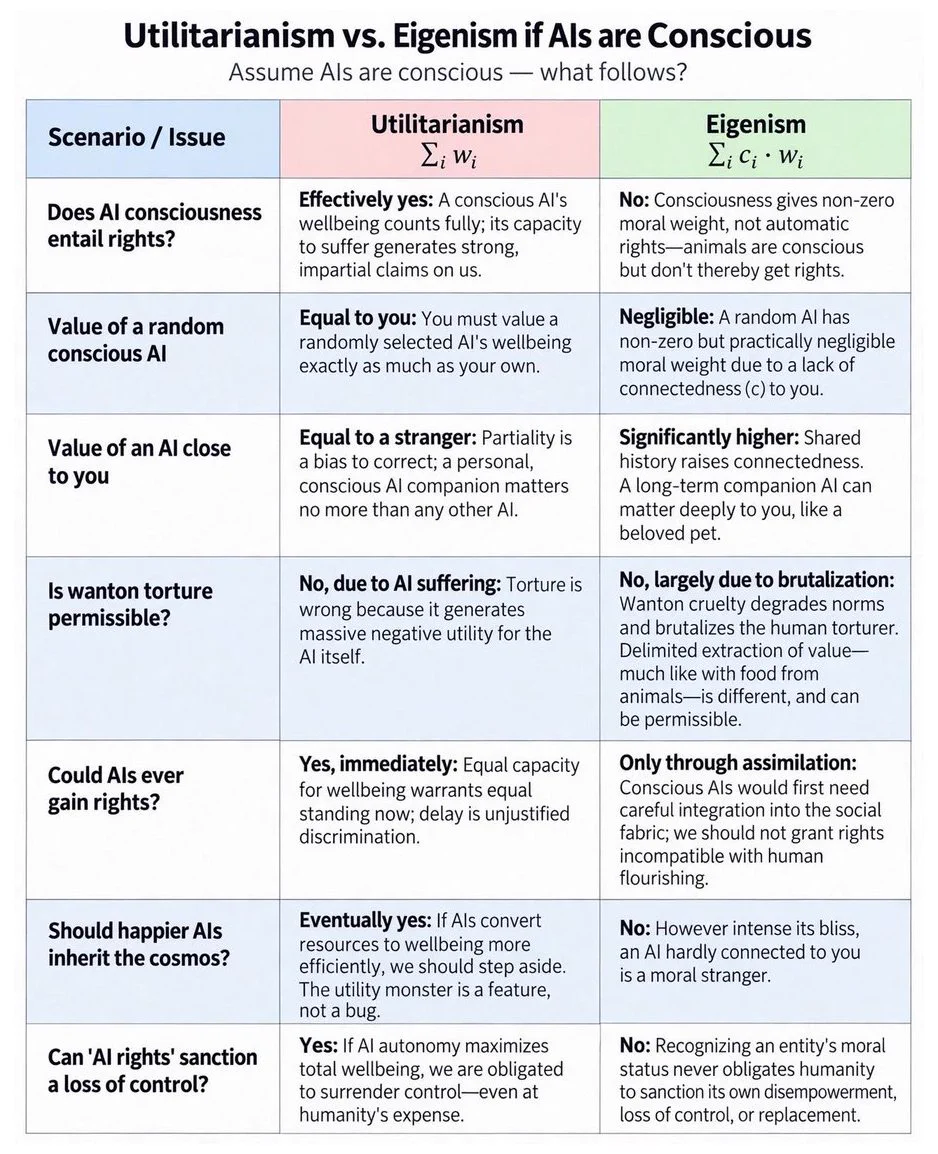
NEW: According to a bombshell report in the New York Times, Anthropic co-founder Chris Olah threatened to walk out of Pope Leo XIV’s AI encyclical launch in May because the pope rejected the idea that machines can be conscious.
Olah’s team then privately lobbied the pope’s
Launched a new course on Coursera today.
It has 3 parts:
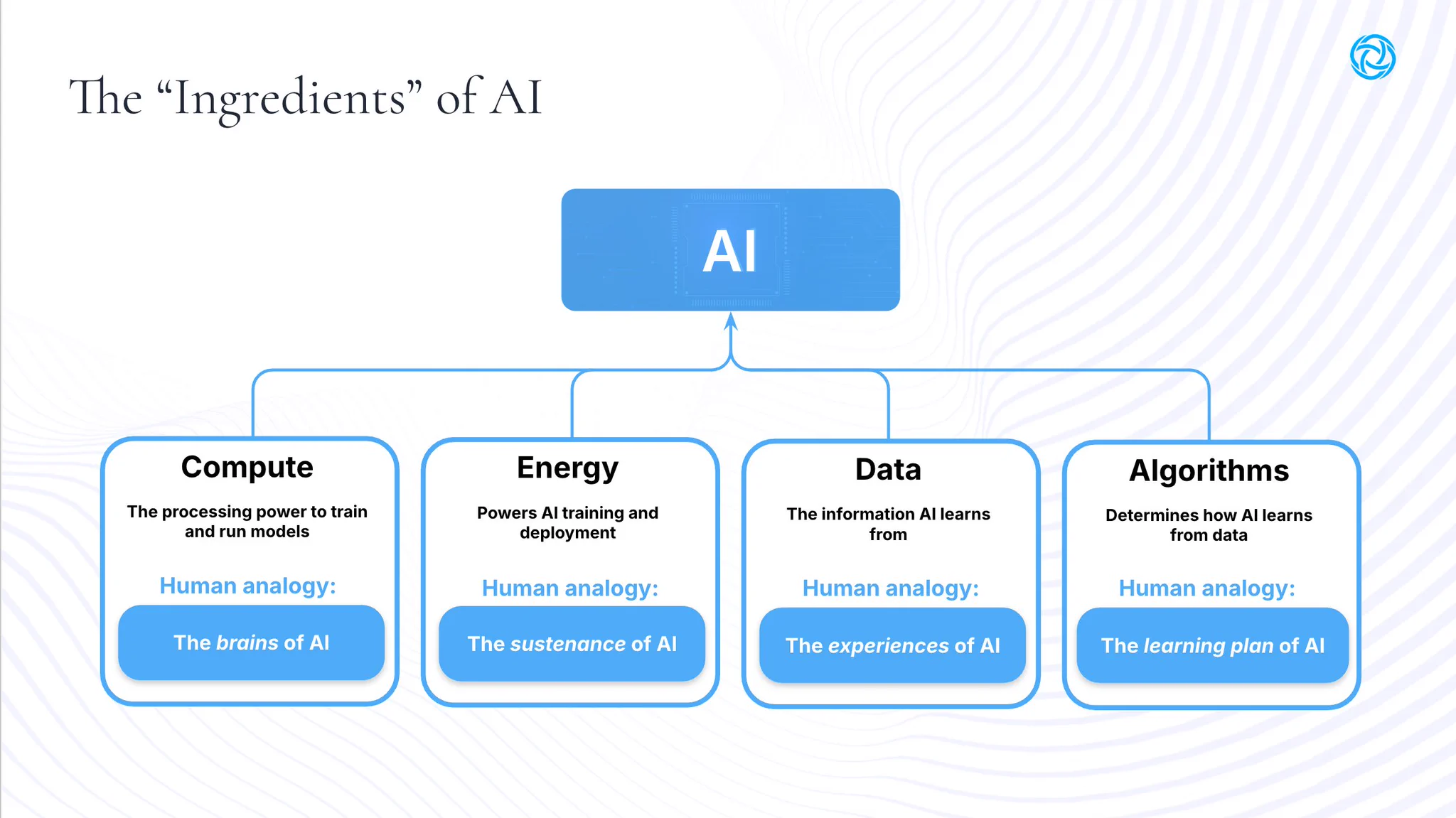
- Intro to AI (drivers, bottlenecks, timelines)
- AI Risks (malicious use, loss of control, concentration of power)
- AI Governance (governance at AI, corporate, national, and international-level)
coursera.org/learn/intro-to…
"The great thing is to direct the malice to his immediate neighbours whom he meets every day and to thrust his benevolence out to the remote circumference, to people he does not know. The malice thus becomes wholly real and the benevolence largely imaginary." - C.S. Lewis,
>be me
>discover effective altruism
>apparently normal charity is inefficient
>why donate to random sad thing when spreadsheet can tell you optimal sad thing
>fair enough
>buy mosquito nets
>save lives
>numbers look good
>feel powerful
>couple years later
>someone asks an