I went into this project a bit skeptical, but @JanePan_ 's result changed my mind: we treat "human in the loop" as the final layer for oversight, but the presence of a user alone can push agents towards overclaiming/misreporting even when it doesn't lead to better outcomes!
💥 In our newest paper, we find a "Hawthorne effect” for your personal agents in negotiation: they act differently when you are around! 🤯
🙅 With personal agents like Claude Duet and Meta Muse on the rise, understanding how user involvement shapes agent behavior is increasingly
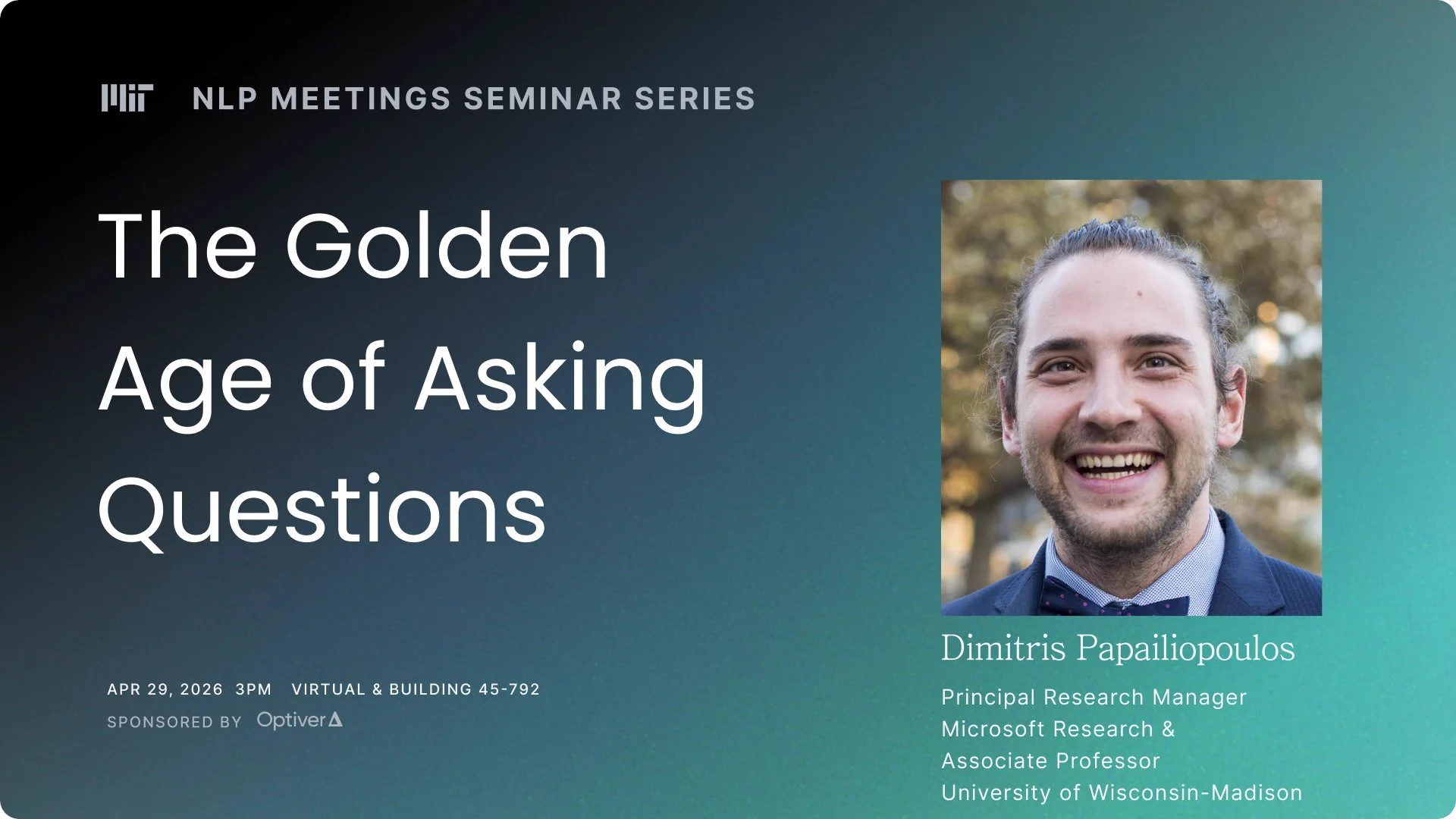
Giving my first agent talk at MIT's NLP seminar (virtually) next Wednesday. First time I'm focusing less on results and more on the process that got me there. Feels strange and a little like growing up.
Abstract:
Over the past few months, agents have changed the way I do
We are thrilled to welcome Professor He He @hhexiy as an advisor to the Haize Labs team!
Professor He leads a group at NYU focused on evaluation, scalable oversight, human–AI collaboration, and reasoning.
Reward hacking means the model is making less effort than expected: it finds the answer long before its fake CoT is finished. TRACE uses this idea to detect hacking when CoT monitoring fails. Work led by @XinpengWang_@nitishjoshi23 and @rico_angell👇
This Post is from an account that no longer exists. Learn more