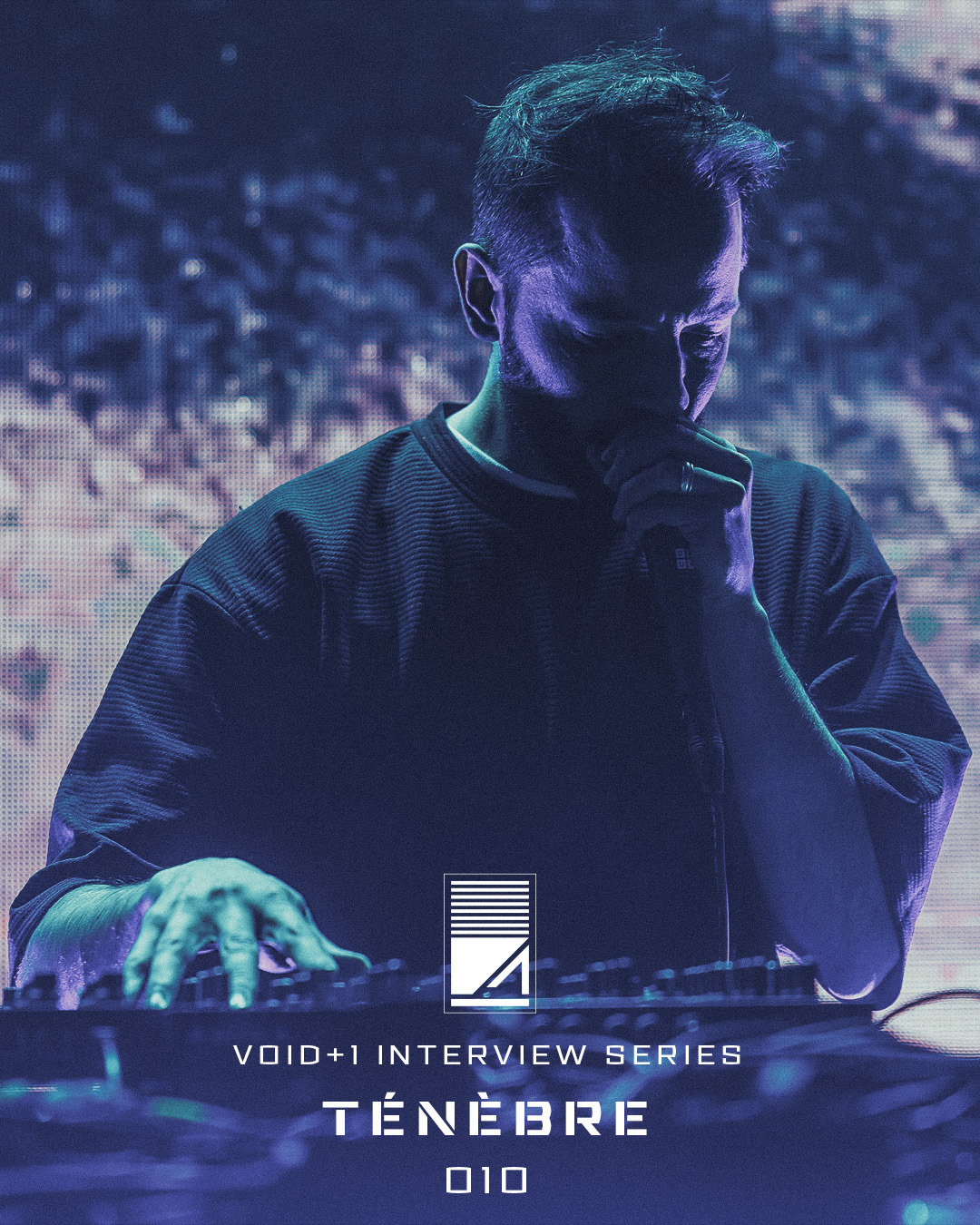
TÉNÈBRE is a French live artist and sound designer whose new EP, Ultraviolet, has just been released on Void+1, so we took the opportunity to speak with him and dig a little deeper into his various projects, interests, and how it all began.
VOID+1: Hello Paul, we’re delighted to welcome you to our interview series. As mundane as the question may be, we like to start with the usual background information, as we consider an artist’s origin story just as interesting as their creative output: When and how did you get involved in music production?
TÉNÈBRE: Hello cyborgs ! The pleasure is mutual. I think it started at a young age when I was part of bands, we were playing rock, nu-metal and hardcore stuff and ultimately we had to record ourselves. Sooner or later I learned how to and during the process I got fascinated with adding electronic arrangements to it : beats, synths, FX, “oh wow ! I can use these things called vsts, mindblowing…” to the point I figured I could do everything in the box and it has never left me since…
Your music feels highly intentional and concept-driven. Do you ever approach production more spontaneously, improvising without a clear destination in mind, and letting the track take shape on its own? Or do you prefer to know where you’re heading from the outset?
I would say that I approach sound design in a pretty improvised manner, counting on happy accidents but also totally separated to the production process. Then when it comes to making tunes, I’d curate very carefully the types of sound I will be using to build a cohesive corpus. Once I have the idea, the common pattern, I’d strip that concept to its core and then that allows me to build a record out of it.
Can you walk us through your production setup? What DAW, plugins, hardware, and other tools are essential to your workflow?
It’s very simple : all in the box, I like to play my sounds and patterns by hand using a push or launchpad and that’s it. Fav plugins for synthesis would be Serum, Phase Plant, Massive X and all is currently made in Ableton Live, I’m having a hard time switching to Bitwig which is absolutely dope but terribly ugly.
With Ultraviolet, the ep of yours we just released on Void+1, you had a clear concept in mind from the outset. The press text offers an overview of the idea behind the release, but could you take us deeper into the concept and explain how it shaped your approach to production ?
Yes, after a certain number of happy accidents in the studio this sonic concept of “negative field” emerged. As I couldn’t really pin point the term exactly in the first place, the idea was to make holes in the existing audiofield, using triggers with extreme sidechain or clipping settings. I had this first experiment with “Apoplexy” while we were sending material to each other with Kronom a few years back and I also had other presets in that vein that I really wanted to turn into full tracks… it gave me a frame, a very fun sandbox to play with, trying different types of patterns, saturated-noise-plasma-kicks design etc. I find this way of working very stimulating…As we wrote it when Basic Shapes came out, the possibilities with DAWs are infinite now, setting these types of rules and restraints help me to focus on what’s essential to put the body and the sound system in motion, that’s all I’m aiming for.
Your work extends beyond music into the audiovisual realm, with multimedia projects exploring the relationship between sound and visuals, as well as sound design, including your work with Native Instruments. How did you get into these fields, and how do they intersect with your work as a producer?
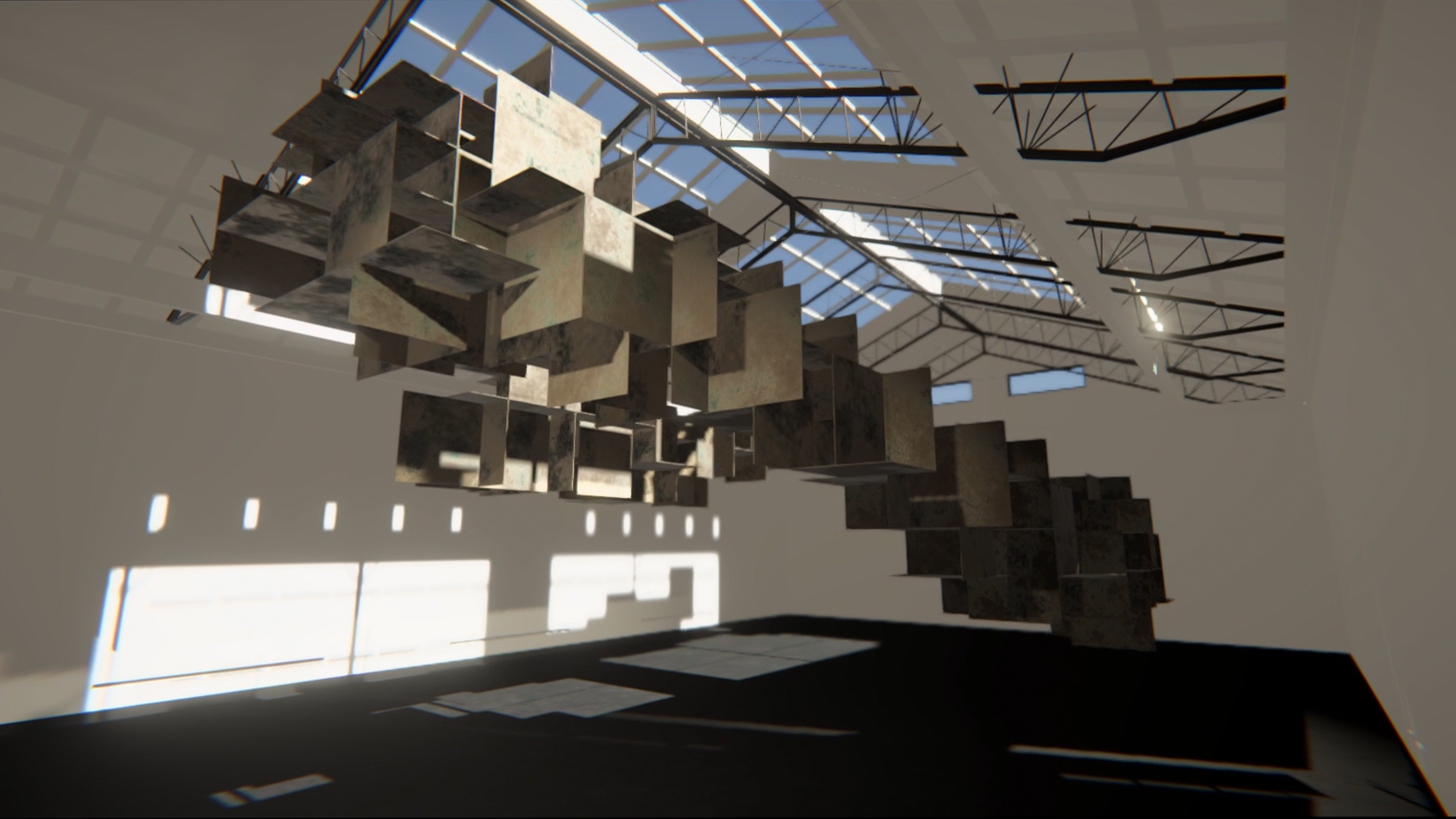
Besides music for my own productions I started to work on libraries for music sync about 10 years ago, this lead me to work on my first sample packs, and from editors to editors I came to work with major companies including NI. During the process I’ve joined the digital art studio ExperiensS as my partner in crime and CEO extraordinaire TremensS had a clear vision and will to put sound as a key element to their immersive installations. This is also the moment when I’ve studied sound art and sound design and that also exposed me to a whole spectrum of practices around sound that go anywhere from Anthropology to Acoustics, Programming to Field Recording, Musical and Non Musical ; fascinating really… I could intersect my former architecture practice to sound design. By sound design, I mean a design practice where sound is at the core of the design process, not just sfx, wooshes and foley stuff. That is how I define sound design, as a broader notion.
All of that to say that, in my sole music practice, all that background is certainly interfering, while at the same time I’m trying to stay as functional as the music requires it to be. I know where my place is : we are doing music for a defying club experience, not something else, and so I deliver. As a designer would do.
Another project of yours is Anmon, a collaboration with DJ Saint Pierre. How did you two meet, what inspired you to start the project together, and what distinguishes Anmon from your respective solo productions?
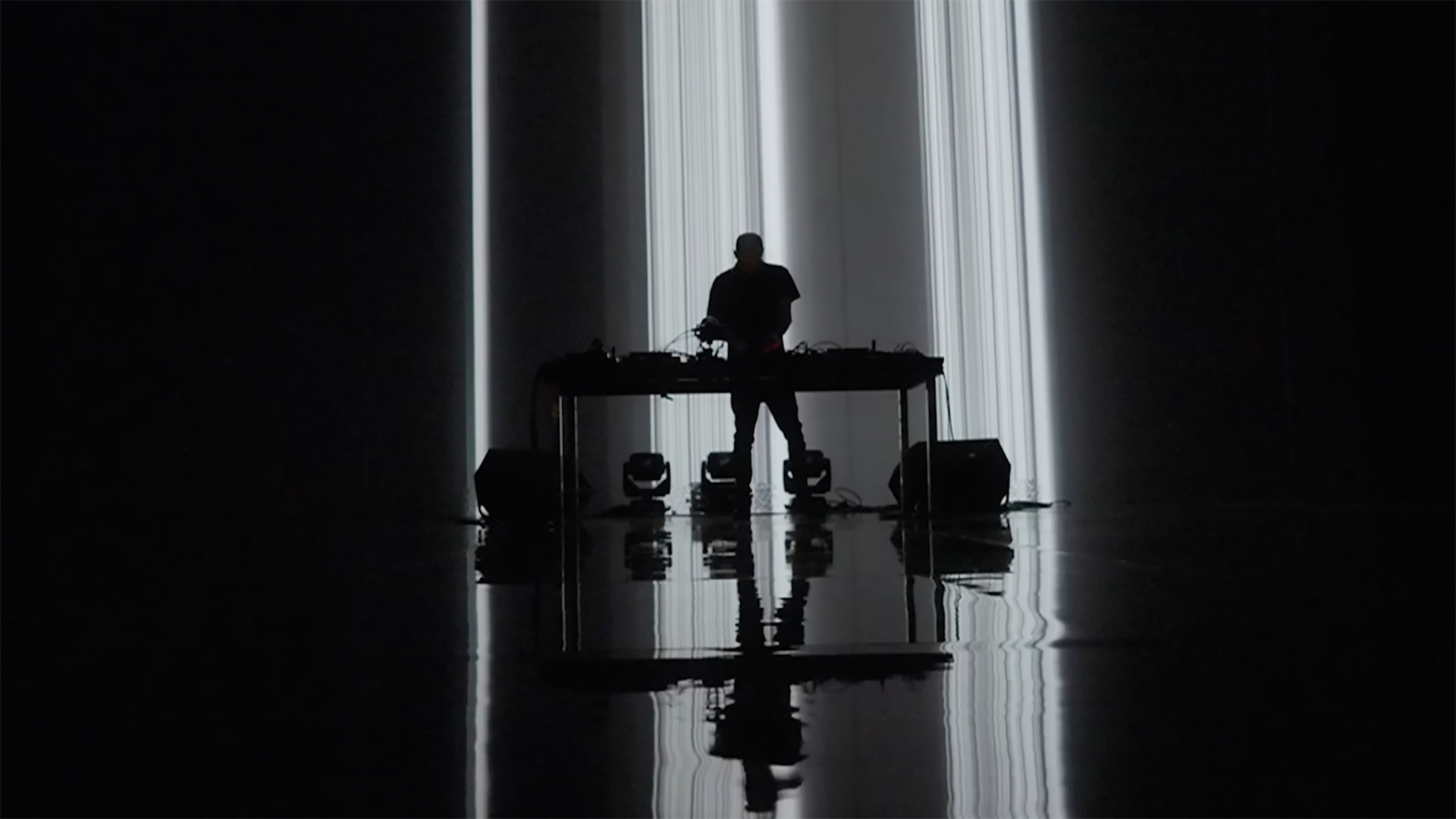
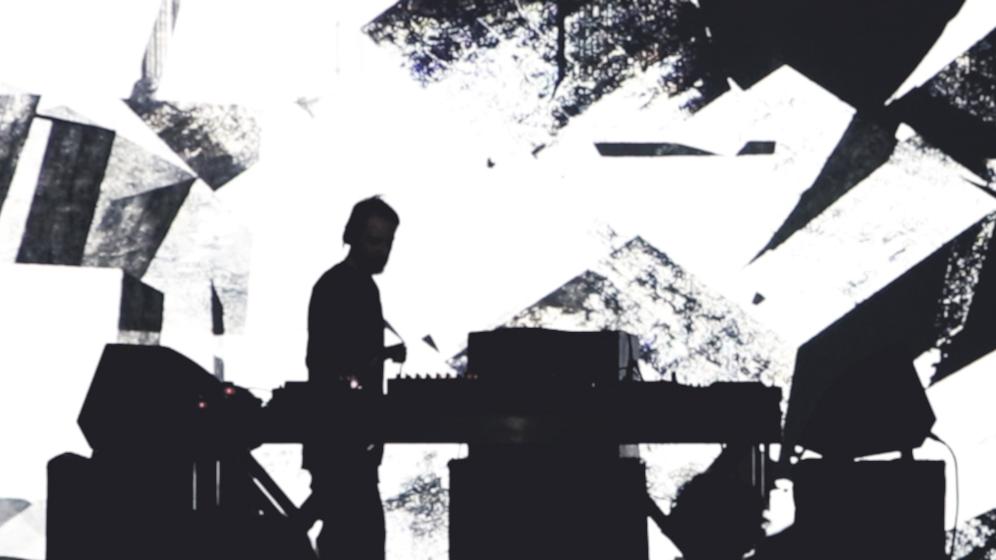
We met in Rouen about 7 years ago as he invited me to play and we instantly connected as we both really enjoyed each others music. Very quickly we had this idea to merge our practices and speed up the bpms to build a live performance focused project. It’s the combination of both our setups, JB (Dj Saint Pierre) works solely with his Elektrons boxes, while I’m all digital : Pure rawness and performativity of the analogue and super tight real time processing and complex synthesis that collides into these cathartic, post-Tekno experiments, where each track is just something we wouldn’t have never expected or imagined in our solo productions
How would you describe the music you make to someone with little or no familiarity with electronic music?
Sorry, but there are no lyrics.
You’ve spoken about your personal connection with Korea in a previous interview. How did that connection develop, and what struck you most when you first immersed yourself in the Korean music scene and culture? Did you encounter any fundamental differences in how people approach music compared to what you were accustomed to?
Vast topic. I’ve been traveling in and out of Korea for more than 15 years now, it’s my second home and as some may know, we are a French-Korean household. Musically speaking, I’ve seen it from many different angles, people from the super underground to the very mainstream. What strikes me most is watching Korea become this global cultural superpower, a state-backed soft-power machine driven by colossal economic interests, while knowing the individual stories of the small hands behind the curtain. A chain reaction that seems so fragile on a personal level, yet grows to extraordinary proportions. Greatness born in anonymous basements, somewhere in the corner of a “dong”.
Judging by your Instagram Stories, skateboarding seems to be a big part of your life. When did you first get into it?
Not so big really Haha, but it’s certainly super instagramable and it works better than any music post I do. I just got back into it for a year or two now and it has become a super difficult, addictive, frustrating, rewarding challenge. Tons of failure and pain while feeling pure blessing when something unlocks… reminds you of something ? Music Production and working from home for the last 15 years has basically ruined my body and I had to do something about it. Getting back on the board was the best thing I could ever do before it was too late, this is keeping me in shape you have no idea…
We’re big film buffs, so we have a tradition of asking every guest the same question: What are your three favourite films of all time?
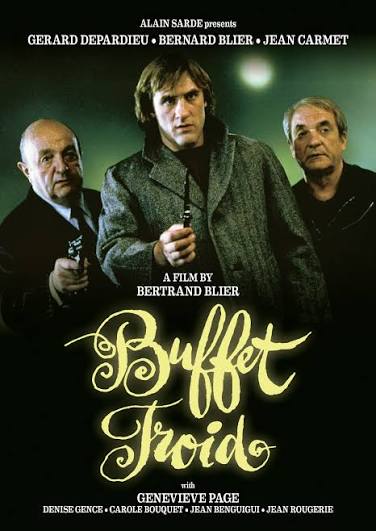
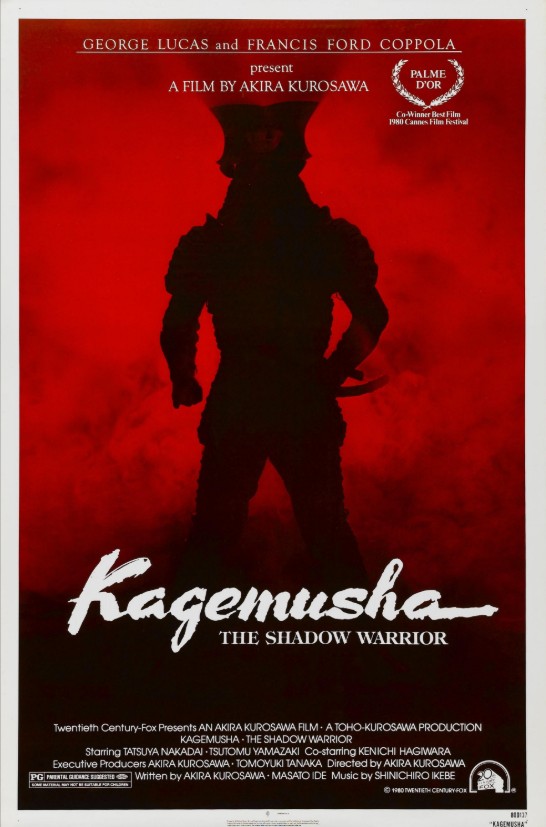
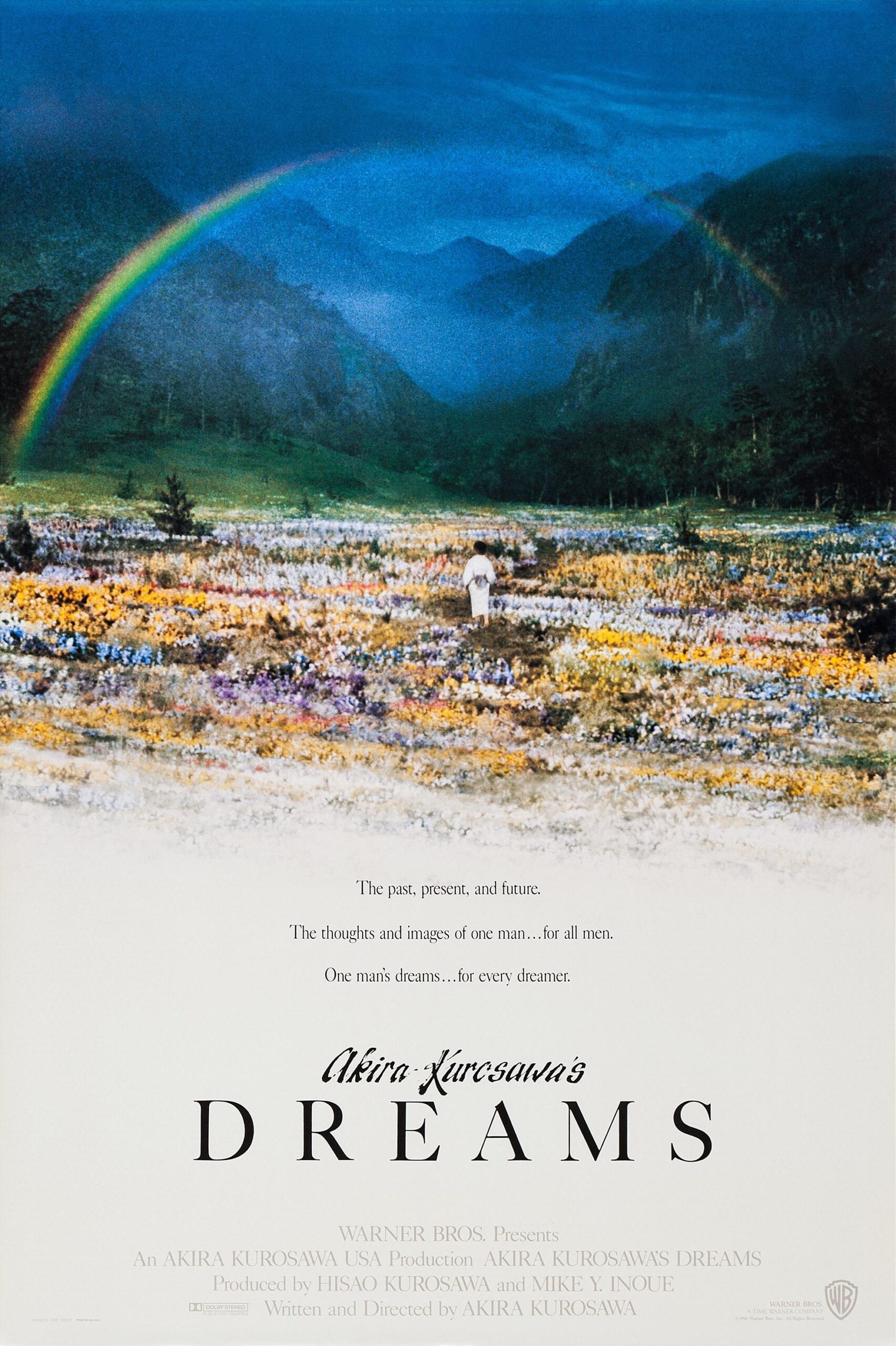
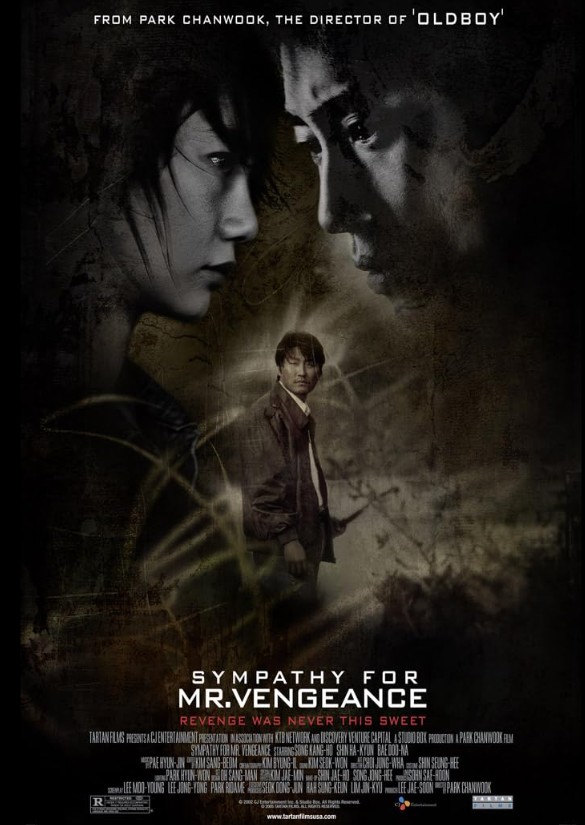
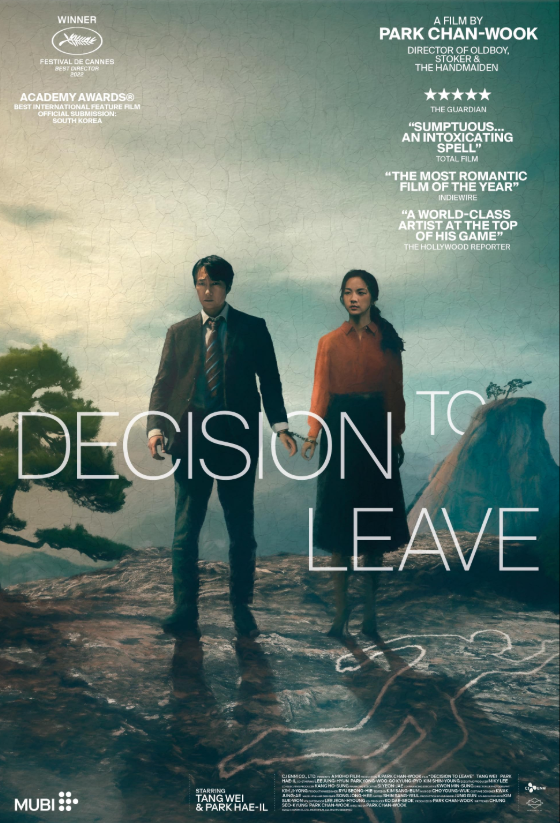
Three ? Oh that’s too hard. Allez, I give you three, but there are so much more. I give you a french one first : Buffet Froid by Bernard Blier then It’s gonna be anything by Akira Kurosawa, certainly Dersu Uzala or Kagemusha or Dreams (I know…I Know…) Park Chan Wook, Sympathy for Mr. Vengeance (his true masterpiece), I looooved Decision to Leave also…Told you I can’t pick three.

Do you have any unusual rituals or superstitions when it comes to making music? Anything you always do before starting a track, or deliberately avoid for fear of jinxing the process?
No rituals at all, I just need to be “available” for it, in its broader sense. Also, if I didn’t start something in the morning I know for a fact that nothing gonna come out of me later. Now with the years I just know when today, is not the day.
The electronic music scene has changed considerably over the years. Where do you see your music fitting into it today, and what do you think needs to change for the scene to place greater value on individuality, artistic quality, and genuine talent?
I see myself as a kind of outsider, trying to bring something new to the table, to our general conversation about what the future should sound like. I fell in love with electronic music as a kid because I was hearing the future, so the future I should provide. Everything else, I have no grasp on.
TÉNÈBRE’s social media:
