-
-
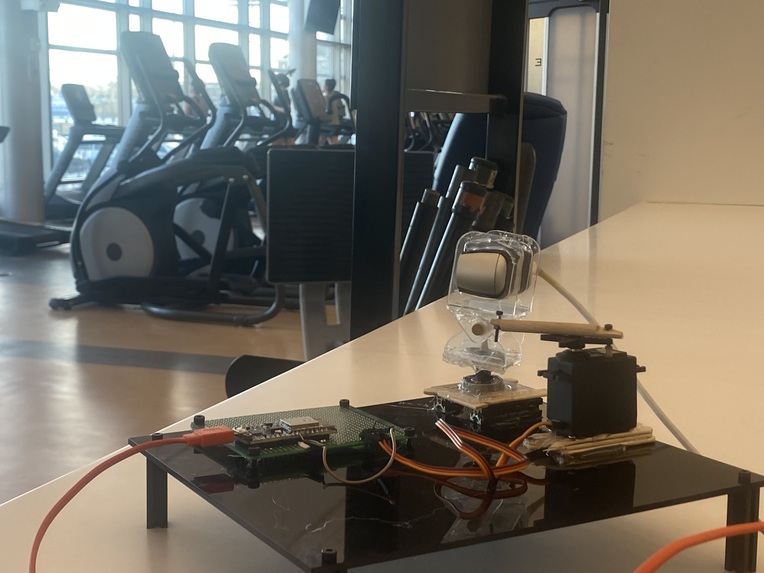
Camera in Gym
-
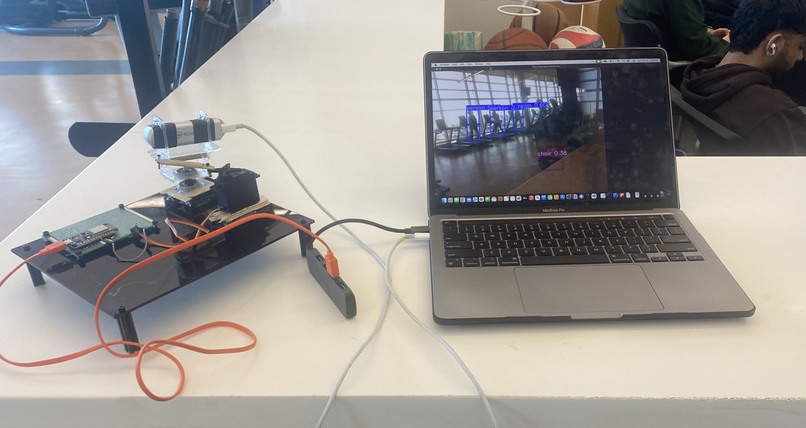
Camera View
-
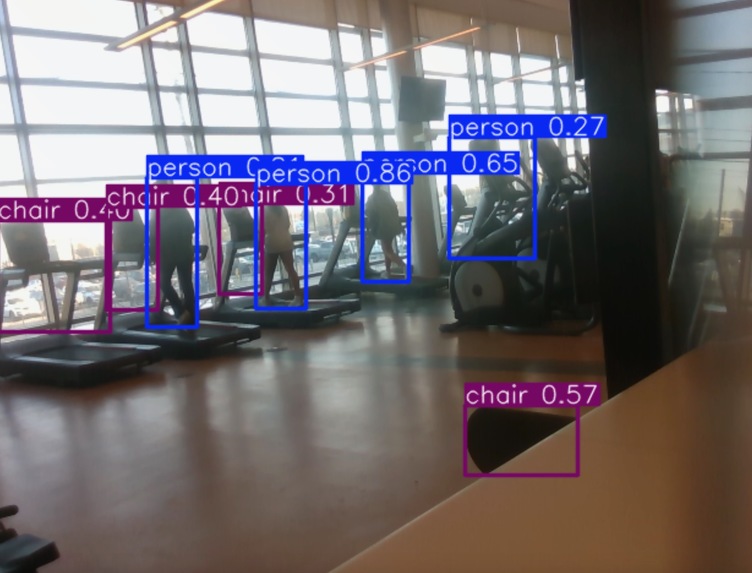
Object detection
-
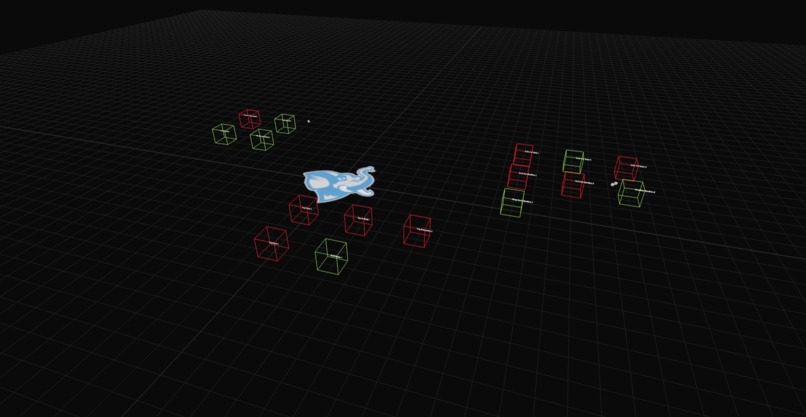
Gym Visualizer
-
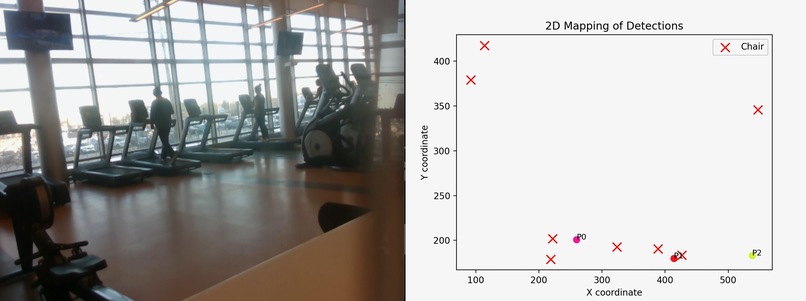
Detection Chart
-
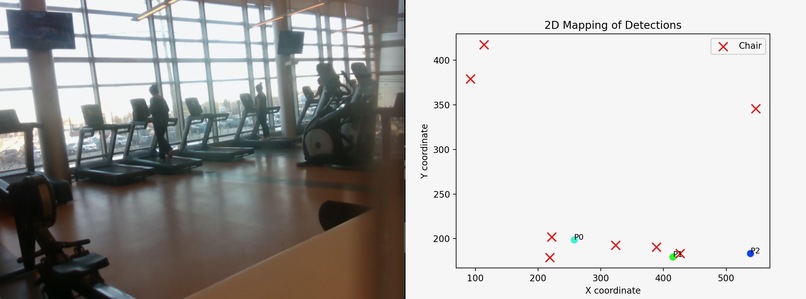
Version 1
-
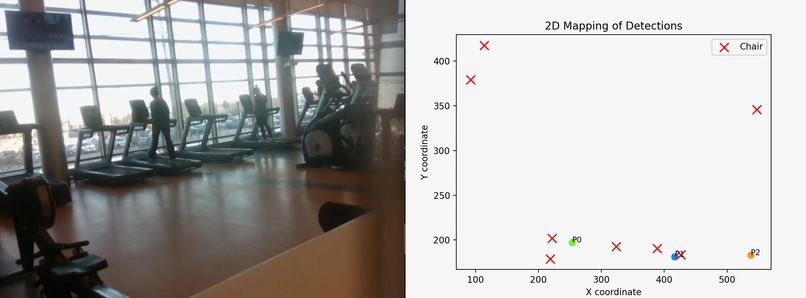
Version 2


Inspiration
Tisch sports center often suffers from overcrowding, leading to long wait times for machines. At the same time, there's growing unease around biometric scanning methods that capture more data than necessary around the globe. We wanted to explore a privacy‑friendly solution that optimizes gym usage without compromising individuals’ personal data.
What it does
Our system periodically uses a RealSense depth camera to capture the layout of gym machines and the presence of people, converting the spatial information into a CSV dataset. A machine learning pipeline then analyzes these occupancy trends in real time, generating optimized workout schedules that minimize overall wait times. Users receive guidance on the best machines to use and the ideal time to arrive at the gym for minimal congestion.
How we built it
Depth Camera Integration: We connected a RealSense depth camera to capture the gym environment at periodic intervals, focusing on machine availability rather than personal biometric data.
Data Conversion: Raw depth readings are converted into CSV format, detailing gym machine coordinates and occupancy status in real time.
Machine Learning Pipeline: The CSV data is fed into an ML model (Random Forest classifier), which predicts machine availability and suggests optimal ordering of exercises.
Scheduling Logic: A branch‑and‑bound algorithm, enhanced with multithreading, explores possible workout orders to find the plan with the lowest wait times.
Challenges we ran into
Depth Data Handling: Translating raw depth frames into coherent CSV data without capturing biometrics required careful calibration and filtering.
Real-Time Performance: Ensuring that the ML pipeline and scheduling algorithm run quickly enough to handle rolling data updates.
Privacy Considerations: Designing the system to focus on occupancy patterns rather than identifying individuals, proving that efficient gym management can be done without invasive scanning of human biometrics
Accomplishments that we're proud of
Privacy-First Approach: Demonstrating that biometric scanning is not necessary for effective crowd management.
Optimized Scheduling: Implementing a high‑performance branch‑and‑bound scheduler that reduces wait times with minimal computational overhead.
Scalable Architecture: Creating a structure that can easily integrate additional features, like user‑selected timeframes, as the dataset grows. What we learned
Depth Camera Advantages: Depth sensing can accurately capture occupancy without exposing personal identities.
ML Pipeline Optimization: Efficient data preprocessing and model selection significantly affect real‑time performance.
Iterative Development: Gathering continuous feedback on each step—camera setup, data processing, modeling—helps refine the system’s accuracy and usability.
What's next for Gymbo
Extended Timeframes: Expanding the system beyond the current two‑hour rolling window, with user‑selected time slots for more personalization.
Live User Interface: Developing a mobile or web interface where gym members can interact with the real‑time schedule and receive personalized notifications.
Deeper Analytics for Robotics: Incorporating advanced forecasting methods to predict peak hours and suggest alternative times or workout routines.
Built With
- aceternity
- fastapi
- fly.io
- multithreading
- next
- node.js
- numpy
- photogrammetry
- python
- scikit-learn
- shadcn
- three.js


Log in or sign up for Devpost to join the conversation.