Honeypots are fields that developers use to prevent spam submissions. They still work in 2025. But you got to set a couple of tricks in place so spambots can’t detect your honeypot field.
CSS is a composable language by nature. This composition nature is already built into the cascade. We simply don't talk about composition as a Big Thing because it's the nature of the language.
I've come to realize that perhaps we need to have a unit between root and relative values. This would bring about a whole new possibility when creating reusable components.
Today, I want to discuss a couple of patterns for naming color palettes that the community is using, and how I propose we can improve, so we achieve both flexibility and beauty.
I went on to figure out how make masonry work today with other browsers. I'm happy to report I've found a way — and, bonus! — that support can be provided with only 66 lines of JavaScript.
Focus trapping is about managing focus within an element, such that focus always stays within it. The whole process sounds simple in theory, but it can quite difficult to build in practice, mostly because of the numerous parts to you got to manage.
Being the bad boy I am, I don't take Tailwind's default approach to cascade layers as the "best" one. Over a year experimenting with Tailwind and vanilla CSS, I've come across what I believe is a better solution.
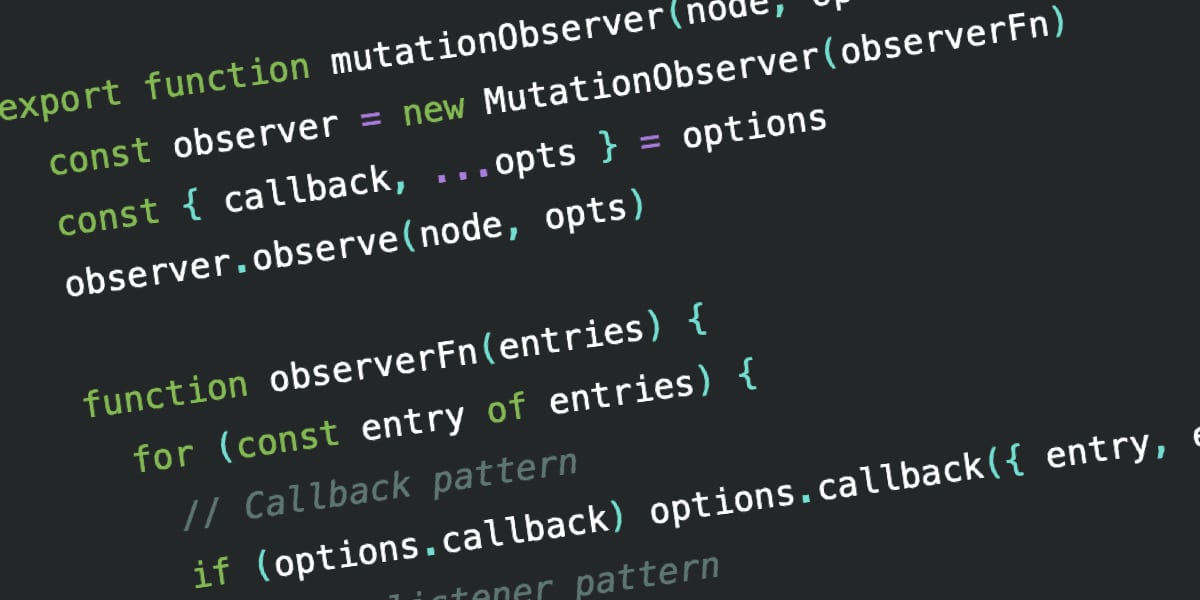
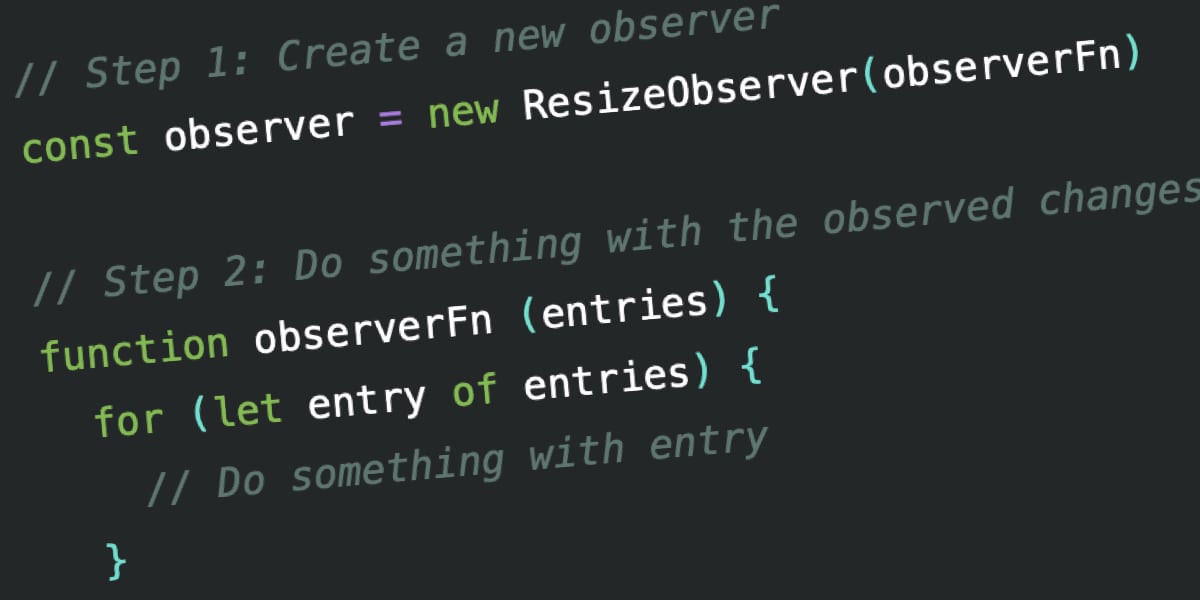
Zell discusses refactoring the Resize, Mutation, and Intersection Observer APIs for easier usage, demonstrating how to implement callback and event listener patterns, while highlighting available options and methods.
ResizeObserver, MutationObserver, and IntersectionObserver enhance performance over their predecessors. Zell discusses their API similarities, usage steps, refactoring strategies, and advantages with practical examples.