It’s not that hard to do! Preethi shows you how it's really the same old animation you’re used to writing in CSS, only applied on a view timeline instead of a normal timeline.
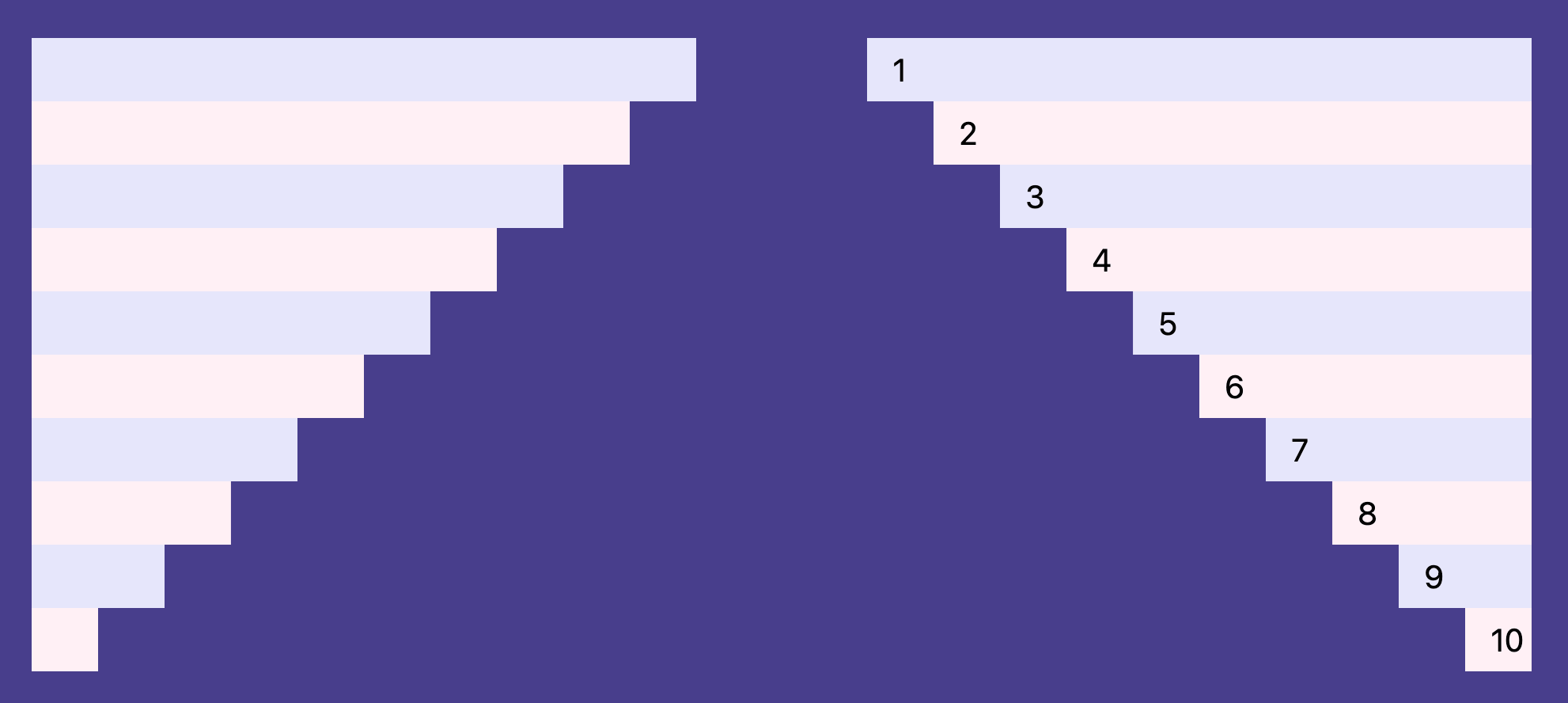
Parallax is a pattern in which different elements of a webpage move at varying speeds as the user scrolls, creating a three-dimensional, layered appearance. It once required JavaScript. Now we have scroll-driven animations in CSS, which is free from the main-thread blocking that can plague JavaScript animations.
I was playing around with scroll-driven animations, just searching for all sorts of random things you could do. That’s when I came up with the idea to animate main headings and, using scroll-driven animations, change the headings based on the user’s scroll position.
Using scroll shadows, especially for mobile devices, is a subtle bit of UX that Chris has covered before. Geoff covered a newer approach that uses the animation-timeline property. Here’s yet another way.
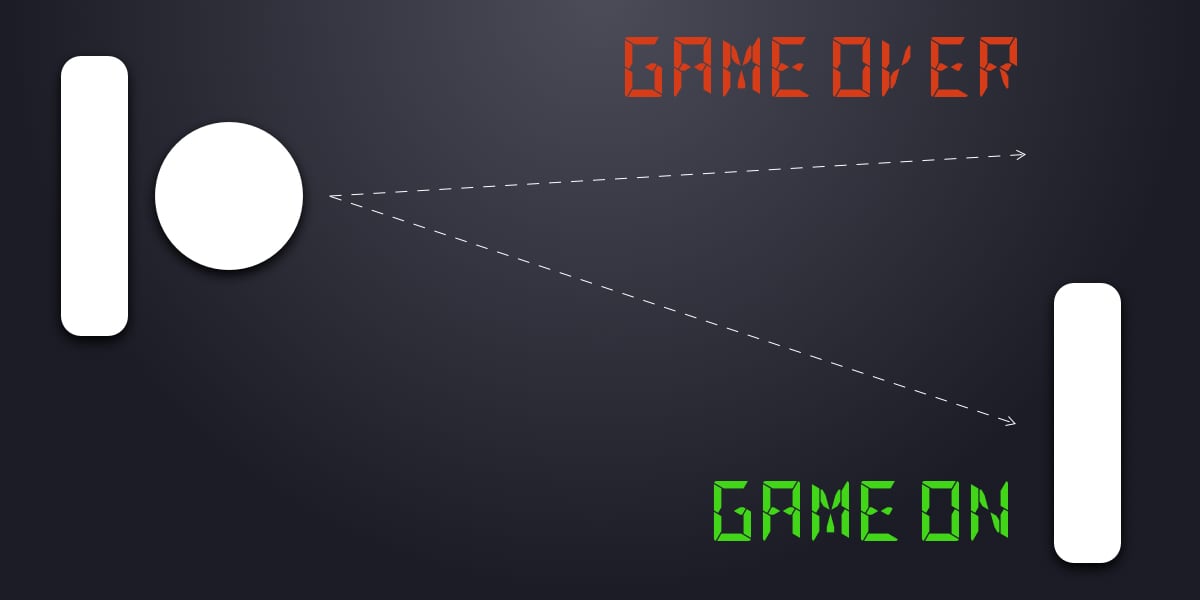
Interactive CSS animations with elements ricocheting off each other seem more plausible in 2025. While it’s unnecessary to implement Pong in CSS, the increasing flexibility and power of CSS reinforce Lee's suspicion that one day it will be a lifestyle choice whether to achieve any given effect with scripting or CSS.
In this second article of a two-part series, Temani Afif demonstrates an alternative approach to creating the star rating component from the first article using experimental scroll-driven animations rather than using the border-image property.
Adam’s such a mad scientist with CSS. He’s been putting together a series of “notebooks” that make it easy for him to demo code. He’s got one for gradient text, one for a comparison slider, another for accordions…