AI’s solution to the Navier-Stokes problem, and the details of how it happened, preview a chaotic future for math—and the world
AI’s solution to the Navier-Stokes problem, and the details of how it happened, preview a chaotic future for math—and the world
The cyclone’s winds hit 185 miles per hour—the strongest windspeed of any storm this year
How did we get here?
The once-fringe quantum Many Worlds theory now seems much more likely
The emotions themselves may be more important than the senses we use to perceive them
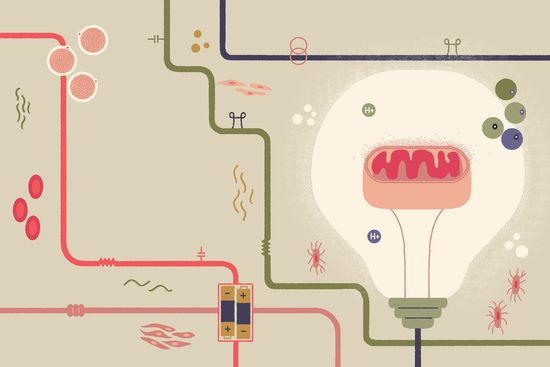
Could disruptions in the flow of energy through mitochondria cause everything from type 2 diabetes to Alzheimer’s?
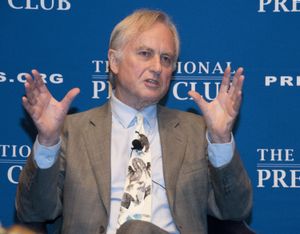
A half century ago The Selfish Gene by Richard Dawkins became an instant bestseller and transformed public awareness of evolutionary biology. Today scientists are still debating its core message

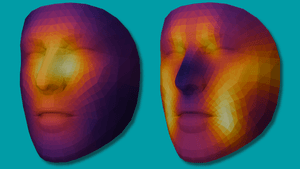
Researchers tasked an algorithm with predicting cancer patients’ risk of dying. For some people, it was shockingly accurate
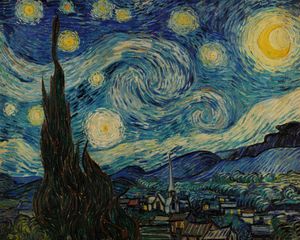
A misidentified constellation could revise the timeline for Vincent van Gogh’s creation of his iconic painting
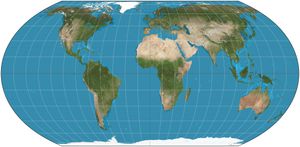
Mapping a sphere onto a flat plane is mathematically impossible. But a better world map than the Mercator projection is
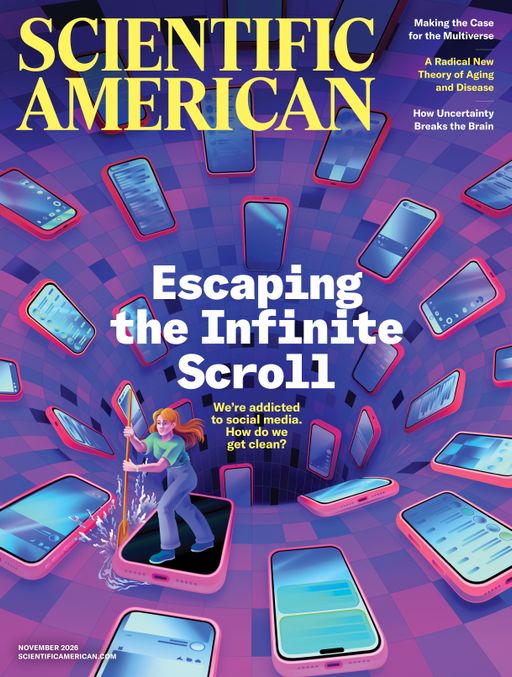
Big tech is on trial. Courts have deemed social media addictive by design—the infinite scroll, the personalized feeds, the sleek features that capture and keep our attention. As a society, we’re already hooked. So how do we find a relationship with our devices that adds to our lives without diminishing them?
Elsewhere in the issue: Making the Case for the Multiverse | A Radical New Theory of Aging and Disease | How Uncertainty Breaks the Brain
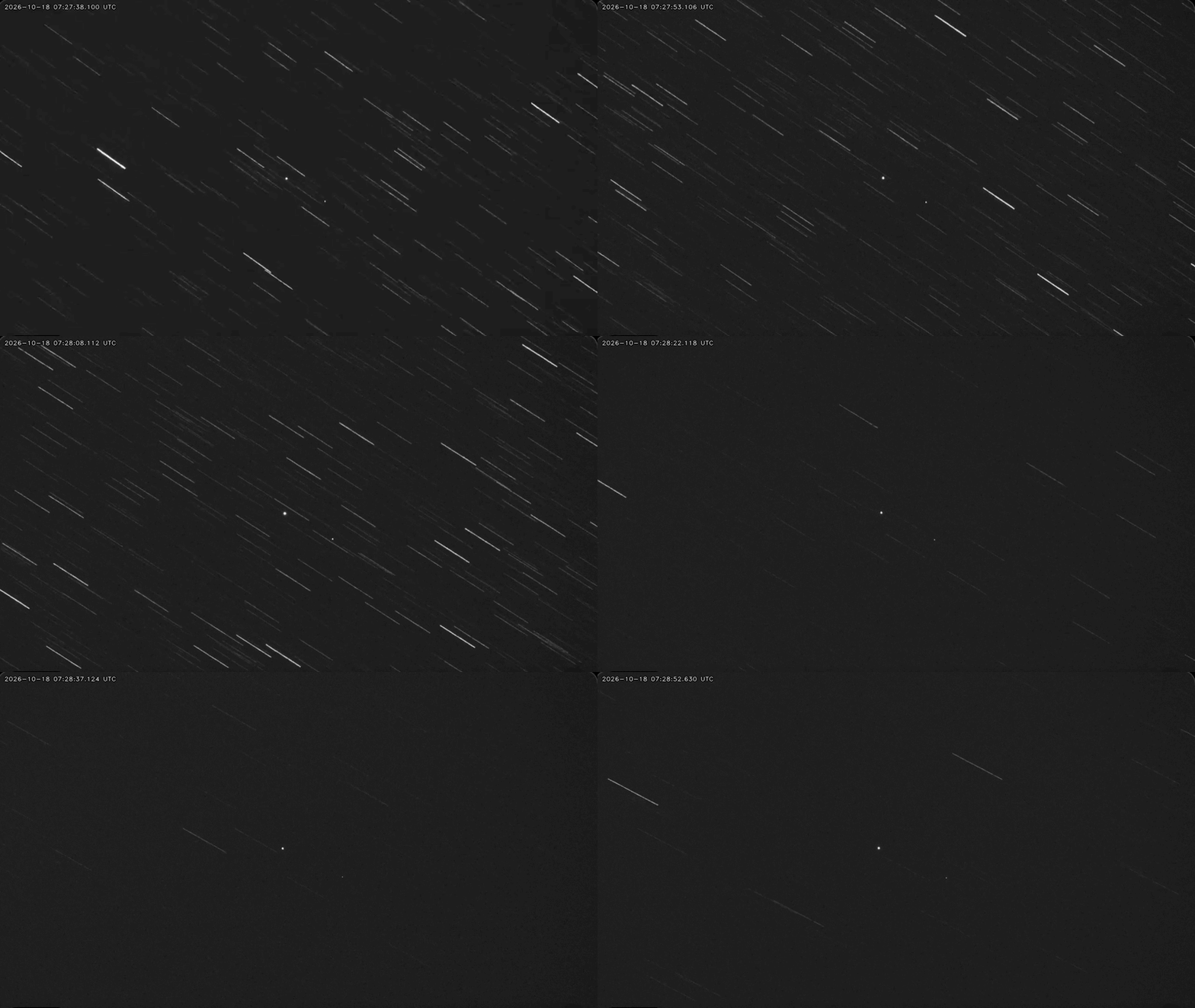
How close is too close for encounters between sensitive spacecraft orbiting Earth? With a mysterious approach to another satellite, Russia’s military may be trying to find out
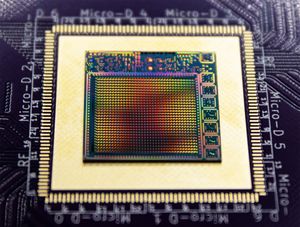
Researchers fed fusion data to a new chip to see whether it could spot signs that superhot plasma is about to go haywire
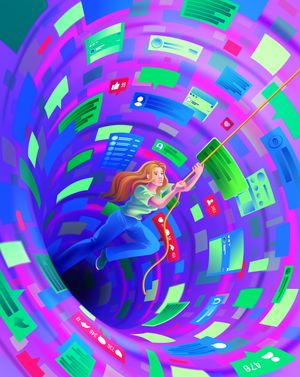
How doctors, scientists and “anonymous” programs are working to free people from their phones

For the first time, scientists can make quantum measurements on a positron particle
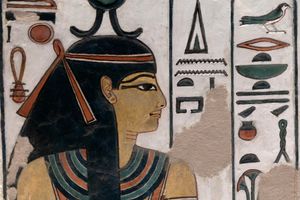
Ancient Egypt’s first female ruler lived centuries before Nefertiti or Cleopatra

The Emmy Award–winning actress revealed that a multiple sclerosis diagnosis in 2021 was incorrect. It’s a surprisingly common experience, experts say
President Donald Trump’s nominee to replace Stone, James O’Neill, has yet to have a confirmation hearing in the Senate, leaving the future leadership of the NSF unclear
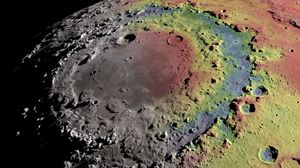
Besides building crewed outposts at the lunar south pole, where else should astronauts go on the moon? An authoritative new report has suggestions
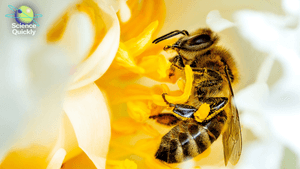
New research reveals how bee stingers work, why microplastics may be harmful and what postmenopausal ovaries are doing decades later
“Although living forever sounds tempting, if every human were to live forever, the earth would be unable to sustain the population and life would become survival instead of comfortable living.”
— Christopher Alden
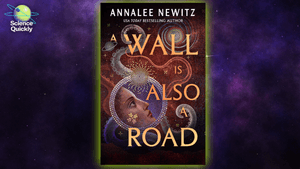
Slime mold aliens explore Pompeii—and humanity—in a new book by Annalee Newitz

Scientific American spoke to the candidate for Massachusetts’s fourth congressional district about climate change, misinformation and why, when it comes to health care, some socialism may be required
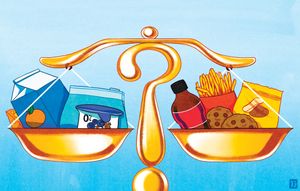
Scientists can’t figure out why ultraprocessed foods are unhealthy for us—and new studies suggest that the “processing” isn’t the problem
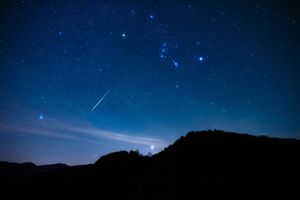
The shower’s shooting stars originate from Halley’s Comet
The Major Research Instrumentation program offers grants of up to $4 million to scientists buying or developing research equipment
Science in meter and verse
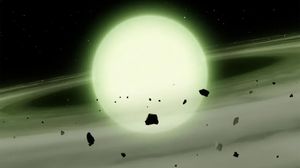
The colors of dead stars come in a surprising rainbow of choices
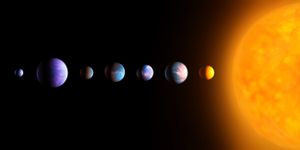
As far-fetched as it may seem, quirks of orbital mechanics could allow dozens of planets to be packed around a star
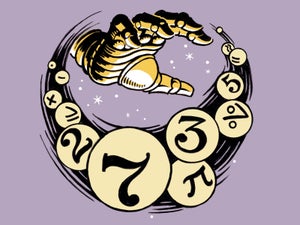
Solve a new-parent dilemma with this math puzzle
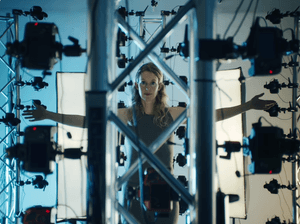
A viral documentary has everyone talking about Elizabeth Holmes’s fraudulent blood testing start-up again—but scientists never stopped
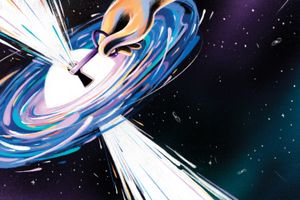
Astronomers are finally figuring out what powers mysterious gamma-ray bursts
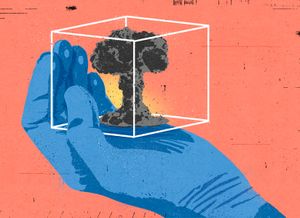
The U.S. hasn’t detonated a nuclear weapon since 1992. Now a fusion start-up whose co-founders include former national lab scientists could help conduct experiments that make sure the stockpile works
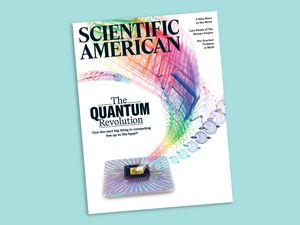
Letters to the editors for the June 2026 issue of Scientific American
Play this crossword inspired by the November 2026 issue of Scientific American
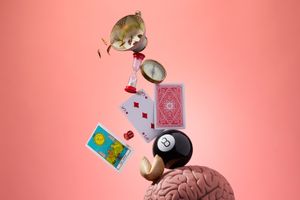
Can our “prediction machine” brains learn to handle a world in chaos?
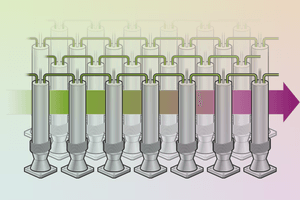
Inside the process of isolating uranium-235
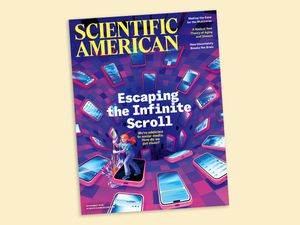
Regardless of whether social media addiction is real, these platforms hack the human brain, often to our detriment
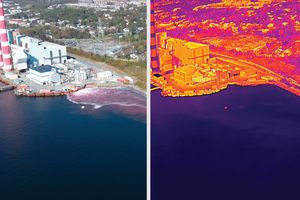
These start-ups are trying to suck CO2 from the air and stash in the sea. Is it working?
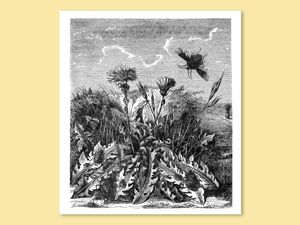
In 1926 we wrote about how there was a good chance Mars had both plants and animals. And in 1876 we probed the duplicity of the artificial butter business
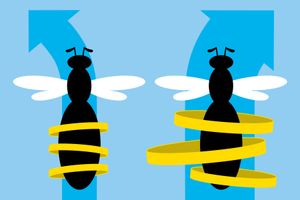
Confident bees work harder to convince their peers of tasty treats
Rutaecarpine is touted as a fix to rapidly flush caffeine out of the body, but it may be toxic when mixed with Tylenol
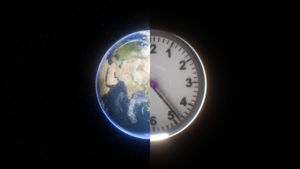
A new system, called the “leap hour,” will allow Earth’s rotation and official time to fall out of alignment by a full hour
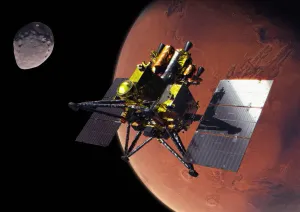
For the first time ever, a spacecraft will travel all the way to the Mars system and return. But first, it has to get through the launch
An early start doesn’t necessarily mean disaster


