Particles Cursor Turns Images Into a Shader Field Gabriel Villanueva’s Three.js experiment turns images into particle grids that react to cursor movement through GLSL displacement, texture color, and real-time controls.
WebGPU Cluster Turns Browsers Into AI Inference Nodes Alexsandro Souza’s WebGPU Cluster turns browser tabs into shared AI inference nodes, with WebGPU hosts running RF-DETR or SmolVLM behind a simple HTTP API.
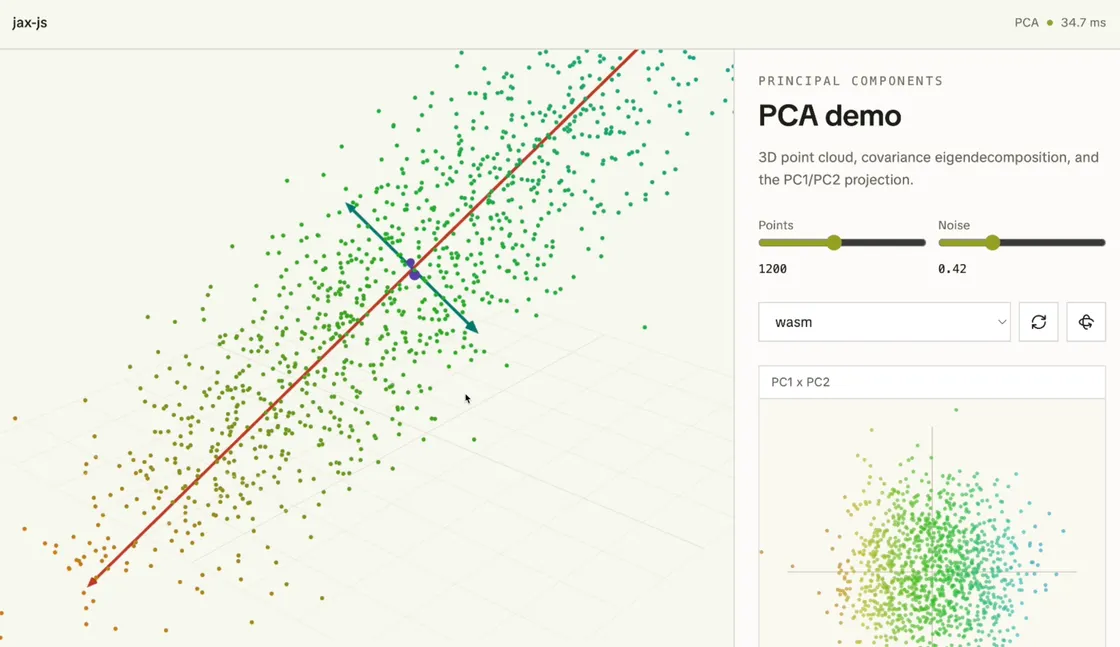
jax-js Brings JAX-Style ML Kernels To The Browser Eric Zhang’s jax-js is a pure JavaScript ML framework that compiles NumPy/JAX-style array code into WebAssembly and WebGPU kernels for client-side experiments.
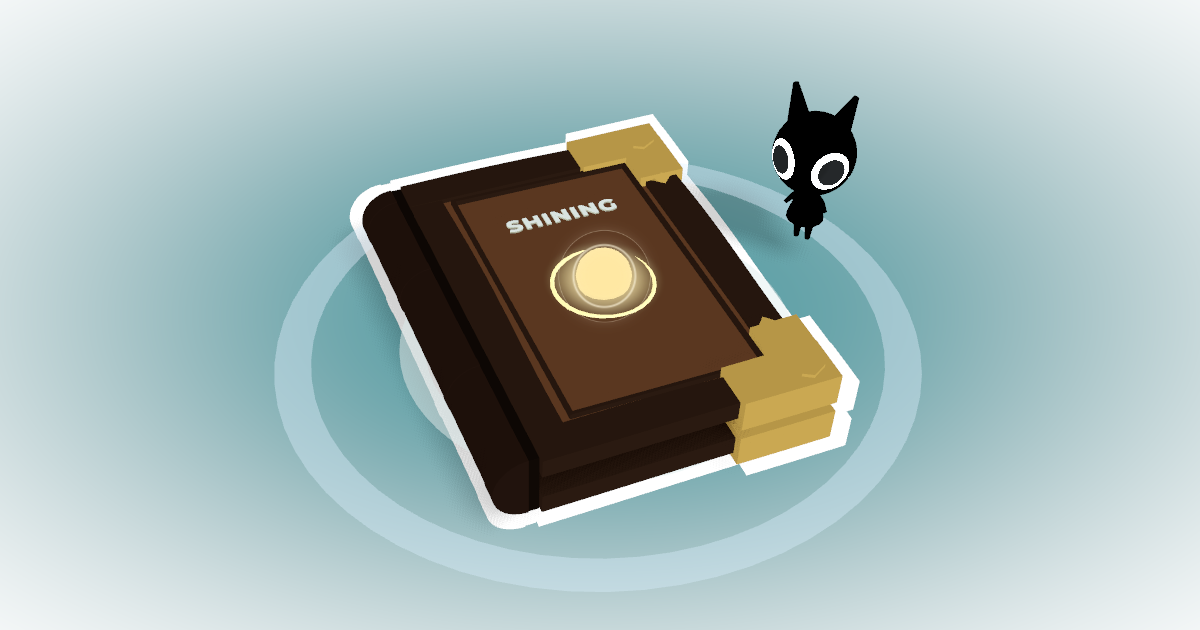
Shining Turns WebGPU Into A Small 3D Storybook Chanwoo Hwang’s Shining is a short 3D interactive storybook built with Three.js WebGPU, using pages, light, and spatial scenes as the interface.
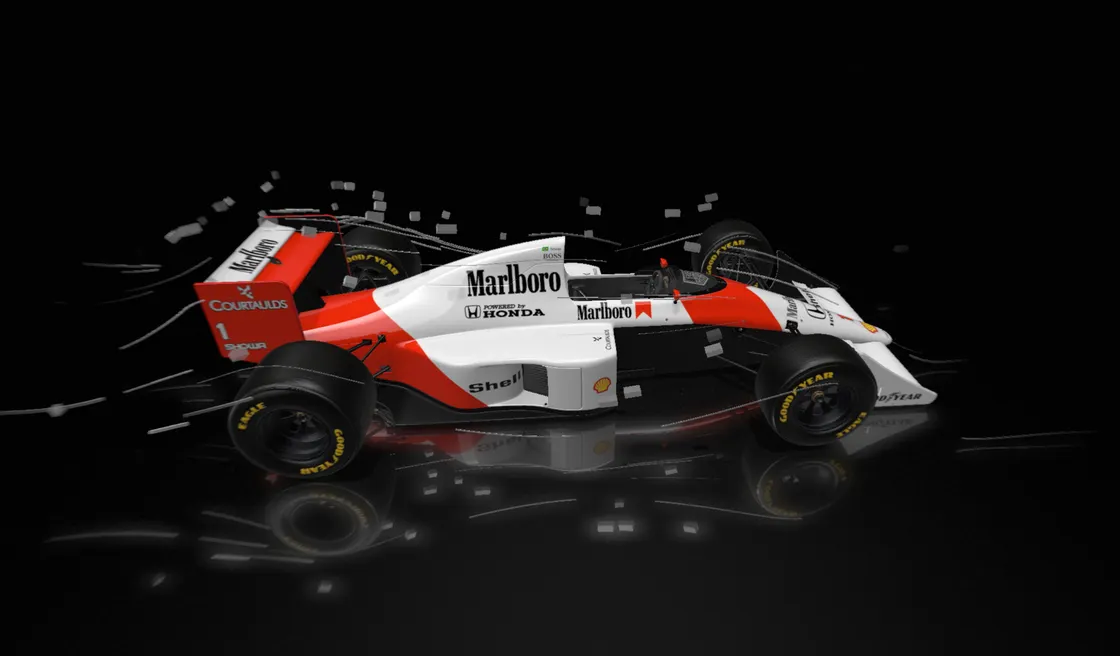
Formula Turns an F1 Model Kit Into a Drivable WebGL Toy Patrick Heintzmann’s Formula starts as a tabletop model kit, then lets you switch modes and drive the tiny F1 machine around the browser with WASD or arrow keys.
ASTRODITHER Turns Audio Into WebGPU Signal Noise Robert Borghesi’s ASTRODITHER is an audio-reactive Three.js WebGPU experiment using TSL, fluid simulation, bloom, dithering, and time-warped signal noise.
Tubes Cursor Turns the Pointer Into a WebGL Trail Kevin Levron’s Tubes Cursor is a compact Three.js interaction experiment that turns mouse movement into glowing tubular trails and can run through WebGL or WebGPU.
Formula Turns an F1 Model Kit Into a Drivable WebGL Toy Patrick Heintzmann’s Formula starts as a tabletop model kit, then lets you switch modes and drive the tiny F1 machine around the browser with WASD or arrow keys.
Where Worlds Take Shape Makes a Portfolio Playable Jérôme Reynet turns a portfolio into a playable WebGL world, with procedural grass, mini-games, gamepad controls, and project discovery that behaves more like exploration than navigation.
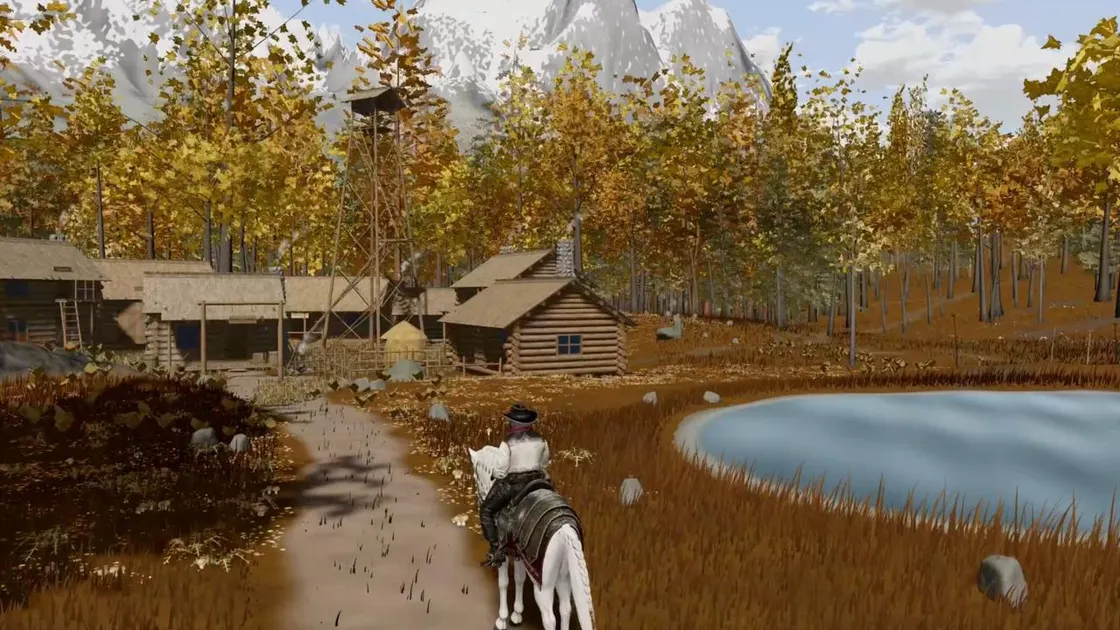
Kimi K3 Uses Three.js WebGPU for an AI-Built 3D Game Demo Moonshot’s Kimi K3 launch includes a notable WebGPU case study: an AI-built procedural 3D exploration game using Three.js WebGPU and GPU compute.
Chrome 149-150 Brings Immediates to WebGPU Chrome 149-150 adds WebGPU immediates, tightens transient attachment validation, and continues Dawn cleanup work. Small changes, but useful ones for developers pushing many tiny per-draw updates.
Google Introduces HTML-in-Canvas API: Accessible UI Meets WebGL / WebGPU At Google I/O 2026, Chrome engineer Thomas Nattestad unveiled the HTML-in-Canvas API, which is a new web platform feature that lets developers render HTML elements directly into canvas, WebGL, and WebGPU contexts while preserving accessibility and interactivity.