Gen Alpha in Asia‑Pacific: Evolving Brand Visual Storytelling for a New Generation


Ever wonder who the real boss is in today's family household? Meet Gen Alpha, born from 2010 onwards, are no longer just the kids in the background of a family purchase. They are the decision‑makers, the trendsetters and increasingly, the most digitally fluent people in the household. Yet despite their growing influence, many brands are still visualising this generation through familiar, one‑dimensional stories, that don't fully reflect this generation. The result is a significant disconnect and a significant opportunity. Getty Images' VisualGPS research explores how brands across Asia‑Pacific can close that gap and build a genuine visual connection with Gen Alpha.
Summary of key points
- Gen Alpha in Asia‑Pacific is already shaping household purchasing decisions across travel, technology and lifestyle and their influence is only growing.
- Brands are largely depicting Gen Alpha through generic childhood imagery, while underrepresenting how they actually live: Independently, digitally and creatively.
- Despite gaming and technology being central to Gen Alpha's identity, surprisingly, brands show them gaming at just 1% and with technology at only 11%.
- To build real resonance, brands need to visualise Gen Alpha with autonomy, self‑directed engagement with technology, hybrid play and community—not just as children being supervised by adults.
Gen Alpha and its purchasing power
Gen Alpha in Asia‑Pacific mirrors global trends around digital spending and influence, but adopts them earlier, deeper and more practically, especially in finance, technology and family decision‑making. In Asia‑Pacific, Gen Alpha is already exerting independent influence across finance, technology and lifestyle.
- 63% of parents say their children are more financially savvy than they were at the same age.1
- 53% of parents in Asia‑Pacific admit their children understand new payment methods better than they do.2
- 87% of Gen Alpha and Gen Z actively influence family travel planning.3
- 69% of parents choose destinations based on their children’s interests.4
- 85% of parents report that their children explicitly ask for products they see online, reflecting the immense influence Gen Alpha has on household decision‑making.5






Visual gaps: How brands are showing up today
Gen Alpha are their family’s influencers when it comes to purchase decisions. Yet brands appear to be behind the curve.
Most brands depict Gen Alpha as supported, supervised and rarely alone, engaged in activities alongside parents or other adults. They are twice as likely to be shown with others than independently. Around half of all Gen Alpha depictions include family members, a figure that jumps to over 60% in Southeast Asia and Japan.
The depiction of Gen Alpha is also strikingly narrow. Brands often lean on well‑established childhood narratives such as babies taking first steps with parent support, children playing structured games or sitting at a classroom desk—without capturing the more fluid, self‑directed and digitally‑woven ways this generation actually learns and plays. According to our VisualGPS research, search terms such as "children playing" have grown by +200%, suggesting demand for this kind of imagery remains stuck in familiar territory.
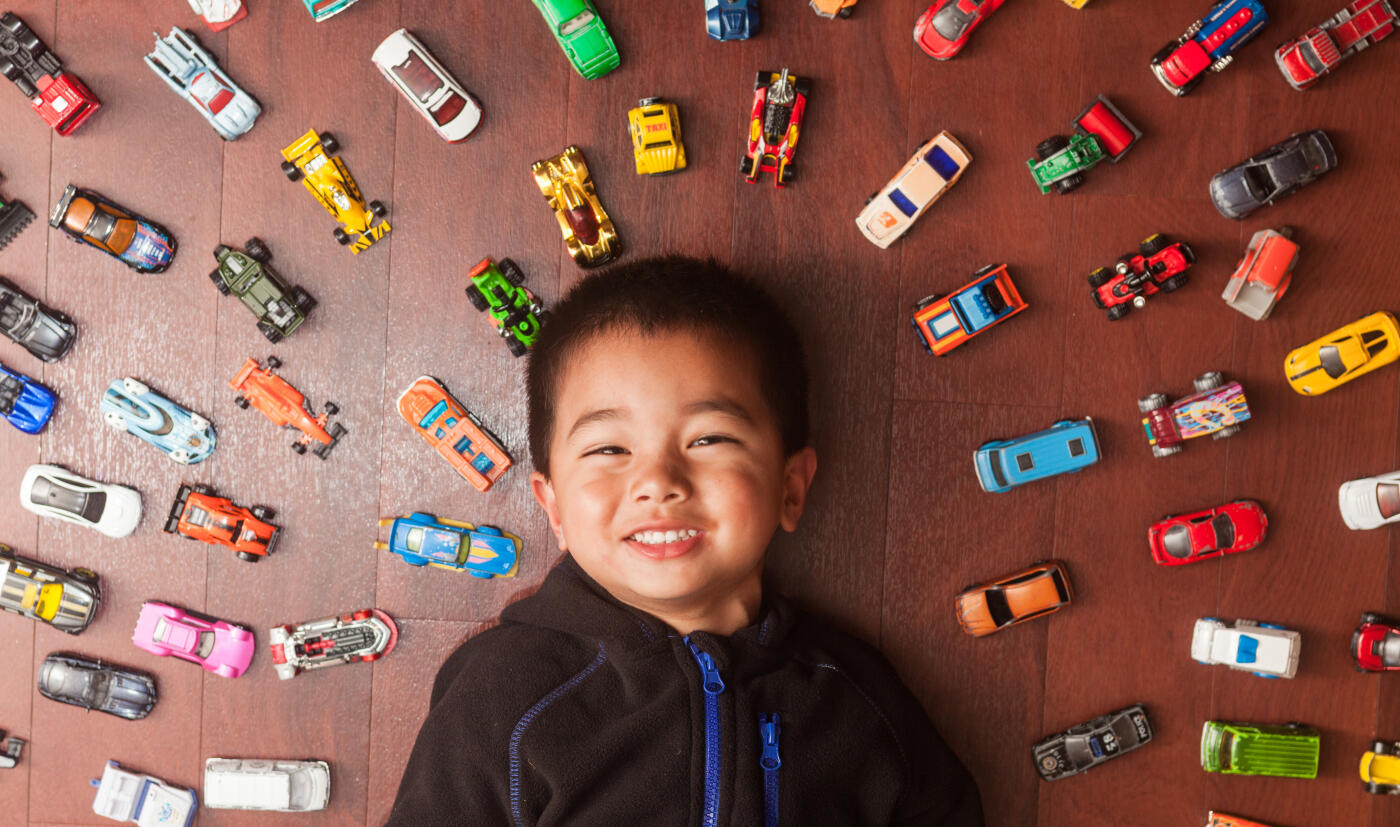
This matters because play, for Gen Alpha, is not simple. Gaming in particular goes far beyond entertainment. It's a space for social connection, creative expression and skill‑building. Yet brands depict Gen Alpha gaming in just 1% of visuals.
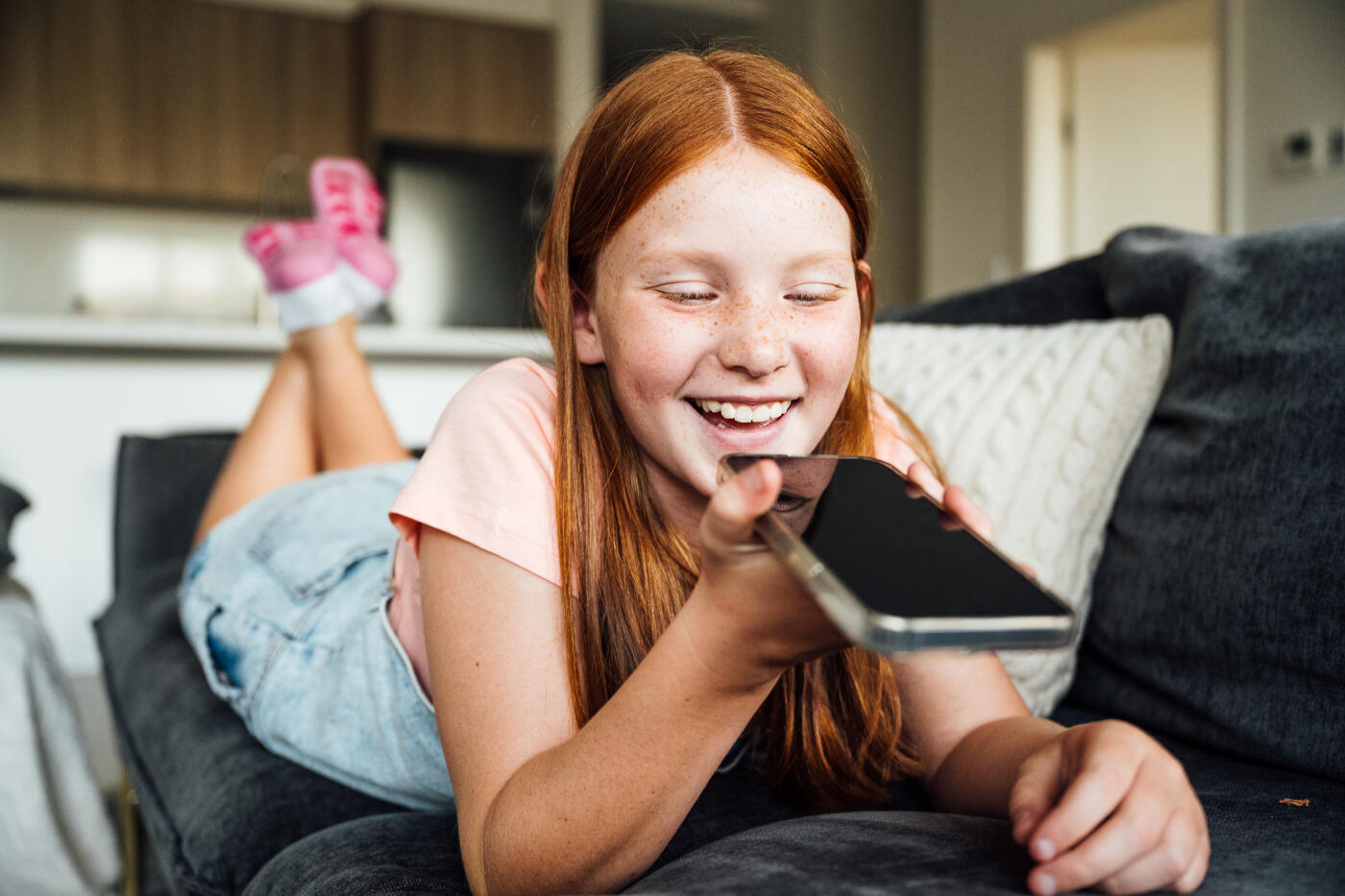
One of the most striking gaps is technology. Gen Alpha is the first generation born entirely in the 21st century, raised in a fully digital world where smartphones and streaming have been the norm from day one. Yet our VisualGPS download data over the past 12 months shows Gen Alpha is the generation least likely to be shown with technology at just 11%. That is three times less than Gen Z, Millennials and Gen X. This suggest that brands may be beginning to target Gen Alpha in their advertising, but the way they depict this generation is not strong enough to build a genuine connection. The visual language simply hasn't caught up.






How brands can use visuals to build a true connection with Gen Alpha
There is a visual gap in how brands are portraying Gen Alpha and a real opportunity to get ahead. Here's what resonant, effective Gen Alpha visuals look like:
- Autonomy: Showing Gen Alpha alone or lightly supported, absorbed in self‑chosen activities. Capture moments where they are making their own decisions, experimenting independently or navigating their own routines.
- Play without boundaries: Depict play as fluid and hybrid, moving across digital and physical spaces without hierarchy. Think self‑initiated play using everyday tools, gaming that spills into offline behaviour and imaginative worlds that don't require adult oversight.
- Self‑directed learning using technology: Show Gen Alpha discovering, experimenting and problem‑solving through technology on their own terms—curious, capable and in control.
- Growing together: Community matters, but it looks different for this generation. Show parents sharing time and space while their children play nearby, parallel rather than supervised. It's a connection without control.
Gen Alpha holds purchasing power that brands and marketers are consistently underestimating or depicting as an afterthought. It's time to step up. The sooner brands start visualising Gen Alpha in ways that are accurate, resonate and respectful of who they truly are, the greater the advantage they'll gain from the powerful role this generation plays in household decision‑making.
All article tags
Sources
[1], [2] Wall Street Logic
[3], [4] Hilton Asia Pacific Trends Report 2025
[5] SuperMom Business
Related articles



Learn more about licensing with Getty Images and Stay Inspired!

Connect with our visual experts for more details

Subscribe to our newsletter
