















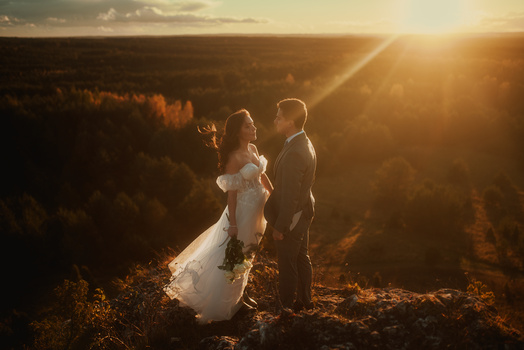








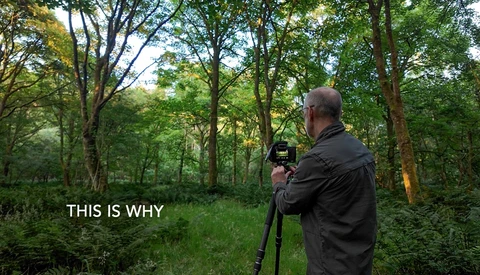
Why 5 a.m. in the Woods Beats Perfect Weather Every Time
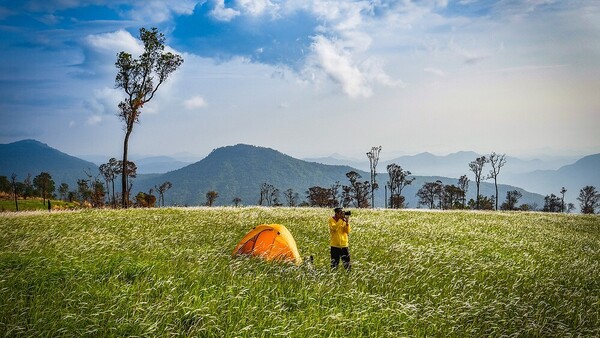
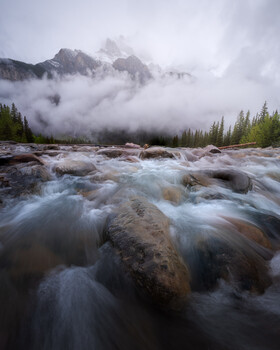
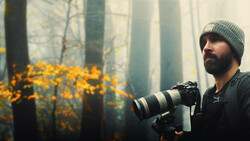
Most woodland advice tells you to wait for flat, overcast light. Summer dawn breaks that rule, handing you a narrow window where low, dynamic sun arcs through the canopy and rewards anyone willing to lose sleep over it.
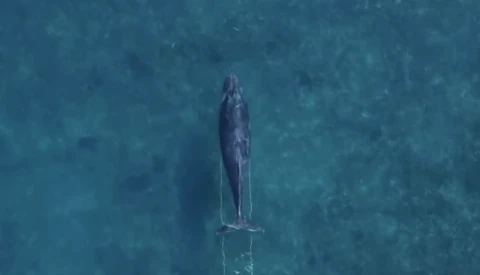
Whales Are Dragging Fishing Line Across the Pacific, and Your Photos Can Help Save Them
In the first two weeks of July, humpback whales turned up trailing fishing line on both sides of the Pacific, and rescue teams scrambled to reach them. Some whales were freed, some vanished before responders could find them, and at least one died.

Submit your best photos tweaked with Ai
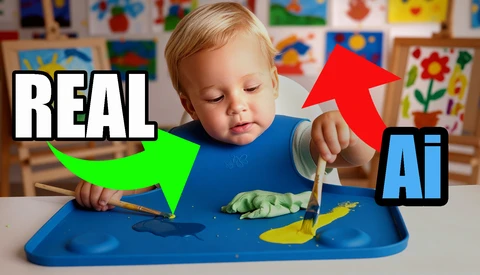
Welcome to the July installment of the Critique the Community! This month's critique theme is going to be "Augmented with Artificial Intelligence," and we want to see your best photographs that have been enhanced using Artificial Intelligence.
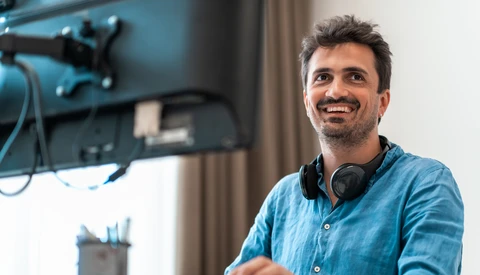
How a Google Machine Terminated 130,000 AI Slop YouTube Channels in Six Months
Google researchers have published a paper laying out the system YouTube appears to be using to delete AI spam in bulk, and the numbers are large. Over six months, the system terminated 50,000 clusters covering 130,000 channels.

What the Squarespace Subscription Price Increase Means for Photographers
For most of us, a portfolio website is a clean, deliberate space where we curate our perspective and control the sequence of our imagery without the platform getting in the way. Yet it also has to work hard behind the scenes. It houses the blog where we track our evolving creative ideas, and it serves as the primary lead-generation engine that connects our work with actual clients. For years, Squarespace was the quiet default that balanced those needs seamlessly. You built your site, you wrote your thoughts, and you let the platform run in the background.
What Clipping Is and How to Spot It Before It Ruins a Shot
You take a photo of a beautiful sky, glance at the back of the camera, and it looks fine. Later, on your computer, the sky is a flat sheet of pure white with no clouds, no gradient, nothing to recover. That is clipping, and it is one of the most common ways a promising shot quietly dies. The good news is that clipping is easy to understand, easy to spot in the field once you know where to look, and almost always avoidable. Learning to catch it before you press the shutter is one of the highest-value habits a photographer can build.
What Photography Asks of You
I've never been able to decide whether writing is more demanding than photography or the other way around. Every few years I convince myself I have the answer, and then something happens that proves me wrong.
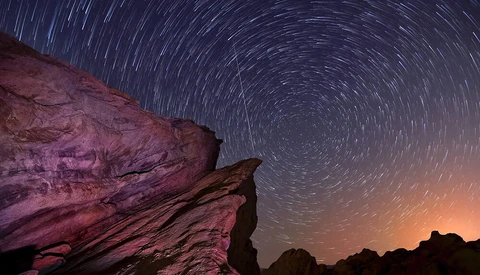
Photographing the Perseid Meteor Shower: A Practical Guide
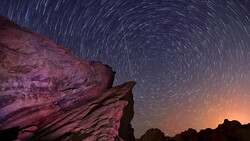
The Perseid meteor shower is often the most spectacular meteor shower in the Northern Hemisphere due to frequency as well as its appearance in summer. 2026 is special because the peak occurs during the darkest possible skies. Here's how to photograph it!
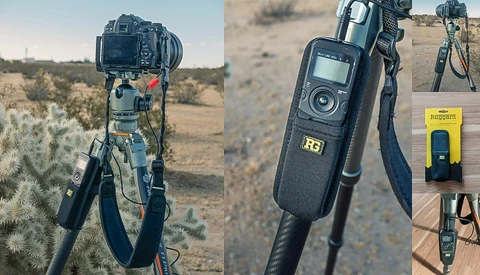
How to Stop Your Timer Remote From Dangling: Ruggard RTC-10 Review
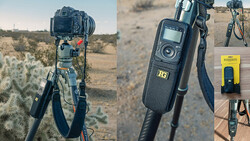
If you shoot long exposures at night, you know the frustration — your intervalometer dangling from your camera, swinging in the breeze, pulling on the cable. Not good. The Ruggard RTC-10 Timer-Remote Case (Standard) fixes that with a padded holder that straps directly to your tripod leg. It works great, with one Velcro gripe we'll get to shortly.
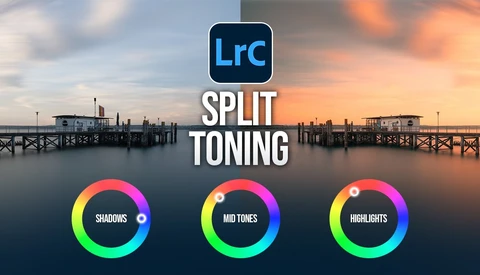
The Lightroom Panel Most Landscape Shooters Underuse
Warm highlights, cool shadows, and a foreground green cast that has to go: this is the color puzzle behind most sunset landscapes. Getting those tones to feel intentional rather than accidental is the difference between a flat raw file and an image people stop scrolling to look at.
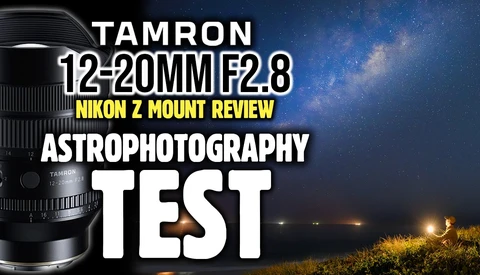
Can a Zoom Lens Match a Prime for Astrophotography?
A 12-20mm zoom at f/2.8 sits right in the sweet spot for astrophotography, wide enough to swallow the Milky Way and fast enough to pull in faint starlight. Most shooters reach for a prime when the sky gets dark, which makes a zoom that can keep pace worth a real look.
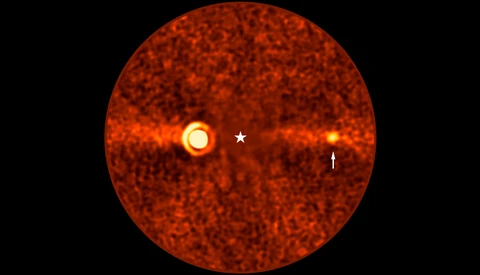
The Faintest Planet Ever Imaged From Earth Was Hiding in 11 Years of Old Photos
Astronomers have directly imaged the faintest exoplanet ever seen from Earth, a gas giant called Beta Pictoris d — and it turns out the planet had been sitting in telescope archives for more than 11 years before anyone managed to pull it out of the noise.
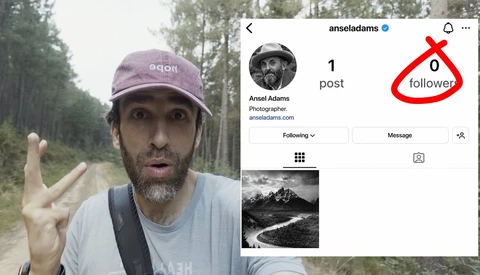
Would an Ansel Adams Photo Flop on Instagram Today?
Strip Ansel Adams of his name, his reputation, and his place in history, then hand him a fresh account with zero followers. How many likes does "Monolith, the Face of Half Dome" actually pull? That thought experiment cuts straight into how you judge your own images and whether follower counts have anything to do with artistic worth.
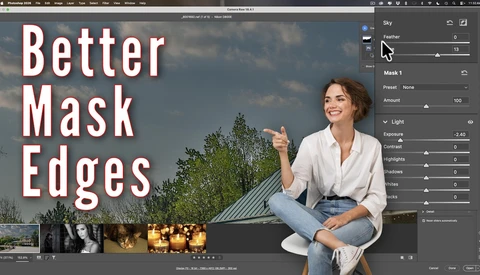
Three Camera Raw Features You Might Have Missed
Camera Raw quietly gained a set of tools that fix a problem you have probably fought with for years: masks that stop short of the leaves, the hair, or the edge where you actually need them. Two new sliders now let you push a mask outward or pull it back, and they work on the specific mask types you reach for most.
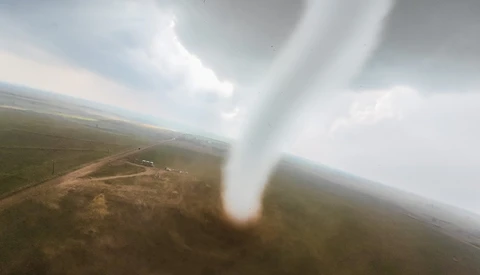
Storm Chasers Are Flying Drones Straight Into Tornadoes, and the View Is Unreal
A small crew of storm chasers is doing something that sounds impossible: flying camera drones straight into active tornadoes. The OTUS Project — short for Observations of Tornadoes by UAV Systems — has now pulled off more than a dozen successful intercepts, and this June it live-streamed a drone punching into an EF3 for the first time.
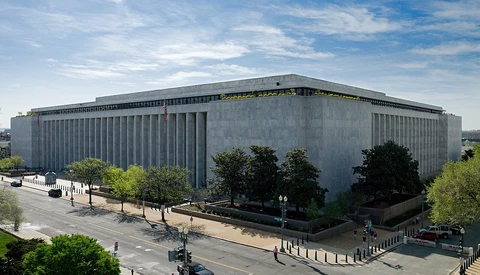
What the Upcoming Copyright Office Fee Increase Means for Photographers
The U.S. Copyright Office has officially started the clock on a significant fee change that will impact how photographers protect their work. On July 14, 2026, the office submitted its final proposed fee schedule to Congress. This triggers a statutory 120-day review period, meaning that unless Congress intervenes, a new set of higher fees will automatically go into effect in mid-November 2026. For working pros and serious enthusiasts who regularly register their images, this policy update shifts the baseline economics of their practices.
Patreon Is Blocking AI Scrapers, but It's Already Too Late
Patreon just started actively blocking the AI bots that scrape creators' work to train models, and it's good to see a platform plant a flag on the creators' side. I just wouldn't mistake it for protection.
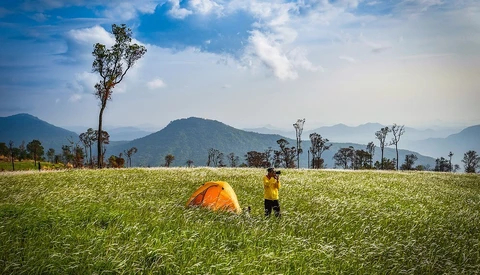
What Is Base ISO and Why Does It Gives the Cleanest Photos?
If you have spent any time reading about camera settings, you have heard the advice to keep your ISO as low as possible for the cleanest image. The lowest normal ISO setting your sensor is built around has a name: base ISO. Understanding what it is, and why files shot there look better than files shot anywhere else, is one of those small pieces of knowledge that quietly improves every photo you take. It explains why your daylight shots look so crisp, why your dim indoor shots get grainy, and when it is worth chasing the lowest number versus letting it climb.
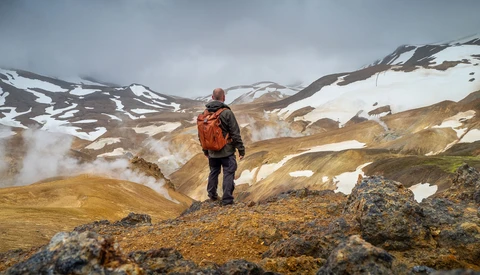
Review of the ThinkTank Focuspoint 30L Backpack
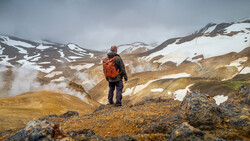
For my photo tour in Iceland, I wanted to go lightweight. I had my eye on the new Think Tank FocusPoint 30L because it just looks great. Amazingly, my gear did fit in this compact photo backpack, and I took it with me to Iceland. Let me tell you about my experiences.
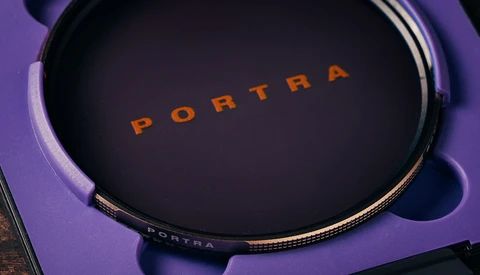
PolarPro’s Controversial Portra Film-Inspired Filter. What’s Going On?
About six months ago, PolarPro sent me their new Portra filter. On their website it states, "Inspired by the look and feel of Portra 400 film… the Portra Filter blends color tone, diffusion, and glare reduction into one optical filter for a finished look." Hmm, sorry, it looks nothing like Portra 400 film. And I hadn't even put the filter on my camera at this point. I simply looked at the sample photos on their website, and thought about all the photos I've shot on Portra film.
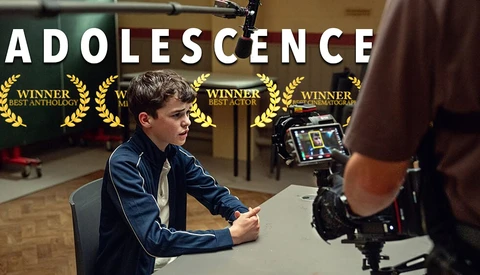
Inside the Unbelievable 50-Minute Single Take That Made "Adolescence"
"Adolescence" pulled off something most productions only pretend to do: four episodes, each filmed as a single continuous take, no stitched cuts hiding in the shadows. The internet split over whether the show cheated, and the answer sits right in the gear the crew chose to carry.
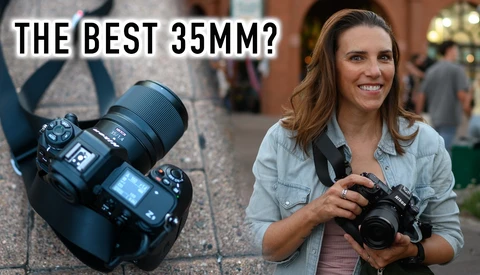
Nikon's 35mm f/1.4 vs. the 35mm f/1.8 S: Which One Wins?
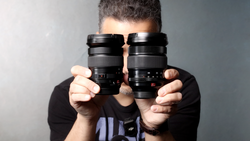
Nikon sells three different 35mm prime lenses for the Z mount, and picking between them comes down to details that specs alone won't reveal. The gap between the Nikon 35mm f/1.4 and the Nikon 35mm f/1.8 S is smaller than the labels suggest.
How Classic Movies Faked Their Biggest Stunts
Movie stunts that look impossible almost always come down to a physical problem someone had to solve, whether that meant building a 330 ft miniature bridge or strapping an actor to a helicopter at 75 mph.
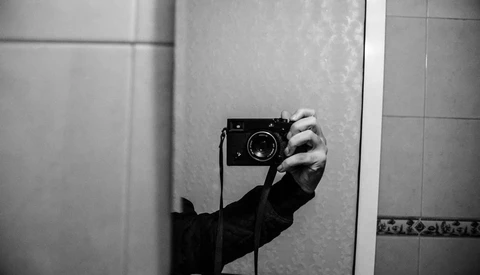
Why Do Photographers Think They Can Judge Every Genre but Their Own?
One of the strangest things about photography isn't the endless debate over cameras, editing software, or artificial intelligence. It is the quiet assumption that mastering one photographic discipline somehow grants authority over every other one.

This Kylie Jenner Ad Hides a Disturbing Secret: You Just Have to Stand in the Right Spot
Walk past a certain bus stop near Meta's London headquarters and you see a glossy campaign shot: Kylie Jenner in a pair of the company's smart glasses. Step to the side and the poster becomes a black-and-white X-ray of her face under the words "We're always watching."
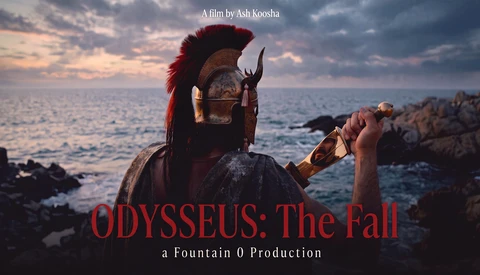
An AI Studio Made Its Own Odyssey and Timed It to Nolan's Opening
Christopher Nolan's The Odyssey opens today, shot entirely on IMAX 70mm for a reported $250 million. Three days before it reached theaters, an AI studio announced an Odyssey of its own: 135 minutes long, made largely by one person over three months, for a budget in the mid five figures.
