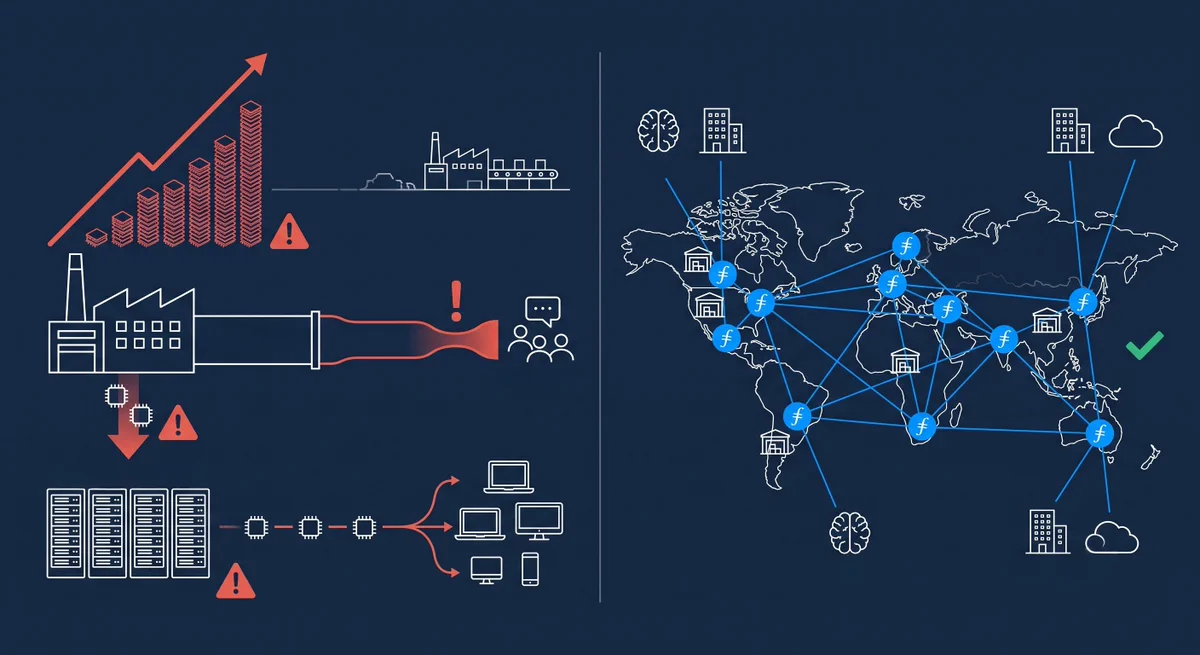
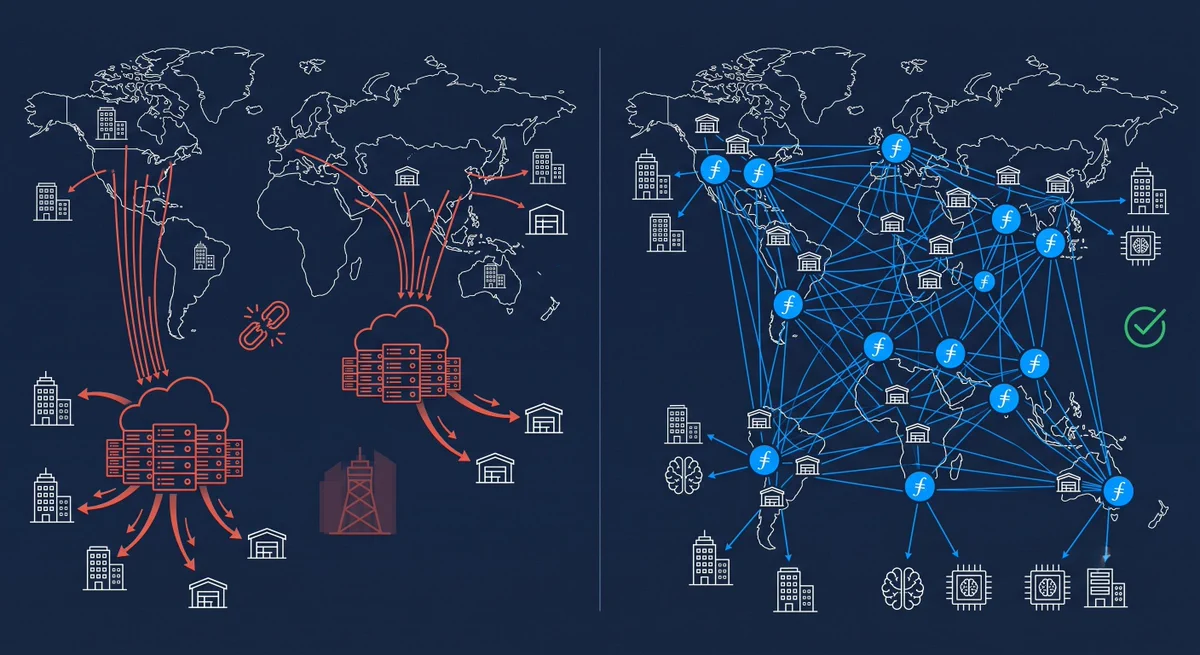
1/ Introducing Filecoin Onchain Cloud: an open, verifiable cloud built on content-addressed data, transparent service delivery, and programmable payments.
All onchain. No vendor lock-in.
$35.1 million in 2017, on top of $39.5 million the year prior. That is what Dropbox saved after leaving AWS, per its SEC filings.
Structural cost advantages compound year over year.
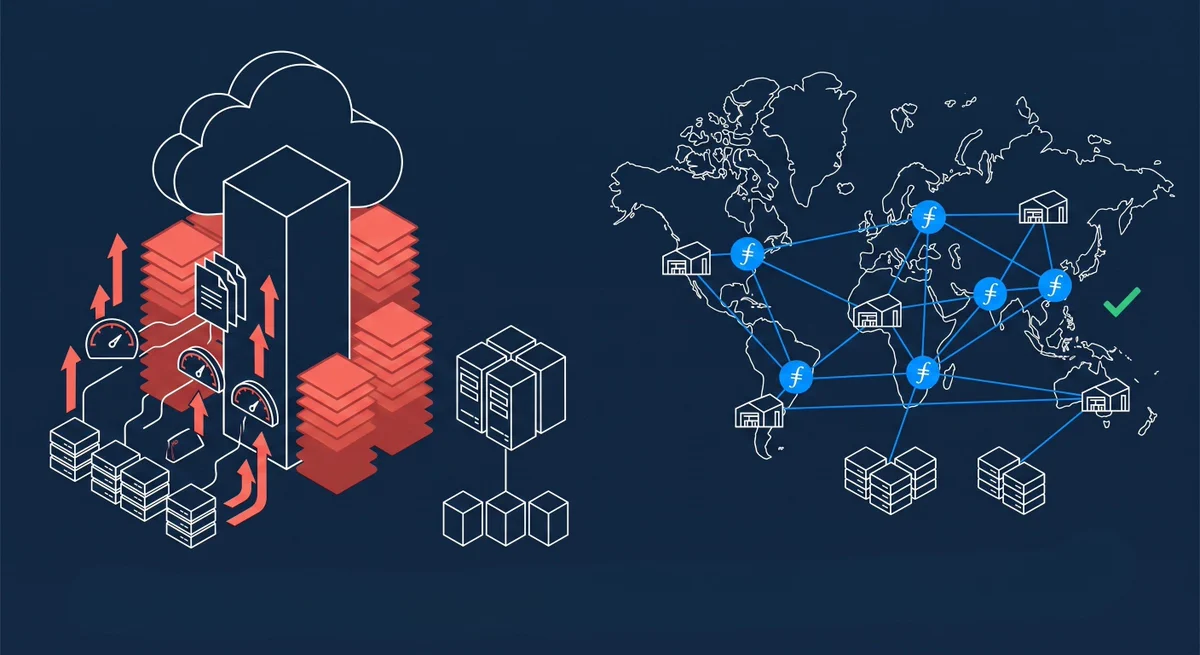
Filecoin delivers that same zero-egress reality today. The capacity is already built.
The Department of Energy can force any data center over 50 megawatts to switch to backup power within 15 minutes, or PJM begins rolling blackouts across 13 states and 67 million people.
Filecoin storage is already distributed globally. None of them come close.
$122 million is what Ahrefs spent on its own infrastructure over six years, per its own engineering team.
Using AWS closest equivalent instances, the same workload was estimated to exceed $1 billion.
Filecoin coordinates storage on hardware already deployed, not cloud pricing.
26 proposed gigawatt-scale data center campuses have been tracked by Uptime Institute since 2021, ten of them above 500 megawatts.
Built to plan and run at half capacity, they'd use roughly 45 terawatt-hours a year.
Filecoin capacity is already running, not on that list.
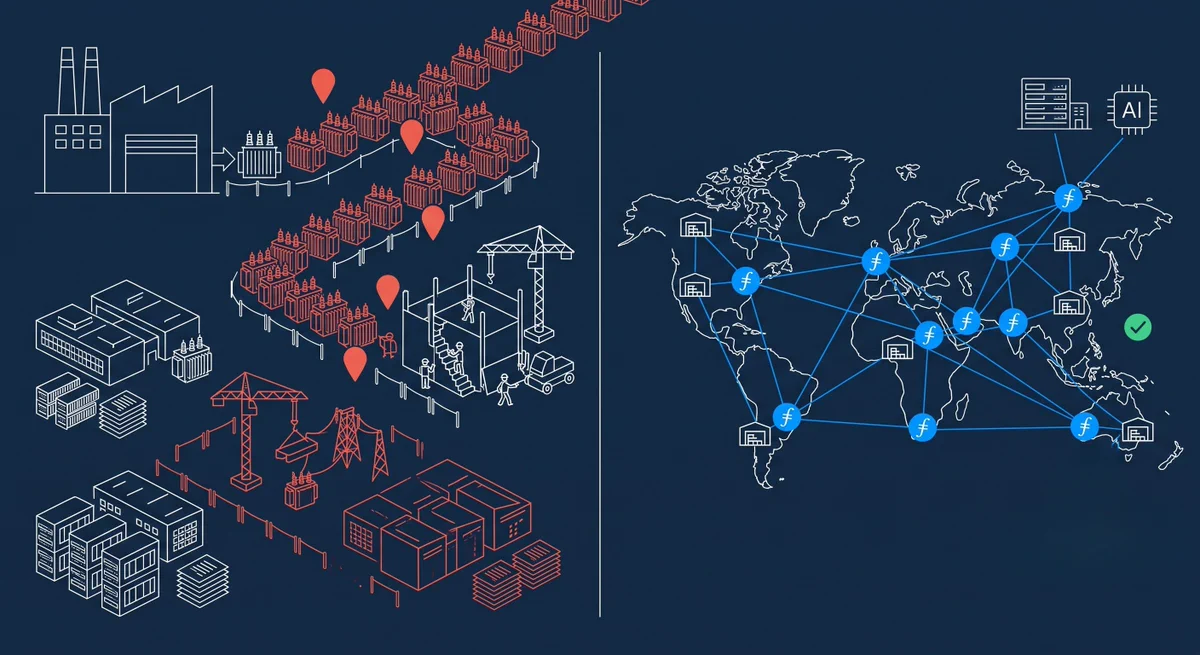
Transformer lead times have stretched from 24-30 months before 2020 to 3-5 years today, per Bloomberg's April 2026 reporting.
More than half of 2026's planned data centers may be delayed, not for lack of chips or capital.
Filecoin capacity is already powered and online.
DORA can fine a critical ICT provider 1% of average daily worldwide turnover, charged every day for up to six months until it complies.
The EU named 19 such providers in November 2025, including AWS, Google Cloud, and Microsoft.
Filecoin has no critical provider to designate.
Memory prices surged 80% to 90% quarter-over-quarter into Q1 2026, per Counterpoint Research's own tracker.
The firm projects another 50% rise through Q2, pushing premium phone prices up $150 to $200.
Filecoin coordinates storage on capacity already in the field.
Demand for generator step-up transformers has grown 274% since 2019, per Wood Mackenzie, with lead times on the most specialized units now stretching up to four years.
Filecoin capacity already exists across a global network of independent providers. Use it.
Sightline Climate tracked 12-16 gigawatts of announced US data center capacity for 2026. Only about 5 gigawatts are under construction.
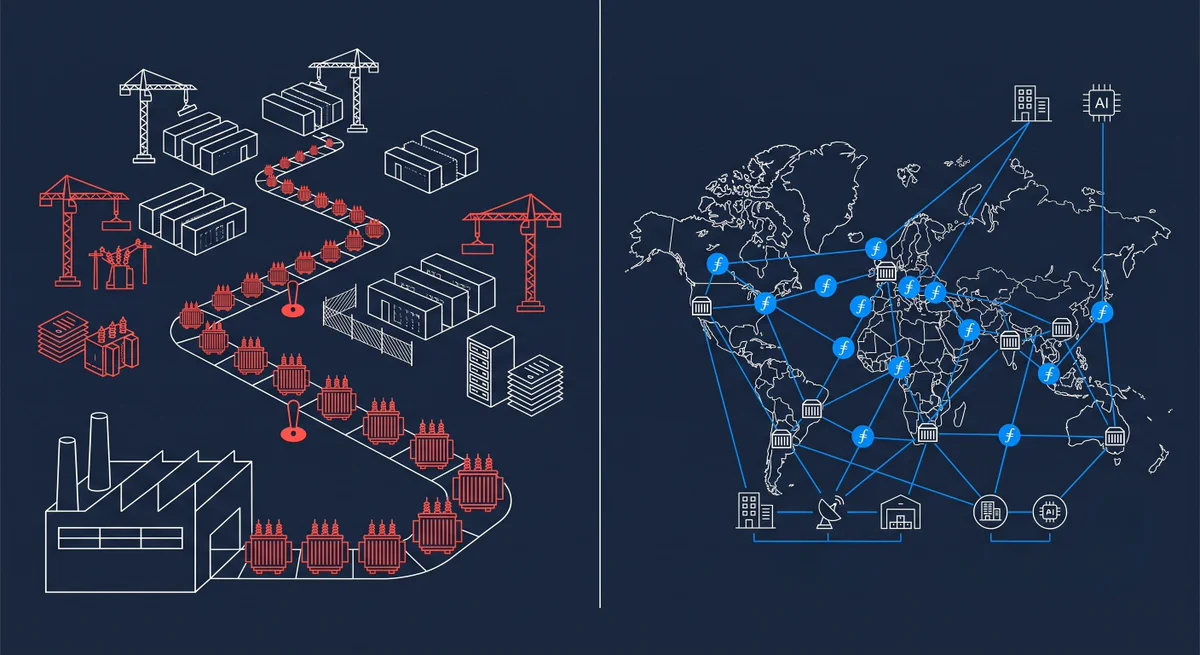
Transformer lead times now stretch from 24 months pre-2020 to as long as 5 years.
Filecoin capacity is already live. No transformer queue.
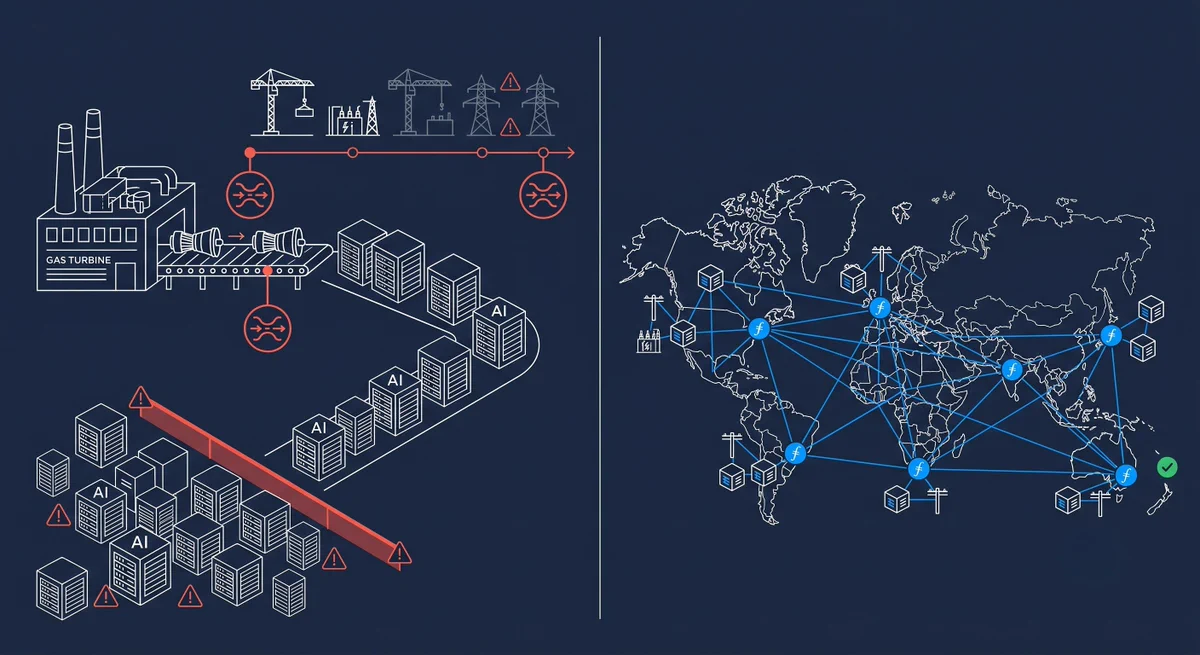
GE Vernova's own Q1 2026 guidance points to at least 110 gigawatts in gas turbine backlog by year-end 2026, against roughly 20 gigawatts of annual production capacity.
Delivery slots already stretch into the late 2020s.
Filecoin providers deploy on power that already exists.
TrendForce expects DRAM prices to climb another 58 to 63% this quarter.
Micron's own CEO says the company has no line of sight to when supply catches up with AI demand. Deutsche Bank projects the shortage lasts beyond 2028.
Filecoin capacity is already deployed.
Global sovereign cloud spending is forecast to hit $80 billion in 2026, up 35.6% from last year, per Gartner.
Roughly a fifth of existing workloads are shifting from global hyperscalers to local providers.
Filecoin network was distributed before geopatriation had a name.
The FTC March 2023 cloud inquiry, covering a $576 billion industry, drew 102 public comments, including one from Oracle that named Amazon specifically over its egress fee practices.
Filecoin charges zero egress, by default, for every user, no exceptions.