1. X
  2. Nature Astronomy
Log inSign up
Nature Astronomy
7,088 posts
Image
user avatar
Nature Astronomy
@NatureAstronomy
A Nature journal dedicated to presenting the very best research across the disciplines of astronomy, astrophysics, cosmology and planetary science.📡
London, England
nature.com/natastron/
Born January 4
Joined October 2015
1,282
Following
42.4K
Followers
RepliesRepliesMediaMedia

New to X?

Sign up now to get your own personalized timeline!

Create account

By signing up, you agree to the Terms of Service and Privacy Policy, including Cookie Use.

Terms·Privacy·Cookies·Accessibility·Ads Info·© 2026 X Corp.
Don't miss what's happening
People on X are the first to know.
Log inSign up
  • Pinned
    user avatar
    Nature Astronomy
    @NatureAstronomy
    Mar 27
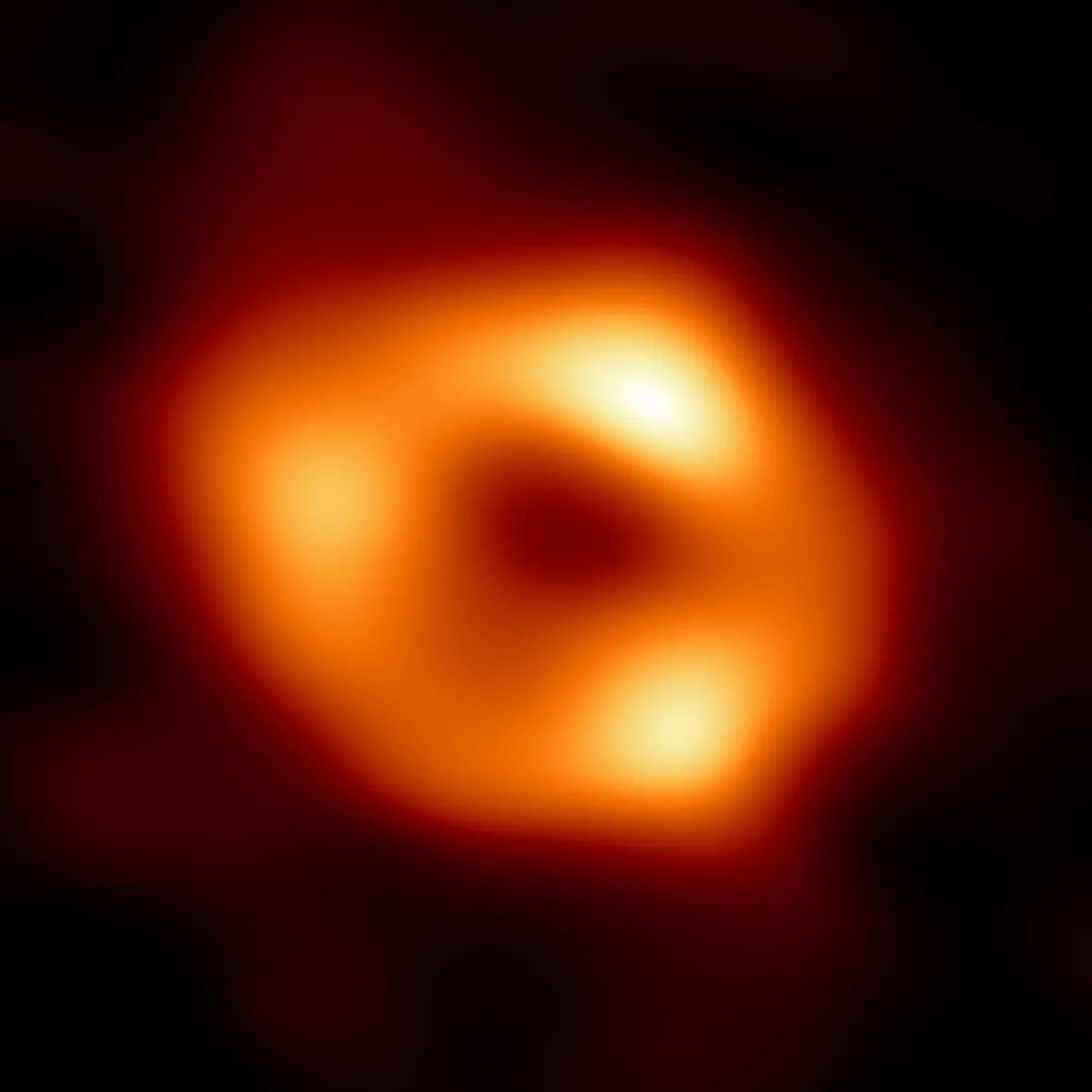
    Our March issue is now here! The visionary cover image represents a concept for imaging habitable-zone worlds presented by Ahmed Soliman, Stuart Shaklan, John Mather and team in the issue. Created by Keith Miller & Bethany Vukomanovic. dlvr.it/TRkhQM ☄️
    nature.com
    Nature Astronomy - Imaging a nearby habitable world from the ground
    With a manoeuvrable occulting disc in orbit — roughly the size of the International Space Station — and the extremely large ground-based...
    3.4K03.4K
  • user avatar
    Nature Astronomy
    @NatureAstronomy
    May 12, 2022
    Image
  • user avatar
    Nature Astronomy
    @NatureAstronomy
    Sep 14, 2020
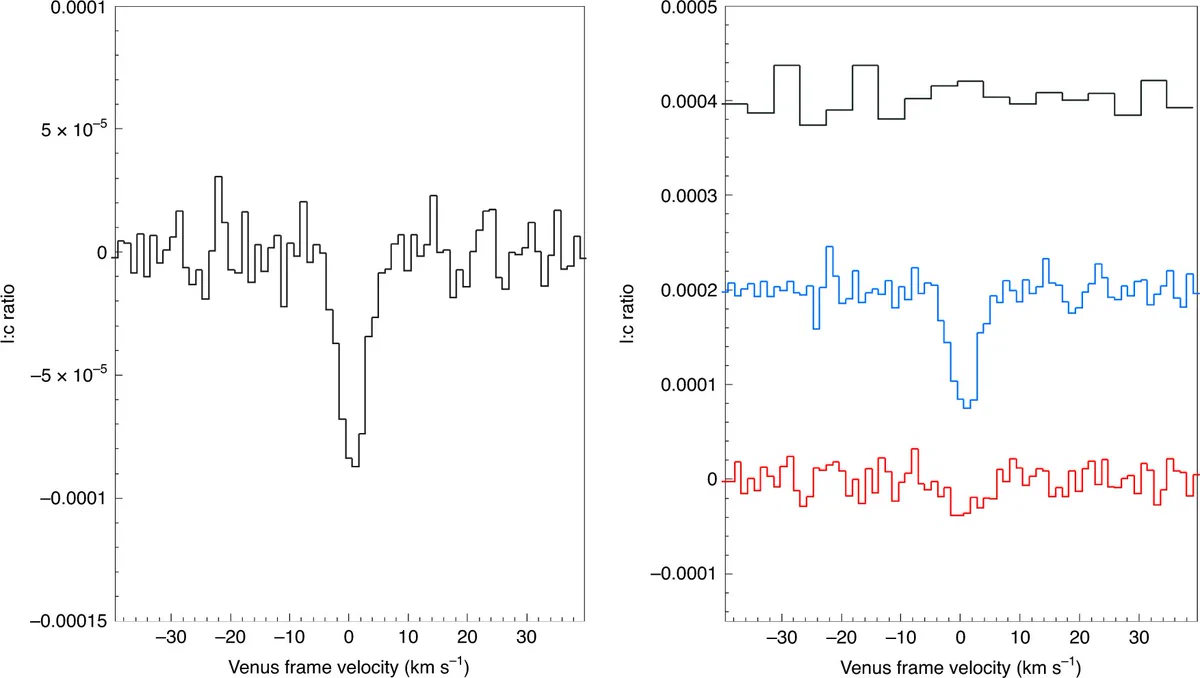
    Phosphine is to Venus as methane is to Mars? 20 parts-per-million of phosphine have been detected in the temperate clouds of Venus, and its source is not evident. Greaves et al.: nature.com/articles/s4155…
    Image
  • user avatar
    Nature Astronomy
    @NatureAstronomy
    Jul 15, 2024
    There is an accessible cave conduit under the lunar surface. Carrer et al.: nature.com/articles/s4155…
    Image
    158K0158K
  • user avatar
    Nature Astronomy
    @NatureAstronomy
    Jan 14, 2019
    Are you bored of planets orbiting always in the same orientation? Check this out: Kennedy et al. have broken the monotony, finding a disk of planetesimals orbiting perpendicularly to the orbit of its binary star system. PERPENDICULARLY. nature.com/articles/s4155…
    Image
  • user avatar
    Nature Astronomy
    @NatureAstronomy
    Jul 30, 2018
    Sorry #terraforming fans, but Mars doesn't have enough CO2 reserves that could be mobilised with present or realistic future technology to create a significant enough greenhouse effect. Jakosky & Edwards: rdcu.be/3KBY
    Image
  • user avatar
    Nature Astronomy
    @NatureAstronomy
    Jun 13, 2022
    As we look forward to #BlackSpaceWeek/#BlackInAstroWeek next week, we talked to @That_Astro_Chic and other members of the Black In Astro Community about their experiences: nature.com/articles/s4155… @BlackInAstro #AAS240
    Image
  • user avatar
    Nature Astronomy
    @NatureAstronomy
    Nov 13, 2023
    Io's volcanoes have been fully mapped by @NASAJuno. It appears that the equator is more volcanic than the poles and the north pole emits more volcanic heat flow than the south. Inhomogeneities in the lithosphere may be behind this behaviour. Davies et al.: nature.com/articles/s4155…
    Image
    32K032K
  • user avatar
    Nature Astronomy
    @NatureAstronomy
    Sep 14, 2020
    Phosphine is to Venus as methane is to Mars? 20 parts-per-billion of phosphine have been detected in the temperate clouds of Venus, and its source is not evident. Greaves et al.: nature.com/articles/s4155…
  • user avatar
    Nature Astronomy
    @NatureAstronomy
    Oct 26, 2020
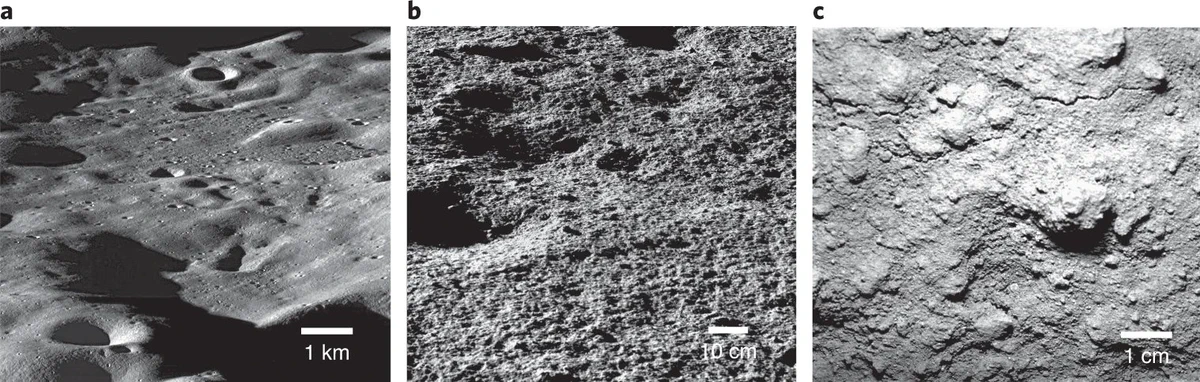
    A full mapping -- down to 1 cm in size -- of the areas that can retain water ice on the Moon shows that "micro cold traps" are the most numerous. In total, ~40,000 km2 of the lunar surface can hold water. Hayne et al.: nature.com/articles/s4155…
    Image
  • user avatar
    Nature Astronomy
    @NatureAstronomy
    Nov 4, 2019
    Published in Nature Astronomy today, five papers reporting the measurements from Voyager 2 as it crossed from the heliosphere into interstellar space. For an overview, a good place to start is the News & Views from Du Toit Strauss: nature.com/articles/s4155…
    Image
  • user avatar
    Nature Astronomy
    @NatureAstronomy
    Apr 23, 2018
    Detection of H2S gas over Uranus' main cloud deck gives insight into cloud composition as well as the sulphur/nitrogen ratio of the interior, by Patrick Irwin et al.: nature.com/articles/s4155… with N&Vs by Imke de Pater: nature.com/articles/s4155…
    Image
  • user avatar
    Nature Astronomy
    @NatureAstronomy
    Sep 11, 2019
    K2-18 b is a planet with a mass between Earth and Neptune in the habitable zone of its star. Its atmosphere is likely to be rich in water. Tsiaras et al.: rdcu.be/bQSJO (free to read link)
    Image
  • user avatar
    Nature Astronomy
    @NatureAstronomy
    Oct 27, 2022
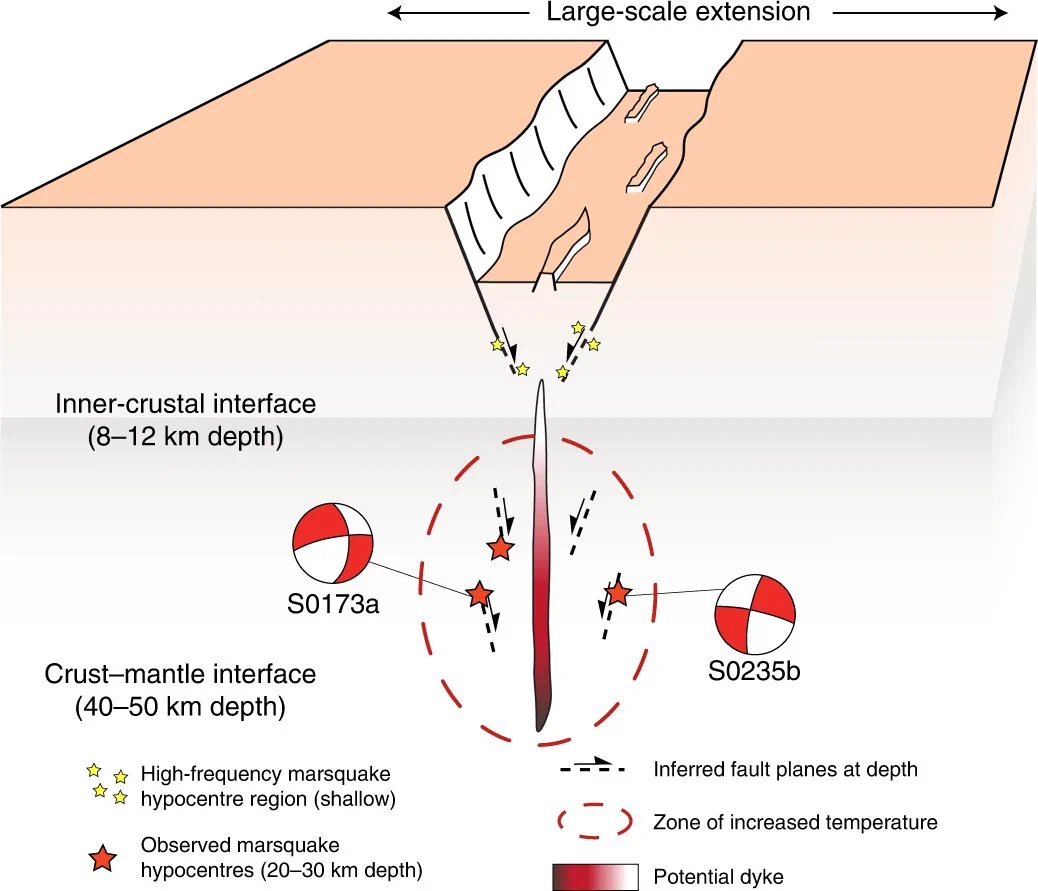
    Mars' Cerberus Fossae fault region is the source of half of the whole planet's seismic moment, indicating that it is still actively opening and that there is a warm source at ~40 km depth below it. @exoseismologist, @AnnaPlanetMars, et al.: nature.com/articles/s4155…
    Image
Advertisement
Advertisement