🎉📢 I'm on the tenure track job market! 👋✨
I study how people building “AI” think about the downstream harms their work makes possible, and the epistemic and political economic systems which shape their thoughts, and our future.
a bunch of my friends are choosing between PhD programs. here's my advice to them:
it is FAR more important to work with someone who is kind, than someone who does exactly the research you want to do or is at a prestigious institution.
in some hilarious resistance to CMU hosting weapons manufacturer Lockheed Martin in the midst of theindiscriminate bombing of civilians in Gaza…
…some CMU students have painted the fence to spell "Cockheed Fartin":
Pictured is 29 people protesting: now prohibited on @CarnegieMellon's campus.
A new policy demands registration for 25+ people, 3 days notice, sign off by a "Chief Risk Officer," and names and numbers of organizers.
We refuse to register to hold a protest on a college campus.
Professors at CMU pay about $105k to the university to support a PhD student, but of that, we only get a $36k as a stipend.
I'd love to see exactly where ~$69k disappears to, (rather than just "overhead") and I'd really like it if we got paid closer to the value of our labor.
Every semester, I hear of at least one Carnegie Mellon CS professor leaving for industry, royally screwing all of their PhD students who were depending on them as a side effect.
The professor gets $$$$, the students are forced into an unexpected and disruptive advisor search.
📣👨🏽💻🇵🇸CALLING ALL HCI RESEARCHERS:
Join us for a discussion about how HCI researchers can stand in solidarity with Palestine and organize to stop the creation of tech for genocide.
Taking place 12-2pm EST on May 9, in Pittsburgh IRL and on Zoom.
RSVP: bit.ly/HCI4Gaza
📣 New paper: AI depends on immense resources, mostly controlled by large companies.
This means "open" AI… isn't very open.
📄 From me, @mer__edith and @sarahbmyers in Nature:
nature.com/articles/s4158…
update: I sent this email to the research team, my department head, other concerned students, and the head of my university's IRB who approved the study, among others who research algorithmic management.
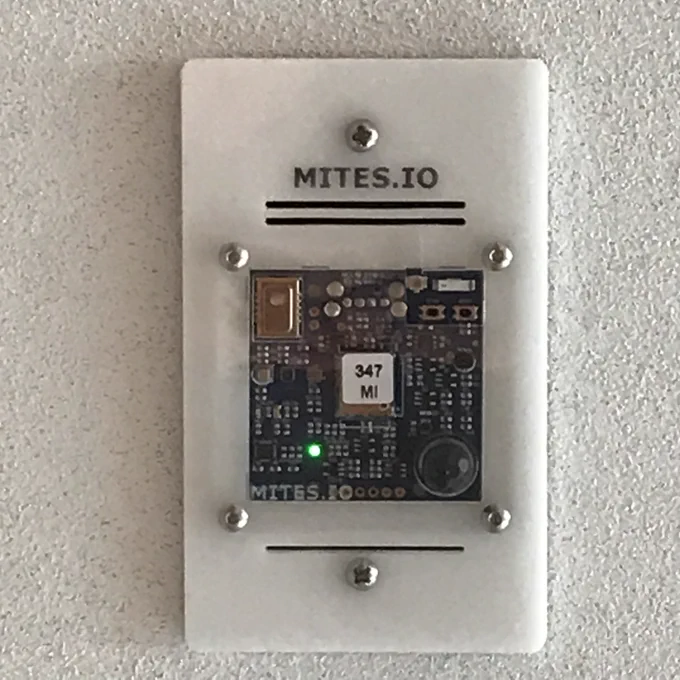
there are research sensors in our new CMU offices:
microphones measuring sound (not voice), 8x8 low res infrared camera, accelerometer detecting doors closing and other vibrations.
this is opt-OUT not opt-IN: data collected & is used for research, except mic, which is opt in.