Popular Science. Demystifying the worlds of science and technology since 1872.

Podcasts

Videos

Latest Articles
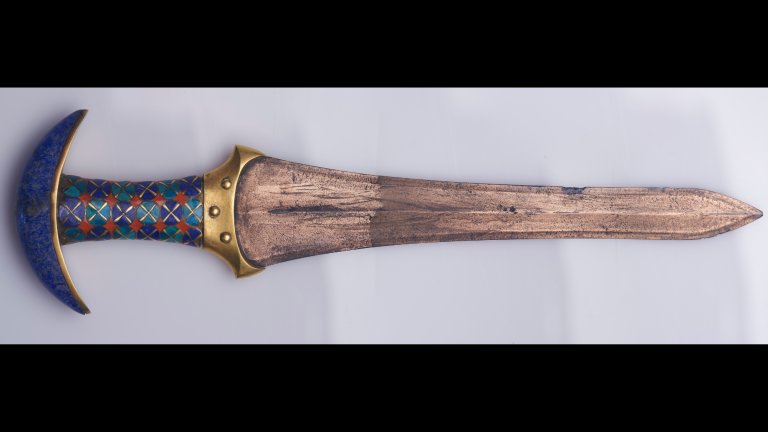
Ornate dagger owned by Princess Ita, who lived during ancient Egypt's Middle Kingdom
Archaeology

Chiseled Egyptian princesses knew their way around weapons

Before they were mummies, four royal sisters wielded the daggers, bows, and arrows 4,000 years ago.
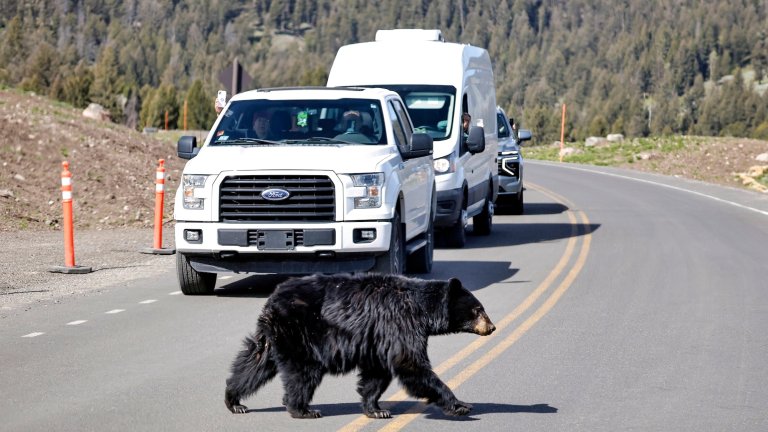
YELLOWSTONE NATIONAL PARK, WYOMING - MAY 20: A black bear crosses a roadway as visitors in vehicles watch on May 20, 2026 in Yellowstone National Park, Wyoming. Yellowstone National Park became the nation’s first national park on March 1, 1872, when President Ulysses S. Grant signed a congressional act protecting the land “for the benefit and enjoyment of the people.” Today, the 2.2-million-acre park thrives as part of one of Earth's last nearly intact large temperate ecosystems, famously preserving over 10,000 hydrothermal features and around 500 geysers—roughly 50 percent of the world’s total. Boasting the largest concentration of mammals in the lower 48 states, Yellowstone stands as the only place in the U.S. where bison have roamed continuously since prehistoric times. Native American communities inhabited and conserved the lands for over 10,000 years, with 27 individual tribes recognized by the National Park Service as carrying modern-day and historic ties to Yellowstone. National Park Week will celebrate America’s 250th anniversary with a weeklong celebration in August featuring hundreds of commemorative events at many of America’s 433 national parks under the theme “Celebrate America’s Story”. (Photo by Mario Tama/Getty Images)
Wildlife

July is Yellowstone National Park’s deadliest month

CAUTION: Men over 45 driving through the park in the summer.

A screen filled with hundreds of randomly arranged dots. When animated, an optical illusion can reveal hidden words.
AI

This font uses an optical illusion to hide from AI

For now.

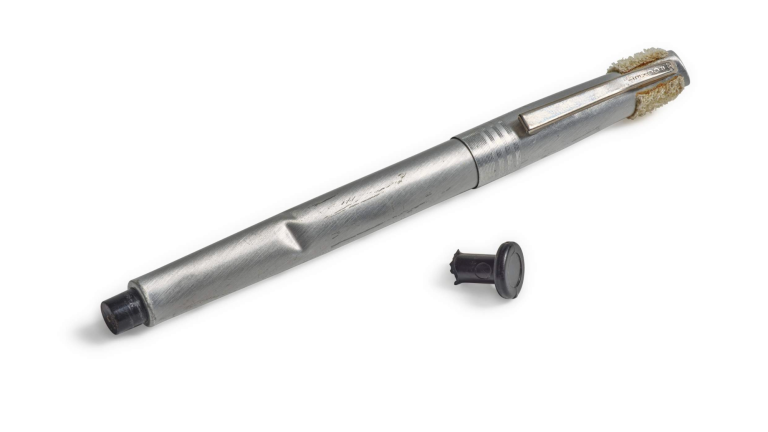
The broken circuit breaker switch that nearly ended Apollo 11 (below) and the pen that saved the crew and the mission.
Space

Pen that saved the Apollo 11 astronauts sells for over $800K at auction

Sotheby’s Space Exploration auction features the life-saving instrument, a Snoopy pin, space-flown flags, and more.
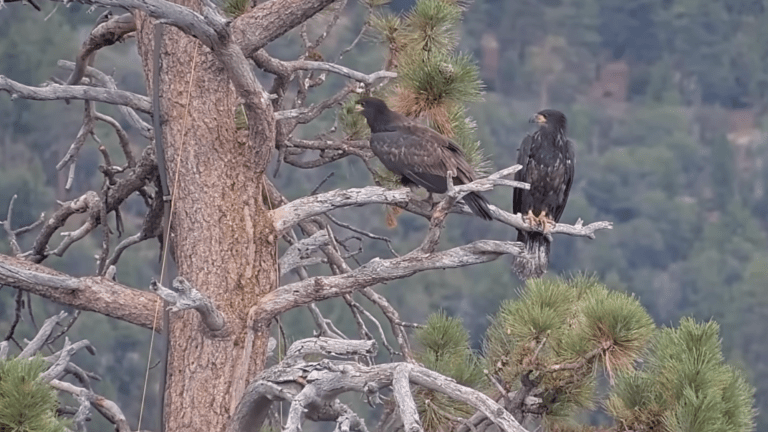
two young eagles with dark feathers stand on the branch of a pine tree
Birds

How much longer will eaglets Sandy and Luna stay on the nest?

Young eagles typically fledge after 10 to 14 weeks.
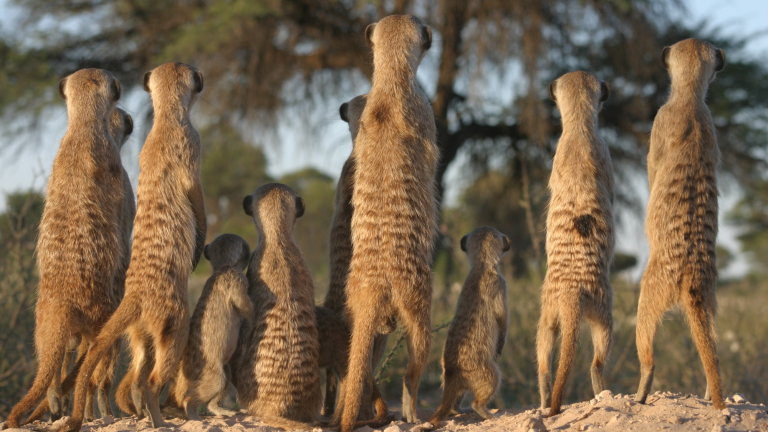
A group of meerkats standing together in the face of an outside threat.
Wildlife

How wild animals prepare for violence just like humans

Social animals have anticipatory tactics ahead of conflict—including killing their rivals’ young.

Keith Thomas, who has lived with paralysis since a diving accident in 2020, is now able to grasp, lift and drink from a cup on his own. After joining a clinical trial at Northwell Health’s Feinstein Institutes for Medical Research that uses brain implants and artificial intelligence to bypass his injury and reconnect his brain with healthy parts of his spinal cord, Thomas has continuously improved, restoring lasting movement and feeling in his arm and hand.
AI

After revolutionary brain-computer implant, man with paralysis can feed himself

‘We’re not just bypassing the injury, we’re actually rewiring the nervous system.’
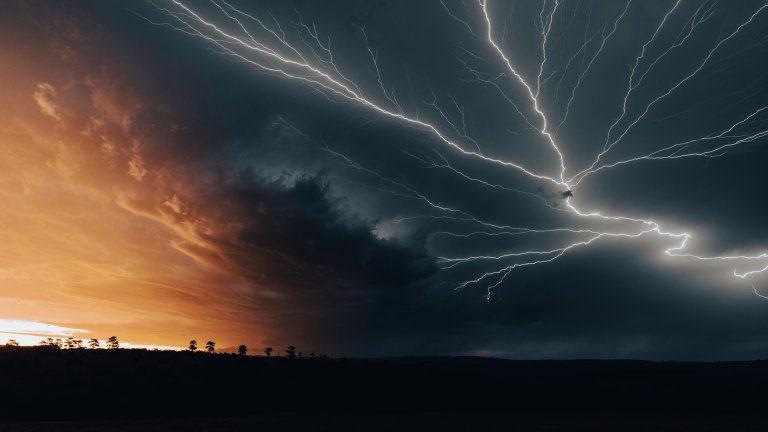
lightning bolts across the sky at sunset, Eastern Cape, South Africa.
Weather

Why is thunder so dang loud?

It’s the atmosphere trying to get back into place.

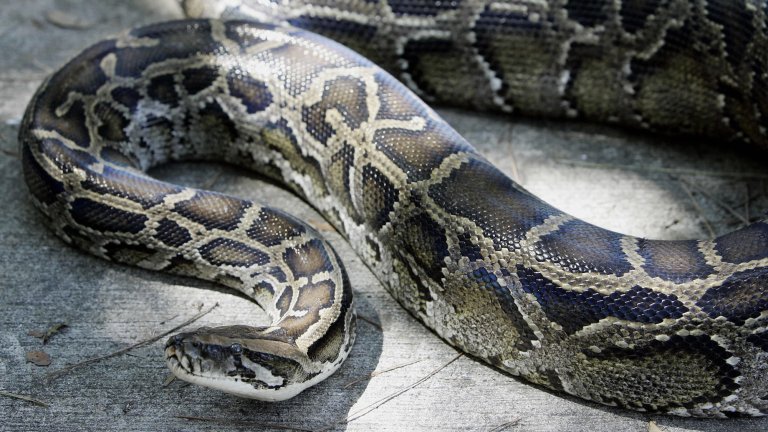
Miami, UNITED STATES: A 12-foot (3.65m) Burmese python that was captured in the backyard of a home slithers on the ground at its new home at the A.D. Barnes Park 10 October 2005, in south Miami, FL. The snake was captured 09 October and is the prime suspect in the disappearance of a 15-pound (6.8kg) cat that lived at the residence. AFP PHOTO/Robert SULLIVAN (Photo credit should read ROBERT SULLIVAN/AFP via Getty Images)
Wildlife

Florida man will trade pizza for pythons

Wildman’s Pizza, Pasta, and Python is doing its part to combat the invasive species.

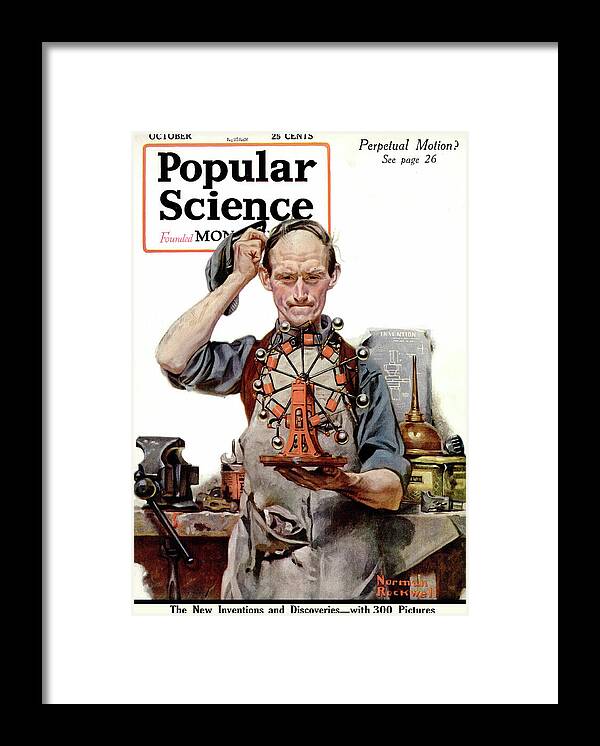
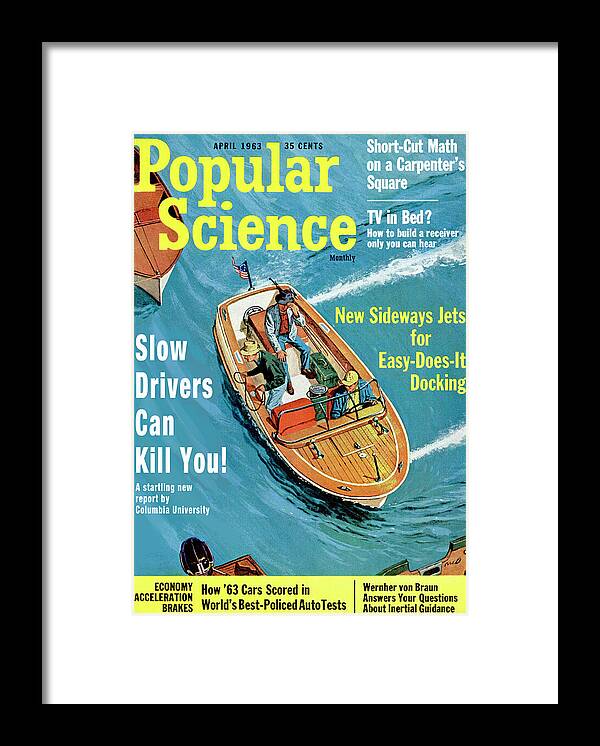
Popular Science Cover Art Store

Own a piece of science history.

Browse all covers

Popular Science has been demystifying the worlds of science and technology since 1872. We explain the inner workings of the phone in your pocket, explore world-changing innovations, and examine everything from the marvels of deep space to the secret lives of staples like bread. We deliver an engaging, approachable, and inclusive look at emerging technologies and scientific advances.
Daily, Popular Science unpacks the science behind the top current new stories, dissects the latest technology and digital trends, and helps readers live smarter, safer, and happier through clever DIY projects.

Meet the team

Our writers and editors