A viral tweet says LLMs pick 7 because of gradient descent. The math says it’s more interesting than that.
A viral tweet says LLMs pick 7 because of gradient descent. The math says it’s more interesting than that.
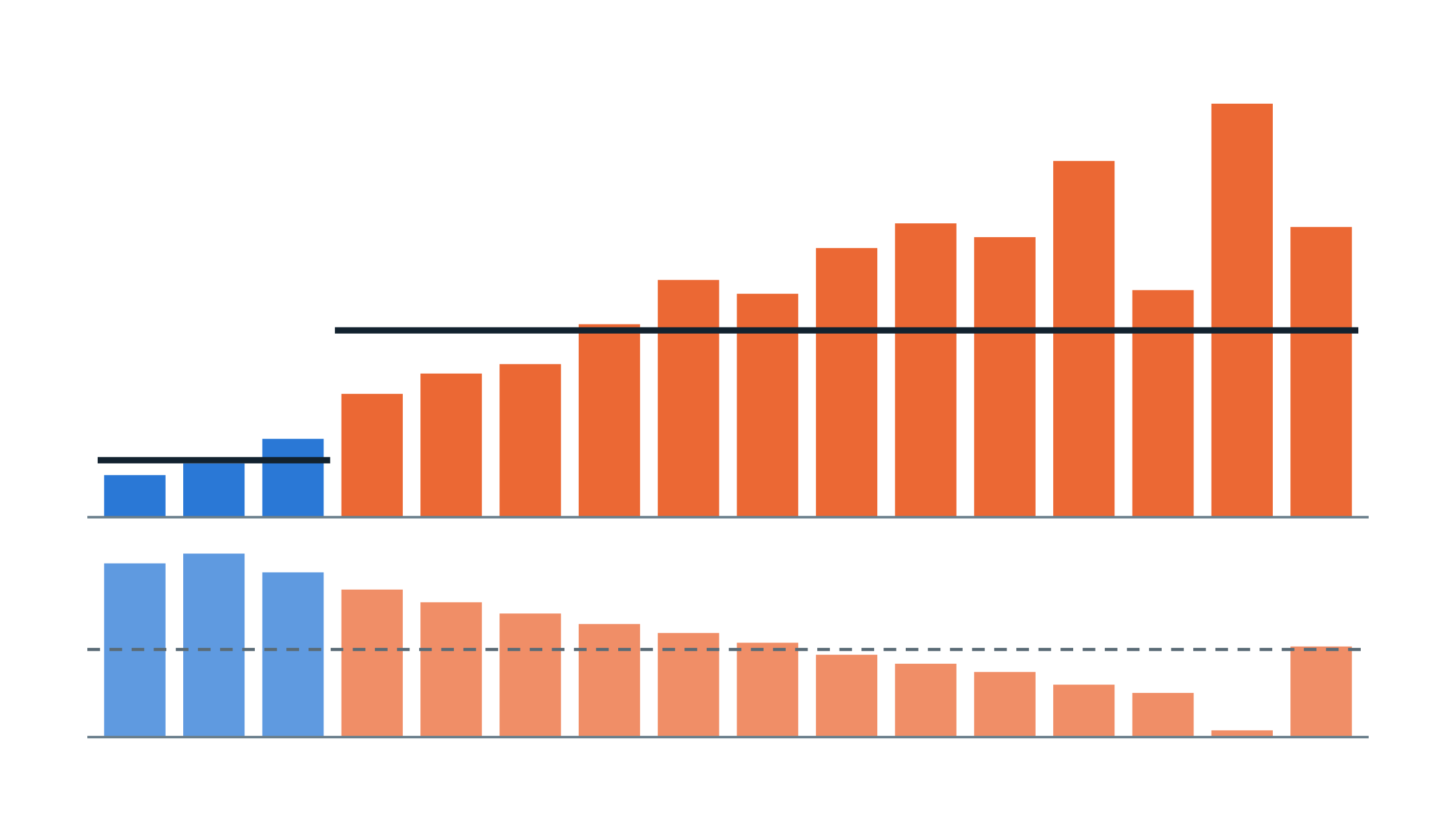
For a year, we believed that supervised binning carried our winning entry to an insurance competition. After four seeds per arm and one shared feature set, the credit belongs elsewhere.
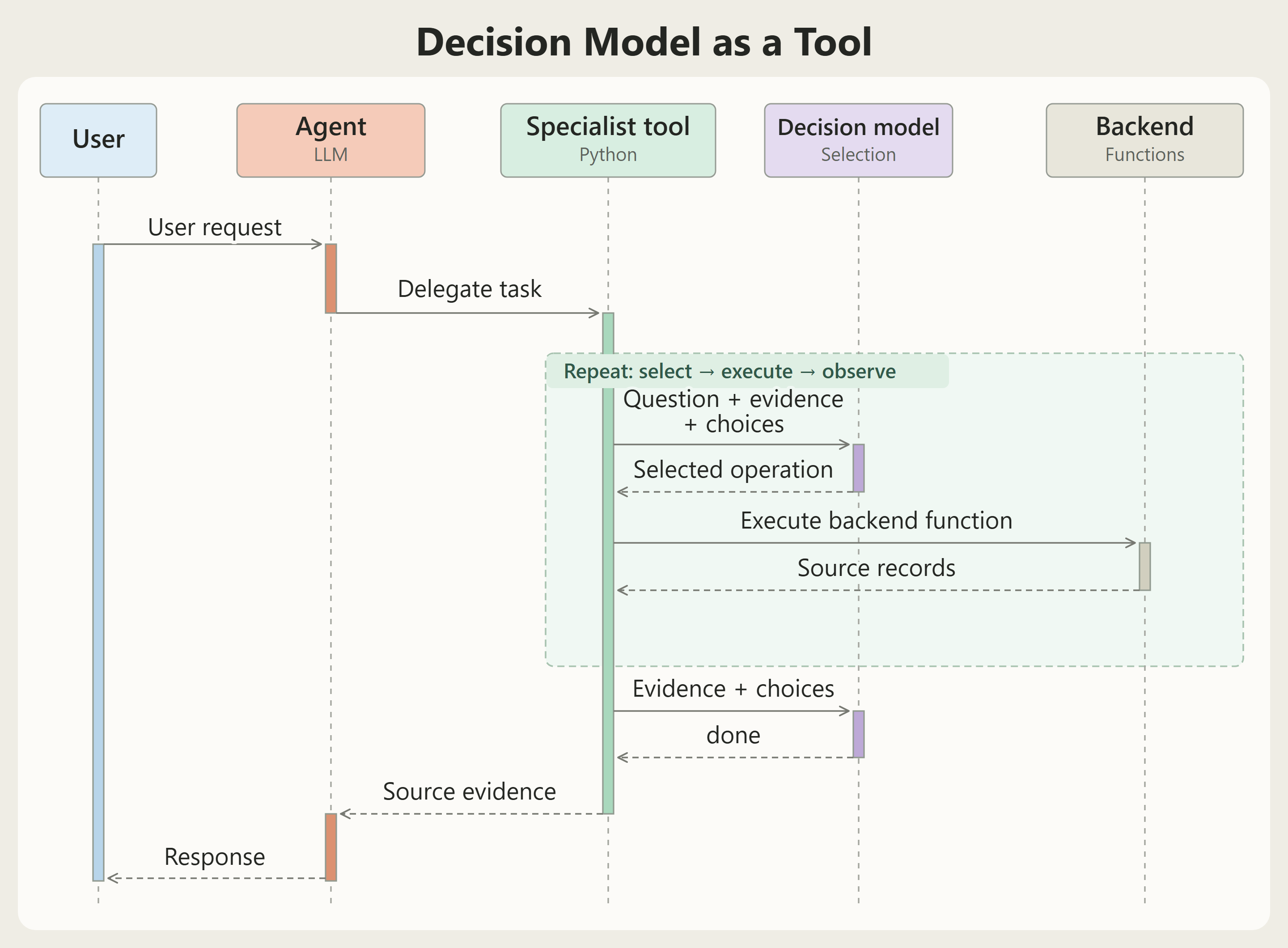
Decision models as tools: a hands-on guide

How I built four Claude Code mods to protect API keys, track plan progress, catch untested code, and monitor context usage — with 135 passing tests and up to 100× less overhead than traditional hooks — and why they can outperform traditional hooks.

Why traditional retrieval metrics miss meaningful similarities
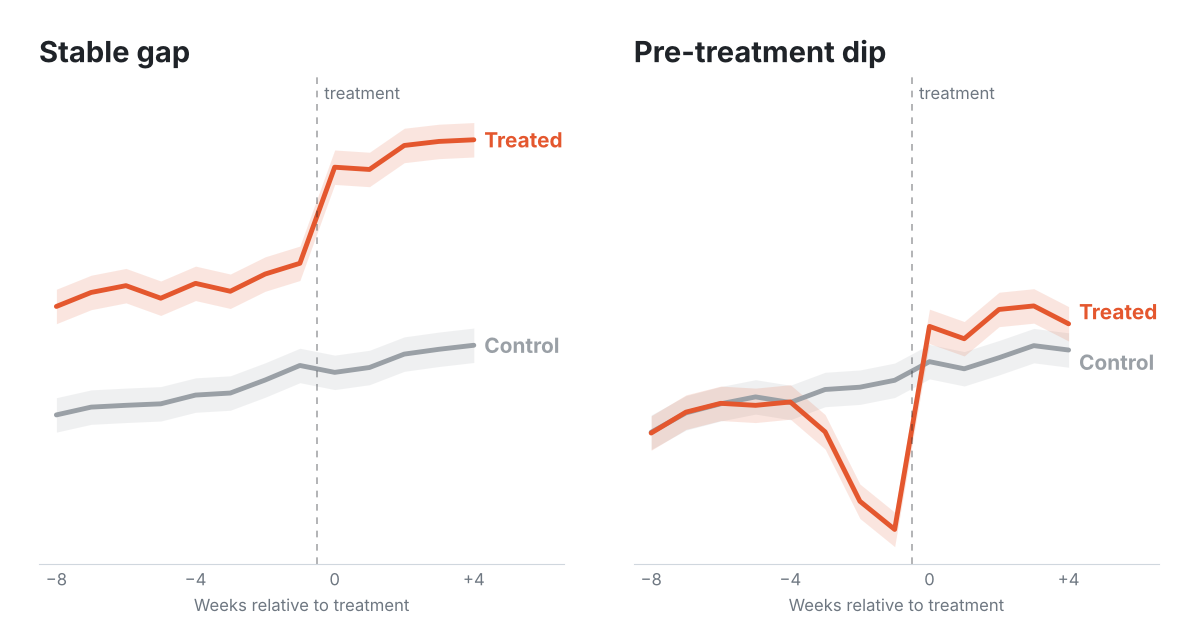
A simulation study and a pre-period check for choosing the right design for self-selected treatments in product analytics.
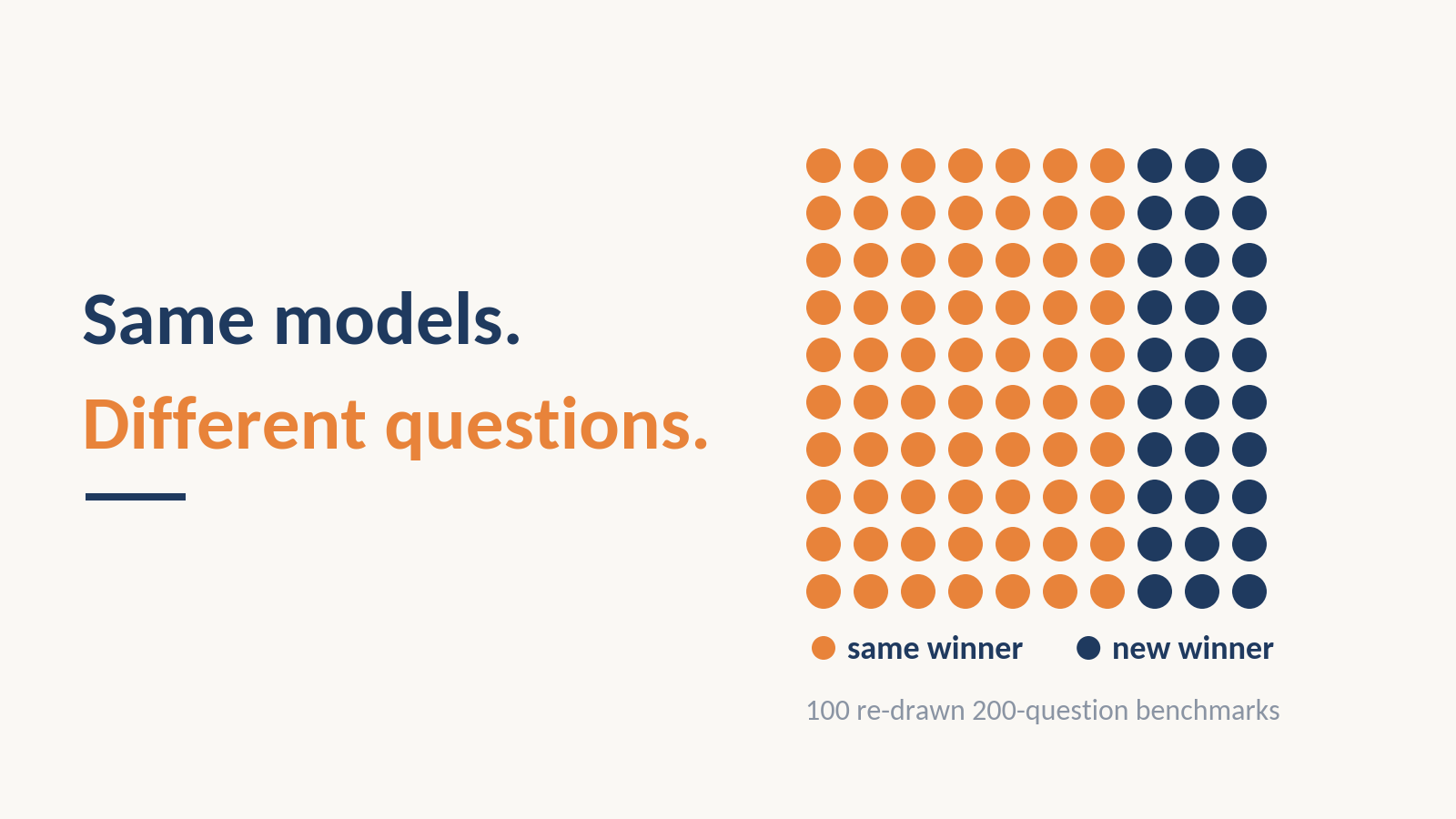
On a 2,000-question test, my top two models couldn't be told apart at the usual 5% level. On a 200-question version, a different model would have taken first place about three times in ten.

Learn three essential primitives of harness engineering to future-proof your career
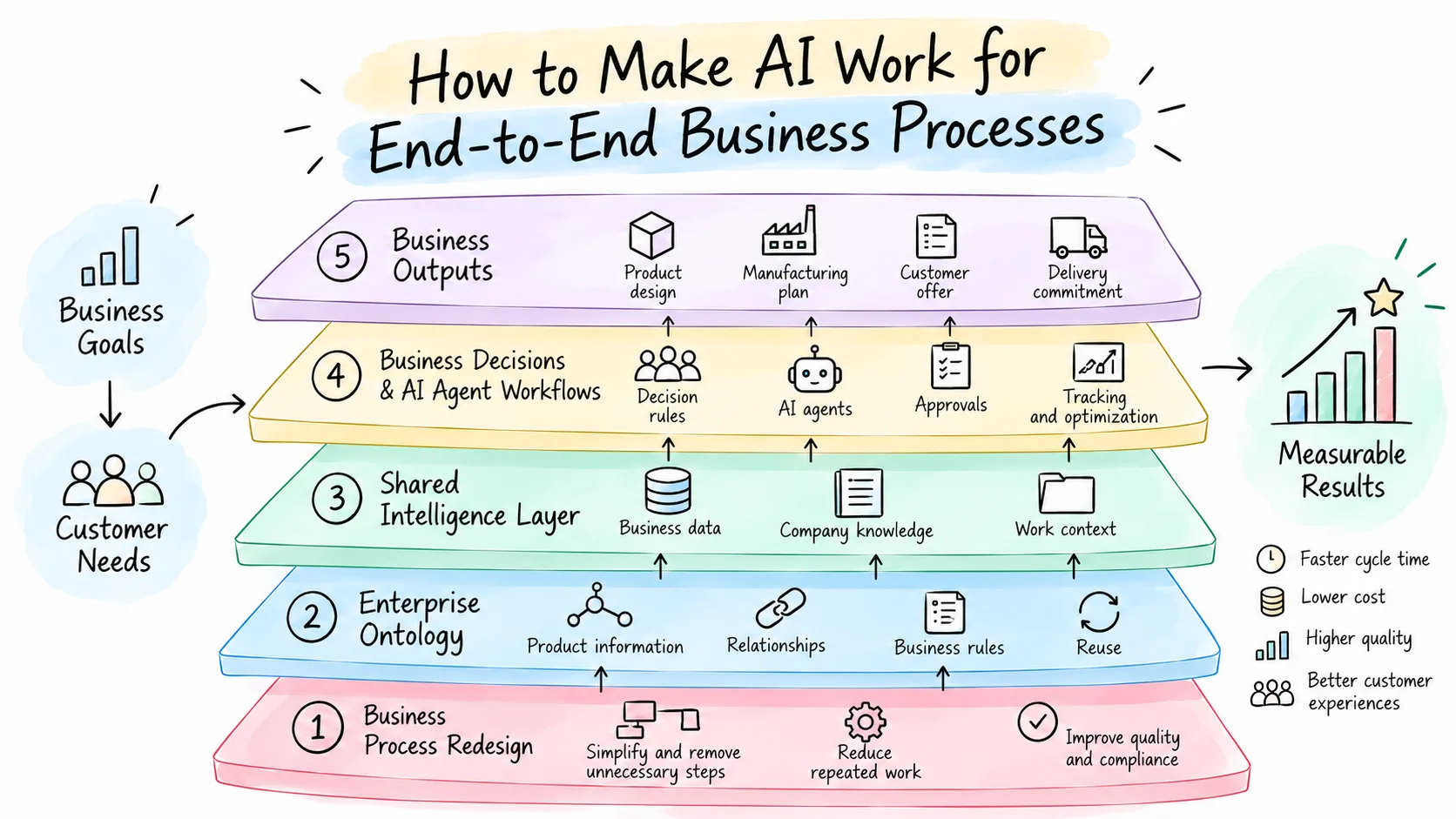
From simplifying workflows to connecting knowledge and rules, coordinating AI agents, and delivering measurable business results.
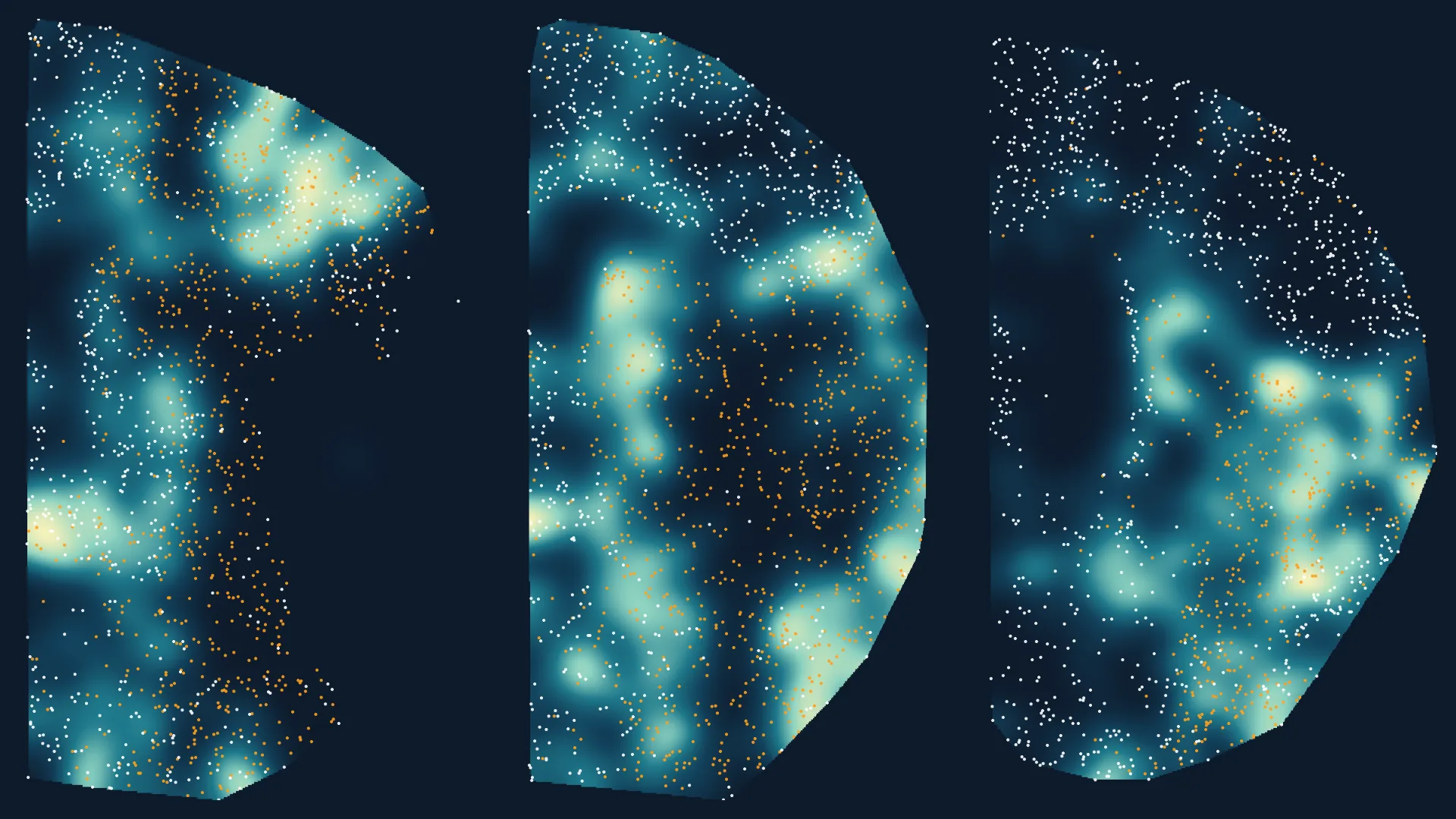
Using spatstat raster layers and point process models to ask how neurons, astrocytes and microglia sit relative to each other
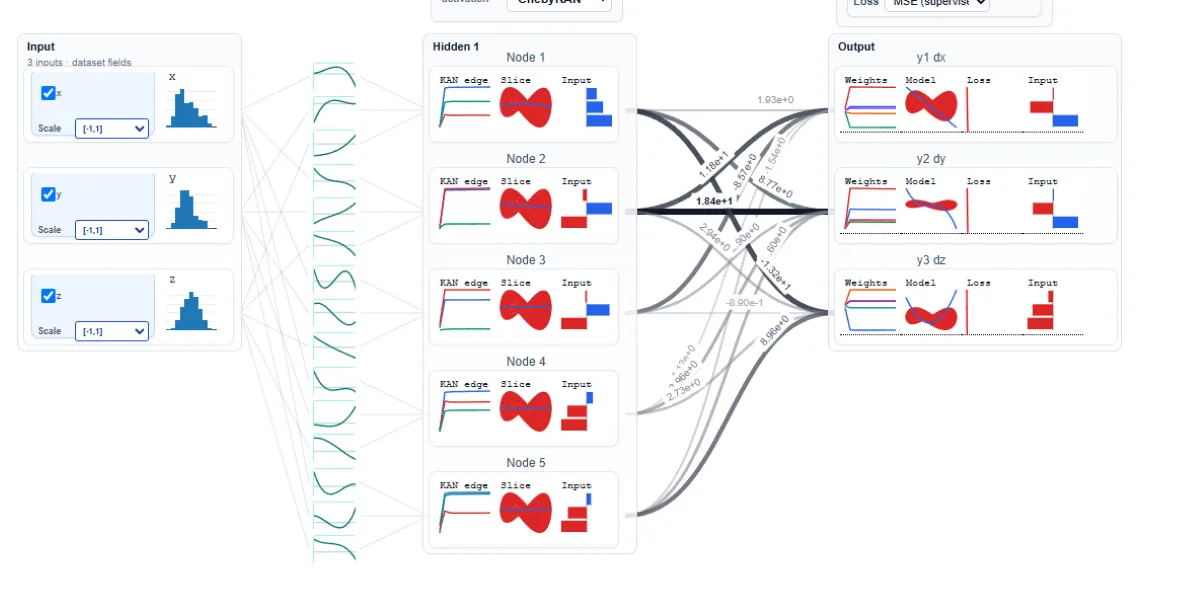
Exploring what happens when neural networks learn functions instead of weights.
For a year, we believed that supervised binning carried our winning entry to an insurance competition. After four seeds per arm and one shared feature set, the credit belongs elsewhere.
Decision models as tools: a hands-on guide
How I built four Claude Code mods to protect API keys, track plan progress, catch untested code, and monitor context usage — with 135 passing tests and up to 100× less overhead than traditional hooks — and why they can outperform traditional hooks.
Why traditional retrieval metrics miss meaningful similarities
A simulation study and a pre-period check for choosing the right design for self-selected treatments in product analytics.
Learn three essential primitives of harness engineering to future-proof your career

Sorting through the good, bad, and ambiguous aspects of vibe coding

Don't miss our most-read and -shared stories of the past month

Beyond basic ReAct loops: six production-oriented architectures for building autonomous, reliable, and scalable LLM agents.
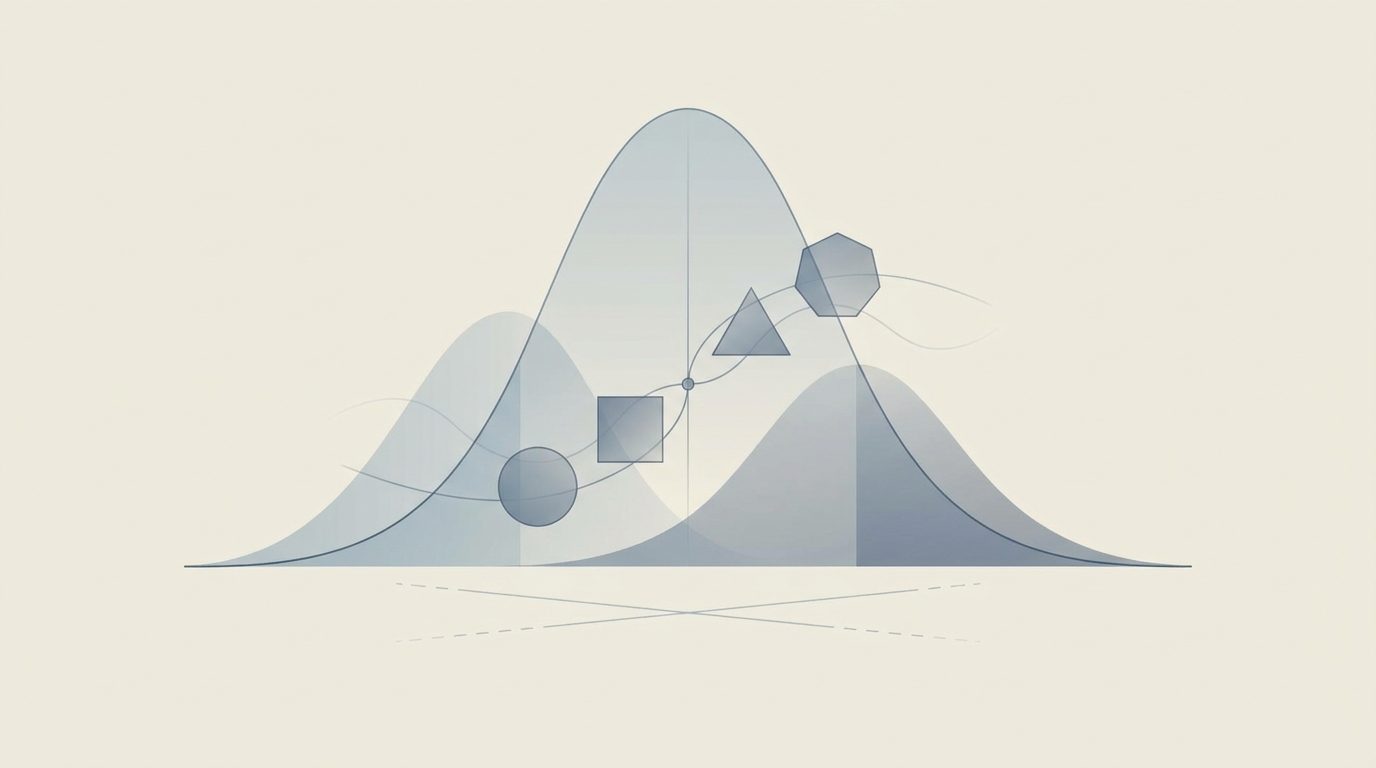
How statistical moments connect the mean, the variance, and higher powers of a distribution
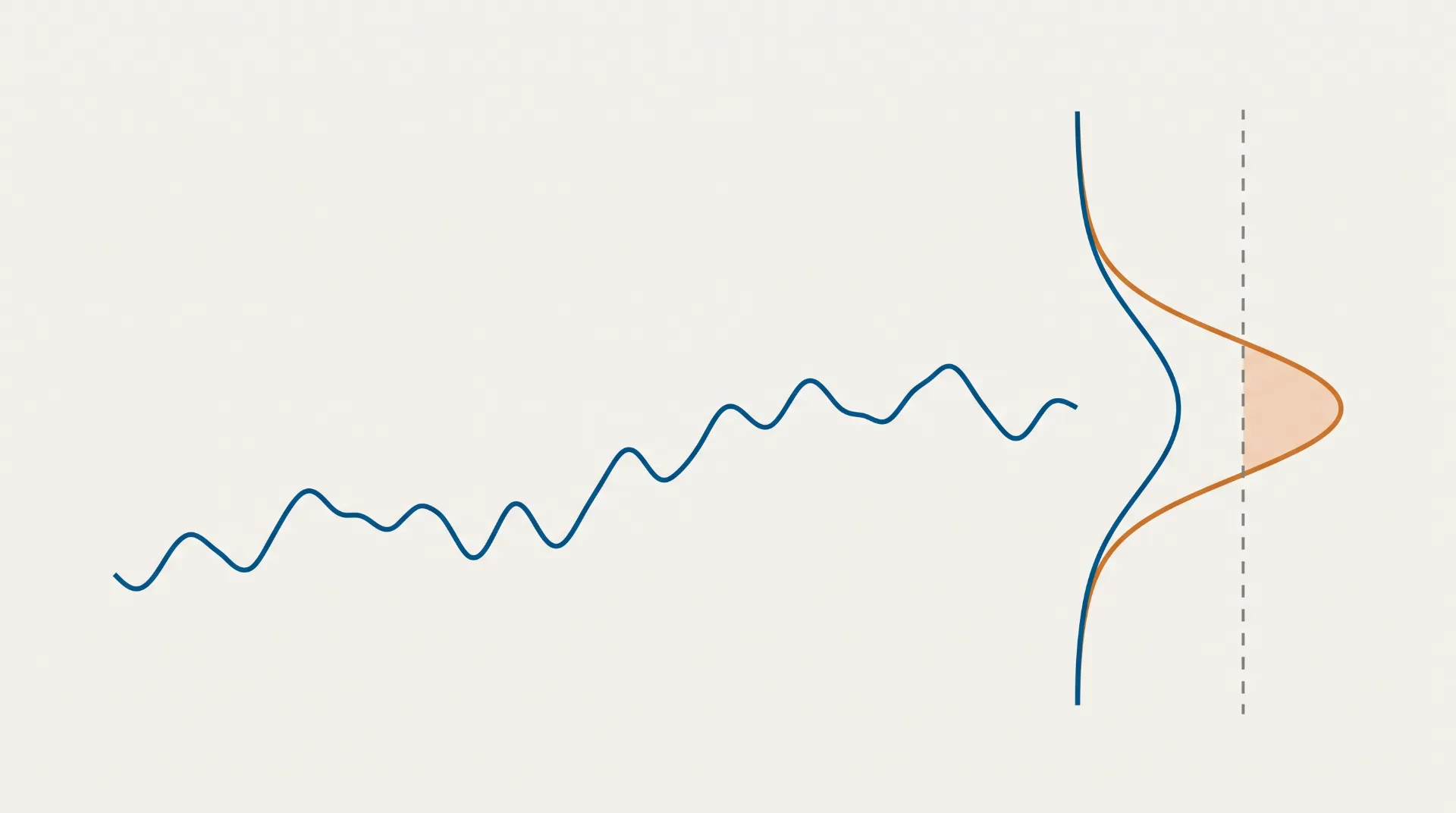
First in a series on probabilistic forecasting for physical signals. Next: what happens when you roll the forecast forward more than one step.

When Codex is the right shape for the problem, when Claude Code is, and how I split 5 specialist agents between them on dense AI capacity work.

Why the skill-inflation panic is aimed at the wrong thing, and what it costs to make agent knowledge a build artifact instead of a file.

A real Weave project that regression-tests three OpenAI models against the exact reply format your app depends on.