
Download Android SDK – free, secure Android development tool
Overview
The Android Software Development Kit (Android SDK) is the backbone of modern Android app creation. Designed for both seasoned developers and newcomers, it bundles a comprehensive set of libraries, debugging tools, and emulators that let you build, test, and fine‑tune applications for the Android operating system. What makes the SDK stand out is its flexibility: you can install it as a stand‑alone package or integrate it seamlessly with Android Studio, Google’s full‑featured IDE. The kit includes everything from the core platform libraries to the latest API levels, ensuring that your app can target any Android device, from low‑end smartphones to high‑end tablets. Moreover, Android SDK isn’t limited to app development—its command‑line utilities can unlock a device’s bootloader, manage ADB (Android Debug Bridge) connections, and even facilitate rooting operations for power users. A built‑in tutorial walks beginners through the entire workflow, from setting up the development environment to publishing a polished APK on the Play Store. By providing sample projects, code snippets, and step‑by‑step guides, the SDK removes the intimidation factor often associated with mobile development, allowing you to focus on creativity rather than configuration.
Key Features
- Comprehensive API Library: Access to all Android platform APIs from API level 1 to the latest release.
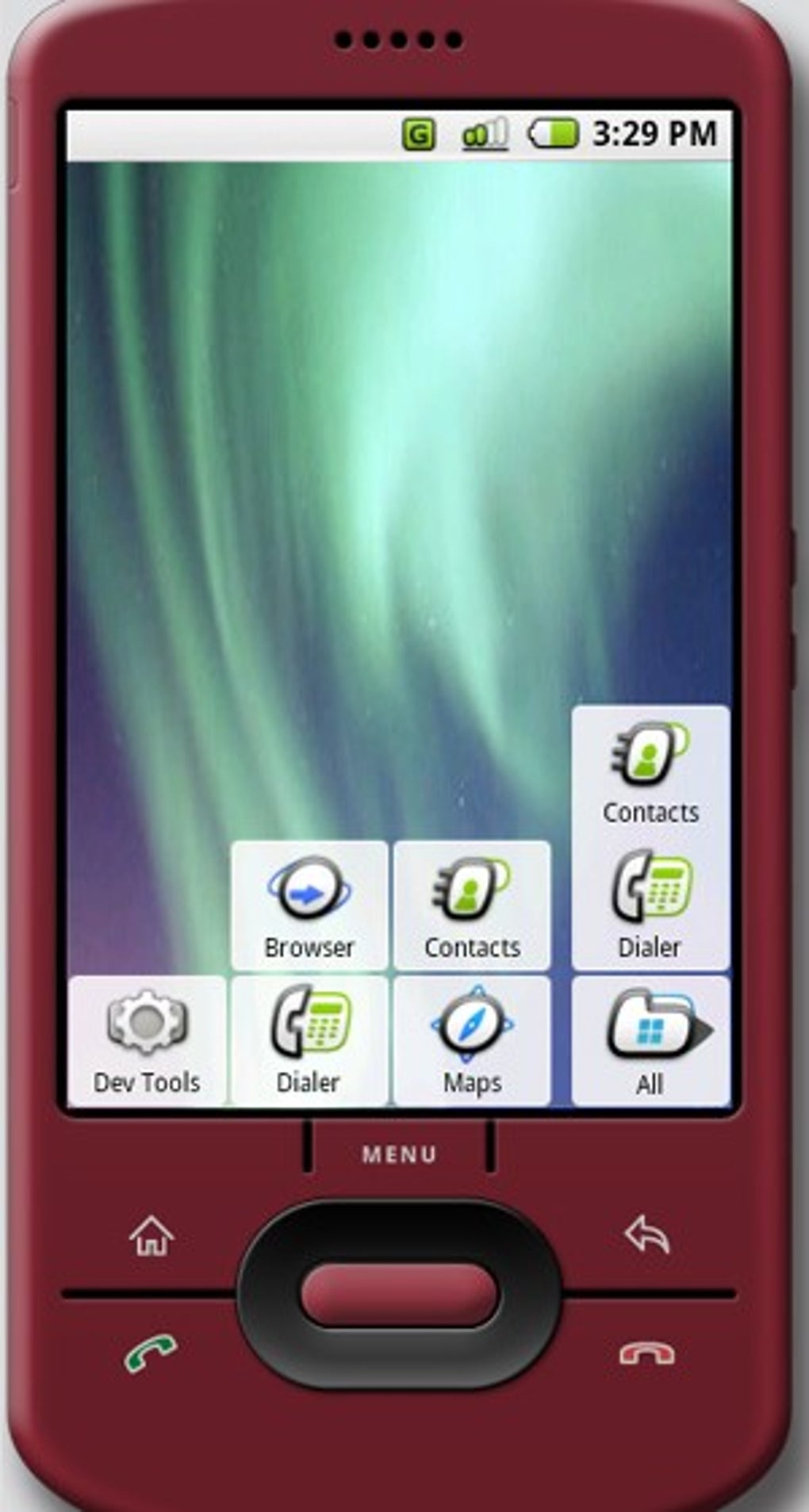
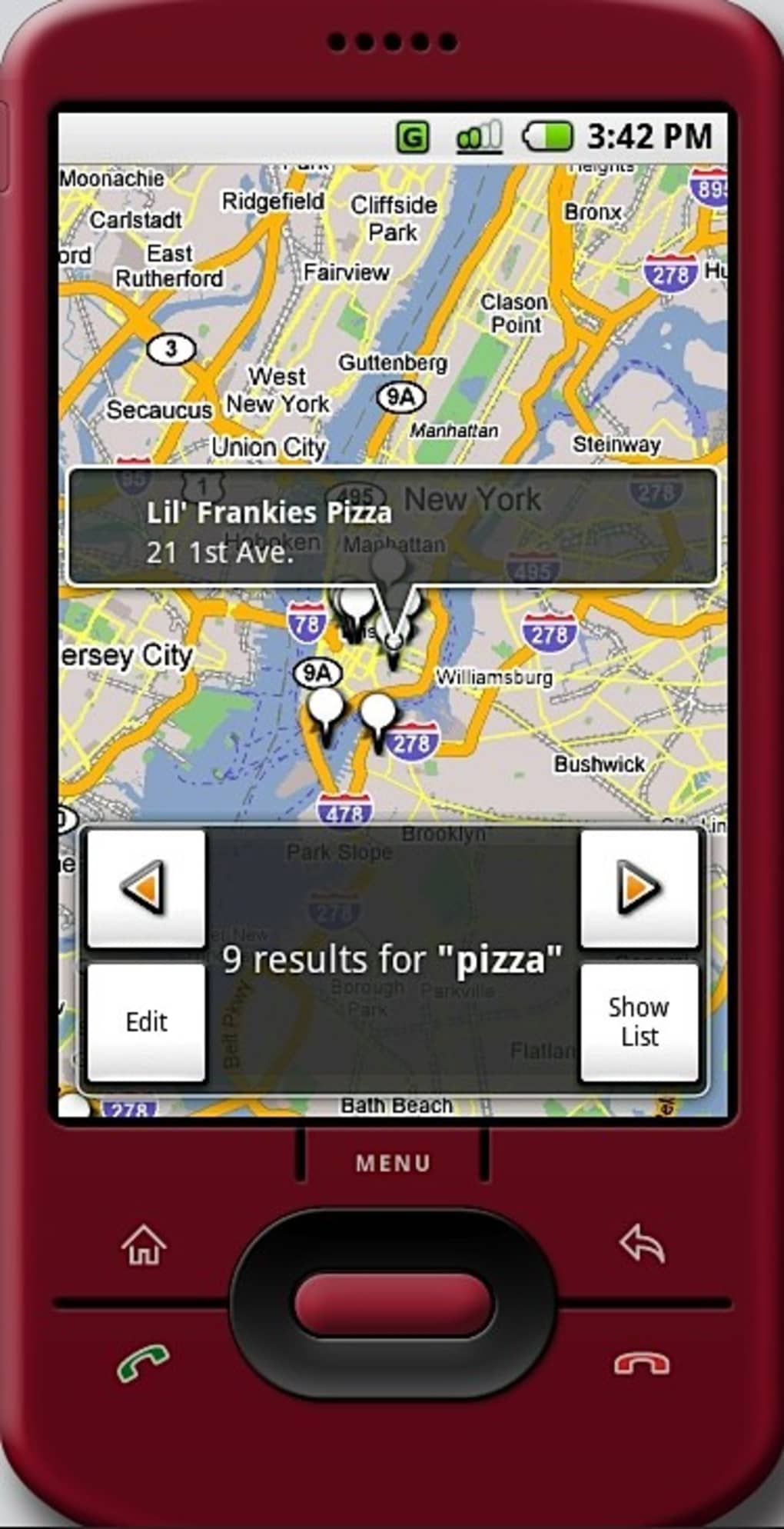
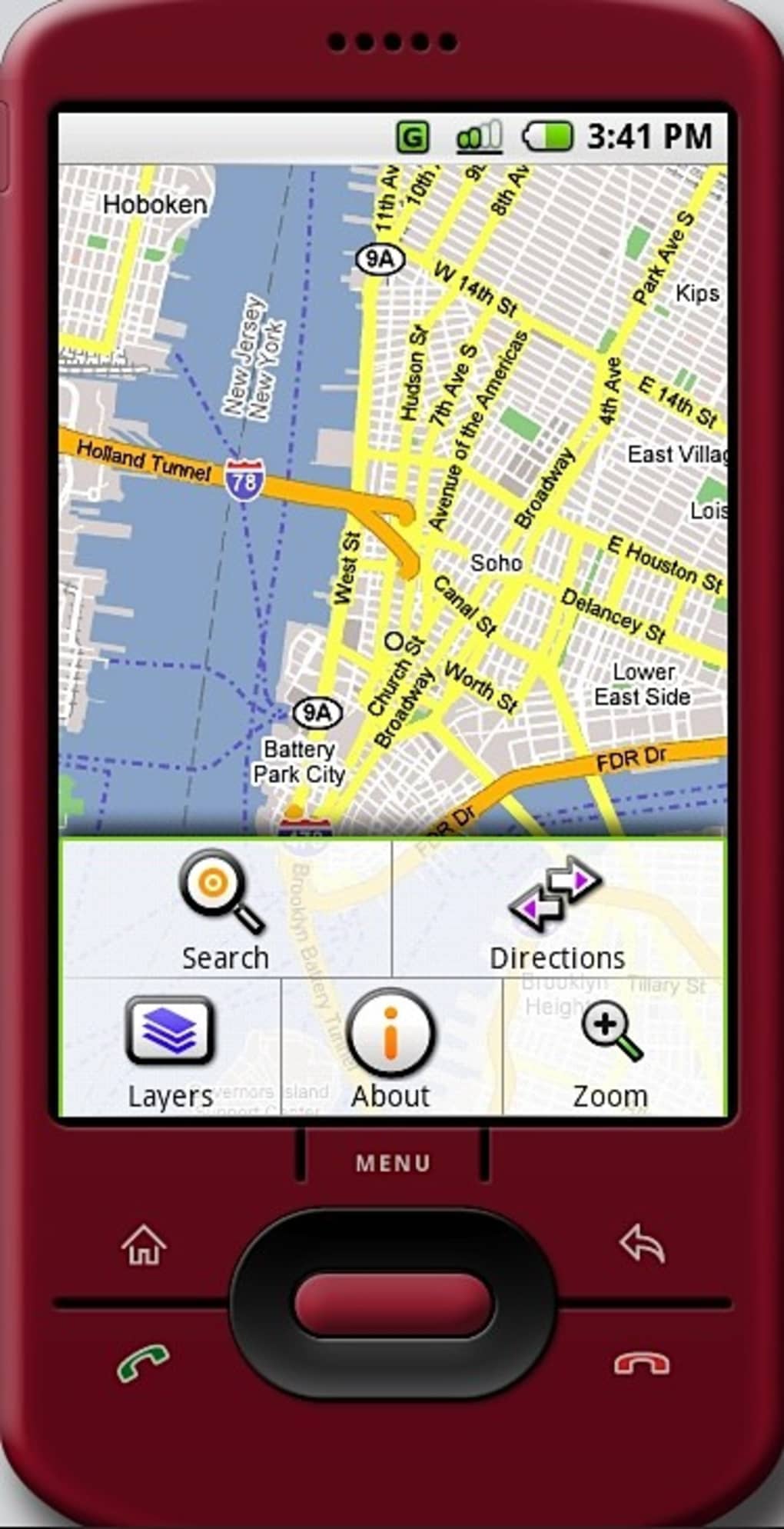
- Android Emulator: Fast, configurable virtual devices that simulate a wide range of screen sizes, hardware specs, and Android versions.
- ADB (Android Debug Bridge): Command‑line tool for installing, debugging, and profiling apps on real devices.
- Build Tools & Gradle Integration: Automated build system that handles resource merging, code shrinking, and signing.
- Sample Projects & Code Templates: Ready‑made starter apps that illustrate best practices and common patterns.
- Platform Tools: Includes fastboot, zipalign, and other utilities for device management and optimization.
- Documentation & Tutorials: Official guides, codelabs, and API reference that are continuously updated.
- Cross‑Compatibility: Works alongside Android Studio, IntelliJ IDEA, Eclipse, and other IDEs.
- Security Features: Signed packages, permission management, and built‑in scanning for vulnerable libraries.
- Free & Open Source: No licensing fees; updates are delivered directly from Google.
Installation & Usage Instructions
Getting started with Android SDK is straightforward, regardless of your operating system. Follow these steps to install and begin developing:
- Download the SDK Manager: Visit the official Android developer site and download the Command line tools package for Windows, macOS, or Linux.
- Extract the files: Unzip the package to a location of your choice, e.g.,
C:\Android\cmdline-toolson Windows or/usr/local/android/cmdline-toolson macOS/Linux. - Set environment variables: Add the
toolsandplatform-toolsdirectories to your systemPATHso you can runsdkmanagerandadbfrom any terminal. - Run SDK Manager: Open a terminal and execute
sdkmanager --listto view available packages. Install the latest platform, build‑tools, and emulator by running:sdkmanager "platforms;android-34" "build-tools;34.0.0" "emulator"
- Create a virtual device: Launch the AVD Manager with
avdmanager create avd -n Pixel_5_API_34 -k "system-images;android-34;google_apis;x86_64". Follow the prompts to select screen size, RAM, and storage. - Start the emulator: Run
emulator -avd Pixel_5_API_34. The virtual device boots up in a few seconds, ready for app testing. - Develop your first app: Use any text editor or IDE to write a simple “Hello World” activity. Compile with Gradle using
./gradlew assembleDebug, then install on the emulator withadb install app/build/outputs/apk/debug/app-debug.apk. - Debug & Profile: Attach the debugger via
adb logcator use Android Studio’s built‑in profiling tools to monitor CPU, memory, and network usage. - Publish: When ready, generate a signed release bundle with
./gradlew bundleReleaseand upload the.aabfile to Google Play Console.
The SDK’s built‑in tutorial walks you through each of these steps with screenshots, ensuring that first‑time users never feel lost. If you prefer a graphical interface, simply install Android Studio; the IDE will automatically download and configure the SDK for you.
Compatibility, Pros & Cons
Android SDK supports Windows 10 or later, macOS 10.15 (Catalina) and newer, as well as most modern Linux distributions (Ubuntu 20.04+, Fedora 34+). The command‑line tools are 64‑bit only, but they run flawlessly on ARM‑based Macs (Apple Silicon) thanks to Rosetta 2 translation when needed.
Pros
- Free, regularly updated directly by Google.
- Works independently or as part of Android Studio, giving developers flexibility.
- Rich set of emulators that replicate a wide range of device configurations.
- Comprehensive documentation, sample projects, and community support.
- Powerful command‑line utilities for advanced tasks like bootloader unlocking and device rooting.
- Seamless Gradle integration for automated builds and CI/CD pipelines.
Cons
- Initial setup can be intimidating for absolute beginners without an IDE.
- Emulator performance may require hardware acceleration (Intel HAXM or AMD Hypervisor) that isn’t always available on older machines.
- Command‑line tools lack a graphical interface, which may slow down developers accustomed to point‑and‑click workflows.
- Managing multiple API levels can become complex in large projects.
Frequently Asked Questions
Is the Android SDK really free?
Yes. The Android SDK is provided by Google at no cost. All updates, tools, and documentation are freely available for download.
Can I use the SDK without Android Studio?
Absolutely. The SDK’s command‑line tools work on their own, allowing you to integrate them with any editor or build system you prefer.
What is the minimum OS version required for the SDK?
Windows 10 (64‑bit), macOS Catalina (10.15) or later, and most recent 64‑bit Linux distributions are required. Older OS versions may encounter compatibility issues.
How do I test my app on real devices?
Enable “Developer options” and “USB debugging” on your Android device, then connect it via USB. Use adb install to push the APK, and adb logcat for live debugging.
Can the SDK help me unlock a device’s bootloader?
Yes. The fastboot utility, included with the SDK, lets you flash images, unlock bootloaders, and perform other low‑level operations on compatible devices.
Conclusion & Call to Action
Overall, Android SDK remains the most reliable, feature‑rich, and cost‑effective solution for anyone looking to develop Android applications. Its extensive library support, powerful debugging utilities, and seamless integration with popular IDEs make it suitable for hobbyists, startups, and enterprise teams alike. While the learning curve can be steep for those who prefer a purely graphical workflow, the wealth of tutorials, sample code, and community forums ensures you’ll never be stuck for long. If you’re ready to turn your app ideas into reality, download the Android SDK today and start building the next generation of Android experiences.
Pros: Free, extensive API set, excellent emulator, solid documentation.
Cons: Initial setup can be daunting, emulator may need hardware acceleration.