
AAV Tools
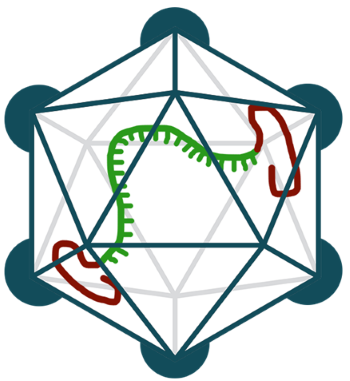
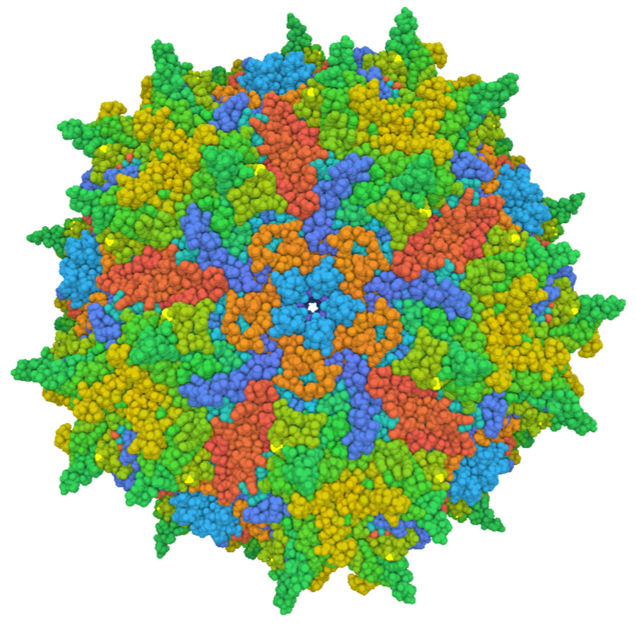
Adeno-Associated Viruses (AAVs) are small, non-enveloped viruses. They consist of an icosahedral capsid containing a short, single-stranded DNA genome flanked by two Inverted Terminal Repeat sequences (ITRs). AAVs are replication-defective, non-pathogenic, and have not been associated with human disease. Due to their low immunogenicity and lack of insertional mutagenesis, AAVs are relatively safe and are used in many gene therapies currently in development. Recombinant AAVs used in gene therapy are engineered to be integration-deficient and to deliver a gene of interest (up to 5 kb in length) in place of the viral genome. Inside the cell, the recombinant AAV vector is maintained as an episome and can result in sustained expression of the gene of interest for up to 6 months in non-dividing cells.
Adeno-Associated Viruses (AAVs) are small, non-enveloped viruses. They consist of an icosahedral capsid containing a short, single-stranded DNA genome flanked by two Inverted Terminal Repeat sequences (ITRs). AAVs are replication-defective, non-pathogenic, and have not been associated with human disease. Due to their low immunogenicity and lack of insertional mutagenesis, AAVs are relatively safe and are used in many gene therapies currently in development. Recombinant AAVs used in gene therapy are engineered to be integration-deficient and to deliver a gene of interest (up to 5 kb in length) in place of the viral genome. Inside the cell, the recombinant AAV vector is maintained as an episome and can result in sustained expression of the gene of interest for up to 6 months in non-dividing cells.
Value of AAV vectors
- Long-term transgene expression - up to 6 months in non-dividing cells
- Low immunogenicity and low toxicity
- Tissue-specific transduction
- Non-pathogenic, biosafety level 1
- Best gene delivery system for in vivo animal studies
BPS Bioscience’s Advantages
- High titer ≥1 x 10¹² vector genomes (vg)/ml, determined by qPCR.
- >98% full/empty particle ratio measured by electron microscopy.
- Lot-specific quality control, including purity and titer quantification.
A Specialized Suite of AAV Products
Custom AAV Solutions
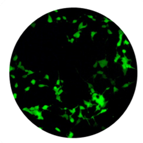
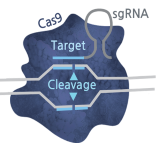
Our AAV team will design your custom AAV constructs and will manufacture ready-for-use viral particles to transduce your gene(s) of interest. Applications include CRISPR-mediated genetic engineering, protein expression, and the design and optimization of AAV-mediated gene transfer using reporter AAVs. Learn more about our custom AAV services.
Tropism of AAV Serotypes
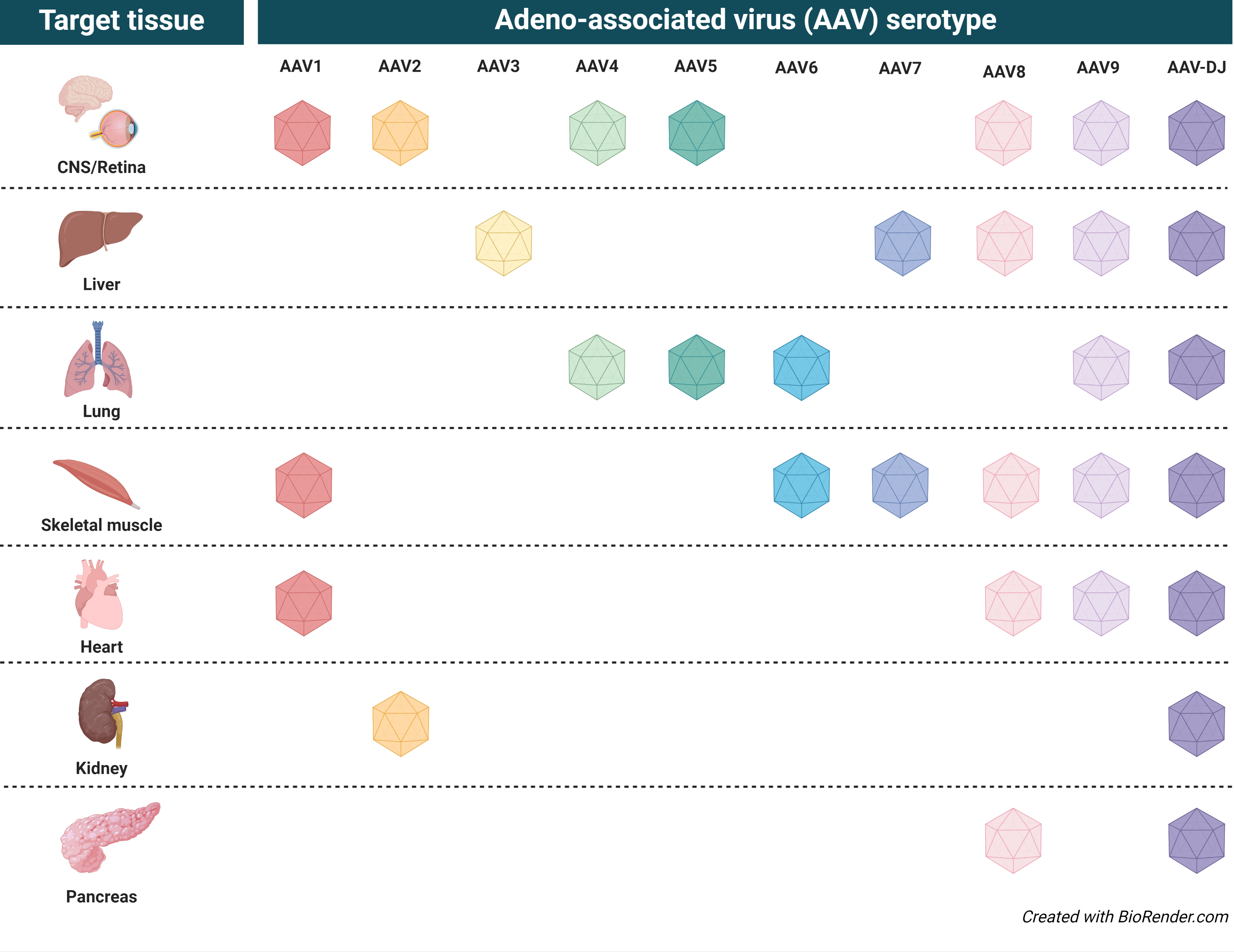
AAV serotypes display preferential binding to specific cell types and tissues as determined by the affinity of the capsid proteins to receptors on the cell surface. Scientists can use this tropism to efficiently target specific cell types. In addition, genetically engineered AAVs have been developed to further increase tissue tropism and transduction efficiency for gene therapy purposes. For example, AAV-DJ has better transduction efficiency in vitro and in vivo compared to wild-type serotypes and can infect a broad range of cell types.
Product Results
│Related Services
│Resources

San Diego, CA 92121
858-202-1401
Products are for Research Use Only
COMPANY


Copyright © 2026
BPS Bioscience, Inc.
All rights reserved.
Diagrams on this website are created with BioRender.com.
