
Top stories
Finance
Top stories
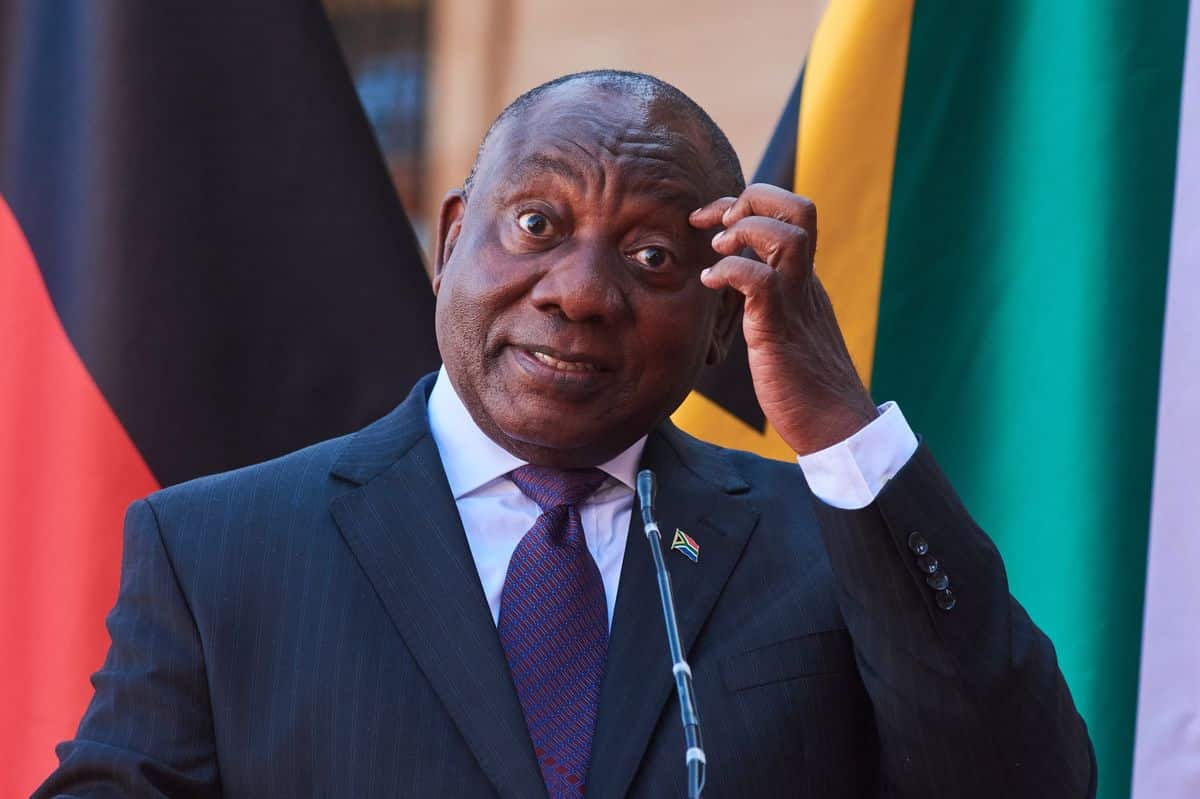
South Africa is facing a fresh wave of inflation, with rising global energy costs feeding into higher prices across the economy. The trend is increasing the cost of everyday household items and adding to the financial burden on small businesses and SMEs.
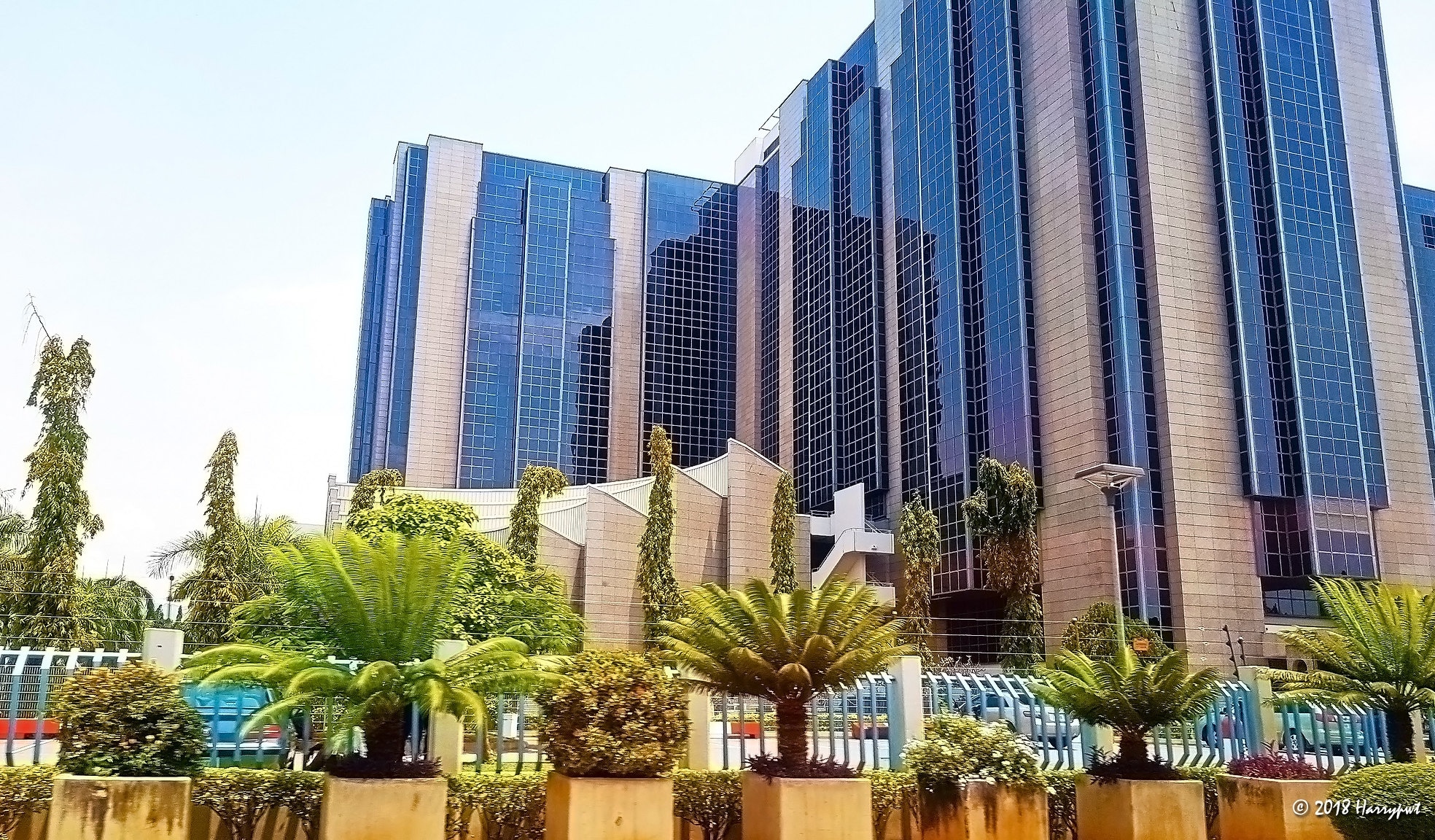
Nigeria’s apex bank is introducing a new benchmark financing rate. According to the bank, the framework is designed to reflect the actual cost of short term funding within the financial system. Here are some key facts about the new rate.
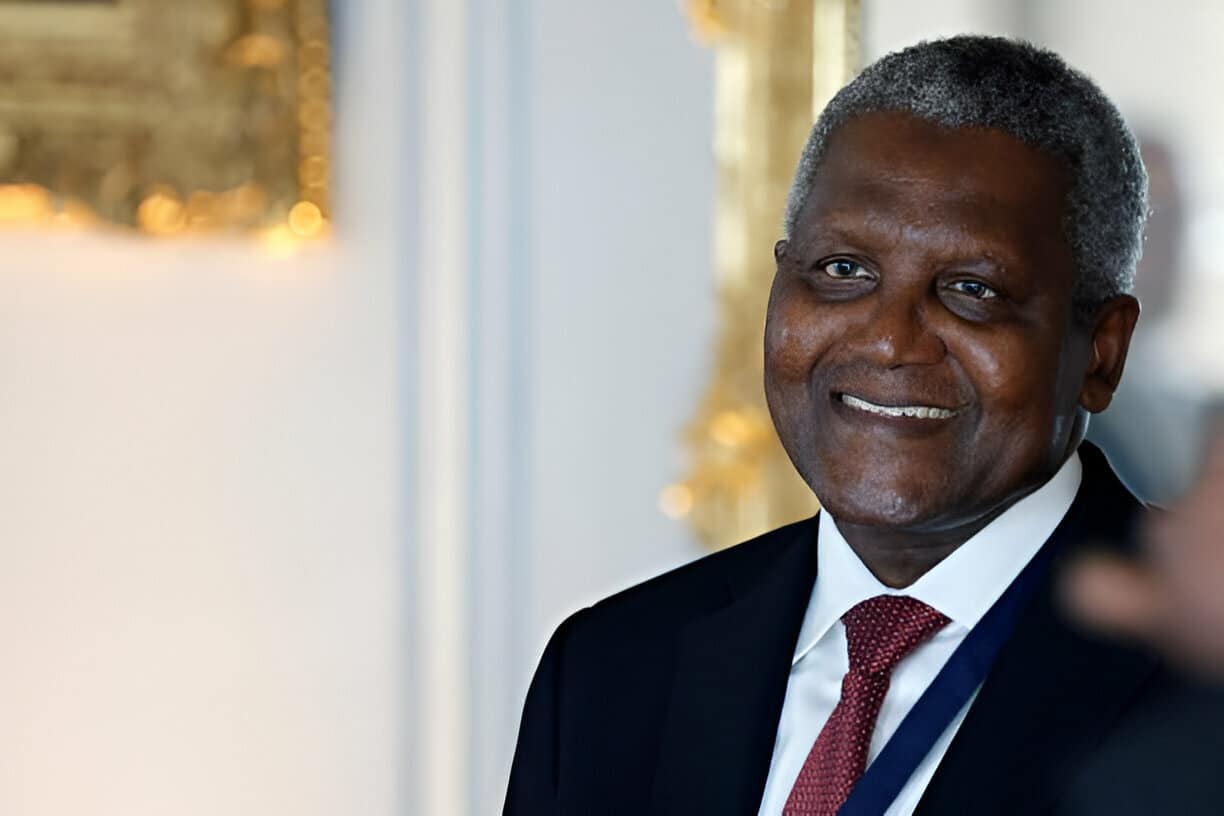
Africa Finance Corporation is backing a $7 billion fertiliser expansion programme led by Dangote Group, designed to triple production capacity in Nigeria and establish a new manufacturing platform in Ethiopia
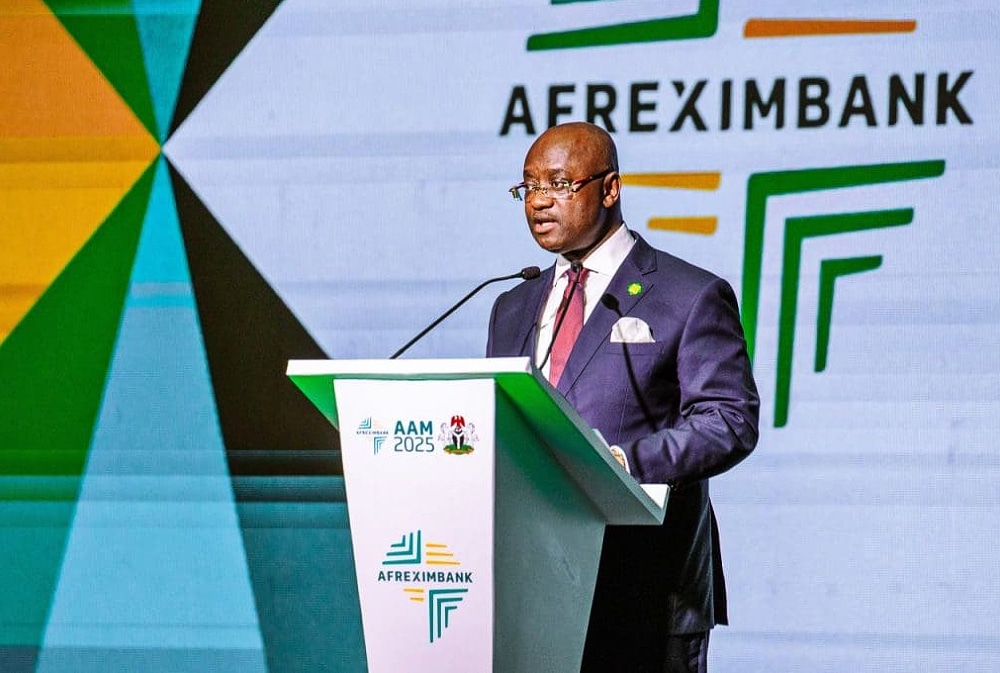
Afreximbank will invest up to $100m in an Egyptian gold refinery set to begin construction by end-2026, part of a pan-African bullion strategy developed with the Central Bank of Egypt.
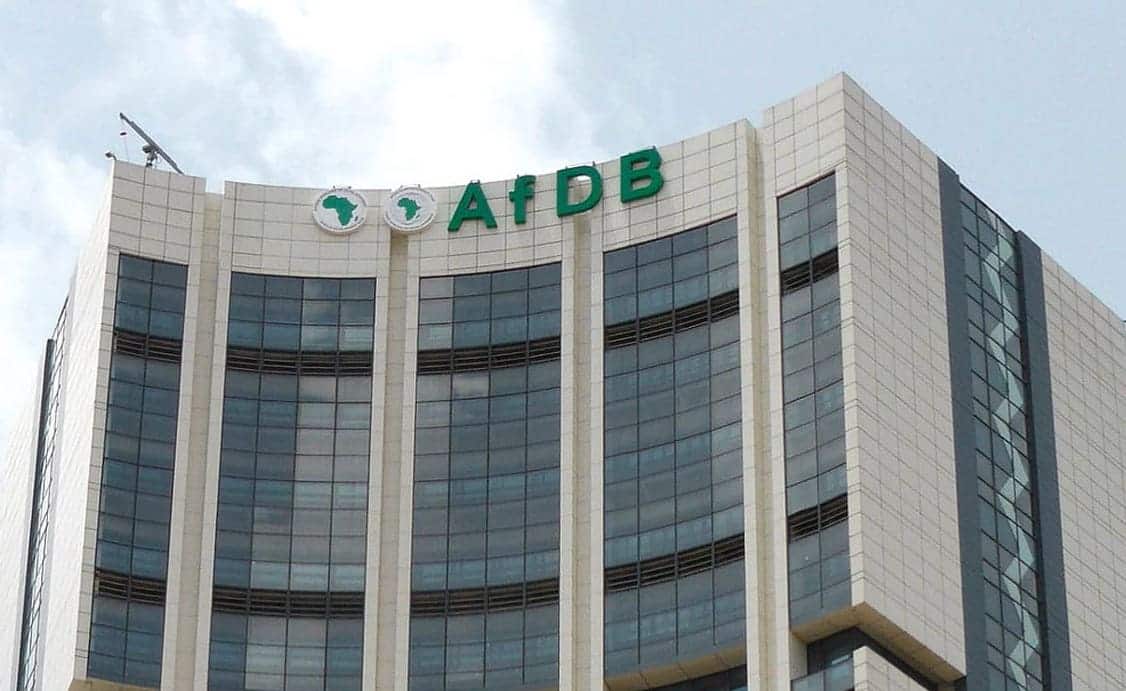
GHIB’s appointment as a confirming bank under AfDB’s Transaction Guarantee Instrument aims to close Africa’s trade finance gap and support AfCFTA implementation.
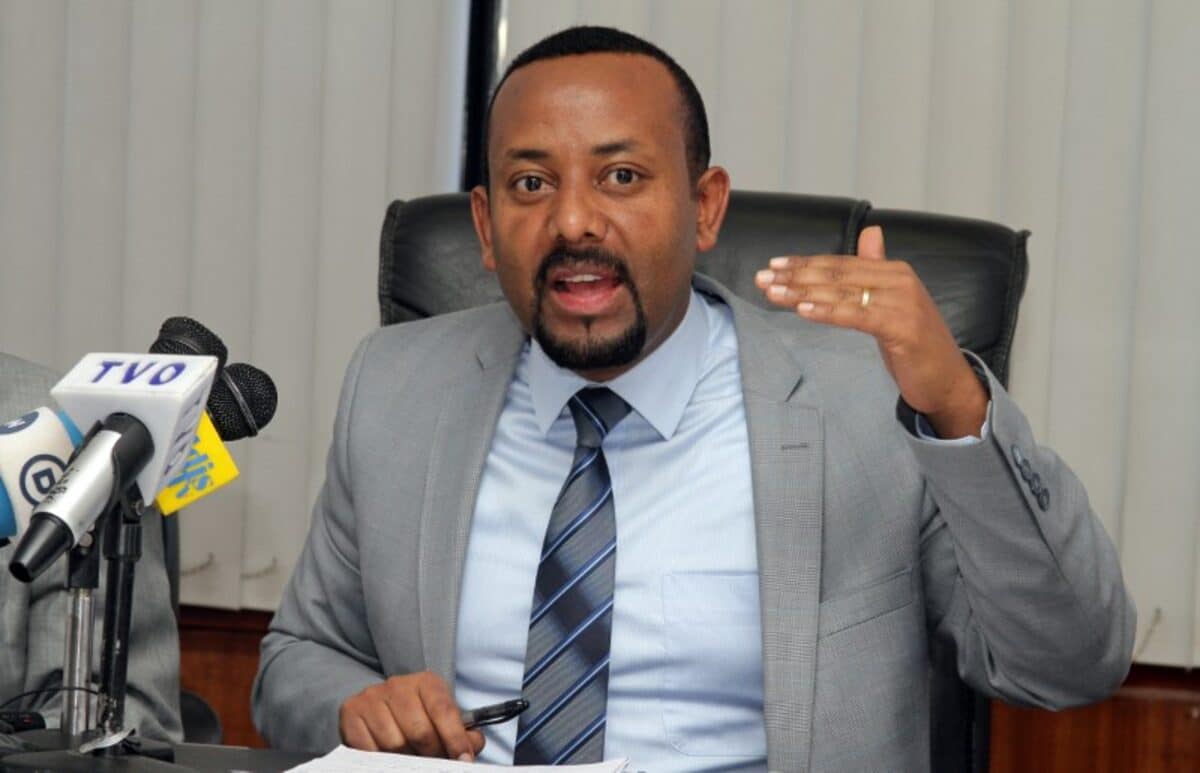
ESL has cut Turkey-to-Ethiopia cargo transit from over 40 days to nine, moving 150 FCL shipments in three months and saving 500 million birr in operating costs.
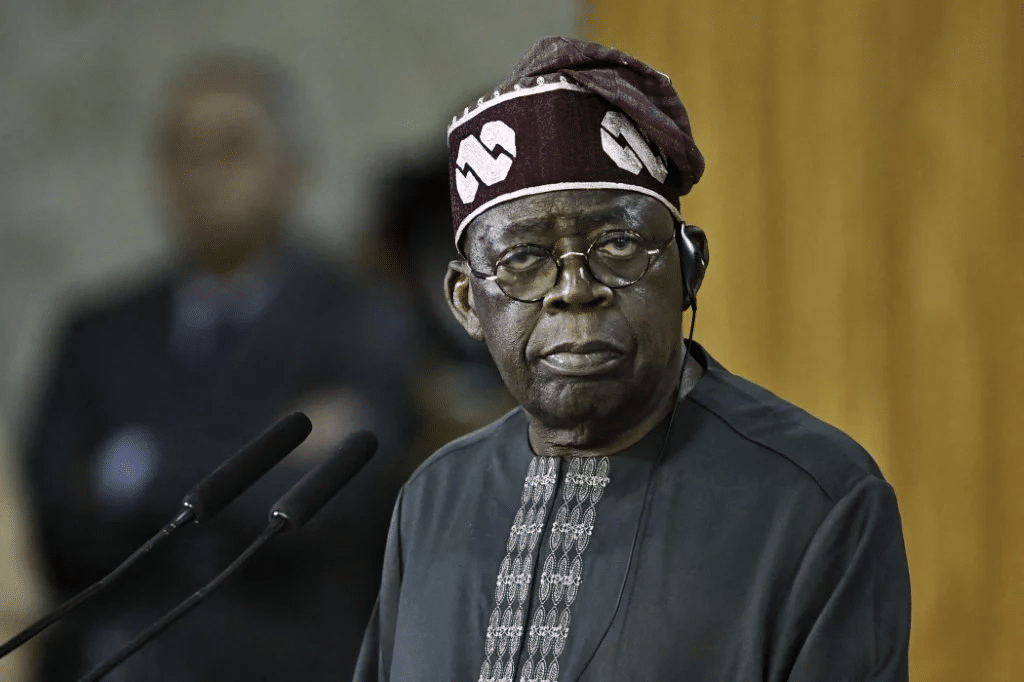
The IMF has warned Nigeria that a $5 billion currency swap with a UAE lender poses risks to foreign exchange stability and fiscal sustainability, even as the deal aims to shore up reserves.
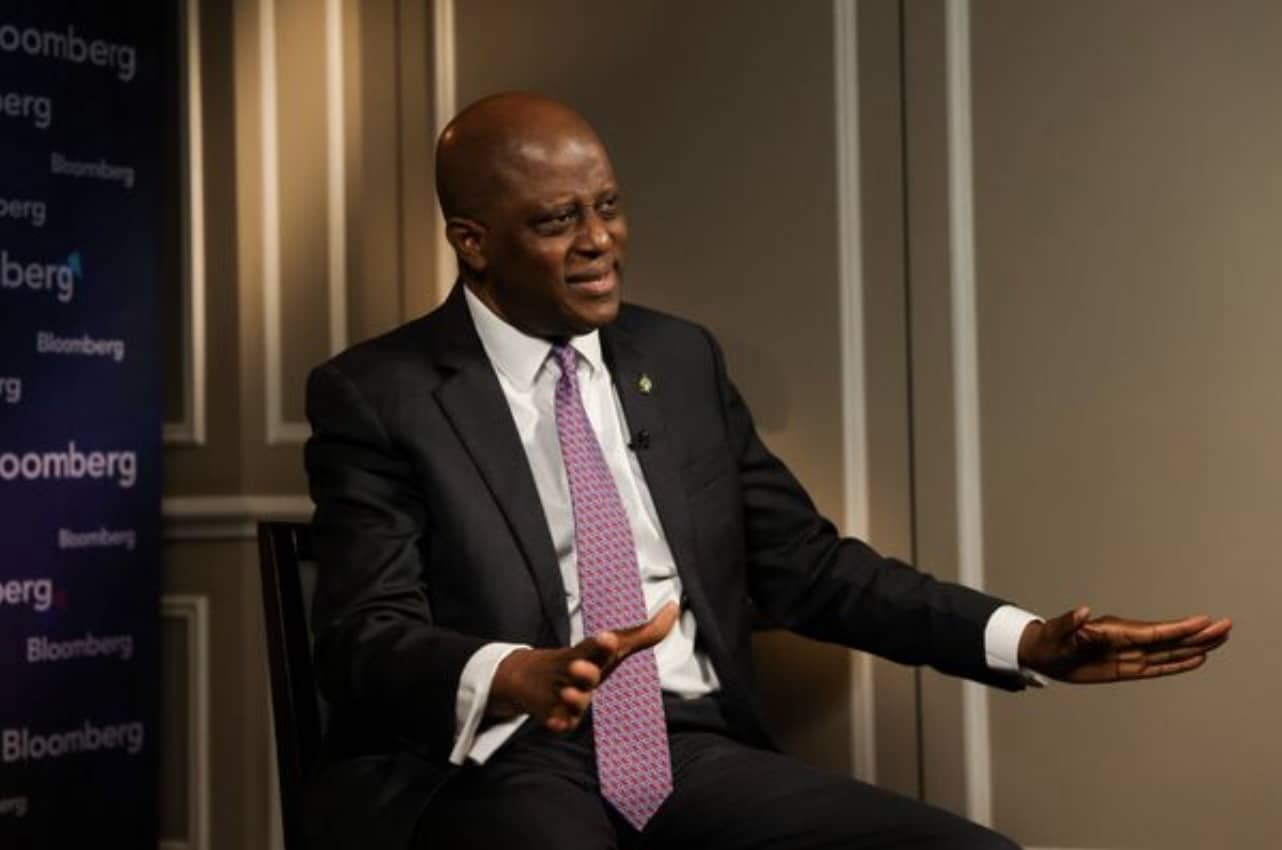
Nigeria’s central bank has ordered all payment transaction data to be stored locally by 2027, tightening oversight of a fast-growing digital payments sector central to millions of Nigerians’ daily lives.
Nigeria’s foreign reserves hit $50.11 billion, a 17-year high, fueled by oil gains, remittances, and FX reforms—but analysts warn the rebound may hinge on fragile global conditions.
Nigeria’s economy looks better on paper. Inflation is falling, the naira is steadier, and reserves have hit a 17-year high. But lower inflation does not mean lower prices — and for millions of Nigerians, the recovery has yet to arrive.
After decades of state-led development, Ethiopia is liberalising under Abiy Ahmed. But critics believe the prime minister’s policies may be leaving out its most vulneable.
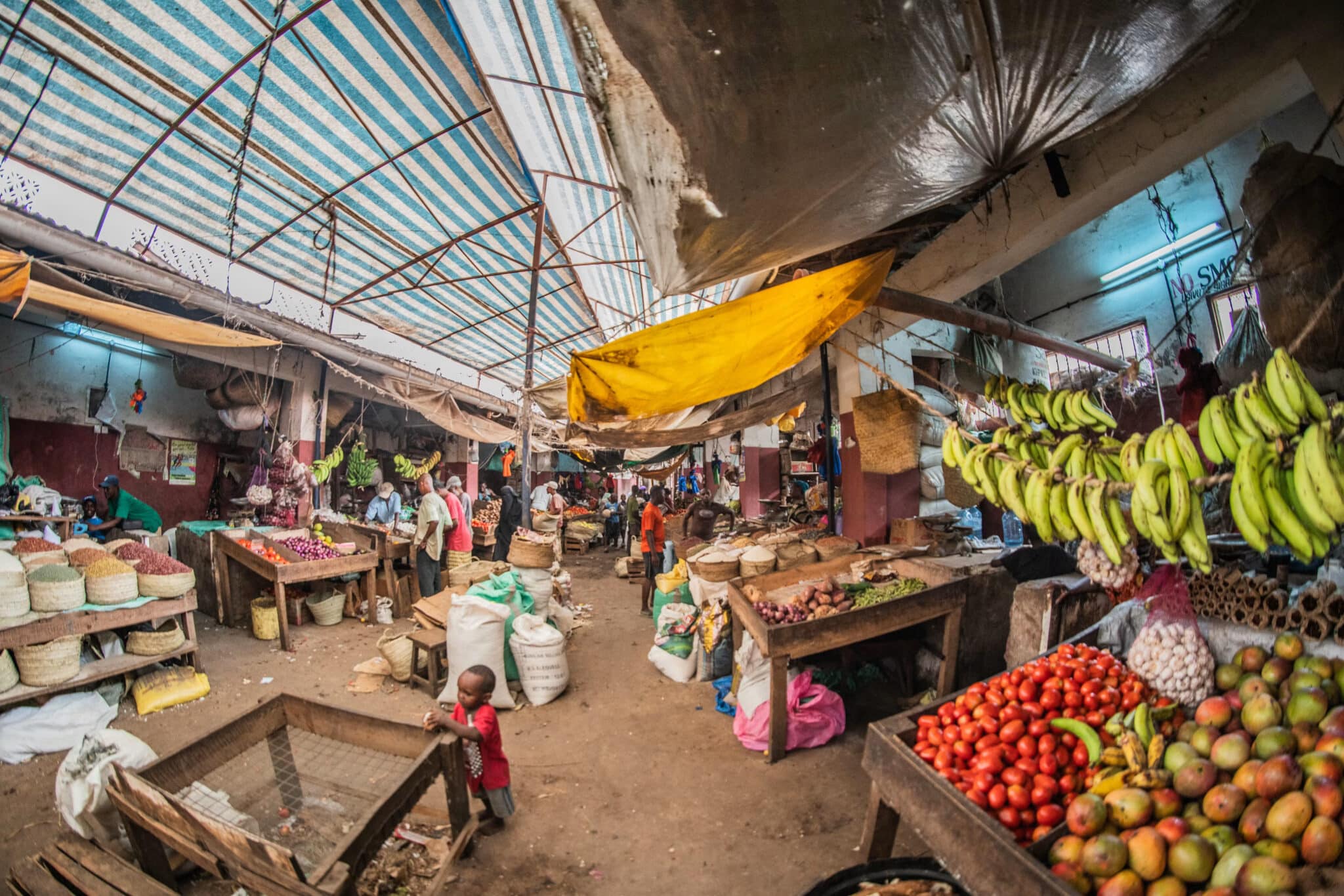
Africa’s fuel import dependency makes it acutely vulnerable to Hormuzflation. With 29 currencies weakening and food transported almost entirely by road, oil price surges hit hardest in South Africa, Nigeria, Ghana, and Kenya — where inflation and debt collide.
Ethiopia’s government expects its total spending to rise sharply in the next fiscal year, with the Iran war identified as the primary reason for the increase.
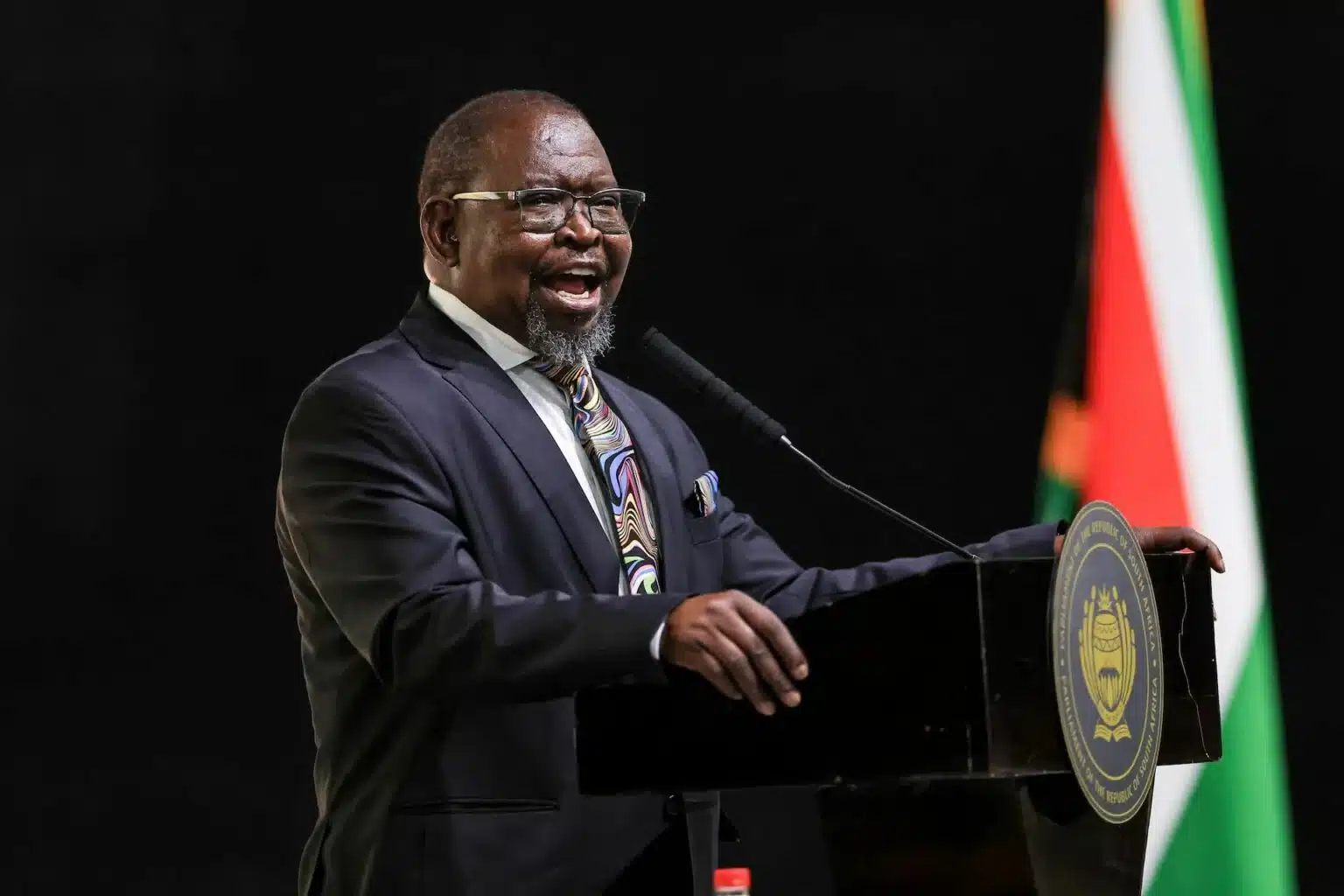
South Africa imports nearly all of its fuel. When oil prices rise, the rand takes the first hit. With Brent crude still elevated, the pressure on the currency may be far from over.
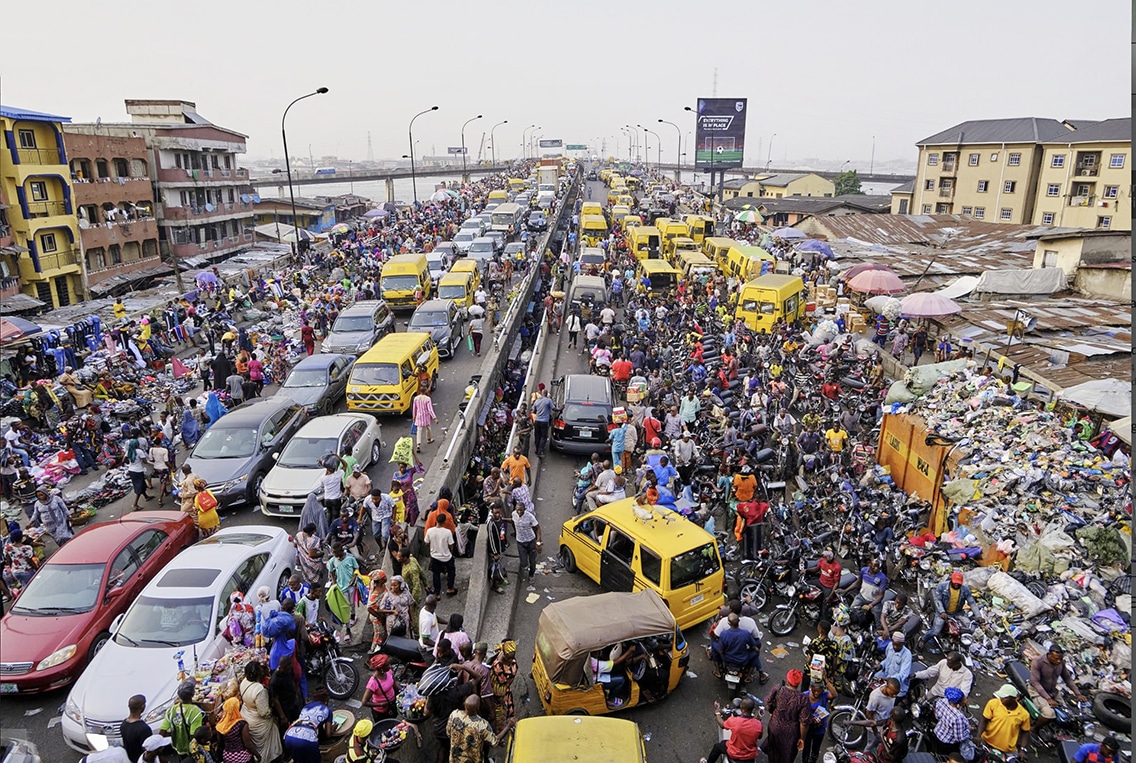
Nigeria’s latest GDP figures tell a dual story of growth and a worsening cost of living crisis. While economic output is rising, the living conditions of the average citizen have yet to improve, according to the latest data.
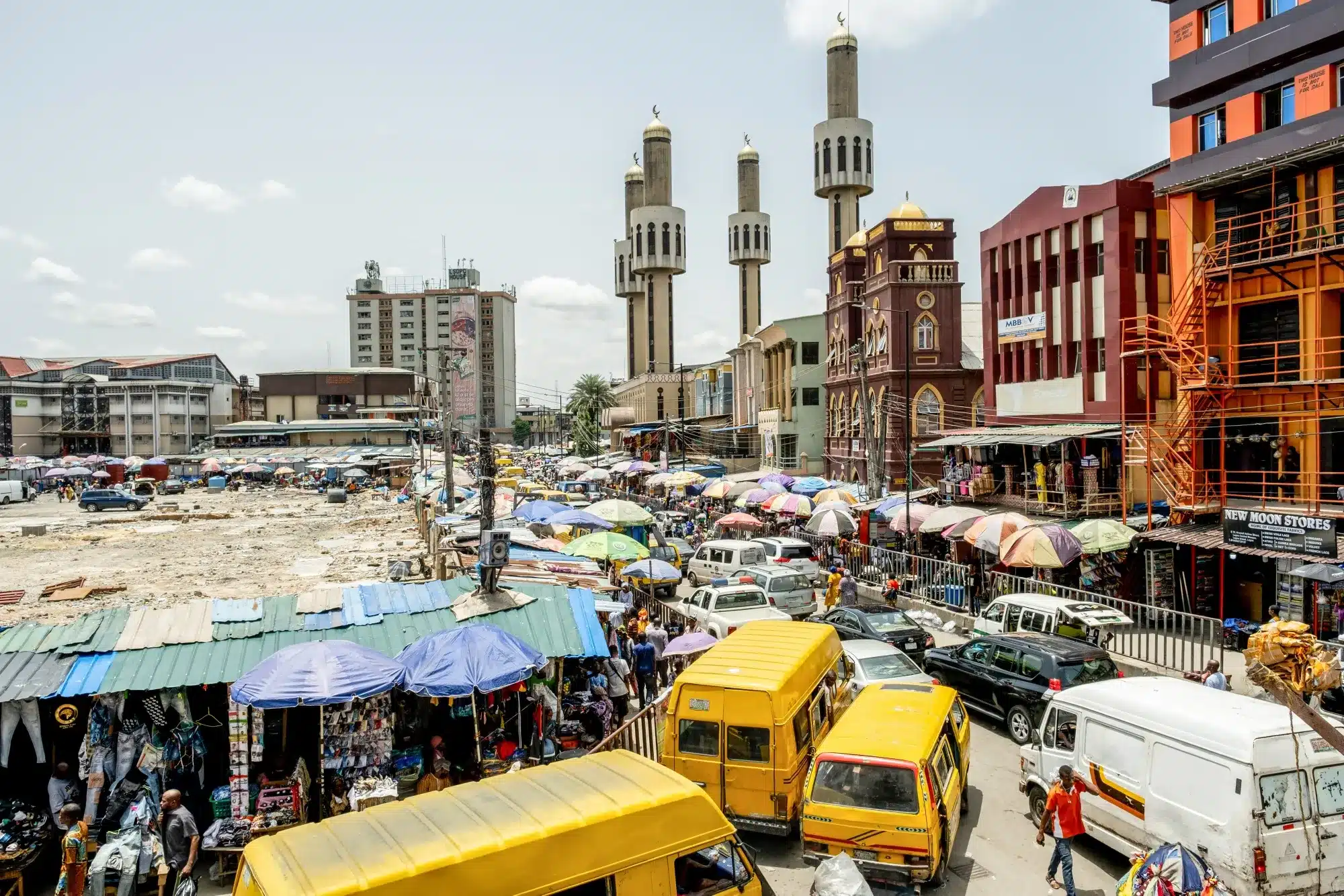
Nigeria’s revenue collection has tripled in nearly three years. The nation’s reserves hit a 13-year high this June. Yet two in three Nigerians live in extreme poverty. The same forces building government wealth seem to be keeping household poor
French pay-TV group Canal+ began trading on the Johannesburg Stock Exchange on Wednesday, becoming the first French company ever to list on South Africa’s bourse.
The World Bank’s private investment arm, International Finance Corporation (IFC), is considering backing a new $500 million pan-African growth equity fund managed by a Rwandan-headquartered firm.
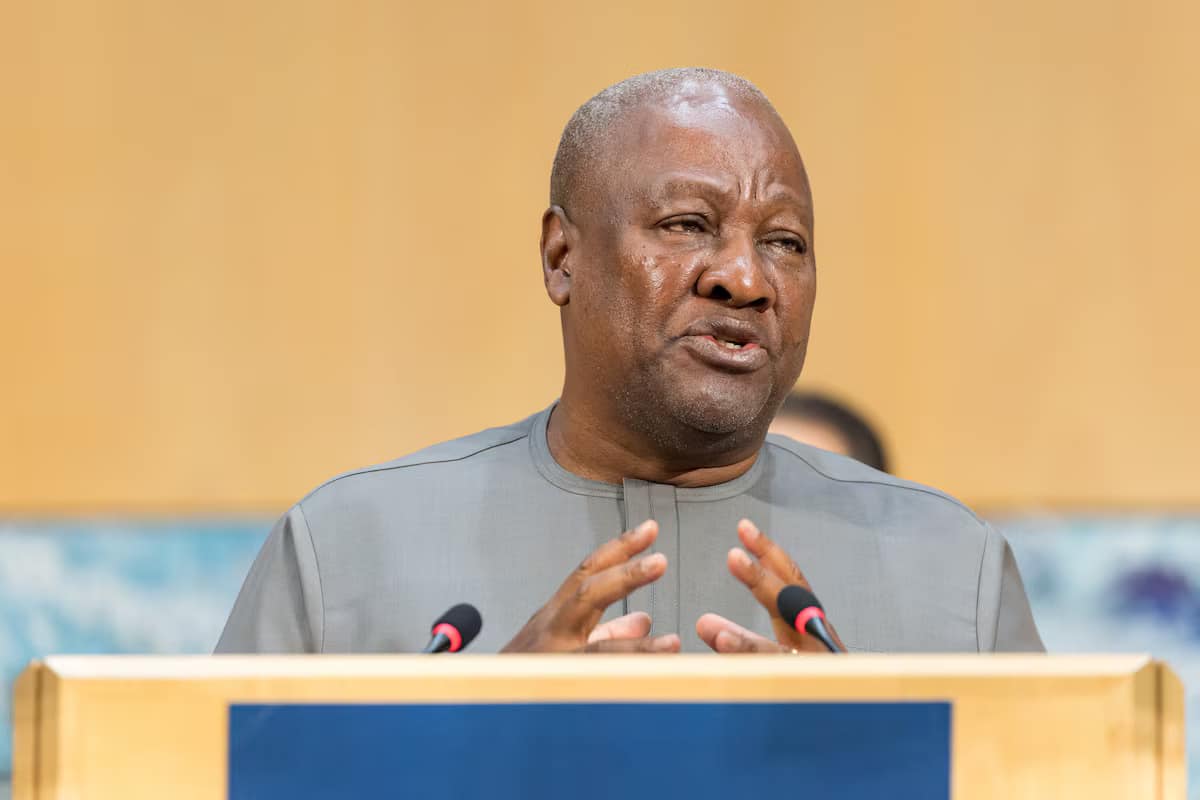
Ghana’s annual inflation rate rose for the second straight month in May, as rising energy costs linked to the Iran war added fresh pressure on prices in an economy that had been on a strong recovery path.
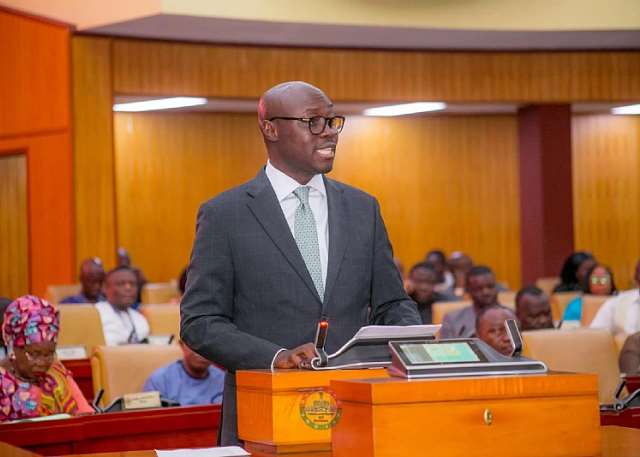
West African country, Ghana, recorded nearly $8 billion in foreign remittances last year, its Finance Minister announced on Sunday in London.

