
Download CPick – Color Picker, Palette Builder & CSS Tool
CPick ist ein praktischer Farbwähler, der über die Grundlagen hinausgeht, indem er Werkzeuge zur Palettenerstellung, CSS‑Stylesheet‑Generierung und eine Reihe von Schiebereglern für die Echtzeit‑Farbanpassung bietet. Egal, ob Sie Webdesigner, Grafikartist oder einfach jemand sind, der den genauen Farbton eines Bildschirmelements kopieren möchte – CPick liefert präzise Hex‑, Dezimal‑, RGB‑, CMYK‑ und HSV‑Codes in einem leichten, kostenlos herunterladbaren Paket. Die intuitive Benutzeroberfläche wirkt zwar etwas klassisch, doch die Funktionalität ist modern, was sie zu einem zuverlässigen Begleiter für den täglichen kreativen Workflow unter Windows, macOS und sogar Android‑Tablets via emulierter Version macht.
Core Features and What Sets CPick Apart
- Multi‑format color output: hex, decimal, RGB, CMYK, HSV.
- Live sliders for hue, saturation, brightness, and opacity.
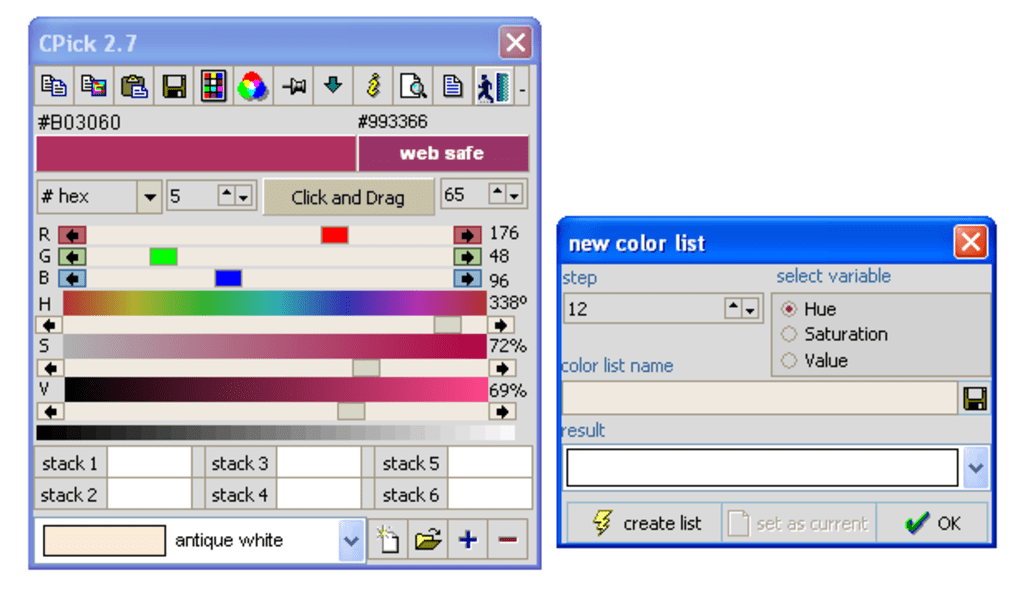
- Palette manager – create, name, and save unlimited color lists.
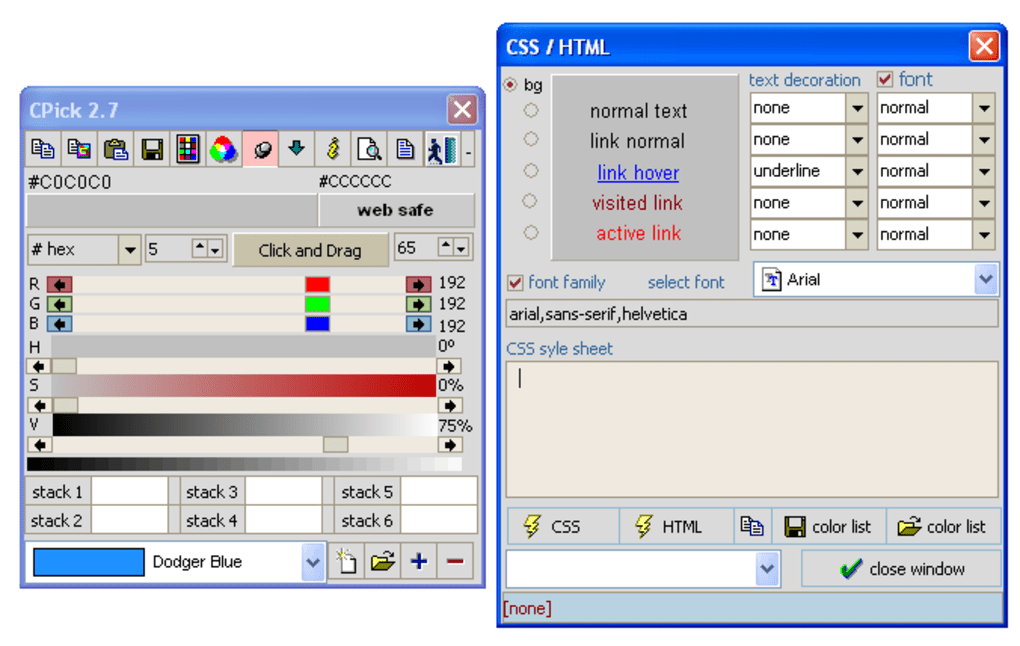
- One‑click CSS stylesheet generation for web projects.
- Zoomed‑pixel view for pinpoint accuracy when picking colors.
- Clipboard integration – instant copy of selected code.
- Lightweight executable (< 2 MB) that runs without admin rights.
- Free updates with optional premium extensions for advanced color theory tools.
Installation & First‑Time Use – A Step‑by‑Step Guide
Getting CPick up and running is straightforward. Begin by downloading the installer from the official website. The file is a standard .exe for Windows or a .dmg for macOS. After the download completes, run the installer; the wizard will guide you through the usual steps—accept the license agreement, choose an installation folder (the default works for most users), and click “Install.” Because CPick is designed to be low‑impact, it does not require additional runtimes or frameworks, making the installation process finish in under a minute on most machines.
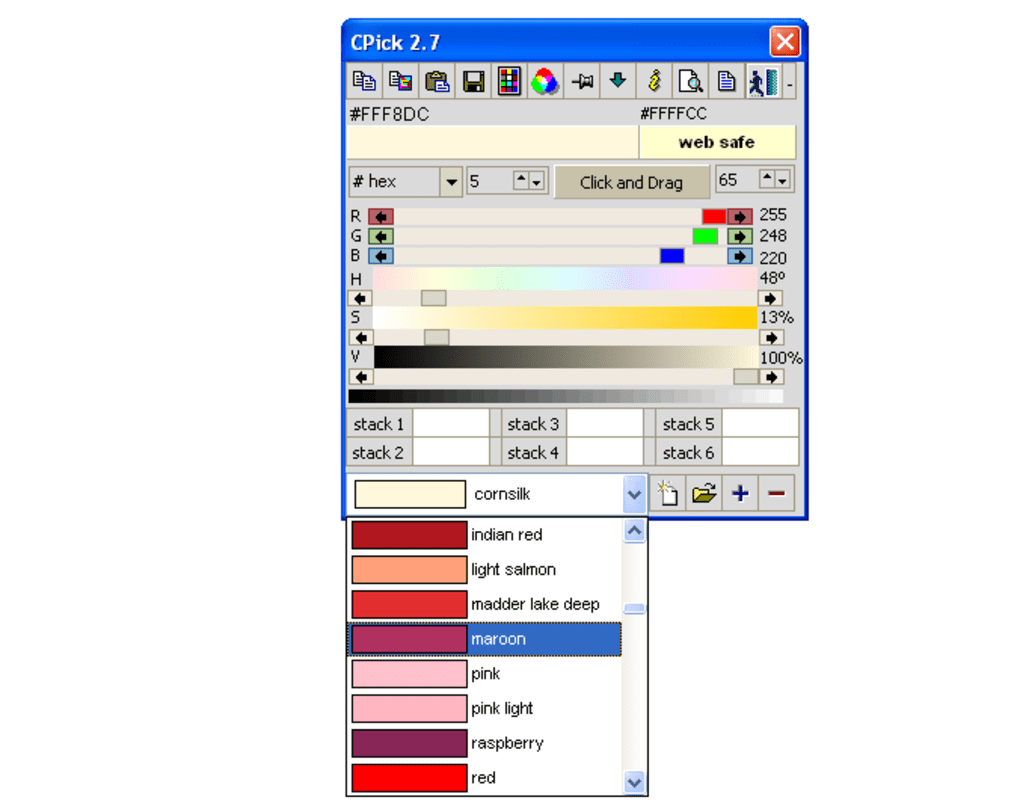
Once installed, launch CPick from the desktop shortcut or start menu. The main window displays a large color preview square, a set of numeric fields for each supported format, and a row of sliders beneath. To pick a color, click the “Eye Dropper” icon and then move your cursor over any pixel on the screen. CPick captures the exact color under the cursor and instantly fills the numeric fields with the corresponding codes. You can then click the “Copy” button next to any format to send the value to your clipboard.
Creating a palette is as easy as pressing the “Add to Palette” button after picking a color. The palette panel opens on the right side, showing swatches with their hex values. Double‑click a swatch to edit its name, drag to reorder, or right‑click to delete. When you’re ready to export, hit “Export CSS,” choose a file location, and CPick writes a ready‑to‑use stylesheet containing class definitions for each color. The entire workflow—from pick to export—takes less than thirty seconds, which dramatically speeds up design hand‑offs and reduces the chance of manual transcription errors.
Compatibility, Pros & Cons – Who Should Use CPick?
Supported Platforms: Windows 10/11 (64‑bit), macOS 10.13+ (Intel & Apple Silicon via Rosetta 2), and limited Android support through an unofficial wrapper. The application runs smoothly on low‑end laptops and can be used alongside other design tools such as Adobe Illustrator, Photoshop, Sketch, and Figma without conflict.
Pros
- Free, lightweight, and fast – ideal for quick color checks.
- Comprehensive output formats cover most industry standards.
- Built‑in palette manager reduces reliance on external spreadsheet tools.
- One‑click CSS generation accelerates web development cycles.
- Accurate zoomed‑pixel view improves precision for pixel‑perfect work.
Cons
- Interface looks dated; a modern UI refresh would improve first impressions.
- No native Linux version, though it runs via Wine with limited features.
- Advanced color theory tools (e.g., complementary palette suggestions) are only available in the paid add‑on.
- Android support is unofficial and may require extra configuration.
Frequently Asked Questions
Can CPick pick colors from video or animated content?
Yes. The eye‑dropper works on any visible screen element, including frames of video, animated GIFs, or dynamic UI components. Just pause the video if needed, then activate the picker.
Is there a way to sync palettes across multiple devices?
CPick does not include built‑in cloud sync, but you can export your palette as a JSON file and import it on another machine. Future updates may introduce native cloud storage.
How does CPick handle high‑DPI (Retina) displays?
The application automatically detects screen scaling and provides accurate color values even on Retina or 4K monitors. The zoomed view adjusts to maintain pixel‑level precision.
Can I use CPick for accessibility testing (e.g., checking contrast ratios)?
While CPick itself does not calculate contrast ratios, you can copy the RGB or hex values into any online contrast‑checker. The fast copy feature makes this workflow seamless.
Is there a paid version that adds more advanced features?
Yes. CPick offers a premium add‑on that includes color harmony generators, palette export to Adobe Swatch Exchange (ASE), and a darker UI theme. The add‑on is priced at $9.99 per year.
Conclusion – Should You Download CPick?
CPick strikes a rare balance between simplicity and depth. Its core color‑picking engine is rock‑solid, delivering instant hex, RGB, CMYK, and HSV values with a level of accuracy that satisfies both casual users and seasoned designers. The added palette manager and one‑click CSS generator turn a basic utility into a mini‑workflow hub, saving time that would otherwise be spent toggling between separate tools or manually writing style sheets.
The only noticeable drawback is the modest visual design, which feels a little nostalgic compared to the sleek, flat aesthetics of newer apps. However, the functional strengths far outweigh this cosmetic issue, especially for users who prioritize speed and reliability over eye candy. If you need a free, secure color picker that works on Windows and macOS, supports multiple color models, and helps you build reusable palettes, CPick is a solid download. Click the button below to get the latest version, and start turning screen colors into usable code instantly.
Pros: Free, fast, multi‑format output, palette manager, CSS export.
Cons: Dated UI, no native Linux, premium features behind paywall.