
Download DigiKam – Free Photo Organizer, Image Cataloguer, and Viewer
Overview
DigiKam is a powerful, open‑source photo management solution that lets both amateurs and professionals organize, tag, and edit large image collections with ease. Built on the GPL license, DigiKam provides a feature‑rich environment without the price tag that typically comes with commercial design and photography software. Since its introduction to the catalog in 2011, DigiKam has amassed nearly 30,000 downloads, indicating a strong global user base across Turkey, the United States, and India. The current stable release, version 1.7.0, was last updated on June 17 2011 and runs smoothly on Windows XP and earlier versions, making it an ideal choice for users with older hardware. Its lightweight footprint means it consumes far less disk space than many competing photo cataloguers, allowing you to keep your system lean while still enjoying robust tools for sorting, searching, and enhancing your pictures. Multilingual support includes English, Spanish, and German, ensuring that language barriers do not impede workflow. Whether you’re a hobbyist looking to tidy up vacation snapshots or a professional photographer needing precise metadata control, DigiKam offers a secure, free, and regularly updated platform for all your imaging needs.
Key Features
- Advanced Tagging & Metadata Management: Supports EXIF, IPTC, XMP, and custom tags, allowing precise categorisation and easy search.
- Batch Processing: Apply renaming, conversion, watermarking, or colour correction to hundreds of images in a single operation.
- Powerful Search Engine: Combine tag, date, rating, and keyword filters to locate specific photos instantly.
- Non‑Destructive Editing: Edit images with tools like curves, levels, and colour balance without altering the original file.
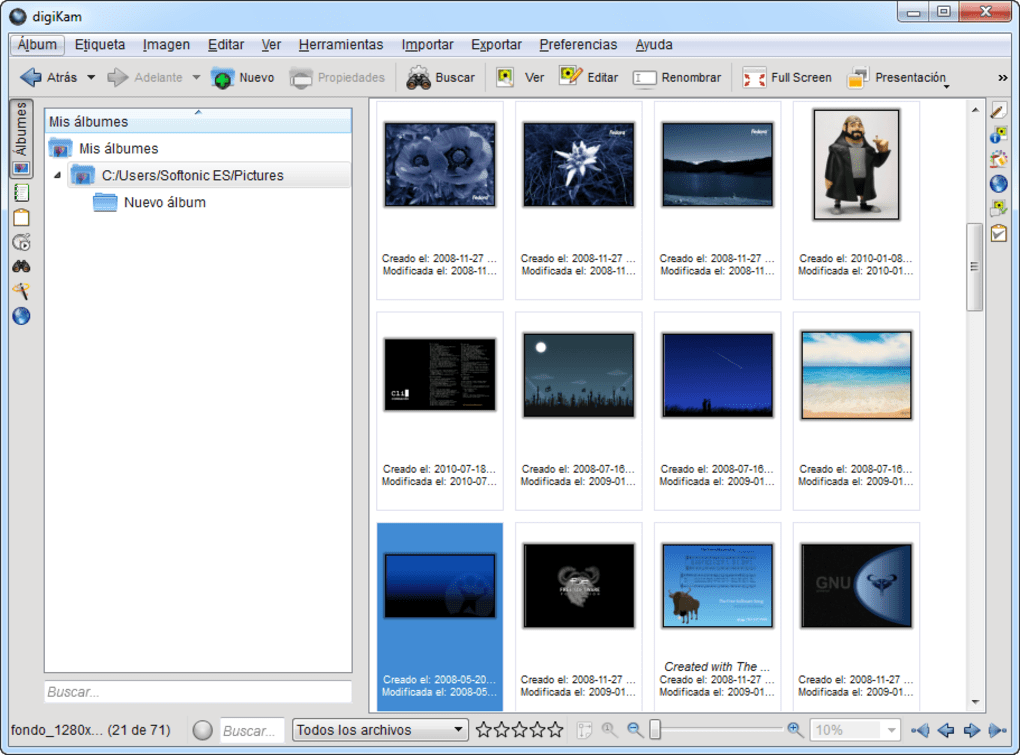
- Album & Collection Views: Organise photos into hierarchical albums, smart collections, or calendar‑based views.
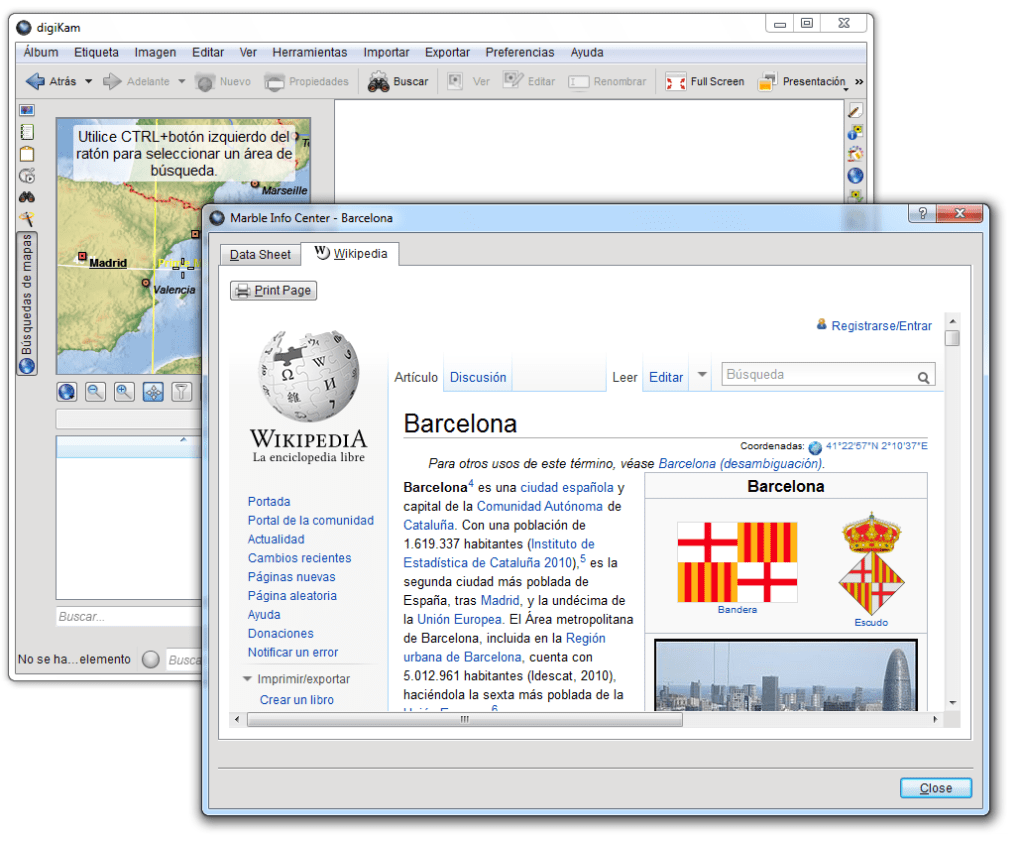
- Geolocation Support: Map your pictures using GPS data and add location tags manually when needed.
- RAW File Compatibility: Open and process raw files from most major camera manufacturers.
- Plug‑in Architecture: Extend functionality with community‑developed plug‑ins for face recognition, facial tagging, and more.
- Multi‑Platform Potential: While this review focuses on the Windows version, DigiKam also runs on Linux and macOS, offering cross‑platform consistency.
- Secure Updates: The development team provides signed updates, ensuring that the software you download remains trustworthy.
Installation, Usage, and Compatibility
Step‑by‑Step Installation
1. Download the Installer: Click the “Download DigiKam” button on the official site or trusted software repository. The installer is a small .exe file, typically under 100 MB, which makes the download quick even on slower connections.
2. Run as Administrator: Right‑click the file and select “Run as administrator” to grant the necessary permissions for creating program files and registry entries.
3. Follow the Wizard: The setup wizard guides you through language selection, license agreement, and destination folder. By default, DigiKam installs to C:\Program Files\DigiKam, but you can choose any location with sufficient space.
4. Component Selection: You may opt to install optional components such as the database engine (SQLite) or additional language packs. For most users, the default selection works perfectly.
5. Finish & Launch: After installation, the wizard offers to launch DigiKam immediately. Accept this to start configuring your photo library.
First‑Time Configuration
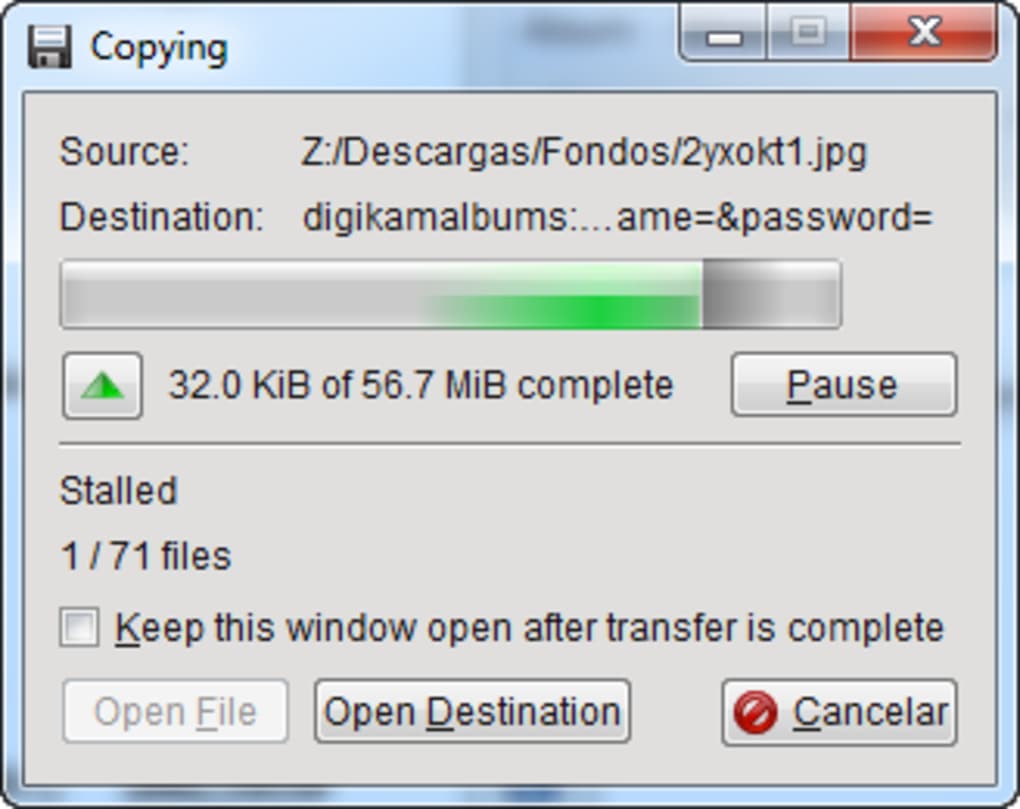
Upon first launch, DigiKam asks you to create a new collection. Point the application to the folder where your images are stored. DigiKam will scan the directory, read metadata, and generate thumbnail caches. This process may take several minutes for large libraries, but it is essential for the rapid browsing experience later on. You can also import images from external devices such as cameras, memory cards, or smartphones directly via the “Import” wizard, which automatically creates dated albums.
Operating System Compatibility
DigiKam’s Windows build is compatible with Windows XP, Windows Vista, and Windows 7. While the software can run on later versions (Windows 8/10/11) using compatibility mode, the official support focuses on the older platforms, making it a reliable choice for legacy machines. The application requires a minimum of 512 MB RAM and 200 MB of free disk space for the program itself, plus additional space for thumbnail caches (recommended 2 GB for libraries exceeding 10,000 images). No special GPU is needed; DigiKam relies on the CPU for most processing tasks, which ensures broad hardware compatibility.
Everyday Usage Tips
• Use Smart Albums: Define rules such as “rating ≥ 4” or “tag = Vacation” to automatically group photos.
• Keyboard Shortcuts: Familiarise yourself with shortcuts like Ctrl+F for search, Ctrl+E for edit, and Del to move images to the recycle bin.
• Regular Backups: DigiKam stores its database in the .digikam folder. Back this up alongside your image files to prevent data loss.
• Leverage Plug‑ins: Install community plug‑ins for facial recognition or AI‑based tagging to boost productivity.
• Stay Updated: Periodically check the “Check for Updates” menu item to download the latest security patches and feature enhancements.
Pros, Cons, and Frequently Asked Questions
Pros
- Completely free and open‑source – no hidden fees.
- Rich metadata handling that rivals premium cataloguers.
- Lightweight installer and low system requirements.
- Robust batch processing for large libraries.
- Active community support and regular security updates.
Cons
- Interface feels dated compared to modern commercial tools.
- Official support primarily targets older Windows versions.
- Steeper learning curve for beginners unfamiliar with metadata concepts.
- Lack of built‑in cloud synchronization; external services required.
- Some advanced editing features are limited compared to dedicated editors.
FAQ
Is DigiKam truly free for commercial use?
Yes. DigiKam is released under the GNU General Public License (GPL), which permits both personal and commercial use at no cost, provided you comply with the license terms.
Can DigiKam handle RAW files from my DSLR?
Absolutely. DigiKam includes native support for most RAW formats, allowing you to view, organise, and perform non‑destructive edits without converting to JPEG first.
How does DigiKam store its database?
The application uses an SQLite database by default, saved in the .digikam folder within your user profile. Advanced users can switch to MySQL for larger installations.
Is there a way to sync DigiKam with cloud services?
While DigiKam does not include native cloud sync, you can point the library folder to a cloud‑synced directory (e.g., OneDrive or Dropbox) or use third‑party scripts to automate backups.
Can I import photos directly from my smartphone?
Yes. Connect your Android or iOS device via USB, and DigiKam’s import wizard will detect the device, allowing you to copy images into your chosen album structure.
Conclusion & Call to Action
DigiKam stands out as a free, secure, and feature‑rich photo cataloguing solution that appeals to both hobbyists and professionals. Its extensive metadata support, batch processing capabilities, and lightweight footprint make it a compelling alternative to costly commercial suites. While the user interface may feel a bit nostalgic, the underlying power and flexibility compensate handsomely. For anyone seeking a reliable way to download, organise, and edit large image collections on Windows—especially on older hardware—DigiKam delivers precisely what you need without hidden costs.
Ready to take control of your photo library? Download DigiKam now and start organising your memories like a pro. Remember to check for updates regularly to keep your installation secure and benefit from the latest enhancements.