
Download Diogenes – Classic Latin & Greek Translation Tool
Overview
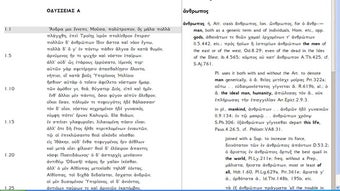
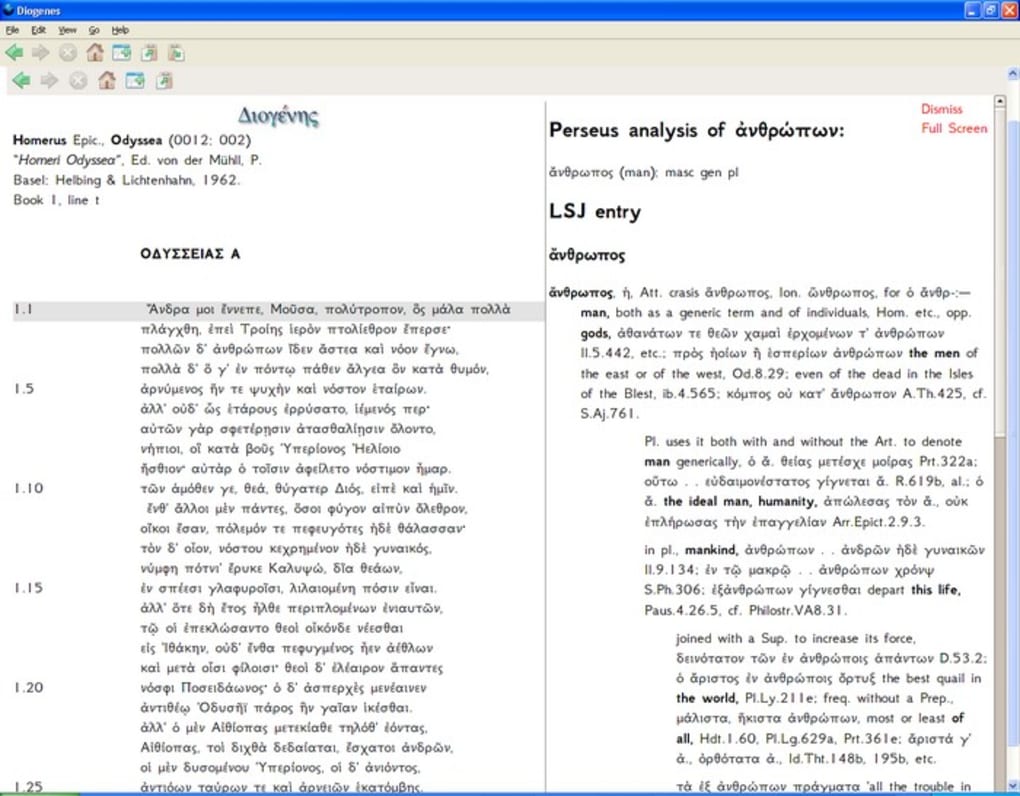
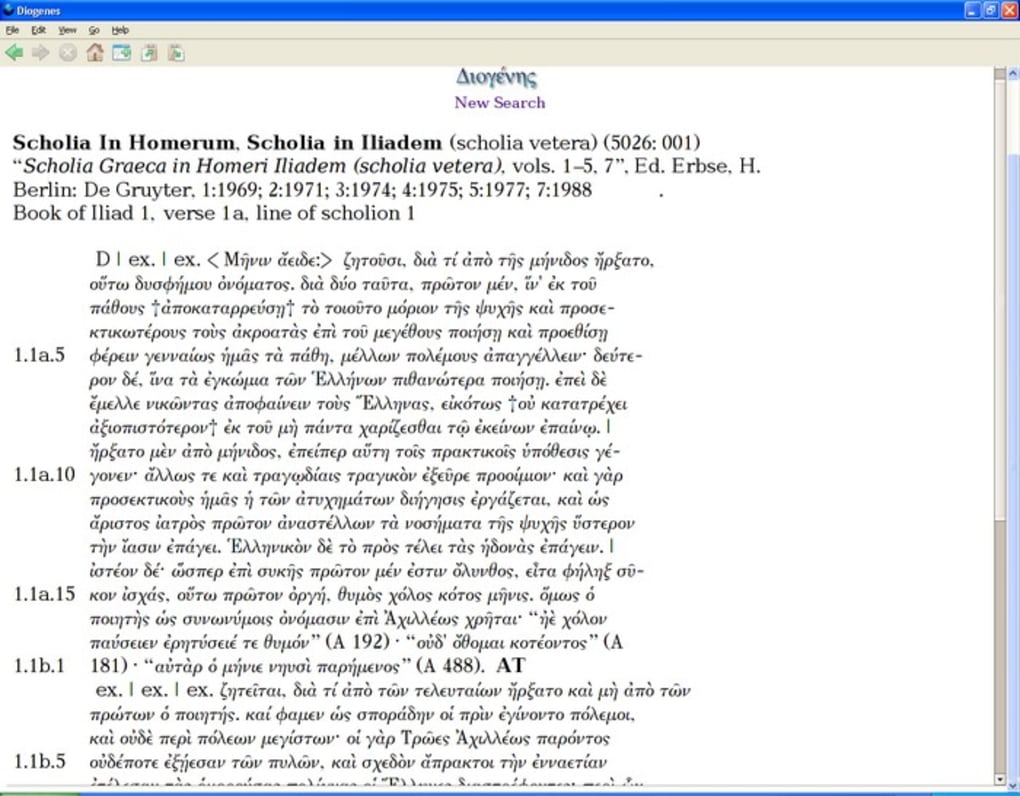
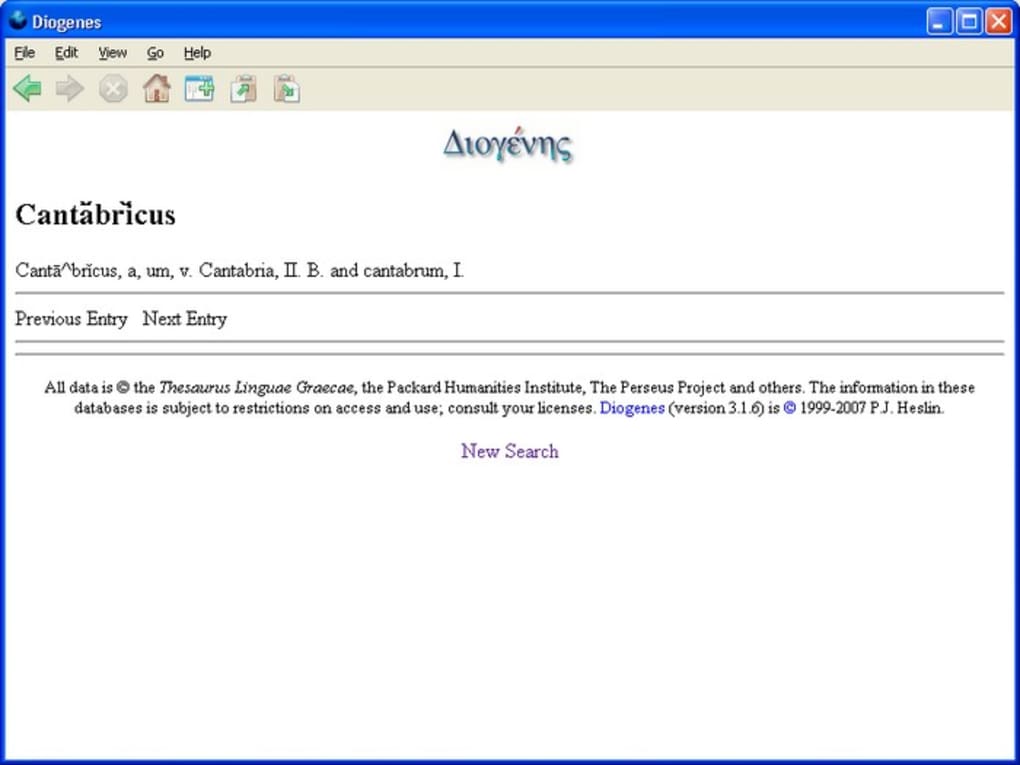
Diogenes — это специализированный помощник‑переводчик, предназначенный для учёных, студентов и энтузиастов классической латыни и греческого. Основанная на авторитетных базах данных Packard Humanities Institute и Thesaurus Linguae Graecae, программа предоставляет мгновенный доступ к огромному количеству лексической информации, включая определения, грамматические замечания и контекстные примеры из оригинальных литературных источников. Будь то расшифровка лаконичной фразы у Цицерона или разбор сложной гомеровской строки, Diogenes выдаёт подробный ответ, часто включающий несколько значений, морфологический разбор и ссылки на первоисточники. Интерфейс преднамеренно минималистичен, позволяя сосредоточиться на тексте, над которым вы работаете, пока инструмент работает тихо в фоновом режиме. Хотя в программном обеспечении отсутствует формальное руководство пользователя, её основная функциональность вращается вокруг трёх основных режимов запросов: простой поиск слова, поиск фразы и морфологический анализ. Каждый режим напрямую обращается к онлайн‑репозиториям, гарантируя, что получаемая информация отражает самое актуальное научное согласие. На практике Diogenes может заменить громоздкие бумажные словари, ускорить процесс ревизии и снизить когнитивную нагрузку, связанную с постоянным перекрёстным поиском. Периодически могут появляться загадочные сообщения об ошибках — обычно когда запрос к серверу истекает по времени или когда запрос превышает синтаксические правила базы данных — но общая надёжность сервиса делает его ценным дополнением к цифровому набору инструментов любого классика.
Key Features and Functionalities
- Dual‑language support: Full access to both Latin and Ancient Greek lexicons.
- Official database integration: Direct queries to the Packard Humanities Institute (PHI) Latin database and the Thesaurus Linguae Graecae (TLG) Greek corpus.
- Rich entry detail: Each result includes definition, part of speech, morphological information, example citations, and relevant scholarly notes.
- Multiple query modes: Simple word lookup, phrase search, and morphological analysis for inflected forms.
- Contextual examples: Real‑world usage drawn from classical authors, enabling users to see how words function in authentic texts.
- Customizable interface: Adjustable font size, dark‑mode option, and resizable result pane for comfortable reading.
- Offline cache: Frequently accessed entries are stored locally, allowing quick retrieval even with intermittent internet connections.
- Export capability: Results can be copied to the clipboard or exported as plain‑text files for integration into research notes.
- Regular updates: The software checks for updates automatically, ensuring that new entries or corrected data are promptly incorporated.
- Secure connection: All communications with PHI and TLG servers are encrypted via HTTPS, safeguarding user queries.
Installation, Setup, and Everyday Use
Step‑by‑Step Installation
Downloading Diogenes is straightforward. Visit the official website, click the “Download for Windows/macOS/Linux” button, and save the installer to your computer. The installer is signed with a valid code‑signing certificate, which means Windows Defender or macOS Gatekeeper will recognize it as safe. Run the installer and follow the on‑screen prompts: accept the license agreement, choose an installation directory (the default is recommended for most users), and allow the program to create a shortcut on the desktop. After the installation completes, launch Diogenes from the shortcut or from the start menu.
Initial Configuration
On first launch, Diogenes asks you to configure your preferred language (Latin or Greek) and to select the default query mode. You can also enable the “offline cache” feature, which stores up to 500 recent entries locally. The program then performs a brief connectivity test to the PHI and TLG servers; if any firewall rules block the connection, Diogenes provides a simple “allow list” that you can copy into your security software. Once the test passes, you are ready to begin translating.
Typical Workflow
To look up a word, simply type it into the search bar and press Enter. Diogenes instantly returns a detailed entry. For inflected forms, switch to the “Morphology” tab, paste the form, and click “Analyze.” The tool will present the lemma, grammatical case, number, tense, mood, and voice, then link to the primary source where the form occurs. If you need to translate a short phrase, select the “Phrase Search” mode, type the phrase, and Diogenes will parse each component, offering a word‑by‑word translation followed by a smooth, idiomatic rendering. The results pane can be split, allowing you to keep the original text on the left and the translation on the right, which is especially handy when working on longer passages. All actions are logged in a temporary history, which you can clear at any time for privacy. The program also supports keyboard shortcuts (e.g., Ctrl + L for Latin lookup, Ctrl + G for Greek) to speed up repetitive tasks.
Compatibility, Pros & Cons, and Expert Review
Supported Platforms: Diogenes runs on Windows 10/11 (64‑bit), macOS 10.15 and later, and major Linux distributions (Ubuntu, Fedora, Debian). A lightweight Java‑based version is also available for Android tablets, while a companion iOS app provides read‑only access to cached entries.
Pros
- Direct access to authoritative Latin and Greek databases ensures scholarly accuracy.
- Rich, contextual entries reduce the need for multiple reference works.
- Offline caching makes the tool usable in low‑bandwidth environments.
- Secure HTTPS communication protects user privacy.
- Regular automatic updates keep the lexical data current.
Cons
- Occasional cryptic server‑error messages can confuse new users.
- Lack of an extensive built‑in tutorial or documentation.
- Interface may feel dated compared with modern SaaS translation platforms.
- Advanced morphological analysis is limited to single‑word forms; multi‑word syntax parsing is not supported.
- Full functionality requires an active internet connection for the latest data.
Overall Assessment: Diogenes delivers a high‑quality, academically rigorous translation experience for Latin and Greek scholars. Its integration with PHI and TLG databases sets it apart from generic dictionary apps, and the detailed entry format makes it a near‑perfect paper‑dictionary replacement. The main drawbacks—sporadic error messages and minimal documentation—are outweighed by the depth of information provided. For anyone serious about classical studies, Diogenes is a worthwhile investment.
Frequently Asked Questions
Can Diogenes be used offline?
Yes. Diogenes caches the most recent 500 entries locally, allowing you to retrieve them without an internet connection. However, new lookups still require online access to the PHI and TLG servers.
Is there a free version of Diogenes?
A 30‑day trial is available for free. After the trial expires, you must purchase a license (USD 29.99 for a single‑user seat) to continue using the full feature set.
How does Diogenes handle ambiguous words?
When a word has multiple senses, Diogenes lists each meaning in order of frequency and provides contextual citations for each. You can click any entry to expand the example sentences and see how ancient authors used the term.
What should I do if I receive a “cryptic database message”?
These messages usually indicate a timeout or an improperly formatted query. Try simplifying the query, checking your internet connection, or restarting the application. If the problem persists, contact support with the exact error code.
Does Diogenes support macOS Big Sur and later?
Yes. The macOS installer is compatible with macOS 10.15 Catalina and all later versions, including Big Sur, Monterey, and Ventura.
Conclusion & Call to Action
Diogenes stands out as a robust, academically‑sound translation assistant for anyone working with classical Latin or Greek texts. Its direct link to the Packard Humanities Institute and the Thesaurus Linguae Graecae ensures that you receive authoritative definitions, nuanced grammatical data, and authentic literary examples—all within a single, secure application. While the occasional cryptic error and the lack of extensive documentation may pose minor hurdles, the depth of information and the convenience of an offline cache more than compensate. If you are looking to replace bulky paper dictionaries, speed up your translation workflow, and access the most reliable classical resources on your desktop or tablet, Diogenes is the tool to download today.
Download Diogenes now and take advantage of the 30‑day free trial. Experience the power of scholarly‑grade translation at your fingertips and join the growing community of classicists who have already upgraded their research toolkit.