

Street Sweeper | Illustration by Izzy
There's usually lots of action in the middle of a Magic turn, above all when combat takes center stage. But the last few steps of a turn tend to fade out quietly: The cleanup step is like a humble janitor that sweeps away extra cards and turns off the “until end of turn” lights once the play is over. Yet the moment you try to go crazy with Emrakul, the World Anew or try to keep a Ancient Adamantoise alive, cleanup's tidy little formality can become the crux of the whole game.
This primer walks through what actually happens during Magic's cleanup step (spoiler: fewer things than you might think). It's all about being careful with a few corner cases so you can spot them before they sting.
If you already know the MTG turn structure but are a bit uneasy about navigating the end of turn on autopilot, keep reading!
What Is the Cleanup Step in MTG?

Ancient Adamantoise | Illustration by Kevin Glint
The cleanup step is the very last step of every Magic turn. Confusing as it may sound, the cleanup actually comes after the end step.
WotC could really have labelled things a bit better in this case, so to make it super clear:
- The ending phase has two steps: The end step, and the cleanup step.
- The end step is the “beginning of the end,” so to speak, and
- The cleanup step is “the end of the end” – the end of the turn for real.
Three effects normally happen during the cleanup step.
First, if you are the active player (if it's your turn) and have more cards in hand than their maximum hand size (usually seven), then you must discard down to that number. So, if you have 10 cards in hand, and your max hand size is seven, you must discard three cards. Discarding cards this way doesn't use the stack.
Then, all damage is removed from all permanents, regardless of who controls them. This includes phased-out permanents. At the same time, all effects that last “until end of turn” and “this turn” come to an end. Nothing here uses the stack, either.
In general, no player receives priority during the cleanup step. But some of the actions above can fire off a triggered ability, as we'll see in a bit, in which case players do get priority to respond to those triggers. When that happens, once the stack is empty and everybody passes priority, another cleanup step begins.
Who Gets Priority During the Cleanup Step?
Under ordinary circumstances, no one gets priority during the cleanup step – not even the active player who has to discard down to hand size. This is one of the very few steps of a game of Magic where the stack is off-limits by default.
But if a triggered ability fires off due to some of the actions taken, players can respond to that trigger. One common example would be discard payoffs that trigger when a player discards a card, like a madness card such as Modern Horizons 3‘s Emrakul, the World Anew, or Tergrid, God of Fright.

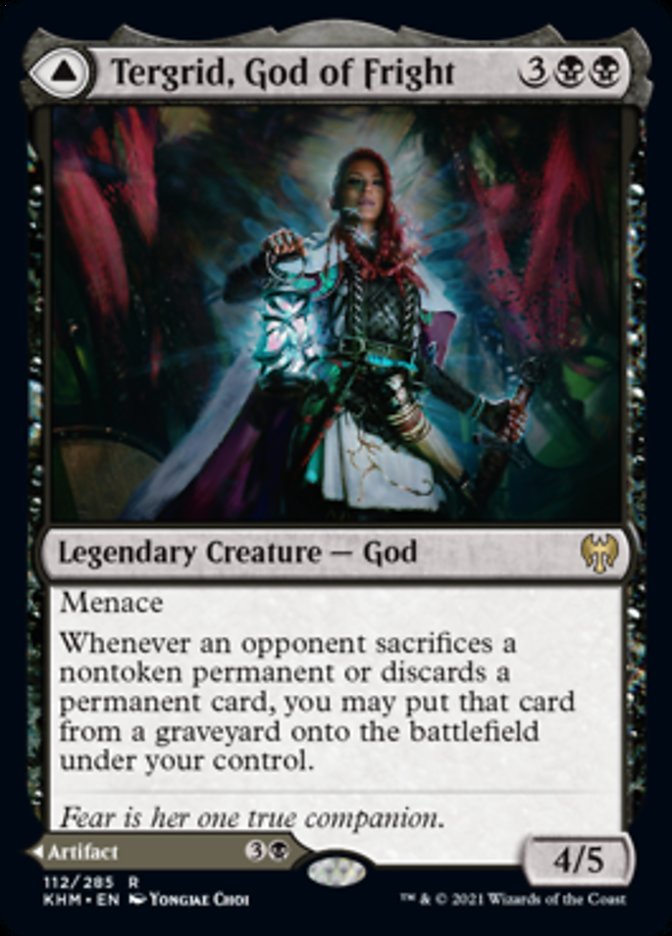
If you have Tergrid, God of Fright in play, and during my cleanup I have 10 cards in hand, then I'll have to discard three cards. That discard action does not itself use the stack – but if I happen to discard a permanent it will trigger your Tergrid. Tergrid's trigger goes onto the stack like any trigger in any step of the game, I'll get priority first (because it's my turn), and then every player will have a chance to respond.
Is the Cleanup Step Before or After “The Beginning of the End Step”?
The cleanup step happens after the end step, and therefore comes after abilities that trigger “at the beginning of the end step.”
WotC could really have worded things better here, but, well, they kinda own the rules. Always remember: The end step is not the real end; that would be the cleanup step, which comes dead last.
When Do You Have to Discard Cards in the End Step?
Normally, you do not have to discard cards during the end step. Discarding to hand size is specifically part of the cleanup step, not the end step.
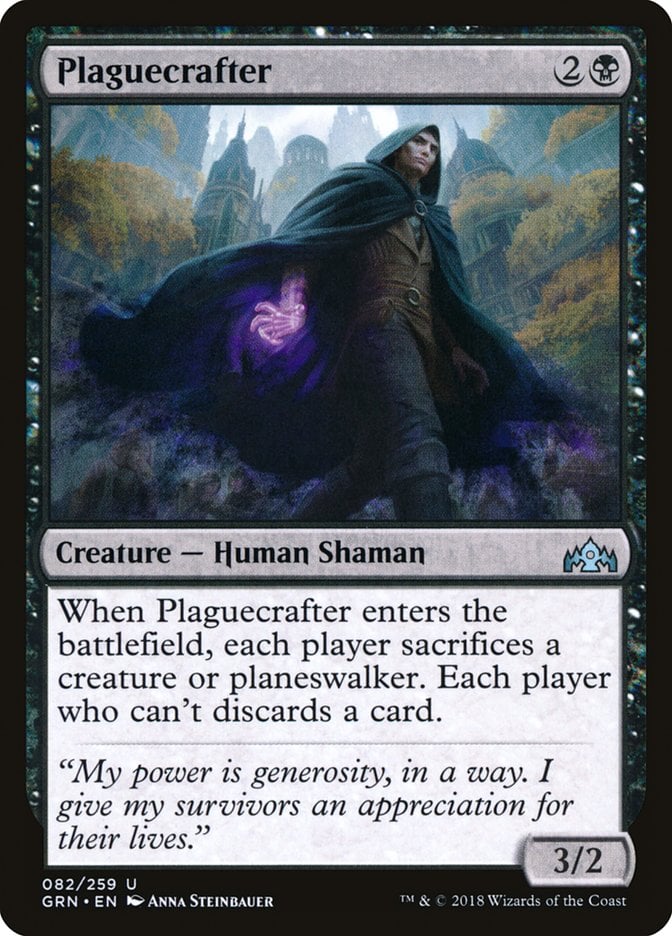
If your opponent happens to play some effect that fires off “at the beginning of the end step” and forces you to discard (like blinking a Plaguecrafter), then yeah, you have to discard during your end step.
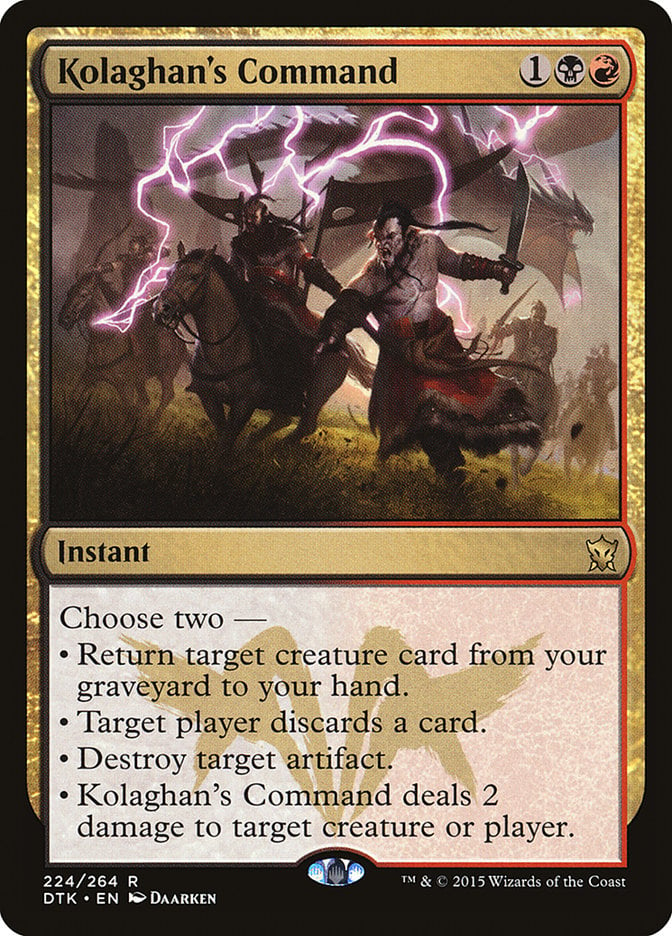
Or they could play an instant like Kolaghan's Command, since players always get priority during the end step, and again force you to discard at this point.
But that's your foe being mean, not the rules being tough! Normally, nobody needs to discard anything during the end step – that's cleanup‘s job!
Do You Discard to Hand Size During Other Players’ Cleanup Steps?
No you don't!
Each player only discards during their own cleanup step (and only if their hand exceeds the maximum hand size, obviously). You do not discard to hand size during another player's turn, regardless of how many cards you’re holding.
You can have 100 cards in hand, no problem, at any time except the cleanup step during your turn.
What Does “Removing Damage Marked on Permanents” Mean?
Damage that’s been marked on creatures during that turn (usually from combat damage, or from noncombat damage like Lightning Bolt) is removed during the cleanup step. This doesn't “heal” the creature in the sense of regenerating it; it simply wipes away the damage, resetting the permanent to its full toughness for future turns.
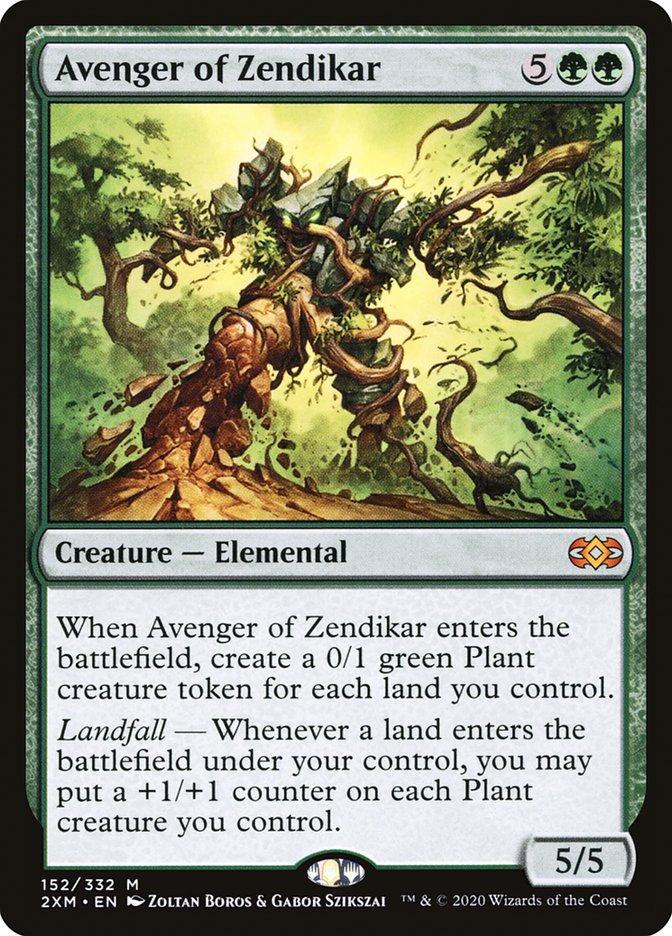
As noted earlier, this slate-cleaning is automatic and doesn't use the stack. For example, if I Lightning Bolt your Avenger of Zendikar, then your 5/5 creature has taken 3 damage; during the cleanup step, my 3 damage will be wiped off your Avenger and it will be restored to a clean, as-good-as-new 5/5. This happens for all permanents, no matter who controls them.
Does Damage Get Removed From Planeswalkers And Battles?
No, it doesn't. It's another thing that Wizards could have labelled better, but the short version is: It only happens to creatures, not battles or planeswalkers.
Longer story: The cleanup step removes marked damage. And, by Magic's rule, marked damage only happens to creatures. The cleanup step does remove all marked damage from all permanents, but that's because marked damage remains on a permanent even if it stops being a creature.
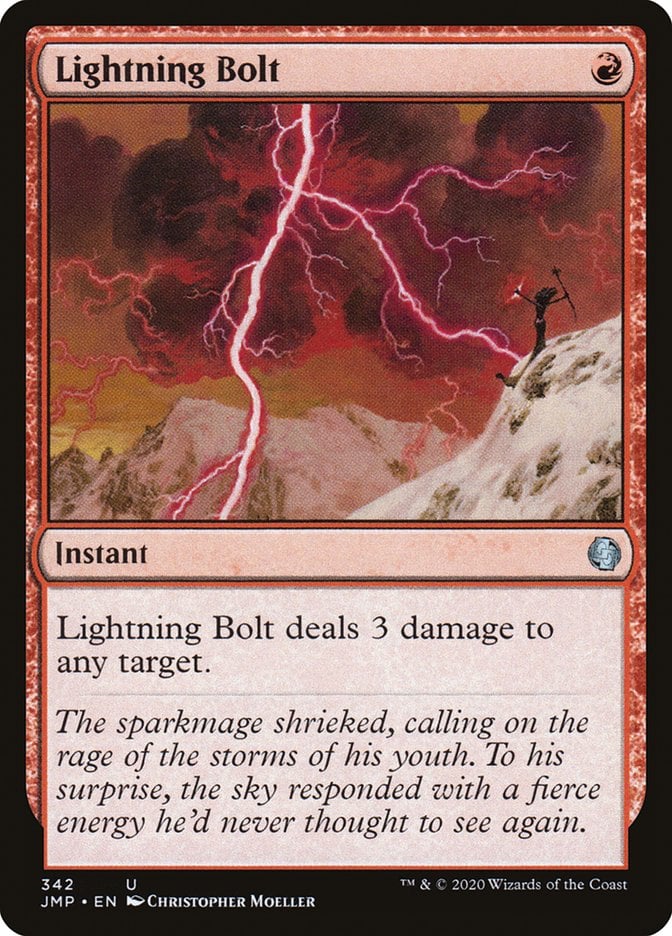

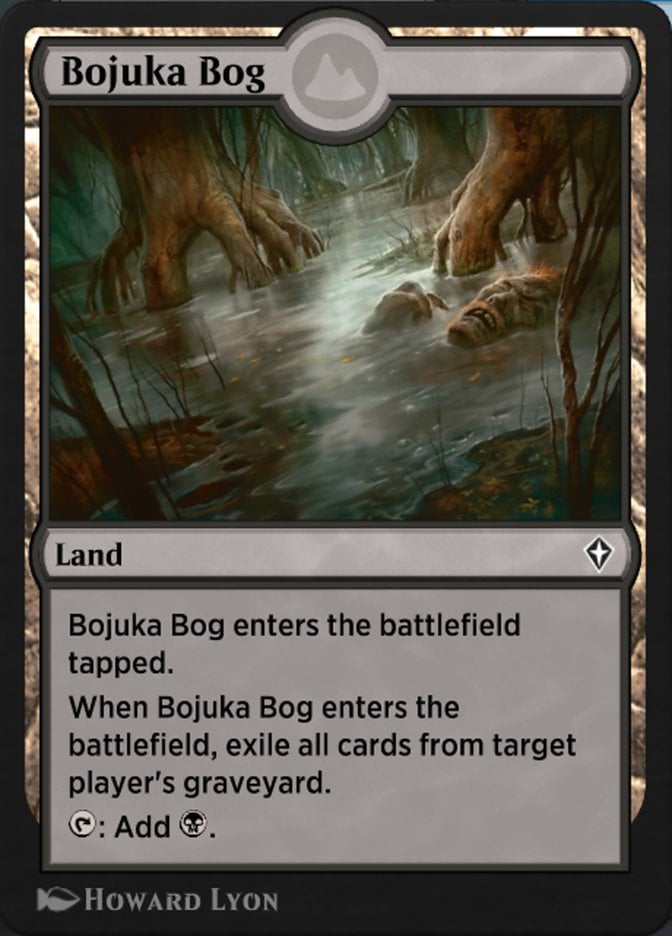
Say you Lightning BoltThe Warring Triad under my control, then Bojuka Bog my graveyard; in that case my Triad won't be a creature, but I still get to remove the marked damage from it by the next cleanup step (which means that my Triad won't be pre-damaged on a following turn if I turn it into a creature again).
Planeswalkers and battles work differently. Damage dealt to a planeswalker is not marked, but rather results in that many loyalty counters being removed from the planeswalkers (it's not “marked damage” according to the MTG rules). Something similar happens to battles: When receiving damage, they lose that many defense counters. Because the damage never gets ‘marked’—it turns into lost loyalty/defense immediately—there’s nothing for the cleanup step to erase.
In other words, neither planeswalkers nor battles recover from damage during the cleanup step.
Can Abilities Trigger During the Cleanup Step?
Yes, abilities can trigger during the cleanup step.
As seen above, actions that happen during the cleanup step (such as discarding a card) can trigger an ability like that of Tergrid, God of Fright.
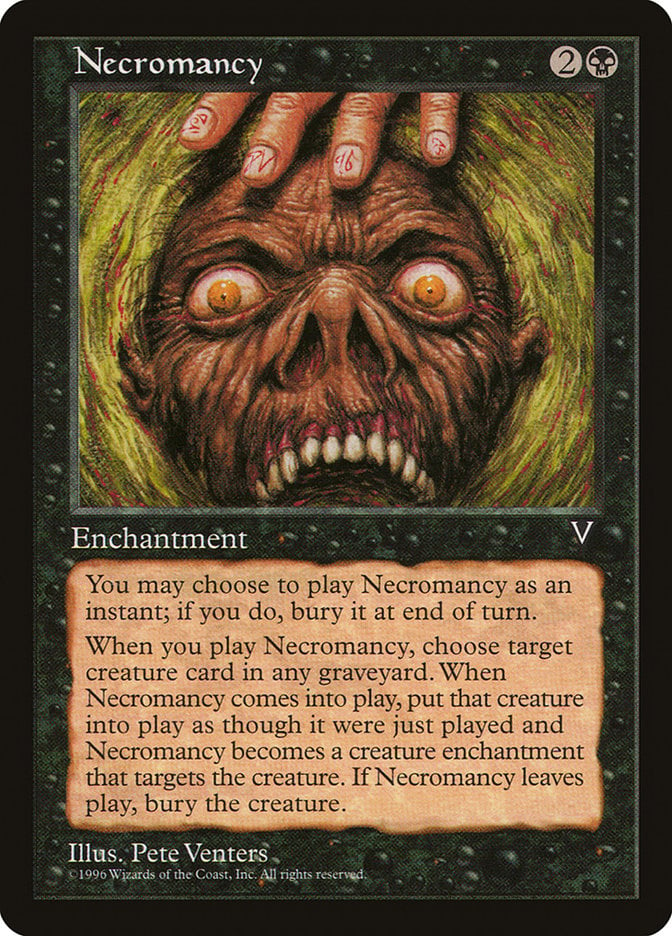
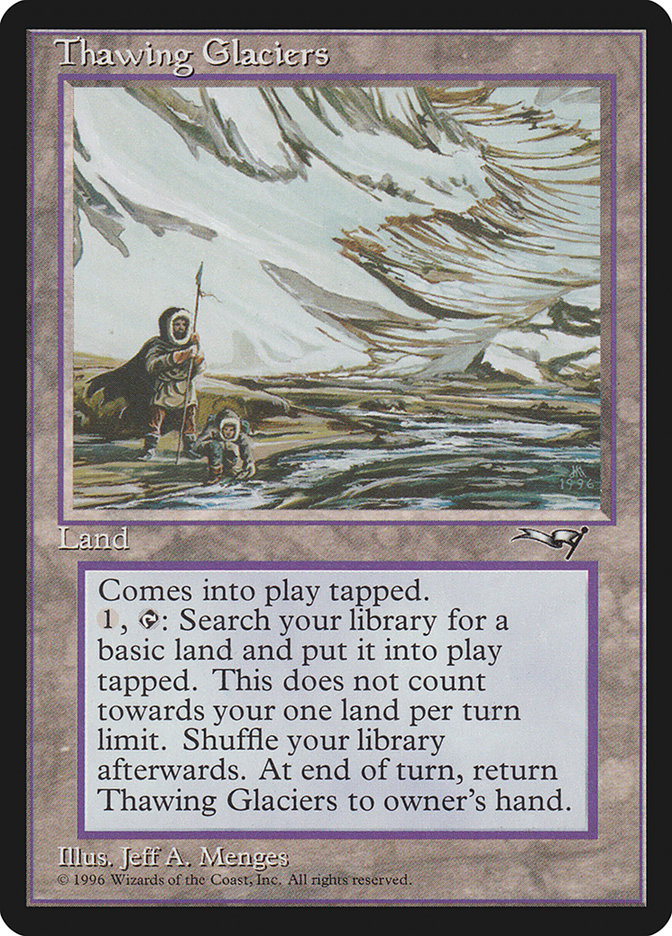
There are also a handful of cards with triggered abilities that specifically fire off “at the beginning of the next cleanup step,” like Necromancy or Thawing Glaciers.
Can Players Respond to Triggers During the Cleanup Step?
Yes, they can.
If a trigger happens during cleanup, then players are given priority (starting with the active player) and the stack is used as usual. Players can also react to other abilities or spells put on the stack as response to the first trigger.
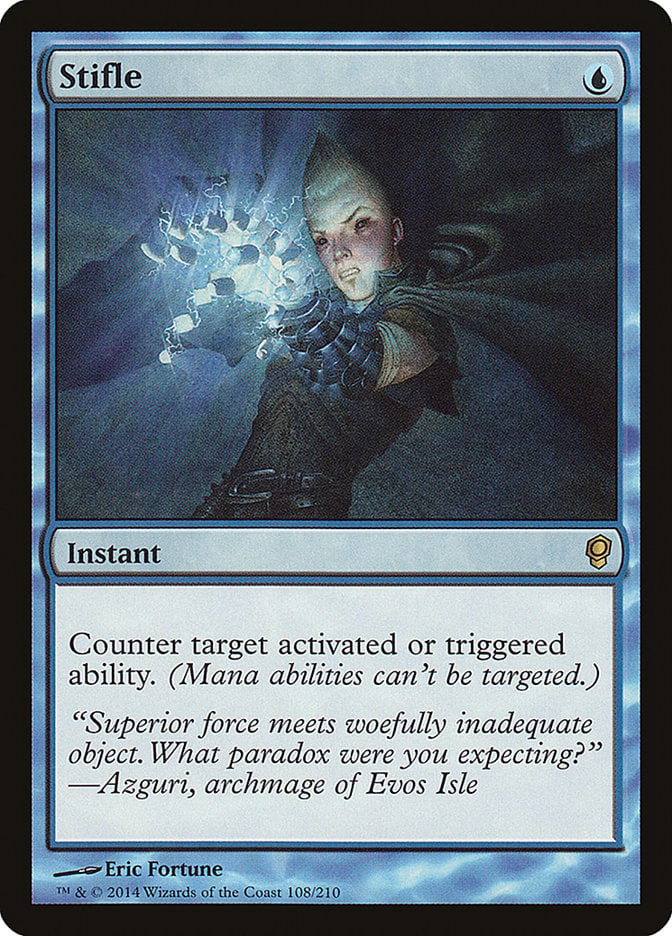
Let’s say you discard Emrakul, the World Anew during your cleanup step because you have more than seven cards in hand. If you do this, Emrakul's madness ability will trigger, and this trigger goes onto the stack. If I have a Stifle, I can respond to that trigger.
But let's say I don't have a stifling effect; when Emrakul's madness trigger resolves, you get the option to cast it. If you do, then you put it onto the stack as with casting any spell.
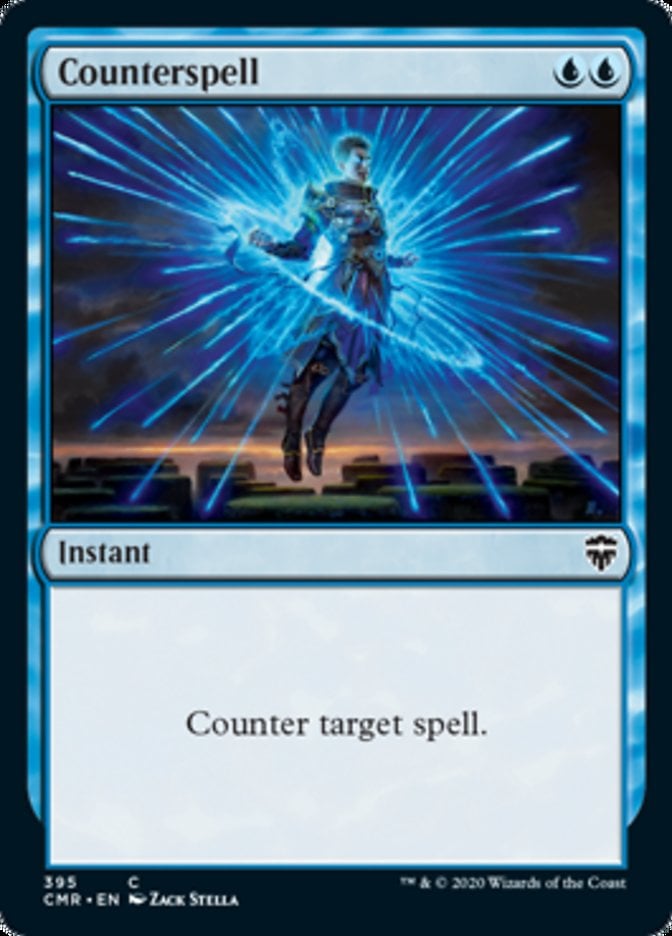
Since Emrakul is now a spell on the stack, I can respond with Counterspell.
In other words: Nobody gets priority during the cleanup step unless a triggered ability fires off at that point. If that happens, we can keep using the stack and reacting to anything on it (not just the initial trigger) as normal.
Once all actions are resolved, the stack is empty, and no further state-based actions or triggers occur, this cleanup step ends and a new cleanup step begins. This can repeat indefinitely until no triggers happen; that's the “for real this time!” cleanup step that finishes the turn for good.
Do “End the Turn” Cards Skip the Cleanup Step?
No, they don't!
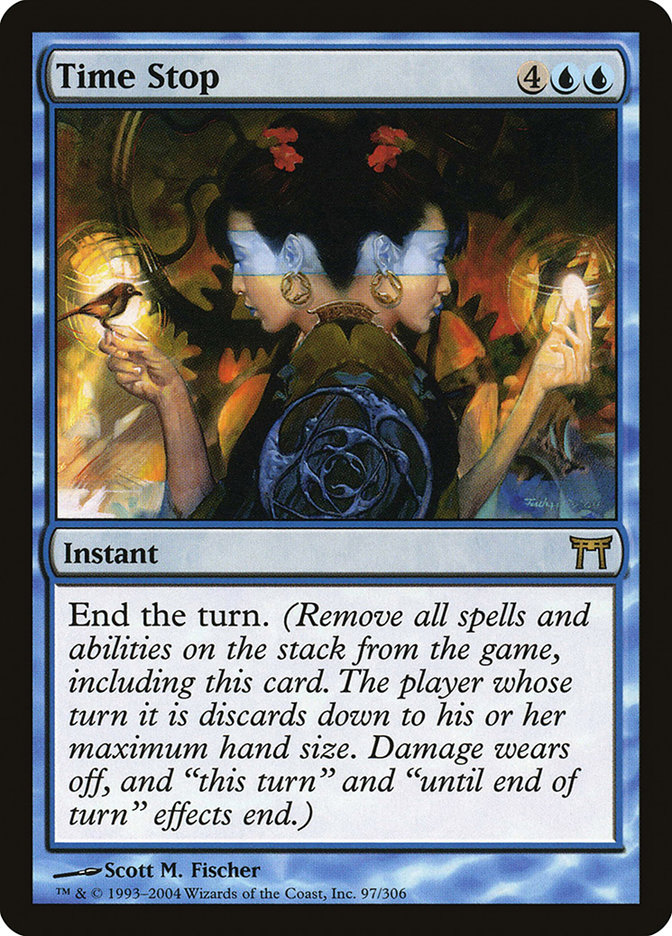
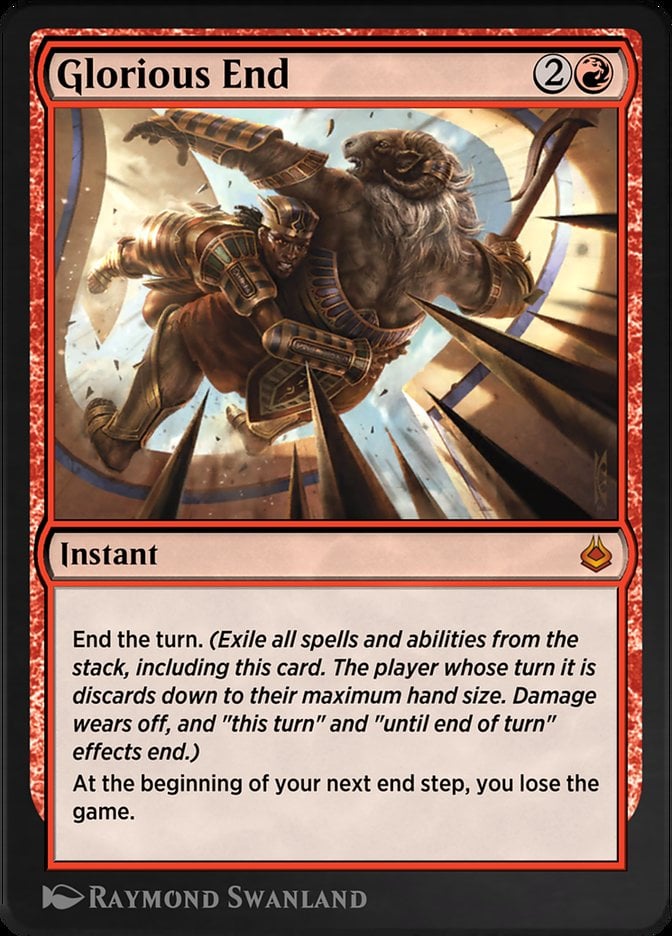
Cards or abilities that end the turn on the spot, like Time Stop or Glorious End, don’t skip the cleanup step. Instead, they jump straight to it. For all practical purposes, any effect that reads “End the turn” actually means: “Drop everything you're doing and skip right to the cleanup step.”
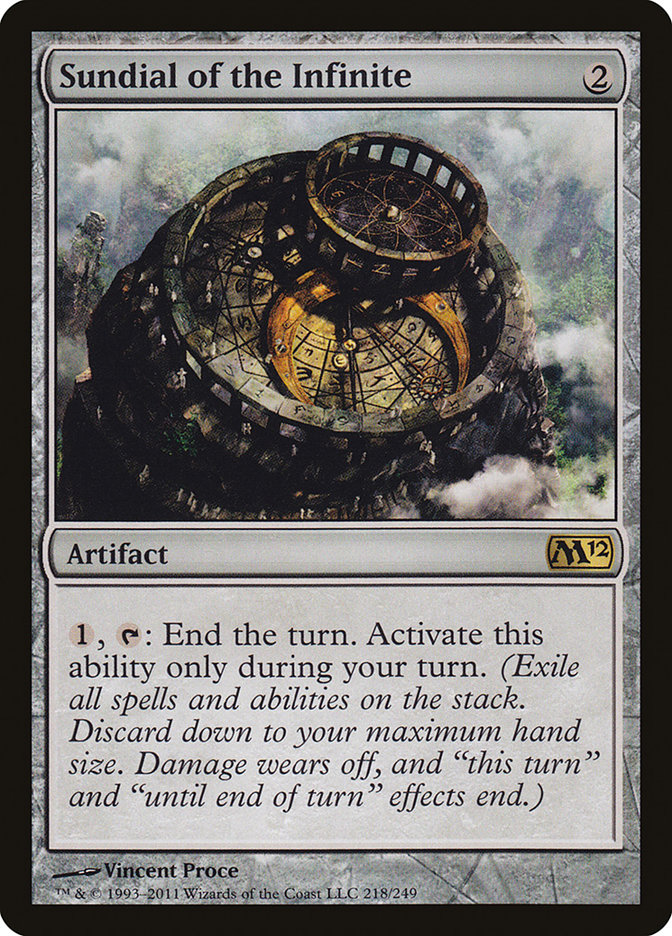
Take Sundial of the Infinite as an example. If you activate the Sundial during your main phase, the game immediately performs the following:
- Exile all spells and abilities on the stack (including spells and abilities that can't be countered!)
- Remove attacking and blocking creatures from combat.
- Check state-based actions. No player gets priority.
- End the current phase or step.
- Skip all remaining phases and steps and go straight to the cleanup step, which occurs in full.
What Happens to “End of Turn” Abilities if You Skip the Cleanup Step?
As noted above, you can't skip the cleanup step; if a turn ends abruptly, you go straight to the cleanup step.
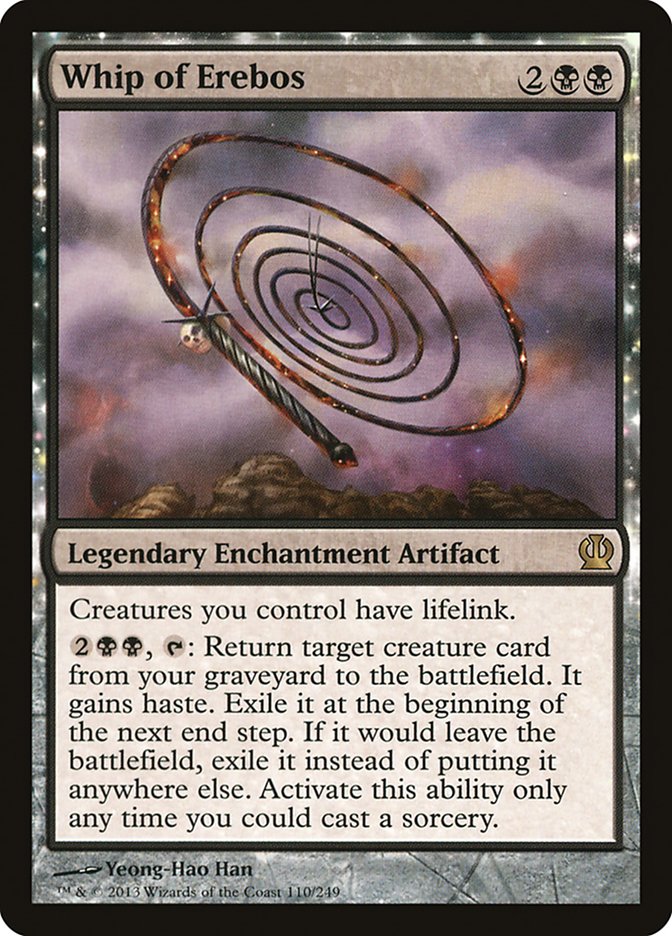
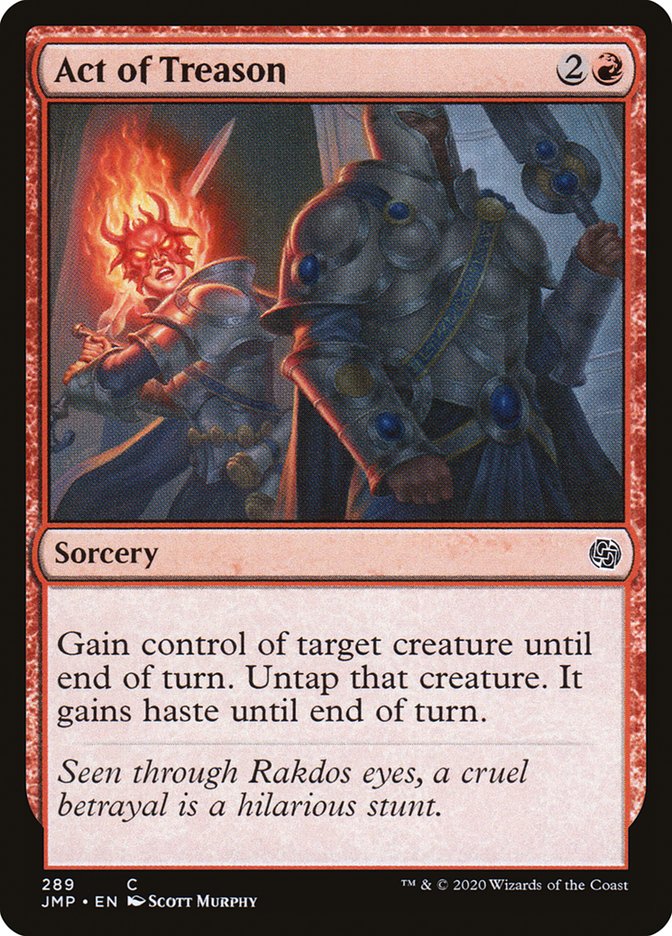
This is the big difference between abilities that trigger “at the beginning of the next end step” (such as Whip of Erebos), versus effects that last “until end of turn,” like Act of Treason.
Remember: The ending phase has two steps. First, the end step (the “beginning of the end”). Then, the cleanup step (the “ending of the end”).
If you skip the end step, then cards that trigger “at the beginning of the next end step” won't trigger. You don't have to sacrifice the creature you reanimated with Whip of Erebos, and it survives indefinitely since the delayed trigger only happens once. And if you skip the whole turn, then the same thing is true (because ending a turn skips the end step).
But ain't no skippin' the cleanup step, skipper! Even if you end the turn with Sundial of the Infinite, you still gotta give me back my creature you “borrowed” with Act of Treason.
Are There Cards That Reference the Cleanup Step?
Yes, a few cards directly reference the cleanup step (as in, literally spelling out “cleanup step” in their rules text, rather than referring to the “end of turn”).
There are currently 14 (fairly old) cards, like Necromancy or Thawing Glaciers, which have a triggered ability that reads, “…at the beginning of the next cleanup step…” (those of you who have been paying attention obviously realize that these 14 cards give players priority during the cleanup step!).


Then there are seven creatures, like Patient Zero or Ancient Adamantoise, which have variations of a static ability that reads: “Damage isn’t removed from this creature during cleanup steps.” The interesting quirk here is that six of them are Alchemy cards from MTG Arena. The seventh, and newest, is Final Fantasy‘s Ancient Adamantoise, which brought to tabletop formats what was until then a digital-only mechanic.
And once upon a time, a long long time ago, when the MTG rules were a bit of a mess and were all over the place, there were abilities that triggered “at the beginning of your next discard phase,” like Ice Age‘s Necropotence…

… or that triggered “at the end of that turn,” meaning your next (extra turn) as seen in Mirage‘s Final Fortune:
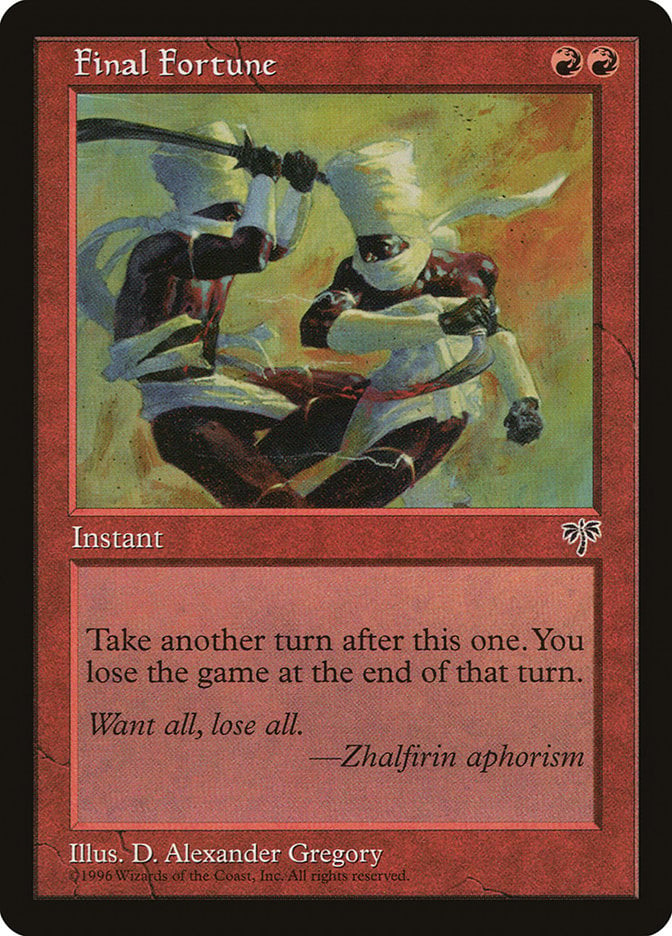
Under today's rulings, you would (correctly!) assume they mean the cleanup step, since that's when your ‘discard phase' happens and when your turn actually ends for real. But those cards received errata so now they trigger at the beginning of your end step, rather than your cleanup step.
Wrap Up

Patient Zero | Illustration by Peter Polach
The cleanup step is typically an invisible part of gameplay where not much happens… but it still matters, especially in edge cases.
Just remember: The cleanup step is the end of the turn “for real” and it comes after the end step. It's when “until end of turn” effects come to an end, and it's what you jump straight to when you play an effect that ends the turn on the spot. And only the active player (if it's your turn, that would be you!) discards to hand size; the rest of the table can keep a gazillion cards in hand until their cleanup step.
I hope you've enjoyed this mechanical deep dive about Magic's cleanup step, and if you have comments or questions please drop a comment below, or stop by the Draftsim Discord for a chat.
Good luck out there!
Follow Draftsim for awesome articles and set updates:









Add Comment