
Last updated on November 1, 2025

Force of Will | Illustration by Donato Giancola
Instant spells in MTG are some of the most exciting cards to play simply because they let you and your opponents surprise and outwit each other. Instants turn combat around and make players feel uneasy about their decisions. If an opponent has cards in hand and mana around, you won’t make a certain play because your opponent might do something, like pop a counterspell or combat trick.
These aren’t the cards that make people win, but they’re usually the cards that allow a player to control a certain match and stay in the game. I’ve always been a fan of holding up mana and cards in hand, and for that playstyle, you need to play lots of instants. I've managed to narrow down this list from more than 3000 cards with the instant subtype.
Let’s look at the best instants MTG has to offer.
What Are Instants in MTG?
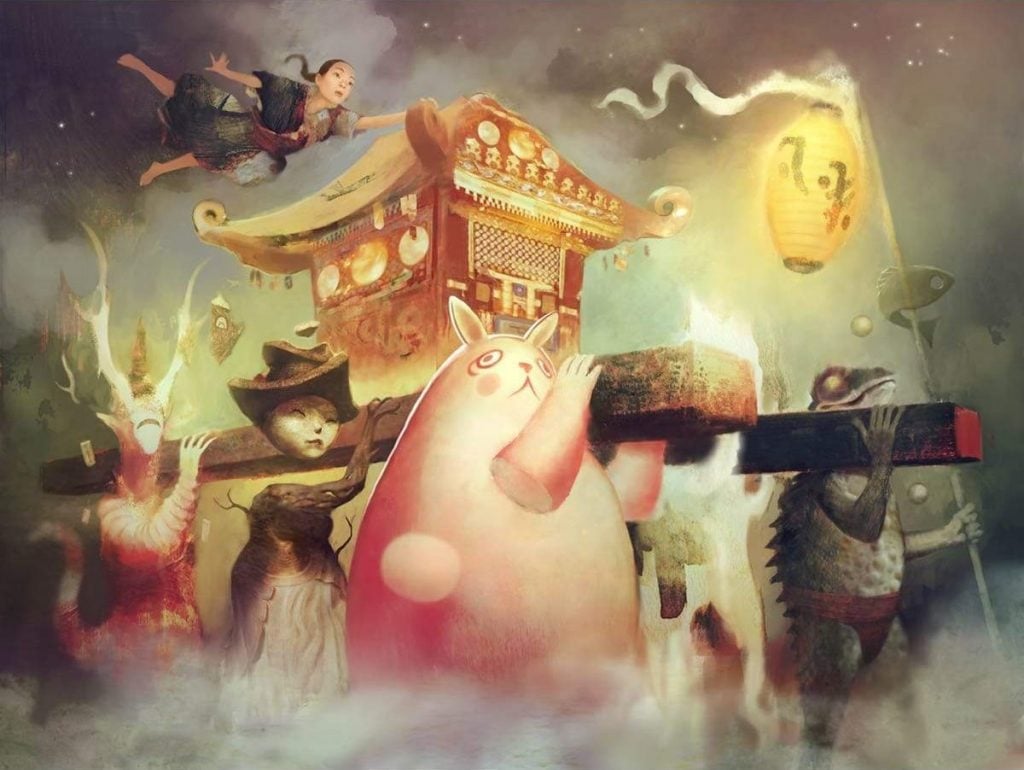
March of Otherworldly Light | Illustration by Nils Hamm
Instants in MTG are spells that have the card type instant. These are special in the sense that they’re the only spells you’re allowed to play on your opponents’ turns (sans flash). For this list, I’m considering cards from a historical point of view. Cards that are still relevant to MTG and always have been are at the top of the list. I’m looking for cards that are very relevant to the formats where they see play, and in multiple formats if possible. This list would be totally different if it were Standard only or Commander only. And as with all our lists, it’s made by a person so feel free to disagree.
#56. Monstrous Rage
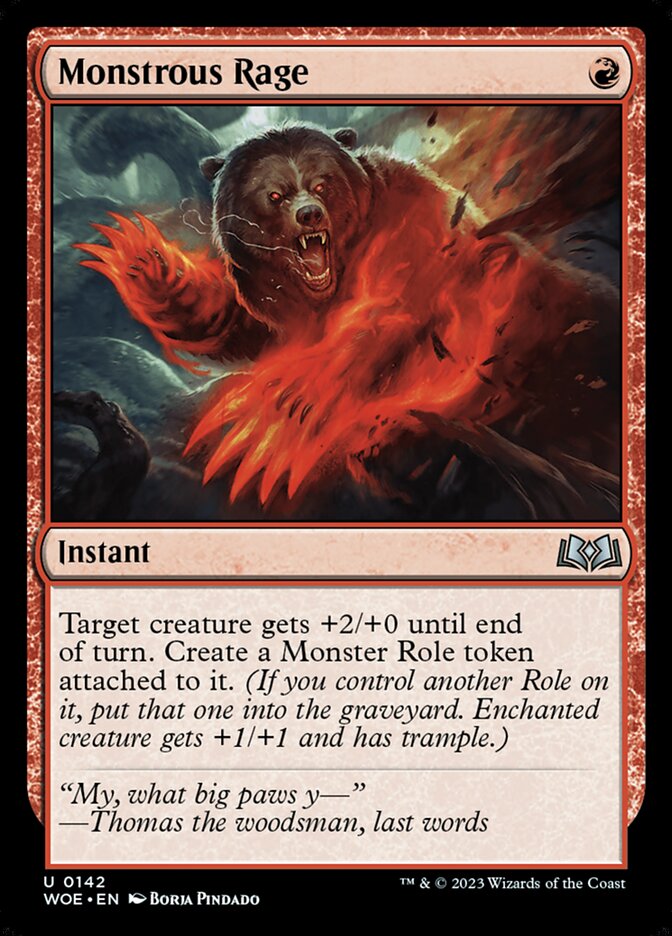
We’ll see Berserk later, but Monstrous Rage is showing players exactly what a pushed combat trick can look like in the 2020s. It seems so unassuming, like a Titan's Strength of sorts, but leaving behind that Monster role token is huge, pushing an aggressive attack through in combat, trampling over for a bunch of damage, and leaving behind a game object to push more damage next combat. This is just an incredible combat trick and often does what a removal spell can’t.
#55. Deadly Dispute
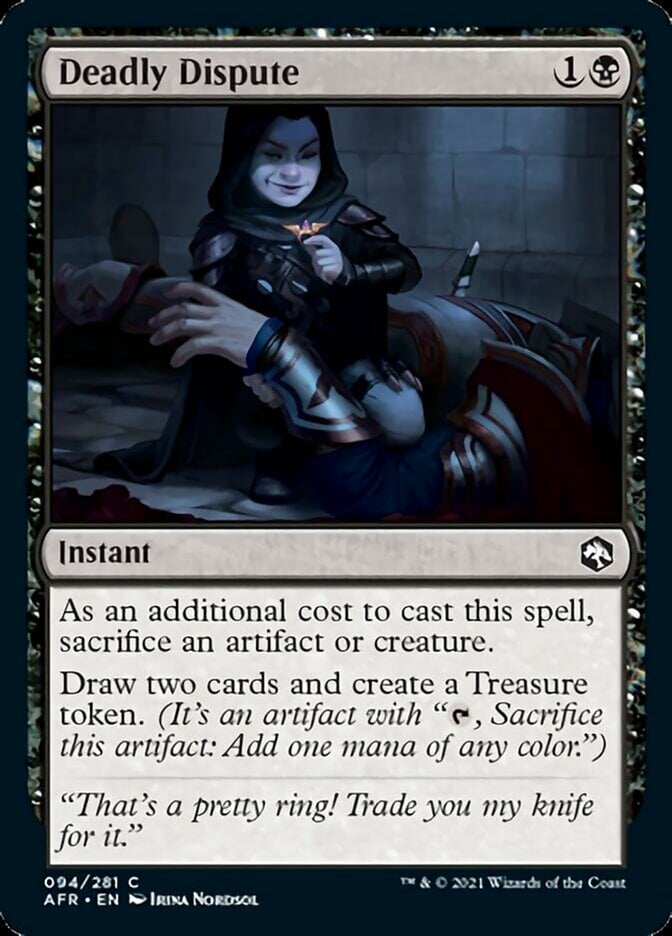
Deadly Dispute is one of the better sacrifice outlets, allowing you to get cards and Treasure. It’s an instant, so you can also sacrifice a creature in response to removal. This card sees plenty of play in Pauper, Pioneer, and EDH treasure/sacrifice decks.
#54. Ephemerate
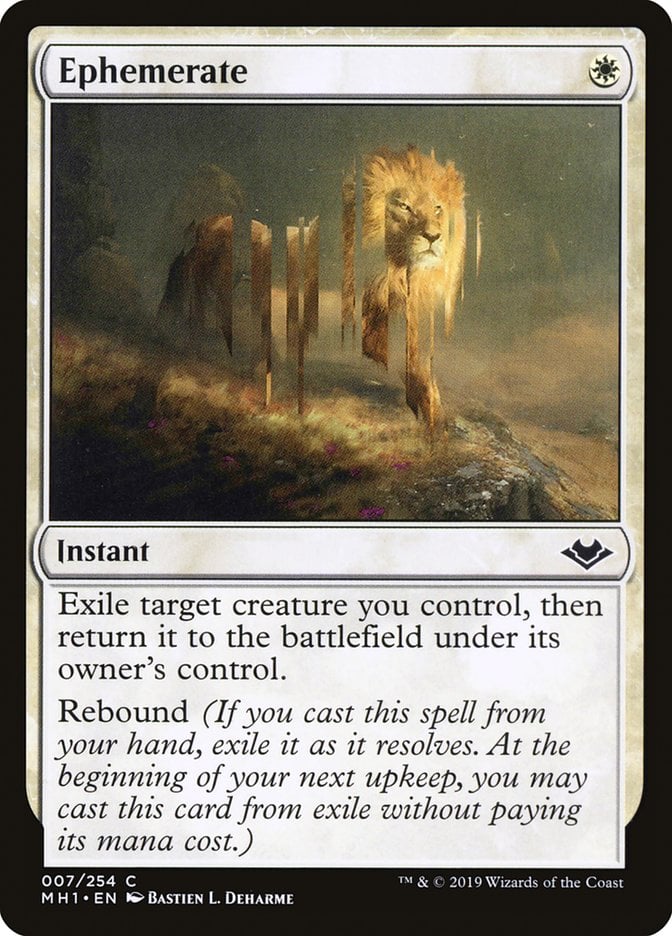
Ephemerate is a big upgrade over Cloudshift because it has rebound. Being able to blink a creature twice with the same spell is a huge deal, and it’s a powerful engine together with evoke creatures or good ETB creatures.
#53. Unholy Heat
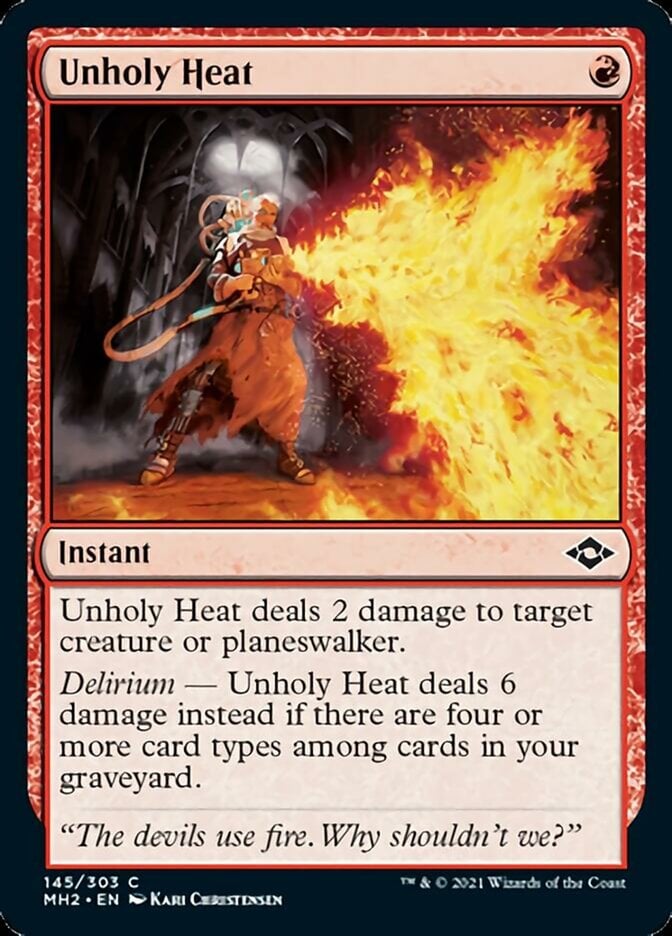
Unholy Heat ranges from a simple Shock to the biggest creature/planeswalker-directed damage spell, provided you have delirium active. One of the best delirium cards in formats where it's legal, many consider Unholy Heat to be a design mistake because red isn’t supposed to kill big creatures.
#52. Manamorphose
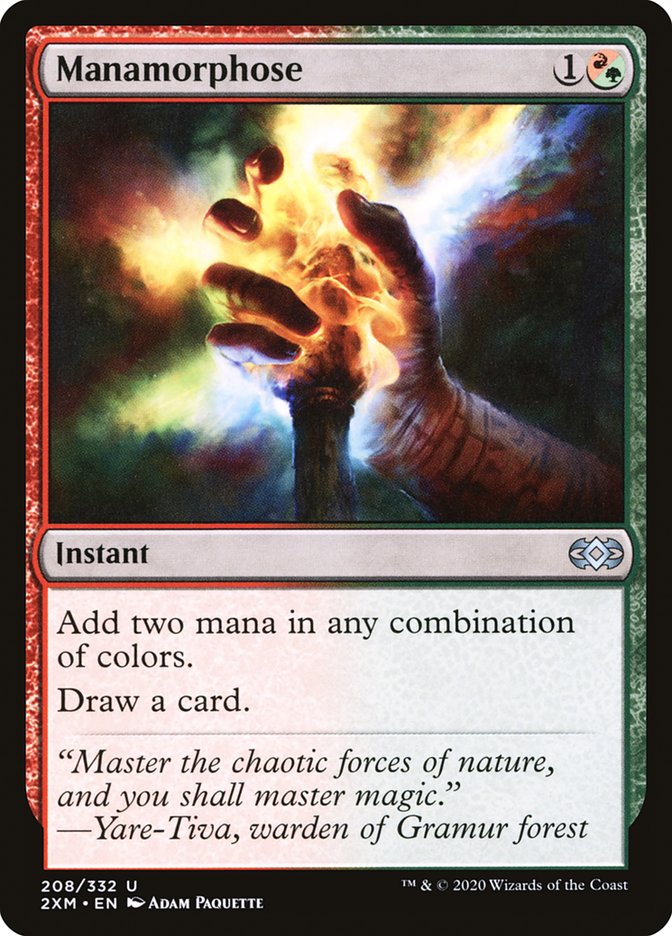
Manamorphose is a free spell. You’ll cast an instant that gives you back 2 mana and a card. It’s so powerful that if you were allowed to have more than four copies of Manamorphose, you could draw your entire deck. This card is a storm engine and a card that sees plays in many combo decks.
#51. Nexus of Fate
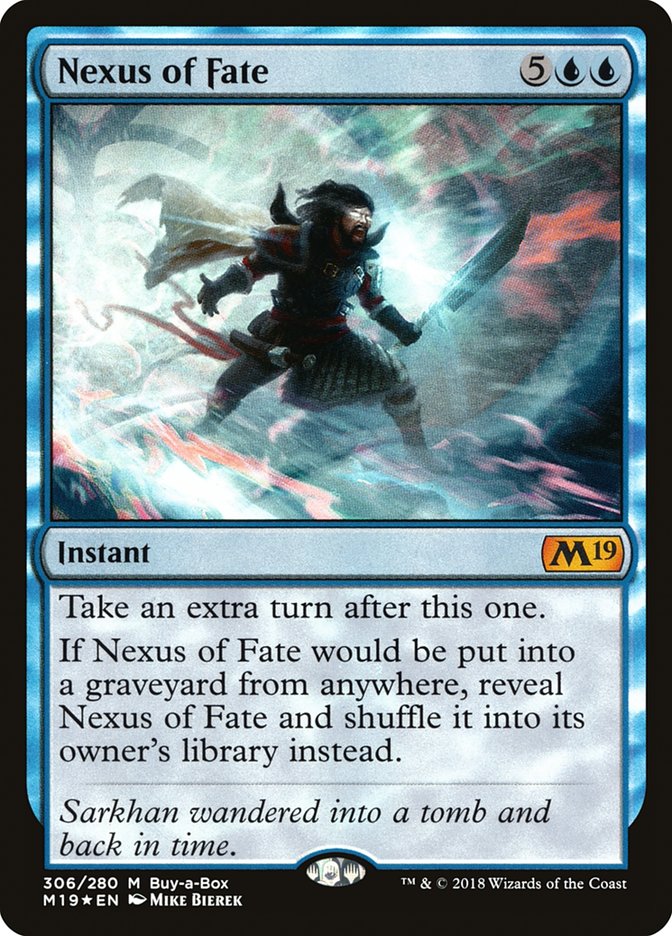
One of many extra turn spells that broke Magic, Nexus of Fate was especially hard to swallow because it was supposed to be a “just-for-funsie” promo. When MTG started doing mechanically unique buy-a-box promos they kicked off with Firesong and Sunspeaker in Dominaria, then somehow immediately printed Nexus of Fate in the next Magic set? Of course it went on to dominate the tournament scene in the most insufferable Wilderness Reclamation decks of Standard. You don’t see this blue instant much these days, but the card is still an eye-roller in Commander. Most Time Walks are, but instant-speed ones can leave you feeling cheated.
#50. Surgical Extraction
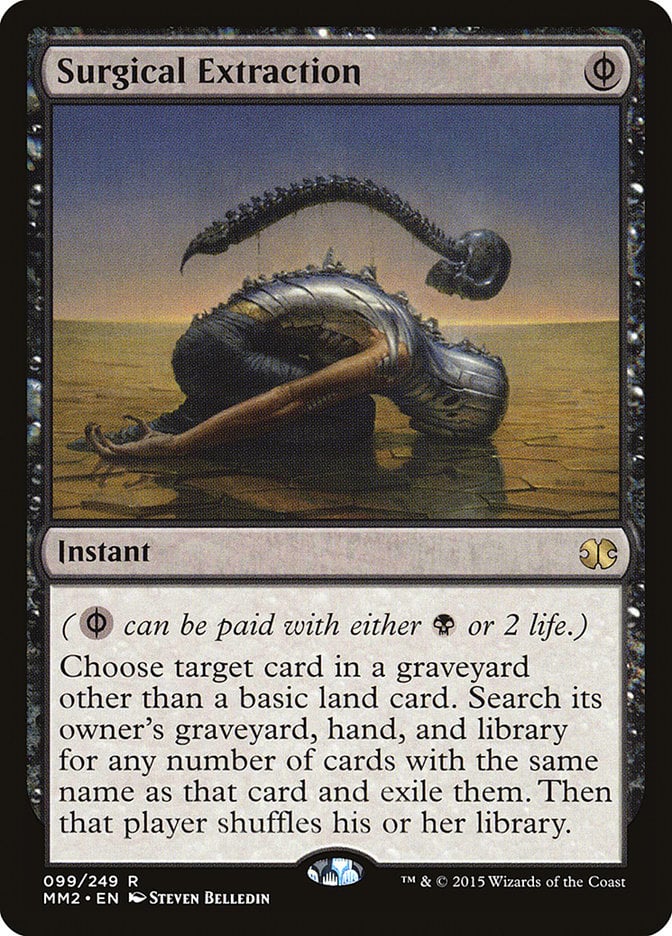
Instant speed graveyard hate is good, and a graveyard hate card that gets rid of all those problems permanently is even better. You can also interact when you’ve tapped out because the card costs Phyrexian mana and realistically goes into any deck. A single copy of Surgical Extraction can deal with all you opponents’ Arclight Phoenixes or Prized Amalgams and stops all kinds of graveyard shenanigans including reanimator decks, flashback spells, and much more.
#49. Daze
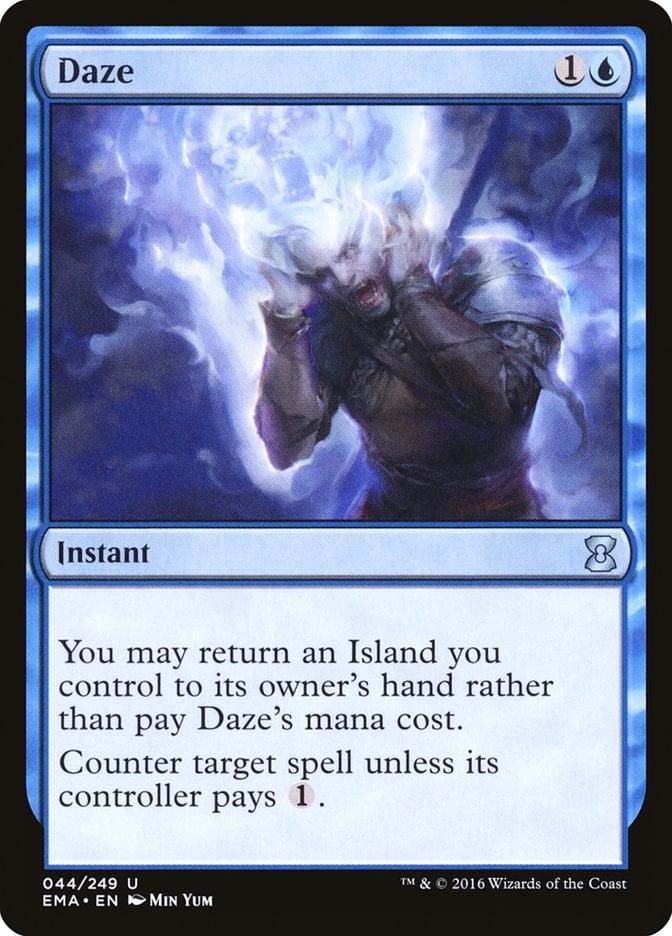
In formats like Pauper and Legacy, Daze is a free counterspell, requiring only that you return an island to your hand. On the play, it’s a potent counterspell to your opponent’s 1-drop and allows you to tap out and still counter your opponent’s next play. It’s currently banned in Pauper because it gives too much of an edge to blue tempo decks.
#48. Fire Covenant
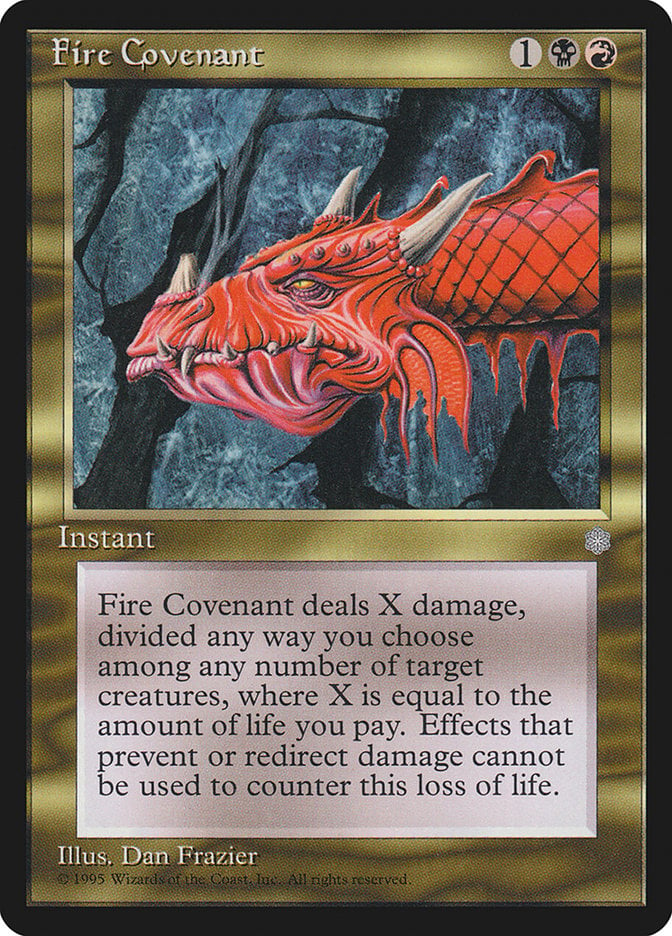
Thanks to the popularity of Commander and Rakdos () decks that benefit from losing life, Fire Covenant is a hell of a sweeper. It’s similar to an instant-speed Toxic Deluge, and that’s a strong card. Being able to let your big creatures live while you sweep the board is very powerful, and some EDH decks aren’t afraid of losing 10-15 life in a single turn.
#47. Violent Outburst
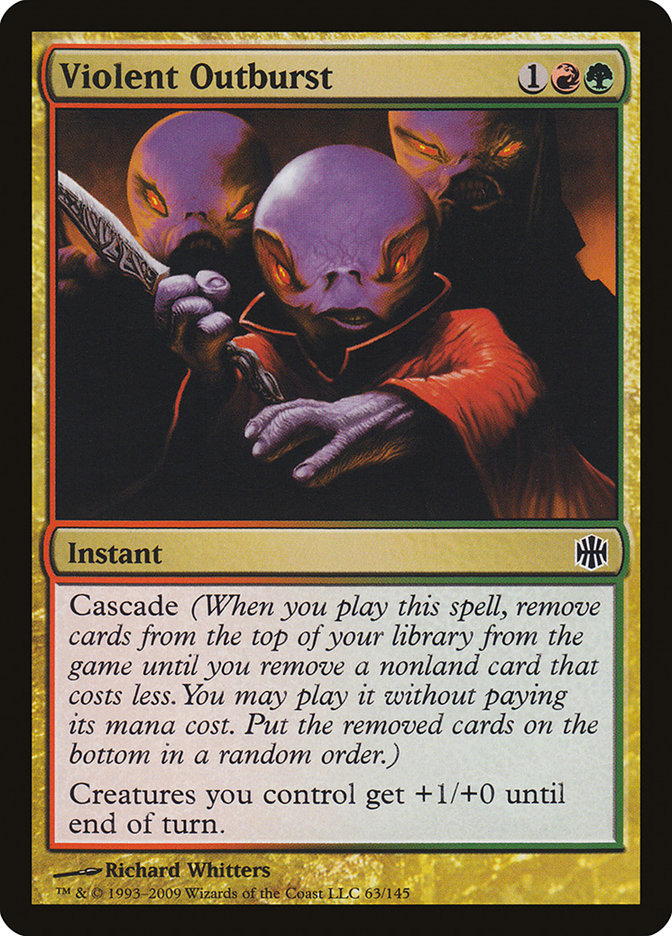
Together with Shardless Agent, this innocuous cascade spell used to be the key to making decks like Living End and Rhinos work, before it was banned in Modern. Violent Outburst is the only 3-mana cascade effect available at instant speed, and it can even buff your own creatures (okay, I’m kidding).
#46. Stern Scolding
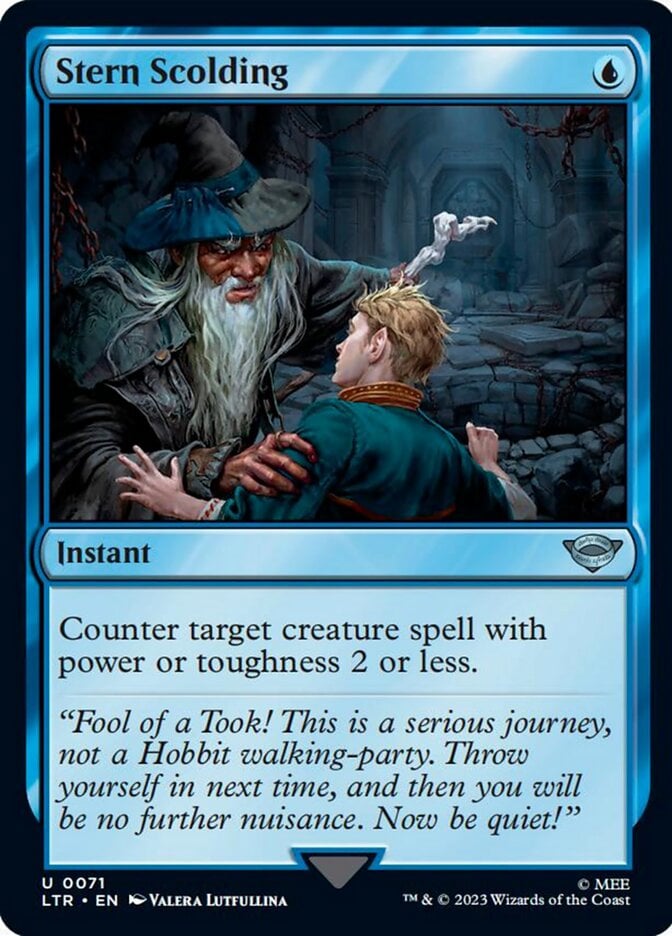
Stern Scolding is to countermagic what Cut Down is to creature removal. It’s especially back-breaking against “giant creatures” that are actually small on the stack, like 0/0 hydras or cards like Angel of Invention. This is just a very efficient blue counterspell that slips into your curve easily, which is exactly what counterspells need to be doing to keep up with the power level of cards these days.
#45. March of Otherworldly Light + Prismatic Ending
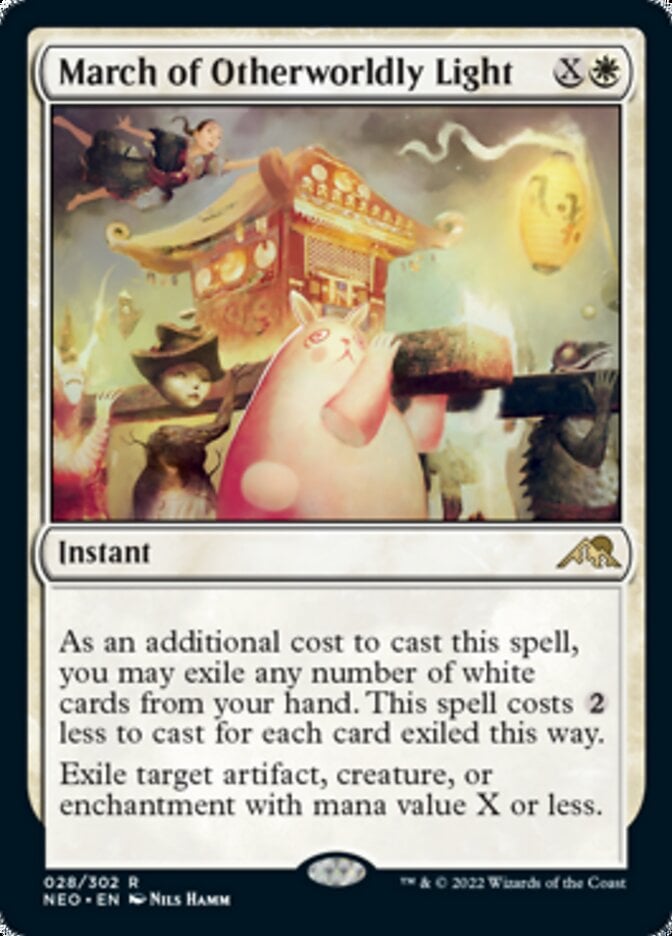
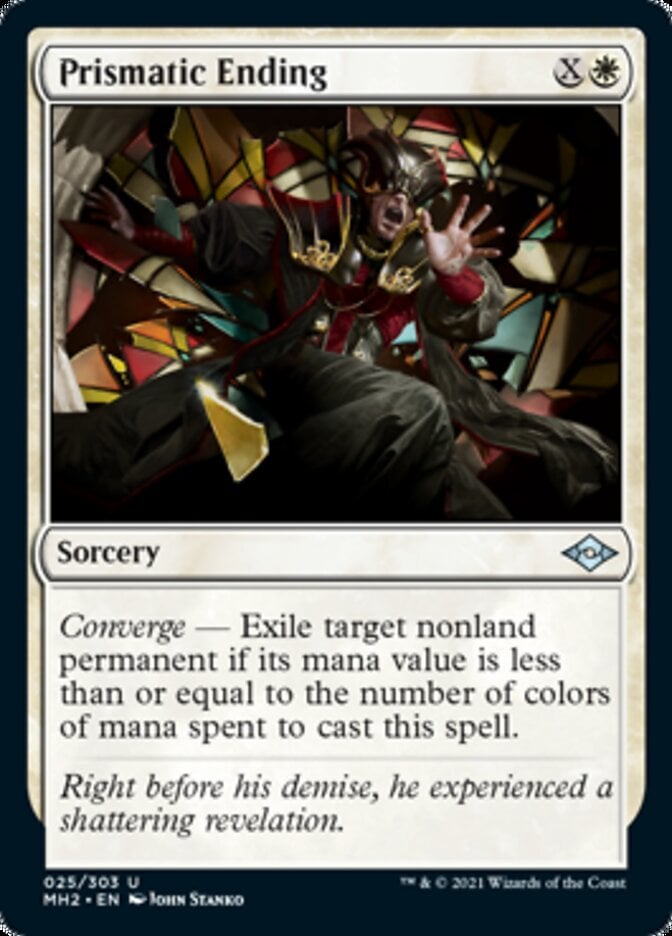
In an attempt to push harder into main deck artifact/enchantment removal, white’s been getting more and more of these spells. March of Otherworldly Light saw heavy play in Standard, while Prismatic Ending was designed for Modern and is more flexible since it hits planeswalkers and other permanents.
#44. Heroic Intervention
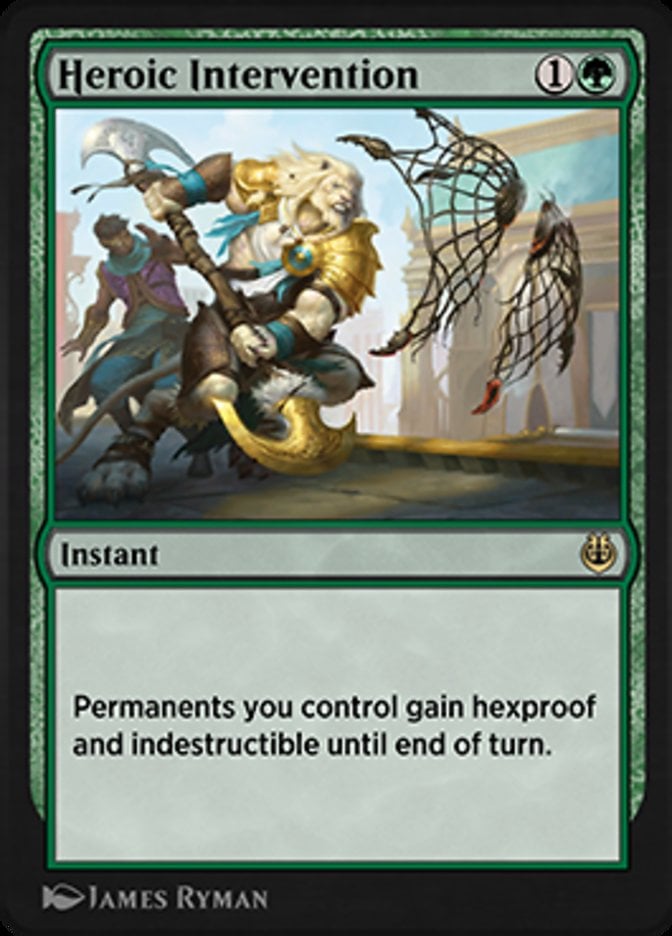
Heroic Intervention has become a green staple in EDH, and it both protects your permanents from spot removal and from sweepers that destroy all cards. It’s similar to Teferi's Protection, and it can be a combat-winning spell.
#43. Blood for the Blood God!
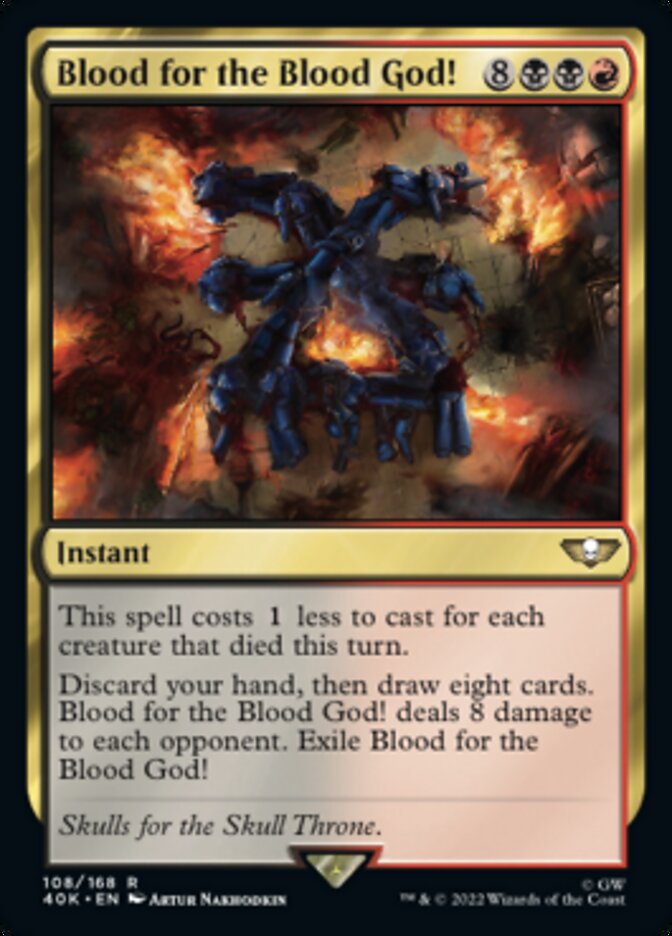
Maybe it’s the wow factor catching me here, but Blood for the Blood God! is just cool. Modern Magic’s not kind to 11-mana spells, but the goal is to get this down to or close enough. It’s a great Rakdos spell to follow up a board wipe, in particular a Blasphemous Act, since that’s also usually pretty light on your mana. Get it down cheap enough and you’re talking about a 3-mana draw-8 that hits each opponent for 20% of their starting life total!
#42. Gifts Ungiven
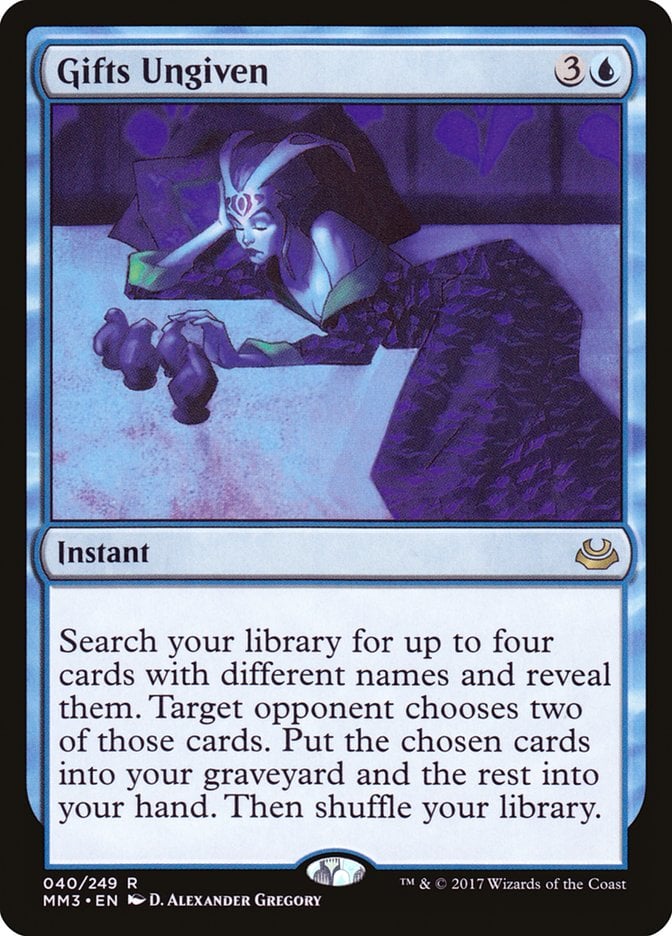
Gifts Ungiven was a Modern staple in control and reanimator decks, and it’s currently still banned in Commander. The thing with Gifts is you can Entomb twice with it, and you can also make a package with three/four good cards. No matter what they choose to give you, it’s gonna be fine.
#41. Path to Exile
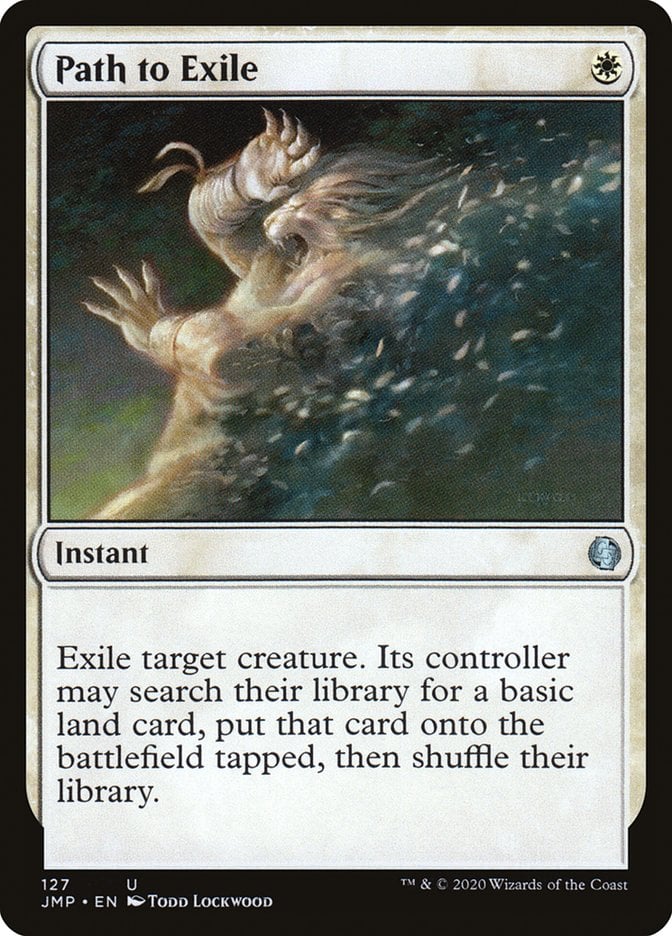
Path to Exile is a hell of a removal spell, and it used to be one of white’s better cards in formats like Modern. It would be insane in formats like Standard and Pioneer, but the problem is that spot removal got worse in formats like Modern. White decks have cards like Solitude, which is a Swords to Plowshares plus a lifegain creature, and cards like Prismatic Ending can get rid of different permanents. The card still sees lots of play, but it’s certainly less of a protagonist.
#40. Chaos Warp
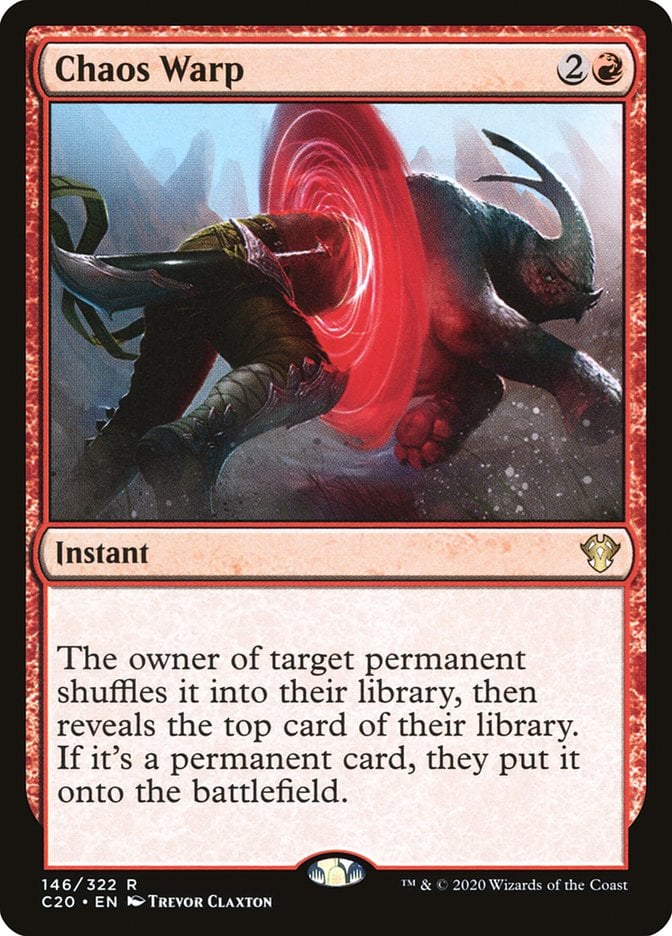
Red usually deals with its problems by dealing damage. You can kill creatures and planeswalkers this way and even destroy artifacts, but what about the other permanents? Chaos Warp gets around this by being a color pie break that lets red get rid of problematic cards like enchantments. Even though you don’t know what your opponent will get, chances are that they get something worse than what they lost or nothing at all. As an extra benefit, shuffling a permanent into their deck gets around graveyard recursion and death triggers.
#39. Drown in the Loch

Drown in the Loch is conditional removal or a counterspell. It’s interesting because you can interact with the stack and with the battlefield using the same card, but it’s not unconditional (unless you’re the mill deck, of course). It’s an interesting design that can be foiled with graveyard hate or expensive spells, and it shows that Counterspell is always a safe choice.
#38. Electrodominance
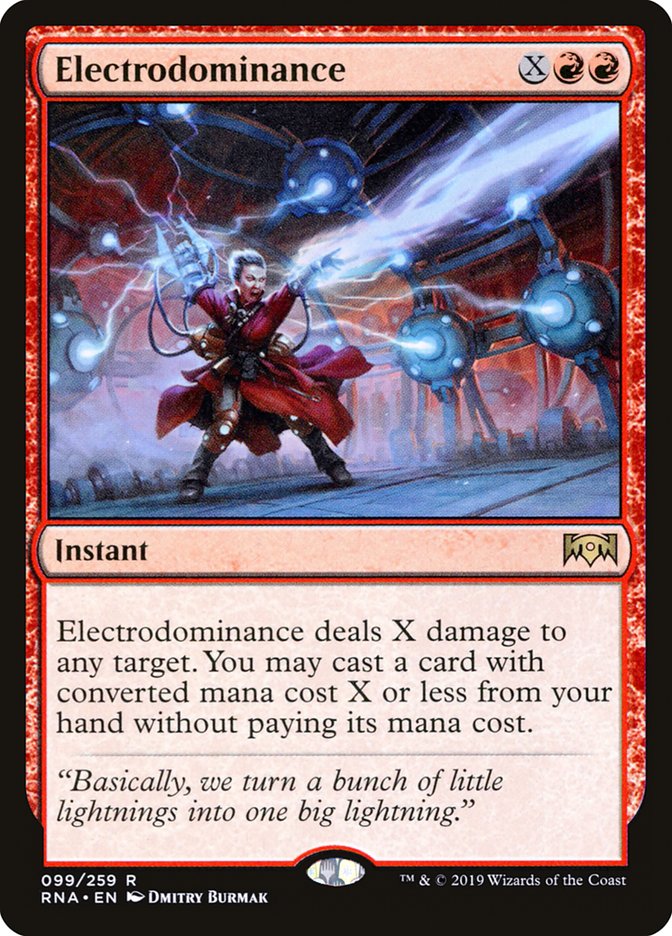
Cards that let you play a card without paying its mana cost have a high potential to be broken, and there are a bunch of cards with suspend that can be exploited this way. Electrodominance is used to cast cards like Crashing Footfalls or Ancestral Vision without the need to wait, while also being a removal/direct damage spell.
#37. Legolas’s Quick Reflexes
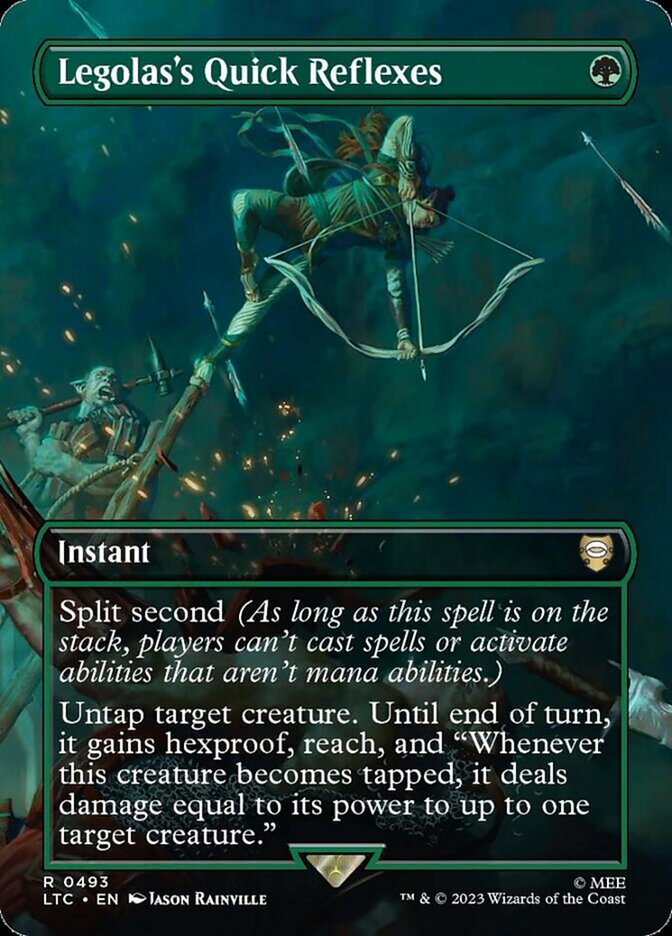
Legolas's Quick Reflexes is the apex of 1-mana single-target protection spells. Split second and hexproof trumps just about any form of targeted removal, but it’s also an untap effect and a potential bite spell at the same time. If you have a way to toggle your creature between tapped and untapped for the turn, say with a Fatestitcher or Freed from the Real, you can turn this 1-mana spell into removal for multiple threats.
#36. Chord of Calling
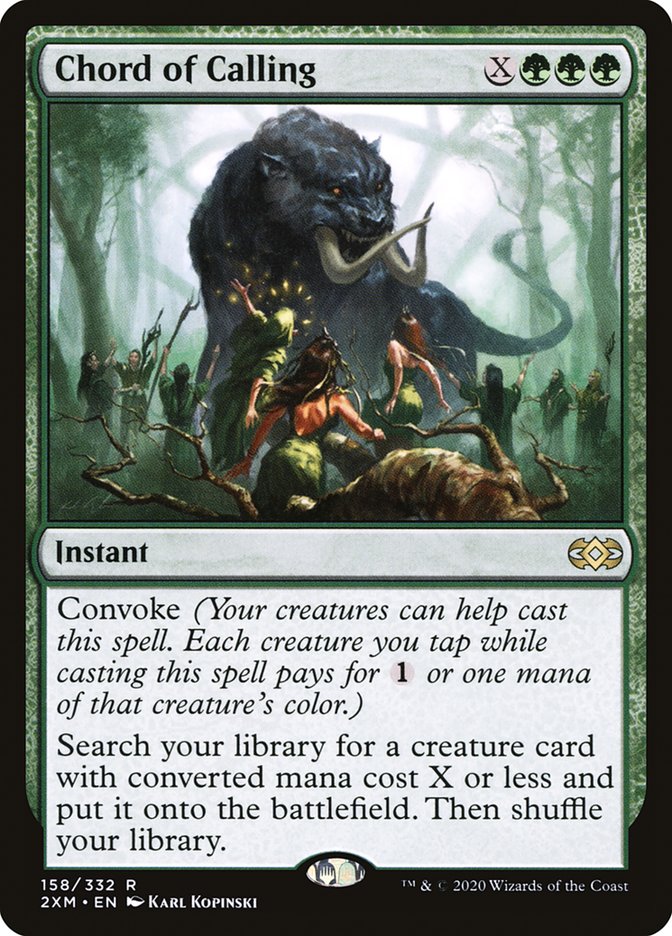
Chord of Calling is a creature tutor that puts your target directly into play. What’s more, it can be convoked by your own creatures. It’s used in elf decks and combo decks alike to get a combo piece like Craterhoof Behemoth, Vizier of Remedies, or Devoted Druid.
#35. Veil of Summer
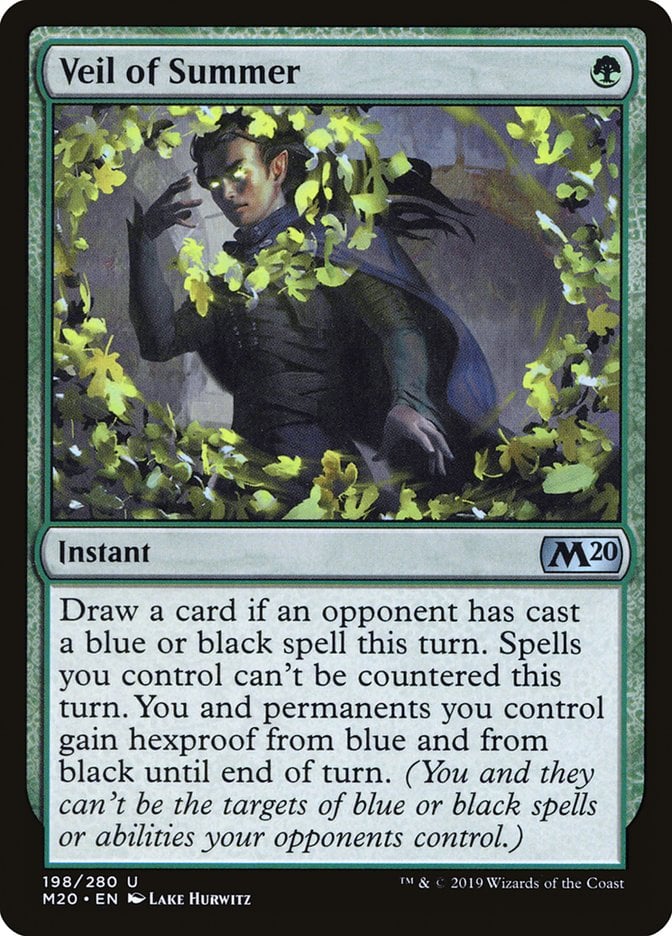
Veil of Summer is a card that can protect your creatures from spot removal, “counter” a Counterspell, and all that while giving you a card. Banned in multiple formats, it’s good enough to see main deck play even though it hates on two colors. And of course, it’s a sideboard staple.
#34. Flame of Anor
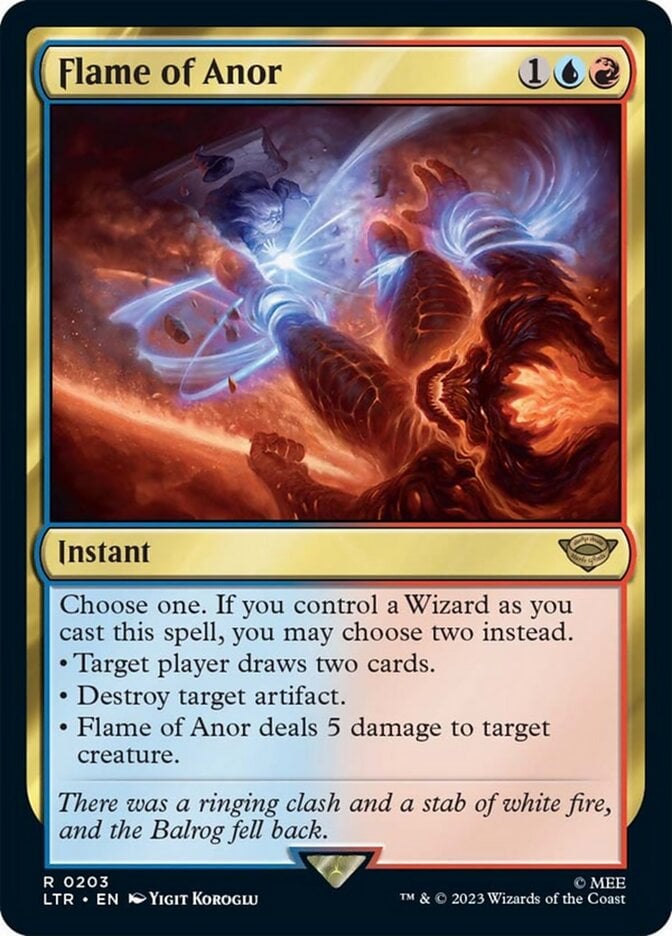
Flame of Anor can be considered a more versatile Electrolyze, and it’s a very strong spell if you control a wizard. It’s never a dead card because you can use it to draw and sometimes get something else. Cards like Esper Charm and Archmage's Charm have a serious adversary, and being able to flashback this card with Snapcaster Mage changed how control decks operate in Eternal formats.
#33. Fatal Push
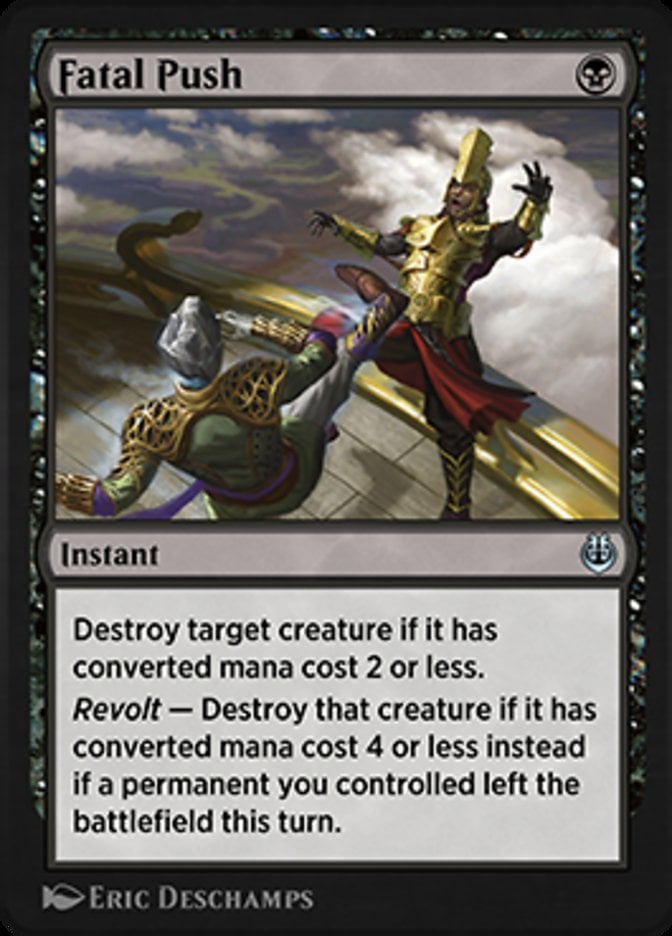
Fatal Push is a 1-mana instant that can destroy any creature with mana value of 2 or less, and if you turn revolt on, you can get any creature costing 4 or less. It’s fairly easy to trigger revolt with Treasures or fetch lands, and this card is a staple of many formats including Pioneer and Modern. It’s very sad to lose a 4-mana creature to 1-mana Fatal Push, and this card raises the bar for what a creature needs to do to be playable.
#32. Fierce Guardianship
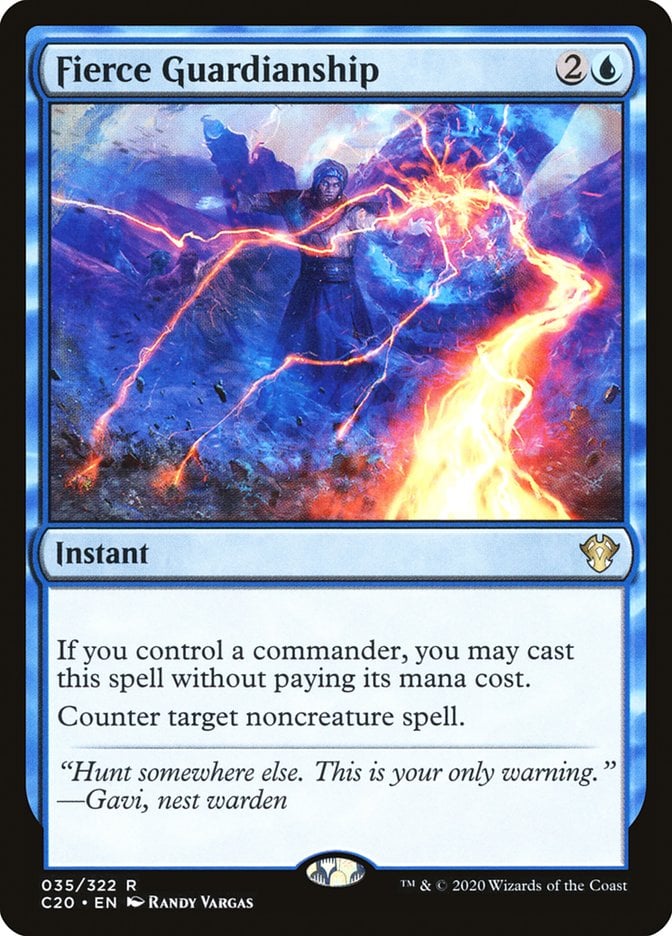
Paying 1 more mana for a Negate isn’t the worst thing, but it’s bad enough to avoid play in formats like Legacy or Vintage. This card shines in EDH where you’ll cast it for free if you've got your Commander in play. Since most decks want to have their commander around, this is a blue staple in EDH because you can use Fierce Guardianship to protect your commander or your board state for free.
#31. Sheoldred's Edict
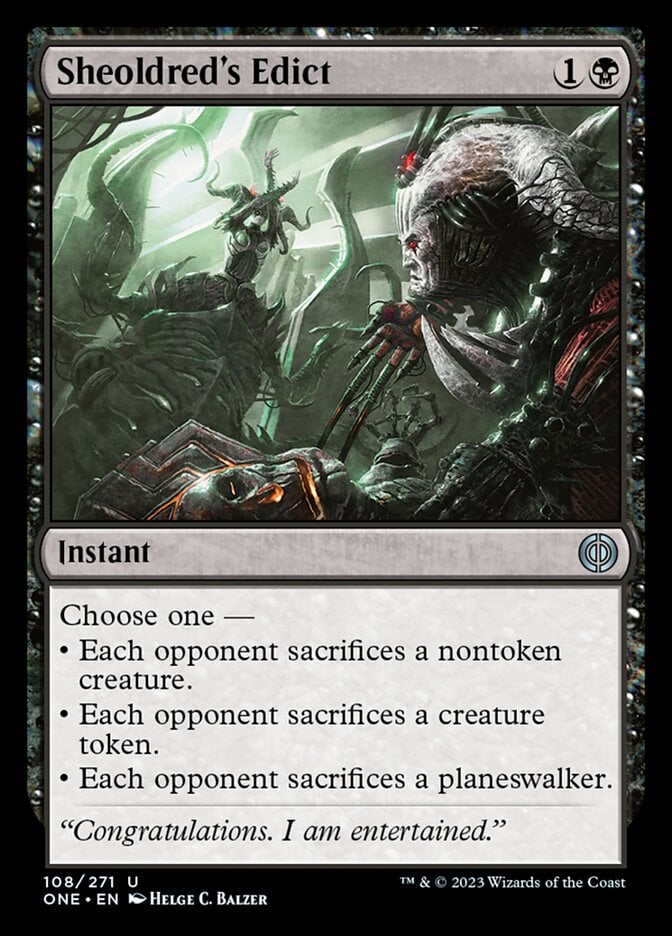
Edict in MTG is a lingo for “target player sacrifices a creature.” This is often a bad effect because you can’t choose what to get with the spell, and if your opponent has a 6/6 and a 1/1 token, it’s useless. Sheoldred's Edict gets around that by giving players a choice, and it’s one of the best planeswalker removal spells since they usually have only one on the battlefield. All three modes are useful in different scenarios which makes this a versatile instant.
#30. Undying Malice + Feign Death
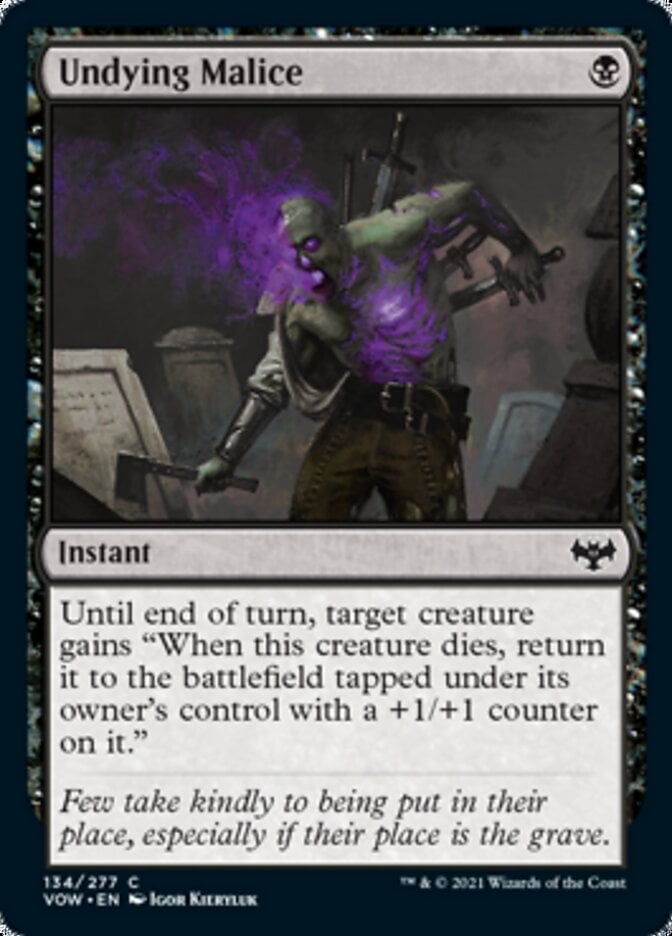
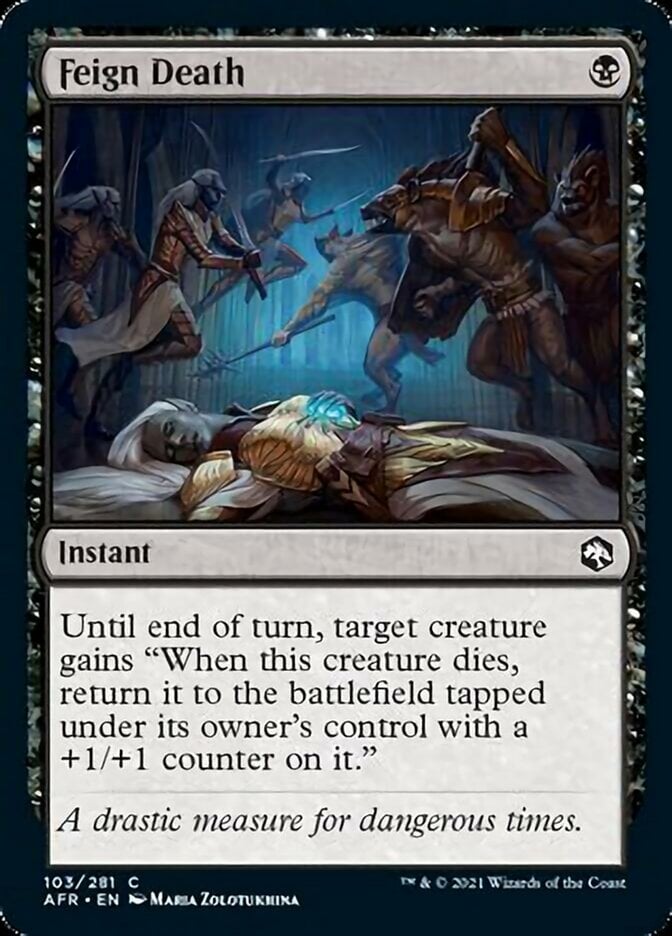
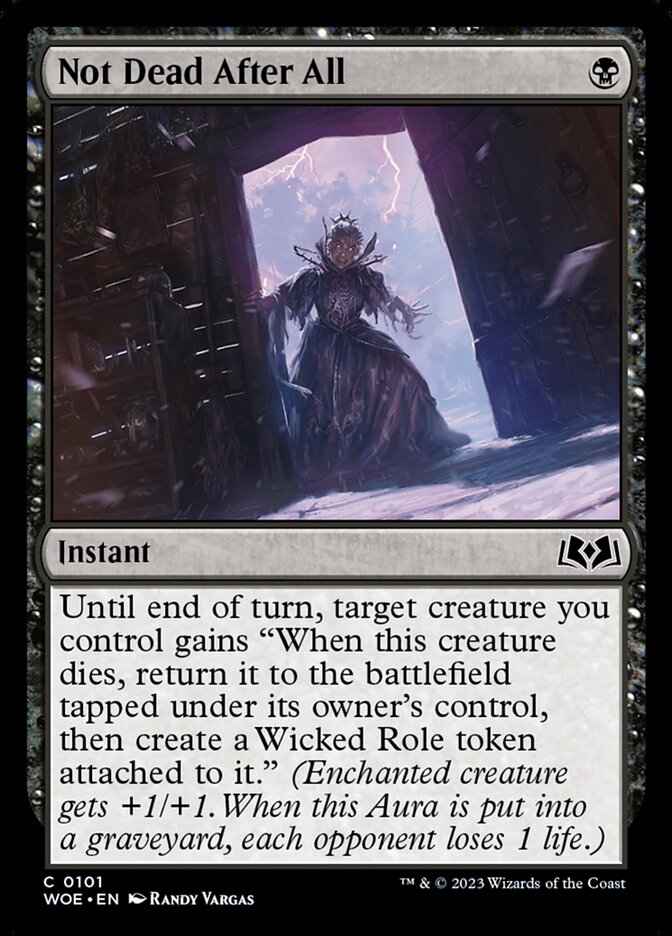
These spells don’t seem like much, but they were format-defining in Modern and Legacy when combined with the Modern Horizons 2 evoke elementals, specifically Grief and Fury. These two have hit various ban lists, but the idea was to evoke a Grief on turn 1 (or a Fury later on), and follow up the sacrifice trigger with Undying Malice or a similar “scam” effect, doubling up that elemental’s ETB effect and keeping the body in play.
#29. Boros Charm
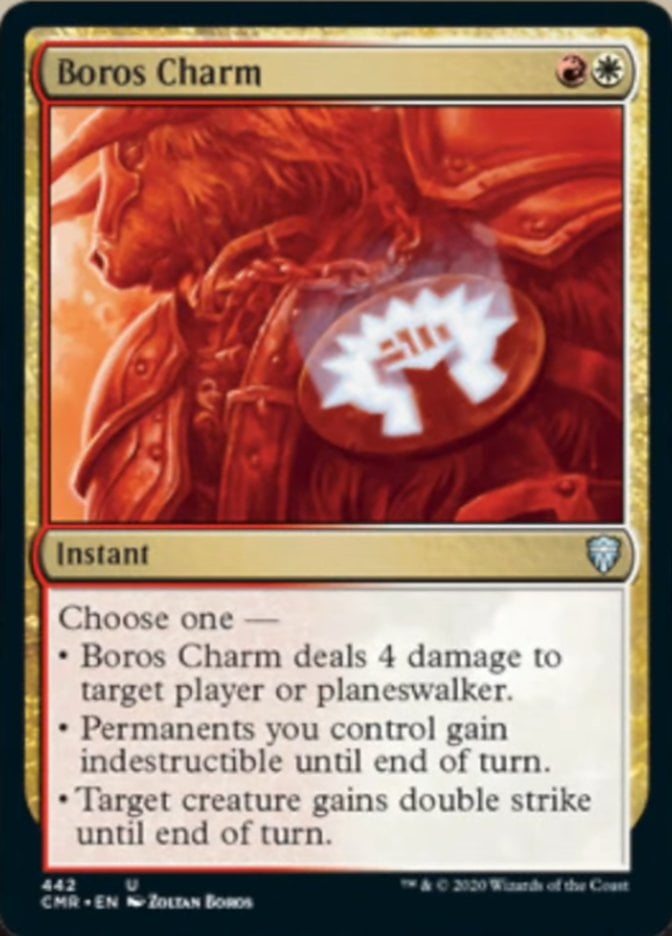
Boros Charm is one of the most versatile cards ever and a staple in Boros decks. In burn decks you can either deal 4 damage to the face, give double strike to a card like Monastery Swiftspear, or protect your creatures from a sweeper. You can preserve your enchantments or lands too, and it’s awesome in Voltron decks because of double strike and protection. Boros Charm is good enough for red decks to splash white for it.
#28. Counterspell
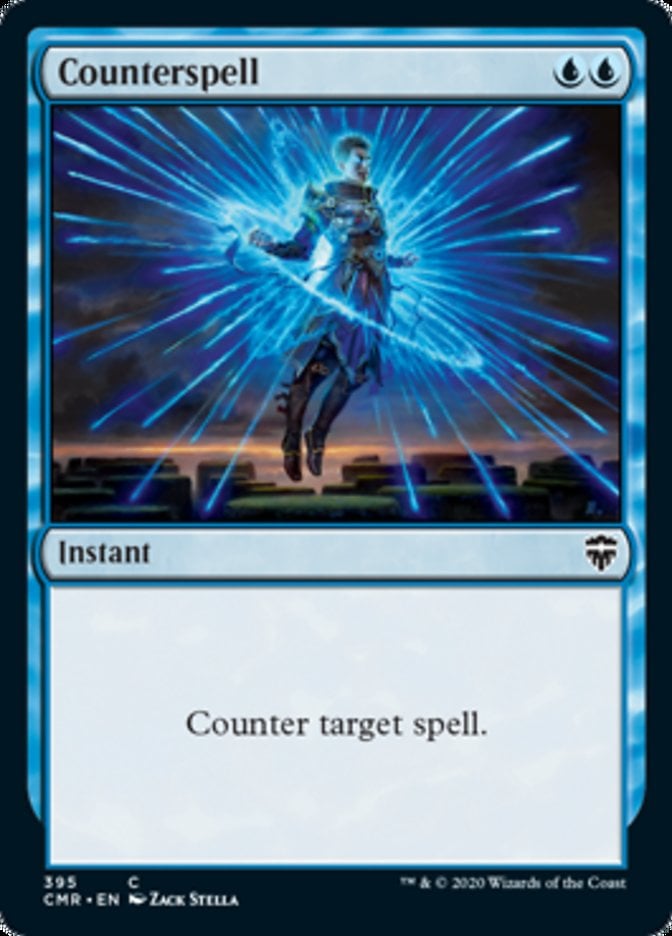
A classic blue card, countering any spell for 2 mana is very strong. It’s Essence Scatter plus Negate, with a more restrictive mana cost. MTG’s power level has raised to the point where it’s safe to play Counterspell in Modern, and today simply countering a spell isn’t that broken. But it’s still great!
#27. Snuff Out
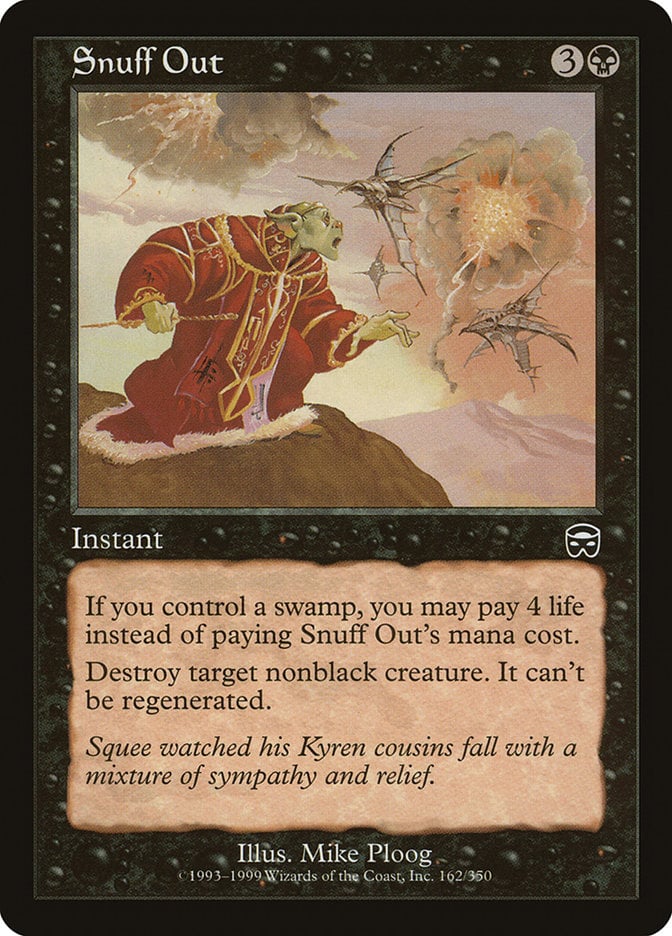
Killing creatures for free is a very good tempo play, even if it costs you 4 life. Snuff Out is a staple of the Pauper format and used to be highly expensive until reprints in Doctor Who and a Secret Lair knocked it down a peg.
#26. Red Elemental Blast
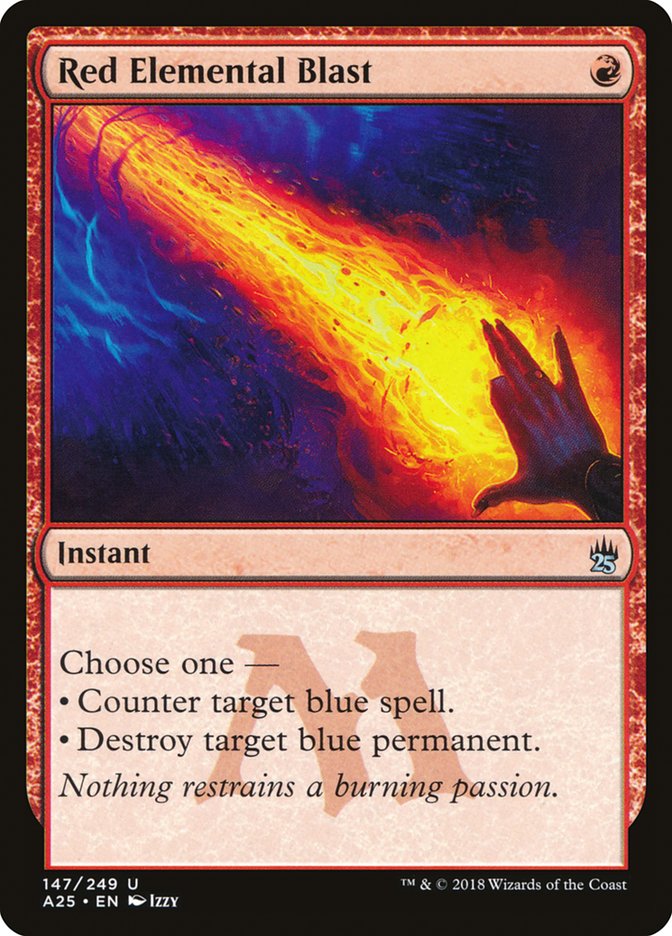
The main reason why Red Elemental Blast exists is to fight blue decks. This card is a staple in formats like Pauper and Legacy because having tools to fight blue decks is essential, and Red Elemental Blast can either counter a spell or outright destroy it. Countering a Force of Will is massive resource and tempo advantage for you, and being able to destroy a Teferi, Time Raveler or Jace, the Mind Sculptor for 1 mana is as good as it gets.
#25. Akroma’s Will
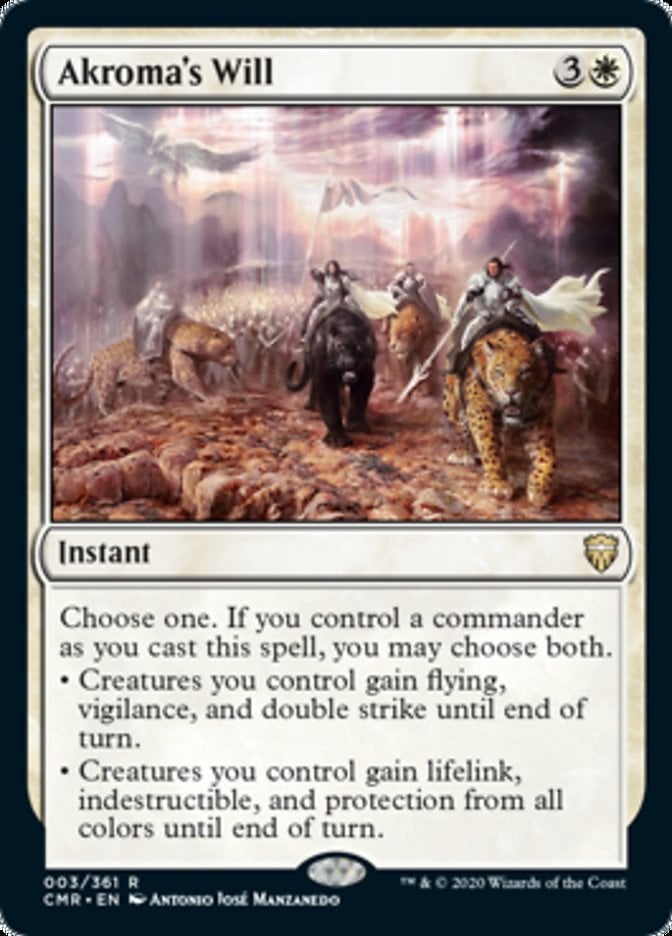
The funny thing about Akroma's Will being an instant is that you’ll often just run this out during your own main phase and win the game that turn. Instant speed means there’s blowout potential if you time it right during an opponent’s combat, but the combination of double strike and protection from colors means you’re pushing so much damage if you use this white instant proactively. Even if you don’t land the killing blow, all that damage comes with lifelink, too.
#24. Berserk
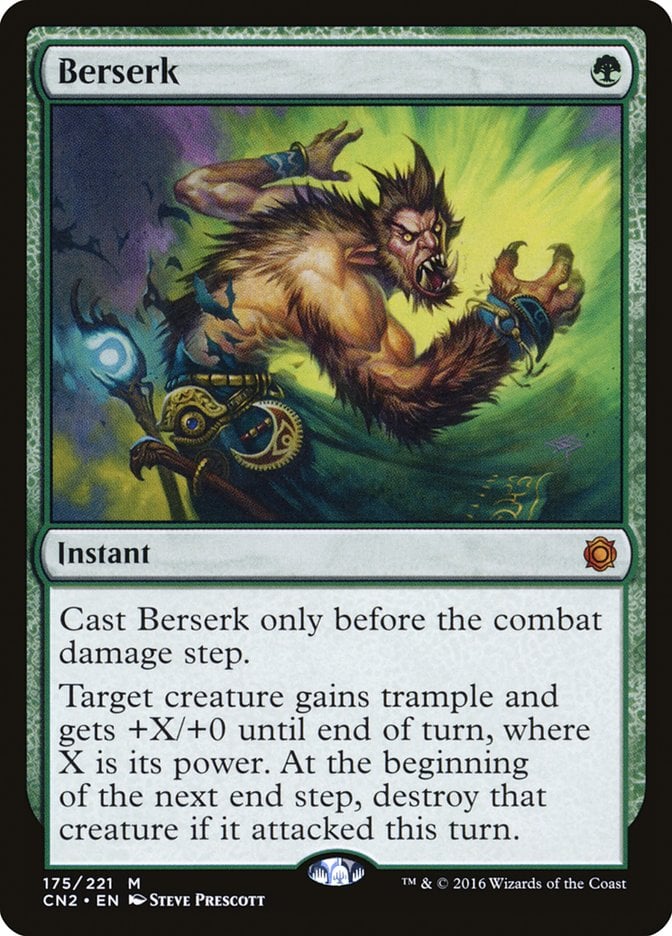
Few spells have the destructive power Berserk does. Turning a 5/5 into a 10/5 trampler for 1 mana is one of the best combat tricks ever. It’s also awesome with infect creatures, often killing your opponent in the process.
#23. Collected Company
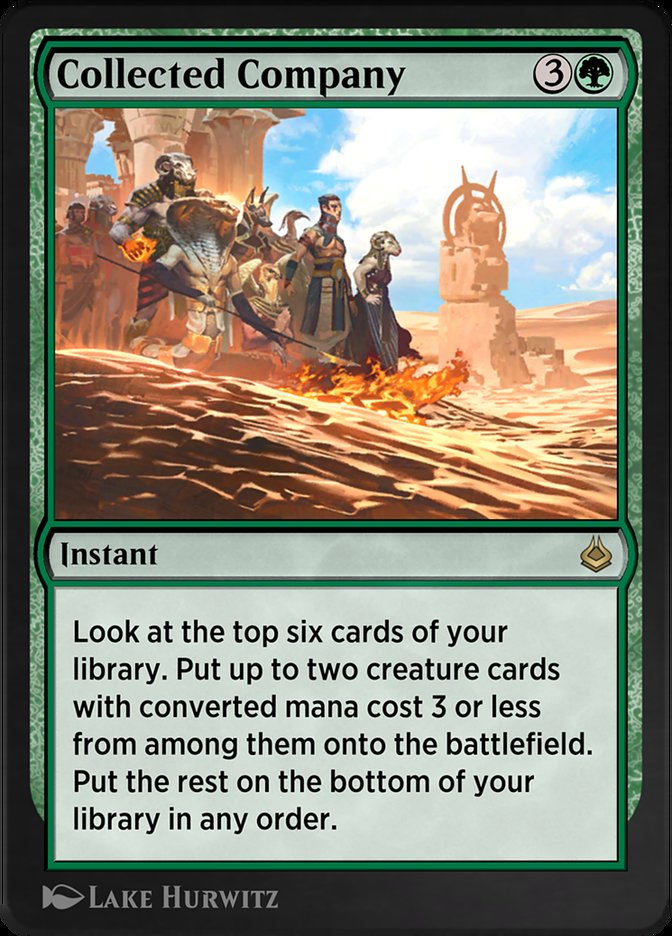
Collected Company lets you see the top six cards of your library and put up to two cards that cost 3 or less onto the battlefield. Just by casting “CoCo,” you can potentially drop 6 mana worth of creatures, at instant speed no less. You can use this spell to cheat out blockers during an attack, assemble your combo pieces, or recover from a sweeper.
#22. Dismember
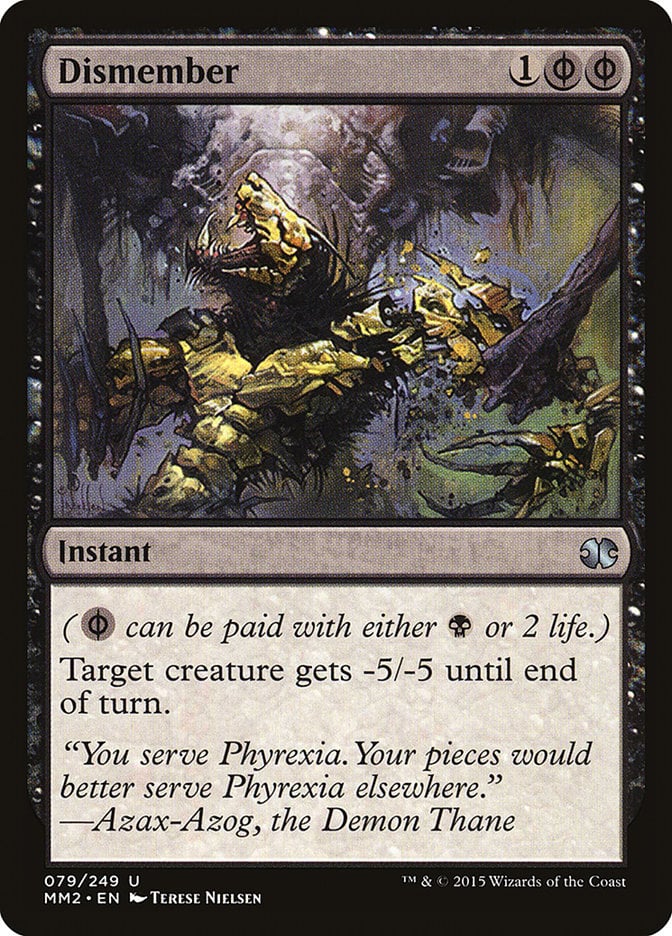
With Dismember, suddenly colors that don’t have access to removal spells like green and blue can have a pretty good one, and for just 1 mana. Yes, it costs 4 life, and in formats like Modern this isn’t negligible, but that’s why Dismember isn’t that high on the list. This card also gets around indestructible since it gives a target -5/-5. The color restriction doesn’t apply to EDH though, so you won’t see any blue EDH decks dismembering foes around.
#21. Worldly Tutor
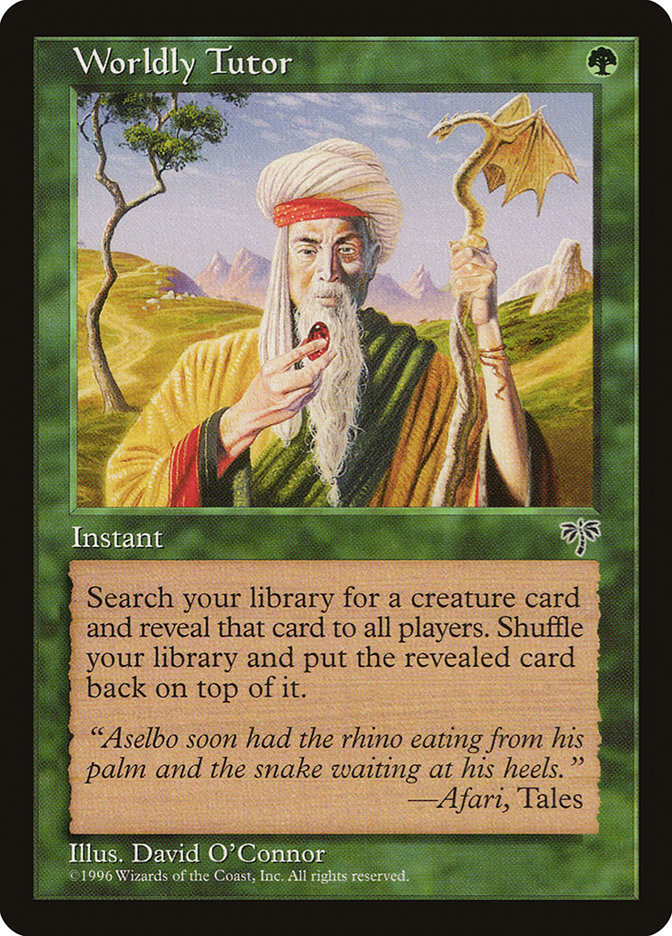
For just 1 mana, Worldly Tutor sets your next draw with the best creature available in your deck. This allows green players to play creature toolbox decks, like looking for an Eternal Witness if you need graveyard recursion or a Reclamation Sage if you need enchantment removal.
#20. Enlightened Tutor
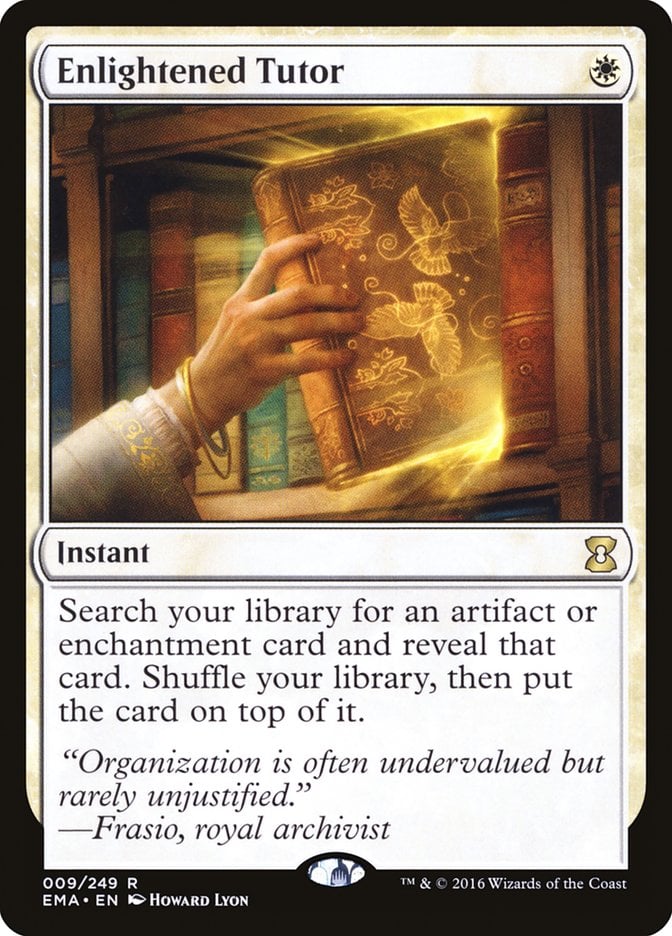
Enlightened Tutor, like the whole cycle of 1-mana instant tutors, gets you an artifact or enchantment from your deck and you’ll draw the card next. Being able to draw your Rhystic Study, Smothering Tithe, or The One Ring next is a huge deal, and there are whole combos that get better and more consistent with this card around.
#19. Flusterstorm
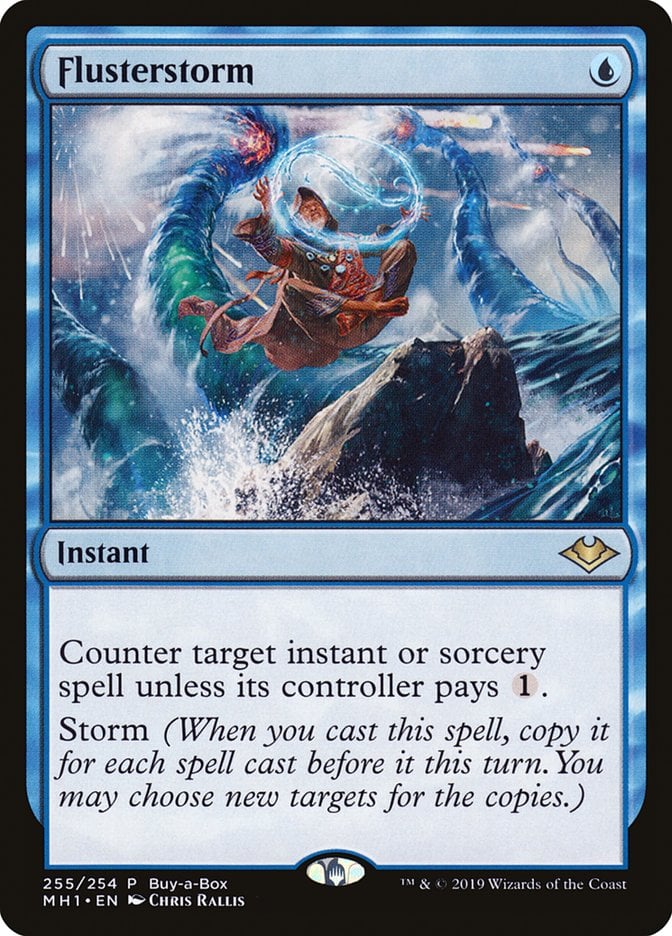
Flusterstorm is a counterspell made to counter the storm mechanic, which can be useful in many scenarios. When your opponent points 20+ copies of Grapeshot at you, you can Flusterstorm all of them with only 1 mana, producing 20+ copies of Flusterstorm and countering every single copy.
#18. Force of Vigor
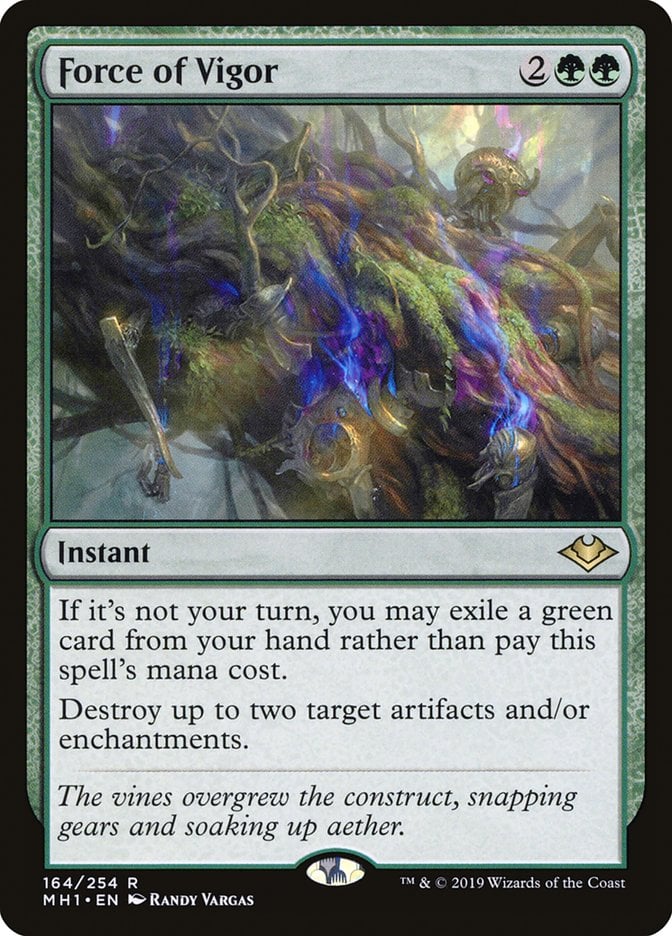
Force of Vigor, like Force of Will, is potentially a free spell, and it’s a nice way of getting rid of cards that lock you like Blood Moon or Chalice of the Void. Or maybe you’re playing a dredge deck and you need to get rid of that Rest in Peace or Leyline of the Void.
#17. Deflecting Swat
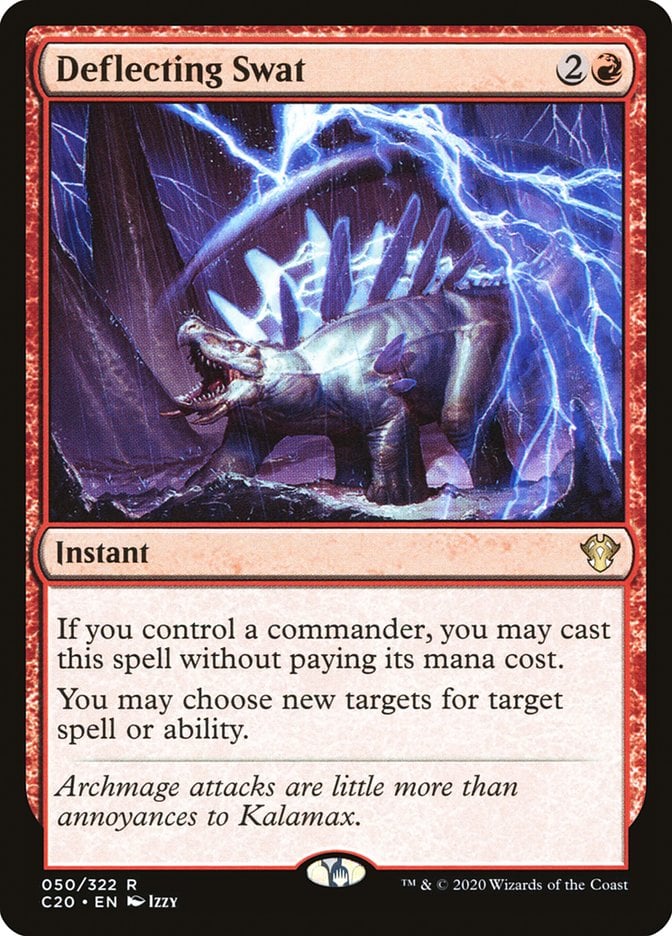
There’s an argument that Fierce Guardianship is the best of the “Commander free spell” cycle, but it’s ultimately a free counterspell, of which there are plenty to choose from. Deflecting Swat is more unique by virtue of being a free target-changing effect, and therefore it has a role in Commander that isn’t filled by any other card. Bolt Bend comes close, but free spells are great, and Deflecting Swat can shift the game real fast if you’re able to redirect the right spell.
#16. Ad Nauseam
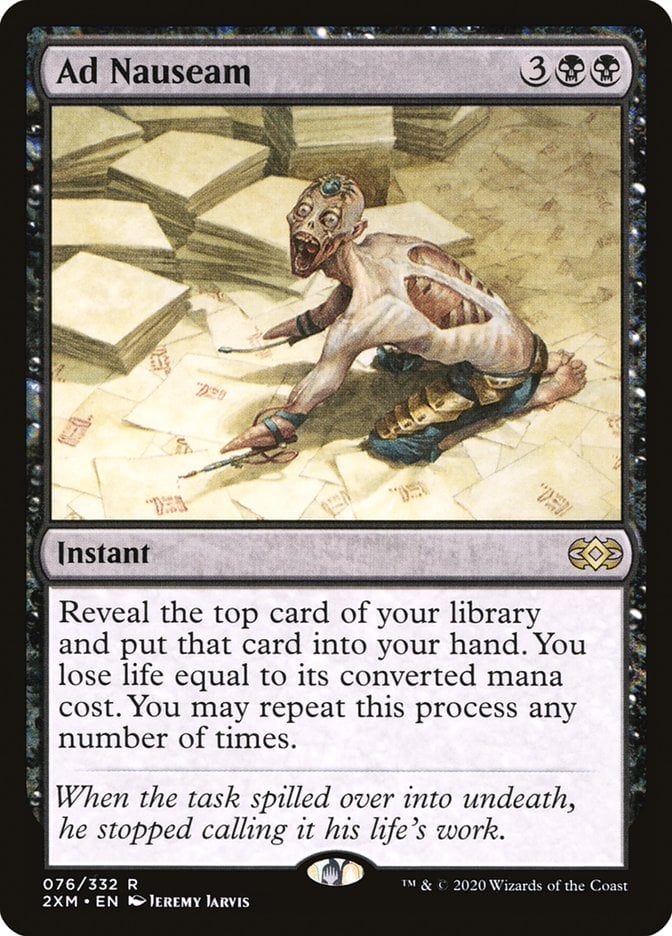
Ad Nauseam is a risky spell to fire off because you’ll lose life while going through your deck, but guess what: It lets you win. Most Ad Nauseam decks in Legacy have free spells or spells that cost 1 anyway, and in EDH, you can do silly stuff with more life to tinker with.
#15. Dig Through Time
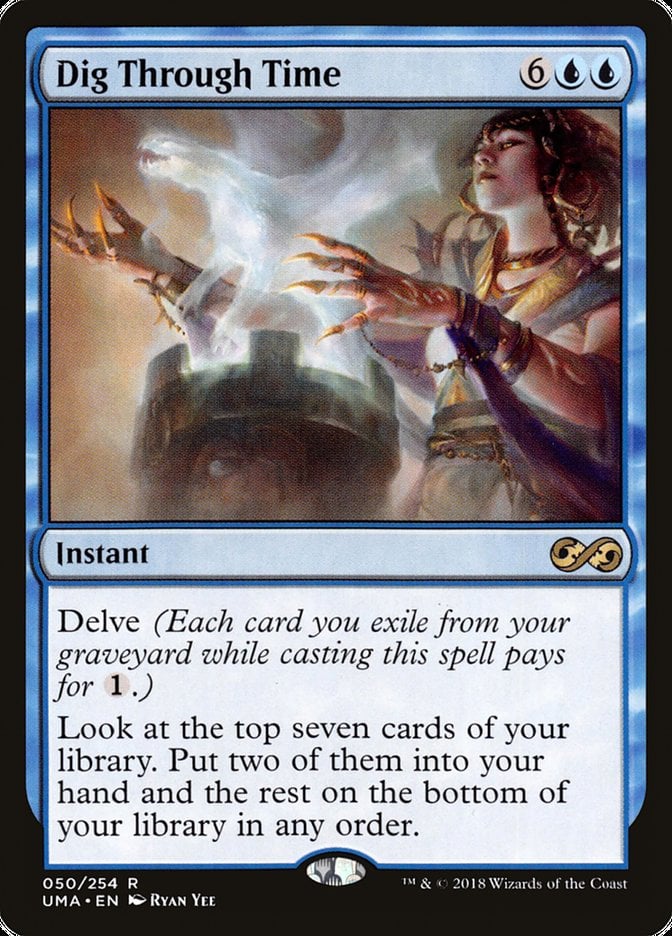
Paying 8 mana to look at the top cards and getting two is horrible, but guess what? Dig Through Time often costs 2-3 mana. This card is so powerful that it warps deck construction around it, and you’ll want as many cheap cantrips and mill effects as you can get to delve deeper and more frequently. It’s so good it got banned in multiple formats, but you can still play this card in Pioneer.
#14. Cyclonic Rift
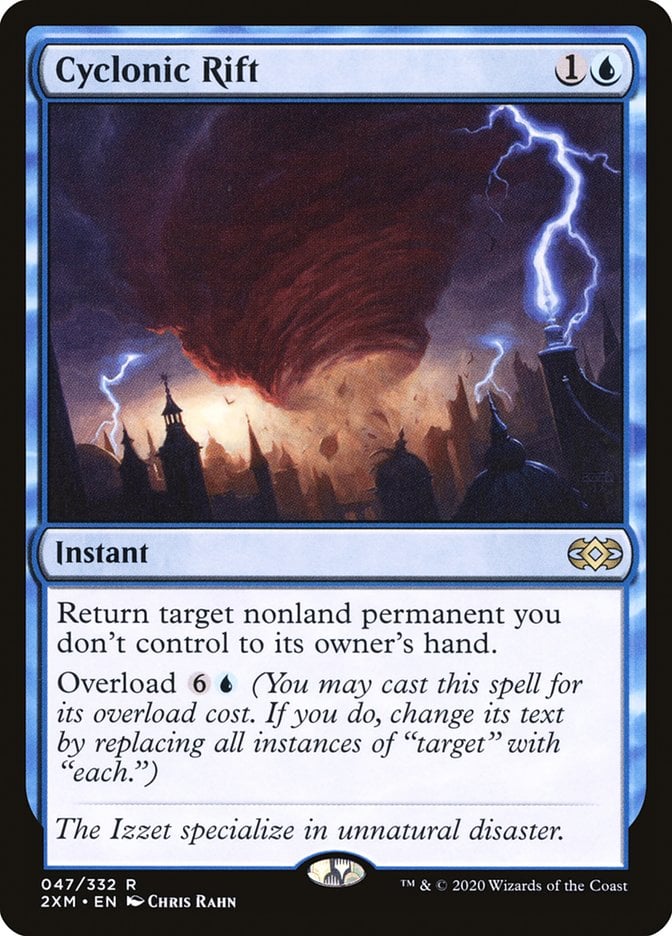
Cyclonic Rift is probably the card EDH players most want to see banned. Hands down the best blue board wipe, it's an absolute blue staple of the format: paying 7 mana to bounce all their permanents but keeping yours intact is huge. It can ruin the life of engine-builder players (+1/+1 counters, planeswalkers, tokens, you name it).
#13. Mental Misstep
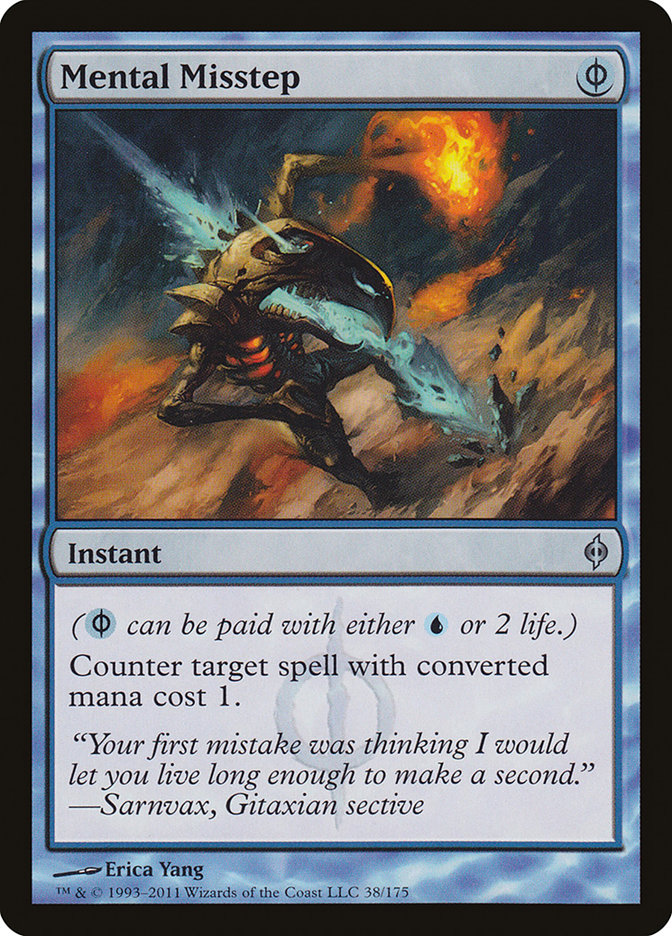
Mental Misstep allows you to counter a spell that costs 1 mana. This doesn’t look like a powerful spell, but it has a few things going up for it. It can be played for 2 life, and it can counter other people’s Mental Missteps. Competitive MTG plays a lot of 1-mana spells, from creatures to instants and sorceries. Just look at this ranking: Probably half of it gets countered by Mental Misstep, not to mention hand disruption and forced discard effects like Thoughtseize and Duress or creatures like Ragavan, Nimble Pilferer.
#12. Mystical Tutor
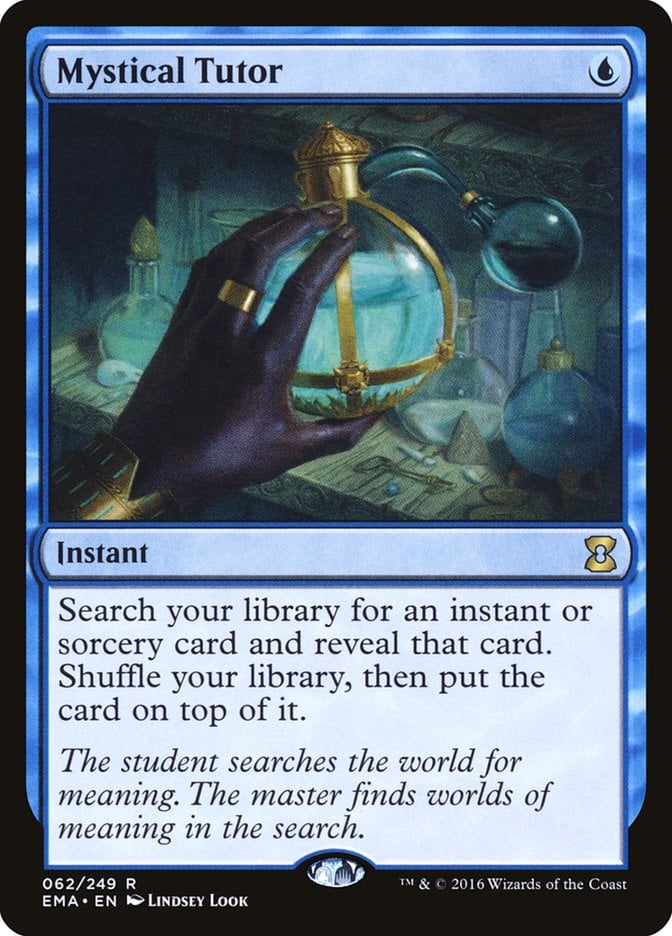
A lot of combos require us to find a specific sorcery or instant card, and Mystical Tutor does that for only a single mana. It puts the spell on top of the library, which isn’t ideal, like Vampiric Tutor, but it’s still one of blue’s best tutors.
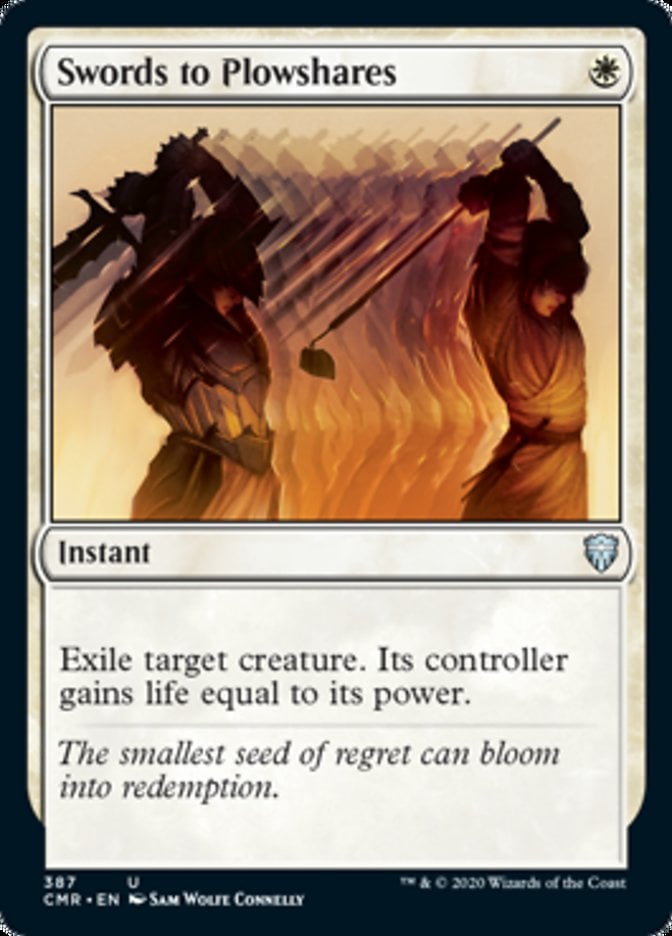
Swords to Plowshares is a white staple and the quintessential removal spell. It exiles any non-hexproof/shroud creature for just 1 mana, and the life they get back is often negligible.
#10. Teferi's Protection
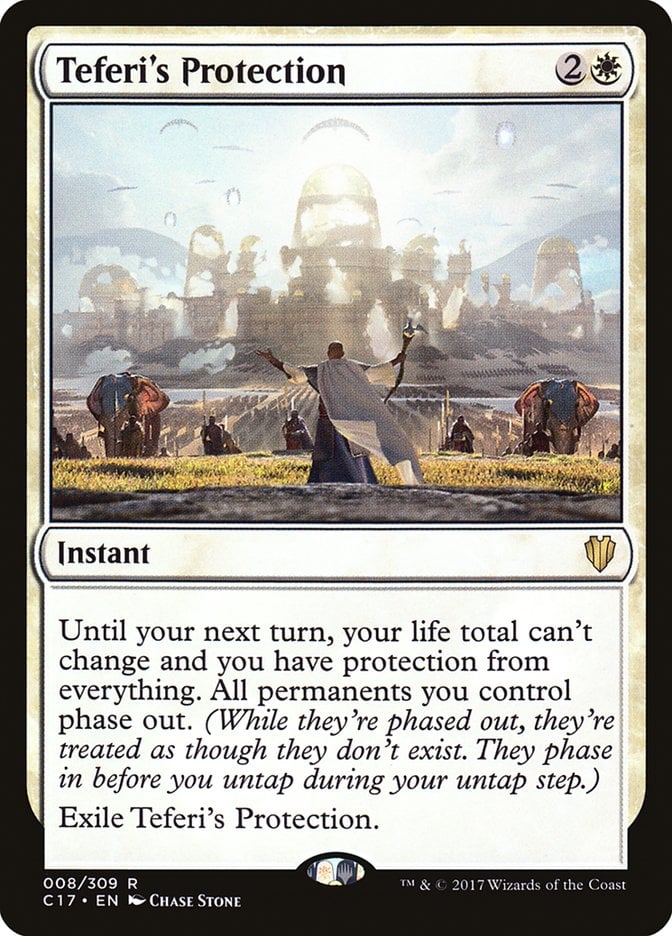
Teferi's Protection in Commander is like the white Cyclonic Rift. As Magic's most powerful phasing card and one of the best white instants ever printed, few spells in MTG allow you to do what Teferi's Protection does, which is simply to phase out for a turn. That means you and all permanents you control are protected, be it from a combo, an attack, or a sweeper (including a Cyclonic Rift).
#9. Mana Drain
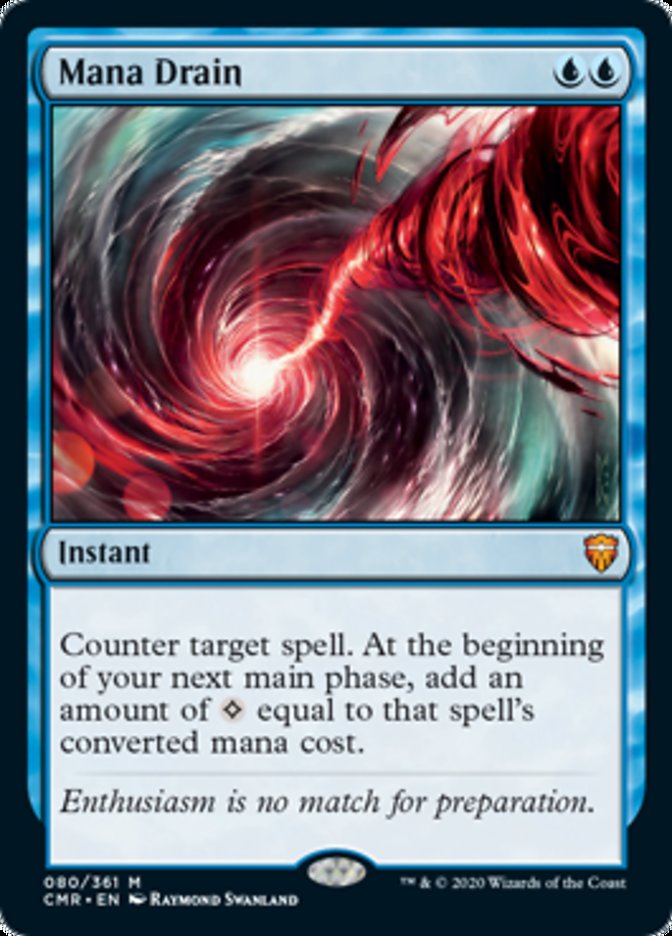
What’s better than countering a spell for 2 mana? And why not get some mana in the process, mana that you’ll be able to use in the next turn to cast something nice. Mana Drain is a strictly better Counterspell, and MTG rules don’t punish you for unspent mana anymore.
#8. Dark Ritual
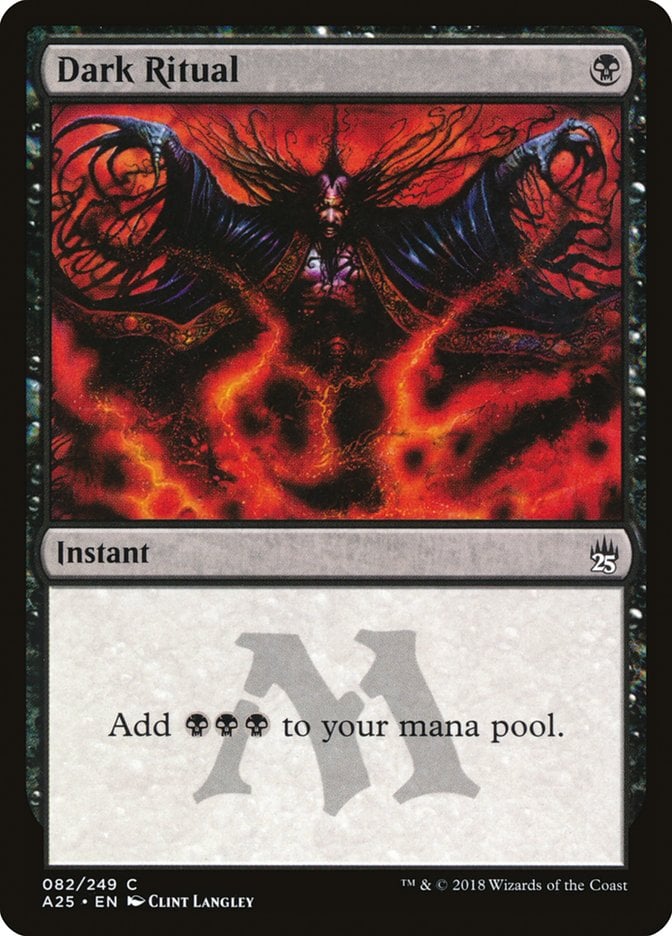
Pay 1 mana, get 3 back, netting 2 black mana in the process. One of Magic's best rituals, Dark Ritual is never used to do fair stuff. You’ll either up your storm count, cast Necropotence or Doomsday, or just bring in a big black creature ahead of schedule.
#7. Brainstorm
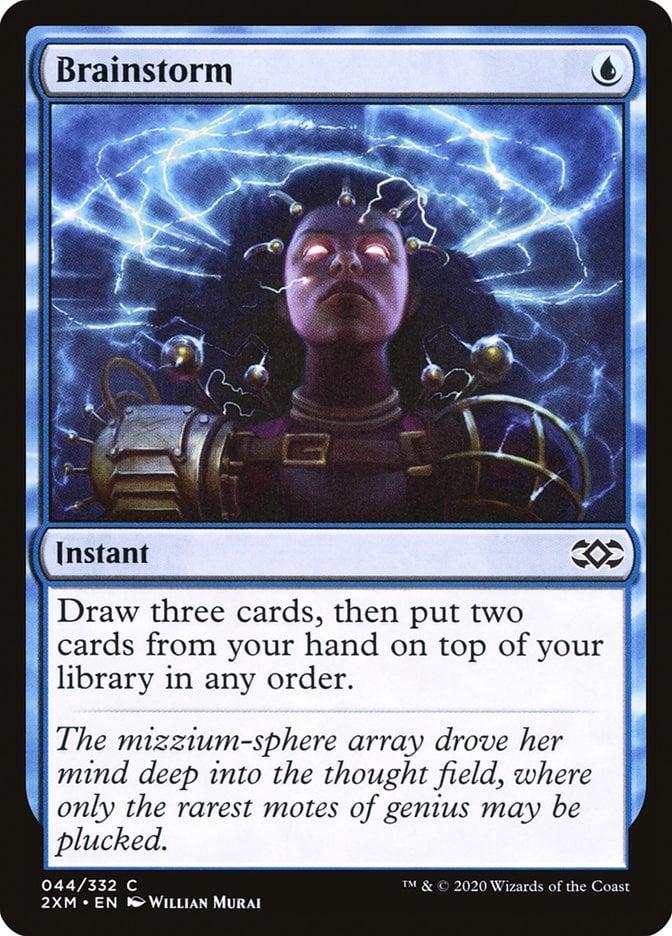
Nothing screams Legacy more than Brainstorm (okay, now there’s Orcish Bowmasters to punish it but still). Brainstorm is a very skill-intensive spell, allowing you to hide cards in your deck so they don’t get discarded, shuffle the cards you don’t want with fetch lands, and more. It’s a very powerful cantrip and card selection tool, and it sees play in control, spellslinger, and combo decks alike.
#6. Entomb
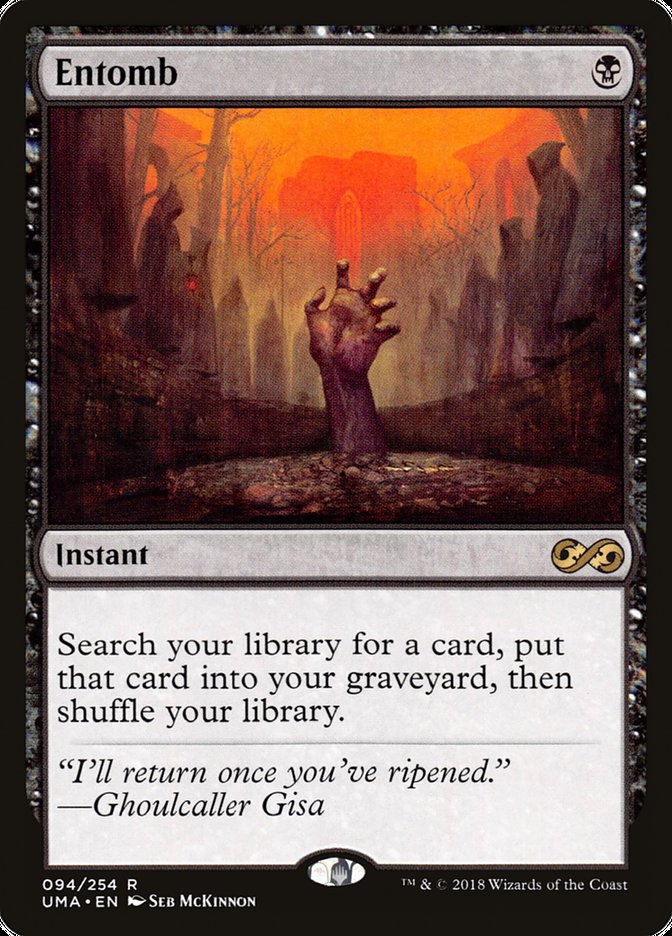
Entomb is a reanimator deck’s best friend because it not only finds your best reanimation target but also puts it on your graveyard for further use. All of this for a single mana. Entomb is cheap, does its job very well, and is played across multiple Eternal formats.
#5. Force of Negation
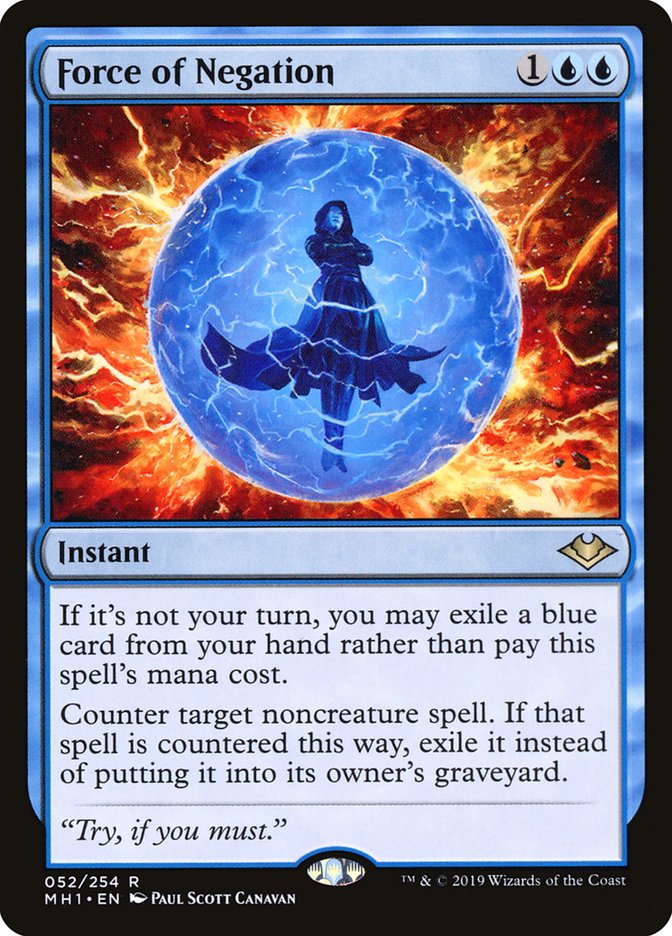
For years Force of Will was the main “free counterspell,” but we’ve had Force of Negation for a while now. Force of Negation is legal in Modern, and it complements Force of Will as a “cheaper” to cast FoW or as redundancy in older formats. It only gets noncreature spells, which is fine given that these spells rarely counter creatures anyway. Force of Negation exiles the countered spell, and that’s relevant in a few scenarios.
#4. Vampiric Tutor
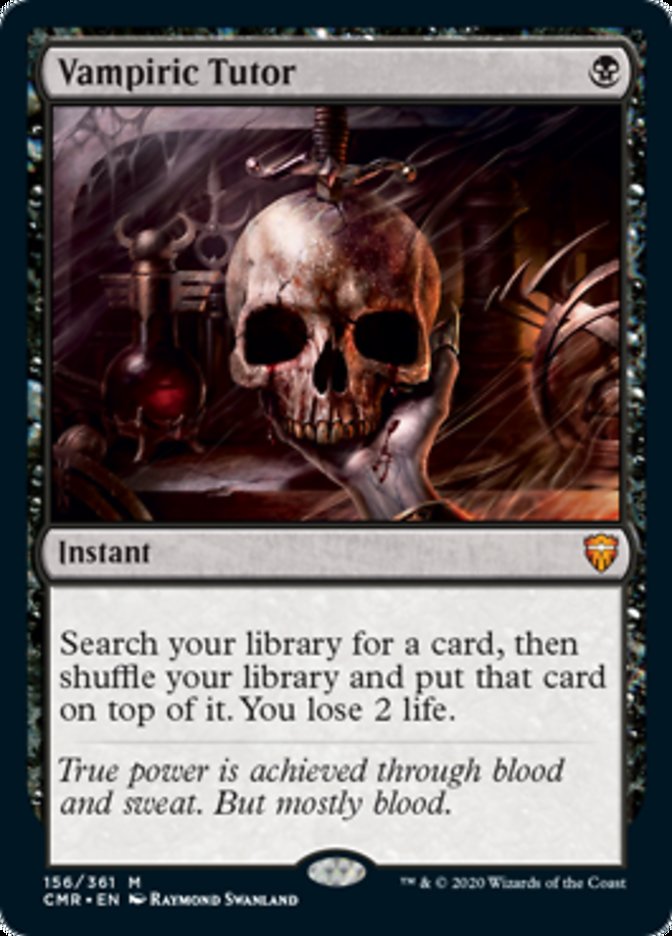
Vampiric Tutor is one of the best tutors in MTG, rivaling only with Demonic Tutor. Finding the card you need for 1 mana at instant speed is a bargain, and you can likewise set the top card of your library for many combos. It’s card disadvantage because you won’t put the card on your hand, but in many situations, it’s even better when you need to set the top card.
#3. Lightning Bolt
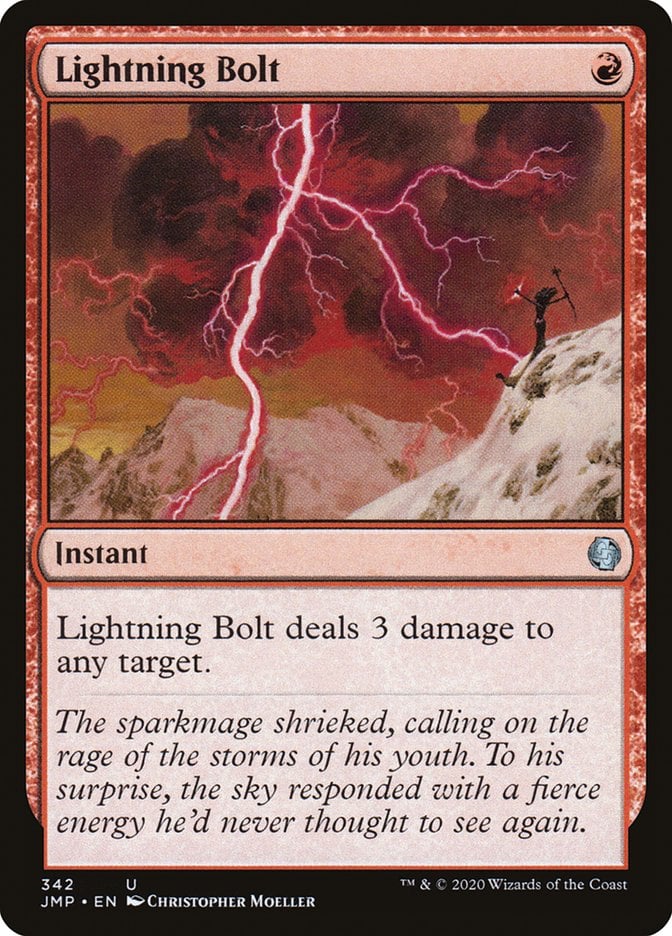
Magic's best red instant, Lightning Bolt is the best burn spell available at 1 mana, and it’s been synonymous with the red colors ever since the beginning of the game. It’s good in aggressive and control decks alike, and it’s probably the card that's won the most MTG tournaments ever.
#2. Force of Will
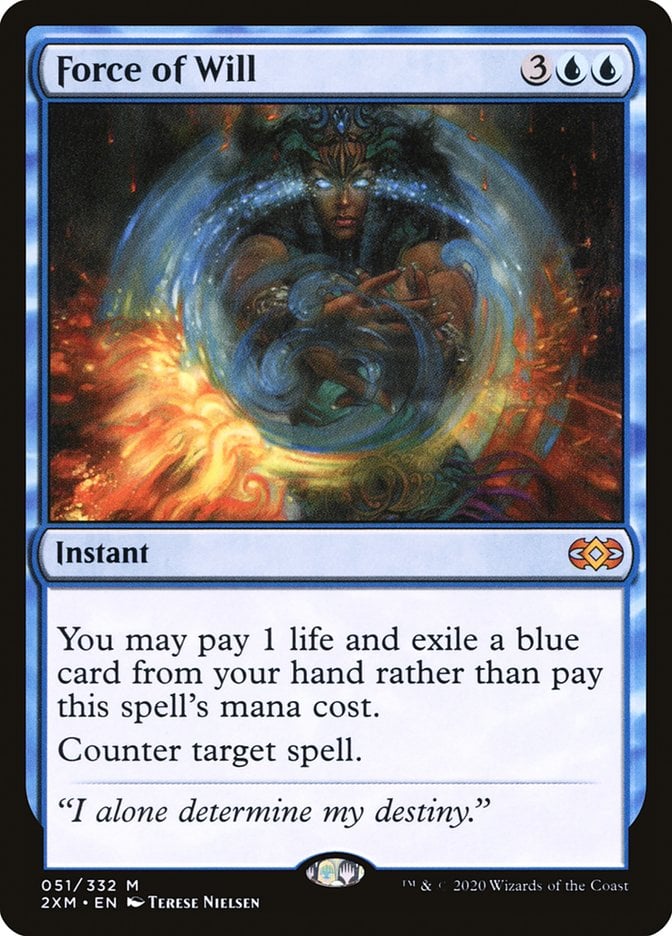
Turns out being able to counter a spell without paying the mana cost is busted. Yeah, free spells are amazing. Force of Will requires you to lose two cards and a point of life, but if this is the price you pay for not losing, then it’s a fair price. Force of Will is so format-defining that players overvalue a card for being blue just because you can “pitch to Force of Will.”
#1. Ancestral Recall
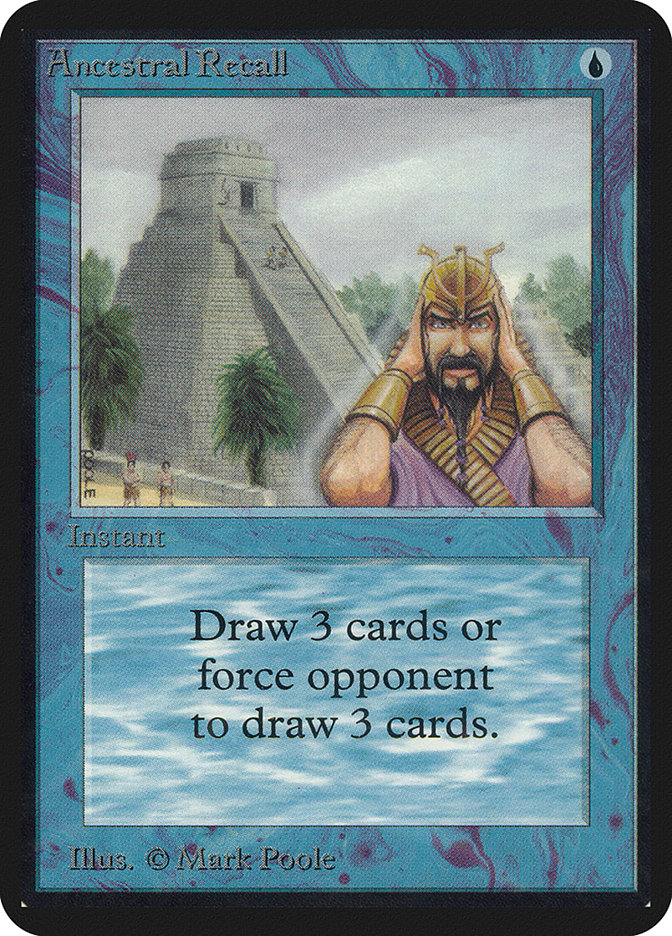
The first place couldn’t be different. Three cards. Only 1 mana. Zero downside. Busted. Ancestral Recall is one of the famous Power Nine, one of the most powerful cards in MTG. And admittedly a design mistake.
Best Instant Payoffs
It’s hard to find instant payoffs in MTG but in general lines, you’ll want something that either rewards you for playing on your opponents’ turns, ways to utilize your mana (mana sinks), or cards that trigger whenever you cast an instant spell.
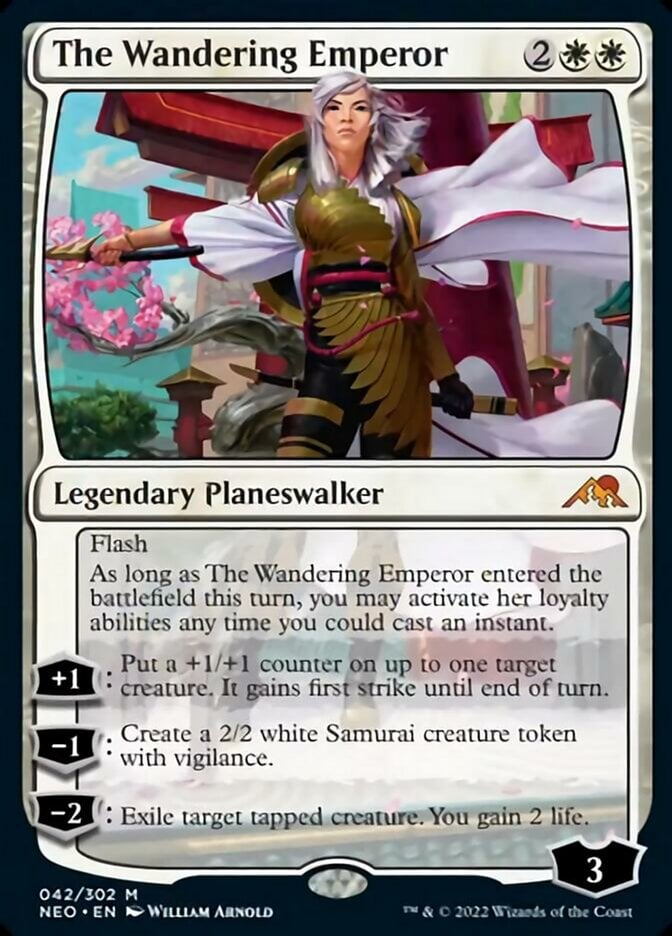
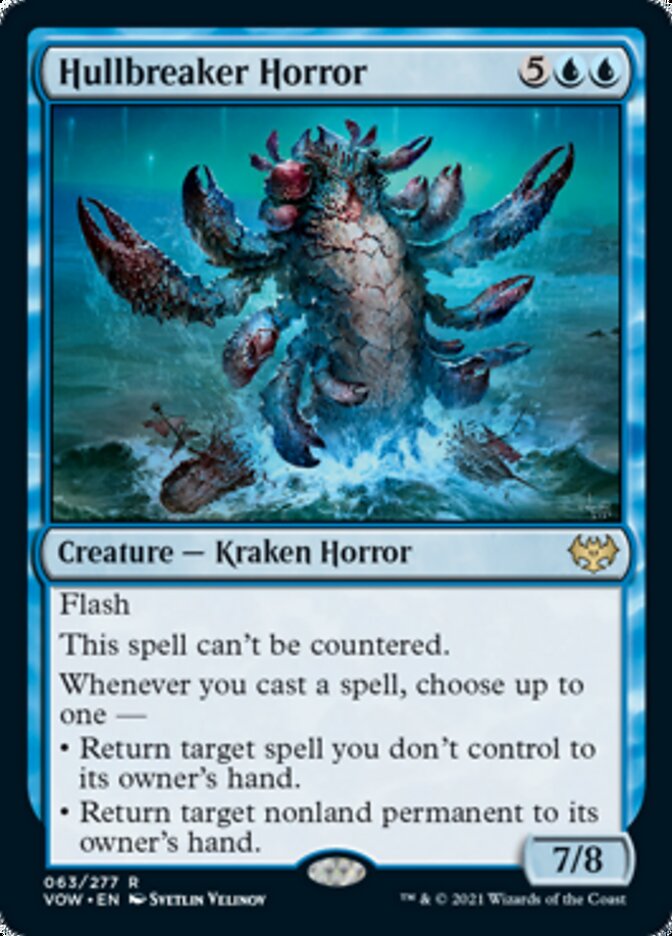
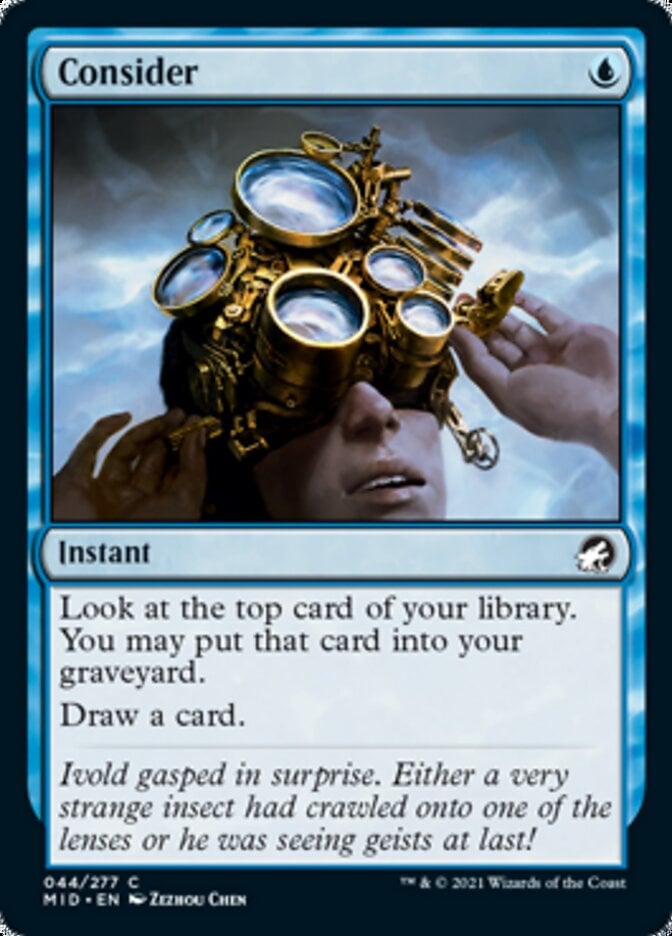
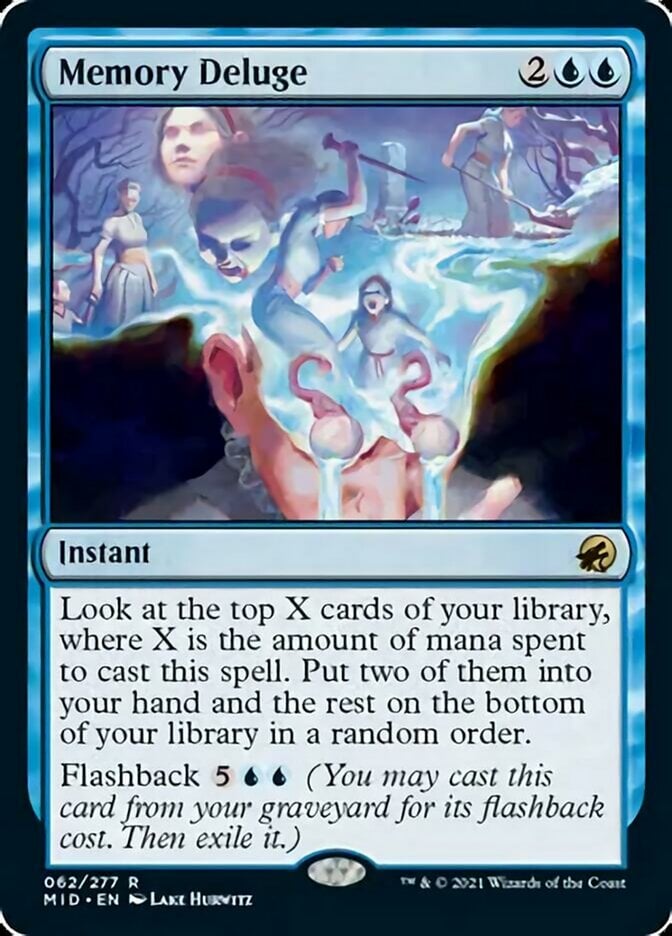
The Draw-Go deck archetype is filled with instant speed interaction, like permanents with flash (The Wandering Emperor, Hullbreaker Horror), removal spells, counterspells, and card draw (Consider, Memory Deluge). You’ll either counter your opponent’s spell, kill their threat, or draw more cards, and almost always on their turn.
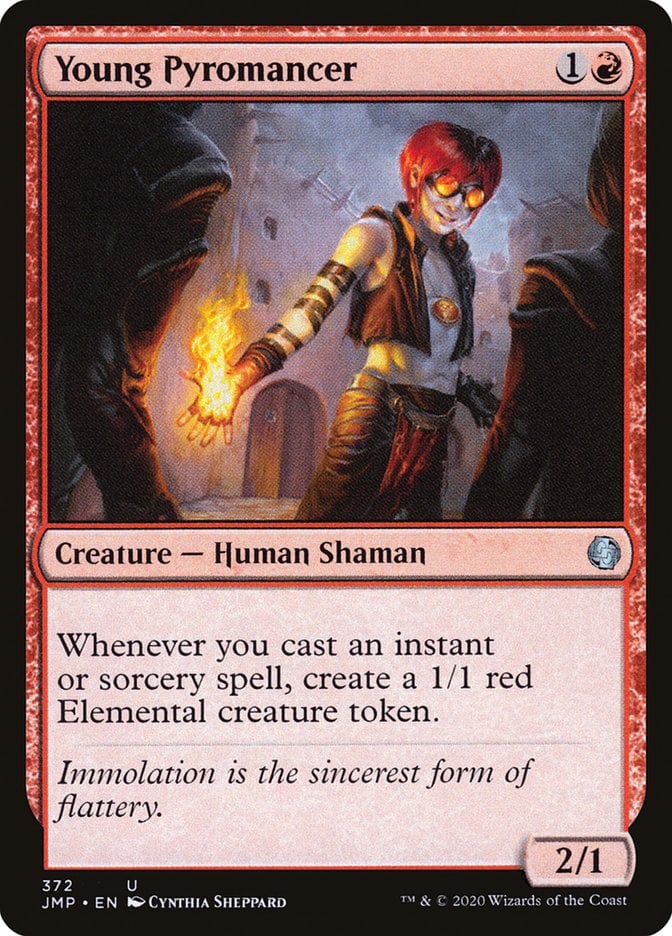
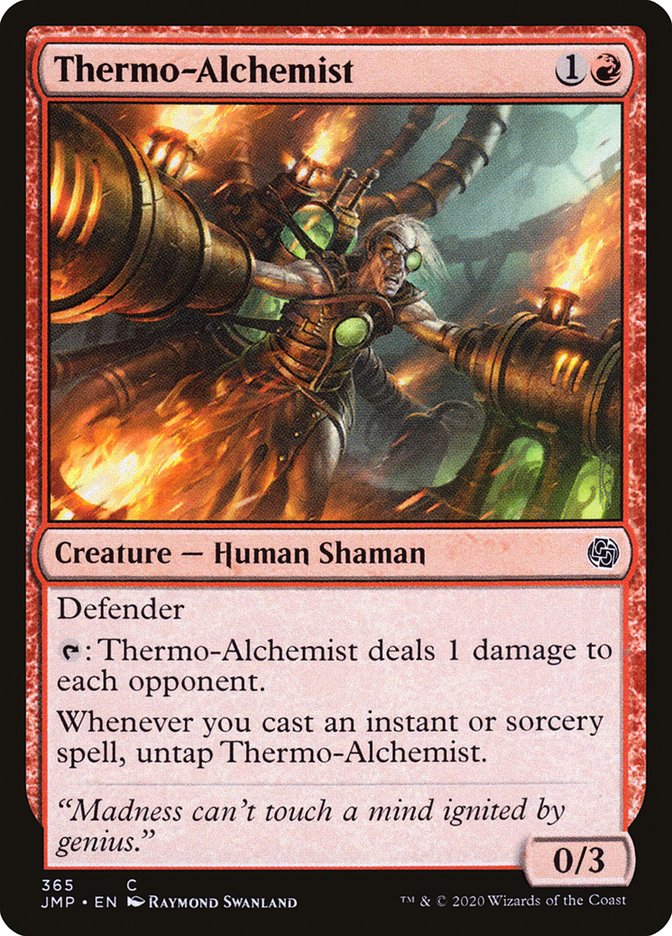
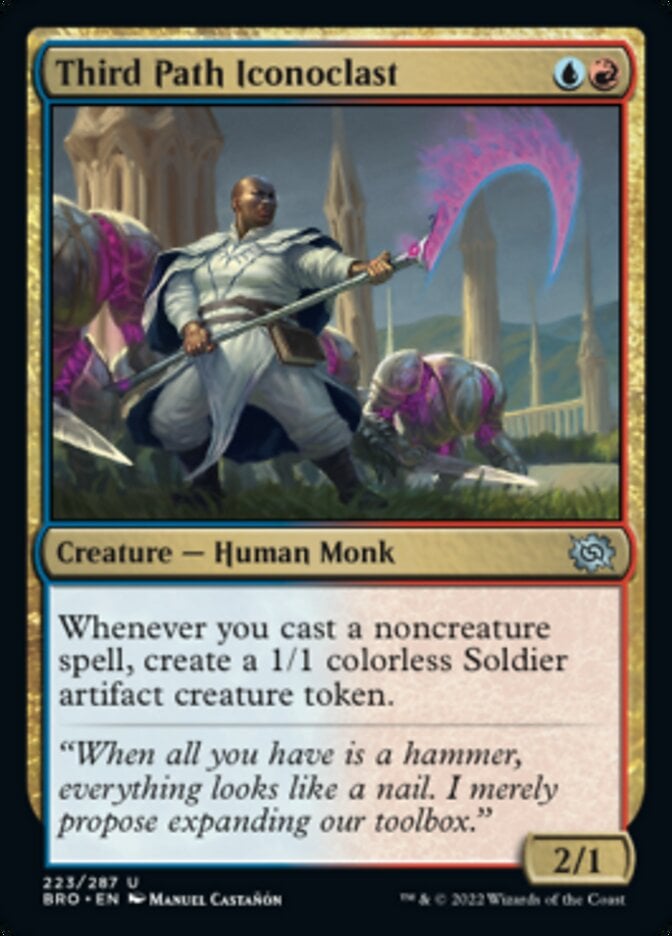
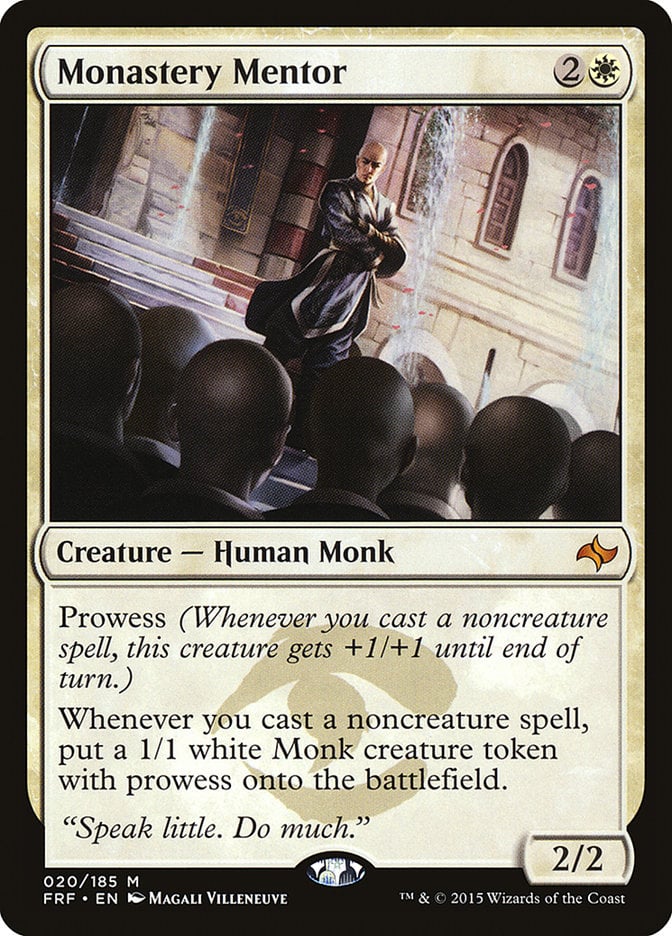
Cards that care about instants being cast like Young Pyromancer or Thermo-Alchemist are interesting payoffs. Nowadays MTG uses the term noncreature spell more often. Cards like Third Path Iconoclast or Monastery Mentor are also instant payoffs.
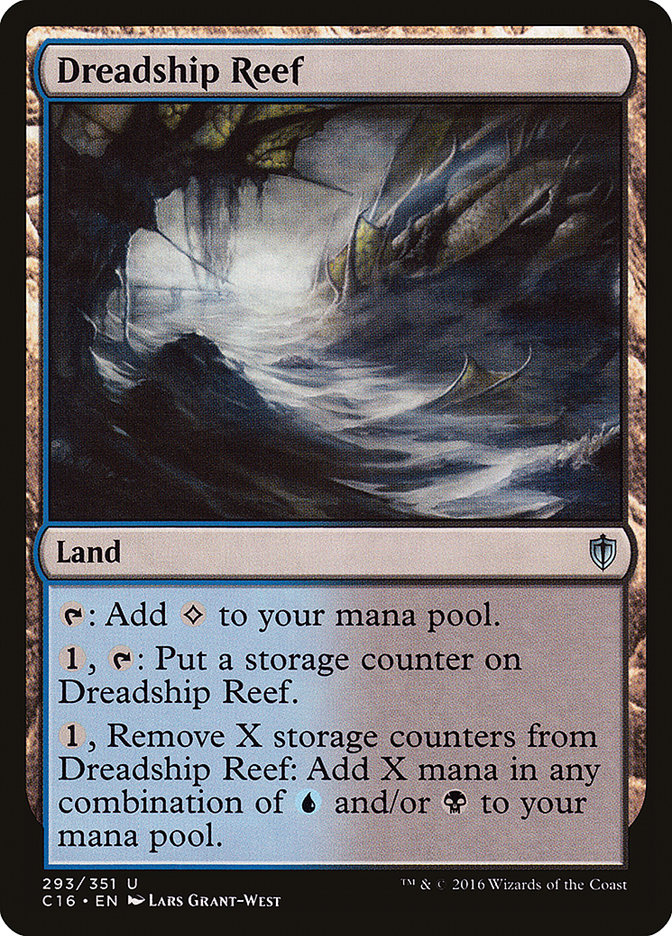
Mechanics like flash and cycling make instants better because you have more stuff to do with your mana. In the same vein, the storage lands (Dreadship Reef) were designed for players to put their unspent mana into it.
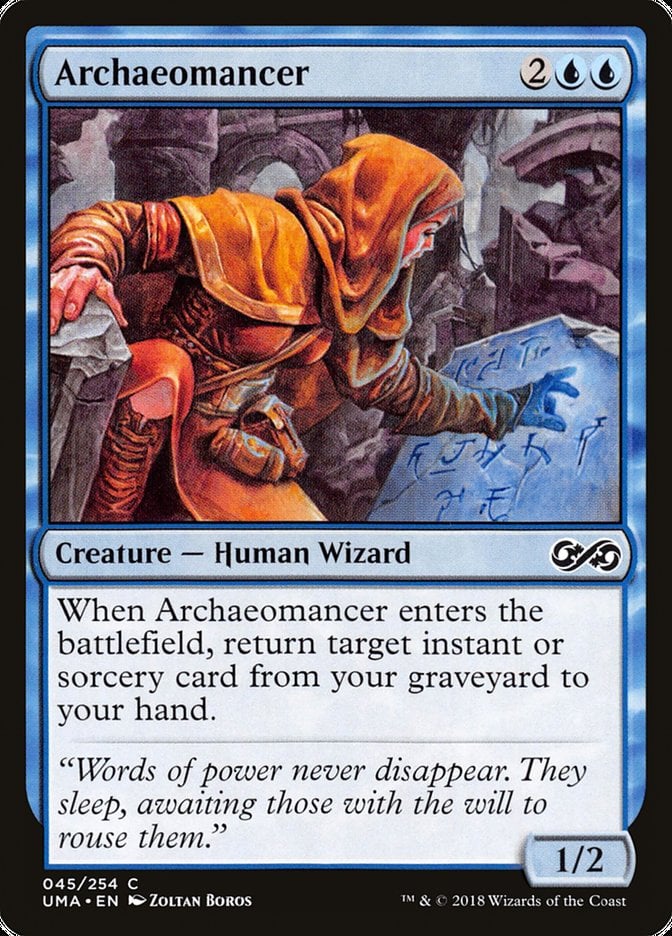
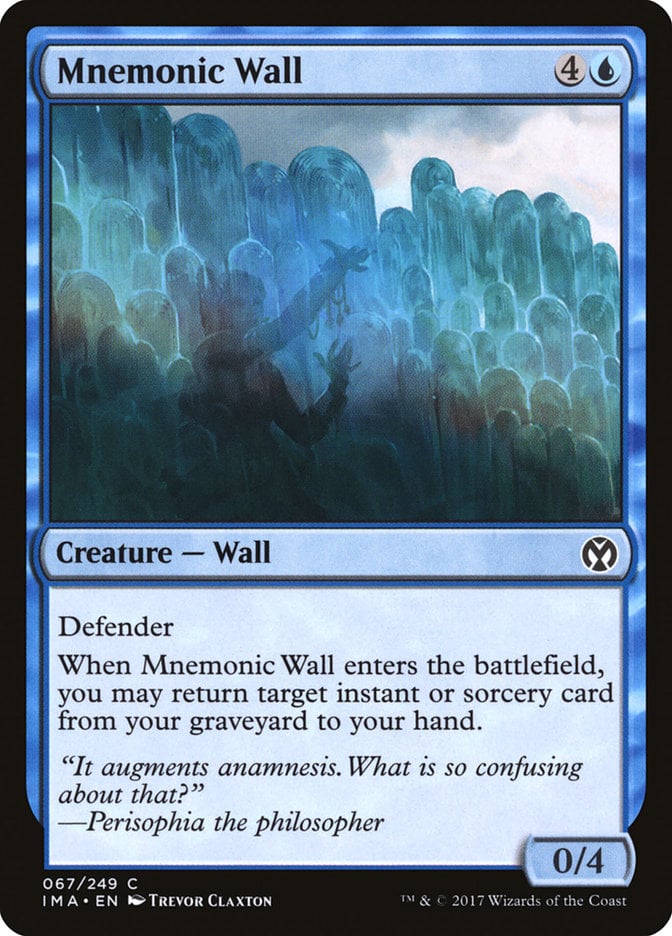
You can get instant cards back from your graveyard to your hand with cards like Archaeomancer and Mnemonic Wall. These creatures get much better when you have good instants by your side.
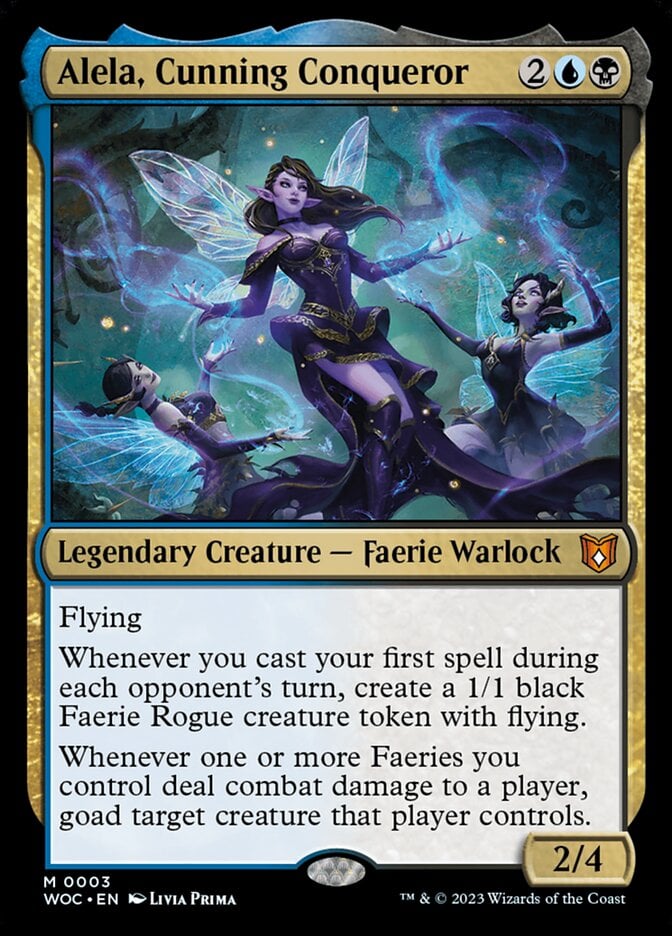
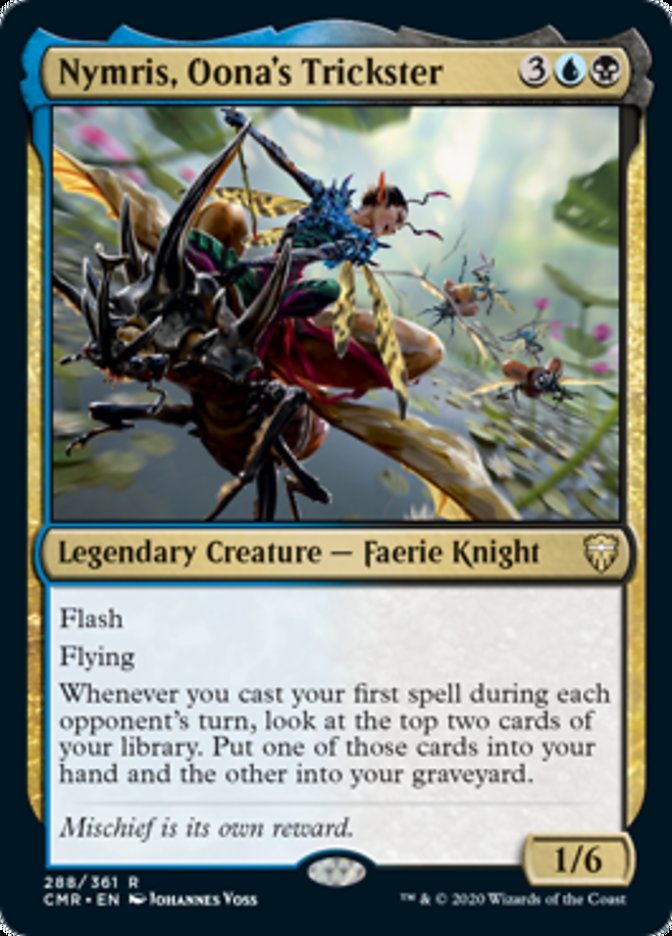
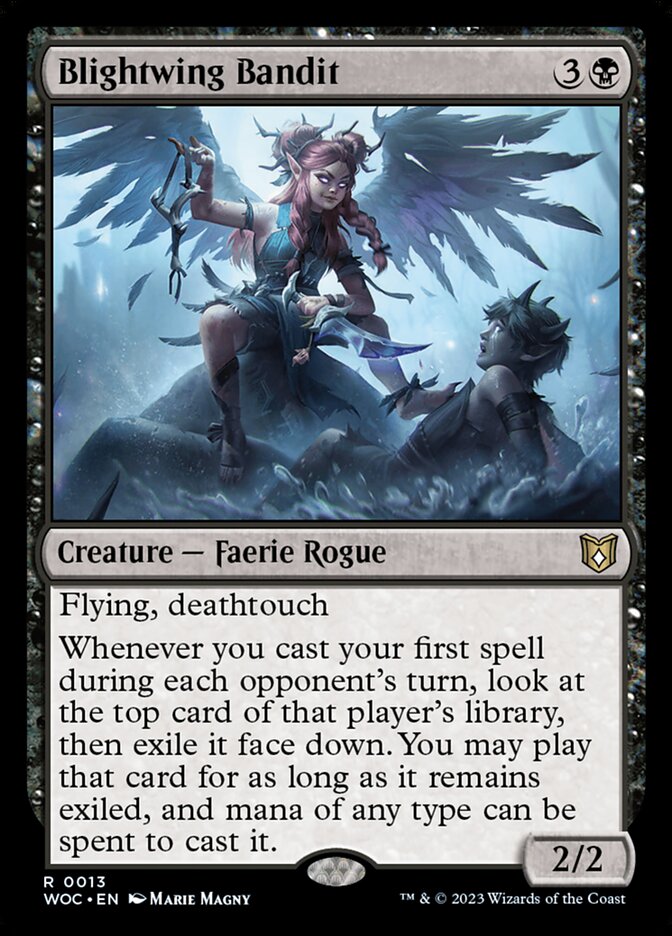
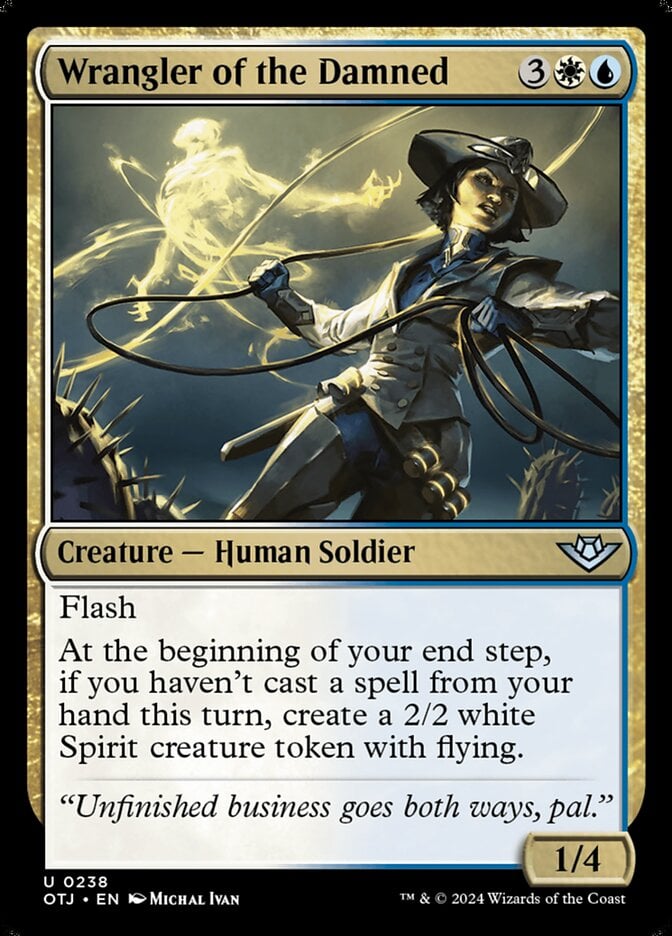
In Commander, there are a number of legends and other payoffs that reward you for playing on your opponents’ turns. Alela, Cunning Conqueror and Nymris, Oona's Trickster play exceptionally well with instants, particularly cheap spells so you can trigger their abilities on each opponent’s turn. Blightwing Bandit and Wrangler of the Damned are other examples of non-legendaries that want you to load a deck up with instants.
When Can You Cast Instants in MTG?
You can cast an instant spell whenever you have priority, and it doesn’t need to be your turn.
What Is the Difference Between an Instant and a Sorcery?
The main difference is that sorceries can only be cast during your turn and when the stack is empty. Instants can be cast on your turn and on the opponents’ turns. You can also cast an instant spell in response to an effect already on the stack.
Is Flash the Same as Instant?
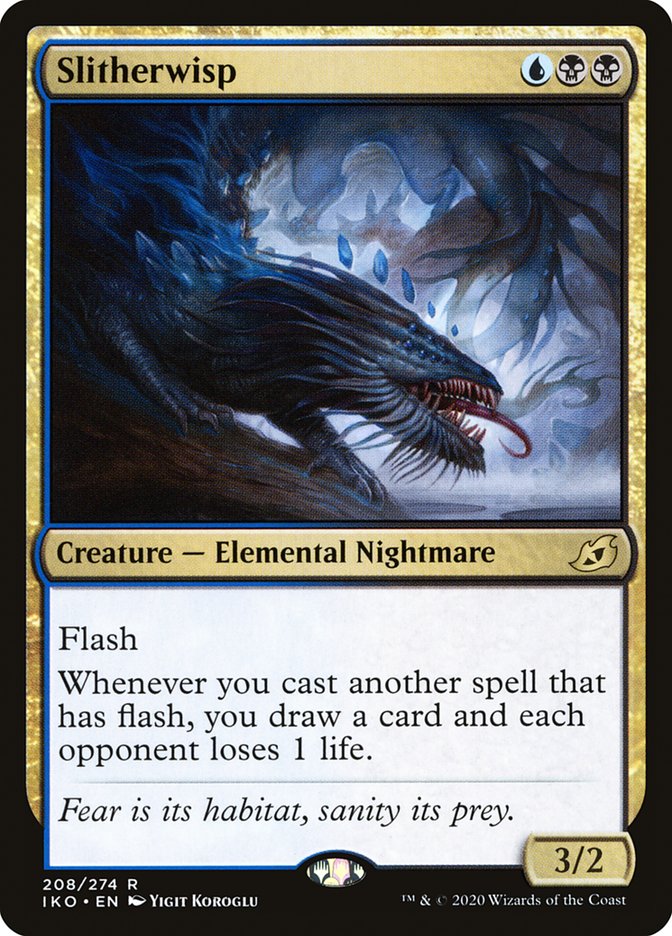
Not really. Flash is a keyword ability, while instant is a card type. A spell with flash can be cast at instant speed, but flash is applied to sorcery-speed permanents like creatures and enchantments. A card like Slitherwisp refers only to spells that have the keyword flash.
Do You Need Priority to Cast an Instant?
Yes. According to rule 117.1a, “A player can cast an instant spell whenever they have priority.” Whenever you put a spell or effect onto the stack, priority goes to your opponent(s) before it resolves. You can continue casting spells when your opponents return priority to you.
Can You Cast an Instant in Response to Your Own Instant?
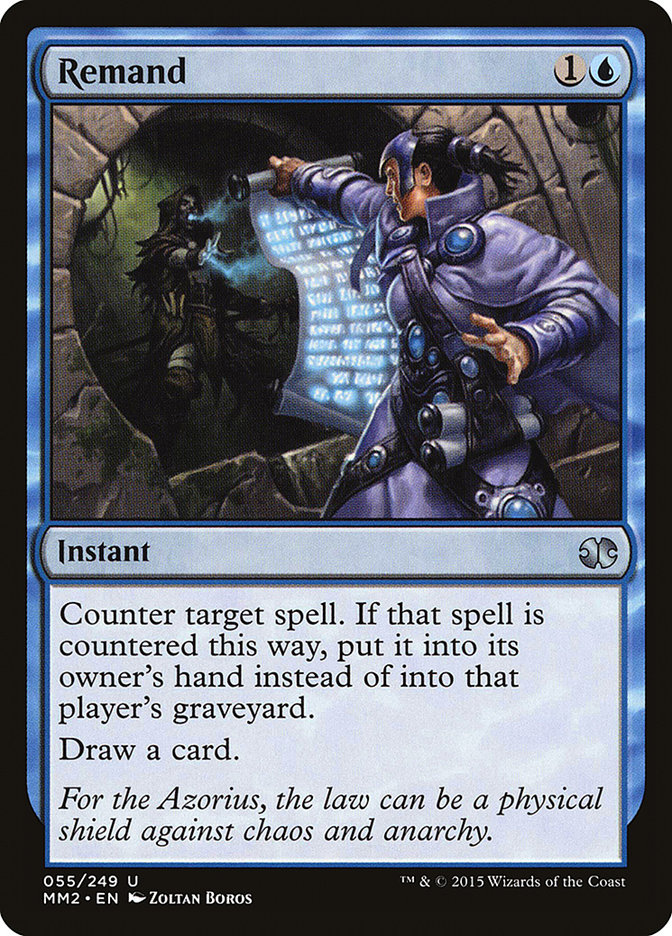
Sure! It’s an interesting trick if you have the spells and the mana. People sometimes cast a spell and Remand their own spell to draw a card and increase the number of spells cast in a given turn. The important thing to note here is that you have immediate priority after you put a spell on the stack, so you have first dibs at responding to your own spells and abilities.
Can You Cycle at Instant Speed?
Yes. You can cycle a card at any time provided you have priority.
Is Transmute Instant Speed?
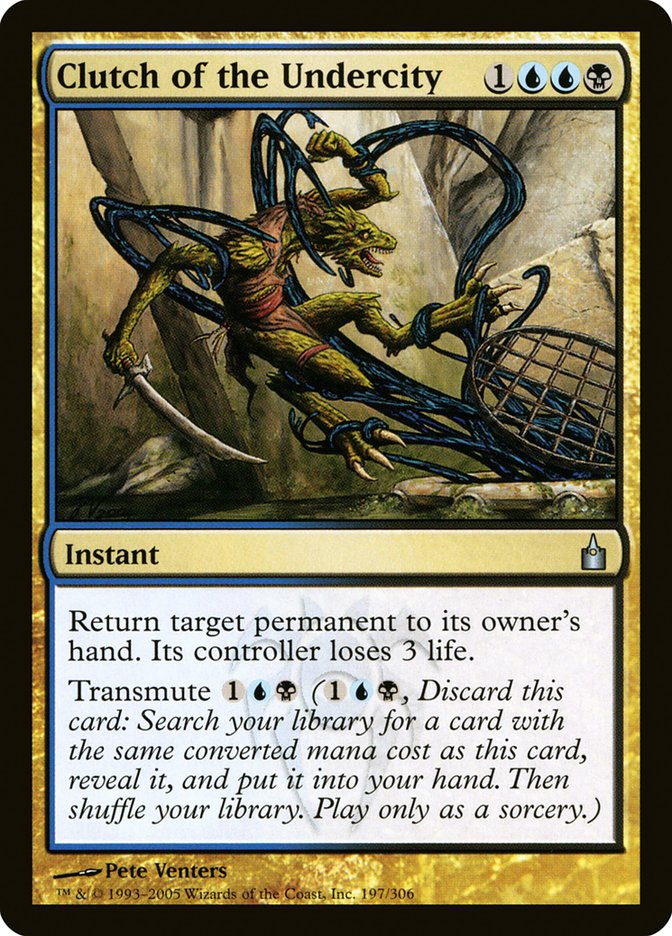
No, it’s sorcery speed. The rules for the mechanic are very clear. “Search your library for a card with the same mana value as this card, reveal it, put it into your hand, then shuffle. Transmute only as a sorcery”. Clutch of the Undercity is an instant that has the transmute ability, and people sometimes mistake the speed of the spell with the transmute ability, which is always sorcery speed.
What Is a Tribal Instant?
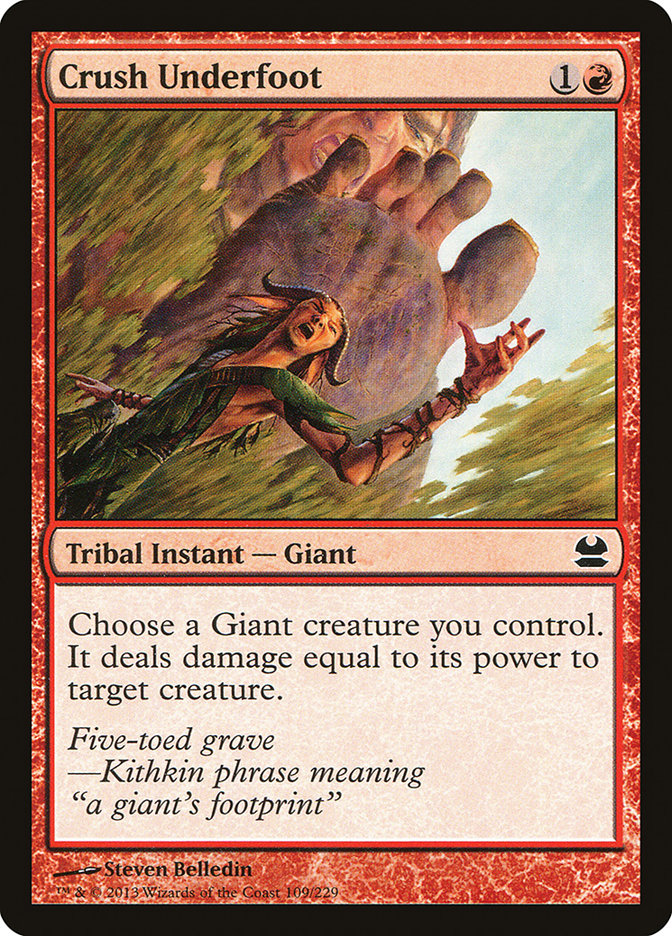
A tribal instant, now referred to as a “kindred instant,” is an instant spell that also has a creature type. For example, Crush Underfoot is a “kindred instant giant” in its type line, which means that the card is at the same time an instant spell and a giant spell. You can find it in your deck with Giant Harbinger and with Mystical Tutor. Kindred spells make sense in sets with typal components like Lorwyn and Kamigawa.
What Is the Difference Between an Instant and an Interrupt?
An interrupt spell was a special kind of spell in MTG that could be cast at instant speed but would resolve before other spells in the stack, and you could only cast an interrupt in response to an interrupt spell already on the stack. It’s somewhat similar to what happens with the mechanic split second, except that a player can’t cast any spells in response to a split second spell. Regarding instants, any instant spell or activated ability can be put in the stack in response to another instant. We don’t need to worry about interrupts anymore because the interrupt rules are a thing of the past. Cards that were interrupts like Counterspell are now instants.
Wrap Up
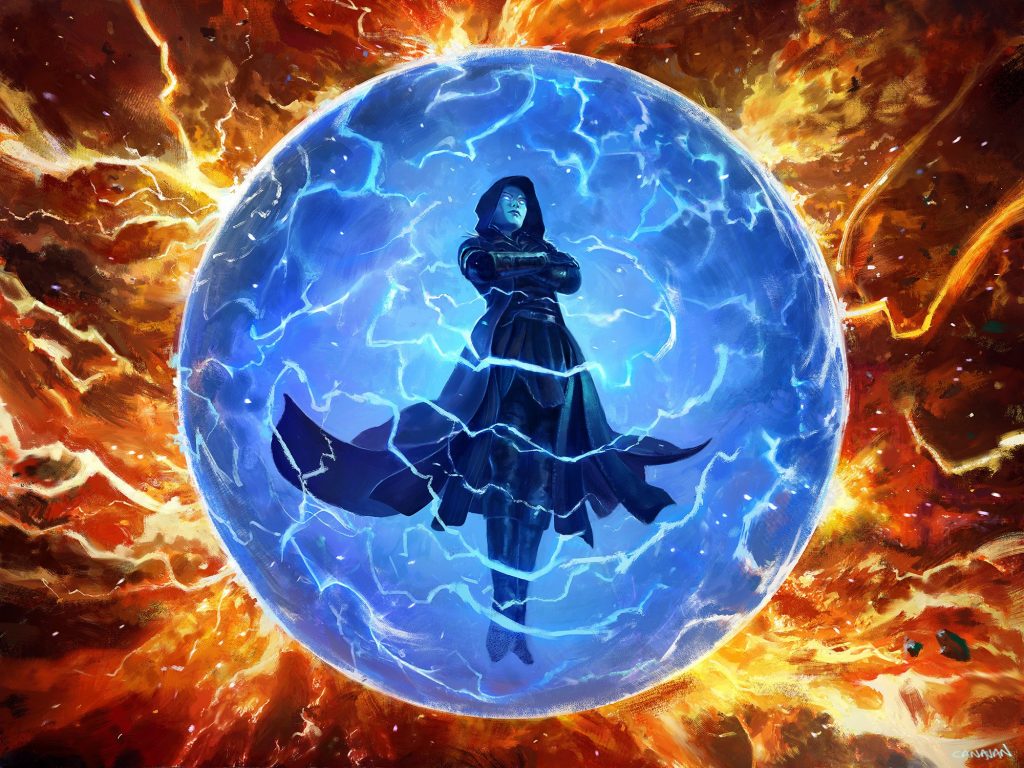
Force of Negation | Illustration by Paul Scott Canavan
Instants are among the most important card types in MTG, and being able to play them when they’ll give you the best leverage is key, as is playing around your opponents' instant spells. Most of these are blue and black, and that reflects the way these colors interact, and blue’s superior instant power level overall.
Now I want to hear from you. What do you think of my list? What spells do you often play that aren’t here? Any notable omissions? Let me know in the comments section below, or let’s discuss it on the Draftsim Discord.
Thanks for reading guys, and always be aware of what your opponents might be holding.
Follow Draftsim for awesome articles and set updates:










2 Comments
“Ghostfire Slice” ist strictly better than “Lightning Bolt” in EDH. It deserves top 5.
I mean, that’s not 100% true but I get what you’re saying. This list isn’t really that focused on EDH specifically.
Add Comment