

Gerrard's Hourglass Pendant | Illustration by Sam Burley
I've absolutely been in situation where I was playing an aggro deck and out of nowhere, I got hit with an Orim's Chant. Technically, I could still play my lands, but there was nothing meaningful left to do, so I effectively skipped my turn. It was undeniable proof that skipping a turn is one of the most backbreaking things that can happen in Magic, but how many ways can you actually make that happen?
I did some digging, and today we’re looking at cards that explicitly force a turn to be skipped. Why does that matter, you might ask? Well… let’s find out.
What Are Skip Turn Cards in MTG?

Eater of Days | Illustration by Mark Tedin
Turn-skipping cards explicitly include the phrase “skip [a player's] turn” in their rules text. It’s important to note that these are different from cards that prevent opponents from taking extra turns. Because of that distinction, this list focuses primarily on the former, while the latter will be briefly discussed later.
#11. Chronatog Totem
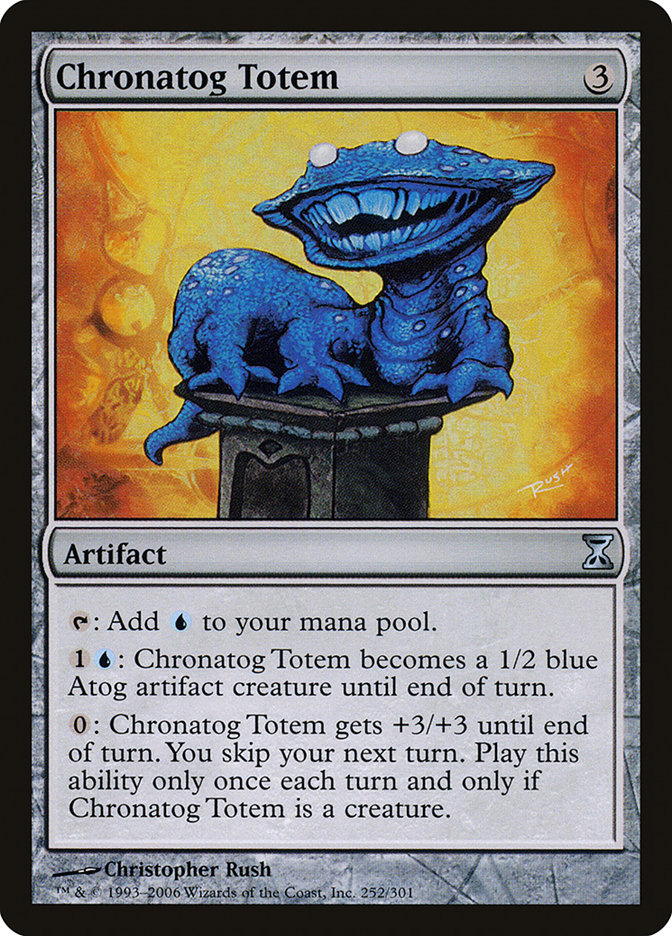
Chronatog Totem is a slower, more defensive take on the Chronatog effect, fitting into control or lock-style decks. The skip-turn ability becomes tolerable when paired with protection or stall pieces like Single Combat, Mystic Remora, or Teferi's Protection. It works best in shells that want time to pass without opponents making meaningful progress.
#10. Unstable Hulk
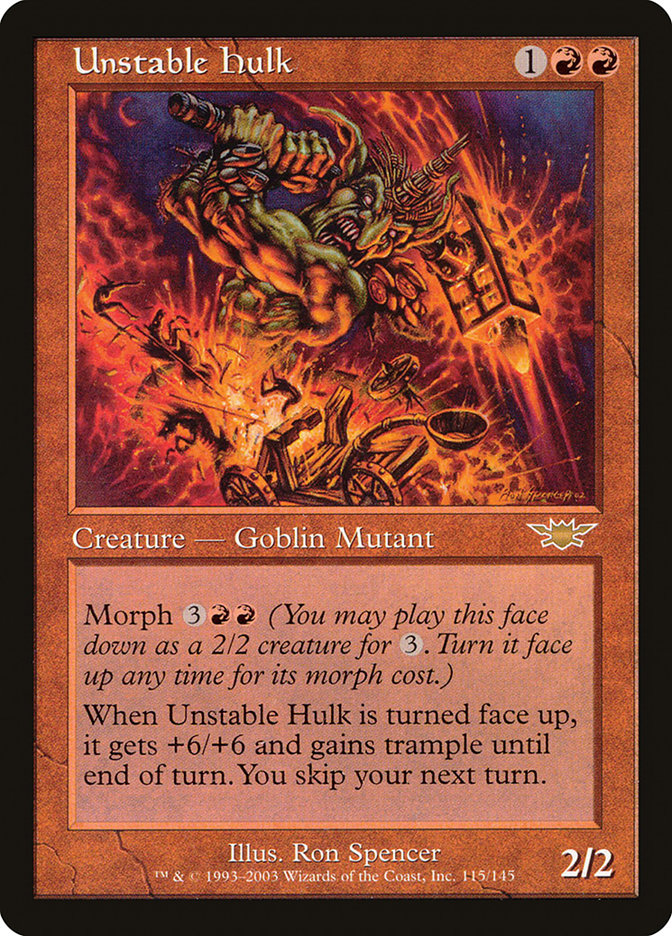
At first glance, Unstable Hulk doesn’t have many great homes, since skipping a turn is a steep cost even for aggressive decks. Flipping it face up does create a huge trampling threat, but relying on that alone is risky. The only real home for this is a Kaust, Eyes of the Glade deck that's trying to win quickly.
#9. Chronatog
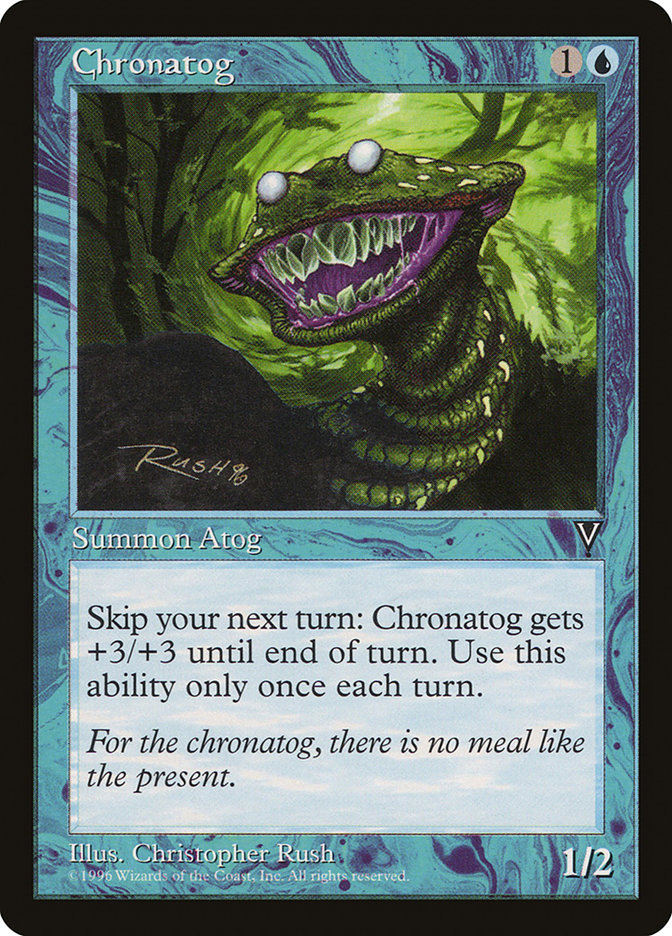
At the center of some of the strangest combo lines in Magic, Chronatog works because of how precisely its ability can be sequenced. With Volrath, the Shapestealer in play, the combo alternates between two forms. Volrath first copies Devoted Druid to tap for mana and remove the −1/−1 counter to untap. Volrath then switches to copying Chronatog to activate the +3/+3 ability, skipping a future turn. After that, Volrath copies Devoted Druid again to generate more mana, then switches back to Chronatog to repeat the process. By bouncing between the two, the deck stacks enormous power while future turns become irrelevant.
#8. Waterspout Elemental
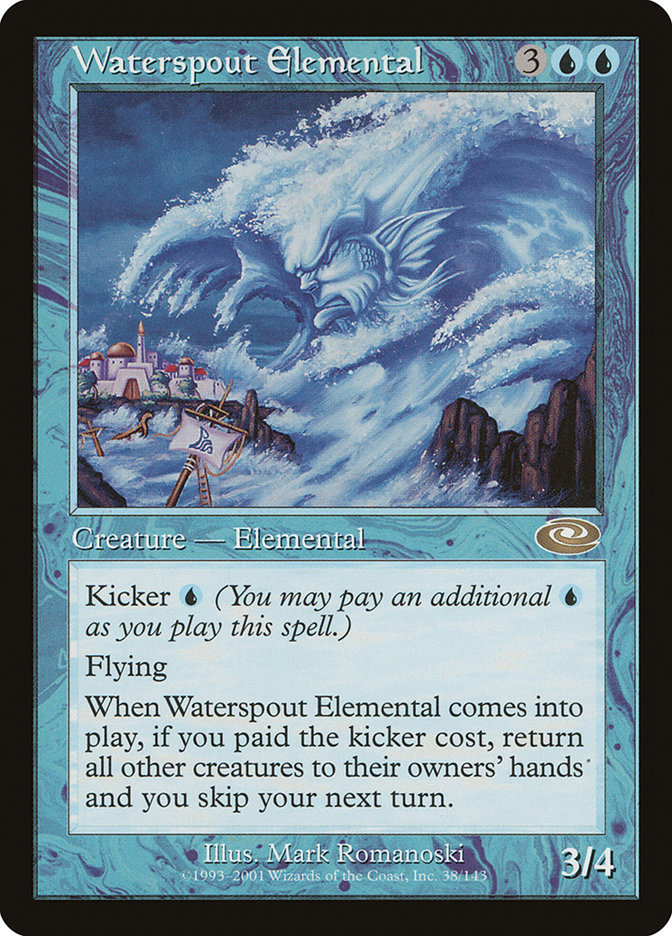
While the effect is absolutely brutal, Waterspout Elemental comes with a massive drawback. When kicked, it resets all other creatures, but skipping a turn is a steep price to pay. That’s why it works best in control decks that can plan around the lost turn, especially when paired with effects like Chronomantic Escape that buy time and prevent crack-back damage.
#7. Eater of Days
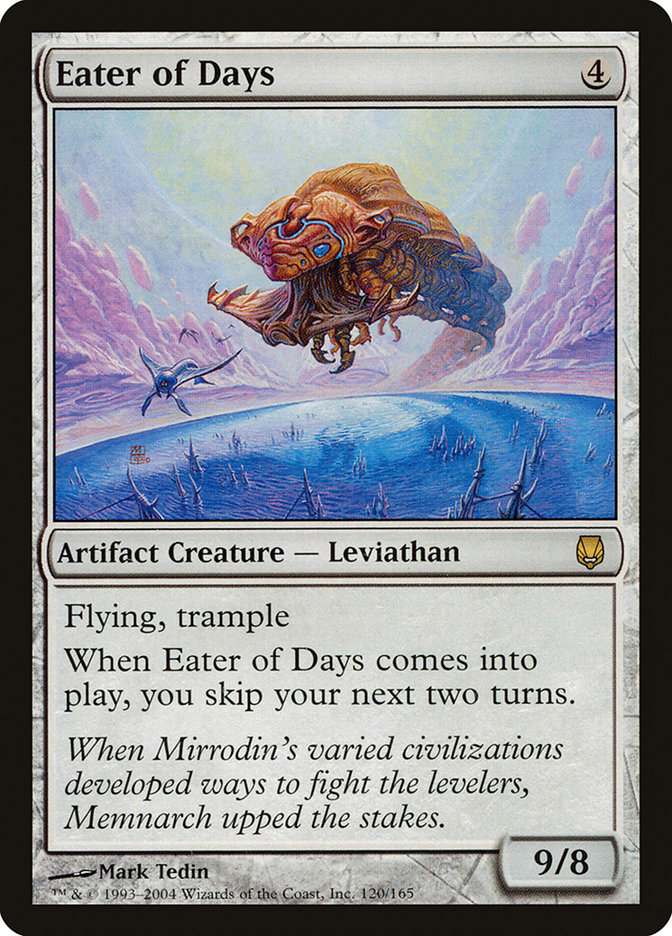
Eater of Days offers absurd stats for its cost, but skipping two full turns is a massive drawback unless the deck is built to weaponize it. One very convoluted combo does exactly that by using Overwhelming Splendor, Oath of Teferi, Tamiyo, Collector of Tales, and Fractured Identity. The plan is to give copies of Eater of Days to opponents with Fractured Identity so they skip turns instead of you, then use Tamiyo to repeatedly recur Fractured Identity and stack more skipped turns on the table while you remain in control.
#6. Lethal Vapors
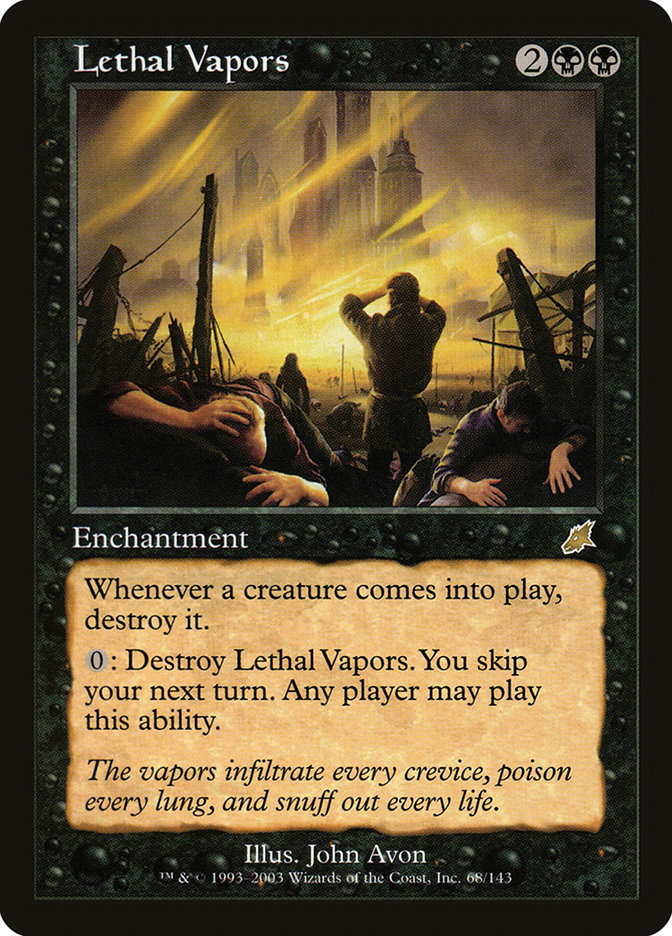
Built for chaos and prison strategies, Lethal Vapors turns the game into a brutal game of chicken. It deletes every creature that enters and dares an opponent to be the first to destroy it and skip a turn. You can take it even further by pairing it with Pithing Needle to stop anyone from activating the ability at all, or using Avacyn, Angel of Hope to make it indestructible and leave the board permanently frozen in time.
#5. Magosi, the Waterveil
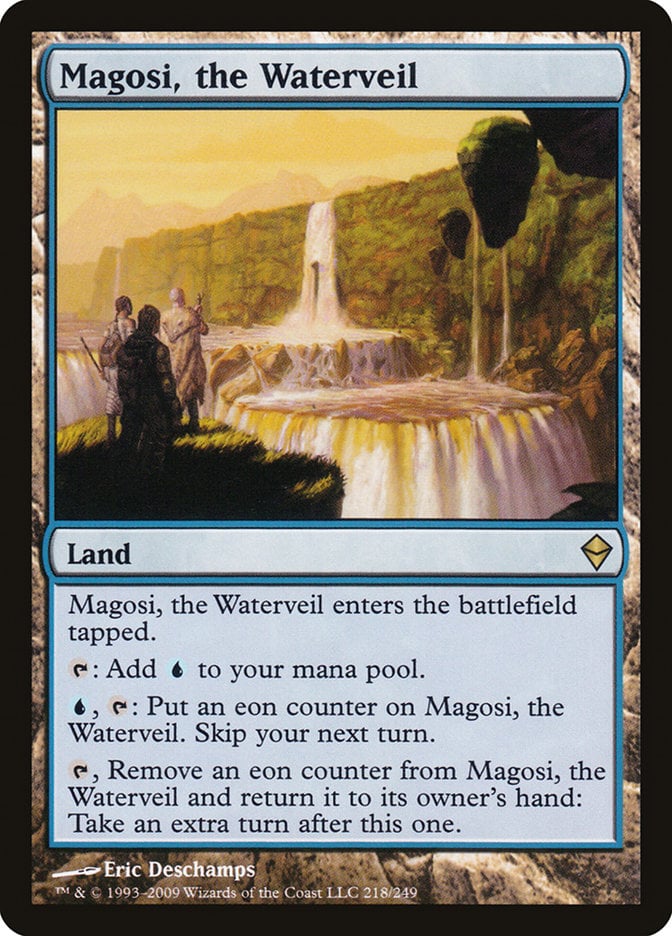
Magosi, the Waterveil doesn’t just bend the rules of turn order, it outright breaks them when built around correctly. Skipping a turn early is rarely a real cost, because once the engine is online, that stored eon counter turns into explosive extra turns later. Pairing it with Amulet of Vigor removes the clunkiness, while combo pieces like Rings of Brighthearth or Gogo, Master of Mimicry let the deck copy activations and chain turns until opponents simply stop getting to play.
#4. Meditate
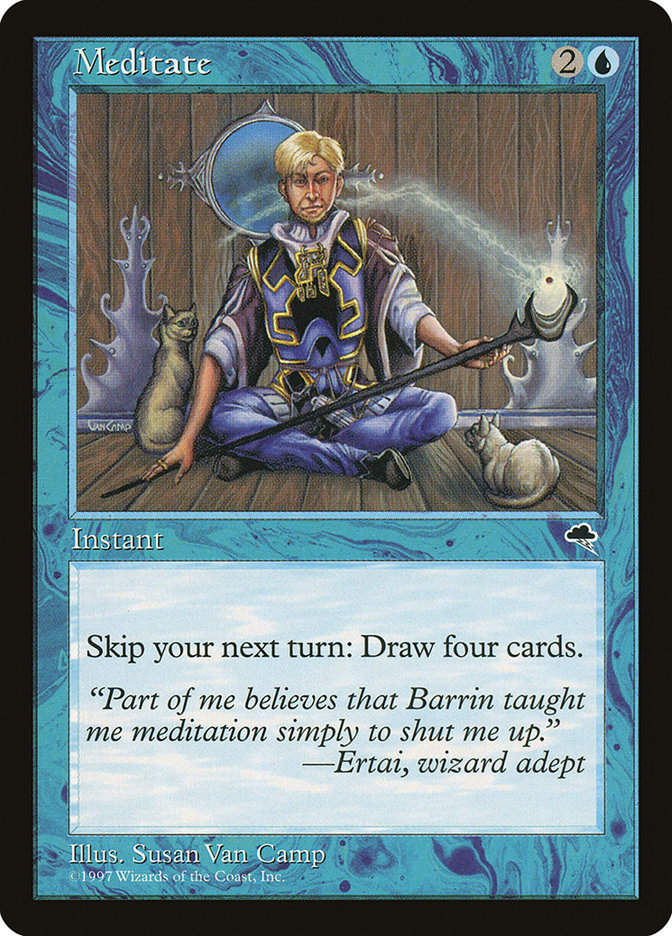
At its core, Meditate is raw card advantage at a dangerous price, making it ideal for combo decks that only need one turn to win. Drawing four cards at instant speed lets it slot cleanly into storm or spell-based strategies, especially alongside High Tide or Underworld Breach. The skipped turn rarely matters if the extra cards immediately assemble a win, turning Meditate into a high-risk, high-reward engine.
#3. Wormfang Manta
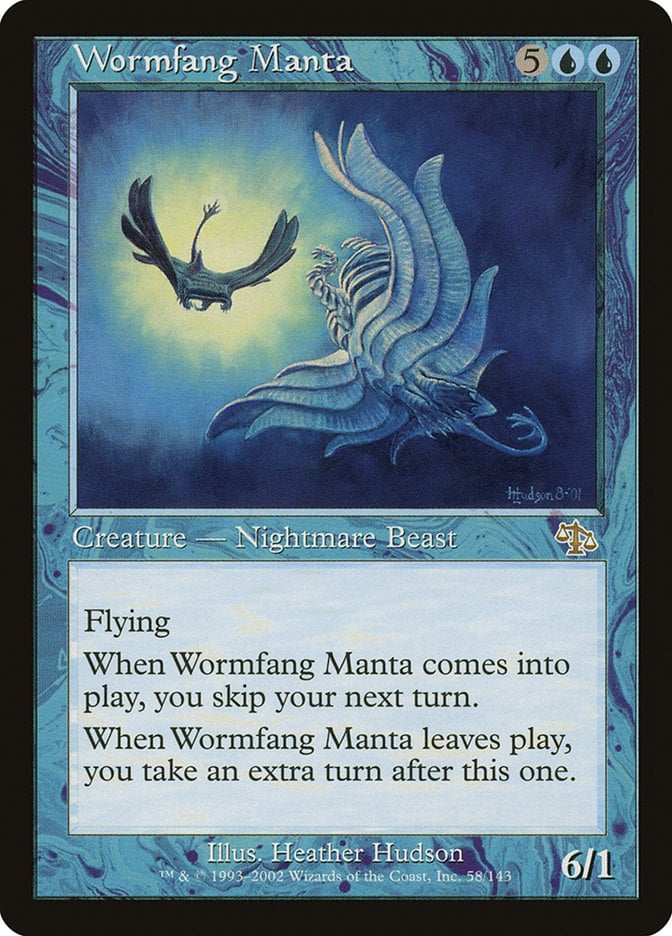
Wormfang Manta revolves around a simple but tricky timing puzzle, and there are two main ways to exploit it. One approach is stopping the enter-the-battlefield trigger entirely with effects like Torpor Orb or Hushwing Gryff, or by putting it onto the battlefield face down with Scroll of Fate. The other route leans into bounce effects like Crystal Shard or blink engines such as Thassa, Deep-Dwelling, which deliberately trigger the leave-the-battlefield ability to gain extra turns. Both paths turn an awkward drawback into a real upside.
#2. Chronosavant
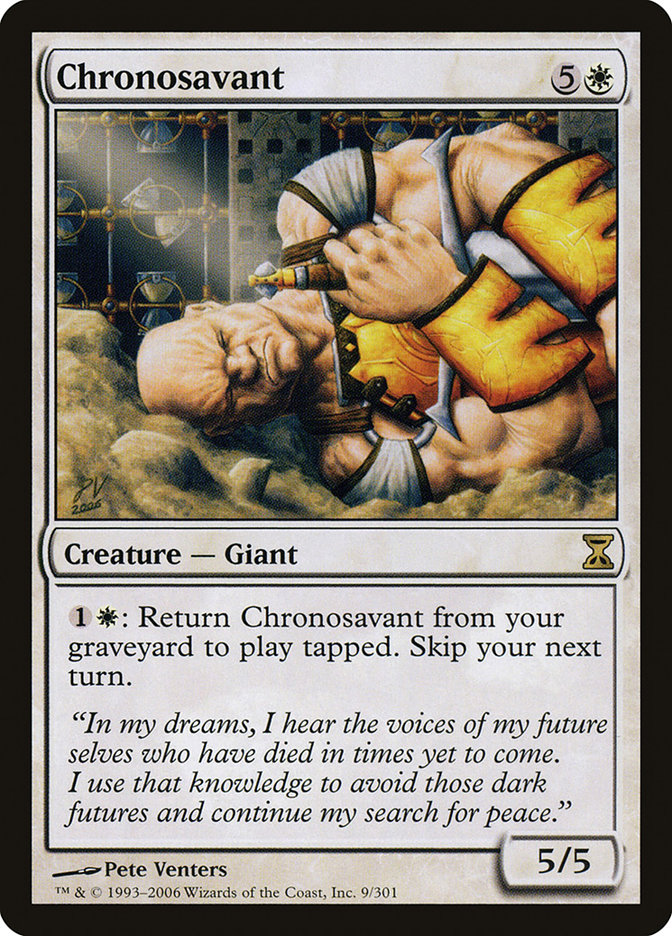
Graveyard-focused white decks can get a lot more out of Chronosavant than it first appears. The key is to combo it with Ashnod's Altar and Farrelite Priest, using the Altar to sacrifice Chronosavant for mana and the Priest to generate the white mana needed to bring it back from the graveyard. Each loop skips a future turn, but also creates excess resources, letting the combo repeat freely until the skipped turns no longer matter and the game is effectively over.
#1. Time Vault
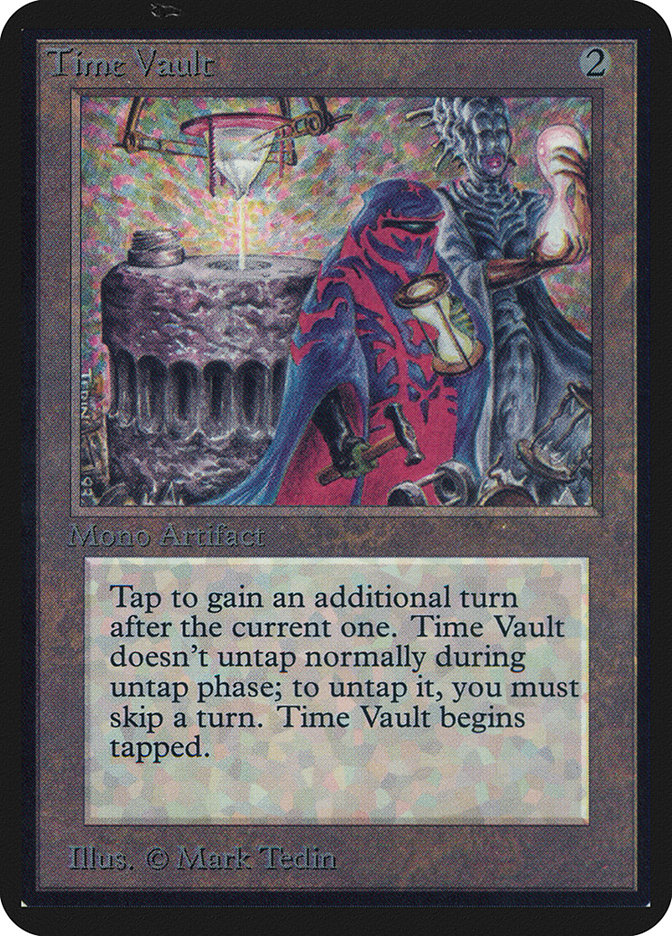
Few cards are as infamous as Time Vault, and for good reason. It’s a combo cornerstone that converts skipped turns into extra turns, usually ending the game on the spot. It slots naturally into artifact combo shells alongside untap effects like Voltaic Key or Manifold Key, where the drawback effectively vanishes. Its power level is so extreme that it’s banned everywhere it’s legal to play, except in Vintage, where it remains restricted to a single copy.
Extra Turn Replacement Effects
Besides cards that directly skip turns, there are also effects that prevent players from taking extra turns, which effectively cause those turns to be skipped, so it’s worth mentioning them as well.
#4. Gerrard's Hourglass Pendant
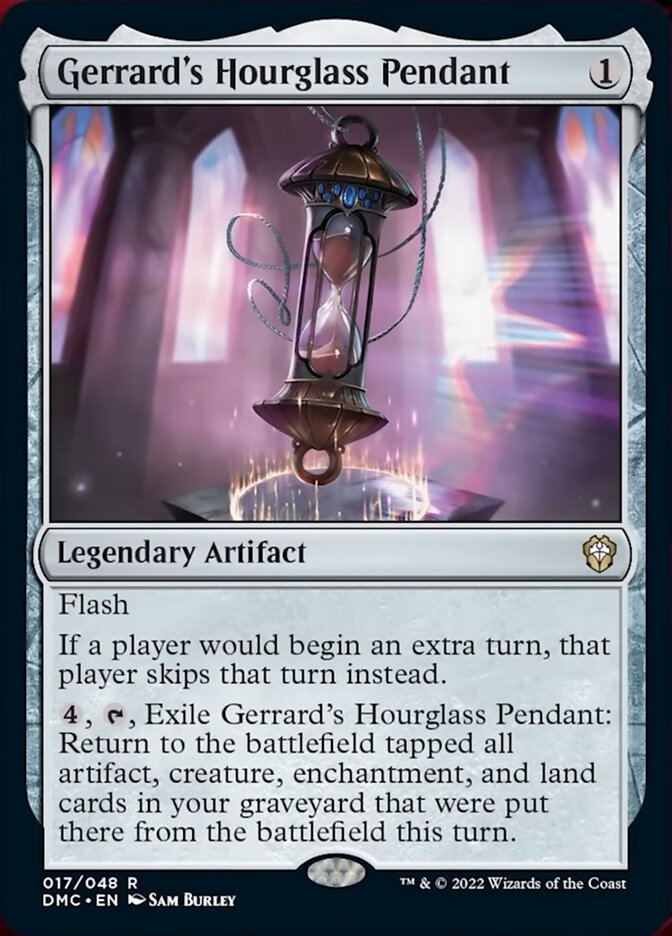
Gerrard's Hourglass Pendant shines in control and stax-style decks that want to shut down extra turn strategies. Dropping it at instant speed can completely blank cards like Time Stretch or Expropriate, forcing opponents to skip turns instead of taking them. Its exile ability also rewards sacrifice or board wipe-heavy builds, pairing well with cards like Krark-Clan Ironworks or Faith's Reward to rebuild after a reset and swing the game back in your favor.
#3. Trouble in Pairs
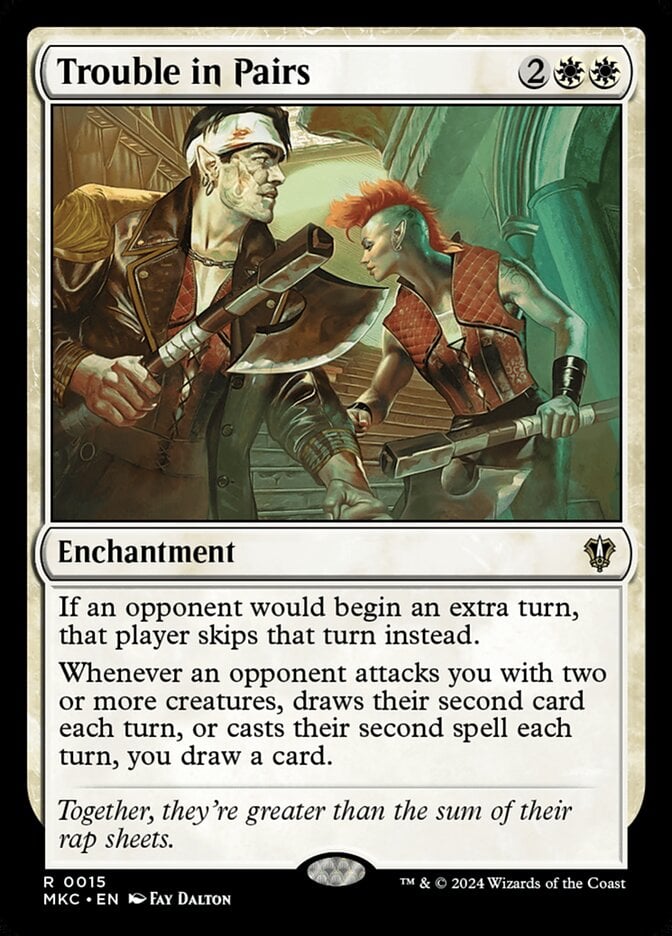
Designed for reactive white decks, Trouble in Pairs makes opponents pay just for trying to play Magic. It shuts down extra turns while drawing cards whenever opponents attack too aggressively, cast too many spells, or draw too much. This makes it a great fit for control and pillow fort strategies that prefer to sit back and let the table overextend. When paired with cards like Smothering Tithe or Rule of Law, it slowly squeezes everyone else out of options while you stay ahead.
#2. Stranglehold
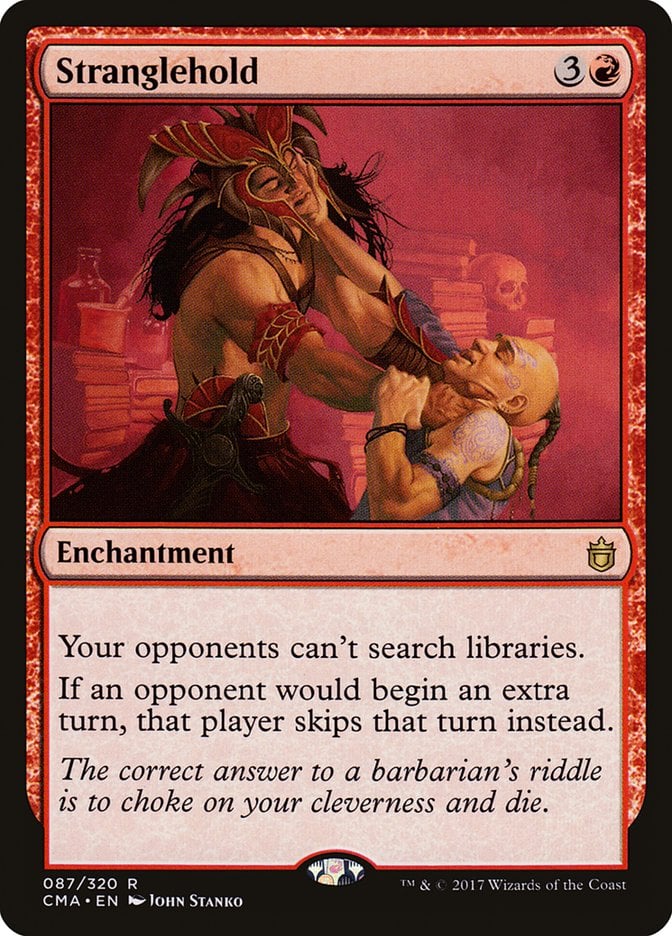
Stranglehold does a lot of heavy lifting for a single enchantment, shutting off tutoring and extra turns while strangling game plans. It’s a natural fit for red aggressive or midrange decks that want to apply pressure without committing to a full lock. The combo potential is where it really gets nasty: pairing it with Maralen of the Mornsong removes searching entirely, while setups involving Eye of the Storm, Hive Mind, and Enduring Ideal or Eternal Dominion create game states that simply can’t progress.
#1. Ugin's Nexus
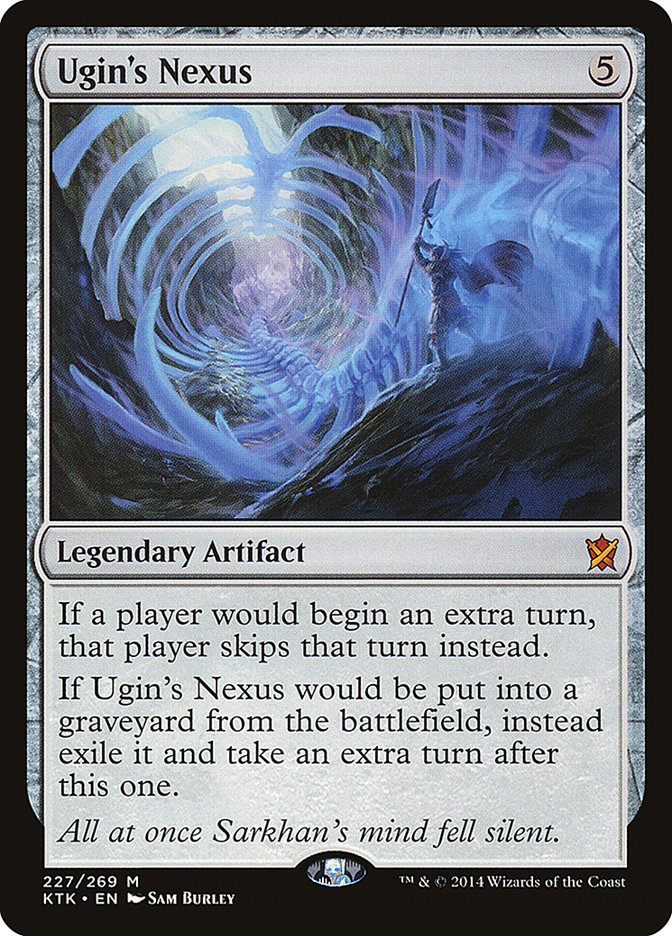
Ugin's Nexus shuts down everyone else's would-be extra turns while storing value for later. It fits naturally into artifact combo and sacrifice shells that can remove it at will, turning the exile clause into a massive advantage. It's easy to misplay Nexus with copy effects, since a single Nexus still in play will prevent the extra turns afforded by the copies, but you can still chain a bunch of turns together by copying this, then sacrificing the original.
Other Ways to Functionally Skip a Player’s Turn
Beyond cards that literally say “skip your turn”, there are plenty of effects that feel the same in practice. The most common example is chaining extra turns for yourself.
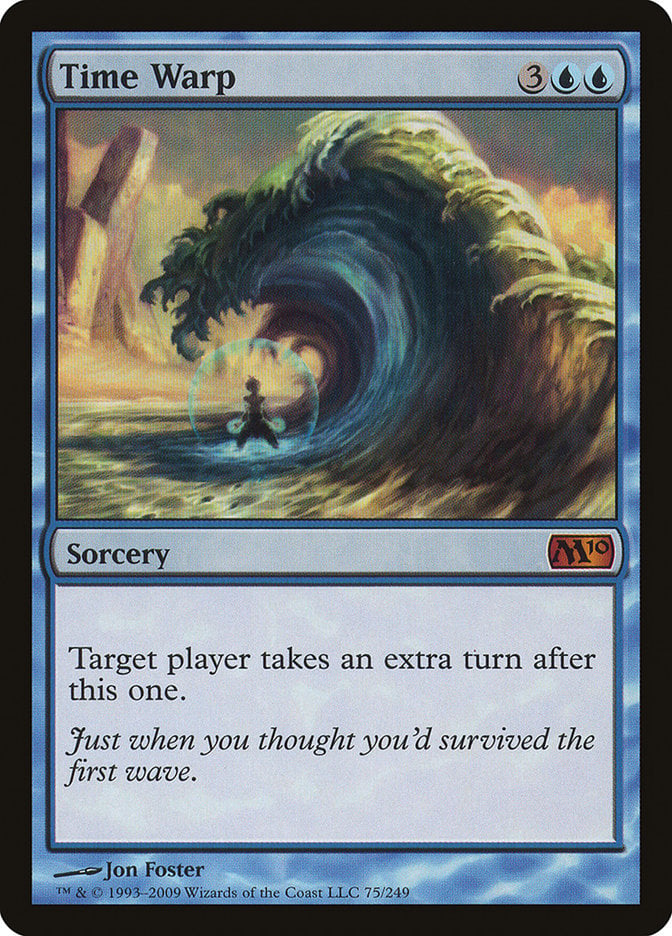
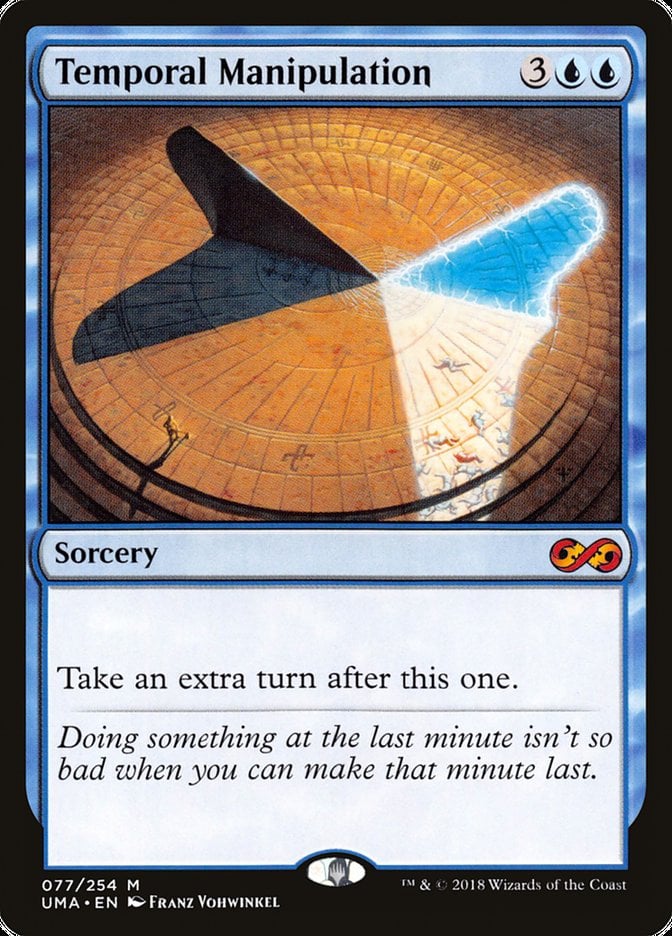
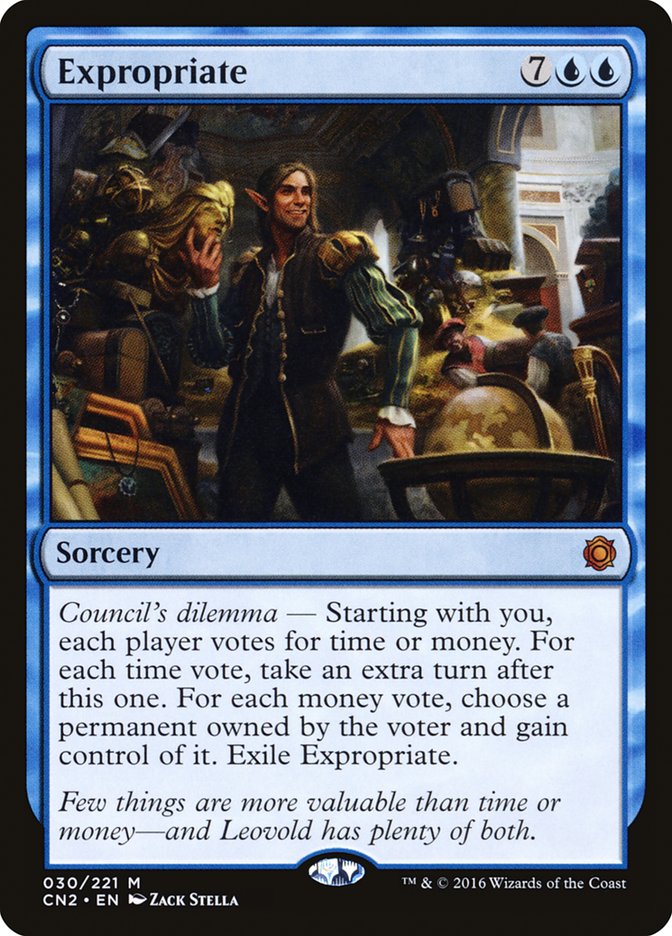
Spells like Time Warp, Temporal Manipulation, and Expropriate let one player take multiple turns in a row. From everyone else’s perspective, it feels like their turns vanished because the game never actually comes back around to them while the extra turn player keeps advancing their board, drawing cards, and attacking. As you can imagine, when these effects are looped or chained, the table gets locked out of meaningful participation.
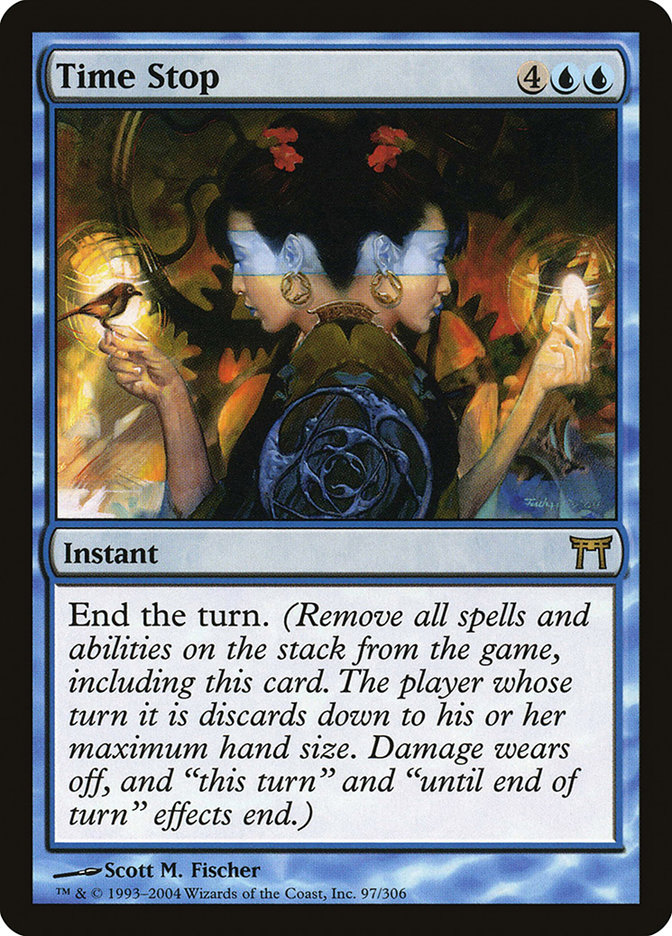
There are also cards that abruptly end a turn or prevent it from functioning normally. Time Stop is the cleanest example, immediately ending the current turn no matter what phase it is in. Used defensively or politically, it can cut an opponent off mid-combo or before they do anything relevant when cast at the beginning of their upkeep. Other strategies rely on locks that prevent players from taking real actions.
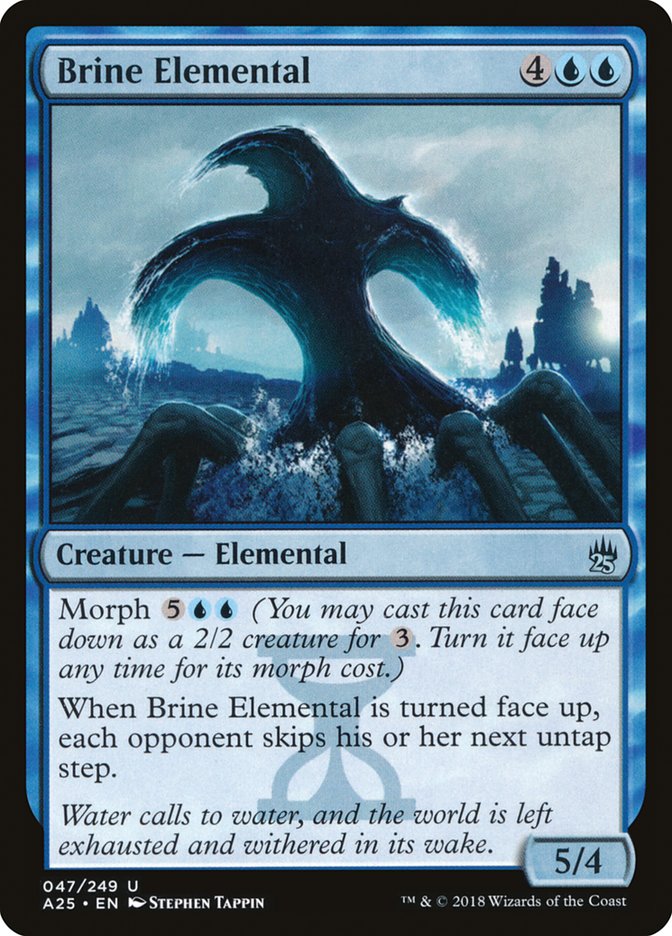
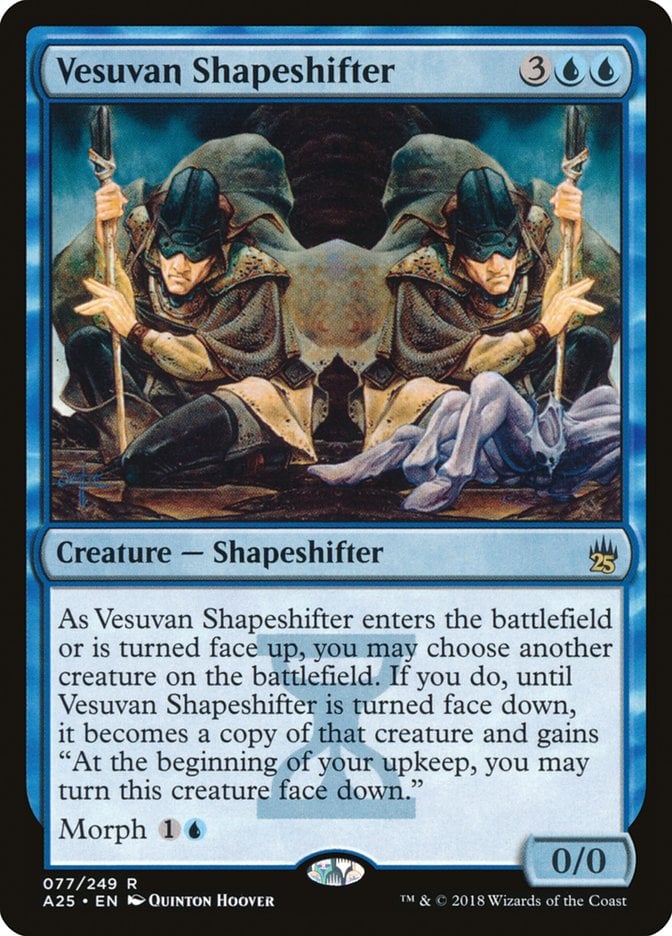
The classic Pickles lock use Brine Elemental and Vesuvan Shapeshifter to skip opponents' untap steps, meaning their permanents stay tapped forever. When a player cannot untap lands or creatures, their turns technically still happen, but functionally, they may as well not exist.
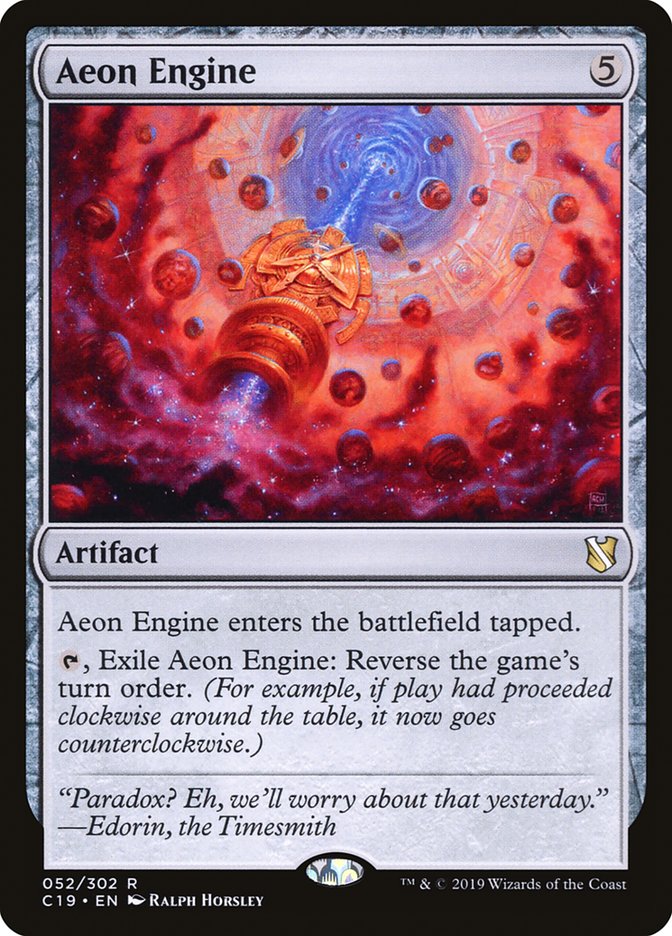
The only card in Magic that reverses turn order, Aeon Engine is a sly way to pass over someone's turn in multiplayer. It's sort of like an extra turn spell for yourself if you time it right, but it misses the main list because it doesn't explicitly “skip” anything, and it does stone nothing in 1v1 matches.
Are There Ways to Skip Other Phases of the Turn?
Yes, Magic has effects that skip nearly every phase of a turn, and losing even one key phase can cripple a player. Skipping the draw step is one of the most impactful examples.
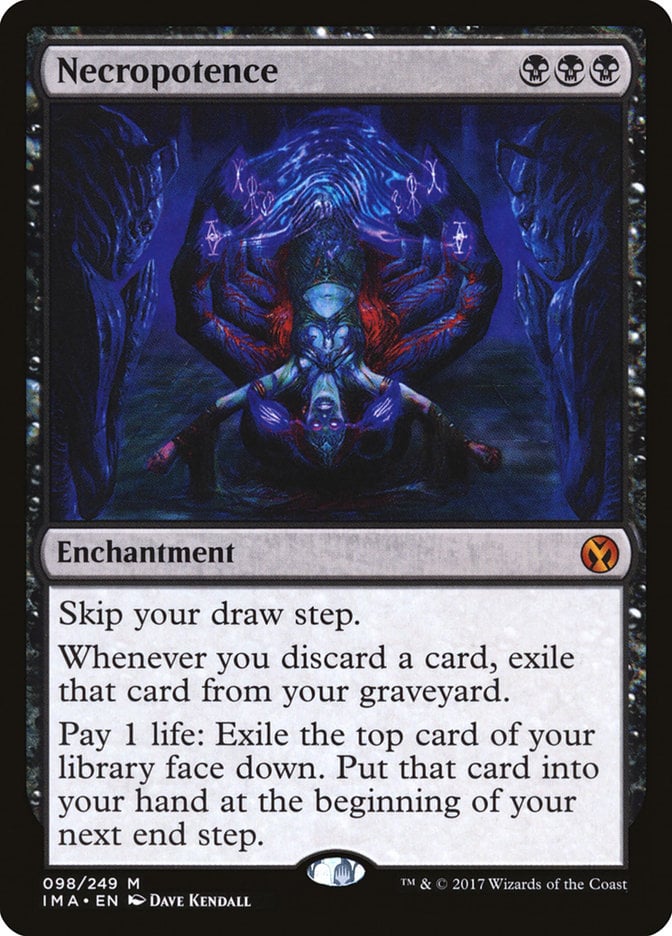
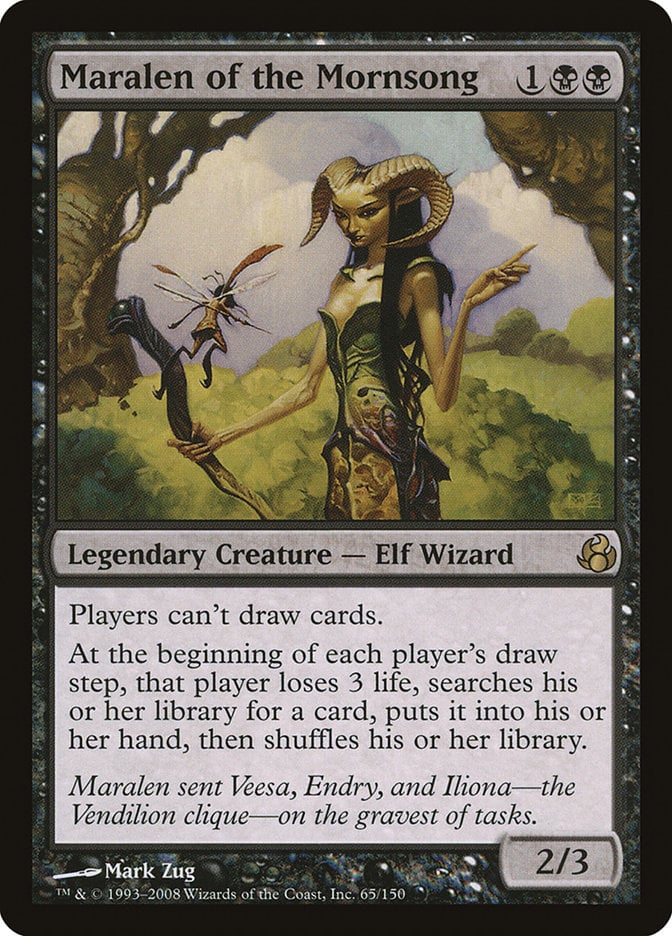

Necropotence explicitly tells you to skip your draw step, trading that loss for massive card advantage in other ways. Maralen of the Mornsong and Mornsong Aria do the same for everyone, replacing draws with tutoring instead.
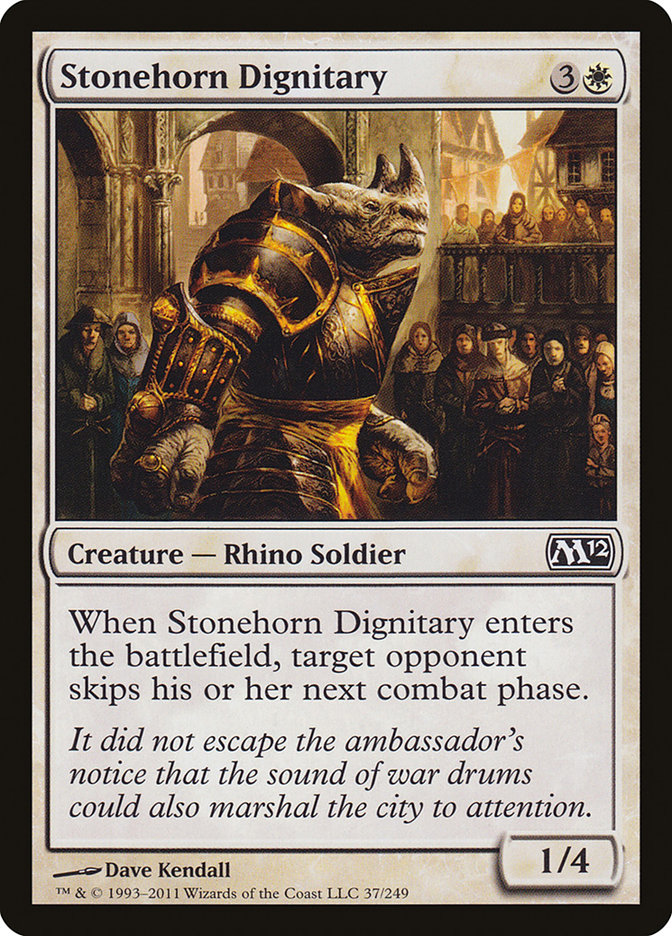
Combat and untap steps are also common targets. Stonehorn Dignitary makes a target opponent skip their next combat phase, and if you repeatedly blink or recur it, that player will never get to attack.
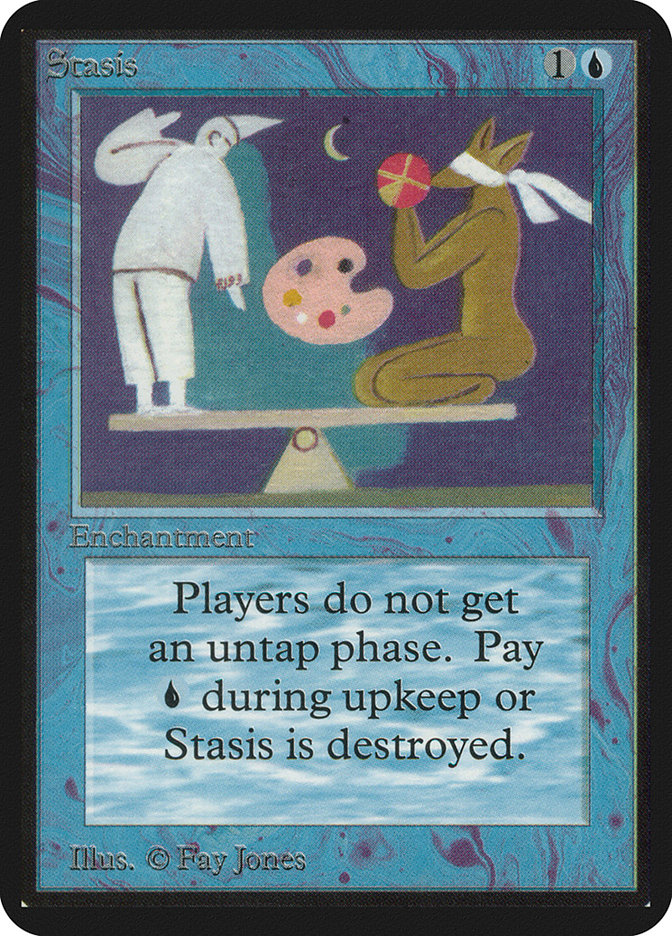
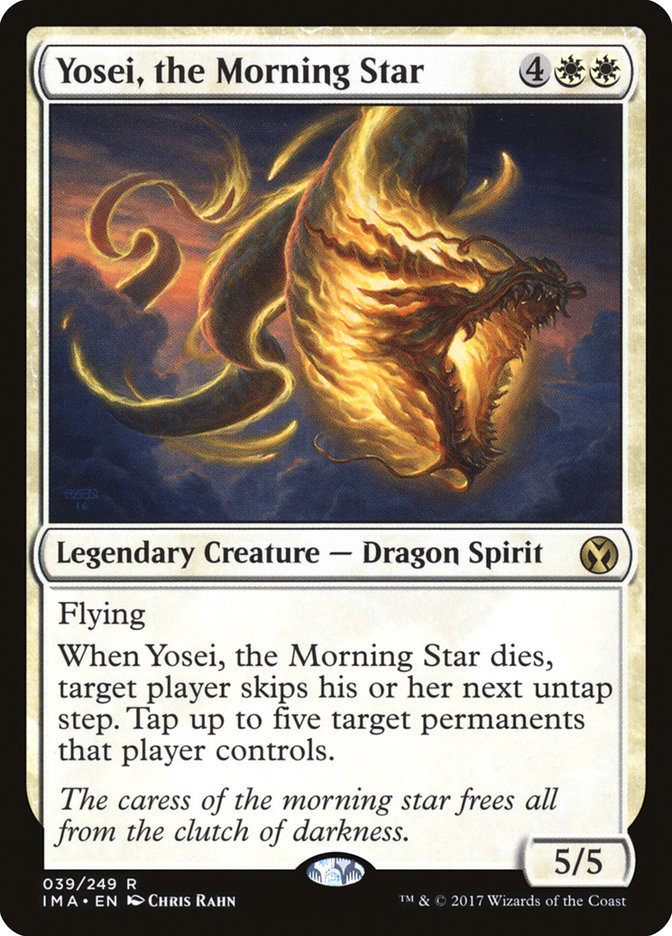
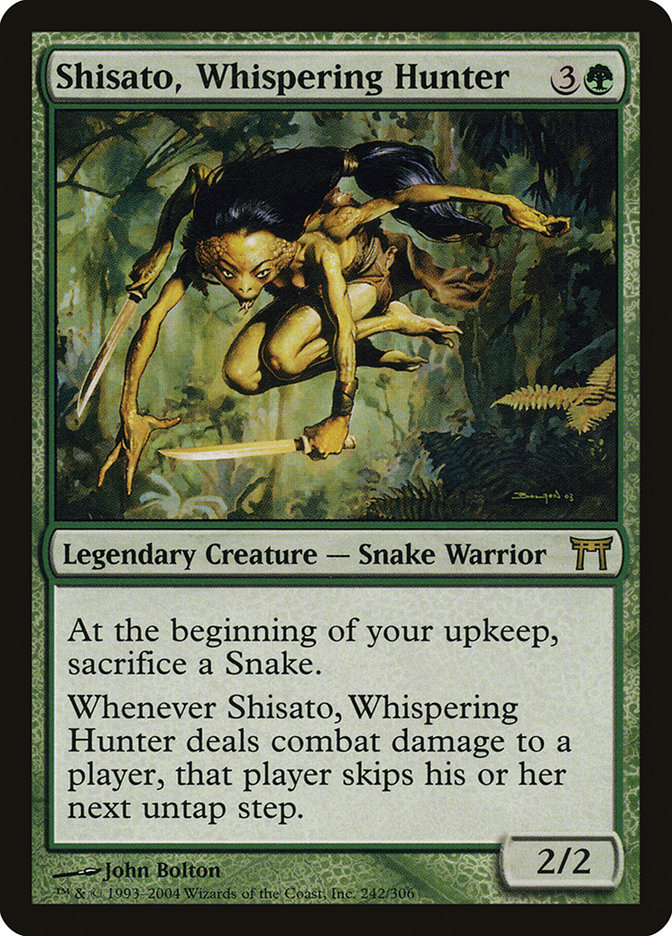
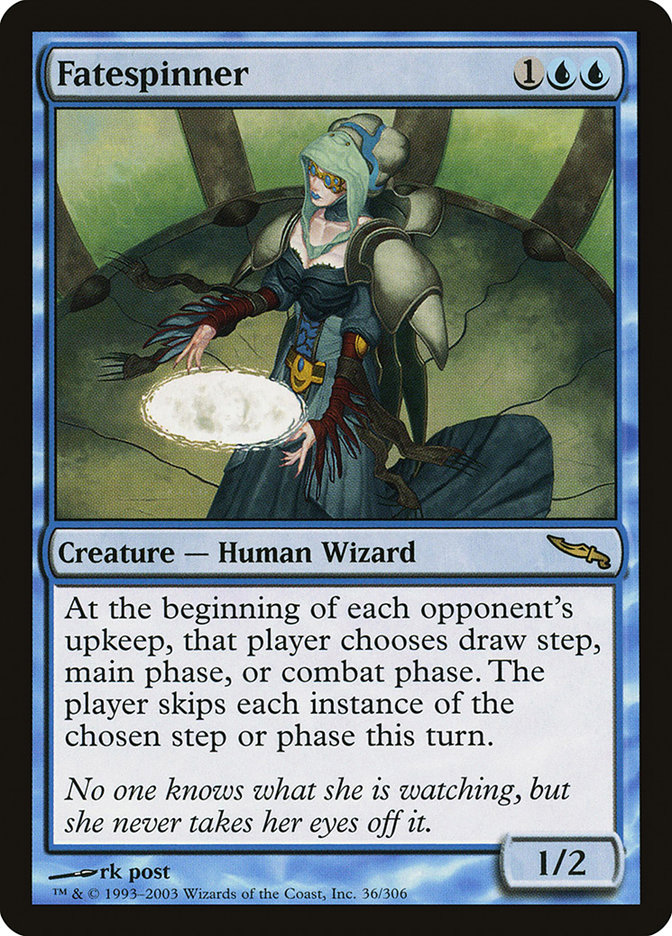
On the untap side, Stasis freezes the entire table by making everyone skip their untap steps, while cards like Yosei, the Morning Star and Shisato, Whispering Hunter selectively deny untaps to specific players. There are even effects like Fatespinner that force opponents to choose a phase to skip each turn entirely, sometimes removing their main phase and preventing them from playing lands or casting spells.
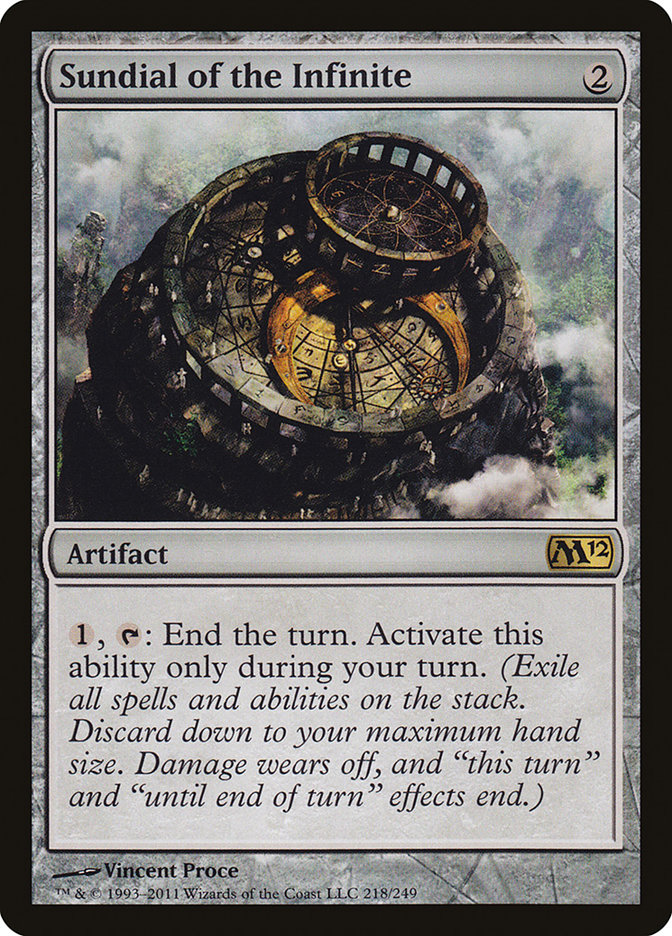
Last but not least, Sundial of the Infinite lets you end the turn right away, turning cards with a huge drawback like Final Fortune from scrap to treasure.
What Happens If You Skip Your Next Turn, then take an Extra Turn?
This interaction comes up most often with Magosi, the Waterveil. Imagine you activate Magosi to skip your next turn, then cast Time Warp in the same turn. Intuitively, it might seem like the order matters, but it does not. The rules look at the next turn you would take, and that turn gets skipped. If an extra turn is waiting to happen, that extra turn becomes the one that gets removed.
The end result is zero net gain.
Can You Skip Your Own Turn on Purpose?
No, you can't just say you're skipping your own turn. Even if you have nothing to do, you still proceed through each of the steps and phases of the turn, passing priority to your opponents when applicable. You can't just opt to “skip your turn” to deny your opponents time to interact, or to skip your draw with an opponent's Underworld Dreams in play, for example.
Wrap Up

Meditate | Illustration by Susan Van Camp
There are a few clever ways to turn what looks like a downside into an upside with some of these cards. That said, if your goal is to lock opponents out with a single card, options like Silence or Brine Elemental are simply stronger and would be my go-to choices.
What do you think? Would you like to see more of these niche, rules-bending cards printed in the near future? Let us know in the comments.
Thanks for reading, and if you enjoyed the content, remember to follow us on social media so you never miss an update.
Take care, and I’ll see you again in the next article.
Follow Draftsim for awesome articles and set updates:










Add Comment