Foot Surgery Doesn't Have To Disrupt Your Life
Walk Same Day. No Crutches.
No General Anesthesia. No Screws.
Foot Surgery, Redesigned — For Life.
No General Anesthesia. No Screws.
Foot Surgery, Redesigned — For Life.
Walk Same Day, No Crutches. No General Anesthesia. No Screws.
Foot Surgery Redesigned - For Living
By Dr Michael Tagge, Chicago's Minimally Invasive Foot Surgery Specialist
Most people aren't afraid of the procedure.
They're afraid of the recovery
Pain. Downtime. Crutches. Large Incisions. Heavy Anesthesia. Hardware. Uncertainty.
Dr Michael Tagge created PRISM™ Minimally Invasive Reconstruction to challenge those assumptions.
Or call us at (224) 328-6466
Testimonial
"I traveled from out of town just to have minimally invasive surgery. Dr Tagge is an excellent surgeon that lives up to expectations. With the combination of the minimal surgery, the regenerative options really sped up recovery too. 10 out of 10, Highly recommended!" J.J.
Full Spectrum Healing
The Next Evolution in Surgery
A designed recovery approach that combines precise Micro-Incision Techniques, Structured Recovery, and Biologic Support -
This means: Healing Better, Moving Sooner, and Avoiding Unnecessary Setbacks
Or call us at (224) 328-6466
Dr. Michael Tagge is a top rated, Double Board Certified Chicago-based foot surgeon specializing in minimally invasive foot reconstruction and advanced recovery protocols.
Dr. Michael Tagge developed the PRISM™ Reconstruction System as a more comprehensive approach to minimally invasive forefoot surgery — integrating precise correction, recovery optimization, biologic support, and long-term structural stability.
Rather than focusing only on the procedure, PRISM™ was designed around the entire healing process and overall patient experience.
Patients throughout Chicago, the North Shore, and beyond -including those traveling from outside Illinois – seek out Dr. Tagge for advanced bunion and forefoot reconstruction focused on minimizing downtime, reducing unnecessary disruption, and supporting a more modern recovery.
Start with a brief 15-minute intro call with Dr Tagge. No obligation.
Or call us at
(224) 328-6466
Conditions Treated
From Advanced Non-surgical Regenerative options to Micro Incision Reconstruction.
Dr Tagge treats:
- Bunions
- Aesthetic / Cosmetic
- Hammertoes
- Neuromas
- Bunionettes
- Forefoot pain and deformity
- Bone spurs / cheilectomy
- Advanced sports regenerative foot medicine
Start with a brief 15-minute intro call with Dr Tagge. No obligation.
Or call us at
(224) 328-6466
What People Say About Dr. Tagge
The Patient Experience
Consultation
Every case begins with a personalized surgical planning process — focused not only on correcting the deformity, but on how you will heal, move, and return to activity.
Procedure Day
Your procedure is performed using a highly specific minimally invasive approach, typically under local anesthesia, designed to minimize tissue disruption, reduce pain, and allow for immediate weight-bearing in most cases.
Early Recovery Designed for Mobility
Recovery is structured to support early mobility, reduce downtime, and promote a more efficient healing process — helping you return to daily life with less disruption.
Ongoing Recovery
The focus extends beyond the procedure itself — with attention to long-term alignment, function, and cosmetic outcome, helping ensure a result that both performs well and looks natural.
A successful outcome isn’t just measured in correction.
It’s measured in how you feel, move, and live afterward.
Or call us at:
(224) 328-6466
Real Outcomes. Not Just Promises
Patients who chose the PRISM™ approach.
Before & After


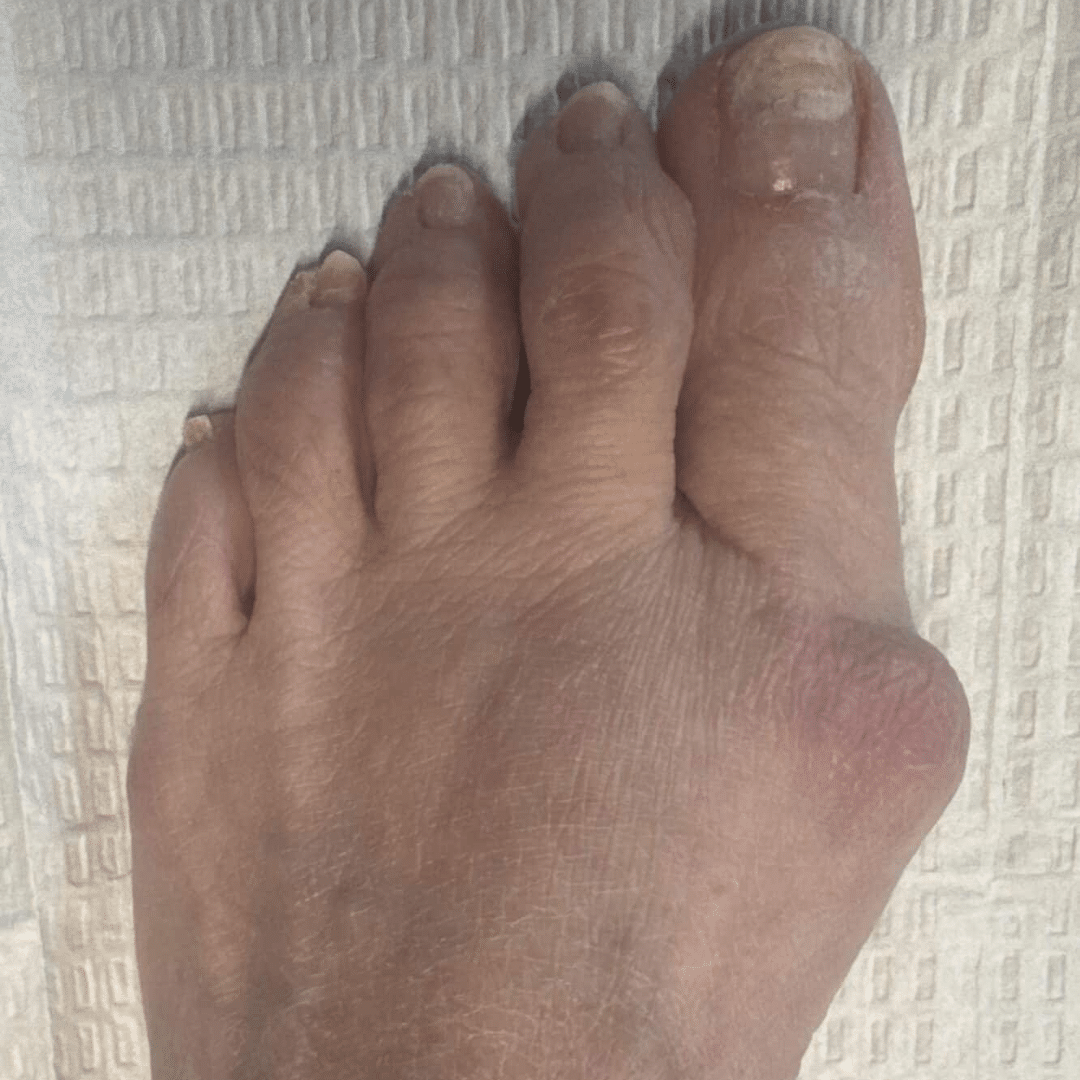
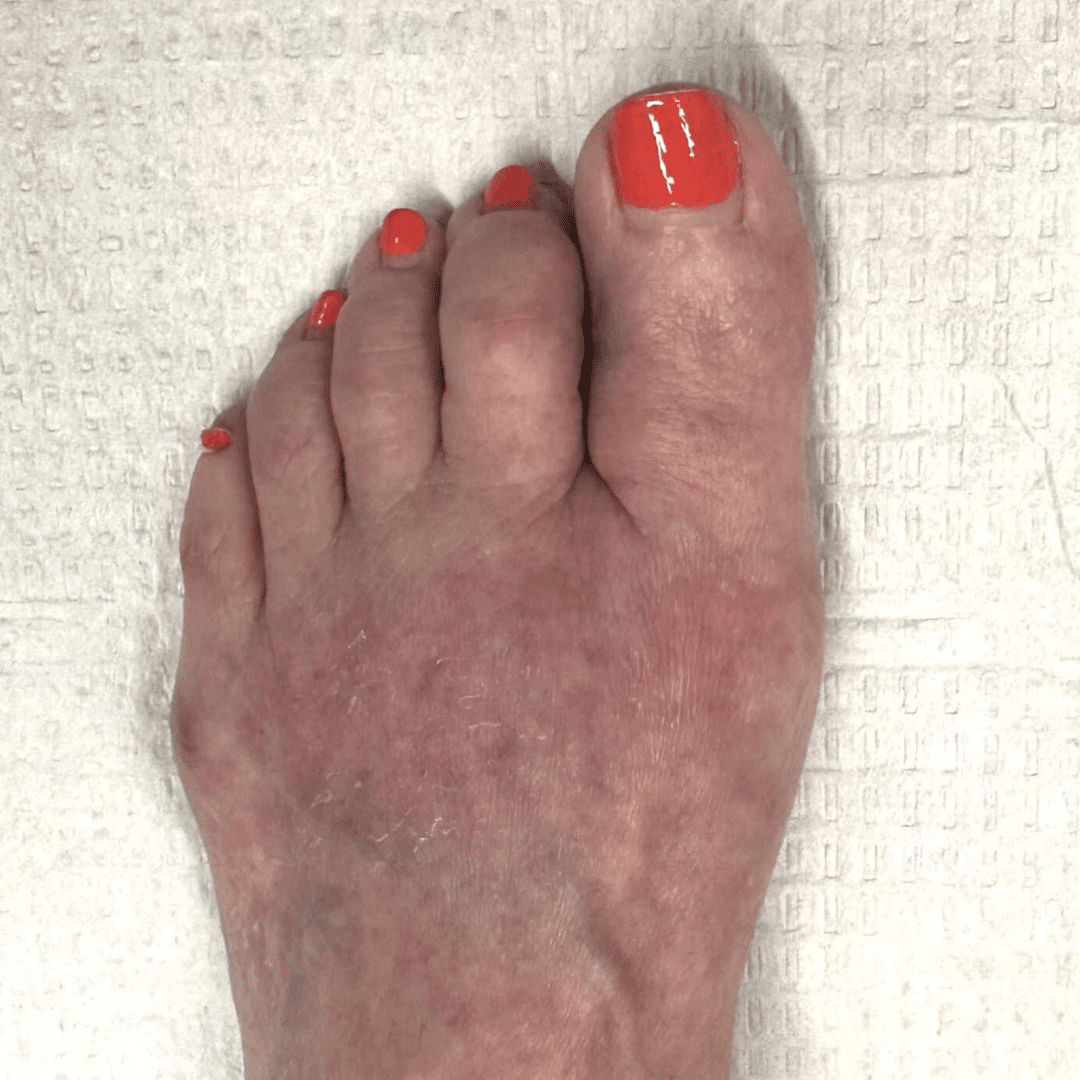
Many patients come in expecting a long, difficult recovery. Their experience is often very different.
What People Say About Dr. Tagge
Common FAQs About Our Surgical Approach
Is Minimally Invasive Surgery actually effective?
Yes. When performed appropriately, minimally invasive techniques allow for precise correction with less soft tissue disruption.
Within the PRISM™ Reconstruction System, these techniques are combined with structured stabilization and healing optimization to support reliable, long-term outcomes.
Will I be able to walk after my procedure?
In most cases, yes.
Patients are typically able to bear weight immediately in a protective surgical sandal or boot, allowing for a more functional and manageable recovery process.
Is insurance accepted?
This is a specialized, boutique surgical practice focused on a higher level of care and experience than what insurance typically provides.
Specifics regarding coverage and financial structure are discussed during the consultation process. Out of network benefits may apply.
How long is the recovery?
Recovery is structured in phases, but generally more streamlined than traditional approaches.
Many patients transition back into regular footwear within days, with continued improvement over the following weeks as healing progresses.
Do you use screws or hardware?
No—our approach is designed to maintain correction using stable precision techniques rather than implanted hardware.
This allows for alignment control while avoiding the need for permanent implants.
What makes your approach different from traditional surgery?
Traditional surgery often focuses primarily on the procedure itself.
Our approach integrates surgical correction with healing optimization, stabilization, and biomechanical support, creating a more complete and controlled recovery process.
Is the procedure done in a hospital?
No. Procedures are typically performed in simple procedure settings under local anesthesia.
This allows for a more efficient, controlled experience and avoids the complexity of hospital-based surgery.
Will I be put to sleep?
No. Surgery is performed using local anesthesia.
Patients remain comfortable throughout the procedure while avoiding the risks and recovery associated with general anesthesia.
Who is a good candidate for this type of surgery?
Patients who:
Have structural forefoot deformities (such as bunions or hammertoes)
Are seeking a definitive, long-term solution
Prefer a more advanced, minimally disruptive approach
- Are looking for alternatives to traditional open approaches
A consultation is required to determine candidacy.
What is the first step?
The first step is a structured consultation to evaluate your condition, review imaging if needed, and determine whether this approach is appropriate for you.
If you’re considering surgery, understanding your options is the most important first step.
Need More Information?
Fill out the contact form below. Our team will contact you soon.
