
Download eMule – Free P2P File Sharing for macOS
Introduction
If you have ever searched for a reliable, free and secure peer‑to‑peer (P2P) download manager for macOS, eMule deserves a top spot on your shortlist. Originally built for Windows, eMule has been adapted for macOS users who want to share files without the restrictions of proprietary services. The application creates a decentralized “swarm” where dozens, even hundreds, of users upload fragments of a file simultaneously. This collaborative approach often results in faster, more stable downloads, especially for popular files that attract many peers. In recent releases eMule also supports torrent files, giving Mac users a dual‑mode capability that many other P2P clients lack. The program’s interface is intentionally straightforward, allowing beginners to start sharing in minutes while still offering advanced settings for power users. Frequent automatic updates keep the client secure and compatible with the latest network protocols. Whether you are a casual music collector, a software enthusiast, or a media archivist, eMule provides a flexible, open‑source solution that respects both speed and privacy. In this review we will explore the core features, walk through the installation process, discuss system compatibility, list the major pros and cons, and answer the most common questions users have before they decide to download eMule on their Mac.
eMule Overview: Features, Pros, Cons, and FAQ
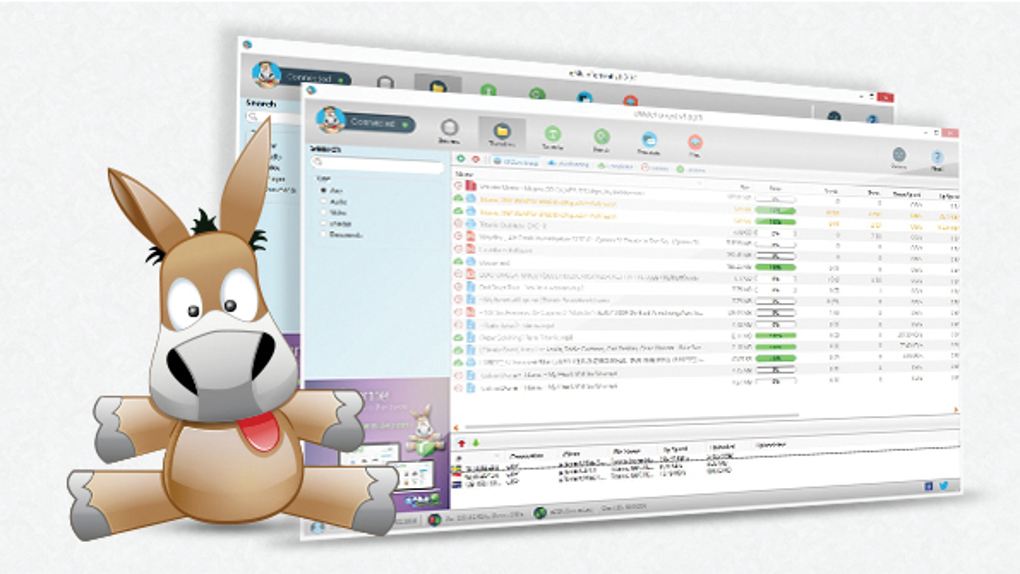
eMule is a mature P2P download manager that leverages the eDonkey network and supports the Kad distributed hash table for server‑less file sharing. On macOS the client offers a clean windowed interface, a powerful quick‑search bar, and built‑in support for both eMule sources and traditional BitTorrent files. The software is free, open‑source, and receives regular updates that improve security, introduce new protocols, and refine the user experience. Its modular design means you can add extensions for language packs, custom search filters, or additional security layers. Because eMule distributes file pieces among many peers, the more popular a file becomes, the quicker it downloads—an effect known as “swarm intelligence.” The client also includes an auto‑update feature that checks for the latest version in the background, ensuring you are always protected against known vulnerabilities.
Key Features
- Dual support for eDonkey/Kad networks and standard .torrent files.
- Integrated quick‑search function that scans both local and remote sources.
- Automatic update system that downloads and installs new releases securely.
- Configurable bandwidth and connection limits to avoid network throttling.
- Extensible plugin architecture for language packs, anti‑leech filters, and more.
- Detailed transfer statistics and queue management tools.
- Low‑resource footprint, suitable for older Mac hardware.
Pros
- Free and open‑source, with no hidden fees or ads.
- Supports both eMule sources and torrents, expanding the pool of available files.
- Fast download speeds for popular content due to multi‑source sharing.
- Regular security updates and an automatic updater.
- Simple, user‑friendly interface that works for beginners.
- Low CPU and memory usage compared with many modern P2P clients.
Cons
- Native macOS version may lag behind Windows releases.
- Initial setup of ports and firewall exceptions can be confusing for new users.
- Search results sometimes include outdated or duplicate files.
- Limited built‑in media preview; external players are required.
- No official mobile companion app; only desktop usage is supported.
Frequently Asked Questions
Is eMule safe to use on macOS?
Yes. eMule is open‑source and receives regular security patches. As with any P2P client, you should only download files from trusted sources and keep the software updated.
Do I need a special account to use eMule?
No. eMule works without registration. You simply install the client, configure your ports, and start searching for files.
Can eMule handle torrent files?
Absolutely. Since version 0.70, eMule can import .torrent files and participate in BitTorrent swarms, giving you access to both eDonkey and torrent ecosystems.
What ports does eMule use, and do I need to open them?
By default eMule uses TCP/UDP ports 4662 (standard) and 4672 (low‑ID). For optimal performance you should forward these ports in your router or allow them through your macOS firewall.
Is there a way to limit bandwidth usage?
Yes. In the Preferences → Connections tab you can set maximum upload and download speeds, as well as the number of simultaneous connections, to prevent eMule from saturating your internet link.
Installation, Usage, and Compatibility
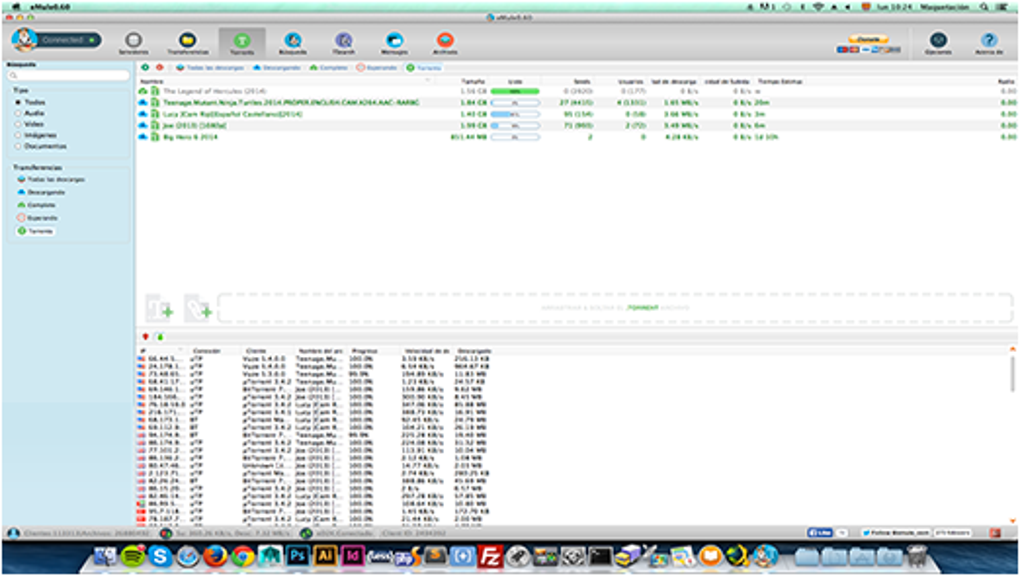
Getting started with eMule on a Mac is a straightforward process. First, visit the official eMule website or a trusted mirror and download the latest macOS .dmg package. After the download completes, double‑click the .dmg file and drag the eMule icon into your Applications folder. macOS may warn you that the app is from an unidentified developer; you can bypass this by right‑clicking the app, selecting “Open,” and confirming the security prompt. Once installed, launch eMule and you will be greeted by the main window, which consists of a file list, a search bar, and a transfer queue.
The first time you run eMule, the client will ask you to configure your connection settings. Most users will benefit from enabling “Port forwarding” in their router and allowing eMule through the macOS firewall (System Preferences → Security & Privacy → Firewall → Firewall Options). Set the default ports (4662/4672) or choose a custom range if your ISP blocks the standard ports. After confirming the network settings, eMule will connect to the eDonkey servers and the Kad network, displaying a list of online sources.
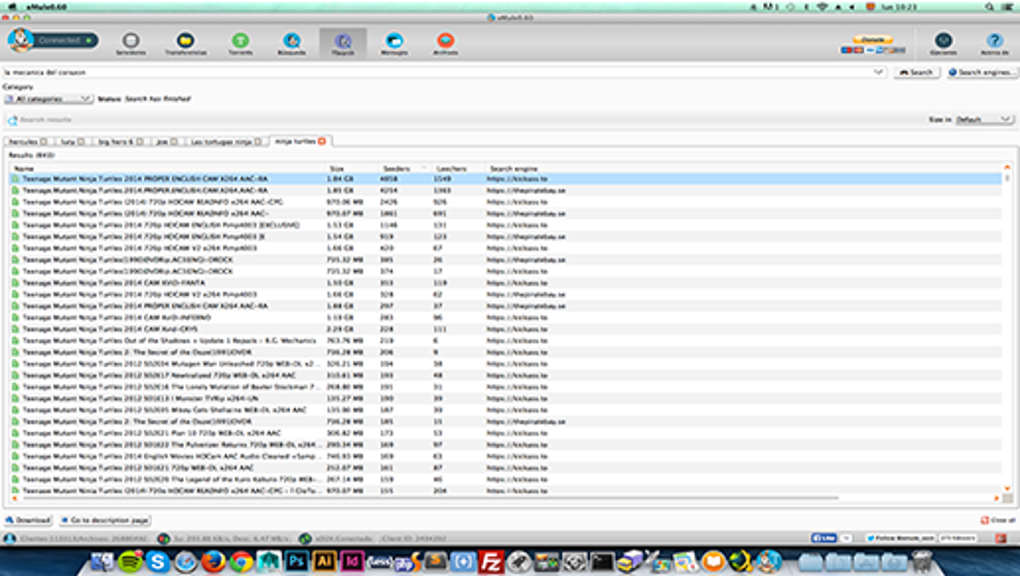
Using eMule is intuitive: type the name of the file you are looking for into the quick‑search bar, hit “Enter,” and the client will retrieve results from both the eMule server list and the Kad network. You can filter results by file type, size, and availability. To start a download, simply double‑click the desired entry or drag it to the download queue. The client will automatically negotiate connections with multiple peers, pulling different pieces of the file simultaneously. You can monitor progress in the “Transfers” tab, where speed, ETA, and source count are displayed.
eMule is officially supported on macOS 10.13 (High Sierra) and later. While the native client is macOS‑only, advanced users can run the Windows version through Wine or a virtual machine if they need specific Windows‑only plugins.
For power users, the Preferences menu offers deep customization: you can adjust the number of simultaneous connections, enable source exchange, set file prioritization rules, and even script automated actions using the built‑in “Auto‑Run” feature. All settings are saved locally, so your configuration persists across updates. Because eMule updates automatically, you rarely need to repeat the installation steps; the client will download the latest patch in the background and apply it on the next restart.
Conclusion – Download eMule Today
In the crowded world of P2P download managers, eMule stands out as a free, versatile, and secure option for macOS users who demand both speed and flexibility. Its dual‑mode support for eDonkey/Kad and BitTorrent, combined with a lightweight interface and regular security updates, makes it an excellent choice for anyone looking to share or acquire files without resorting to paid services. While the native macOS client may lag slightly behind its Windows counterpart, the core functionality is robust, and the occasional need to configure ports is a small price to pay for the performance gains you receive. Whether you are a novice just getting started with file sharing or a seasoned power user who values granular control, eMule provides a reliable platform that respects privacy and encourages community‑driven sharing. Click the download button below, follow the simple installation steps, and join a global network of users who enjoy fast, free, and secure file transfers on macOS.