
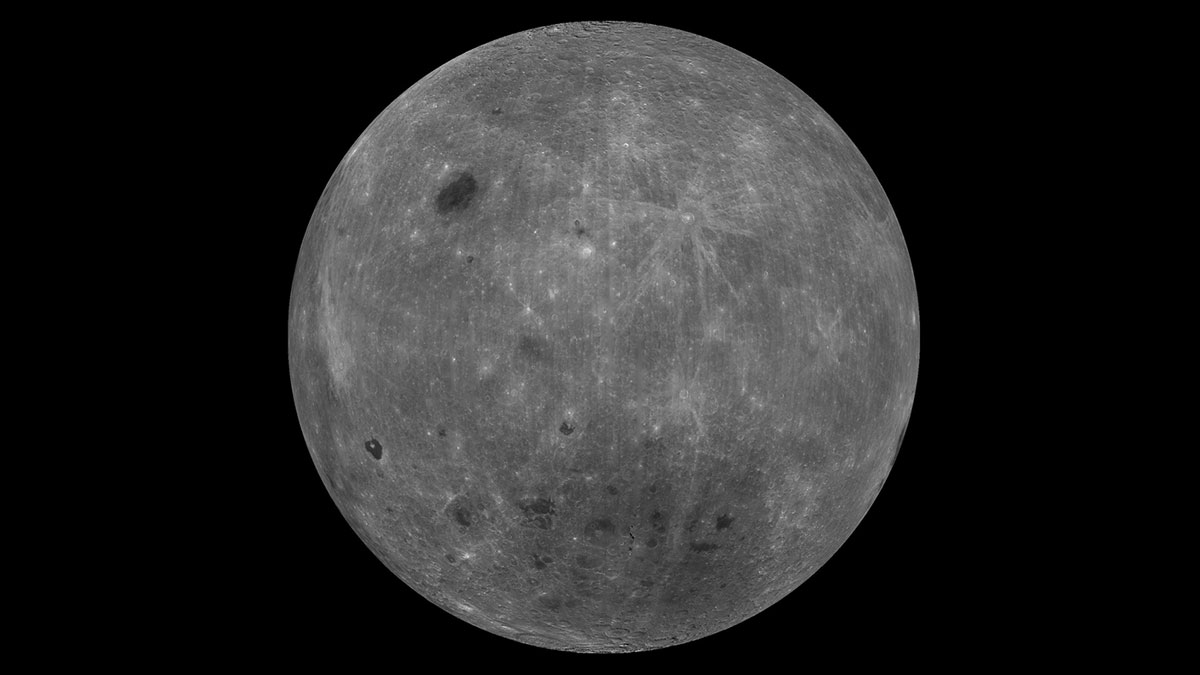
Analysis of surface samples from the Chang’e-6 mission suggests that an asteroid may have vaporized parts of the lunar mantle, suppressing volcanic activity on the farside of the Moon.
News
Posted inNews
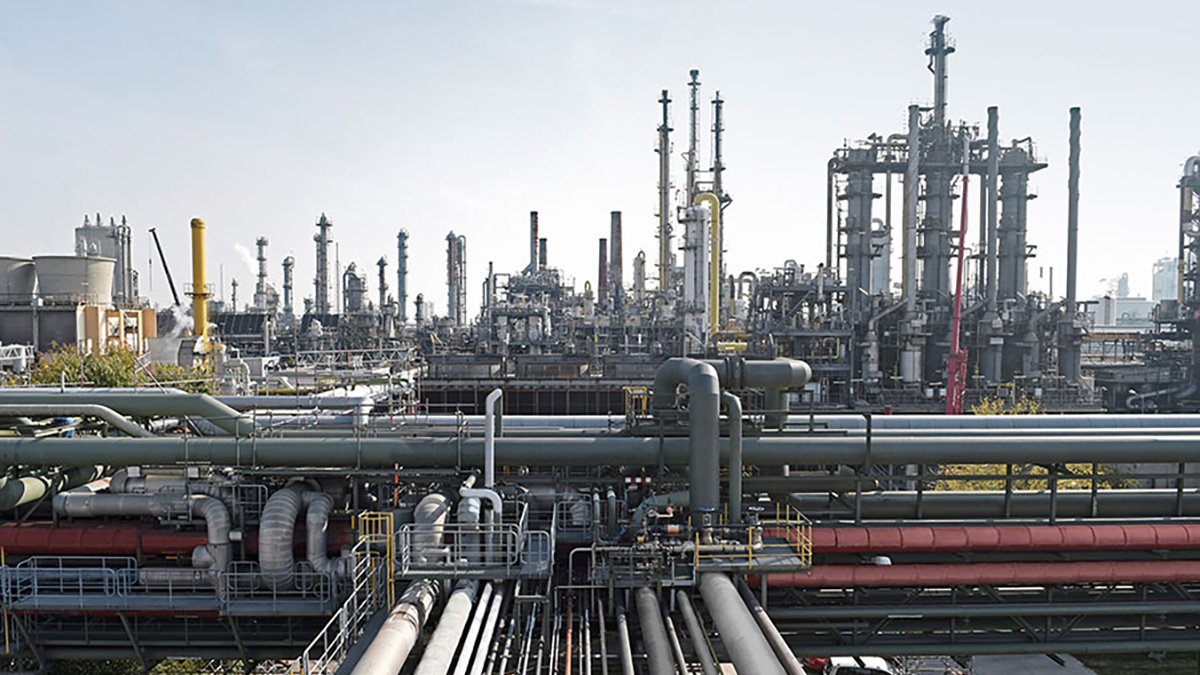
Meet the Mysterious Electrides
These chemical oddities may explain why Earth seems to be deficient in certain elements—and could prove useful in catalysts and more.
Posted inNews
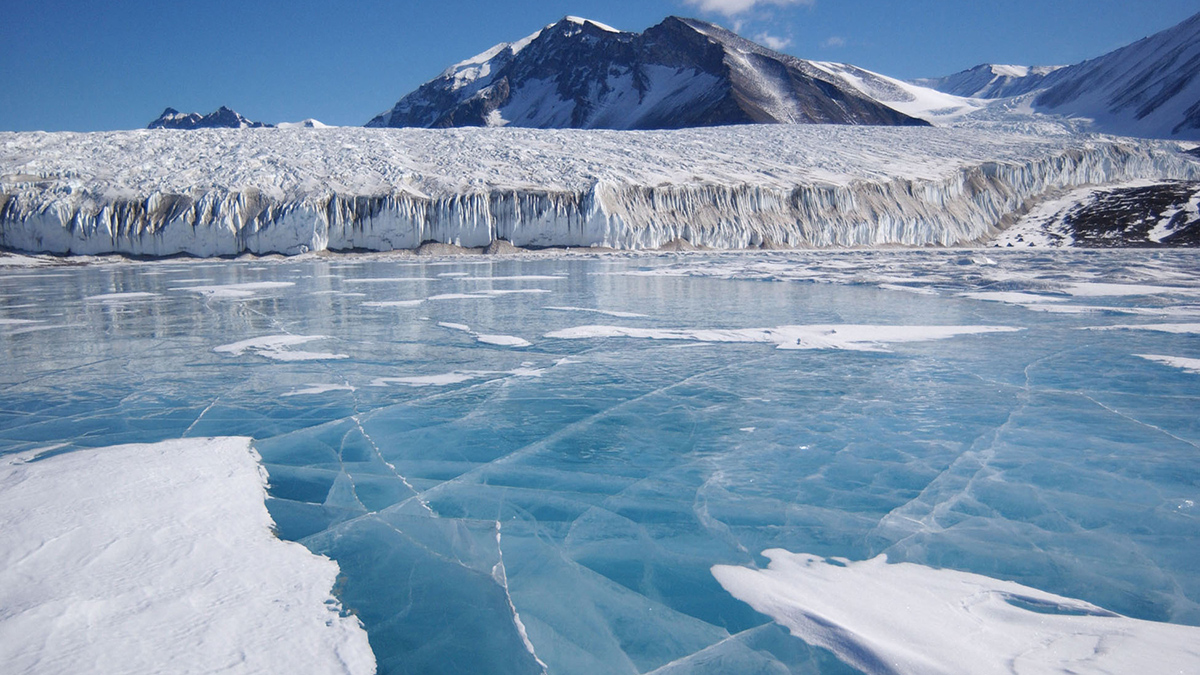
Snowball Earth’s Liquid Seas Dipped Way Below Freezing
Iron isotopes show that salty seawater pockets beneath the ice were as cold as −15°C.
Posted inNews
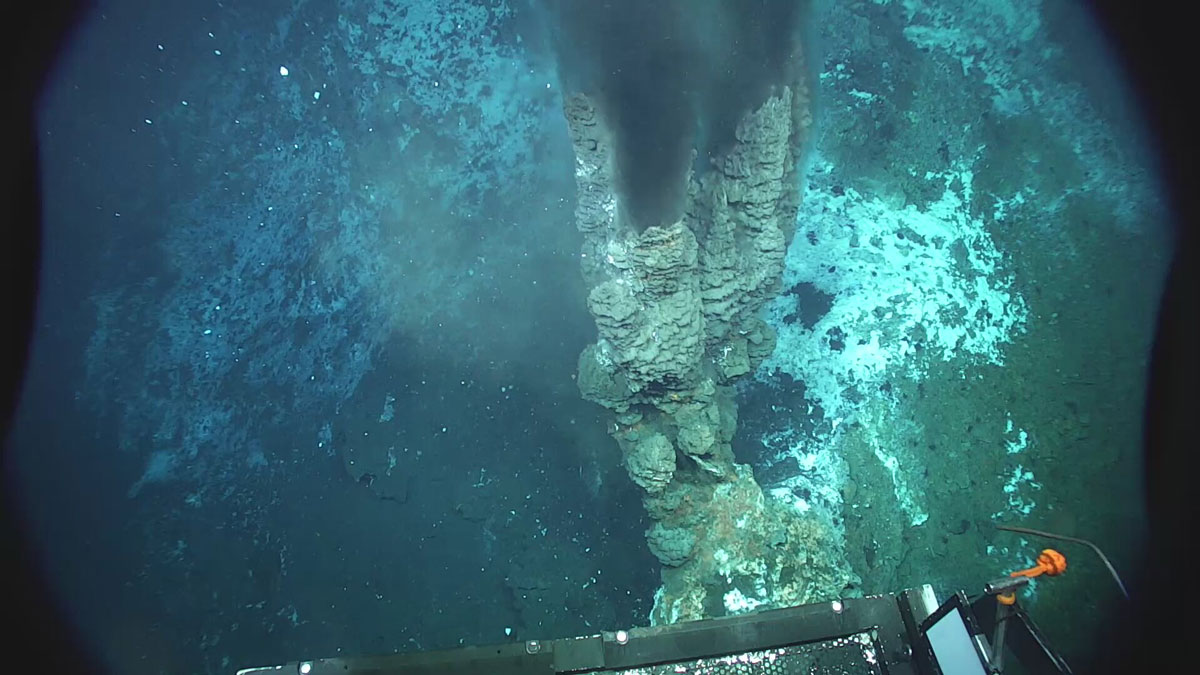
A Mid-Ocean Ridge in the Norwegian Sea Pumps Out Hydrogen

Vent fluids collected from the Knipovich Ridge contain unexpectedly high concentrations of hydrogen, potentially produced by the degradation of organic matter.
Posted inNews
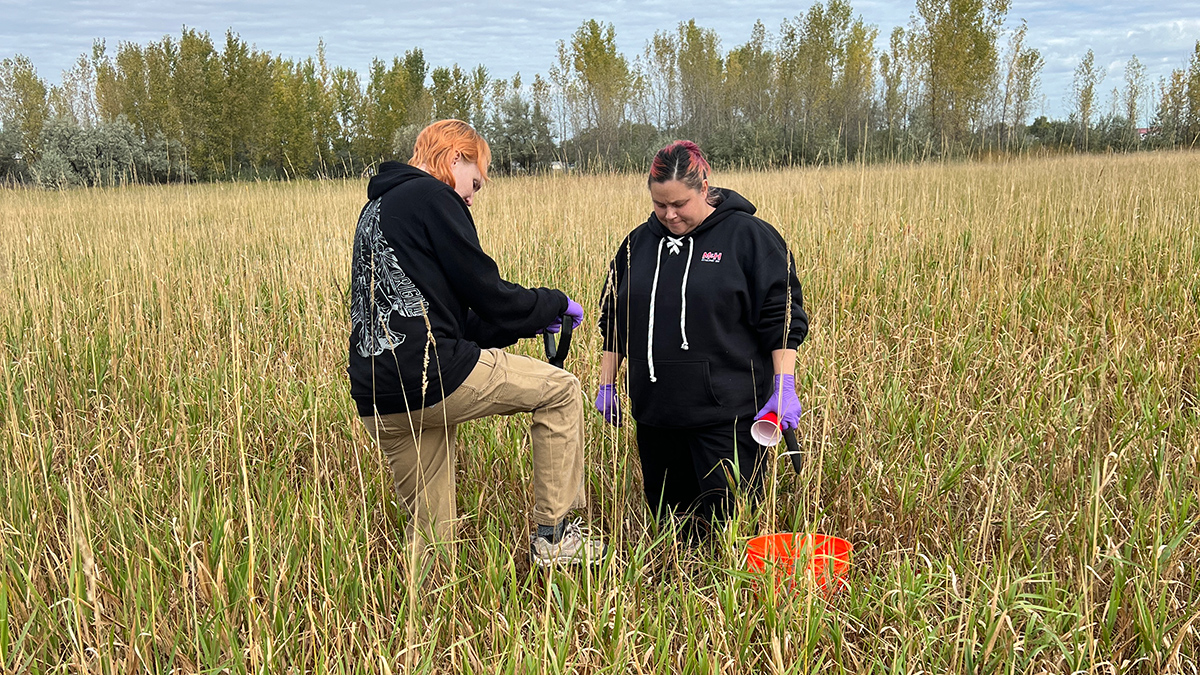
Nationwide Soil Microbiome Mapping Project Connects Students and Scientists
Researchers and students are building a comprehensive picture of the microbial life beneath our feet.
Posted inNews
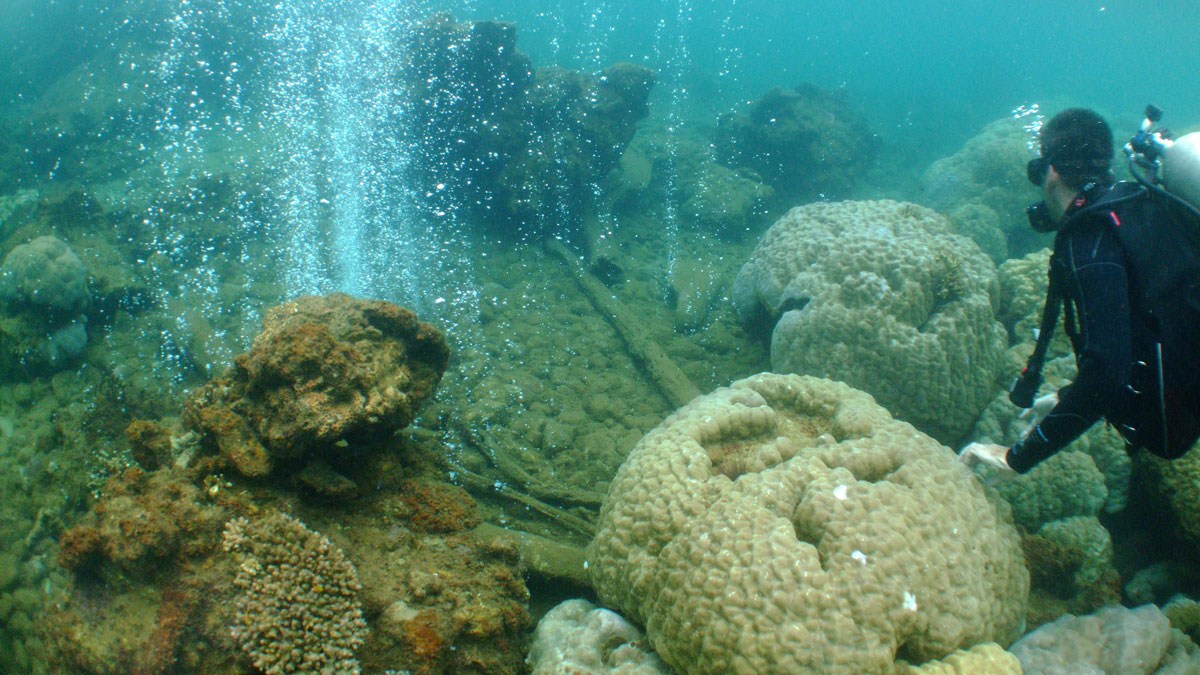
Coral Diversity Drops as Ocean Acidifies

As seawater becomes steadily more acidic, complex branching corals die off and are replaced with hard boulder corals and algae.
Posted inNews
How the Rise of a Salty Blob Led to the Fall of the Last Ice Age

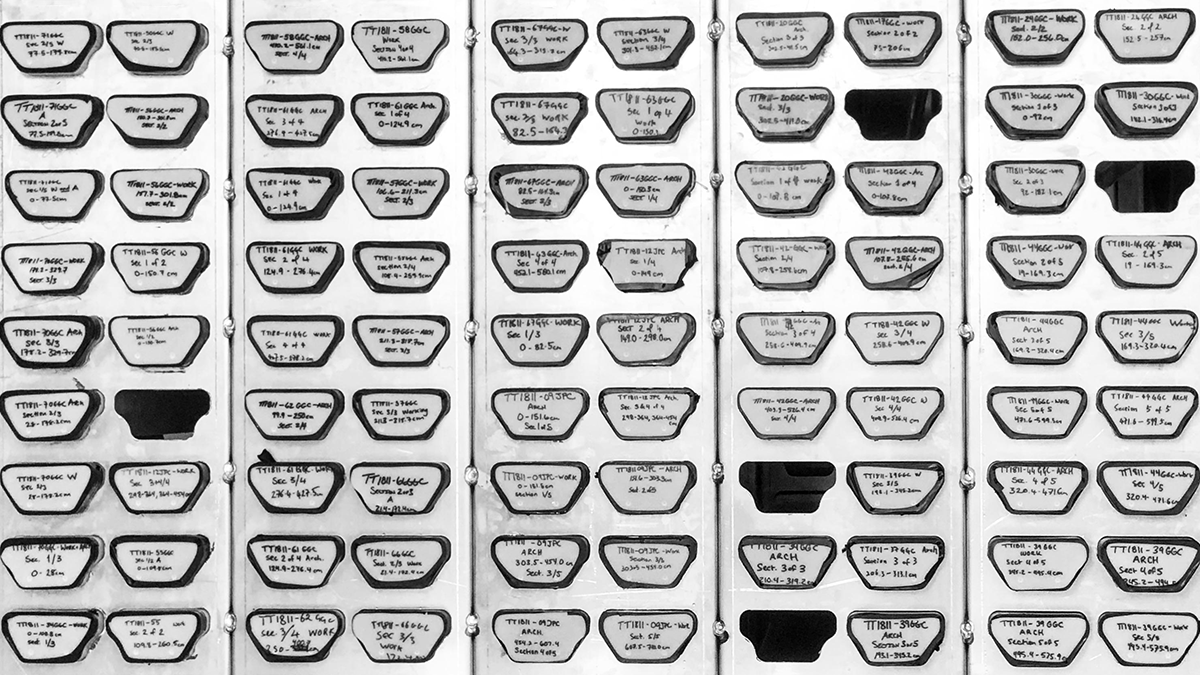
Scientists have long suspected that high salinity levels in the deep ocean were responsible for keeping carbon dioxide locked away during the last ice age. New research finds the strongest evidence yet.

Posted inNews
Alligators May Boost Carbon Storage in Coastal Wetlands
Research suggests that American alligators help coastal wetlands retain more carbon, linking predator recovery in the southeastern United States to ecosystem function and climate processes.

Posted inNews
Insights for Making Quick Clay Landslides Less Quick
In a quick clay landslide, solid soil liquefies suddenly, sometimes washing over entire towns. New modeling examines what kinds of salts could help stabilize these clays.
Posted inNews
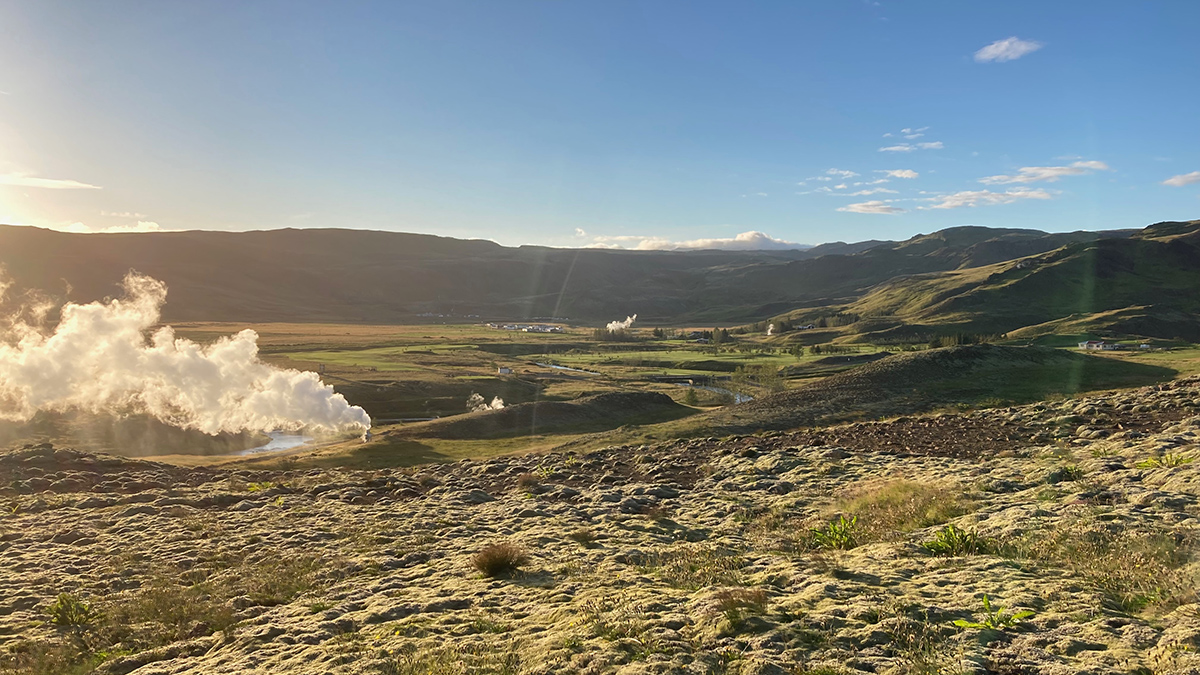
As Some Soils Warm, Microbes Stockpile Essential Nutrients

A study in Iceland found that microbes are hoarding more nitrogen for themselves, altering nutrient cycling and leaving less for plants.
