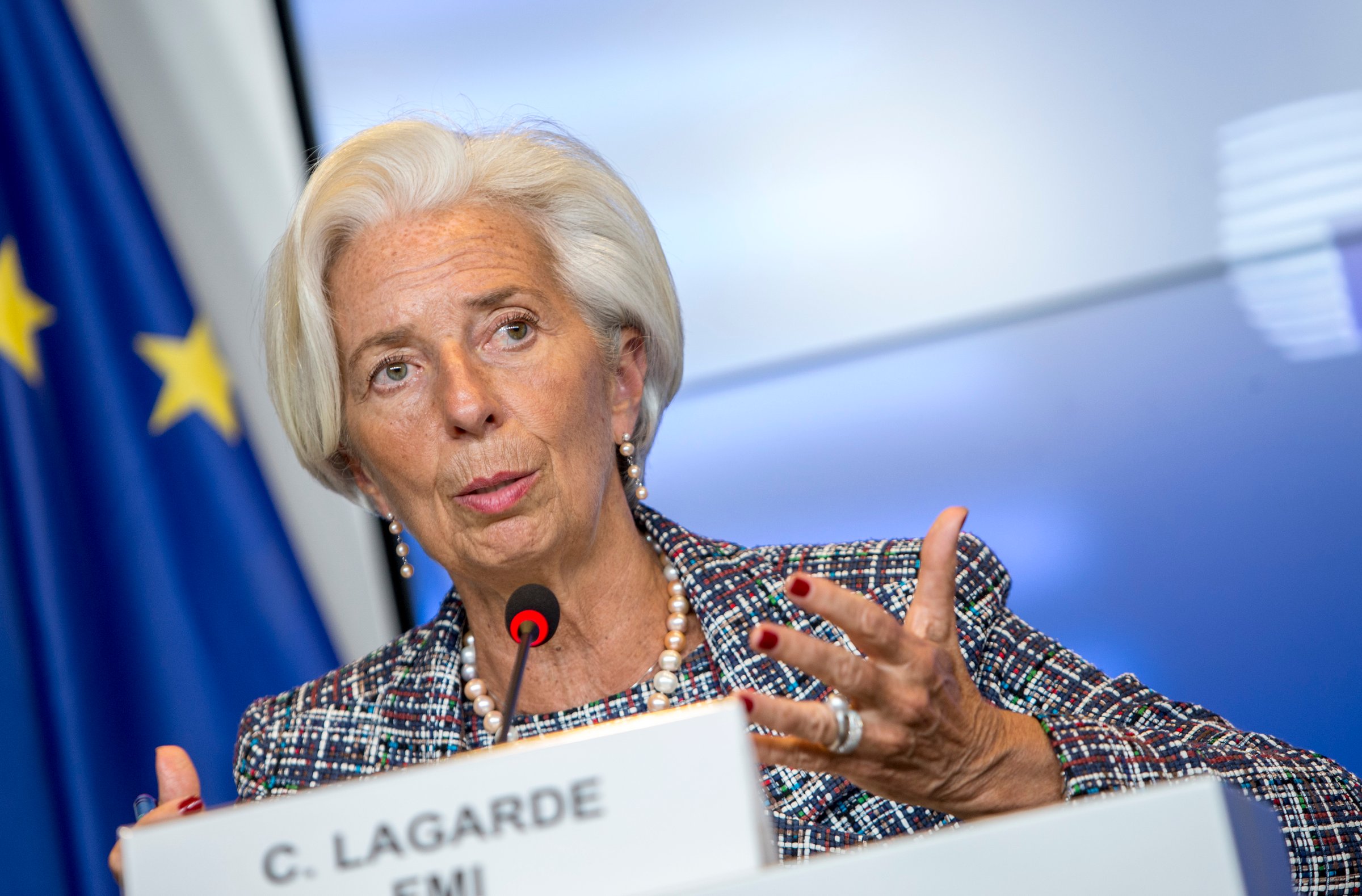
ECB stuck between a rock (inflation) and a hard place (low growth)
The bank’s governing council opted against raising borrowing costs despite inflation because of low growth and low wage growth.
The bank’s governing council opted against raising borrowing costs despite inflation because of low growth and low wage growth.

When Meta announced its Libra/Diem project in 2019, central banks worldwide were confronted with an uncomfortable question: could a private technology corporation issue money at global scale and thereby erode their monopoly over monetary control?
The response was swift. What began as a defensive reflex had become a genuine policy agenda.

Oil and gas push Europe’s inflation to steepest monthly rise since Russia’s invasion of Ukraine in 2022, Eurostat announces.
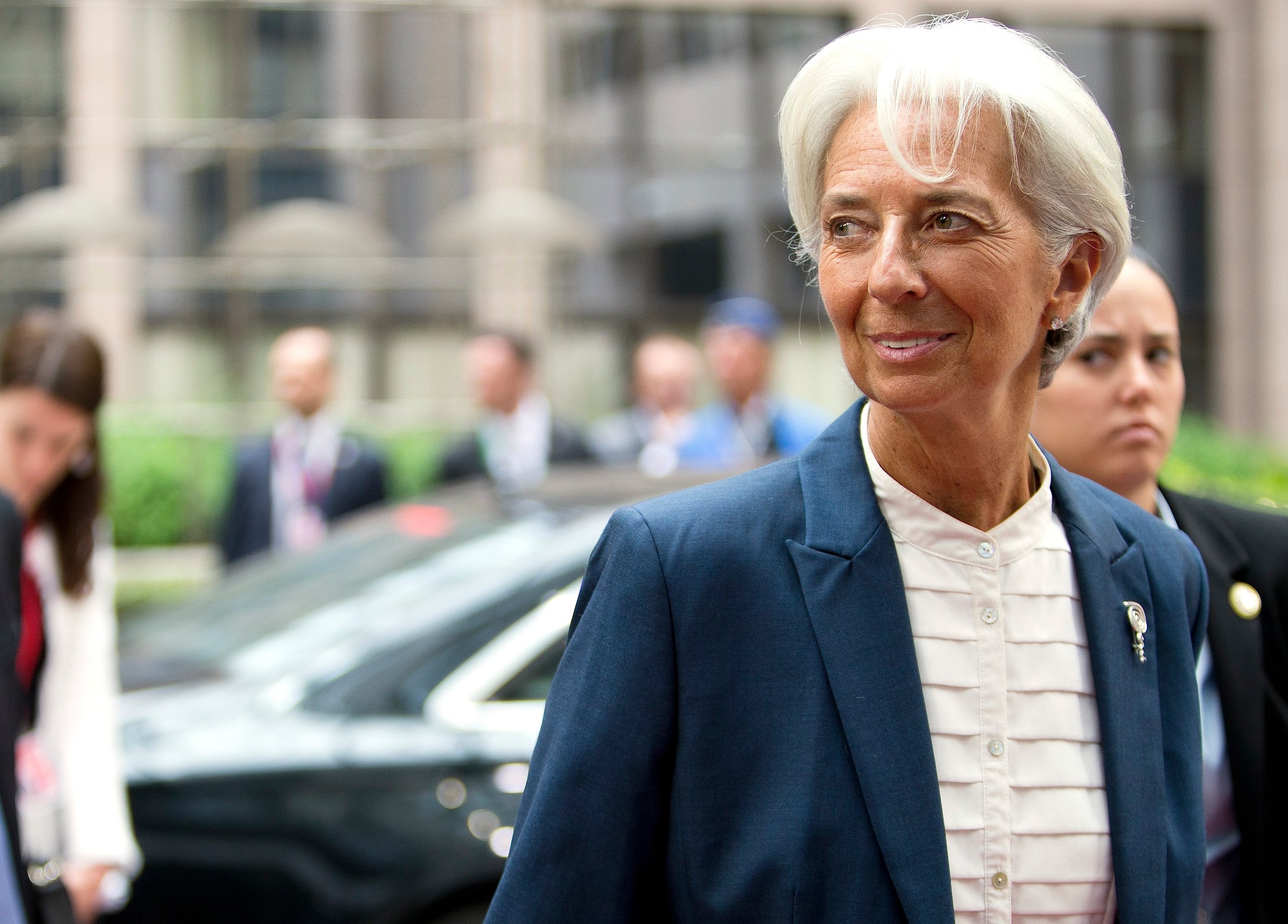
The European Central Bank itself has repeatedly said over the years that its policies are ineffective when dealing with energy shocks.
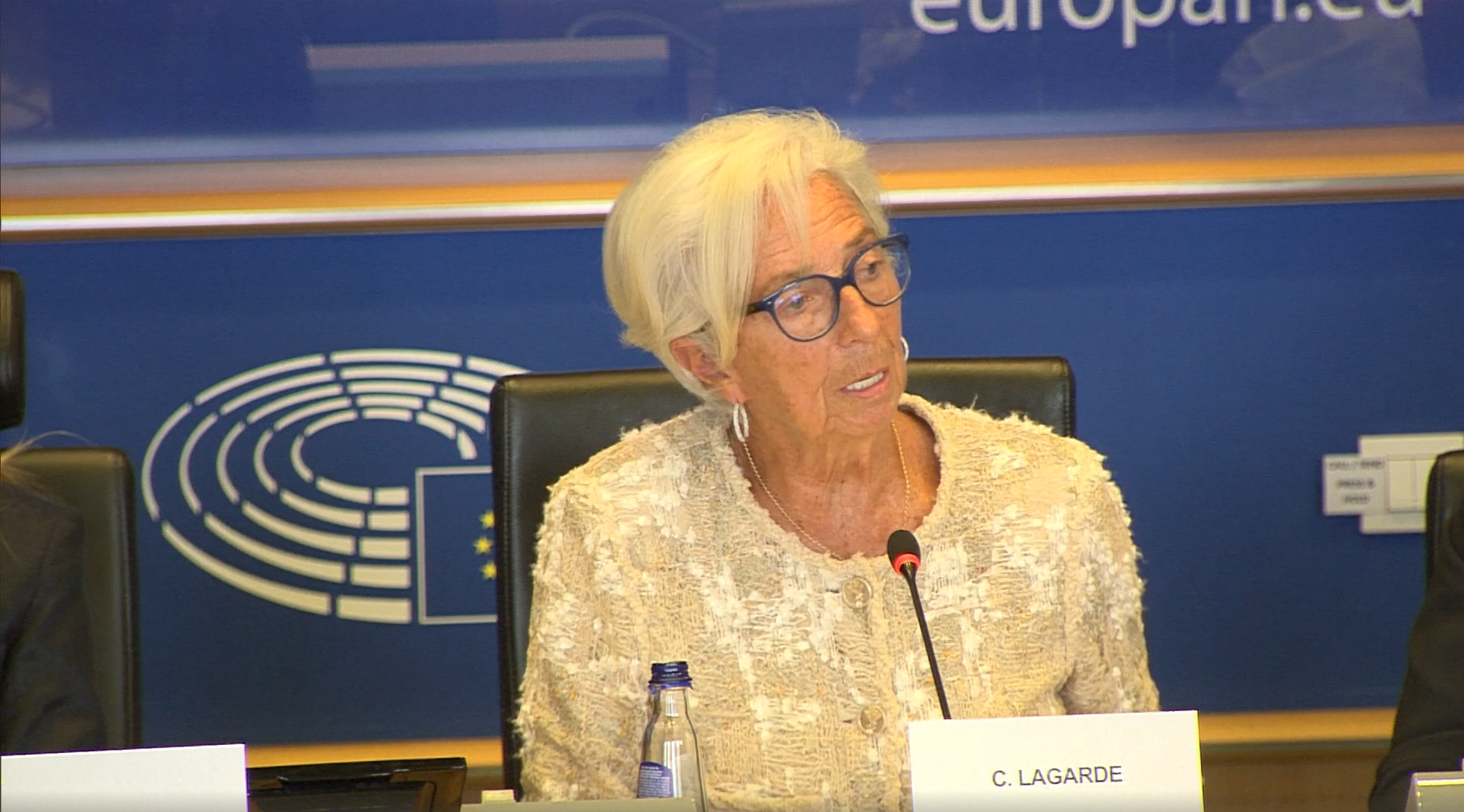
‘We are not yet seeing the waves of redundancies that are feared’, European Central Bank chief Christine Lagarde said, but stressed Europe was benefitting for AI-productivity gains on a par with the US and China.
