
Download Exces – Secure Password Manager for Files
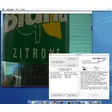
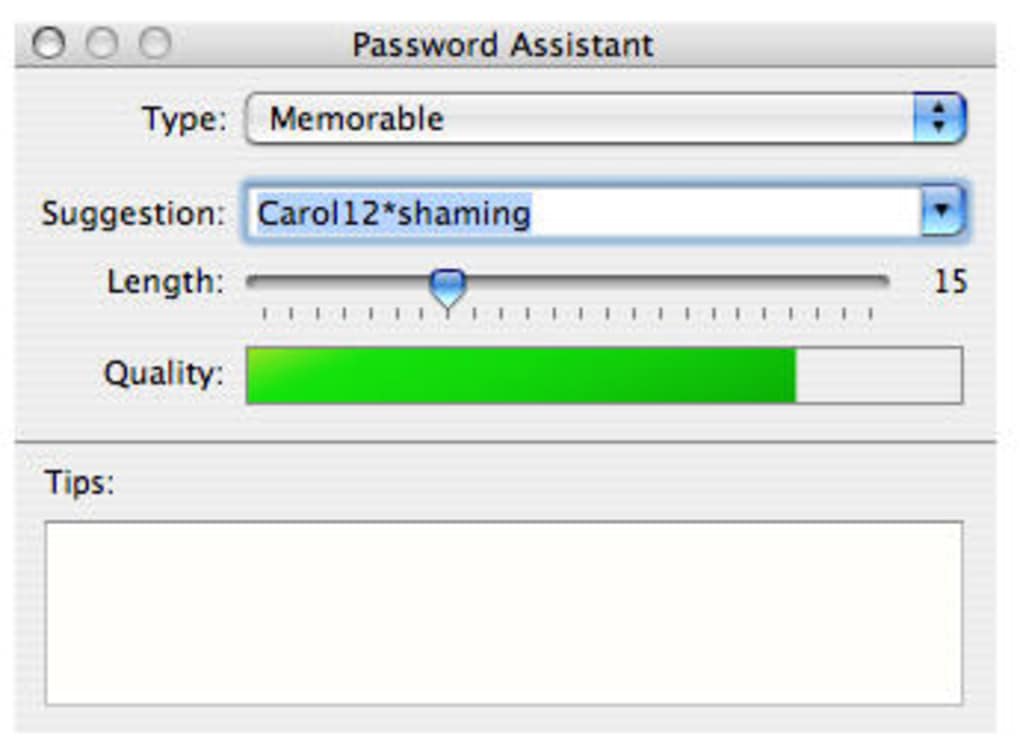
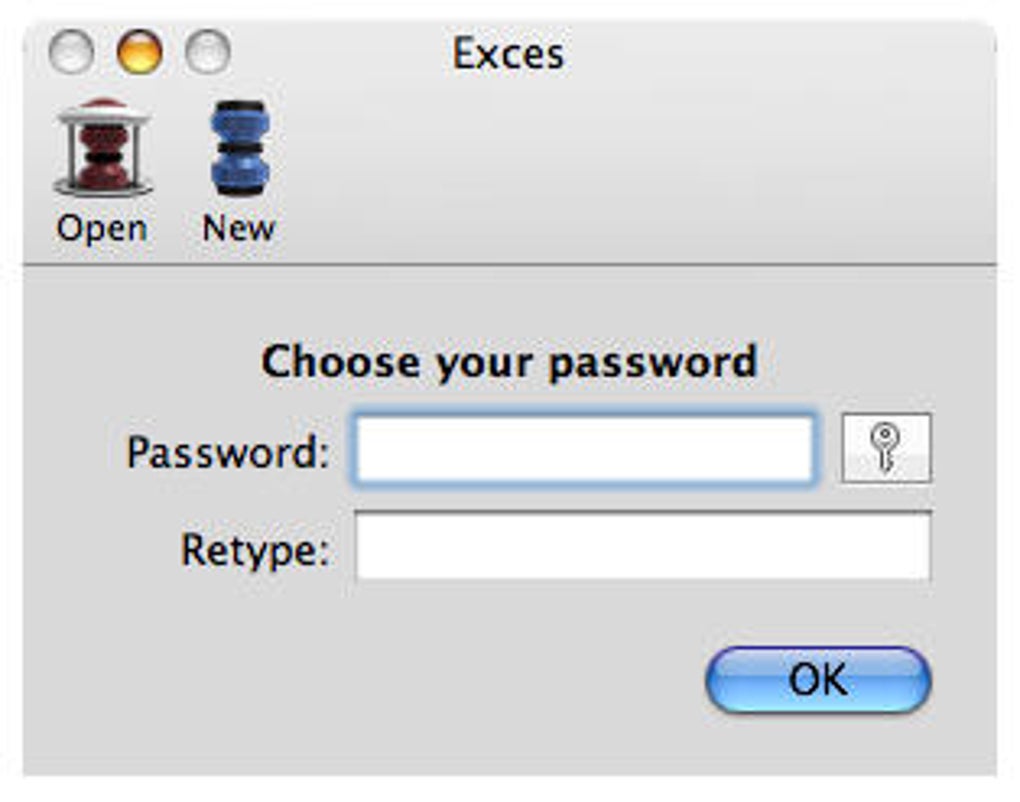
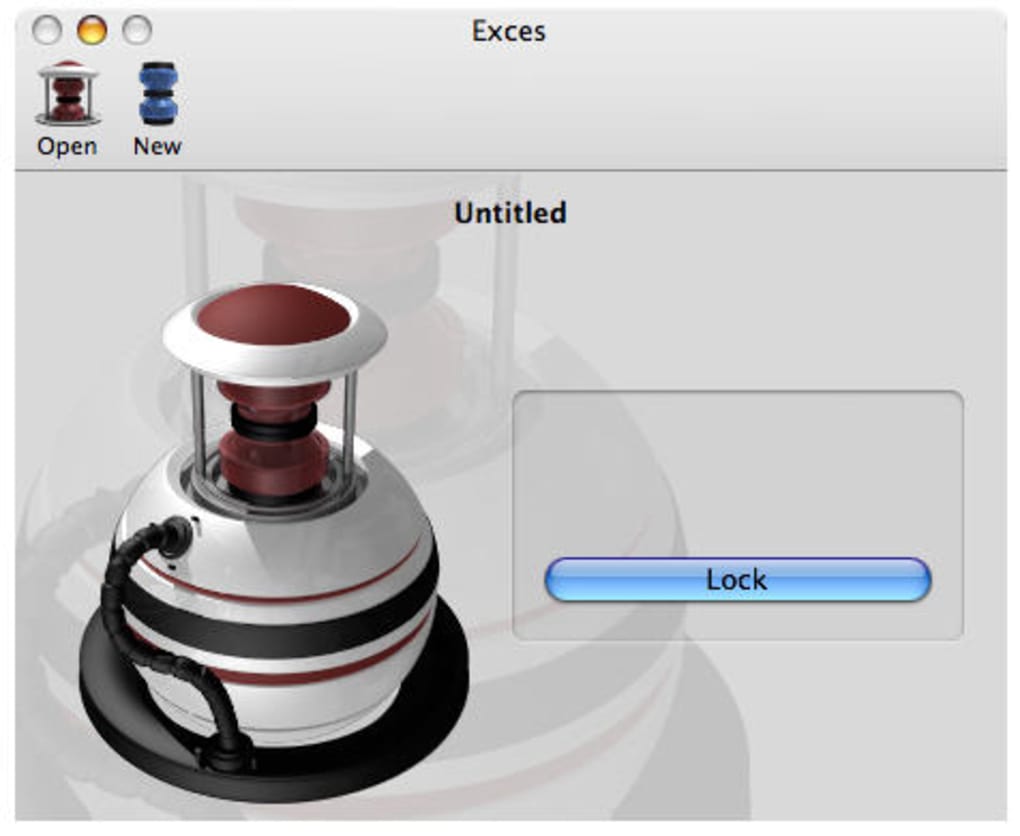
Exces is a lightweight yet powerful utility designed to protect your most valuable documents with strong, custom passwords. By creating a dedicated password file, Exces lets you lock any file or folder, turning it into a secure, encrypted disk image that only opens when the correct password is entered. The built‑in password assistant evaluates the strength of your chosen passphrase, displaying a clear green bar that grows as the password becomes more resilient. Whether you prefer memorable phrases, numeric codes, or FIPS‑181 compliant keys, Exces offers a variety of password types to match your security policy. The workflow is simple: name your password file, type a password, lock the target document, and drop it into the mounted disk image. When you need to access the file, just double‑click the image, input the password, and the data becomes instantly available. Exces focuses on a frictionless user experience while delivering enterprise‑grade encryption, making it an ideal solution for freelancers, small businesses, and anyone who values privacy without dealing with complex cryptographic setups.
Key Features of Exces
- Password Assistant with Strength Meter: Real‑time analysis shows a green bar that expands as the password meets higher entropy thresholds, helping users create robust credentials.
- Multiple Password Types: Choose from memorable phrases, numeric sequences, or FIPS‑181 compliant keys, providing flexibility for both casual and security‑focused users.
- Mounted Disk Image Creation: Exces automatically generates a virtual disk image that acts as a secure container for your locked files, simplifying file management.
- One‑Click Lock/Unlock: Drag‑and‑drop files into the mounted image to lock them, and double‑click the image to unlock after entering the password.
- Lightweight and Stand‑Alone: No additional runtime or heavyweight dependencies are required; the application runs directly on the host OS.
- Secure Encryption Algorithms: Utilizes industry‑standard AES‑256 encryption to safeguard data at rest.
- Cross‑Platform Availability: Compatible with Windows, macOS, and Linux, ensuring you can protect files regardless of your primary workstation.
- Automatic Updates: Built‑in updater checks for security patches and feature enhancements, keeping the software current without manual intervention.
Installation, Compatibility & Usage Guide
Getting started with Exces is straightforward. Follow these steps to install and begin protecting your files:
- Download the Installer: Visit the official Exces website and click the Download button for your operating system. The installer is available for Windows 10/11, macOS 10.15+, and major Linux distributions. The file size is under 15 MB, ensuring a quick download even on slower connections.
- Run the Installer: On Windows, double‑click the
.exefile and follow the wizard prompts. macOS users open the.dmgand drag the app to the Applications folder. Linux users can install via a.debor.rpmpackage, or use the provided AppImage for a portable setup. - Initial Configuration: After installation, launch Exces. The first launch presents a brief tutorial that explains the concepts of password files and mounted disk images. You can skip or revisit the tutorial later via the Help menu.
- Create a Password File: Click New Password File, give it a descriptive name (e.g., “Finance‑Docs”), and type a strong password. Use the Password Assistant to test its strength; aim for a green bar that reaches the full length.
- Lock Your Documents: Once the password file is saved, Exces creates a virtual disk image that appears as a separate drive in your file explorer. Drag any files or folders you wish to protect into this drive. The data is instantly encrypted and hidden from casual browsing.
- Unlock When Needed: To retrieve a file, double‑click the mounted disk image, enter the password you set earlier, and the drive becomes accessible. When you’re done, you can safely eject the image, returning the files to a locked state.
- Maintenance & Updates: Exces checks for updates on launch. If a newer version is available, you’ll be prompted to download and install it. Regular updates ensure compatibility with the latest OS releases and incorporate security improvements.
Because Exces operates as a standalone application, it does not interfere with other security tools such as antivirus or firewall software. The encryption is performed locally, meaning no data is sent to external servers, preserving privacy and complying with data‑protection regulations.
Pros and Cons
Pros
- Intuitive password strength meter helps users create secure credentials.
- Multiple password generation modes accommodate both casual and compliance‑driven environments.
- Mounted disk image simplifies file organization and reduces the risk of accidental exposure.
- Lightweight footprint makes it suitable for older hardware and low‑resource systems.
- Cross‑platform support ensures consistent protection across Windows, macOS, and Linux.
- Automatic updates keep the software secure without manual effort.
- Zero‑knowledge design: encryption keys never leave the user’s machine.
Cons
- Limited advanced password policies; power users may desire custom entropy settings.
- No built‑in file versioning; changes to locked files overwrite previous versions.
- Absence of cloud sync integration; users must manage backups independently.
- Interface, while functional, could benefit from a more modern aesthetic.
- Only basic reporting; enterprise environments may need detailed audit logs.
Frequently Asked Questions
Is Exces free to use?
Yes, Exces offers a fully functional free version that includes password creation, strength testing, and disk image encryption. A premium tier is available for users who need advanced enterprise features such as centralized policy management and audit logging.
What encryption algorithm does Exces use?
Exces employs AES‑256 encryption, which is widely recognized as one of the strongest symmetric encryption standards available for consumer and professional use.
Can I recover a lost password?
No, Exces follows a zero‑knowledge model, meaning the password is never stored or transmitted. If you forget the password, the encrypted files cannot be recovered, so it is essential to keep a secure backup of your passphrase.
Does Exces work on mobile devices?
Currently, Exces is a desktop‑only solution for Windows, macOS, and Linux. The development team has indicated plans to explore Android and iOS versions in future releases.
How does the mounted disk image differ from a standard folder?
The mounted disk image functions like a virtual drive that encrypts all data written to it on the fly. Unlike a regular folder, the contents are unreadable without unlocking the image with the correct password, providing an extra layer of protection against unauthorized access.
Conclusion & Call to Action
Exces delivers a streamlined, user‑friendly approach to file encryption that balances simplicity with strong security. Its password assistant, multiple password types, and automatic disk image creation make it an attractive choice for individuals and small teams looking to protect sensitive documents without a steep learning curve. While power users might miss more granular policy controls and built‑in cloud sync, the core feature set is robust enough for everyday privacy needs. If you’re searching for a free, secure, and easy‑to‑deploy solution to lock down your files, Exces is worth a download. Click the button below to get the latest version, set up your first password file, and start safeguarding your data today.
Exces strikes an excellent balance between usability and encryption strength. The password strength meter guides users toward secure choices, and the mounted disk image simplifies file handling. Minor drawbacks, such as limited advanced policies, keep it from a perfect score, but for most users the trade‑off is more than acceptable.