
Your Adventure to Better Health Starts Here.
Find Caches. Help Donate.
Win Prizes!

GHC-SCW Legacy Trail Adventure
Celebrate 50 years of member-centered care with the GHC-SCW Legacy Trail Adventure! This outdoor scavenger hunt features rock-like cache containers hidden across Dane County and surrounding areas. Each cache represents a GHC-SCW milestone year from 1976 to 2026.
Enter weekly drawings, hit milestone rewards and vote to help donate over $25,000 to non-profit organizations in our community.


50 Years of GHC-SCW

Celebrating Year 1976
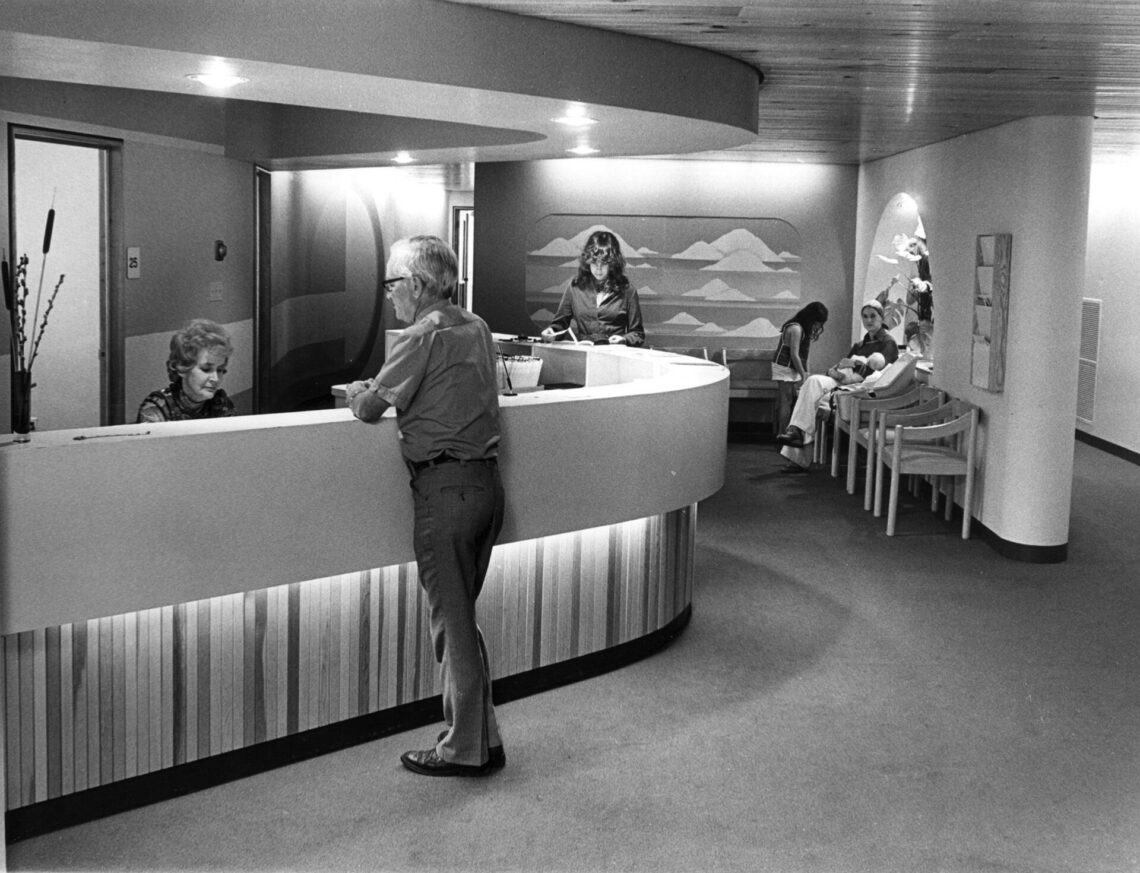
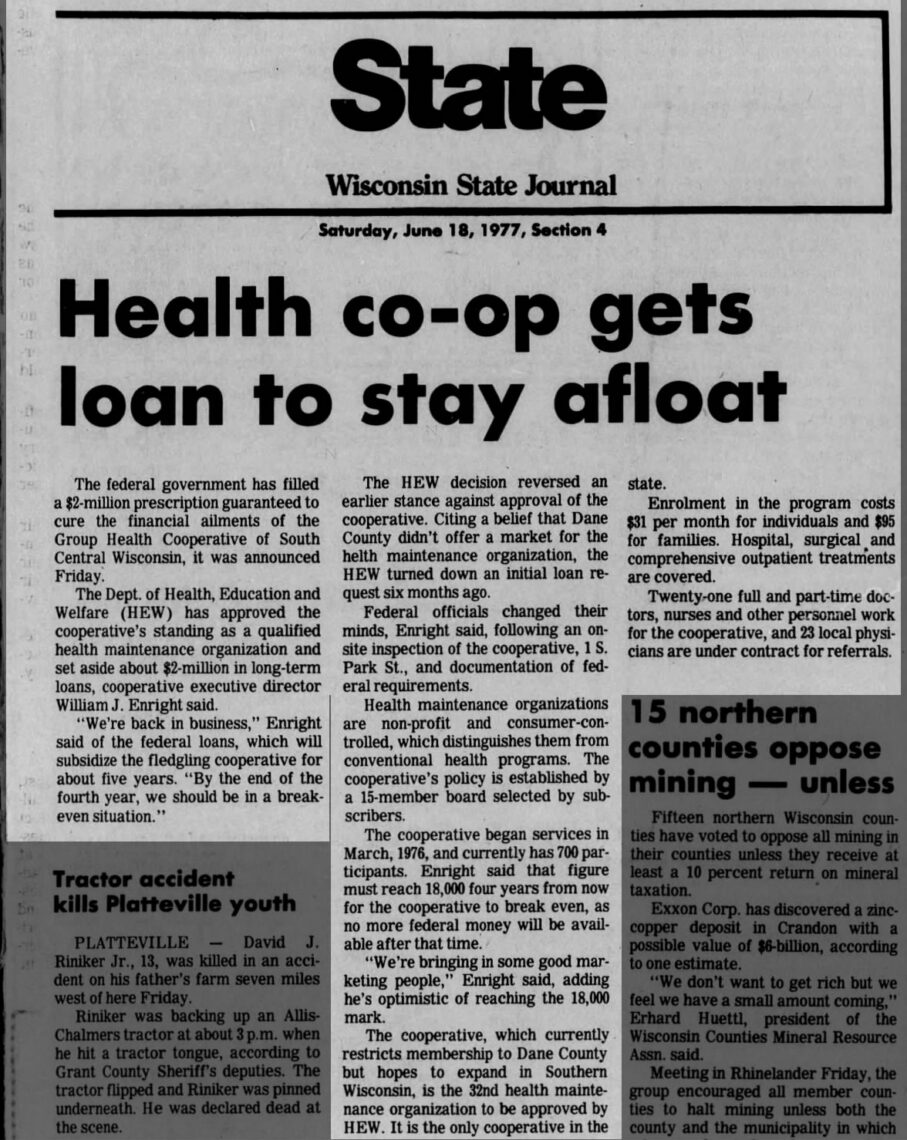
In 1976, a small group of physicians and community members came together with a bold idea: create a different kind of health care organization in Dane County—one owned by the people it served. On March 1, Group Health Cooperative of South Central Wisconsin saw its very first patient, beginning with just 49 members. That same year, members elected the Cooperative’s first Board of Directors, formally establishing a governance model. From the very beginning, GHC-SCW was built not just as a health plan, but as a partnership.
Why it matters: Member voices shaped GHC-SCW from day one.
Celebrating Year 1977
In 1977, just one year after opening its doors, GHC-SCW received federal qualification as a Health Maintenance Organization (HMO). This status confirmed that the Cooperative met national standards for coordinated and preventive-focused care. Federal qualification provided structure, oversight and credibility, helping the young organization strengthen its foundation while continuing to grow.
Why it matters: Federal qualification gave GHC-SCW the stability and credibility needed to grow with confidence in its earliest years.
Celebrating Year 1978
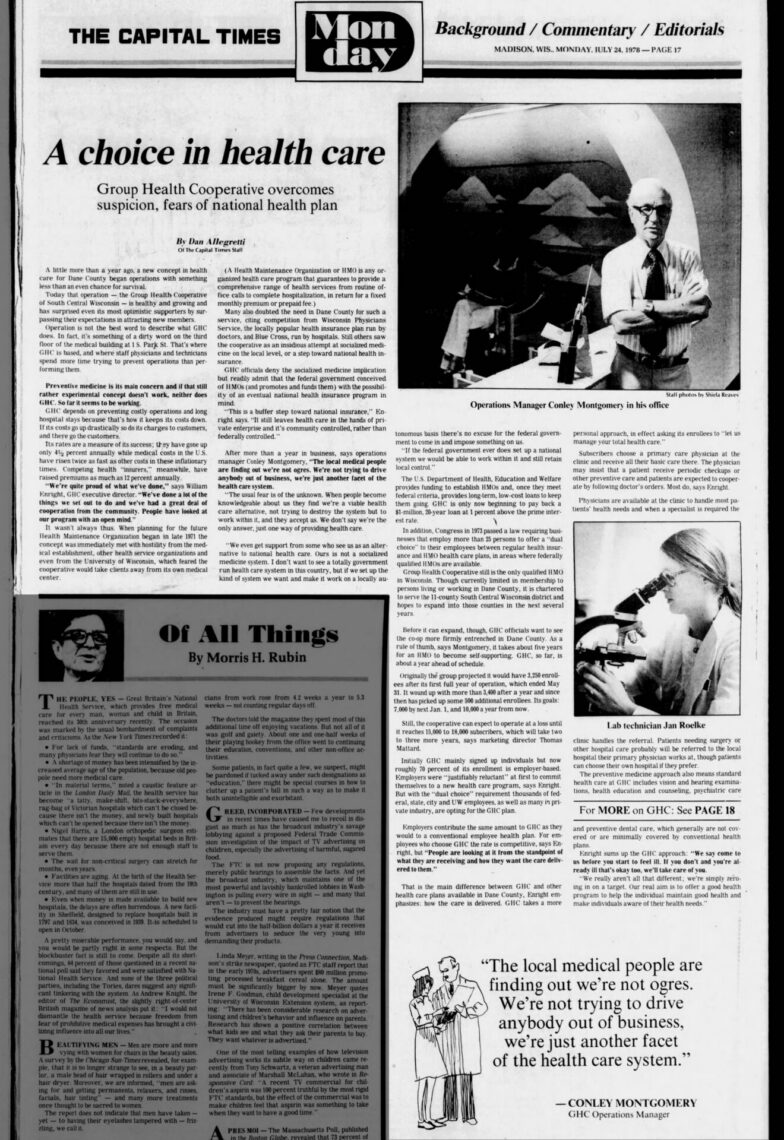
In 1978, membership grew to 5,243. The Wisconsin Group Insurance Board approved GHC-SCW as one of four new medical plans offered through the State of Wisconsin’s group health insurance program. For the first time, state employees could choose GHC-SCW during the annual open enrollment period, significantly expanding its reach. That same year, Virginia Hart became Board President, helping lead the organization during a period of growing visibility and steady membership growth.
Why it matters: State approval broadened access and helped establish GHC-SCW as a trusted option for thousands of public employees and their families.
Celebrating Year 1979
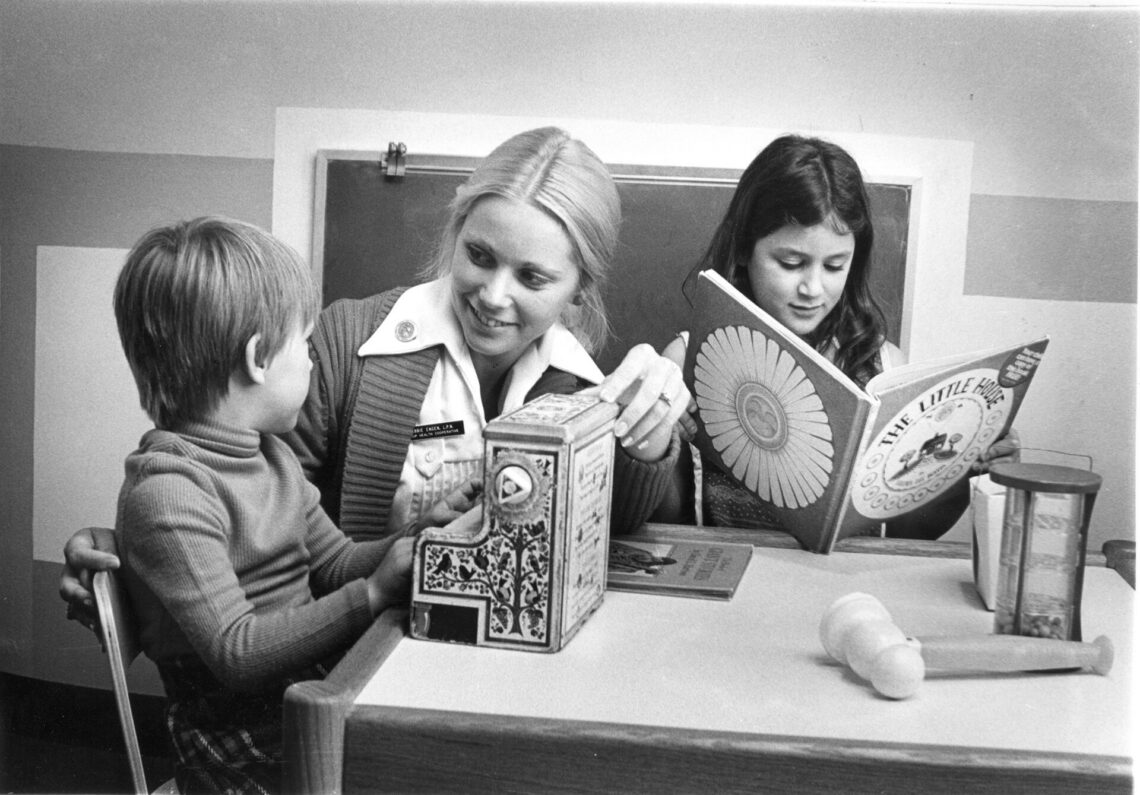
By 1979, GHC-SCW had grown to 8,098 members, a clear sign that the Cooperative’s model was gaining traction in Dane County. What began as a new idea was steadily becoming an established presence in the community. Leadership focused on strengthening operations and care delivery, while making sure we stayed focused on preventive care and affordability. Rather than expanding too quickly, the Cooperative built the systems and stability needed for the years ahead.
Why it matters: Growth should never come at the expense of quality or affordability.
Celebrating Year 1980
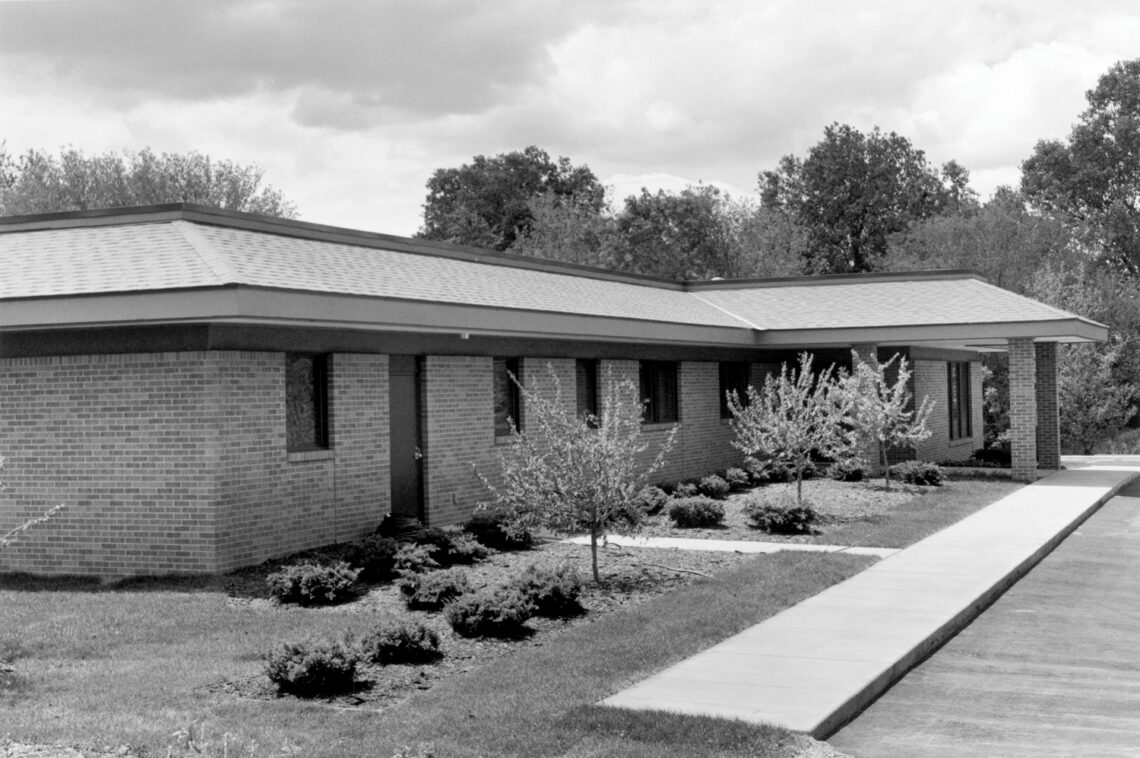
In May 1980, GHC-SCW opened its first satellite clinic in Middleton at the Pines Center Clinic, extending care beyond its original downtown Madison location. Membership had grown to more than 11,000 members, reflecting community confidence in GHC-SCW. The new clinic improved convenience for members living outside central Madison and marked an important step toward expanding access. Growth was no longer just about numbers. It was also about proximity and connection.
Why it matters: Expanding locations brought care closer to where members live and work.
Celebrating Year 1981
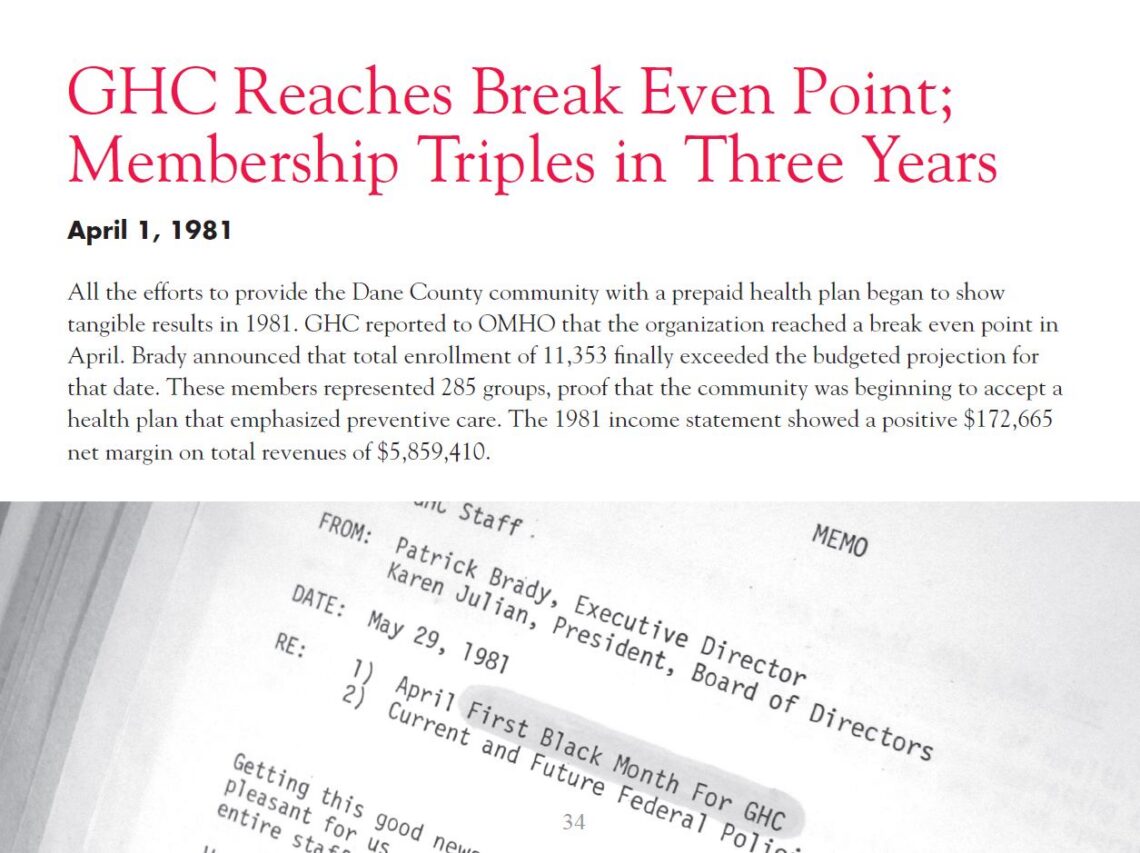
By 1981, GHC-SCW had reached a major turning point. Membership grew to 15,500 members, demonstrating strong community trust in a new approach to health care. As the area’s first HMO, GHC-SCW offered a prevention-focused care model that stood apart at the time. That same year, the Cooperative reached its first financial break-even point, confirming the Cooperative’s success.
Why it matters: Financial stability proved that the Cooperative model works.
Celebrating Year 1982
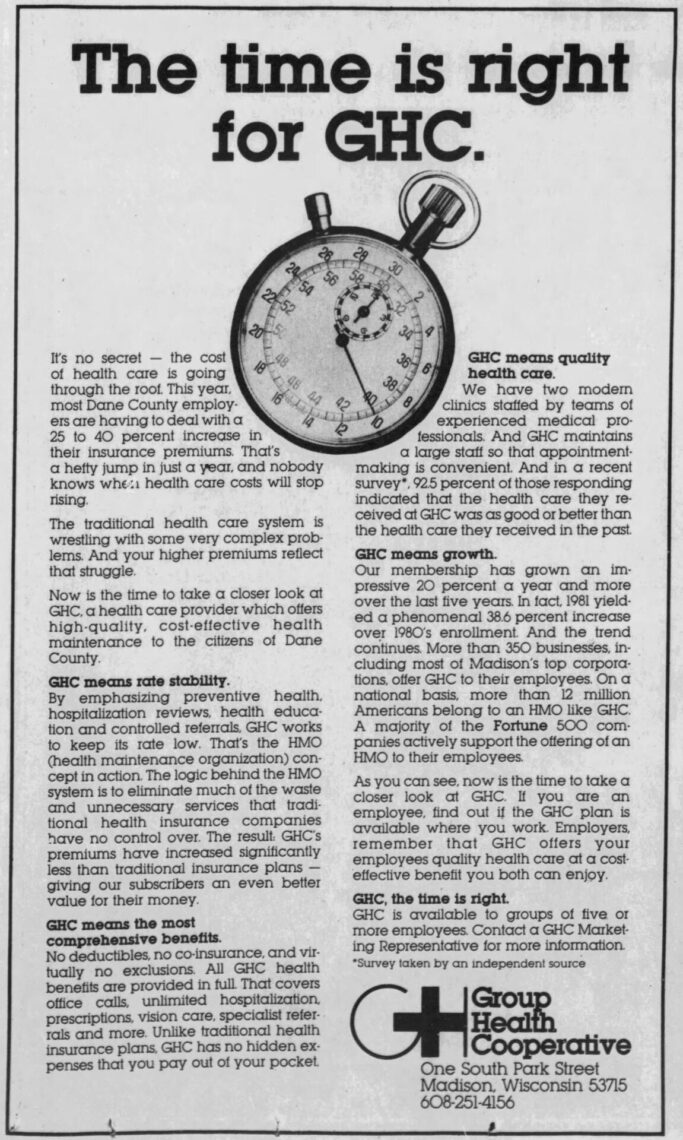
By 1982, GHC-SCW continued strengthening its commitment to preventive care. Routine screenings, immunizations and patient education became more integrated into everyday visits and helped identify health concerns earlier. Care teams worked closely with members to manage chronic conditions and reduce avoidable hospitalizations. The Cooperative’s approach emphasized staying well, not just treating illness.
Why it matters: Our early emphasis on prevention continues to shape how GHC-SCW approaches care today.
Celebrating Year 1983
In 1983, GHC-SCW received tax-exempt status as a 501(c)(3) non-profit organization. That same year, membership surpassed 24,000 members, making GHC-SCW the oldest and largest HMO in Dane County.
1983 also marked an important step beyond clinical growth. GHC-SCW began providing free one-time health services, including X-rays to unemployed workers, reflecting a belief that access to care should not depend solely on employment or income.
Why it matters: Becoming a non-profit reinforced a community commitment that continues through programs like Primary Access for Kids.

Celebrating Year 1984
In 1984, GHC-SCW officially joined the State of Wisconsin employee health plan, making the Cooperative available to thousands of public employees. What began as a new and untested model was helping shape how health coverage was offered across the South Central Wisconsin region.
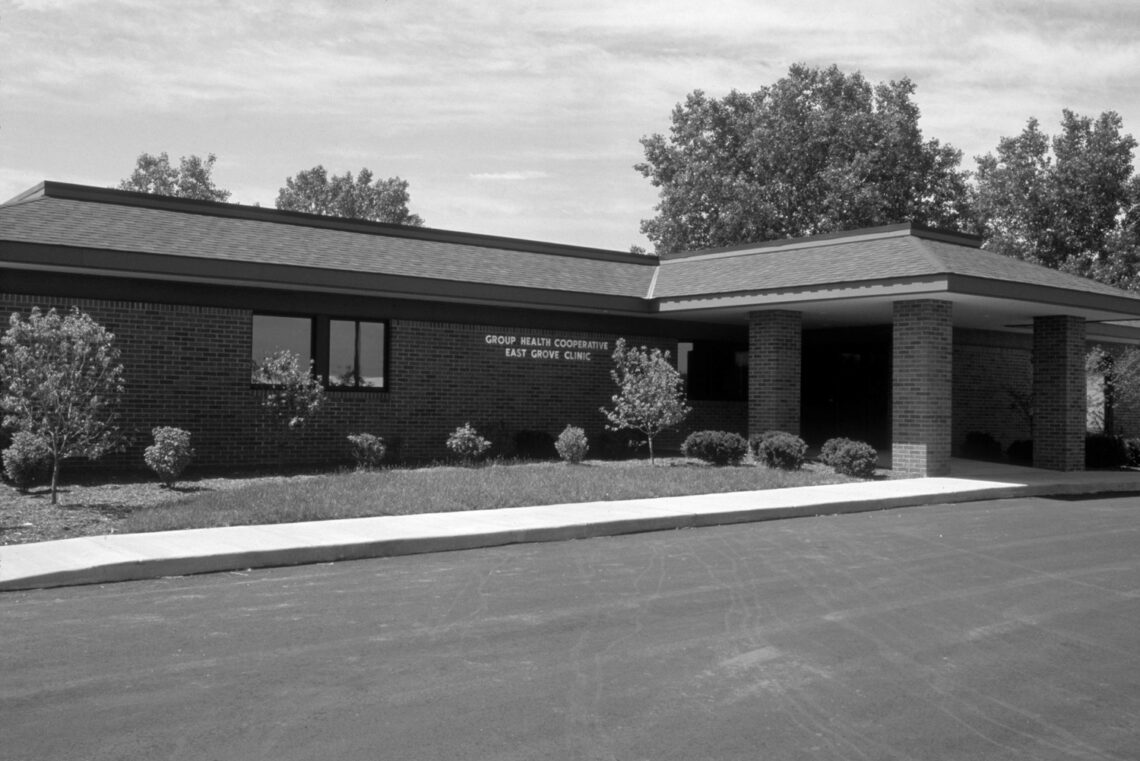
On May 29, 1984, GHC-SCW opened the East Grove Clinic on Madison’s east side, expanding primary care capacity to serve up to 8,000 patients.
Why it matters: The 1984 expansion established a pattern of responsible growth that continues to this day.
Celebrating Year 1985
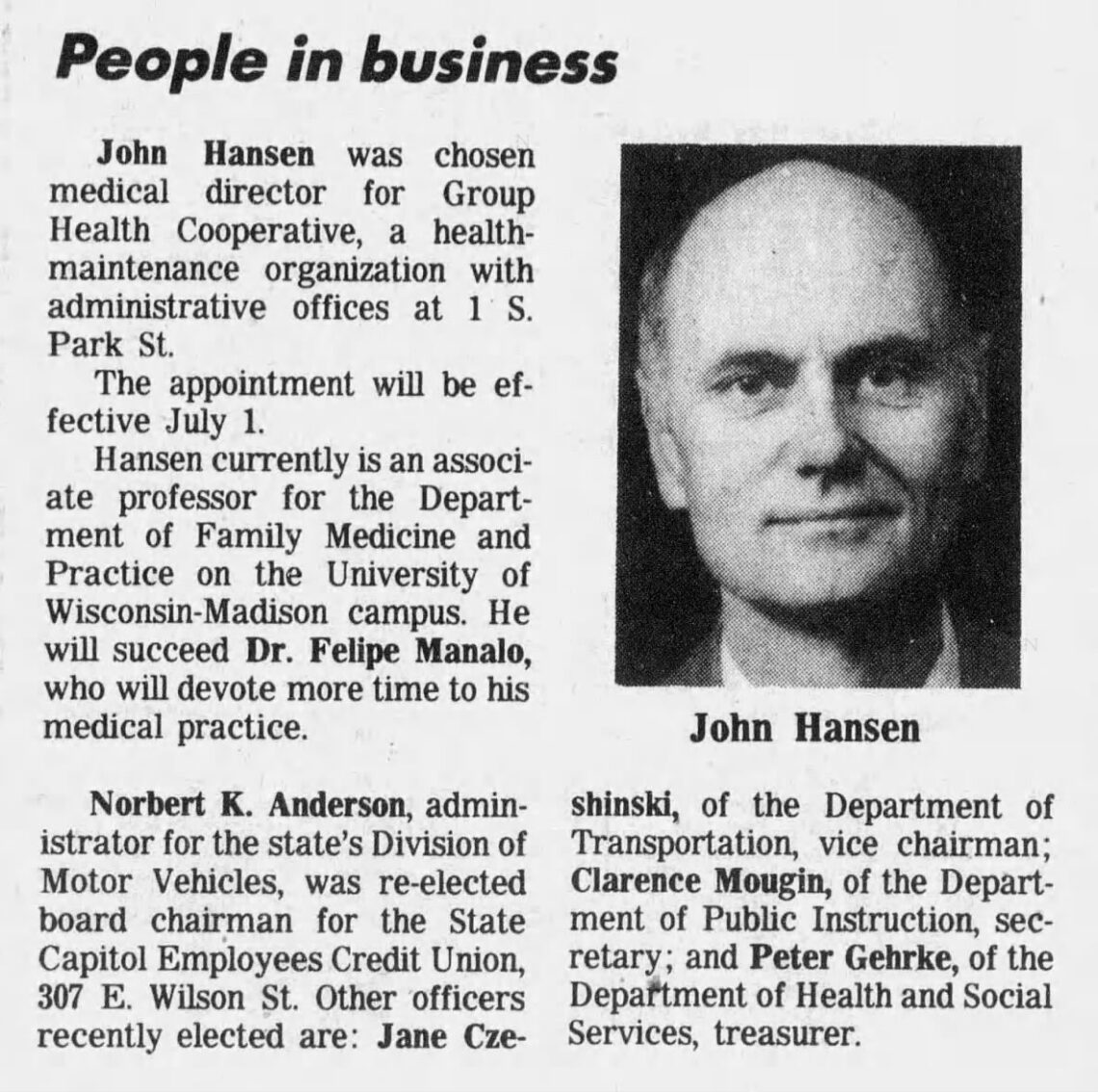
In 1985, GHC-SCW deepened its connection to academic medicine when Dr. John Hansen became the Cooperative’s Medical Director. Initially drawn to the HMO model after working with GHC-SCW, Dr. Hansen took on the role in July and would go on to serve the organization for more than three decades. His leadership strengthened clinical standards and reinforced evidence-based care.
That same year, GHC-SCW opened a new Pines Clinic in Middleton, moving from rented space into an owned-and-operated facility to support a rapidly growing membership.
Why it matters: Clinical leadership and academic partnerships helped lay the foundation for the quality that defines GHC-SCW today.
Celebrating Year 1986
By 1986, GHC-SCW was operating in a rapidly changing health care environment as managed care models expanded across Wisconsin. The Cooperative remained focused on financial responsibility, access and long-term sustainability. Enrollment across GHC-SCW clinics grew to 38,824 members, an incredible increase from just a decade earlier.
Behind the scenes, internal systems and operational processes matured to support that growth while protecting the Cooperative’s core mission.
Why it matters: Controlled growth helped to build the stability and access members rely on today.
Celebrating Year 1987
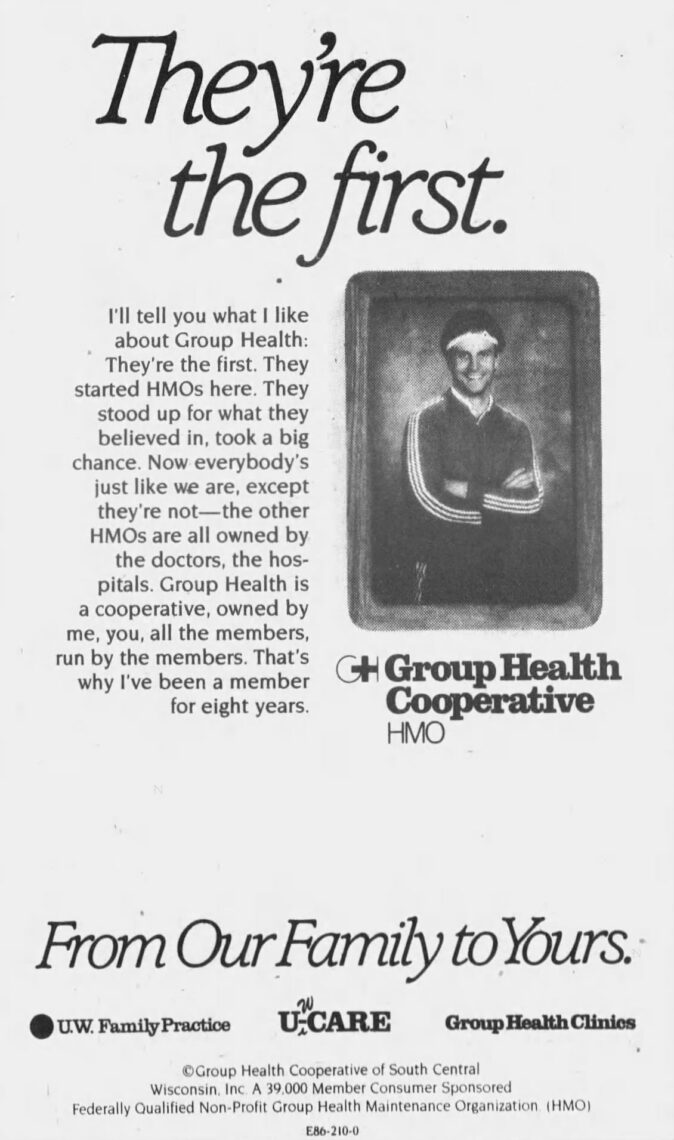
In 1987, members were asked to weigh in on a significant affiliation decision during a period of growth and change. Through a formal vote, members approved changes designed to strengthen the Cooperative’s long-term future. The process reinforced GHC-SCW’s commitment to transparency and the principle that major decisions belong to member-owners.
That same year, Larry Zanoni was appointed Executive Director. Having been involved with GHC-SCW since its founding, Larry would go on to lead the Cooperative for 26 years and spend a total of 37 years with the organization before retiring in 2013. His leadership provided stability during an important era of expansion and operational growth.
Why it matters: Member governance and steady leadership shaped GHC-SCW’s culture.

Celebrating Year 1988
By 1988, what had begun as a small community experiment was now a large, steadily expanding health care organization. With that growth came new responsibility. Leadership and staff focused on strengthening internal systems, improving care coordination and building the structure needed to support a larger membership base without losing the Cooperative’s personal touch.
This period was about ensuring that quality, access and member voice could keep pace with rapid expansion. The groundwork laid in these years helped GHC-SCW move from early-stage growth into sustained development.
Why it matters: Strong operations allowed GHC-SCW to grow while maintaining quality.

Celebrating Year 1989
In 1989, GHC-SCW formally partnered with UW Hospital and Clinics after several successful collaborations. The partnership allowed members to access all UW Hospital and Clinics locations and expanded specialty care options across South Central Wisconsin. Over time, this relationship helped shift how members could move seamlessly between primary care, specialty services and hospital settings.
The Cooperative’s presence within the Dane County health care system became more comprehensive and integrated.
Why it matters: When care systems are connected, members experience fewer barriers and more coordinated support.
Celebrating Year 1990
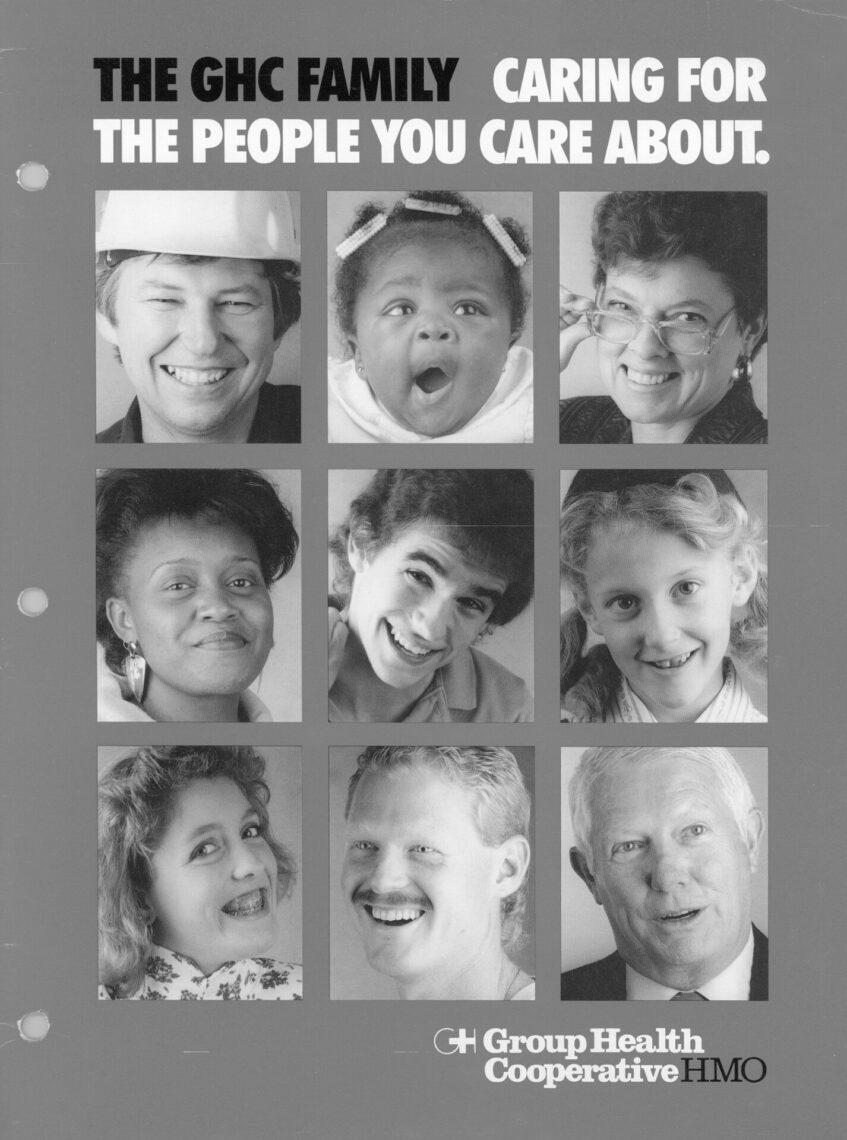
By 1990, the Cooperative had expanded specialty services and strengthened internal referral programs to better meet members’ whole health needs. Care delivery had become more comprehensive, allowing members to access a wider range of services while maintaining our coordinated care approach.
GHC-SCW started building the depth of services needed to support members through every stage of life and health.
Why it matters: Early service expansion helped create the integrated care model members rely on today.
Celebrating Year 1991
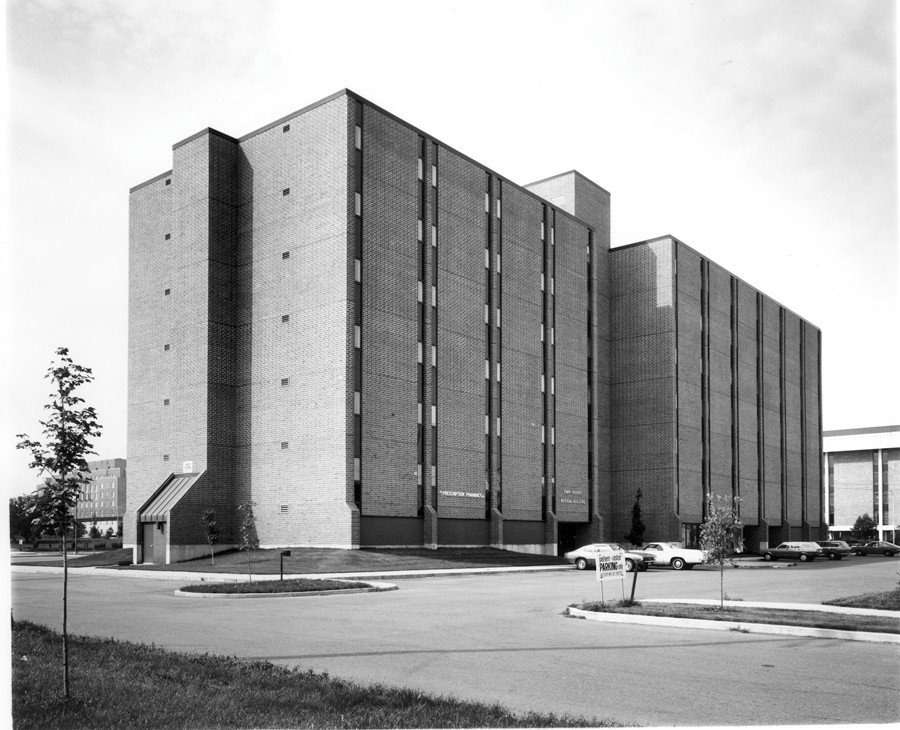
In 1991, GHC-SCW opened its own Physical Therapy Department at the Park-Regent Clinic. By bringing rehabilitation services in-house and employing its own therapists, GHC-SCW created closer collaboration between primary care providers and rehabilitation specialists.
This change allowed care teams to communicate more directly and focus more intentionally on member recovery. It reflected a broader shift toward building more services within the Cooperative rather than relying solely on outside partnerships.
Today, that decision continues to shape care delivery. GHC-SCW now offers a comprehensive suite of physical and occupational therapy services, including a specialty PT/OT clinic at the GHC-SCW Princeton Club Clinic.
Why it matters: Adding PT/OT services into the care team structure helped establish the integrated care experience members benefit from today.
Celebrating Year 1992
In 1992, GHC-SCW began formalizing its approach to quality improvement. What had previously been guided by clinical standards and professional judgment evolved into more structured performance measurement, reporting and evaluation processes.
This shift marked an important growth point. The Cooperative intentionally built systems to measure outcomes, identify opportunities for improvement and ensure consistent standards of care. The groundwork laid during this period would later support national quality recognition.
Why it matters: Quality systems built in the early 1990s still guide GHC-SCW’s pursuit of excellence today.
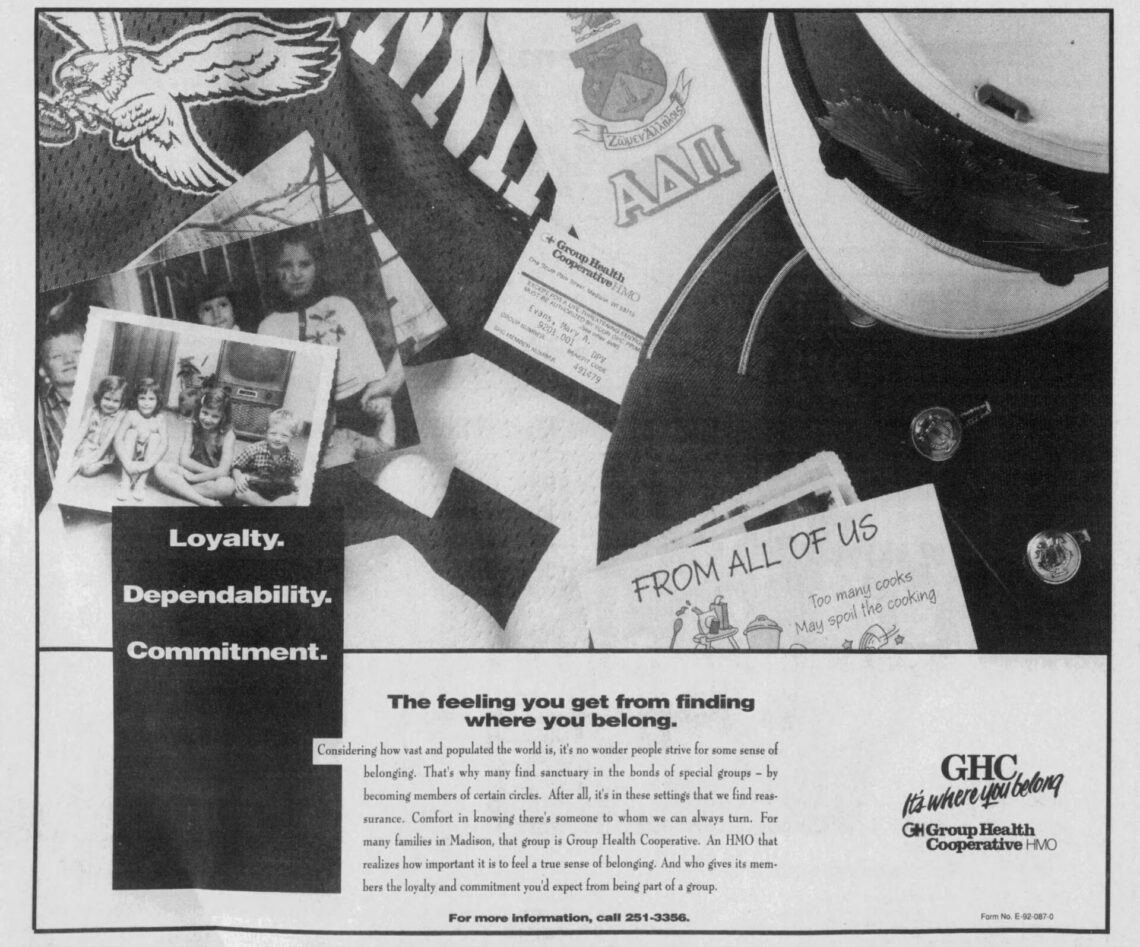
Celebrating Year 1993
In 1993, much of GHC-SCW’s work focused on strengthening the Cooperative’s operational backbone. Administrative systems, clinic workflows and support services were improved to ensure they could keep pace with steady enrollment growth. While these improvements were largely behind the scenes, they were essential to maintaining efficiency, financial responsibility and member access.
Investments in infrastructure during this period helped ensure that future expansion would be deliberate and sustainable rather than reactive.
Why it matters: The foundations built in the early 1990s still support GHC-SCW’s ability to serve tens of thousands of members today.
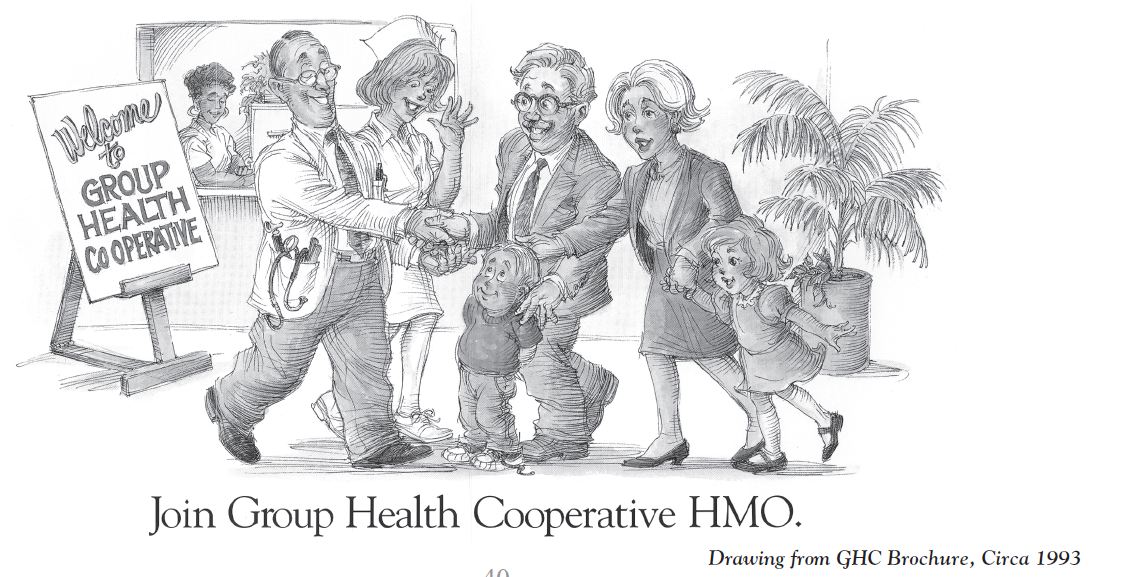
Celebrating Year 1994
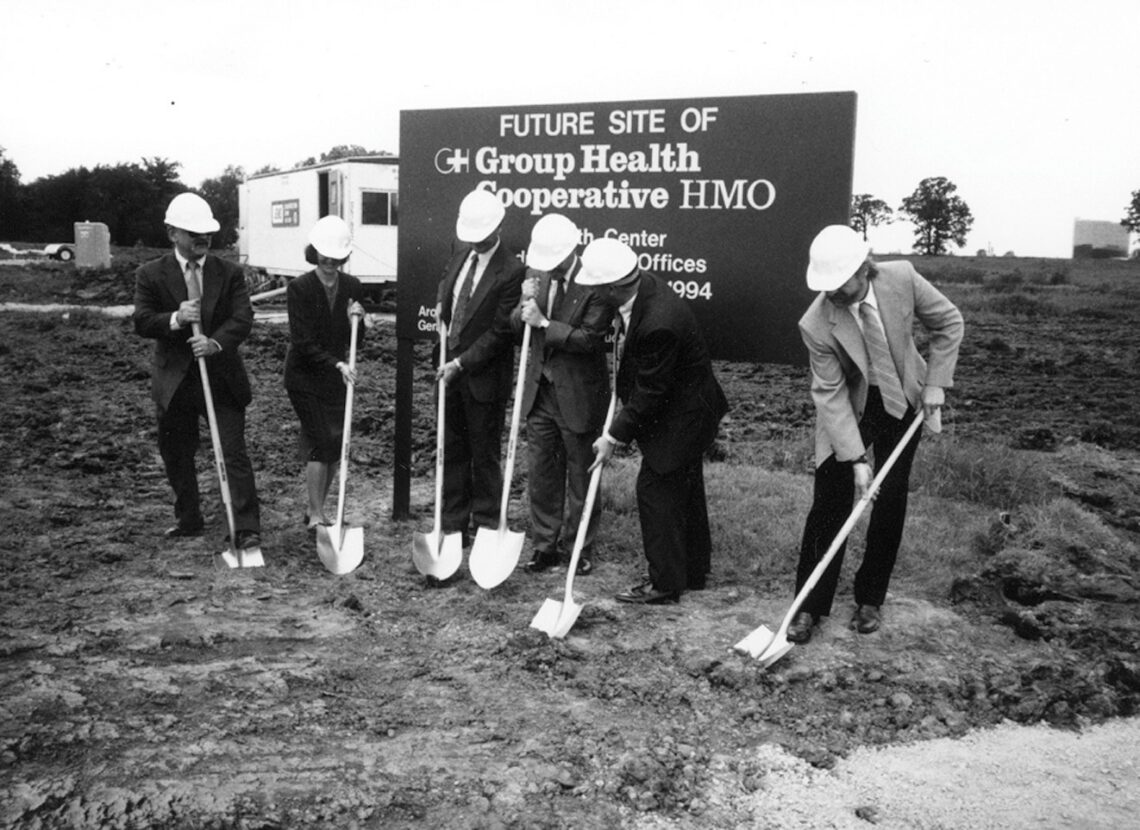
In 1994, GHC-SCW opened the Sauk Trails Clinic and new administrative offices, marking a major step forward in access and coordination. The Cooperative closed its Pines Clinic in Middleton and transitioned patients to the new clinic location, designed to serve up to 12,000 members. The third floor of the building became home to GHC-SCW’s administrative offices, bringing clinical and operational teams under one roof.
Why it matters: Strategic investment in facilities helped ensure that growth remained organized and Sauk Trails continues to serve as a cornerstone of care and operations today.
Celebrating Year 1995
In 1995, GHC-SCW became the first HMO in Wisconsin to earn full accreditation from the National Committee for Quality Assurance (NCQA). This national recognition validated years of work strengthening quality systems, performance measurement and clinical standards.
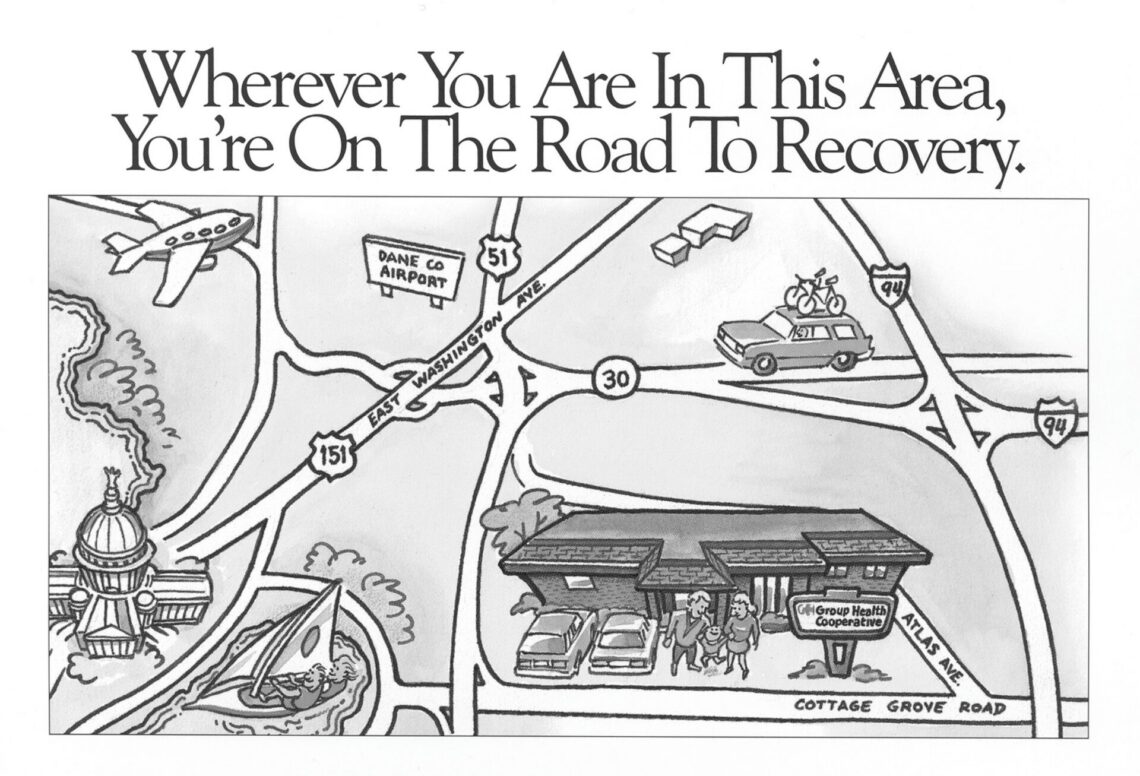
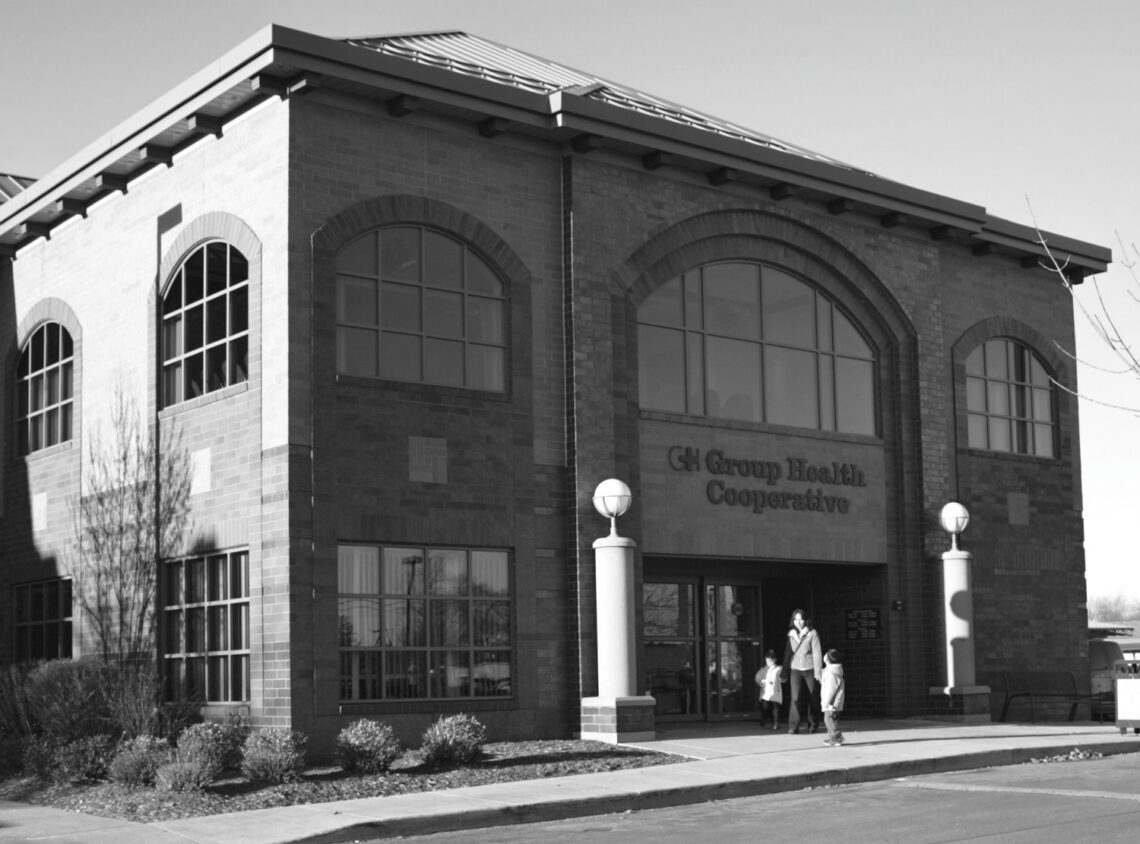
On September 18, GHC-SCW opened the Capitol Health Center, completing its move from the Park-Regent building to a new location six blocks from the State Capitol at the corner of Regent Street and West Washington Avenue. The new clinic expanded access for downtown members while signaling GHC-SCW’s growing presence in the heart of Madison.
Together, accreditation and expansion marked a defining moment. GHC-SCW was not only growing, it was also being recognized for doing so with excellence.
Why it matters: The commitment to measurable excellence that earned accreditation in 1995 continues to shape how care is delivered today.
Celebrating Year 1996
In 1996, GHC-SCW launched Open Access scheduling, allowing members to be seen the same day they requested care. At a time when traditional appointment systems often led to long waits, this approach reduced wait times and improved patient convenience.
Open Access later evolved into an innovative appointment-based urgent care model, allowing patients to schedule urgent visits rather than waiting in a crowded lobby when they were not feeling well. That evolution reflected GHC-SCW’s continued focus on making care more responsive and patient-centered.
Why it matters: Timely access reduces stress and improves outcomes. The commitment to reducing wait times in 1996 continues to shape how GHC-SCW designs its scheduling systems today.

Celebrating Year 1997
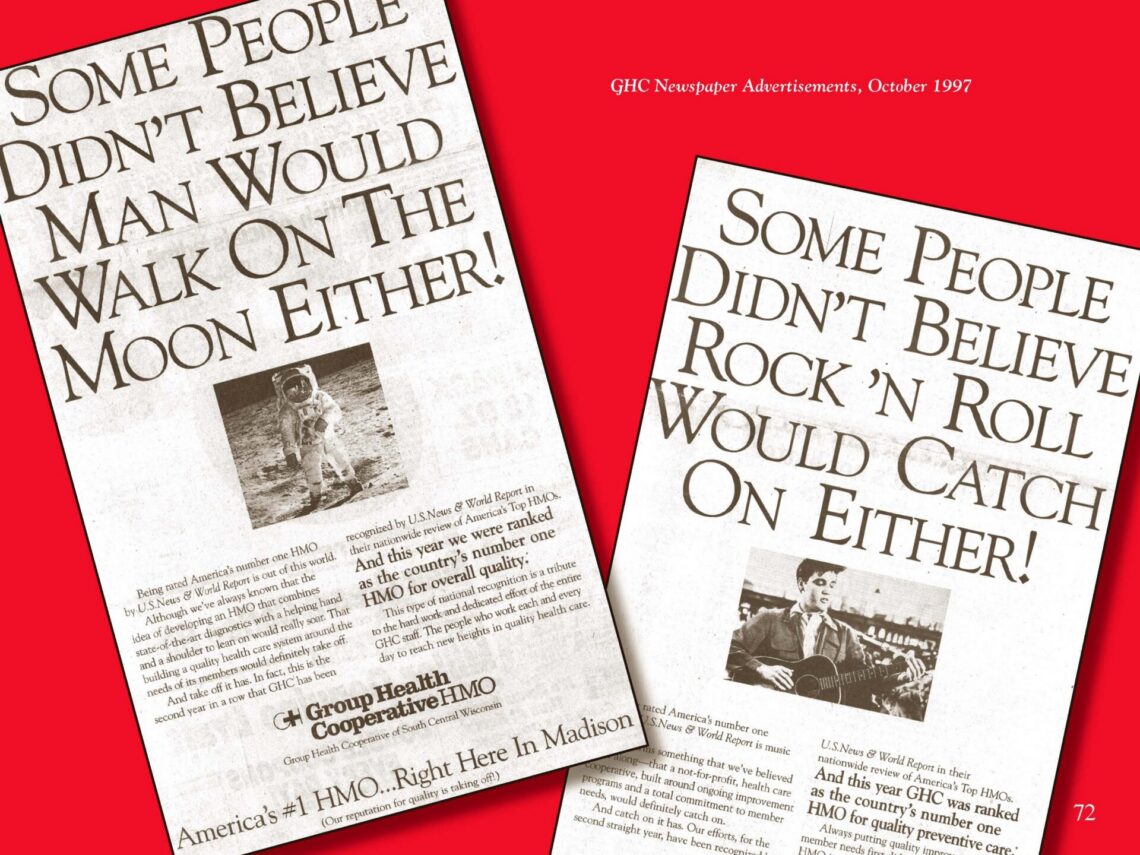
In 1997, GHC-SCW was ranked the #1 HMO in the nation and America’s best health plan by the U.S. News, placing the Cooperative at the top of national quality rankings.
This recognition validated years of investment in preventive care, coordinated services and measurable outcomes. For staff and providers, it was confirmation that the Cooperative’s member-centered model could compete and lead on a national level.
Being named the best in the country was an incredible milestone.
Why it matters: National recognition demonstrated that a locally governed, member-owned Cooperative could deliver care at the highest level in the nation.
Celebrating Year 1998
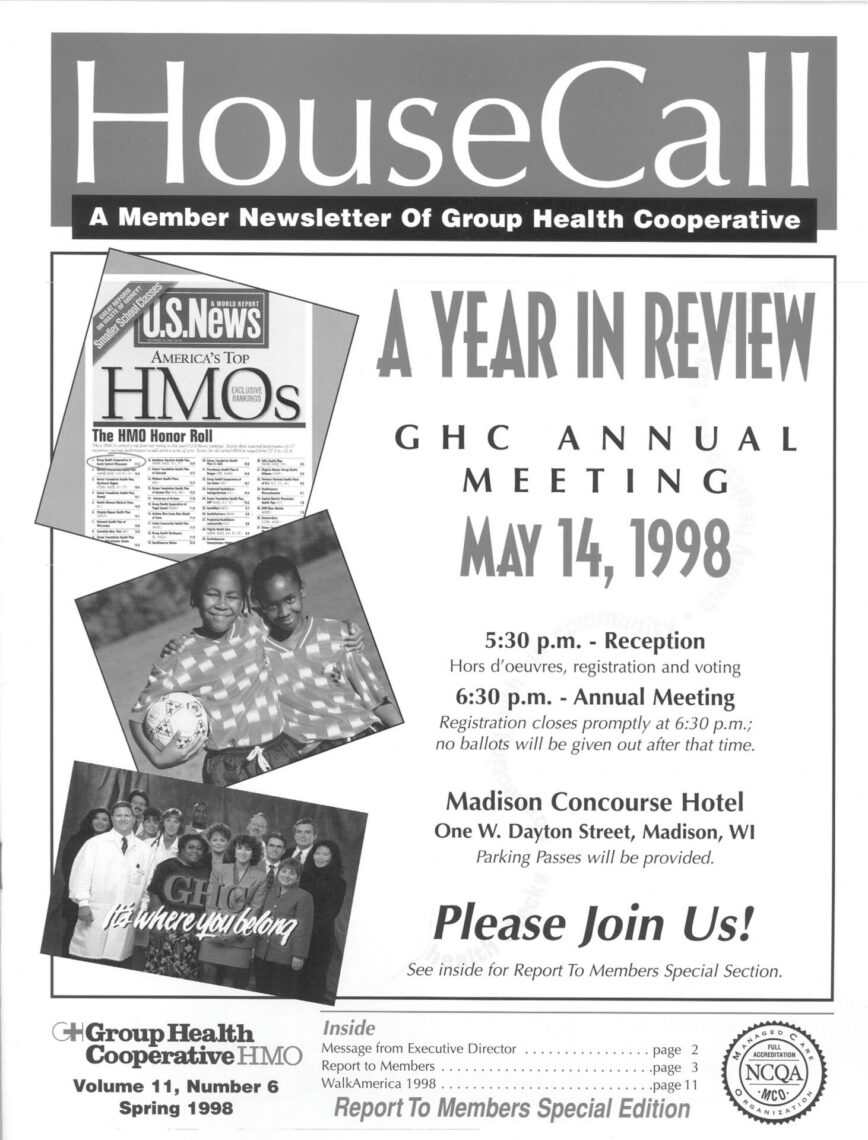
In 1998, GHC-SCW members approved a proposal to add medical practitioners to the Board of Directors, strengthening the connection between governance and frontline care. The change followed a collaborative process led by Board President John Parr, practitioners and senior leadership to create more meaningful physician participation in the Cooperative’s future.
Two physicians were elected to the Board on October 5, 1998: Dr. Ben Atkinson, who had joined GHC-SCW in 1978, and Dr. Fred Brodsky, Sauk Trails Clinic site chief, who joined in 1991. Their addition brought direct clinical insight into board decisions and reinforced a culture of shared leadership between care teams and governance.
Why it matters: Including practitioner leadership in governance continues to influence how GHC-SCW balances quality, access and accountability today.
Celebrating Year 1999
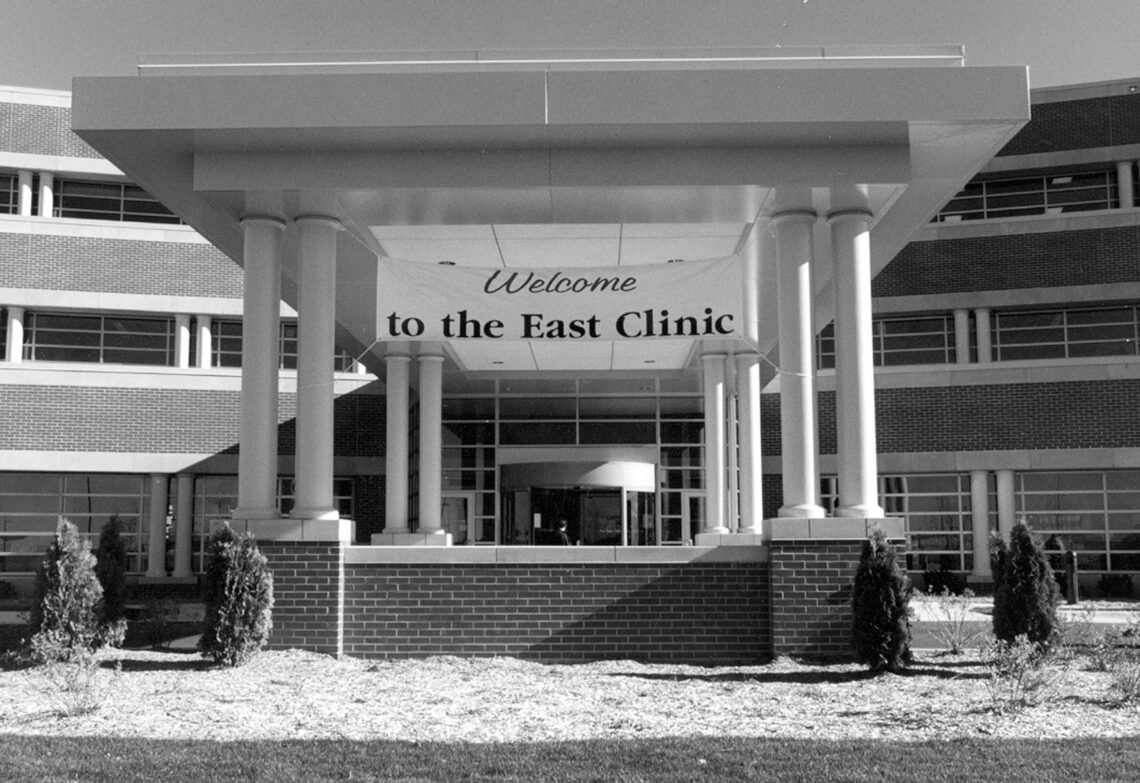
On November 1, 1999, the new East Clinic officially opened. Members previously seen at the East Grove Clinic transitioned to the larger, modern facility designed to serve both GHC-SCW and UW Health patients. The new clinic expanded capacity on Madison’s east side and reflected continued investment in growing neighborhoods.
Why it matters: The new East Clinic expanded access for members in Madison’s growing east side communities.
Celebrating Year 2000
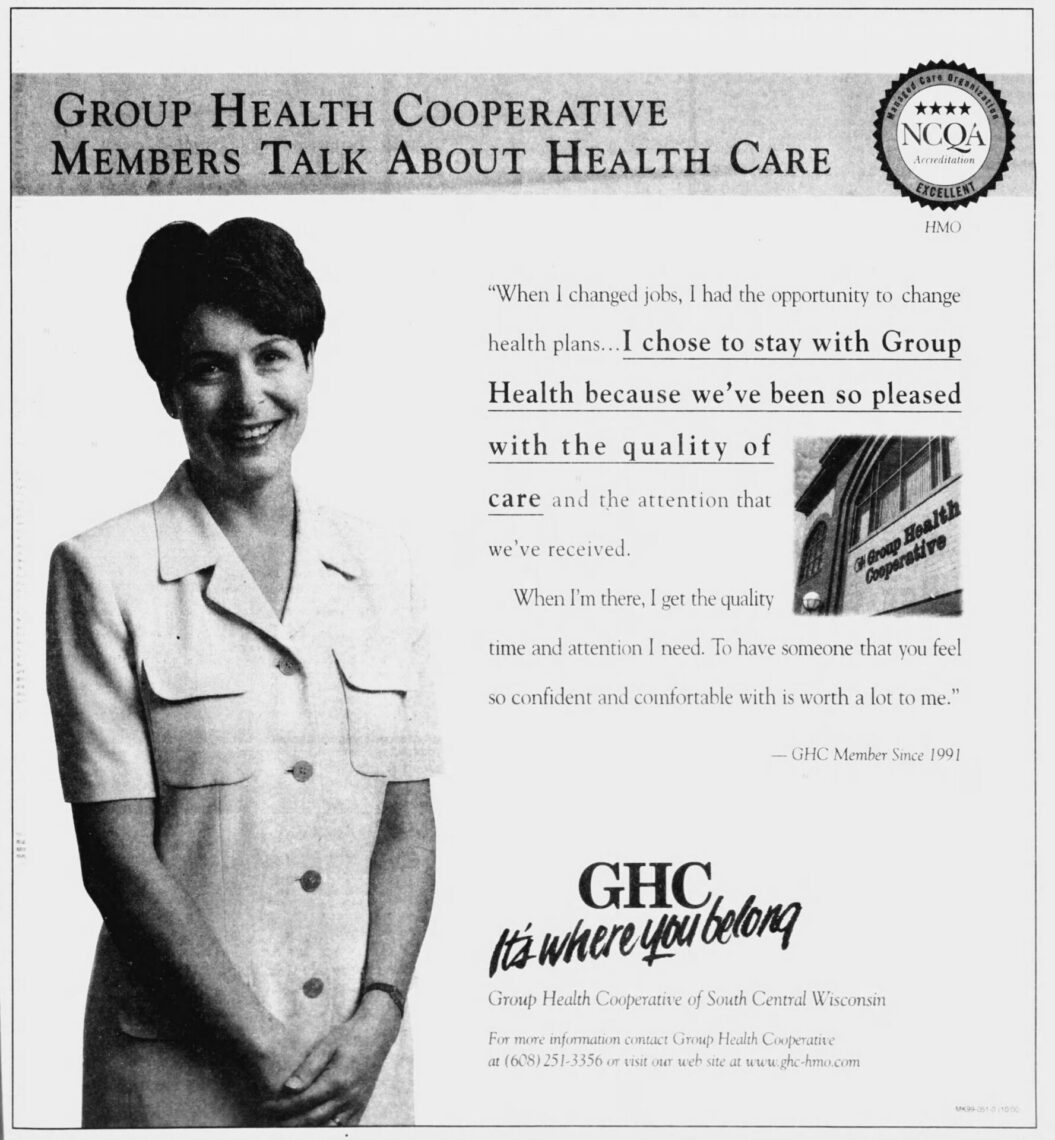
By 2000, GHC-SCW membership had reached 52,000 members. The Cooperative had matured into a regional leader with the scale to support expanded services, technology investments and operational innovation.
This growth provided the capacity to reinvest in clinics, care teams and emerging tools that would shape the next decade. Continued national recognition, including NCQA “Excellent” accreditation, reflected a consistent commitment to measurable performance as the organization grew.
Why it matters: Reaching 52,000 members signaled that the Cooperative model could succeed while remaining locally governed and community-focused.
Celebrating Year 2002
In 2002, GHC-SCW partnered with Epic Systems to implement electronic medical records across its clinics, becoming the first HMO in the area to fully transition from paper charts to an innovative digital system. This shift required extensive planning, training and operational redesign.
Moving to electronic records allowed providers to access patient information instantly, improving clinical decision-making and reducing the risks associated with fragmented paper documentation. Information that once required physical charts could be securely shared within the care team, supporting safer and more coordinated treatment.
The implementation marked the beginning of a major technological transformation for the Cooperative.
Why it matters: Electronic medical records improved safety, accuracy and communication. The digital foundation established in 2002 continues to support innovation, integration and patient access today.

Celebrating Year 2003
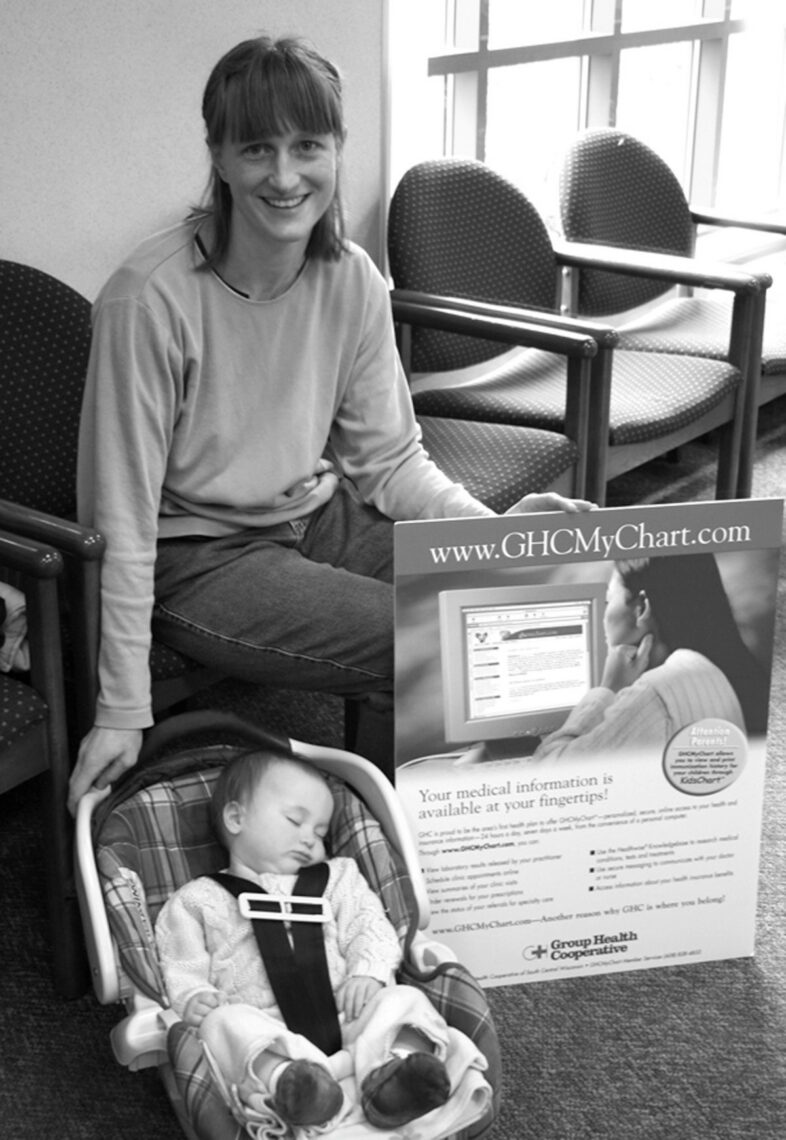
In 2003, the Cooperative launched GHCMyChart, giving members secure online access to their medical records for the first time. This marked a meaningful shift in how patients interacted with their health information.
Instead of relying solely on phone calls or mailed records, members gained real-time digital access and greater visibility into their care. The launch of GHCMyChart extended the digital transformation that began with electronic medical records, placing greater control directly in the hands of patients.
Over time, digital engagement would become one of GHC-SCW’s defining strengths, with a large majority of members actively using online tools to manage their health.
Why it matters: Access to information empowers patients to participate more actively in their care. The digital connection introduced in 2003 continues to shape how members engage with GHC-SCW today.
Celebrating Year 2004
In 2004, GHC-SCW launched a new website designed to make information more accessible and easier for members to navigate. As digital engagement grew, the Cooperative invested in clearer communication, online resources and tools that helped members prepare for appointments and better understand their coverage and care options.
That same year, on February 23, GHC-SCW opened a Physical Therapy Department at Princeton Club West, occupying 4,400 square feet within the health club. The location allowed therapy patients to access expanded rehabilitation equipment under their therapists’ care, further strengthening integrated recovery services.
Digital tools and expanded clinical space reflected an organization continuing to evolve to meet both technological and physical access needs.
Why it matters: Access takes many forms. Investments in both online tools and expanded rehabilitation services in 2004 improved convenience, recovery support and member experience in lasting ways.

Celebrating Year 2005
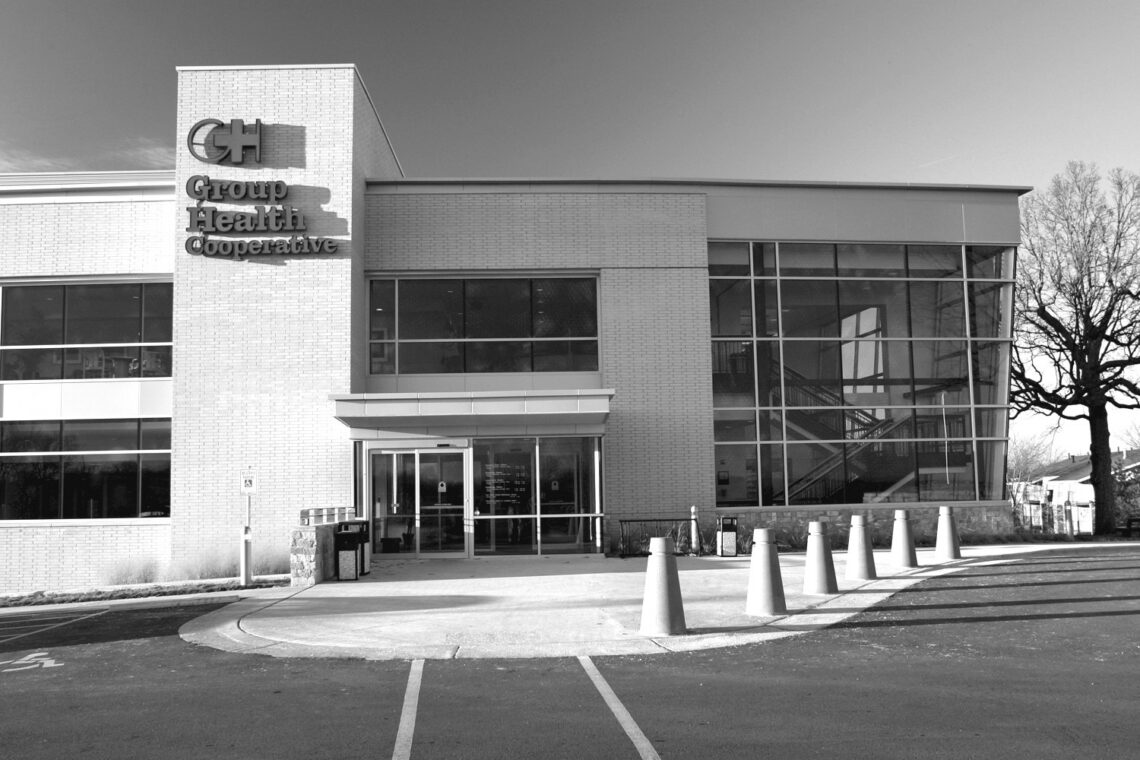
In 2005, GHC-SCW opened the Hatchery Hill Clinic in Fitchburg, its largest clinic to date. Spanning 51,000 square feet across three levels, the new facility brought together a wide range of services under one roof. Family practice, internal medicine, pediatrics, dermatology, mental health, laboratory services, podiatry, health promotion and chiropractic care were all housed within the clinic.
The location also included an on-site pharmacy, an enhanced medical imaging suite and the GHC-SCW Eye Care Center.
Hatchery Hill represented more than expansion. It marked a shift toward a more comprehensive, multi-specialty care environment designed to support whole-person health.
Why it matters: Bringing multiple care services together in one location improves coordination and convenience.
Celebrating Year 2006
In 2006, GHC-SCW marked 30 years of service in South Central Wisconsin. Membership had grown to over 55,000, and the Cooperative operated five staff-model clinics across Dane County.
That same year, GHC-SCW completed its first year participating in Madison’s Adopt-a-School program. Inspired by former CEO Larry Zanoni’s experience as “Principal for a Day” at Crestwood Elementary, the Cooperative established a formal partnership with Leopold Elementary School. The collaboration marked the beginning of a long-term commitment to support local students and educators through volunteerism, mentorship and resource support.
Over time, GHC-SCW expanded its Adopt-a-School partnerships to include multiple schools across the district. In 2025, the Cooperative was honored for its longevity and meaningful relationships with schools, including Anana Elementary, Badger Rock Middle School, Leopold Elementary, Lori Mann Carey Elementary, Sandburg Elementary and Thoreau Elementary.
Why it matters: The Adopt-a-School partnership which began in 2006 reflects GHC-SCW’s belief that strengthening education and community well-being is part of building healthier futures.

Celebrating Year 2007
In 2007, GHC-SCW adopted and trademarked the brand tagline “Better Together.” More than a marketing phrase, it captured the Cooperative’s belief that health outcomes improve when members, providers and communities work in partnership. The message reflected decades of member governance and preventive care philosophy, now expressed in a clear, unifying way.
During this period, health education and community outreach efforts expanded across South Central Wisconsin. Prevention and wellness initiatives became more visible beyond clinic walls, reinforcing the idea that care does not begin and end in an exam room.
Why it matters: The “Better Together” philosophy continues to guide how GHC-SCW approaches care, community engagement and member relationships today.

Celebrating Year 2009
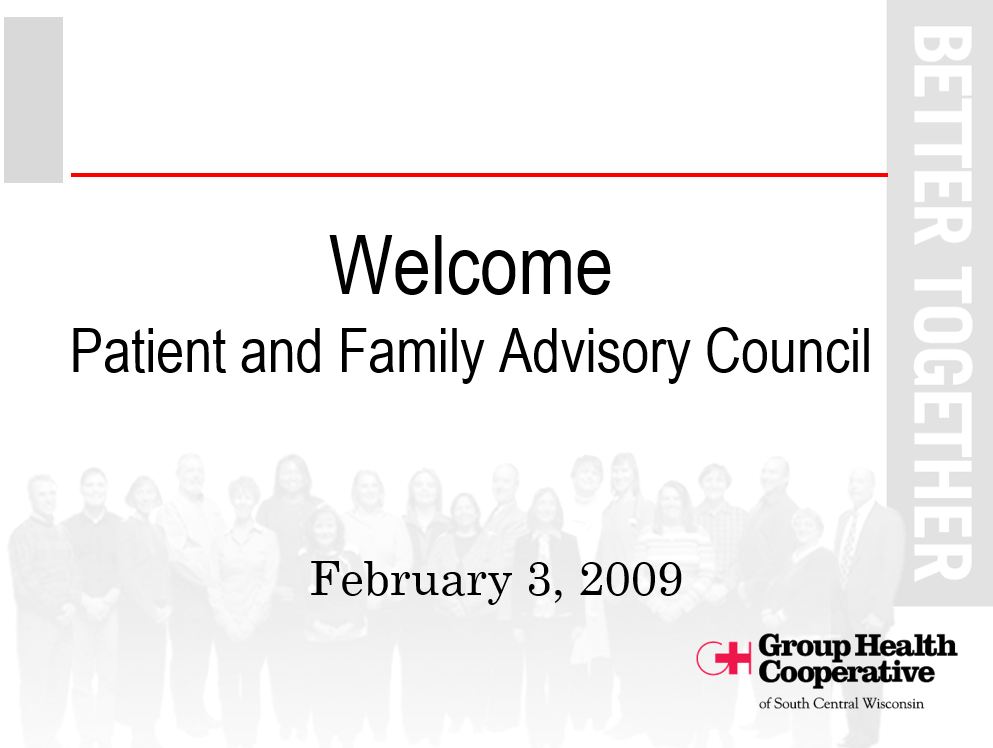
In 2009, GHC-SCW held its first Member Advisory Council meeting, creating a structured path for members to share feedback directly with leadership. The Council provided a setting for members to raise concerns, offer perspectives and develop recommendations to improve services and programs.
What began as a small advisory group has since evolved into the Member Engagement Program, which continues to connect leadership and staff with members across diverse backgrounds and experiences. Through surveys, focus groups and ongoing dialogue, member feedback actively shapes projects, policies and care delivery decisions.
Why it matters: The engagement framework established in 2009 continues to ensure that diverse perspectives inform GHC-SCW’s direction today.
Celebrating Year 2010
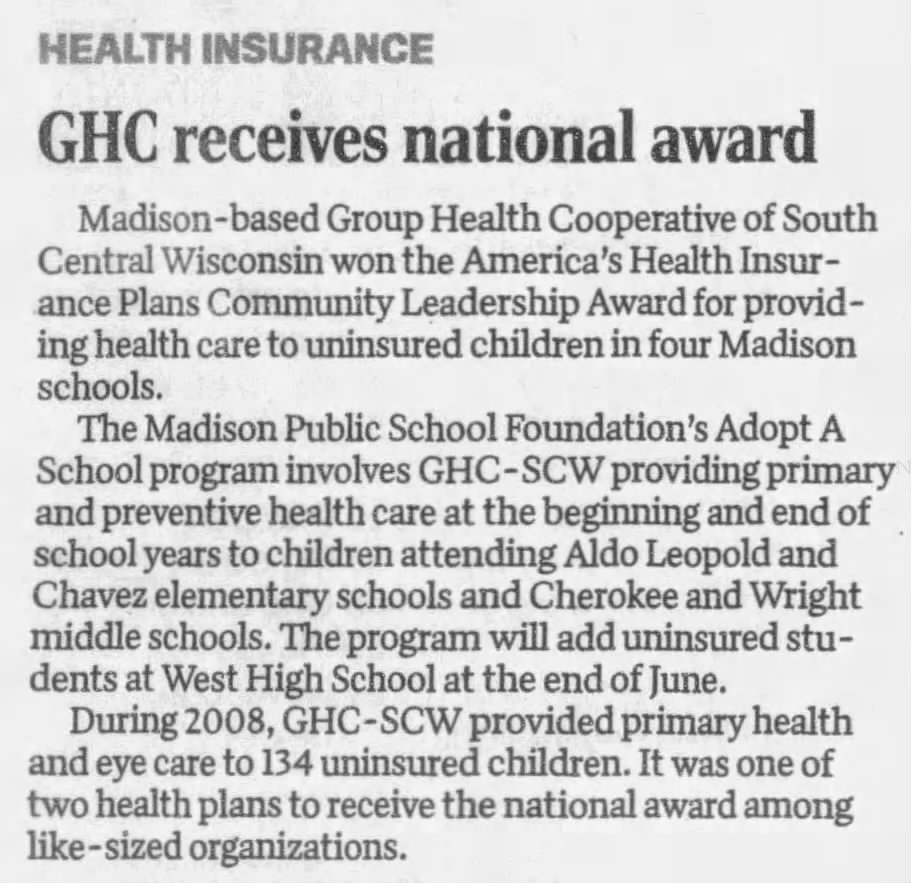
In 2010, GHC-SCW helped grow the Primary Access for Kids initiative. Working in partnership with the Dane County Health Council and additional local health care providers, the Cooperative helped expand the program model to reach all 50 schools within the Madison Metropolitan School District.
The goal was clear: ensure that uninsured children had access to preventive and primary care services at no cost. Through this collaboration, students gained access to checkups, immunizations, medications and other essential health services that support learning and long-term well-being.
The expansion reflected GHC-SCW’s belief that health equity begins early and that community partnerships are essential to closing access gaps.
Why it matters: When children have access to health care, they are better prepared to learn and thrive. The work expanded in 2010 continues to support healthier futures across the community today.
Celebrating Year 2012
In 2012, GHC-SCW deepened its focus on population health and long-term outcomes. Care teams emphasized proactive management of chronic conditions, preventive screenings and coordinated follow-up rather than intermittent treatment alone. The Cooperative’s staff-model structure enabled providers and health plan teams to work more integrative to support community-wide health improvement.
That same year, GHC-SCW became one of six organizations selected to participate in the Honoring Choices Wisconsin advance care planning initiative, launched by the Wisconsin Medical Society. Dr. Mike Ostrov, a GHC-SCW medical director, played a key leadership role in the organization’s involvement. The initiative encouraged meaningful conversations about advanced care directives and long-term health planning, reinforcing the importance of patient-centered decision-making across the lifespan.
Why it matters: Health care is most effective when it looks ahead. The population health and advanced care planning efforts strengthened in 2012 continue to support proactive, patient-centered care today.

Celebrating Year 2013
In October 2013, GHC-SCW began participating as a Qualified Health Plan on the Health Insurance Marketplace under the Affordable Care Act. For the first time, individuals and families could enroll in GHC-SCW coverage directly through the new federal exchange. This marked a significant shift in how members accessed health insurance and expanded the Cooperative’s reach beyond traditional employer-based health plans.
That same year, GHC-SCW opened the Madison College Clinic at the Truax Campus, replacing an earlier temporary clinic location. The new facility strengthened access for students, faculty and staff, reinforcing GHC-SCW’s commitment to meeting members where they learn and work.
Together, these milestones reflected the Cooperative’s ability to adapt to national health policy changes while continuing to invest in local access.
Why it matters: Health care landscapes change, but community-based care remains essential.

Celebrating Year 2014
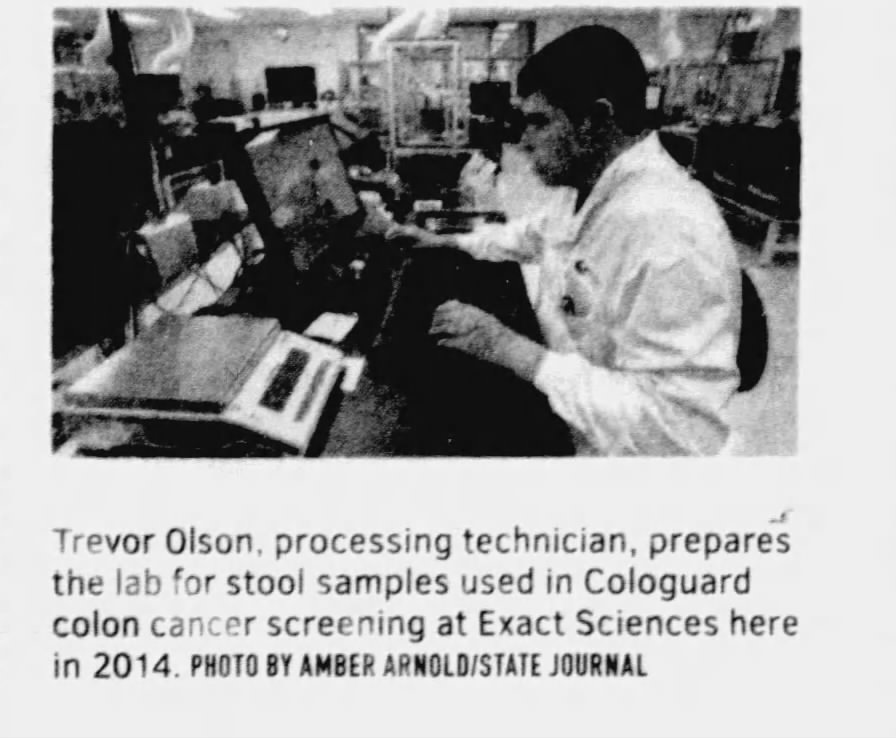
In 2014, GHC-SCW partnered with Exact Sciences to become the first health plan in Wisconsin to cover Cologuard, a non-invasive, stool-based DNA screening test for colorectal cancer. By offering coverage for this innovative screening option, the Cooperative expanded access to early detection tools that could identify cancer at its most treatable stages.
At the same time, family and pediatric services continued to strengthen across the network, reinforcing a life-stage approach to care. From childhood preventive visits to adult screenings, care teams focused on identifying early health risks and supporting long-term wellness.
Why it matters: Early detection saves lives. The decision to support innovative cancer screening and strengthen family-centered care in 2014 underscores GHC-SCW’s continued investment in prevention and long-term health.
Celebrating Year 2015
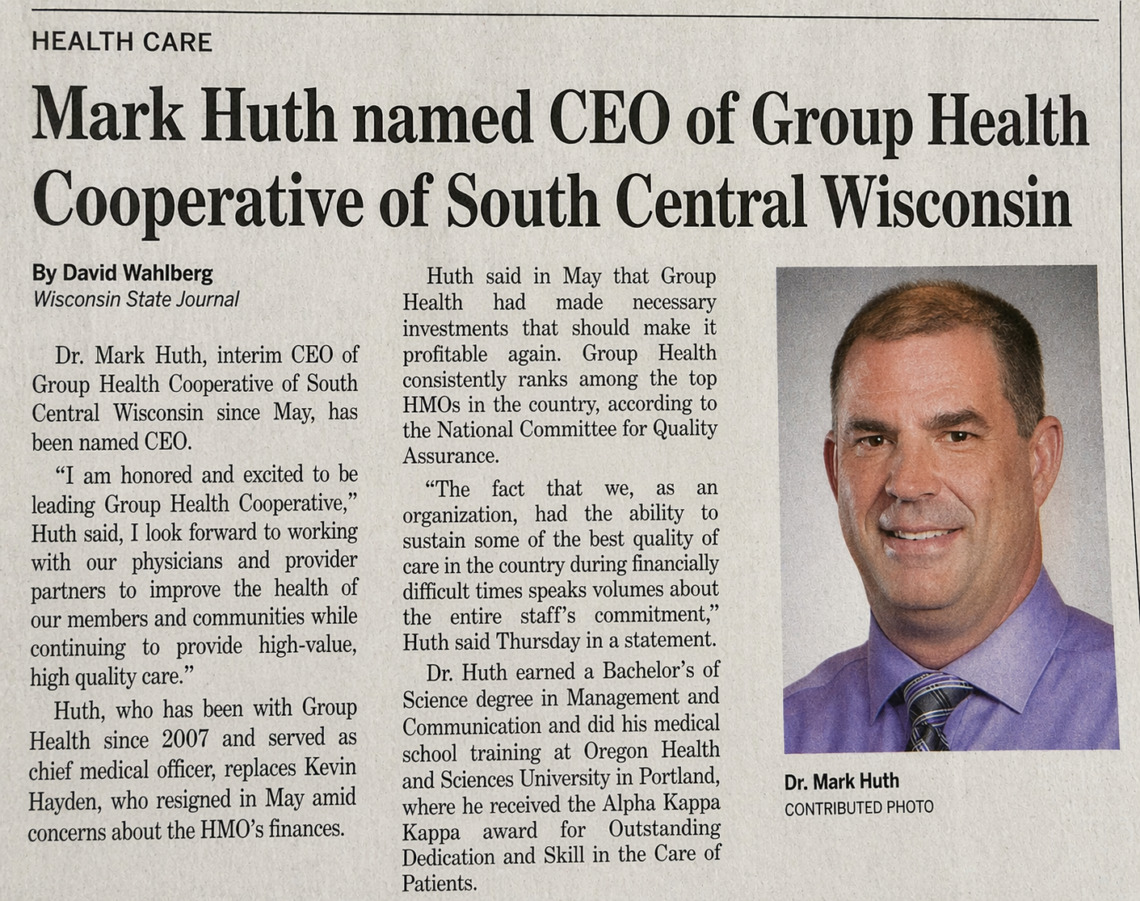
In 2015, Dr. Mark Huth was appointed as interim Chief Executive Officer of GHC-SCW. Having joined the organization in 2007 and served in several leadership roles, he brought both clinical insight and operational experience to the position during a time of continued growth and transformation.
Dr. Huth was named permanent President and CEO in January 2016. His leadership has carried the Cooperative through a decade marked by evolving health policy, technological advancement and expanded behavioral health services. As GHC-SCW celebrates its 50th anniversary, his tenure represents steady leadership rooted in mission and community commitment.
Why it matters: Leadership shapes direction. The transition in 2015 helped guide GHC-SCW into its next era while preserving its member-owned foundation and long-term vision.
Celebrating Year 2016
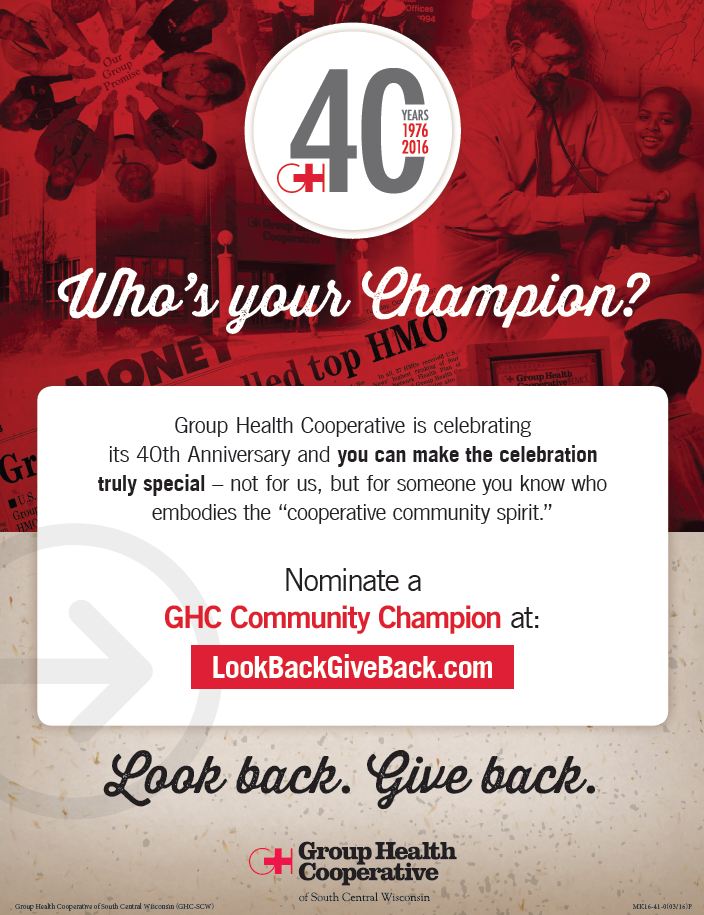
In 2016, GHC-SCW celebrated 40 years of service in South Central Wisconsin and closed the year with over 70,000 members.
Throughout the anniversary year, GHC-SCW honored 25 Community Champions — individuals united by a shared commitment to helping others. The recognition reflected the Cooperative’s deep ties to community service and local leadership.
In October 2016, GHC-SCW also announced a new partnership with UnityPoint Health – Meriter for mother-baby services, including labor, delivery and inpatient newborn care. The partnership ensured continued access to high-quality maternity services.
Why it matters: Milestones are moments to reflect and prepare. In 2016, GHC-SCW honored its past while strengthening partnerships to support families for years to come.
Celebrating Year 2017
By 2017, GHCMyChart adoption had reached one of the highest utilization rates globally. Digital engagement had become central to how members interacted with their care teams. Through online scheduling, secure messaging and access to results, members were more connected and engaged in their health care experience than ever before. That same year, GHC-SCW employees launched a new initiative to support local families during the holiday season. Staff purchased gifts from wish lists provided by Adopt-a-School partner families and delivered them to school social workers for distribution. The effort eased burdens for families in need and strengthened relationships between GHC-SCW and the communities it serves. The program continues today as a reflection of the Cooperative’s service culture.
Why it matters: Health systems thrive when relationships are strong. In 2017, GHC-SCW demonstrated that connection — both digital and personal — supports care, community and compassion.

Celebrating Year 2018
In 2018, GHC-SCW launched the GHC Experience Guarantee, Wisconsin’s first and only money-back health care promise. The guarantee promised that members would feel well cared for at every visit at a GHC-SCW clinic— or they would refund their out-of-pocket costs. The initiative formalized accountability in a bold and public way.
Also, that year, GHC-SCW earned a 5 out of 5 rating in NCQA’s Private Health Insurance Plan Ratings for 2018–2019. The Cooperative was one of only two health plans in the nation to receive the highest possible quality rating.
But 2018 also brought unexpected challenges. On August 20, devastating regional flooding forced the closure of the Sauk Trails Clinic. The facility sustained more than $5 million in flood damage to its heating, cooling and electrical systems and required significant rebuilding to prevent future flooding. The clinic remained closed for over a year before reopening in fall 2019.
Why it matters: Accountability builds trust, especially during adversity. In 2018, GHC-SCW demonstrated that its commitment to members extends beyond words to action, even in the face of significant challenges.

Celebrating Year 2019
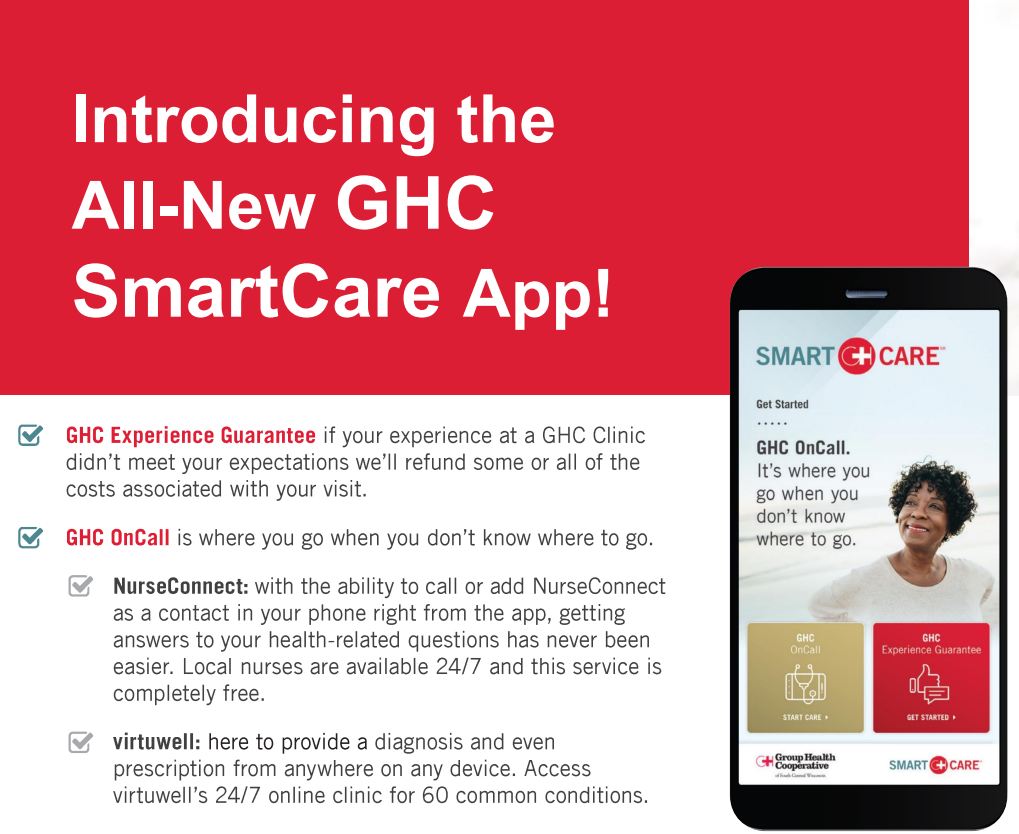
In 2019, GHC-SCW launched virtual care services, offering members 24/7 access to clinical support. Through telehealth visits and digital consultation options, care was no longer limited to a physical clinic location. Members could connect with providers more quickly and conveniently, reducing barriers related to travel, scheduling and time away from work or school.
Technology was increasingly being used to meet members where they were — at home, at work or on the go — while maintaining continuity with their care team.
The launch of virtual care would prove especially important in the years ahead.
Why it matters: Care should be accessible when and where it is needed. The virtual services introduced in 2019 laid the groundwork for more flexible and resilient care delivery models.
Celebrating Year 2020
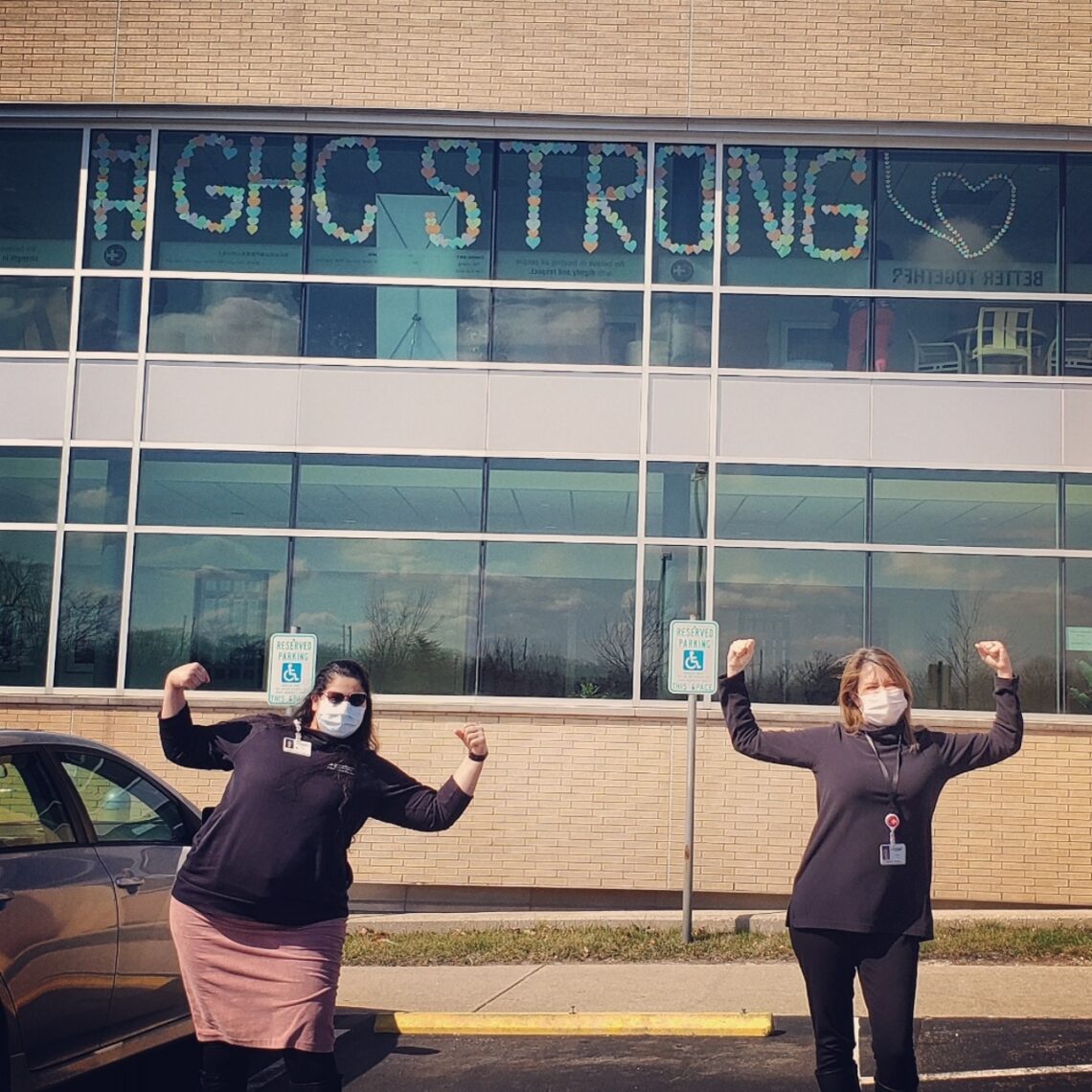
In 2020, the COVID-19 pandemic reshaped health care almost overnight. GHC-SCW moved quickly to protect members, staff and the community while maintaining access to care. Telehealth expanded at an unprecedented pace, safety protocols were implemented across clinics and care teams adapted to new realities in real time.
Throughout uncertainty, members remained connected to their providers. The Cooperative leaned into its integrated model, using coordination and flexibility to continue delivering care safely and reliably.
Why it matters: The responsiveness shown in 2020 reinforced the Cooperative’s commitment to being there when members need it most.
Celebrating Year 2021
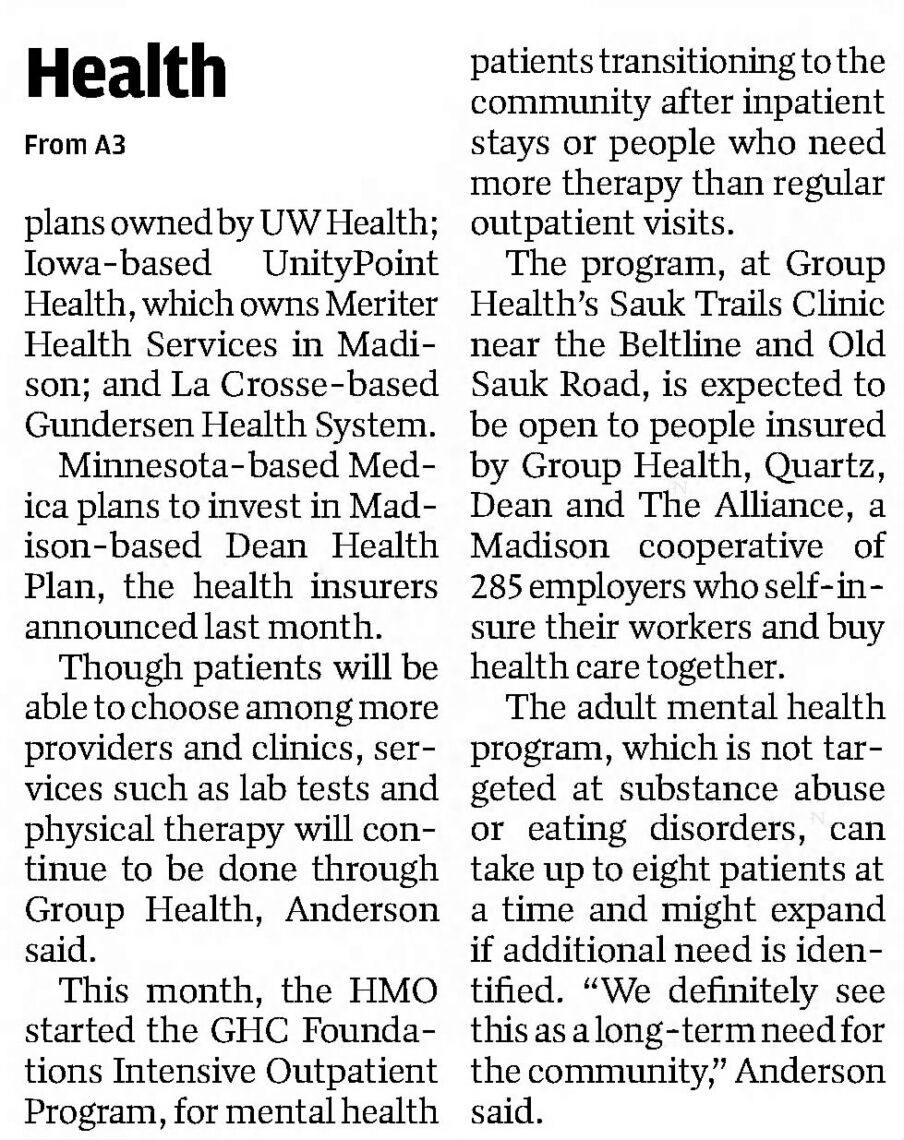
In 2021, GHC-SCW strengthened access across Dane County through a new partnership with UW Health and UnityPoint Health – Meriter. The agreement added 19 Dane County primary care clinic locations to the network, making GHC-SCW the largest primary care network in Dane County.
The Cooperative also launched the GHC Foundations Intensive Outpatient Program, providing evidence-based, multi-disciplinary behavioral health services for adults who needed more support than traditional outpatient care. The program created a bridge between higher levels of care and ongoing therapy, expanding the continuum of support.
That same year, GHC-SCW was honored with the Dane Buy Local “Local Legacy” Award, recognizing decades of commitment to the community.
Why it matters: Stronger networks and deeper services give members more options while keeping care connected and local.
Celebrating Year 2022
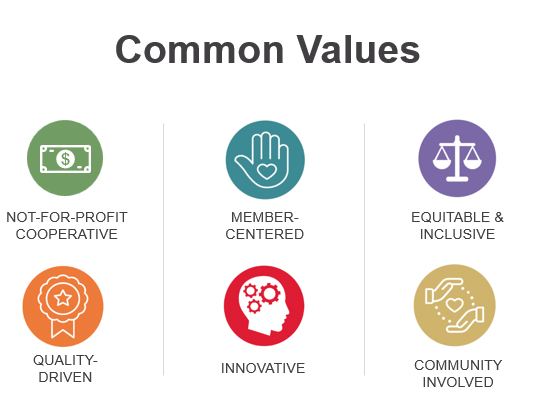
In 2022, GHC-SCW reaffirmed its purpose and direction for the future. The Board of Directors and senior leadership updated the Cooperative’s Mission, Vision and Values, along with five Strategic Pillars to guide long-term growth.
The updated Mission states: We partner with members and the communities we serve to maximize health and well-being.
The Vision reflects continued commitment to local ownership: As a local, non-profit, member-owned Cooperative, we are the most trusted resource for lifelong health and well-being in the communities we serve. Six core values and five strategic pillars were adopted to ensure focus remained on quality, equity, financial strength, employee engagement, impact and continuous improvement.
Why it matters: Clear purpose guides every decision and keeps the Cooperative accountable to the members it serves.
Celebrating Year 2023
In 2023, GHC-SCW earned NCQA Health Equity Accreditation, a national recognition that reflects measurable action to reduce health disparities and improve outcomes for all members.
The accreditation required GHC-SCW to meet rigorous standards in diversity, equity and inclusion, demographic data collection and performance reporting. Health equity was no longer just a value. It became a structured, accountable system of improvement.
Why it matters: When care systems are designed to be equitable and easy to navigate, more people receive the right care at the right time.
Celebrating Year 2024
In 2024, GHC-SCW launched its Autism Spectrum Treatment Program, designed to support children with Autism Spectrum Disorder and the adults who care for them. The program delivers science-based, skill-building services directly within the child’s home environment, helping families build confidence, strengthen communication and develop practical tools for daily life. By meeting families where they are, care becomes more personalized and accessible.
This launch reflects GHC-SCW’s continued investment in behavioral health and neurodiversity-informed care.
Why it matters: When families receive the right support early and consistently, children gain lifelong skills and caregivers gain lasting confidence.

Celebrating Year 2025
In April 2025, GHC-SCW opened the new Olin Clinic in Madison. The expanded behavioral health facility replaced the previous Regent Street location and significantly increased space for providers and programs. The clinic supports growth of the Autism Spectrum Disorder program, behavioral health services and multidisciplinary care, with improved accessibility and parking for members.
That same year, GHC-SCW introduced Paid Parental Leave, strengthening its commitment to supporting employees and their families. Workforce well-being became a visible organizational priority, recognizing that strong teams are essential to strong care.
By investing in both care environments and employee support, GHC-SCW reinforced its long-term commitment to the people who deliver and receive care.
Why it matters: When organizations invest in their people, members experience stronger, more compassionate care.
Celebrating Year 2026
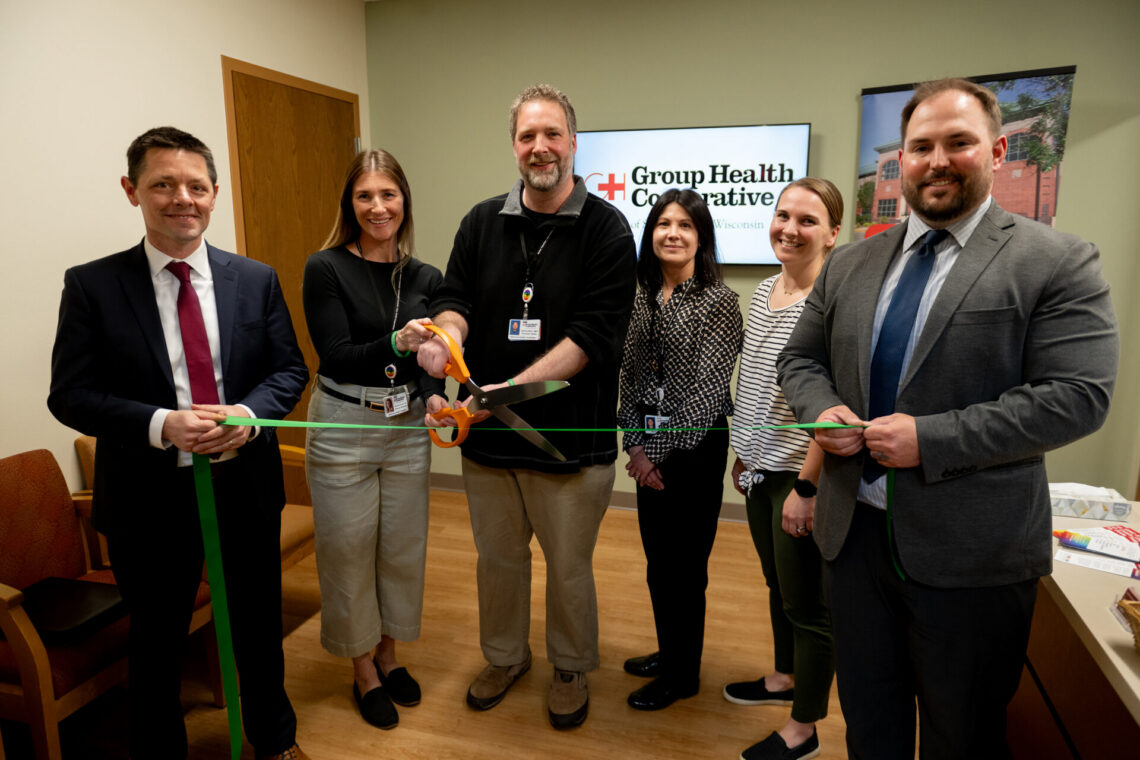
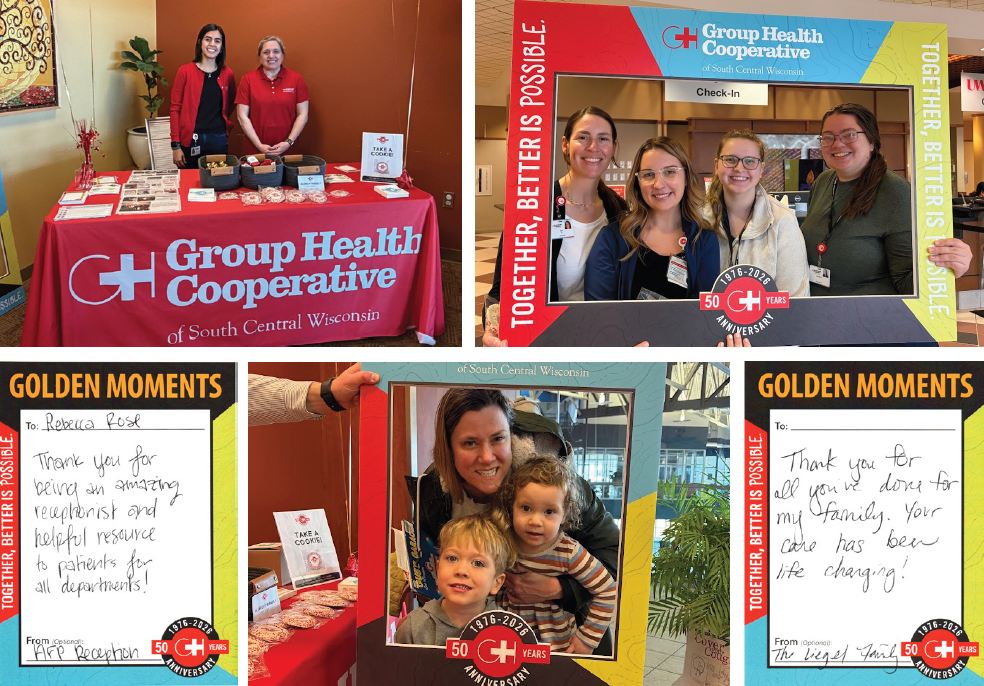
In 2026, GHC-SCW celebrates 50 years as a local, member-owned Cooperative serving South Central Wisconsin. What began in 1976 with only 49 members has grown into a trusted health system grounded in community partnership, prevention and member governance.
For five decades, members, providers and staff have shaped the Cooperative together. Shared values continue to guide decisions, strengthen relationships and drive innovation.
The next chapter begins with gratitude for the past and confidence in the future.
Why it matters: Together, better is possible.
Legacy Trail Prizes
One winner each week will receive a $100 prize item. Drawings take place every Tuesday from 5/19 through 9/29.
Entries are based on how many Legacy Trail caches each player finds — the more caches you find, the more entries you can earn!
Each time a player finds and registers a new cache, they are automatically entered into that cache’s $100 prize item drawing, held at the end of the event.
Players are entered into every cache drawing they unlock, increasing their chances to win.
As part of the experience, participants will also have the opportunity to vote and help donate over $25,000 to non-profit organizations in our community.
At the end of the Legacy Trail event, one winner will receive the $1,000 grand prize.
Entries are based on total caches found throughout the event — the more caches you discover, the more entries you earn and the better your chances of winning.
Earn Cache Rewards
Some rewards unlock automatically as you find and register caches.
Frequently Asked Questions
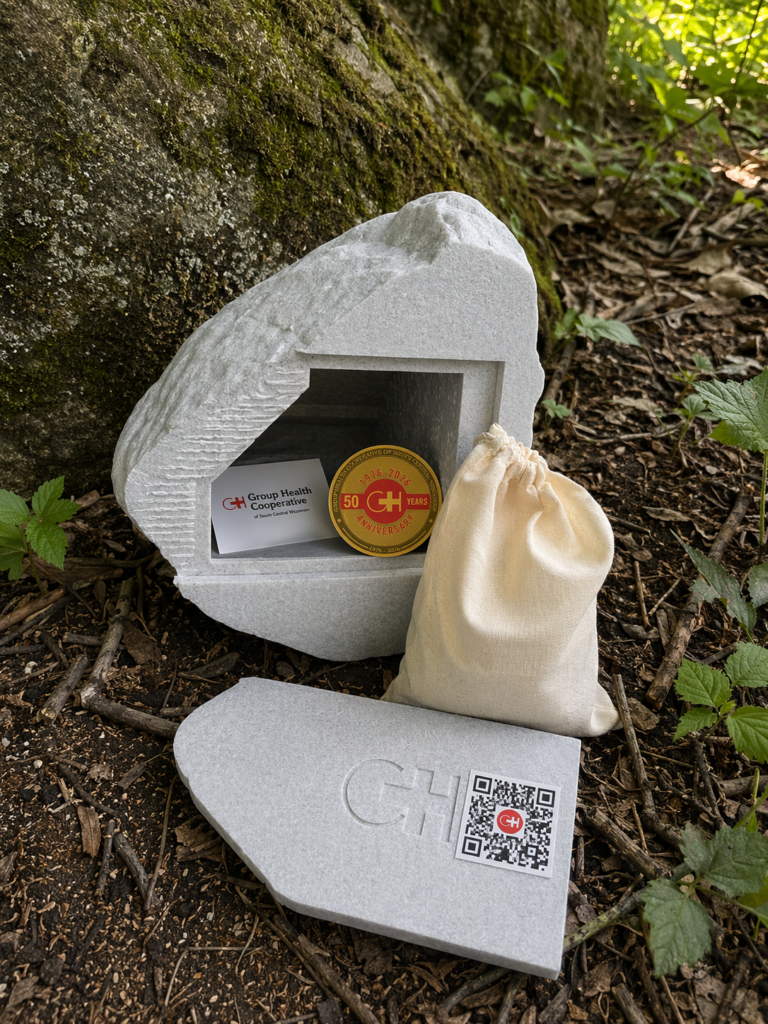
A Legacy Trail Cache is a small rock-like container hidden outdoors. Each cache includes a QR code and a registration code to log your find online. We’ve also sprinkled in 50th Anniversary cache coins for the first 50 people to find each cache.
A Legacy Trail Cache is a small rock-like container hidden outdoors. Each cache includes a QR code and a registration code to log your find online. We’ve also sprinkled in 50th Anniversary cache coins for the first 25 people to find each cache.
Participants use their phone (Google Maps or Apple Maps) or GPS-enabled devices to navigate to a specific set of GPS coordinates to find a Legacy Trail cache. When they find the cache, they scan the QR code, register the cache as found and return the cache back to its original location.
Learn more about how to play here.
A virtual cache is a virtual way to “find” a Legacy Trail cache without a physical container. Instead of searching for a hidden object, you’ll answer a question or complete a quick activity using information found on our website to get the cache registration code.
Virtual caches are designed to be a more accessible way to participate, so everyone can enjoy the Legacy Trail!
Everyone (except for the GHC-SCW staff who know where the caches are hidden, of course!)
Weekly Drawings | Drawing Every Tuesday
One winner each week will receive a $100 prize item.
Drawings take place every Tuesday from May 19 through September 29. Entries are based on how many Legacy Trail caches each player finds — the more caches you find, the more entries you earn!
Cache Prizes | Drawn on September 29
Each time a player finds and registers a new cache, they are automatically entered into that cache’s $100 prize item drawing, held at the end of the event.
Players are entered into every cache drawing they unlock, increasing their chances to win.
Some rewards unlock automatically as you find and register caches:
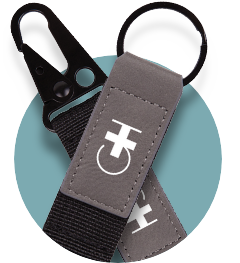
- 5 caches → Leather carabiner
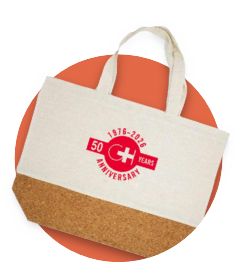
- 10 caches → Tote bag
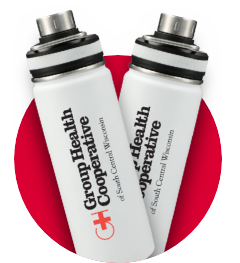
- 50 caches → Insulated water bottle
As part of the experience, participants will also have the opportunity to vote and help donate over $25,000 to non-profit organizations in our community.
Grand Prize | Drawn on September 29
At the end of the Legacy Trail event, one winner will receive the $1,000 grand prize.
Entries are based on total caches found throughout the event — the more caches you discover, the more entries you earn and the better your chances of winning.
Learn more about the GHC-SCW Legacy Trail rewards here.
GHC-SCW is presenting this event to celebrate 50 years of member-centered care in Dane County and surrounding areas with the GHC-SCW Legacy Trail: A Community Adventure!
This outdoor scavenger hunt features hidden rock-like caches, each representing a year from 1976 to 2026, hidden across Dane County and nearby service-area counties. Designed for families, individuals and beginners alike, this adventure invites everyone to explore local parks, paths and community spaces.
This Campaign is not affiliated with, sponsored by or endorsed by Groundspeak, Inc. or the official Geocaching® platform.
The adventure runs May 5 through September 29, 2026, giving you plenty of time to get moving, discover new places and celebrate our 50 years—one cache find at a time.
For a complete list of terms and conditions, please click here.
Submit Photo of Your Legacy Trail Adventure
Check back soon! We will be updating this page with photos of people enjoying the GHC-SCW Legacy Trail.
"*" indicates required fields
