



 Skip to content


programs
programs
Program Strategies:
ICRD’s programs focus on areas where religious identity converges with challenges to stability. The programs, which are universally co-created with local communities, manifest differently in each context. ICRD collaborates with partners to generate sustainable and replicable resilience that addresses present challenges and empowers communities to effectively respond to unforeseen future crises.
ICRD’s 25 years of peacebuilding implementation in more than two dozen nations include such activities as promoting tolerance in religious education, enhancing and spotlighting the role of women of faith peacebuilders, supporting the reintegration of former combatants, advancing reconciliation processes between former adversaries, supporting formal peace processes, interfaith collaboration on local conflict issues, preventing violent extremism, and advocating for local community concerns within policy-maker priorities.
Objectives

Where We Work
We are all over the world!
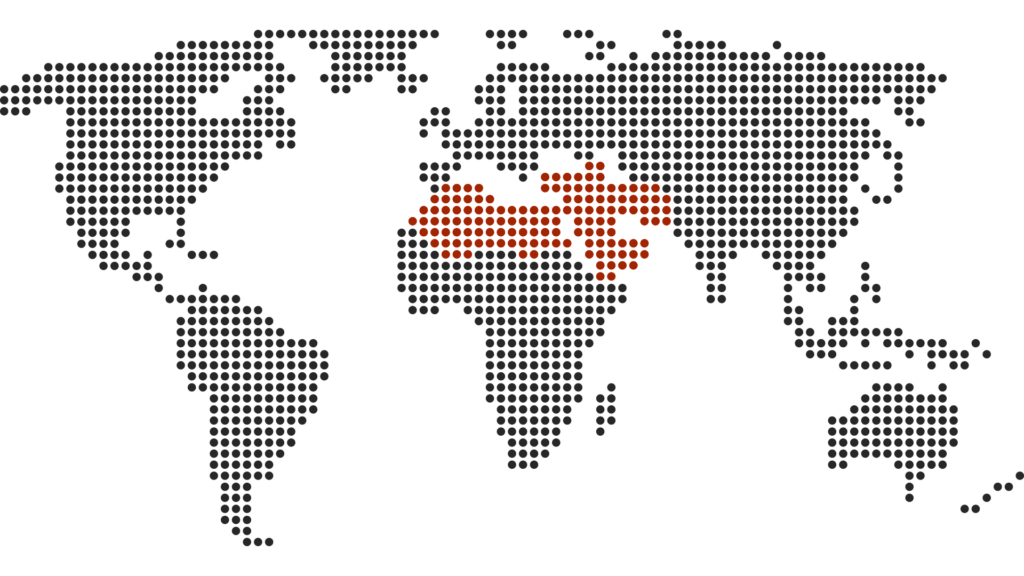
Middle East & North Africa
Country Specific Program
Egypt (2008-2010) – Best-Practices in Islamic Education: Led a series of workshops between Pakistani madrasa teachers and Egyptian religious educators on integrating tolerance, critical thinking, and conflict resolution into Islamic education curricula by drawing on insights from diverse Muslim-majority contexts.
Country Specific Program
Iran (2003) – Convened US and Iranian interfaith delegations with policymakers to improve mutual understanding and relations through cross-cultural dialogue.
Country Specific Programs
Jordan (2021-present) – Implementing the culturally and religiously relevant 1001 Nights program, produced by award-winning media partner Big Bad Boo, to promote civic values and life skills, including conflict resolution, civic participation, preventing gender based violence, and rule of law to vulnerable youth.
Jordan (2016-2019) – Conducted training workshops with an international delegation of Yemeni religious and community leaders on the design and implementation of conflict resolution and extremism prevention programs.
Country Specific Programs
Lebanon (2021-present) – Implementing the culturally and religiously relevant 1001 Nights program, produced by award-winning media partner Big Bad Boo, to promote civic values and life skills, including conflict resolution, civic participation, preventing gender based violence, and rule of law to vulnerable youth.
Lebanon (2019) – Part of a delegation of experienced global religious peacebuilding practitioners workshopping effective methodologies and building networks for action, including wide-ranging exchanges with multi-faith leaders and NGOs throughout Lebanon, such as in Syrian refugee camps in Akkar Valley, to support social cohesion and stability strategies.
Lebanon (2016-2019) – Conducted training workshops with an international delegation of Yemeni religious and community leaders on the design and implementation of conflict resolution and extremism prevention programs.
Lebanon (2010) – Interfaith and intercultural peacebuilding workshop.
Lebanon (2009-2012) – Back from the Brink documentary film and educational material addressing radicalization and identity-based violence by exploring the role of religion in: prevention in Pakistani madrasa religious schools, intervention with youth and gang violence in the United States, and post-conflict recovery in Lebanon.
Regional and Global Programs
Libya (2018-present) – Developing and implementing mechanisms for religious inclusion in ongoing peace processes in partnership with the African Union, UN Mediation Support Unit, and others.
Libya (2018-present) – Case studies and specialized capacity building based on negotiations and mediations led by women of faith from areas threatened by extremist and communal violence.
Libya (2017) – Study on the role and impact of religious and traditional actors on official government (“Track 1”) peace processes.
Country Specific Programs
Morocco (2016-2018) – Designed a training manual on preventing extremism and implemented it through a training of trainers methodology for Moroccan non-governmental organizations, religious influencers, and governmental institutions.
Morocco (2015-2017) – Conducted a series of multi-year studies with key government, religious, and community-based partners on the constructive role of conservative religious actors and institutions in preventing radicalization and ideological violence, resulting in context-specific recommendations for action.
Country Specific Program
Palestinian Territories (2006) – Faith-based reconciliation workshops.
Country Specific Program
Saudi Arabia (2019-2022) – Invited by the Saudi Ministry of Education to develop and implement a suite of trainings for public school educators, teacher trainers, curriculum designers, and administrators on globalization themes grounded in Islamic history and principles, including: critical thinking, human rights, religious literacy, and tolerance.
Saudi Arabia (2011-2022) – Supported major reforms by the Saudi Ministry of Education to remove religiously and socially intolerant content and calls to violence within public school materials, through multiple comprehensive and grade-specific textbook assessments.
Saudi Arabia (2014) – Brought together US and Saudi educators for a multi-day workshop dealing with the shared challenges of increasing tolerance in pedagogy and curriculum, informing an ongoing partnership on education reform.
Country Specific Programs
Regional and Global Programs
Syria (2018-present) – Developing and implementing mechanisms for religious inclusion in ongoing peace processes in partnership with the UN Mediation Support Unit and others.
Syria (2018-present) – Case studies and specialized capacity building based on negotiations and mediations led by women of faith from areas threatened by extremist and communal violence.
Country Specific Programs
Tunisia (2019-2020) – Conducted assessments with and trainings for local non-governmental organizations to effectively engage religious and civil society actors in preventing violent extremism, using ICRD’s contextualized training of trainers manual.
Tunisia (2015-2017) – Conducted a series of multi-year studies with key government, religious, and community-based partners on the constructive role of conservative religious actors and institutions in preventing radicalization and ideological violence, resulting in context-specific recommendations for action.
Country Specific Programs
Regional and Global Programs
Yemen (2018-present) – Developing and implementing mechanisms for religious inclusion in ongoing peace processes in partnership with the UN Mediation Support Unit and others.
Yemen (2018-present) – Women of faith negotiation and mediation case studies from areas threatened by extremist and communal violence to inform specialized capacity building.
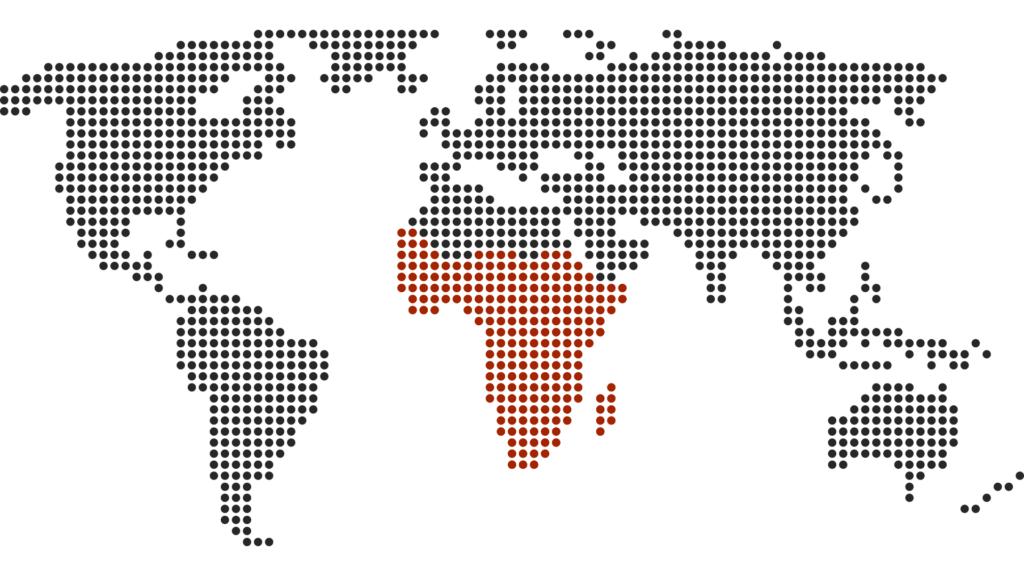
Sub-Saharan Africa
Country Specific Program
Cameroon (2020-2023) – Collaborated with Salam Institute for Peace and Justice to implement a USAID West Africa supported program to test the impact of exposure to civic values, critical thinking skills, and constructive pedagogy on extremist attitudes among informal educators and their students in the Lake Chad Region.
Country Specific Program
Chad (2020-2023) – Supported the Salam Institute in implementing trainings on civic values, such as: tolerance, critical thinking, and conflict resolution; for students in informal religious education spaces, and measured the impact on their vulnerability to religious prejudice and violent extremism.
Country Specific Program
Ivory Coast (2010) – Interfaith and conflict prevention trainings with madrasa religious-school leaders.
Country Specific Program
Ethiopia (2018-2020) – Conducted a series of multi-year studies with key government, religious, and community-based partners on the constructive role of conservative religious actors and institutions in preventing radicalization and ideological violence, resulting in context-specific recommendations for action.
Regional and Global Programs
Ethiopia (2018-present) – Developing and implementing mechanisms for religious inclusion in ongoing peace processes in partnership with the African Union, UN Mediation Support Unit and others.
Country Specific Program
Kenya (2018-2020) – Conducted assessments with and trainings for local non-governmental organizations to effectively engage religious and civil society actors in preventing violent extremism, using ICRD’s contextualized training of trainers manual.
Regional and Global Programs
Kenya (2018-present) – Case studies and specialized capacity building based on negotiations and mediations led by women of faith from areas threatened by extremist and communal violence.
Country Specific Program
Mali (2022-present) – Building the capacity of Malian women from 15 different regions for effective, community-level actions to prevent extremism.
Country Specific Program
Nigeria (2014) – Supporting the locally based Interfaith Mediation Centre in implementing Muslim-Christian dialogues for violence prevention.
Regional and Global Programs
Regional and Global Programs
South Sudan (2017) – Study on the role and impact of religious and traditional actors on official (“Track 1”) peace processes.
Country Specific Program
Sudan (1999-2002) – Developed the Sudan Interreligious Council to advance dialogues in support of the 2005 Comprehensive Peace Agreement.
Regional and Global Programs
Sudan (2018-present) – Developing and implementing mechanisms for religious inclusion in ongoing peace processes in partnership with the African Union, UN Mediation Support Unit, and others.
Country Specific Program
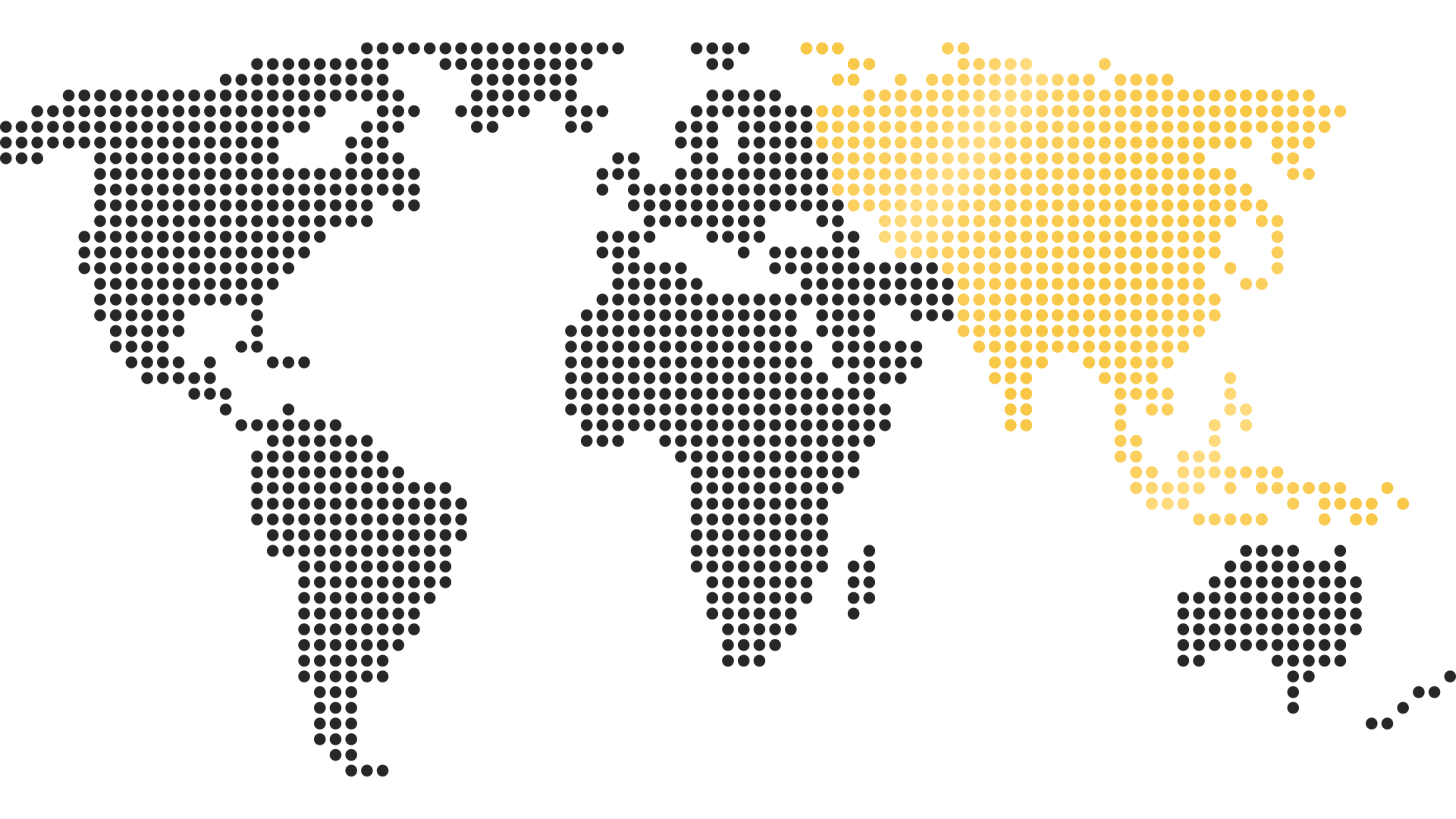
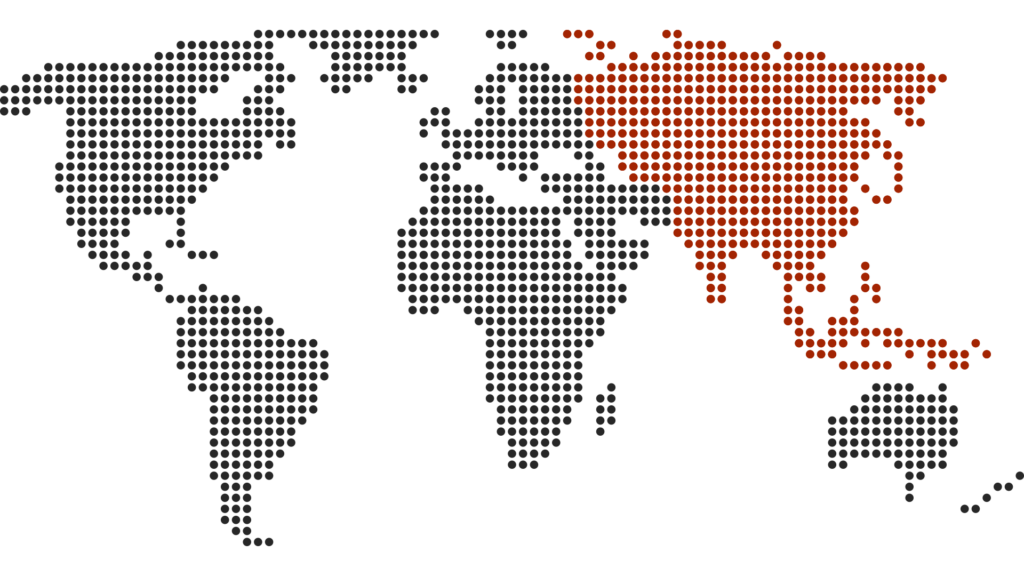
Asia
Country Specific Program
Afghanistan (2007-2008) – Conducted a series of conferences and workshops bringing together key religious actors and policy-makers to facilitate cooperation on addressing key development and reconstruction issues in post-war Afghanistan.
Regional and Global Programs
Afghanistan (2018-present) – Case studies and specialized capacity building based on negotiations and mediations led by women of faith from areas threatened by extremist and communal violence.
Country Specific Programs
Bangladesh (2019-2021) – Country-specific and regional capacity building and peace initiatives strengthening social cohesion across religious identity and informing multi-lateral policy makers.
Bangladesh (2008-2010) – Best-Practices in Islamic Education: Led a series of workshops between Pakistani madrasa teachers and Bangladeshi religious educators on integrating tolerance, critical thinking, and conflict resolution into Islamic education curricula by drawing on insights from diverse Muslim-majority contexts.
Country Specific Program
India (2019-2021) – Country-specific and regional capacity building and peace initiatives strengthening social cohesion across religious identity and informing multi-lateral policymakers.
Country Specific Programs
Indonesia (2019-2021) – Country-specific and regional capacity building and peace initiatives strengthening social cohesion across religious identity and informing multi-lateral policymakers.
Indonesia (2018-2020) – Conducted a series of multi-year studies with key government, religious, and community-based partners on the constructive role of conservative religious actors and institutions in preventing radicalization and ideological violence, resulting in context-specific recommendations for action.
Indonesia (2008-2010) – Best-Practices in Islamic Education: Led a series of workshops between Pakistani madrasa teachers and Indonesian religious educators on integrating tolerance, critical thinking, and conflict resolution into Islamic education curricula by drawing on insights from diverse Muslim-majority contexts.
Regional and Global Programs
Indonesia (2017) – Study on the role and impact of religious and traditional actors on official (“Track 1”) peace processes.
Country Specific Program
Kashmir (2004-2005) – Faith-based reconciliation workshops and compact for social cohesion.
Regional and Global Programs
Kazakhstan (2017) – Participated as a civil-society advisory organization for strategic consultations between US State Department and the government of Kazakhstan on regional violent extremism prevention.
Country Specific Program
Maldives (2021-2023) – Supported the government of Maldives in establishing a unique National Reintegration Center for the rehabilitation and reintegration of returned foreign terrorist fighter families, using a trauma-informed, whole-of-society approach.
Country Specific Program
Myanmar (2019-2021) – Country-specific and regional capacity building and peace initiatives strengthening social cohesion across religious identity and informing multi-lateral policymakers.
Regional and Global Programs
Myanmar (2018-present) – Developing and implementing mechanisms for religious inclusion in ongoing peace processes in partnership with the Association of Southeast Asia Nations, UN Mediation Support Unit, and others.
Myanmar (2018-present) – Case studies and specialized capacity building based on negotiations and mediations led by women of faith from areas threatened by extremist and communal violence.
Myanmar (2017) – Study on the role and impact of religious and traditional actors on official (“Track 1”) peace processes.
Country Specific Programs
Oman (2022) – Specialized capacity building based on negotiations and mediations led by women of faith from areas threatened by extremist and communal violence.
Oman (2013) – Gathering of US and South Asian Christian and Islamic figures to discuss inter-religious understanding, dispel misguided preconceptions, and plan collaborative action.
Country Specific Programs
Pakistan (2015-2018) – Designed and implemented workshops for women of faith community leaders on their role in preventing violent extremism, including co-creating and supporting local initiatives to prevent radicalization and recruitment by extremist organizations.
Pakistan (2015-2017) – Convened dozens of key faith leaders to co-create an Islamic guidebook on how to manage deep-seated conflict over differences across religious sects without resorting to violence, and disseminated it across all regions of Pakistan through houses of worship and media campaigns.
Pakistan (2011-2014) – Developed teacher training centers with several universities in Pakistan to provide specialized pedagogical training for madrasa educators with little formal education.
Pakistan (2004-2014) – Supported the inclusion of critical thinking pedagogy and religious tolerance within a broadened curriculum in more than six thousand conservative madrasa religious schools, based on the heritage of madrasa education in the region.
Pakistan (2009-2012) – Back from the Brink documentary film and educational material addressing radicalization and identity-based violence by exploring the role of religion in: prevention in Pakistani madrasa religious schools, intervention with youth and gang violence in the United States, and post-conflict recovery in Lebanon.
Pakistan (2008-2012) – Best-Practices in Islamic Education: Led a series of international workshops for a delegation of Pakistani madrasa teachers on integrating tolerance, critical thinking, and conflict resolution into Islamic education curricula by drawing on insights from diverse Muslim-majority contexts.
Pakistan (2008-2011) – Interfaith dialogues to reduce religious identity tensions by emphasizing shared values and collaborative action.
Country Specific Program
Philippines (2019-2021) – Country-specific and regional capacity building and peace initiatives strengthening social cohesion across religious identity and informing multi-lateral policymakers.
Philippines (2019-2020) – Conducted assessments with and trainings for local non-governmental organizations to effectively engage religious and civil society actors in preventing violent extremism, using ICRD’s contextualized training of trainers manual.
Regional and Global Programs
Philippines (2018-2024) – Case studies and specialized capacity building based on negotiations and mediations led by women of faith from areas threatened by extremist and communal violence.
Philippines (2017) – Study on the role and impact of religious and traditional actors on official (“Track 1”) peace processes in partnership with the Association of Southeast Asia Nations, UN Mediation Support Unit, and others.
Country Specific Program
Sri Lanka (2019-2021) – Country-specific and regional capacity building and peace initiatives strengthening social cohesion across religious identity and informing multi-lateral policymakers.
Regional and Global Programs
Sri Lanka (2018-2024) – Case studies and specialized capacity building based on negotiations and mediations led by women of faith from areas threatened by extremist and communal violence
Sri Lanka (2017) – Study on the role and impact of religious and traditional actors on official (“Track 1”) peace processes.
Country Specific Program
Thailand (2019-2021) – Country-specific and regional capacity building and peace initiatives strengthening social cohesion across religious identity and informing multi-lateral policymakers.
Country Specific Program
Turkey (2008-2010) – Best-Practices in Islamic Education: Led a series of workshops between Pakistani madrasa teachers and Turkish religious educators on integrating tolerance, critical thinking, and conflict resolution into Islamic education curricula by drawing on insights from diverse Muslim-majority contexts.
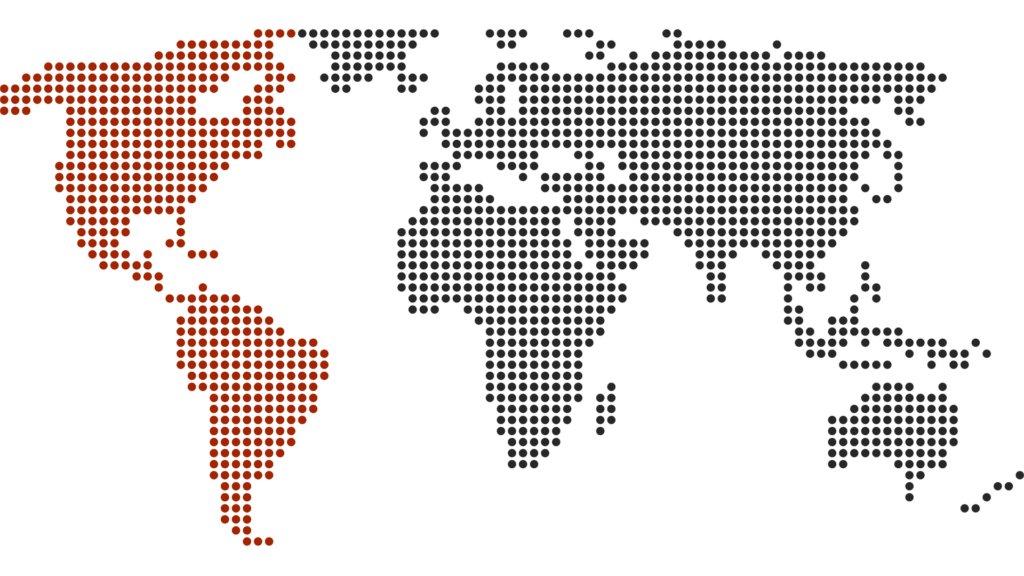
The Americas
Country Specific Programs
Colombia (2016-2017) – Military academy and university trainings on the constructive engagement of faith communities in conflict prevention and reconciliation.
Colombia (2013-2017) – Women of faith reconciliation trainings and community workshops to support the sustainable reintegration of former combatants across eight conflict-impacted regions.
Regional and Global Programs
Country Specific Programs
Paraguay (2014) – training and consultations with the military on constructive engagement with religious communities to prevent extremist violence.
Country Specific Program
Europe

Country Specific Program
Regional and Global Programs
Balkans (2018-2024) – Case studies and specialized capacity building based on negotiations and mediations led by women of faith from areas threatened by extremist and communal violence.
Regional and Global Programs
Country Specific Program
Northern Ireland (2018) – Workshop with a global network of faith-based peacebuilders on best practices and intentional inclusion.
Country Specific Program
Spain (2018-2020) – “Research-to-action” community-based study advising policymakers on engaging conservative faith actors in preventing extremism.
Global Programming and Public Engagement
Women of Faith Negotiators at the Front Lines of Violent Conflict
Since 2018, ICRD and the United States Institute of Peace (USIP) have partnered to research and support the role of religious women engaged in negotiating/mediating local settlements and/or protecting the fragile peace achieved through formal peace processes. ICRD, USIP, and country-based researchers are engaged in research focused on highlighting the role of women of faith negotiators/mediators in Kenya, Nigeria, Libya, Syria, Yemen, Afghanistan, Myanmar, the Philippines, Northern Ireland, and Colombia. The research and case study findings will be used to address gaps in curriculum and training by informing the development of a specialized training program to support women of faith peacemakers and organizations engaged in supporting them. This curriculum will be developed by examining the factors that determine when women’s engagement with conflict and/or extremist actors are effective, taking into account both those women who operate within religious frames and those who do not. ICRD and USIP will develop and pilot capacity-building trainings in negotiation and mediation with peer-to-peer mentorship to amplify the successes of women who contribute to peace in their communities and countries.
Religious Actors and Official Peace Processes
In 2017, ICRD conducted a preliminary desk study on the role and impact of religious and traditional actors on official (Track 1) peace processes in Colombia, Libya, South Sudan, Sri Lanka, Indonesia, Myanmar, and the Philippines. Based on initial study findings, ICRD, the United States Institute of Peace (USIP), Inclusive Peace (IP), and the United Nations Mediation Support Unit (UN MSU) formed a partnership in 2018 to advance research on case studies and develop practical resources such as policy briefs, guidance notes, capacity building modules, and mentoring resources. This partnership also included the creation of an Advisory Group and a Consortium of religious actors and experts to design and implement a support mechanism. Three ongoing peace processes will be supported through this program in 2020-2022, possibly including South Sudan, Libya, Syria, Yemen, Afghanistan, and Myanmar. As a direct impact of this program, policymakers and practitioners have recognized the value of drawing on the contributions of religious actors in official negotiations to reach political settlements to conflict. This is particularly the case for conflicts in which religious dynamics have shaped and driven the course of the conflict, and contributed to its imperviousness to resolution. In such conflicts, religious actors and communities have interests at stake in political negotiations related to the peace process and, if excluded, may act as spoilers, subsequently disrupting official negotiations. The program has been funded by the USIP and the GHR foundation.
Asia 🌏
Azerbaijan (2022) – G20 Interfaith Forum and government consultations on interreligious conflict prevention and recovery.
Japan (2019) – G20 interfaith forum conference to Develop Actionable Recommendations on Religious Engagement for Global Policy Priorities.
Malaysia (2014) – Global Peace Foundation World Summit Partner Organization
Europe 🇪🇺
Spain (2022) – Partner Organization at Hedayah International CVE Research Conference.
Italy (2021) – G20 Interfaith Forum Conference to Develop Actionable Recommendations on Religious Engagement: Religion and Conflict Working Group.
Germany (2017) – G20 Interfaith Forum conference to develop actionable recommendations on religious engagement: Religion and Conflict Working Group.
Kosovo (2016) – Partner Organization for Interfaith Kosovo Global Conference on Religion and Extremist Violence Prevention.
Germany (2015) – Donor and Stakeholder Workshop on Religion and Conflict Resolution in Yemen.
Finland (2014) – Global conference and workshops on the Role of Religion in Conflict Resolution.
MENA 🌍
UAE (2018-2019) – World Tolerance Summit partner organization with the UAE Ministry of Tolerance and Alliance for Virtues.
Libya (2010) – Global conference and government outreach on youth engagement in conflict prevention.
The Americas 🌎
Argentina (2018) – G20 Interfaith Forum Conference to Develop Actionable Recommendations on Religious Engagement: Religion and Conflict Working Group.
Argentina (2018) – Partner Organization for Ministry of Culture Global Congress on Mediation and a Culture of Peace.
Argentina (2016) – Partner Organization for Ministry of Culture Global Conference on Conflict Prevention and Reconciliation.
UN-ECOSOC Consultative Status
ICRD holds official consultative status with the United Nations Economic and Social Council (ECOSOC)
