Reviews
Overview
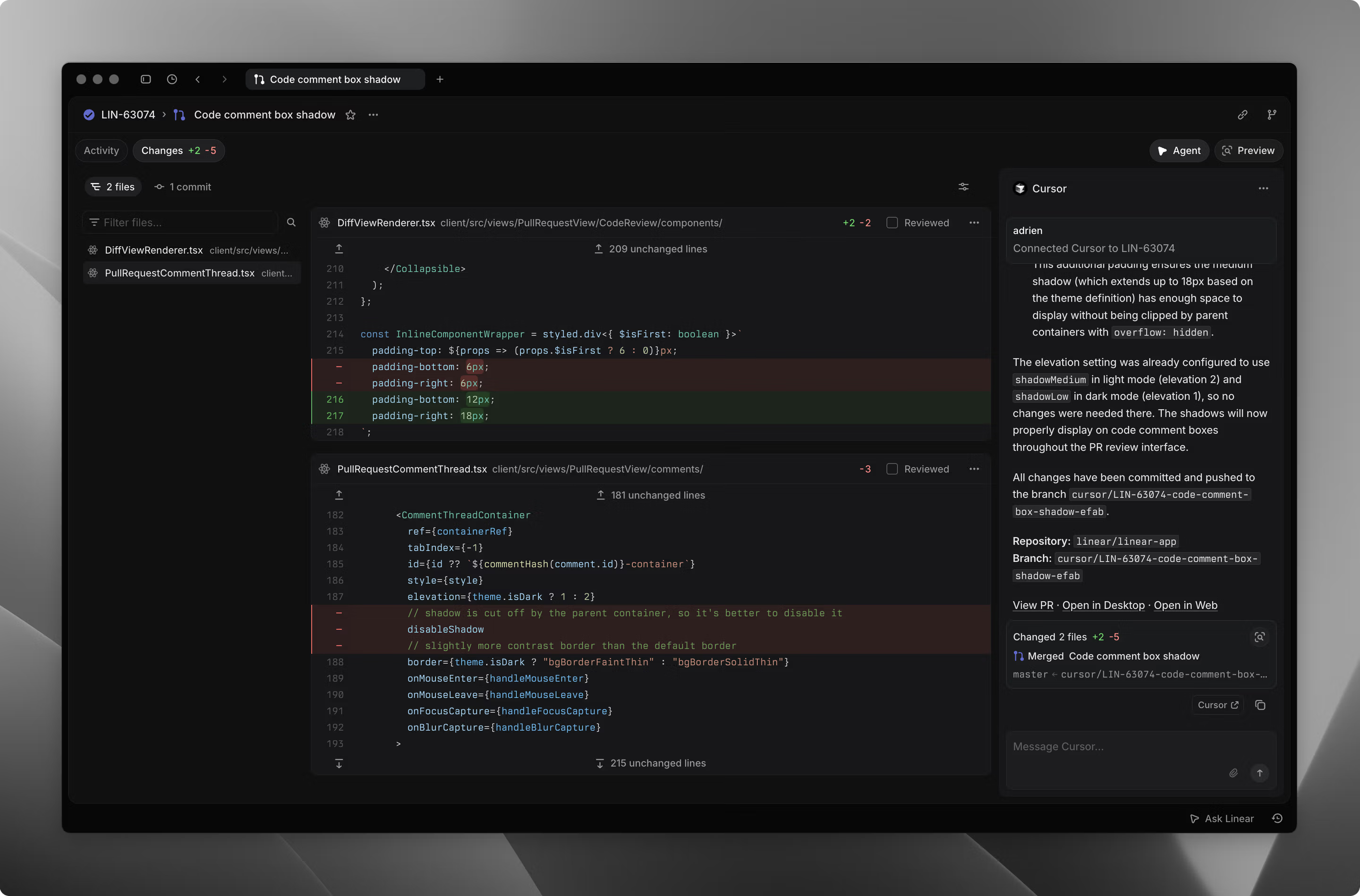
Linear Diffs let you review code changes directly in Linear—so you can read diffs, follow conversations, and complete reviews without leaving your workflow. When enabled, Linear shows pull request details, changed files, checks, and comments, and keeps them in sync with GitHub.
Our Diffs experience will continue to evolve as we gather feedback.
A new Reviews section appears in the sidebar where you can see see pull requests that need your attention, track pull requests you authored, and return to reviews you’ve participated in. Opening a PR in Linear shows its details, activity, CI checks, and associated comments, and updates sync bidirectionally between GitHub and Linear automatically.
Navigate to Linear Code quickly with the shortcut G + R, or open a specific review with O + R.
Setup
Organization setup
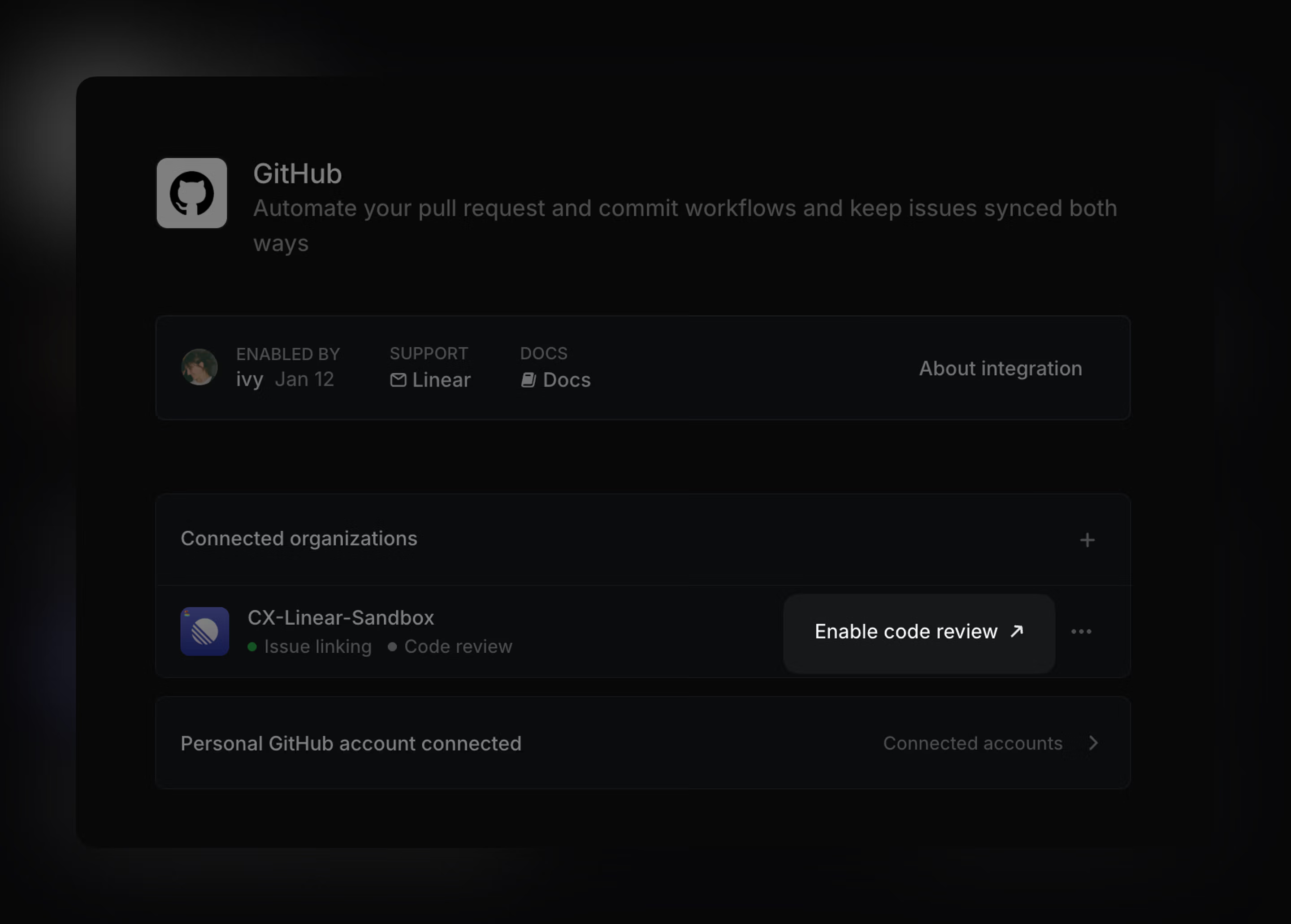
To display pull request diffs and file changes inside Linear, you’ll need to grant Linear access to your repository code through the GitHub integration.
If your workspace hasn’t connected GitHub yet, a Linear owner or admin can configure the GitHub integration to enable code access for the repositories you selected.
If your workspace has already connected GitHub, a GitHub organization owner can enable code access for the selected repositories by updating the integration in your Github Integration settings.
Your current GitHub integration settings and any existing pull request links and history in Linear are preserved—enabling code access simply adds permissions so Linear can display diffs and file contents for the repositories you select.
Personal account setup
Personal GitHub connections are required for accessing pull requests, repository code, and review information associated with your specific user. If your account isn’t already connected, you can do so here.
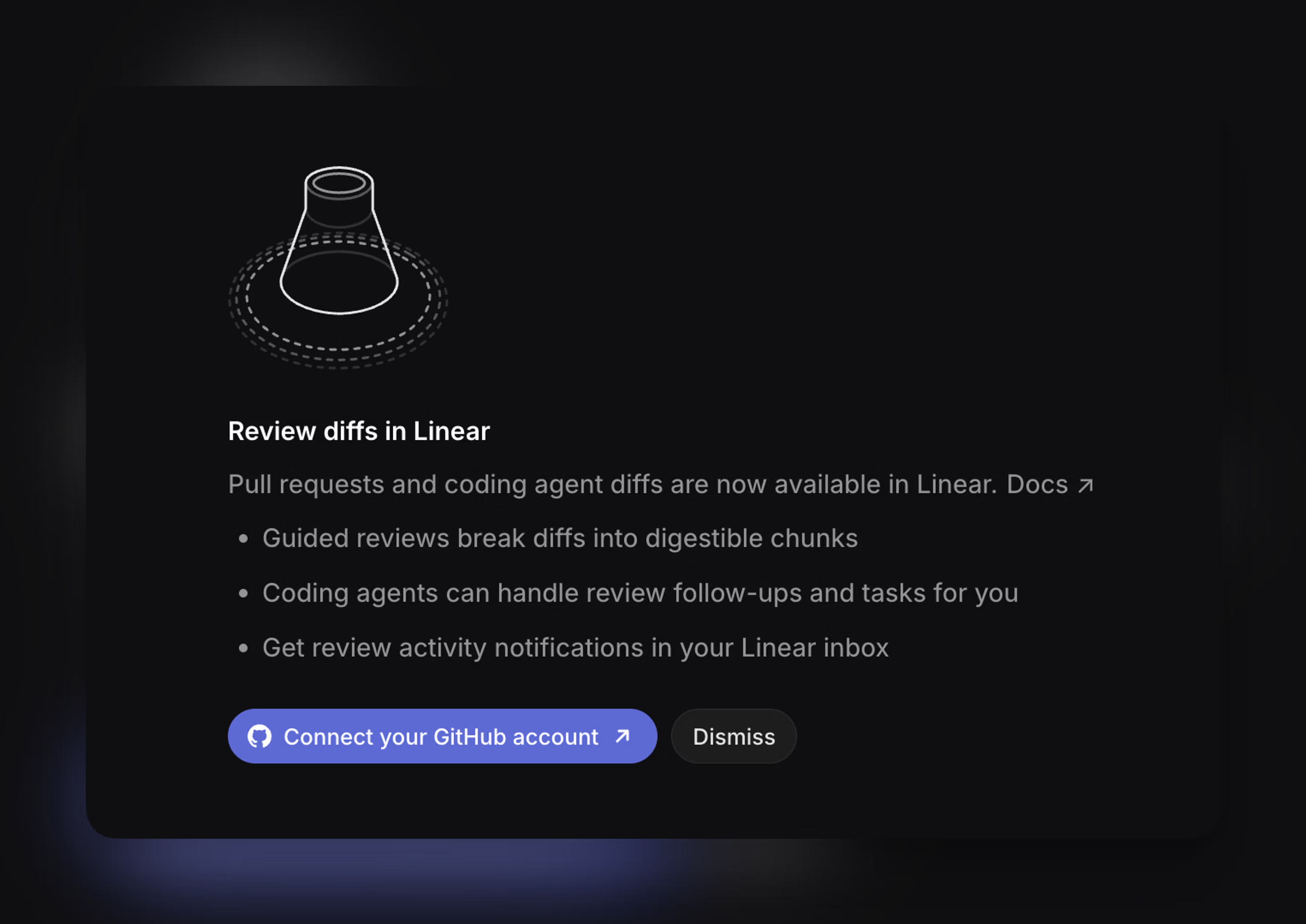
If you don’t see the Reviews tab in your sidebar, navigate to Settings → Code & reviews and confirm the Enable code reviews toggle is switched on.
If you see the Reviews tab but no diffs, confirm that code access is granted to the repository you expect.
Display and grouping
At the top of the Reviews tab, you can switch between two tabs: For me, which shows the pull requests you’re involved in or responsible for, and Created, which displays every pull request you’ve authored. This makes it easy to focus on work that needs your attention while still being able to browse or reference other pull requests when needed.
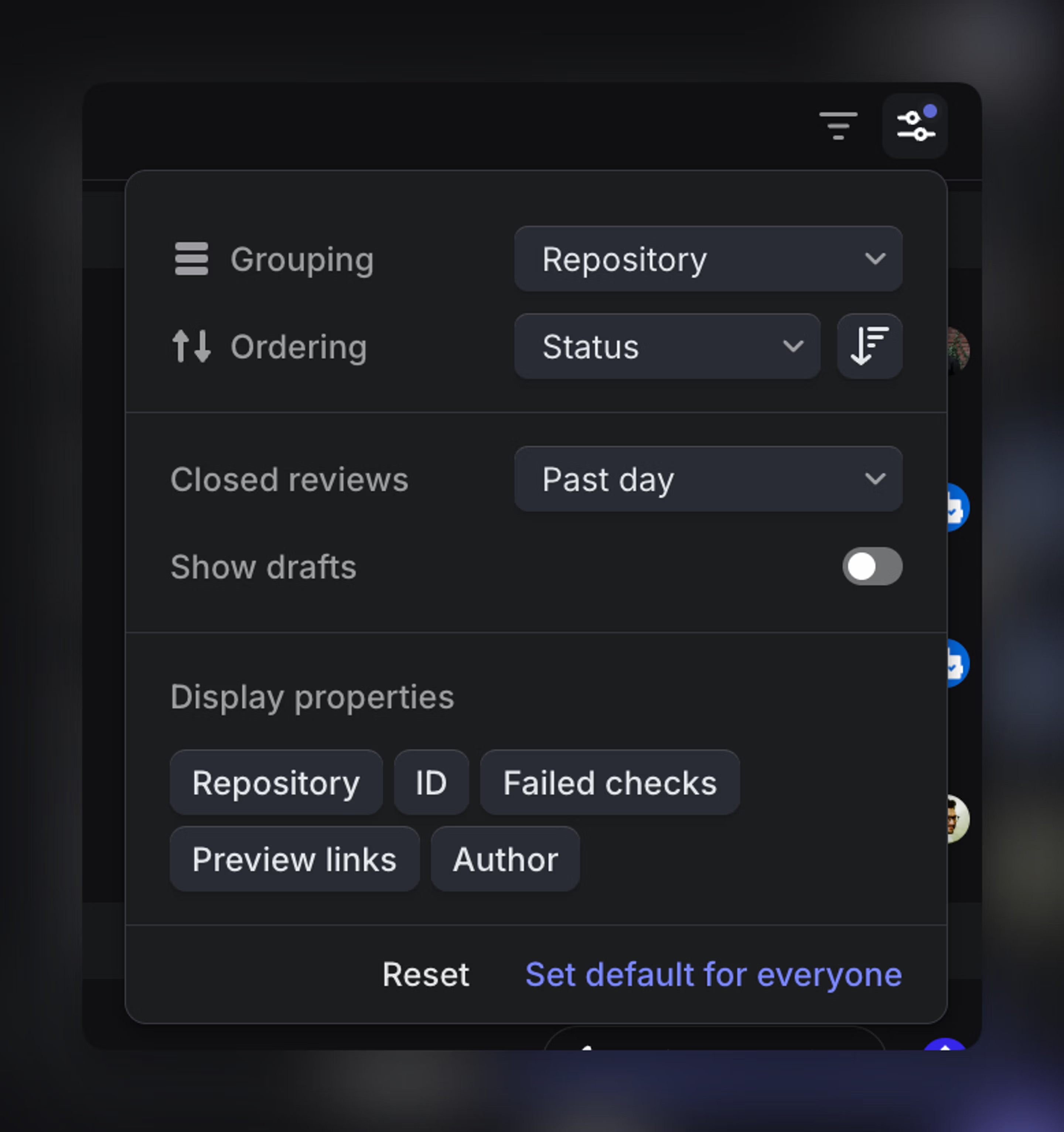
As with other views in Linear, you can adjust display settings to group or sort by status, author, or repository.
You can also choose whether to display draft or closed pull requests and whether to show additional fields such as repository, failed checks, or preview links if applicable.
Code review
Review a pull request in Linear
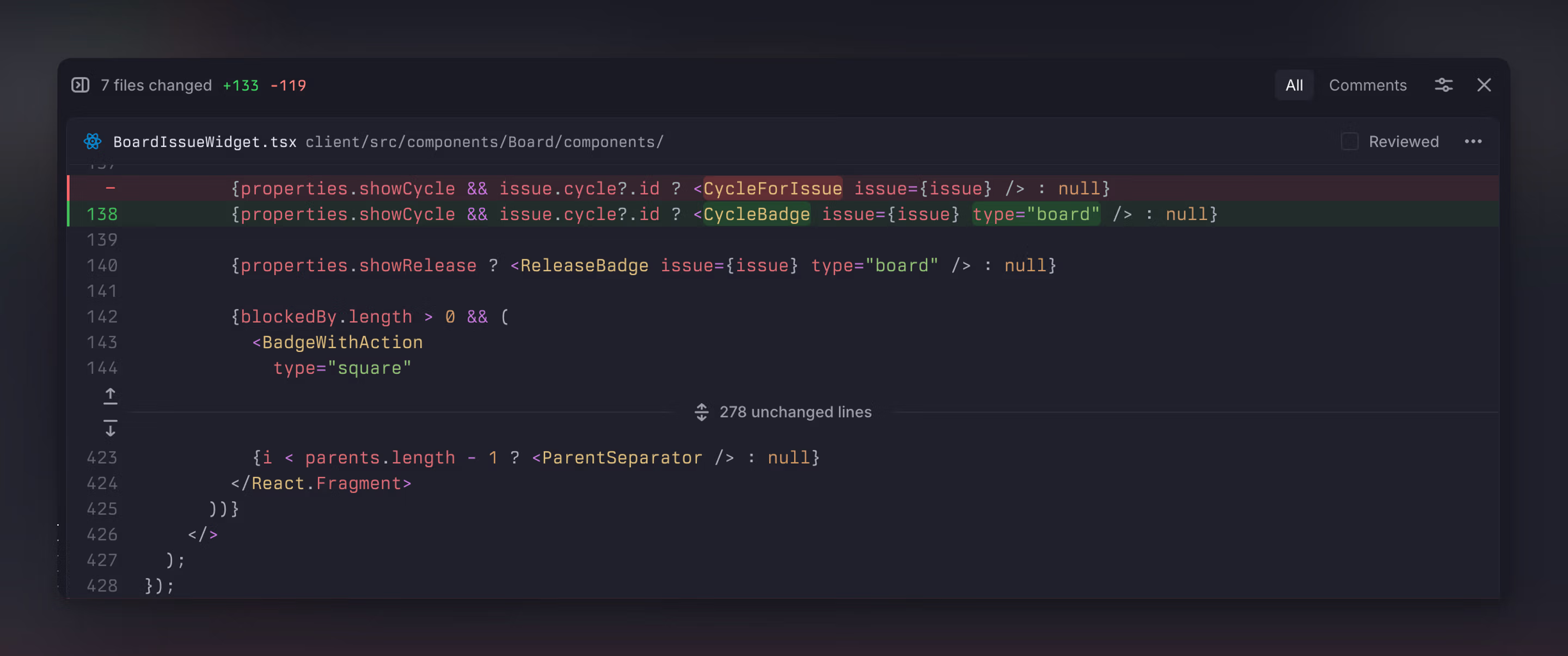
Linear displays all pull request activity in one place, including comments, reviews, and discussions. When you open a pull request, you can view the files changed and read through diffs directly in Linear.
Comments appear inline alongside the relevant sections of code and you can start new threads, reply to existing ones, or react with emoji.
You can complete your review directly from Linear. Approving a pull request, requesting changes, or submitting a review comment updates the review state and syncs with GitHub.
Once a pull request is ready and you have permission, you can merge it directly from Linear.
Guides
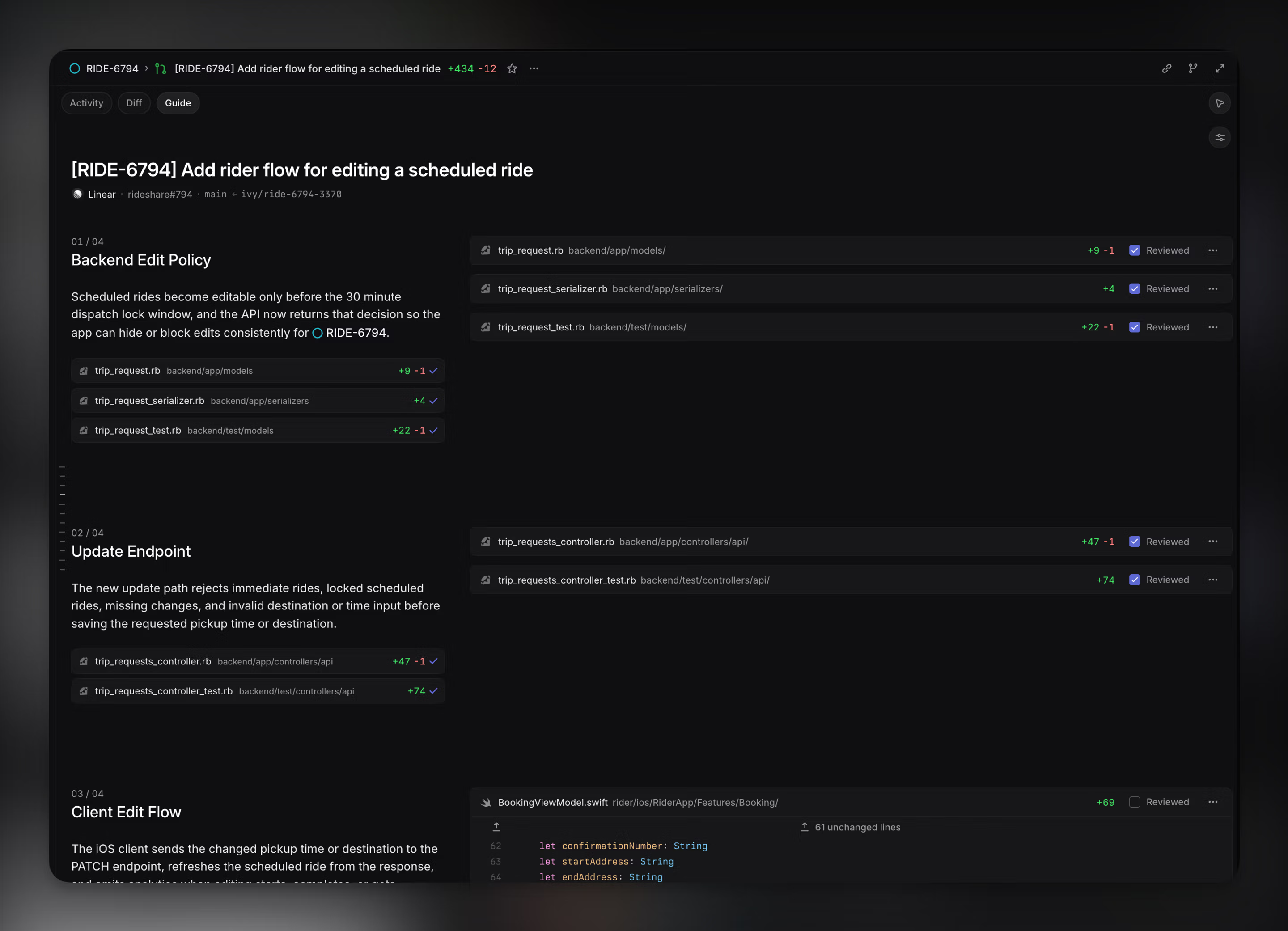
Guided reviews help you understand large pull requests faster by organizing related changes into structured sections with explanations of their purpose and impact.
Guides is available on Business and Enterprise plans, and is free to use during the beta period. We’ll share more about pricing as the feature evolves.
Instead of working through files one-by-one to piece together what changed, Guides surface the core parts of an implementation first while grouping supporting or lower-signal changes separately. Each section pairs a high-level explanation of why a part of the change exists alongside the relevant diffs, making it easier to understand the intent behind the implementation before diving into the code itself.
Guided reviews appear in a dedicated Guide tab alongside the diff view, with direct links into the relevant parts of the pull request so you can move naturally between the guide and the underlying code.
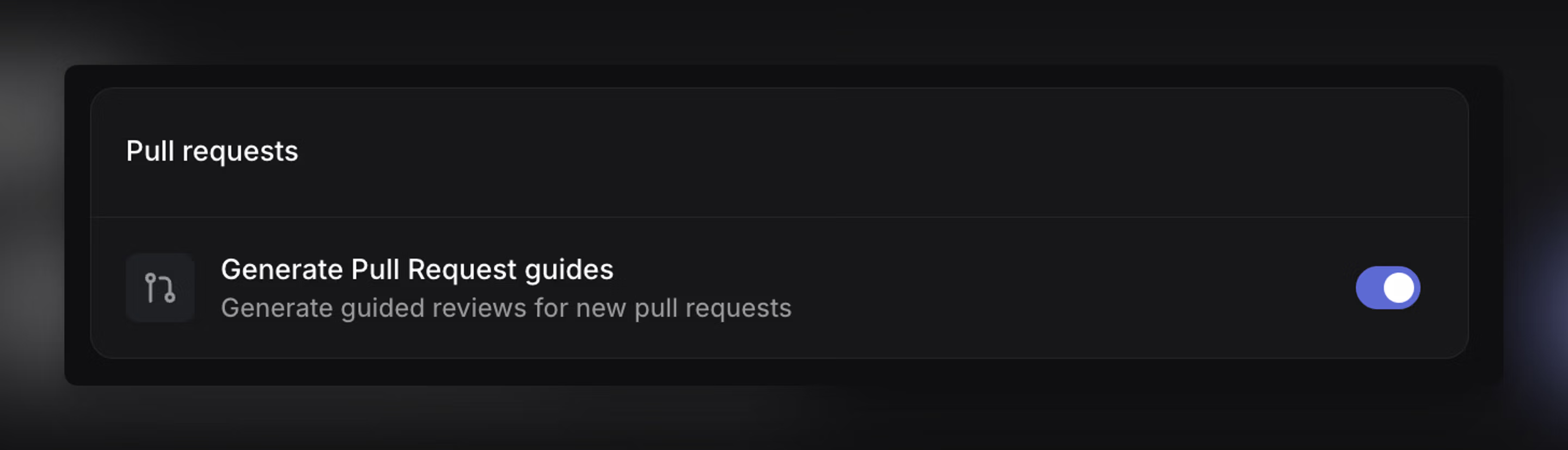
If you’d prefer to disable this feature, you can disable the Generate Pull Request guides toggle within your Github integration settings’ Pull Requests section.
Diff view options
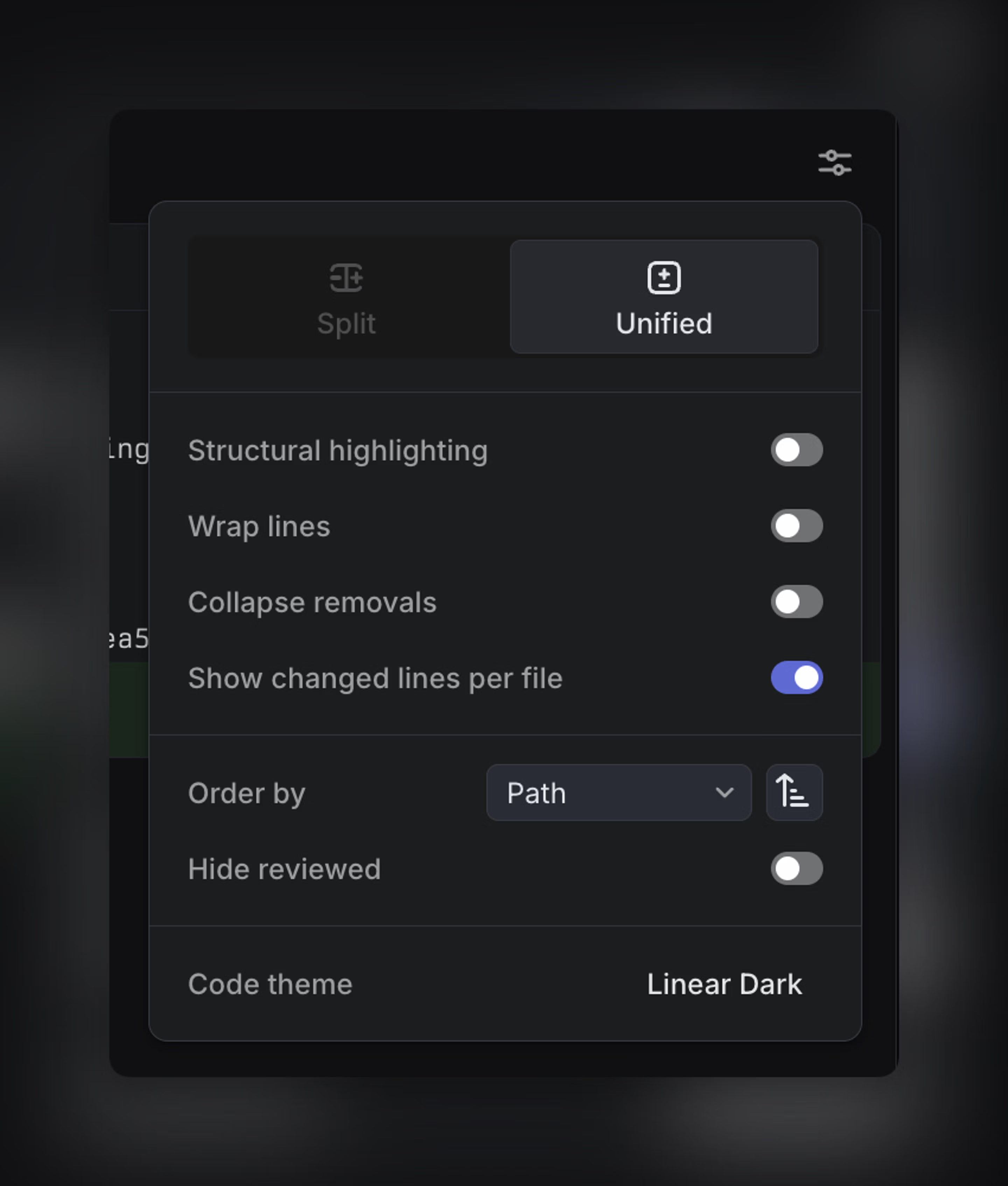
Linear supports both Unified and Split diff views when reviewing a pull request.
Unified shows changes in a single column, while Split shows the before and after side-by-side to make comparisons easier. You can switch between Unified and Split from the pull request display options, and you can also toggle the layout with Ctrl or ⌘ + B.
On smaller screens, Split view may be unavailable if there isn’t enough horizontal space.
Open GitHub PR URLs in Linear
If you have an existing GitHub pull request URL, you can also open that same pull request in Linear by replacing github.com in your URL with linear.review.
Original Github URL: github.com/owner/repo/pull/123
New Linear URL: linear.review/owner/repo/pull/123
With this pattern, Linear will redirect you to the matching pull request review page in your Linear workspace automatically.
Pull request preview links
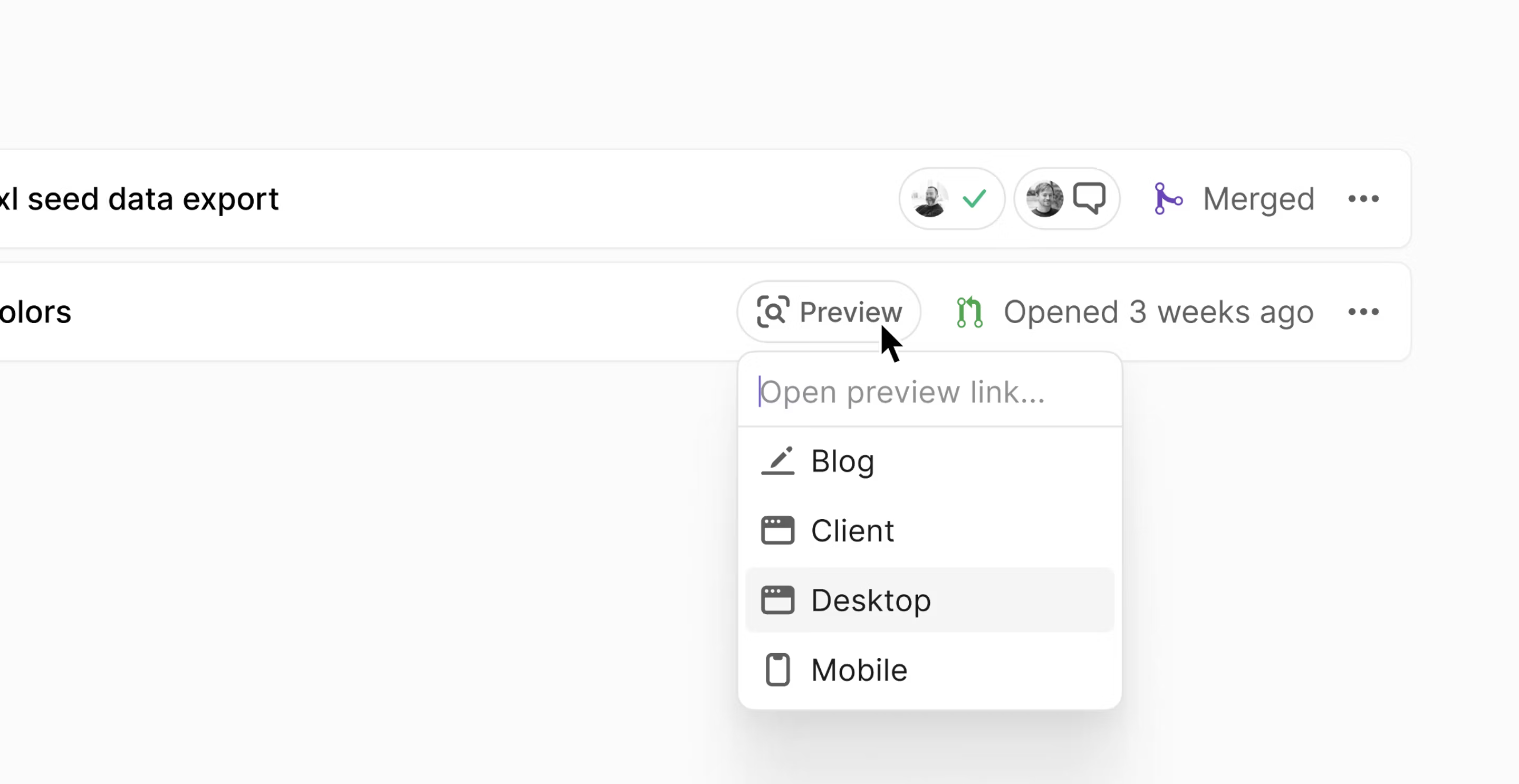
If your PR contains one or multiple preview links, this will add a preview link shortcut to the Linear issue. More details on this feature here.
Notifications
With Diffs enabled, Linear can notify you about pull request activity, including new comments and reviews, review requests, mentions, and CI failures.
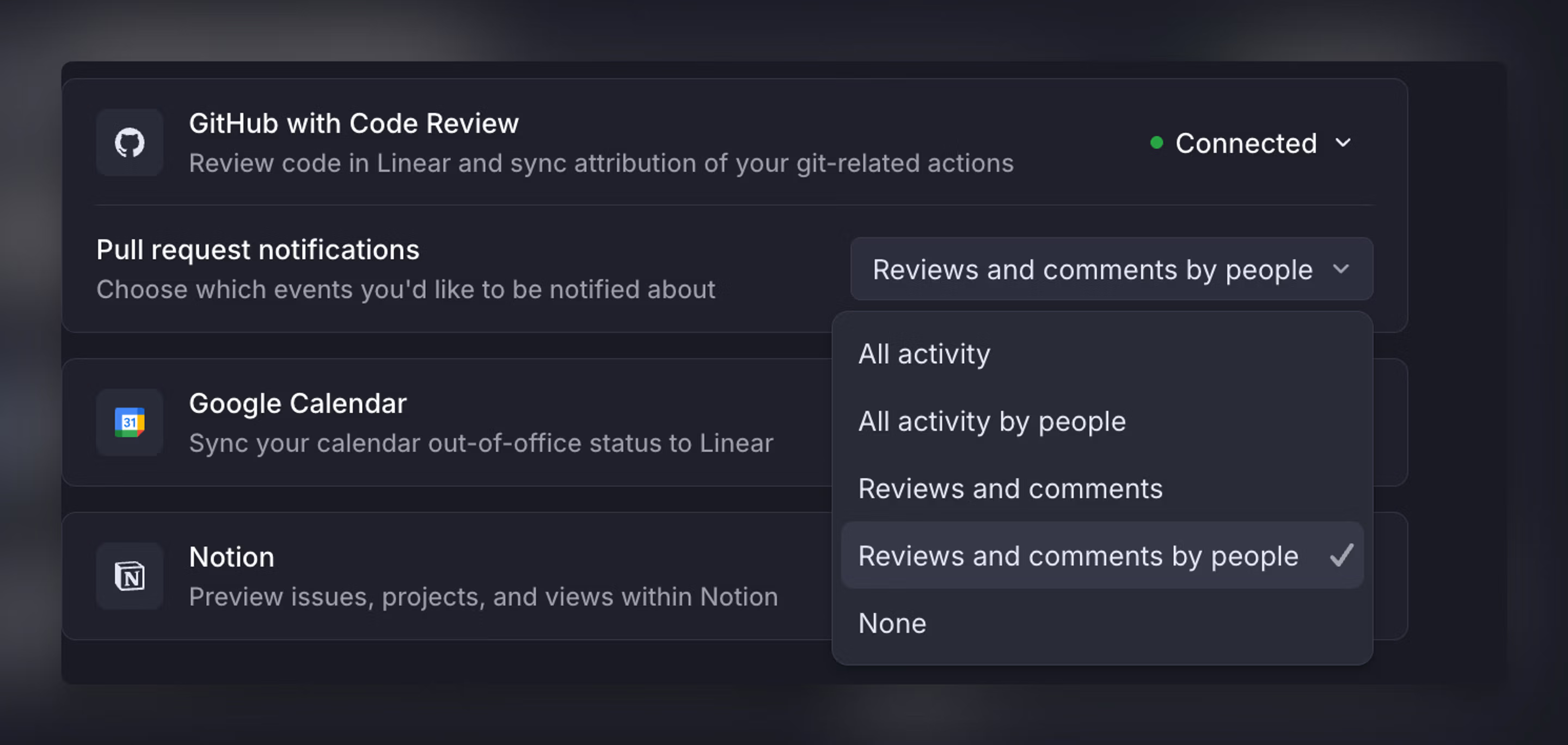
You can also control how much pull request activity reaches your inbox by choosing a pull request notifications mode: All activity, All activity by people, Reviews and comments, Reviews and comments by people, or None. In the “by people” modes, Linear filters activity GitHub identifies as coming from bot actors to reduce automated noise.
Configure your personal notification preferences in your Code & reviews settings.
Additional settings
Navigate into Code & reviews settings for additional preferences to the Reviews experience within Linear. These settings are personal, so they only affect your own workflow.
Auto-convert draft PRs
When enabling the Auto-convert draft PRs toggle, this setting automatically moves a draft pull request into a ready-for-review status once a review is requested or when the pull request is approved.

Code theme
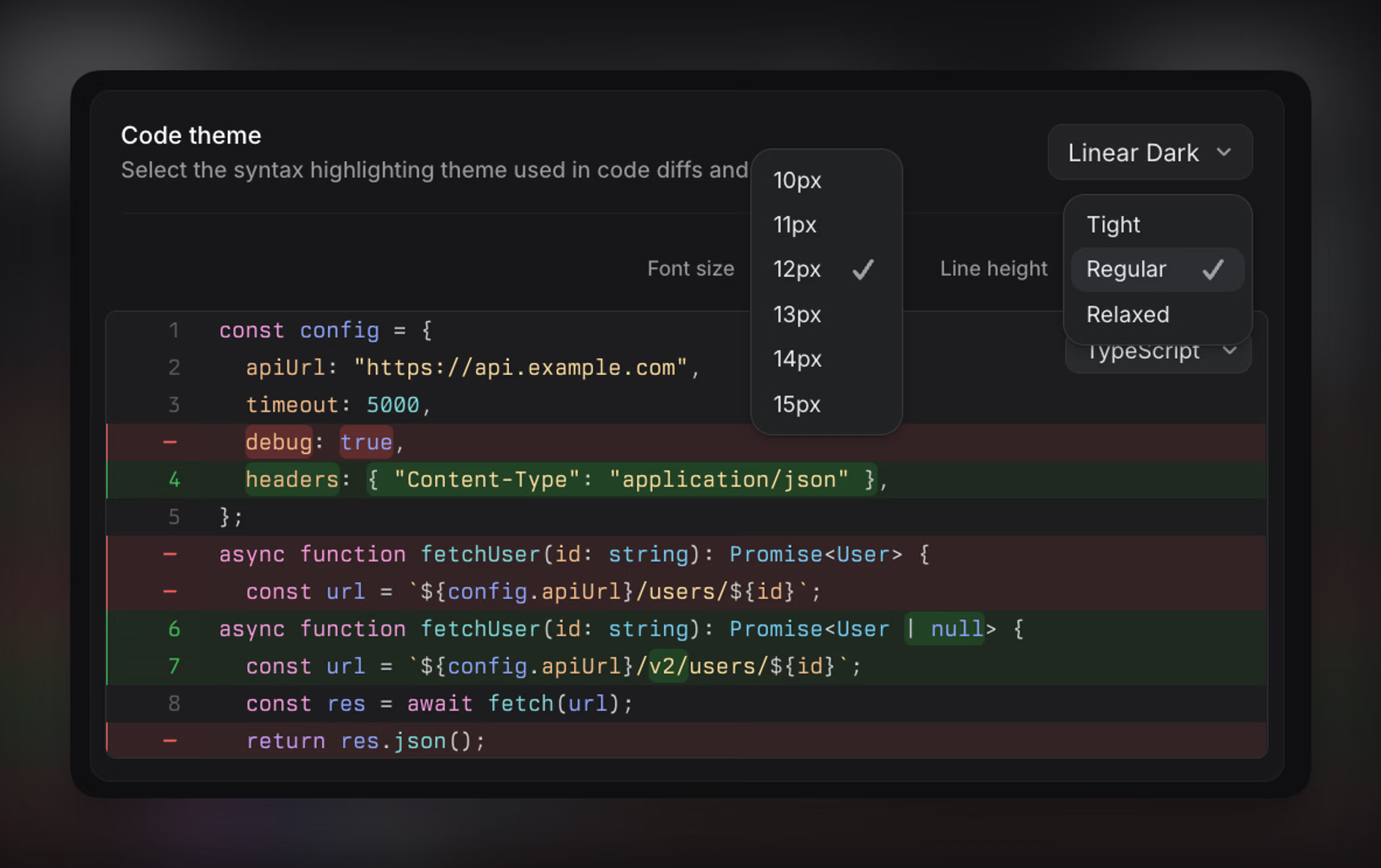
You can control the appearance of code while manually reviewing the diff or following a guided review. This includes separate themes for light and dark mode, along with display settings that provide control over the font size and line height.
Move issues to start
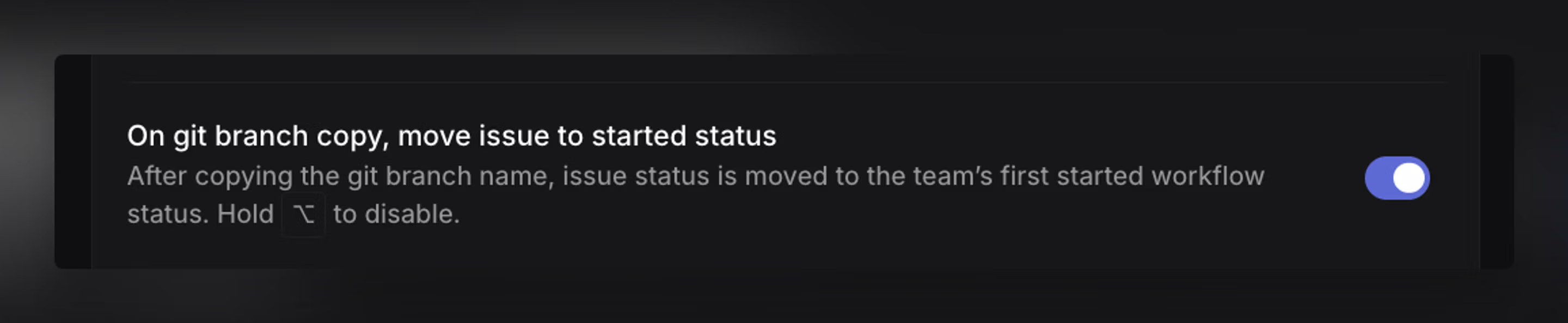
Save yourself a few steps by toggling on our automations that moves a Linear issue into a started status when you copy the git branch name. To set up this automation, refer to the On git branch copy, move issues to a started status toggle in your Code & reviews settings.
Extend this further by enabling automation within your Preferences that assigns the issues you move to a started status to yourself.
FAQ
Linear does not utilize your data to train its own AI models. Any data processed to enable Linear’s AI features is shared with our trusted partners (AI subprocessors, see our DPA) exclusively to deliver those AI functionalities to you without permission to train on provided data.
To provide features powered by AI and large language models (LLMs), Linear utilizes voluntary data provided by the user in terms of labeling feature outputs (thumbs up/down) or in other opt-in ways. If you have any questions or concerns, please let us know at security@linear.app.
For further information, please see AI Security FAQ in our Trust Center.
This can happen sometimes if a webhook is missed between Linear and GitHub and we fail to capture the change in PR state automatically.
You can trigger an update to the PR state shown in Linear by making a small edit to the PR description in GitHub — for example adding and removing a space.
GitHub only recognizes mentions for users it can map to a GitHub identity. If you mention someone in Linear who hasn’t connected their personal GitHub account (or otherwise isn’t mapped), GitHub won’t treat it as a real @mention — so they won’t get a GitHub notification. The fix is for that person to connect GitHub in Linear so mentions can resolve correctly.
Not yet. Code within Linear is currently submitted at the pull request level. You can still comment on specific lines/changes, but the review flow isn’t organized or submitted as separate per-commit reviews.
Not yet. Linear shows overall check status and basic details, but doesn’t currently sync or display rich check-run annotations (for example, inline failure locations or detailed external tool output).
