
Download Snorkell – AI‑Powered Automated Documentation Tool for Developers
Overview
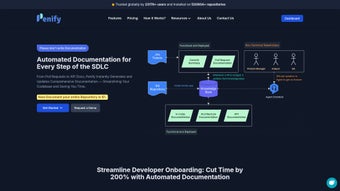
Snorkell.ai — это поколение платформы документирования, управляемой ИИ, которая автоматически генерирует docstring‑ы и полноценную документацию для современных кодовых баз. Созданный для команд, работающих с несколькими языками программирования, Snorkell поддерживает Python, Java, Kotlin, JavaScript и TypeScript «из коробки» и анализирует ваш репозиторий, чтобы создавать человекочитаемые комментарии, соответствующие лучшим практикам каждого языка. Сервис работает непосредственно в жизненном цикле pull‑request: каждый раз при слиянии Snorkell создаёт отдельную ветку, вставляет или обновляет docstring‑ы и открывает pull‑request на проверку документации. Такой подход непрерывной интеграции гарантирует, что документация никогда не отстаёт от исходного кода, устраняя ручные затраты, которые традиционно отягощают крупные проекты. Безопасность — основной столп платформы: Snorkell читает файлы последнего коммита, генерирует документацию «на лету» и сразу же удаляет код, что означает отсутствие сохранения исходных файлов на внешних серверах. Для предприятий со строгими требованиями к соответствию доступно развертывание Docker on‑premise, предоставляющее полный контроль над местом хранения данных и сетевым доступом. Продукт предлагается с щедрым бесплатным тарифом, покрывающим до трёх приватных репозиториев и неограниченное количество публичных проектов, а платные планы открывают более высокие лимиты репозиториев, варианты on‑premise, приоритетную поддержку и доступ к более мощным моделям ИИ. Сочетая бесшовную интеграцию с системами контроля версий, язык‑независимый ИИ и архитектуру, ориентированную на безопасность, Snorkell позиционирует себя как убедительное дополнение к любому рабочему процессу разработки, ценящему актуальную, надёжную документацию без дополнительных ручных усилий.
Core Features of Snorkell.ai
Набор функций Snorkell разработан для решения самых распространённых проблем, с которыми сталкиваются разработчики при поддержке документации в разнородных кодовых базах. Каждая функция построена так, чтобы работать автоматически, уменьшая необходимость повторяющихся ручных шагов и обеспечивая согласованность на протяжении всего жизненного цикла проекта.
- Multi‑language support: Generates docstrings for Python, Java, Kotlin, JavaScript and TypeScript, using language‑specific style guides.
- Deep VCS integration: Connects to GitHub, GitLab and Bitbucket, listening to merge events and creating documentation pull requests automatically.
- Real‑time generation: Documentation is produced the moment a merge lands, guaranteeing that docs reflect the latest code.
- Human‑readable output: Follows industry‑standard conventions such as PEP‑257 for Python, Javadoc for Java, and JSDoc for JavaScript/TypeScript.
- Stateless security model: Source code never leaves the repository; Snorkell processes files in memory and discards them instantly.
- In‑pull‑request editing: Teams can review, edit, or reject generated documentation before it merges back into the main branch.
- Customizable templates: Define company‑wide documentation standards, markdown headers, and annotation styles via a simple web editor.
- Extensible API: Integrate Snorkell with CI/CD pipelines, custom dashboards, or third‑party tools using a RESTful endpoint.
- Free tier & flexible pricing: Up to three private repositories and unlimited public projects at no cost; paid plans add on‑premise deployment, higher limits, and premium AI models.
- Enterprise‑grade deployment: Docker‑based on‑premise package works on any Linux host, including WSL, allowing complete control over data and network access.
Installation, Usage & Compatibility
Getting started with Snorkell is intentionally frictionless. For most users, the service is delivered as a SaaS platform, which means there is no client‑side installation required. Simply navigate to snorkell.ai, create an account, and authorize access to the version‑control provider of your choice. The onboarding wizard walks you through repository selection, permission scopes, and optional configuration of documentation scopes (e.g., specific folders or file patterns). Once the connection is established, you enable the “Auto‑Generate on Merge” toggle and Snorkell takes over the rest of the workflow.
Enterprise customers who need on‑premise control receive a Docker image that bundles the AI inference engine, a lightweight web server, and a secure API gateway. Installation steps are as follows:
- Pull the official image:
docker pull snorkell/engine:latest. - Run the container with required environment variables (license key, VCS tokens, etc.).
- Expose port 443 and configure TLS termination via your reverse proxy.
- Follow the on‑premise guide to register the instance with your organization’s SSO provider.
- Connect repositories using the same OAuth flow as the cloud version.
Operating System Compatibility – Because the core SaaS product runs entirely in the browser, end‑users can access Snorkell from any modern operating system that supports a recent web browser, including Windows 10/11, macOS Ventura+, Linux distributions, Chrome OS, iOS 15+ and Android 11+. The Docker‑based on‑premise edition runs on any Linux kernel 4.15+ and is also compatible with Windows Subsystem for Linux (WSL), making it easy to host on existing CI/CD servers or private clouds. Mobile developers can manage repositories and review documentation pull requests through a responsive web UI that adapts to small screens, ensuring you stay in control whether you’re at a desk or on the move.
Pros & Cons
Pros
- Supports five major programming languages, removing the need for multiple documentation tools.
- Fully automated, pull‑request‑driven workflow keeps docs always synchronized with code changes.
- Zero‑storage security model guarantees that source code never persists on external servers.
- Seamless integration with GitHub, GitLab and Bitbucket reduces configuration overhead.
- Generous free tier makes it accessible for hobbyists, students, and small open‑source projects.
- On‑premise Docker deployment satisfies strict compliance and data‑residency requirements.
- Customizable templates let organizations enforce branding, style guides, and regulatory language.
- Extensible API enables deep integration with existing CI/CD pipelines and monitoring tools.
Cons
- Premium AI models are locked behind paid plans, which can be costly for large development teams.
- On‑premise installation requires Docker knowledge and dedicated server resources.
- Language support is limited to the five listed languages; other languages need manual handling or external scripts.
- Initial OAuth permission setup can be confusing for users unfamiliar with VCS token scopes.
- Docstring quality heavily depends on the presence of meaningful code comments; sparse comments may produce generic output.
- Large monorepos may experience longer generation times, requiring appropriate CI resource allocation.
FAQ & Final Verdict
Does Snorkell store my source code anywhere?
No. Snorkell reads the latest commit files directly from your version‑control system, generates documentation in memory, and discards the code immediately. Nothing is persisted on Snorkell’s servers, ensuring that proprietary code remains private.
Can I customize the style and format of the generated documentation?
Yes. Snorkell includes a built‑in template editor where you can define markdown headers, annotation conventions, and language‑specific formatting rules. These templates are applied automatically to every generated docstring.
What are the limits of the free tier?
The free plan allows up to three private repositories and unlimited public repositories. It includes the core AI model and basic VCS integration. For additional private repos, higher AI model tiers, or on‑premise deployment, you’ll need to upgrade to a paid plan.
How does Snorkell handle merge conflicts when updating documentation?
Snorkell creates a separate branch for the documentation pull request. If a conflict arises with the target branch, the PR fails and presents a detailed conflict report, allowing developers to resolve the issue manually before merging.
Is an on‑premise deployment option available?
Absolutely. Enterprise customers can run Snorkell on their own infrastructure using the provided Docker image. This gives full control over data residency, network access, and integration with internal CI/CD pipelines.
Final Verdict
Snorkell.ai delivers a highly practical solution for the chronic problem of out‑of‑date documentation. Its AI engine, continuous‑integration workflow, and language‑agnostic design make it a valuable addition to both small teams and large enterprises. While the premium AI models and on‑premise setup may require an investment, the free tier already provides enough functionality to keep hobby projects and open‑source libraries well‑documented. If you’re looking to automate docstring generation, enforce consistent documentation standards, and maintain security compliance, Snorkell is a strong candidate.
Ready to keep your codebase crystal‑clear? Start your free trial today and let Snorkell handle the heavy lifting of documentation.



.png)