MATERIALS TESTING

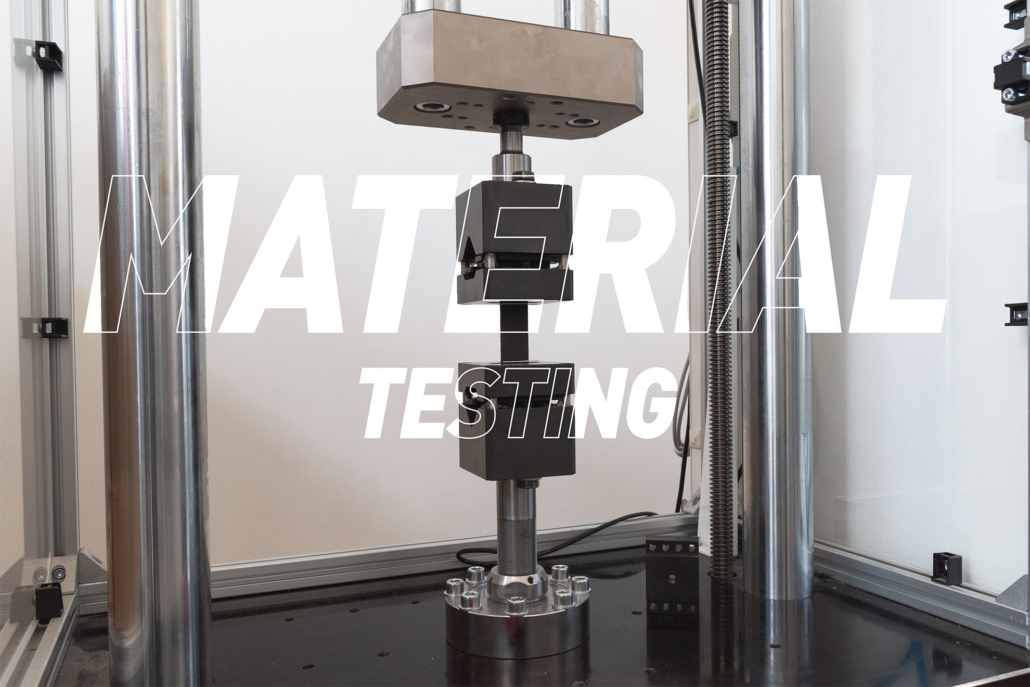
In the field of materials science, analysing and understanding mechanical properties is crucial at every stage of the process, from research to production. Through these tests, it is possible to assess the strength, durability and robustness of materials under real-world conditions.

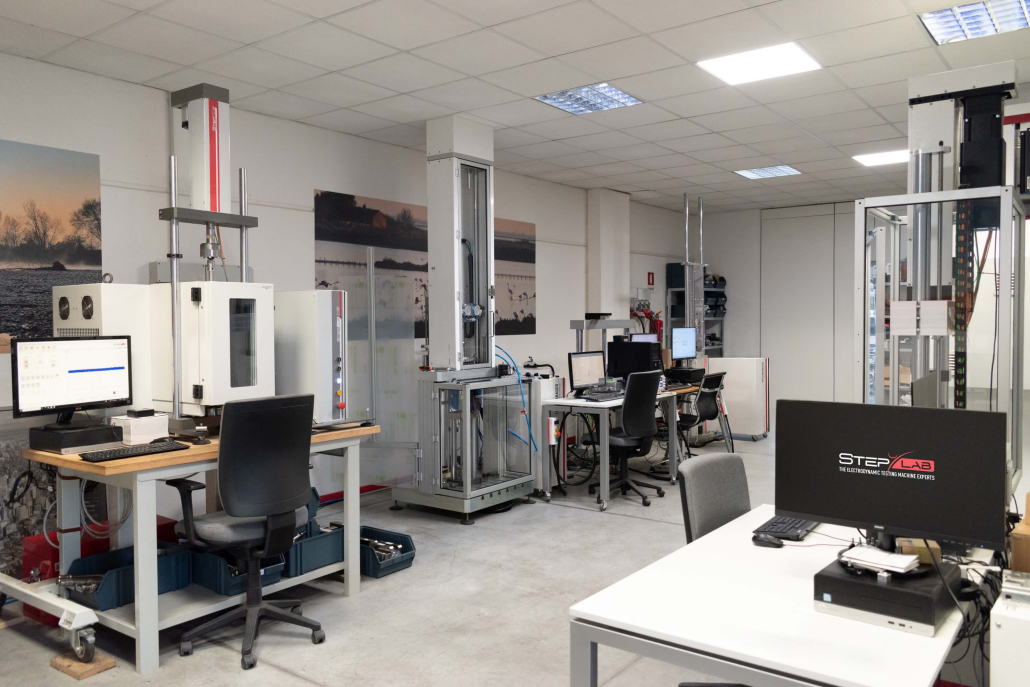
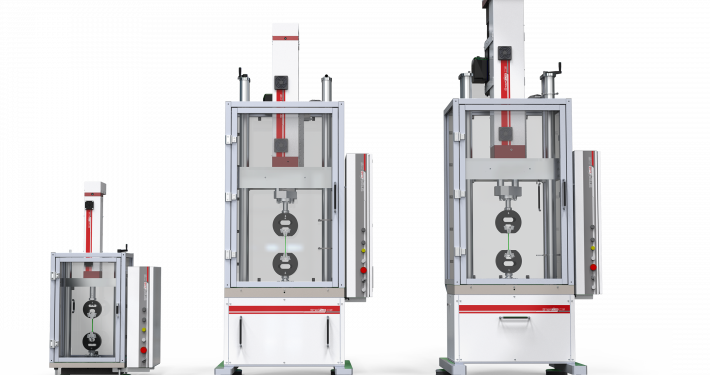
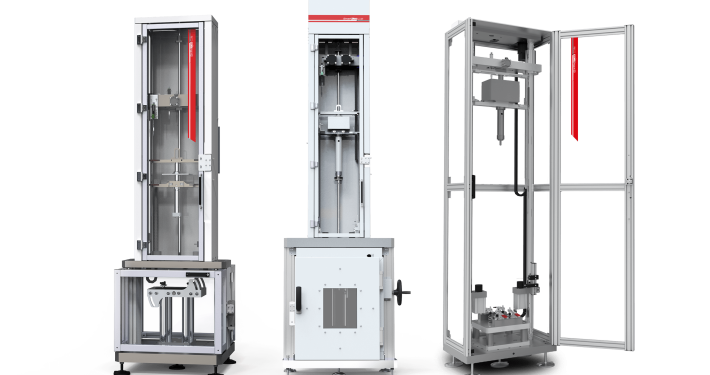
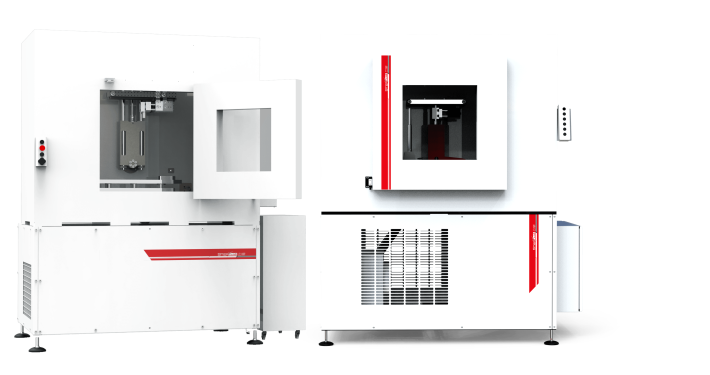
STEP Lab not only designs and manufactures static and dynamic materials testing systems, designed to measure the mechanical performance of metals, plastics, composites, rubbers and elastomers with the utmost precision and repeatability; it also has an in-house laboratory, where material tests are performed to support research, development and validation activities.
Image

MATERIALS TESTING

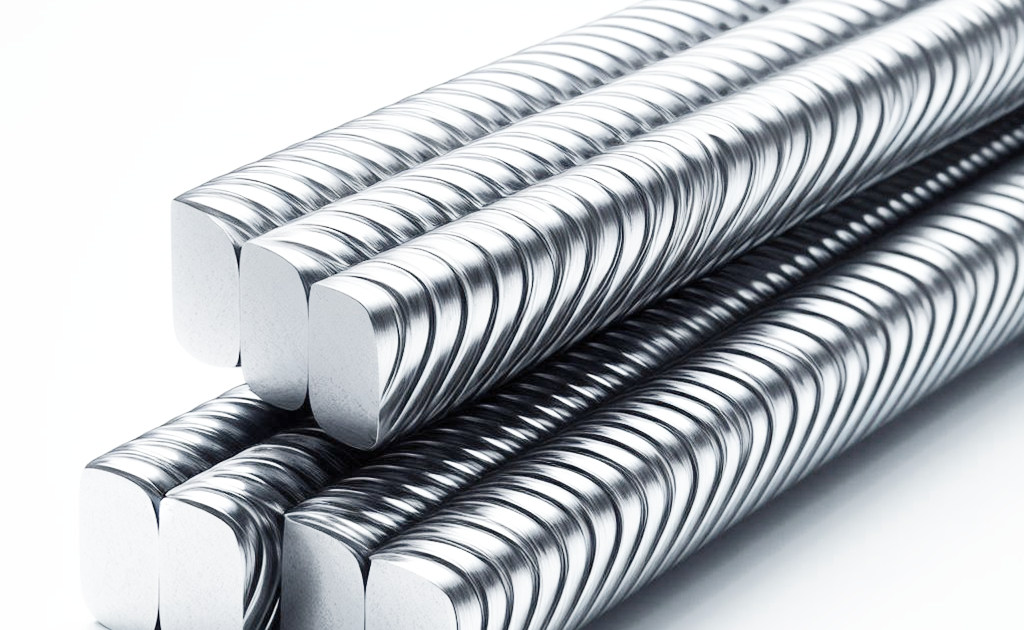
STEP Lab testing systems are capable of performing mechanical and fatigue tests on a wide range of materials. From metals to composites, from rubbers to polymers, our systems allow us to accurately assess the mechanical and dynamic properties of any material, according to international standards (ASTM, ISO).

Image

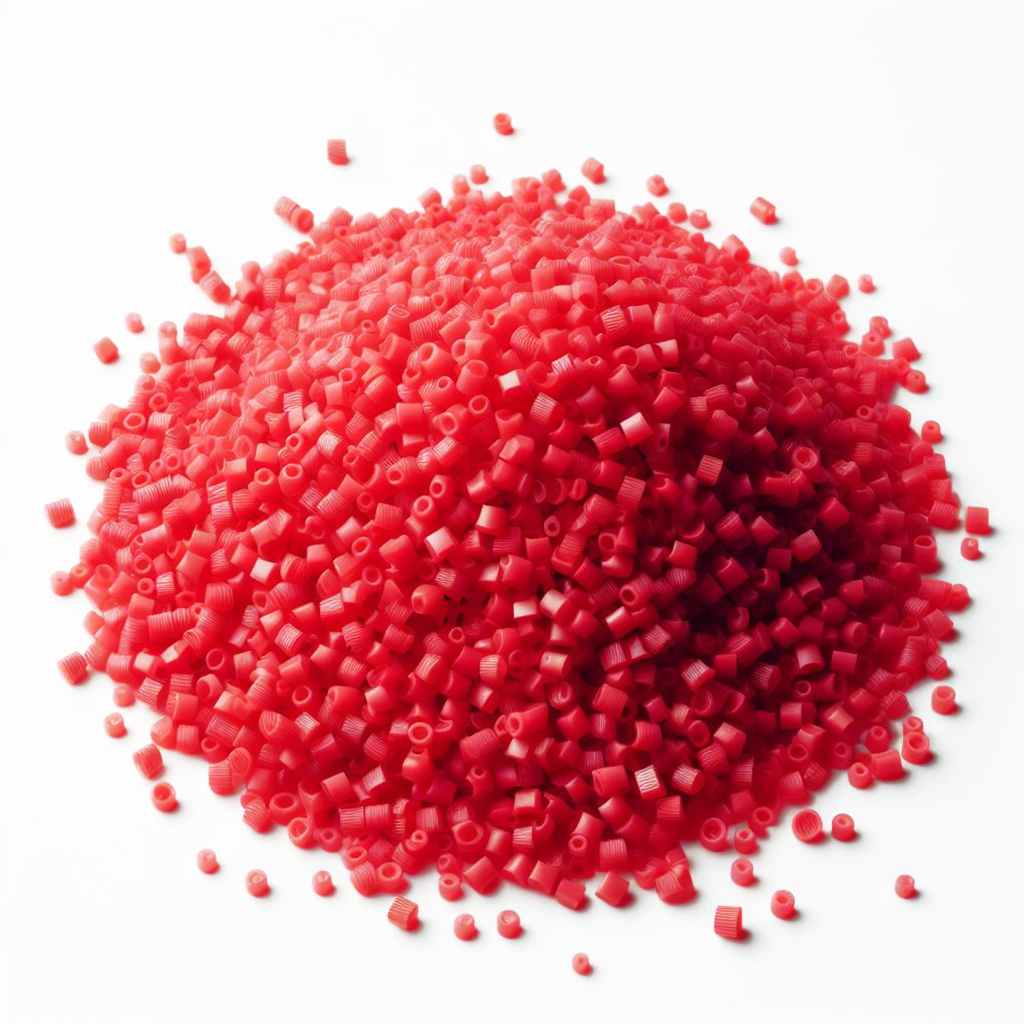
PLASTICS

Thermoplastics
Semi-finished products
Finished products
Sheets and films
Tubes

Image

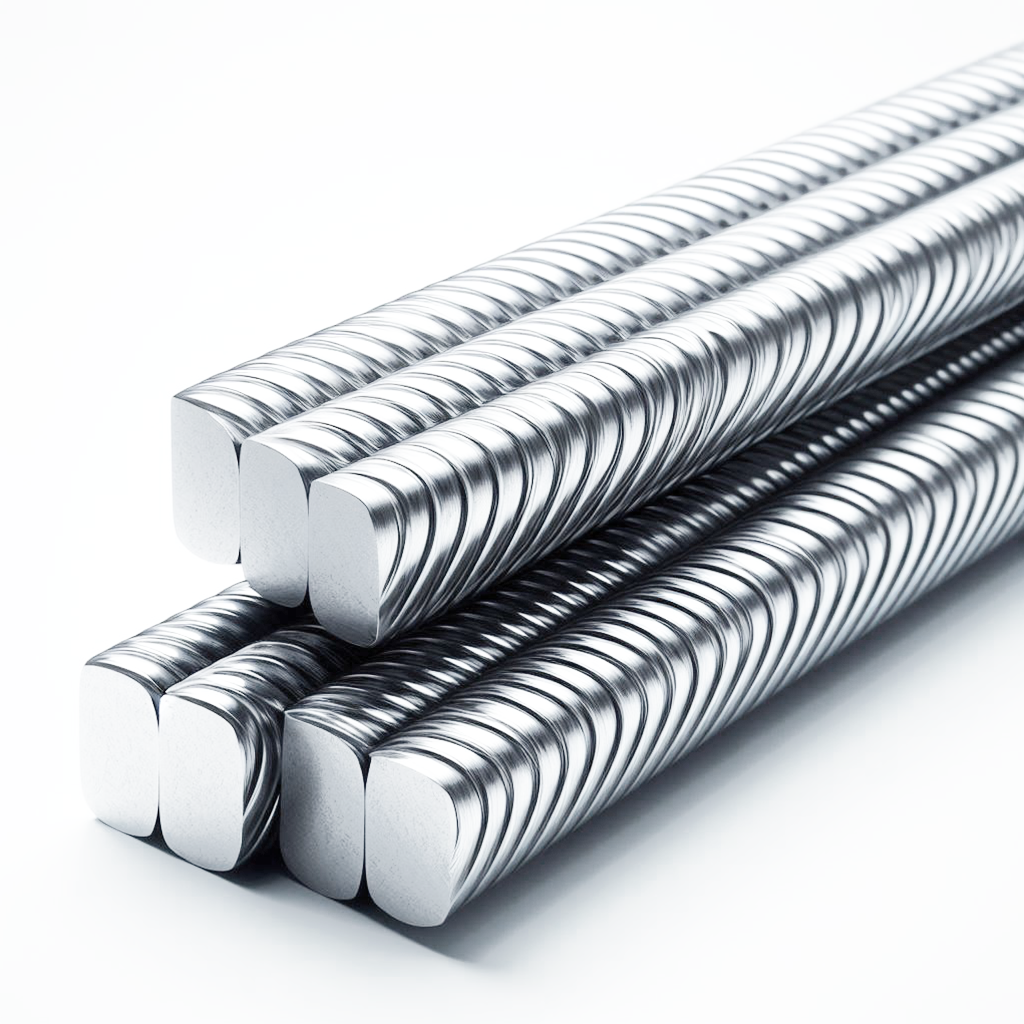
METALS

Platens
Sheets
Bars
Wires and cables
Tubes

Image

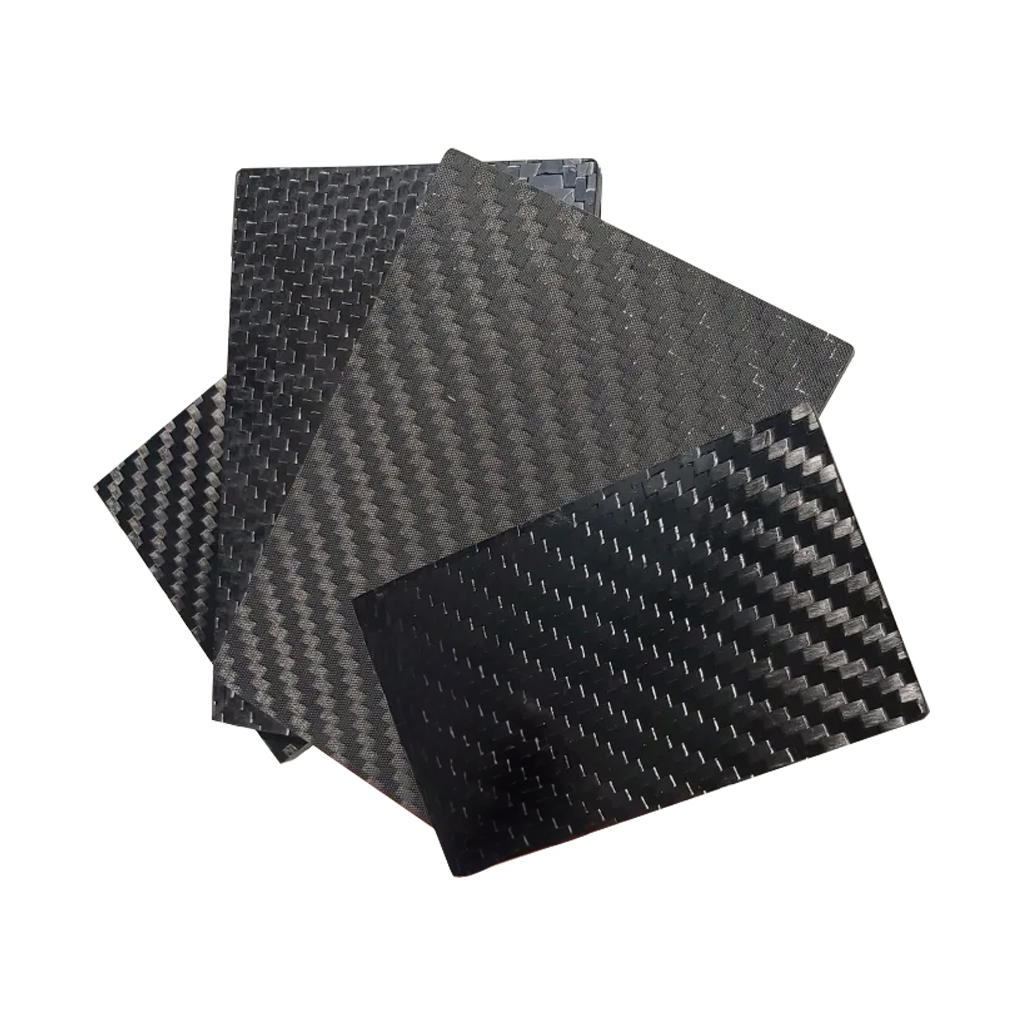
COMPOSITES

Polymer matrix
Metal matrix
Unreinforced
Fibre-reinforced
Insulated

Image

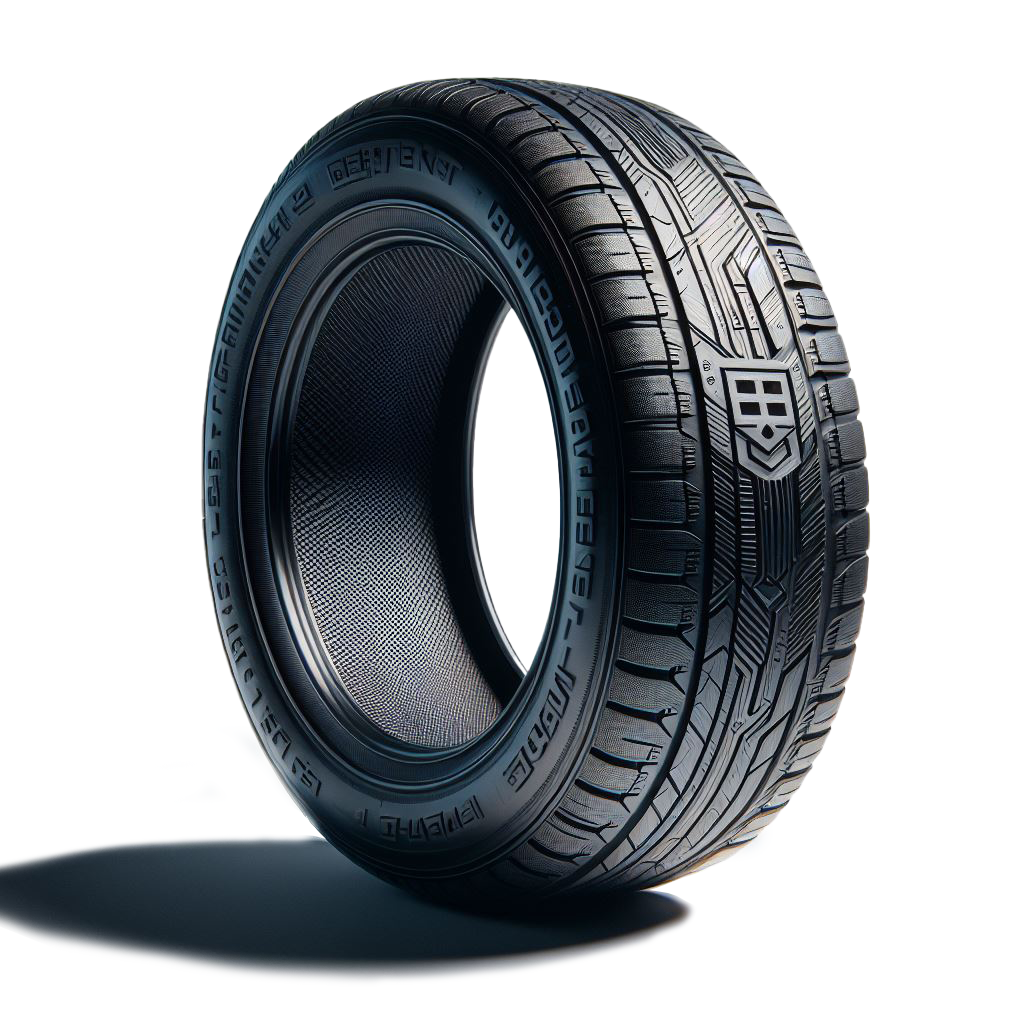
RUBBER AND ELASTOMERS

Natural elastomers
Synthetic elastomers
Vulcanised rubber
Thermoplastic rubber
Polyurethane

Image

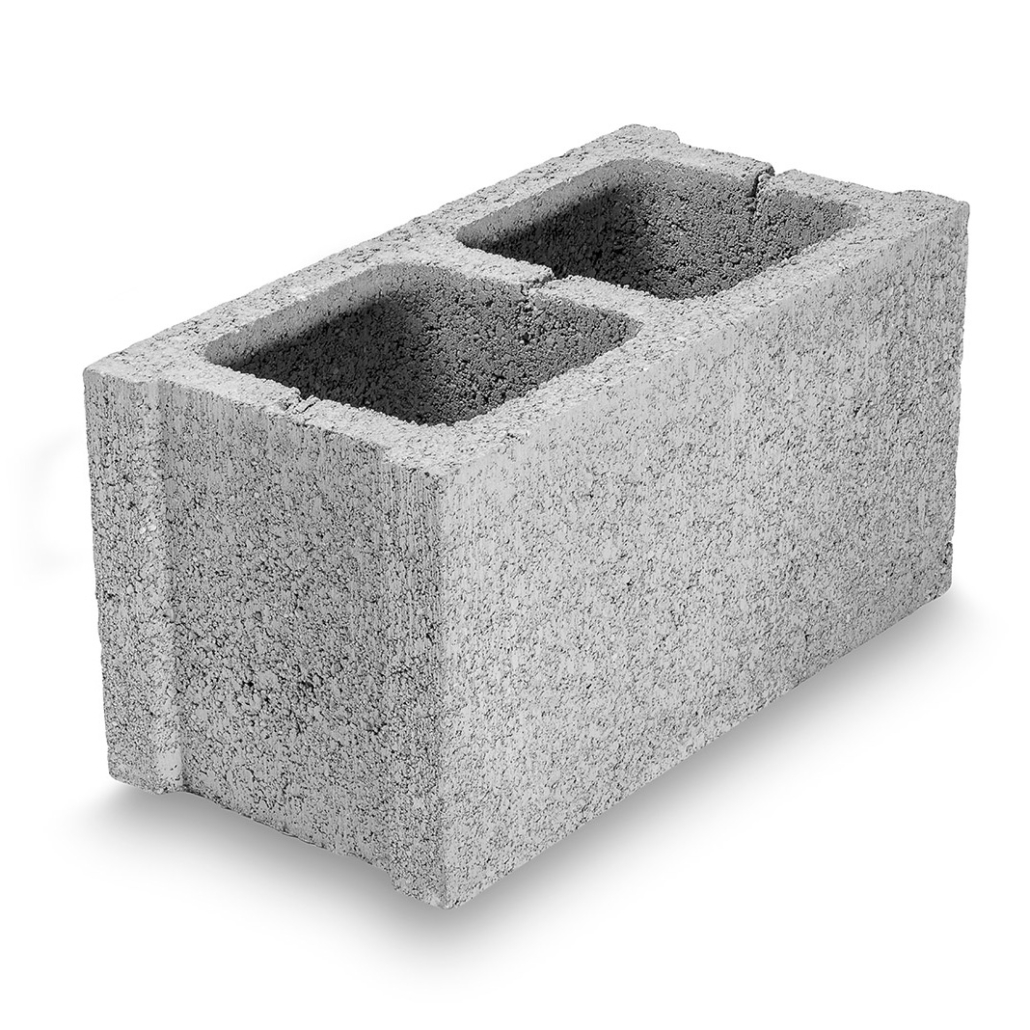
BUILDING MATERIALS

Concrete
Rock
Cement
Bricks and tiles

Image

OTHER MATERIALS

Adesives
Wood
Glass
Textiles
Electronics

MATERIAL TESTING STANDARDS

Image

When testing materials, it is essential to comply with the main international material testing standards, ensuring reliable and traceable results.
Below are the most common standards supported, divided by material.

ASTM

  • ASTM D638 – Traction on plastics
  • ASTM D695 – Compression on rigid plastics
  • ASTM D5023 / D5024 / D5026 – Dynamic Mechanical Properties (DMA)
  • ASTM D5420 – Impact resistance of plastics
  • ASTM D7774 / D7791 – Flexural and uniaxial fatigue

ISO

  • ISO 527-2 / ISO 527-3 / ISO 527-4 – Tensile Properties of Plastics and Composites
  • ISO 178 – Bending tests on plastics
  • ISO 179-1 / ISO 179-2 – Charpy impact test on plastics
  • ISO 604 – Compression properties
  • ISO 6721-5 / ISO 6721-12 – Dynamic Mechanical Properties (DMA)

ASTM

  • ASTM A370 – Mechanical Testing of Steel Products
  • ASTM E8 – Tensile Testing of Metallic Materials
  • ASTM E21 – High temperature tensile testing
  • ASTM E290 – Bending test for ductility
  • ASTM E466 – Axial fatigue under controlled load

ISO

  • ISO 6892-1 – Tensile tests at room temperature
  • ISO 6892-2 – High temperature tensile testing
  • ISO 7438 – Bending tests
  • ISO 10113 – Sheet and strip – plastic deformation ratio
  • ISO 10275 – Sheets and strips – hardening exponent

ASTM

  • ASTM D3039 – Tensile Properties of Polymer Matrix Composites
  • ASTM D2344 – Short-radius strength of composite laminates
  • ASTM D3410 – Compressive Properties of Polymer Matrix Composites
  • ASTM D3518 – In-plane Shear Response of Composites
  • ASTM D7136 – Composite Impact Resistance
  • ASTM D7264 – Flexural Properties of Polymer Matrix Composites

ISO

  • ISO 527-4 – Tensile properties of plastic composites reinforced with isotropic and orthotropic fibres
  • ISO 527-5 – Tensile properties of unidirectional fibre-reinforced plastic composites
  • ISO 14125 – Flexural properties of fibre-reinforced plastic composites
  • ISO 14126 – In-plane compression properties of fibre-reinforced composites
  • ISO 14129 – Shear/deformation stress response in the plane of composites
  • ISO 14130 – Fibre-Reinforced Plastic Composite
  • ASTM D412 – Standard Test Methods for Vulcanised Rubber and Thermoplastic Elastomers – Tension
  • ASTM D624 – Tear resistance of vulcanised rubber and thermoplastic elastomers (TPE)
  • ASTM D3574 – Flexible cellular materials: bonded and moulded urethane foams
  • ASTM D5992 – Standard Guide for Dynamic Testing of Vulcanised Rubber and Rubber-like Materials Using Vibratory Methods

ASTM

  • ASTM C364 – Edge compressive strength of construction components
  • ASTM C365 – Flatwise compression properties of cores.
  • ASTM C39 / C39M – Compression test on concrete cylinders.
  • ASTM C78 / C78M – Bending test on concrete beams.
  • ASTM C293 / C293M – Flexural strength of cementitious materials.

ISO

  • ISO 1920-4 – Determination of compressive strength of concrete.
  • ISO 1920-5 – Determination of flexural strength of concrete.
  • ISO 604 – Compressive properties of general building materials.
  • ISO 10406-1 – Steel reinforcing bars for reinforced concrete – Tensile tests.
  • ISO 14689 – Classification and determination of mechanical properties of rocks.

ASTM

  • ASTM D790 – Bending tests on plastics and composites (also useful for laminated glass)
  • ASTM D1037 – Physical and mechanical properties of wood and wood-based panels.
  • ASTM D198 – Mechanical tests on solid wood.
  • ASTM D2256 – Tensile Strength of Textile Yarns.
  • ASTM D5034 – Tensile tests on fabrics (strip test).
  • ASTM D1002 – Shear strength of adhesives on metal joints.

ISO

  • ISO 527-1 / ISO 527-2 – Tensile tests on polymers (including plastic-reinforced glass).
  • ISO 3341 / ISO 3343 – Tests of glass bending and flexure.
  • ISO 3377 – Tensile strength of fabrics.
  • ISO 13061-2 – Determination of compressive strength of wood.
  • ISO 4587 – Shear adhesion testing of adhesive materials.

TYPES OF MATERIALS TESTING

Static (and quasi-static) evidence

In these tests, the load is applied slowly and in a controlled manner. The objective is to determine strength, deformation and mechanical behavior of the specimens. The main types include: tension, compression, bending, and torsion.

Dynamic tests

Dynamic tests involve rapid or periodic loads that simulate real operating conditions, such as: impacts, high-speed pulls, falls, and puncture tests. These tests are critical for evaluating impact resistance, ductility, and the material’s ability to absorb energy.

Cyclic and fatigue testing

Materials subjected to repeated loading can develop progressive damage. Cyclic tests allow alternating or pulsating loads of different shapes (sine, triangular, etc.) to be simulated and analyze: fatigue strength, durability under controlled load cycles, and long-term behavior under repeated loading.

Destructive testing

Destructive testing aims to determine the strength limits of materials by bringing specimens to the point of failure. They are essential in industries such as automotive, aerospace and medical, where material fatigue can have a critical impact on safety.

  • Tensile and compressive testing
  • Bending test
  • Fatigue and creep tests
  • Fracture mechanics
  • Impact and drop tests

Non-destructive testing (NDT)

Non-destructive testing allows the quality of materials and components to be assessed without compromising their integrity. These tests are ideal for production checks and verification of component function.

  • Hardness testing
  • Static and dynamic friction testing
  • Rebound test
  • Functional verification of components

TEST SYSTEMS AND LABORATORY

From single test to complete solution

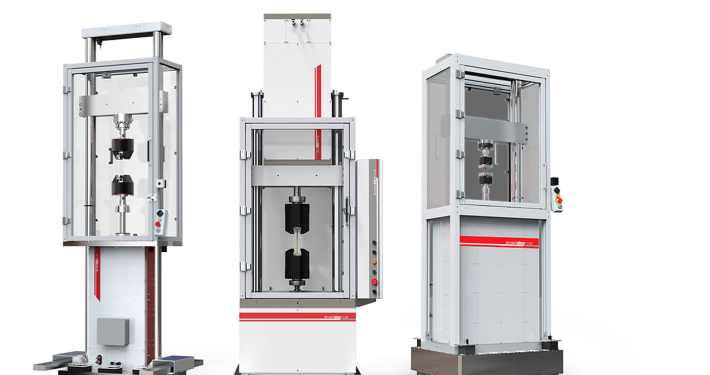
STEP Lab provides modular and customizable testing machines that combine precision, efficiency, and sustainability. All our solutions are 100% electric, ensuring low operating costs and high performance.

The main product lines include:

In addition, we have an in-house laboratory in our facility allows us to perform tests on materials and components, supporting customers and partners in mechanical characterization and product validation.
> View the LAB

Image

Image
Explore our catalogue or contact us to find the right product for your business together.

Other products