🧠 computational neuroscience | emergence 🤖
Science Writer, Kempner Institute at Harvard University @KempnerInst
🎓 Lecturer at BU
(views here are my own!)
Here's the latest installment in my series on neuroscience and the hyperreal. I look at the potential dangers of "walled garden thinking", and why extensible modeling is important.
Revisiting one of the most beautiful concepts in all of science.
"Action is one of the two terms in pre-relativity physics which survive unmodified in a description of the absolute world. The only other survival is entropy." -
Arthur Eddington, in 1920.
📘 🧵
Time to get over Kuhn and/or Popper: we have Nancy Cartwright, Manuel DeLanda and Hasok Chang doing far more sophisticated work with an eye on the intersection of theory and experiment.
(Which other philosophers of science would you add to this list?)
I just breezed through 'The Knowledge Machine' by Michael Stevens. Improbably, it's a pop science book about the philosophy of science. And it's quite good, even if you disagree with him.
Most radical is his "iron rule of explanation".
🧵
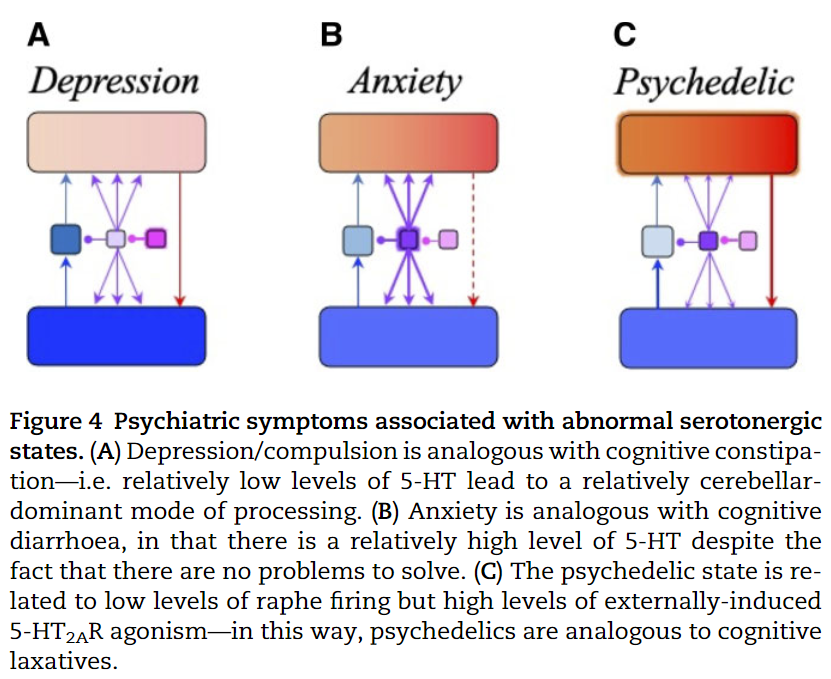
It's been well over a year, but I still haven't fully processed that I am co-author of a theory paper suggesting that "psychedelics are analogous to cognitive laxatives."
And this happened in part via a question I asked during a journal club!
academic.oup.com/brain/advance-…
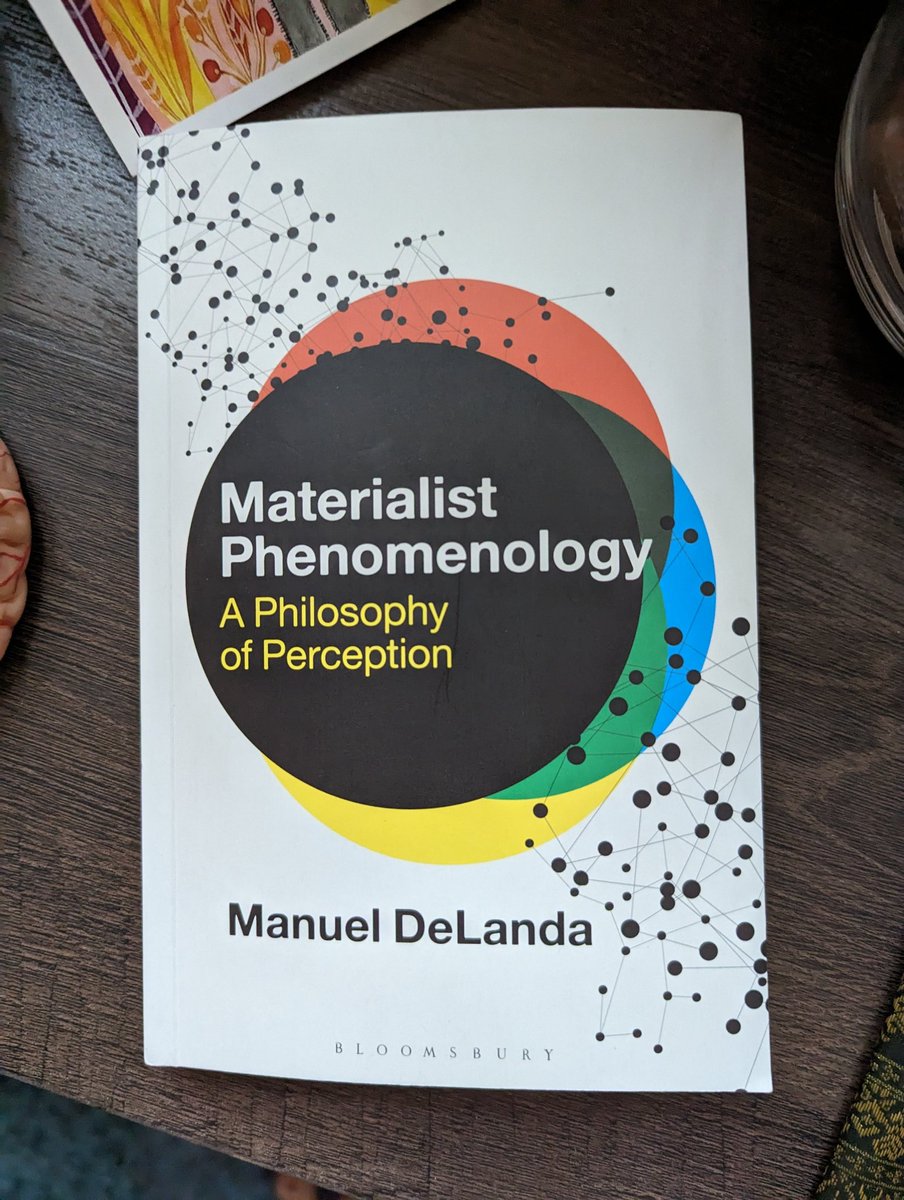
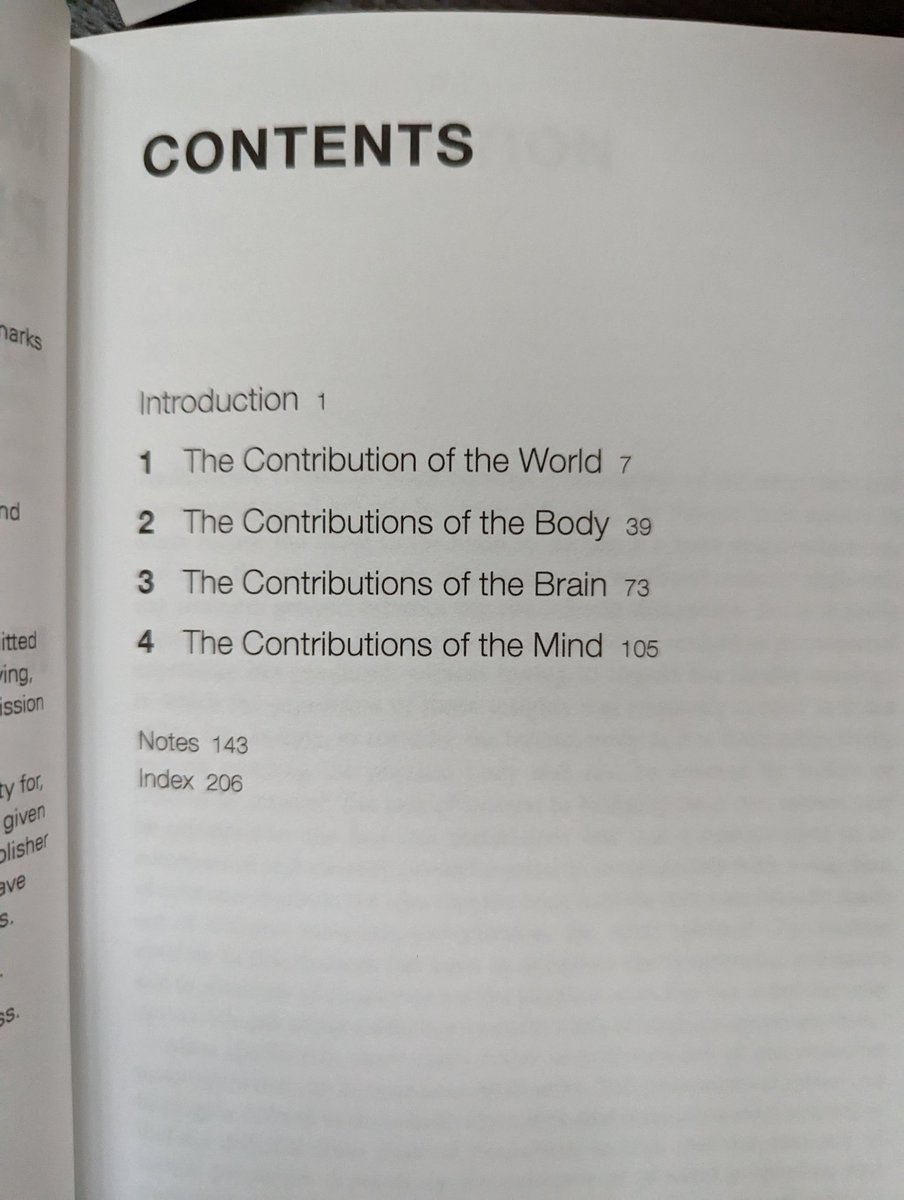
Started reading this last night. DeLanda might just be my favorite contemporary philosopher.
So far it's almost like reading what my own philosophy of perception would be if I bothered to write it all down. Of course he's a much better writer than I am. 😅
The biggest problem with reductionism might be that it paints a wildly misleading picture of scientific history as well as current practice.
It concocts quaint fairy tales about how other sciences relate to physics, and even how macro scale physics relates to micro physics.
Perhaps it was inevitable. What Chomsky did to Skinner has been done to him.
There are serious flaws in this Piantadosi paper, but I suspect it is destined to be a classic — or at the very least, stimulate a lot of conversation.
lingbuzz.net/lingbuzz/007180
Some highlights.
🧵
As far as I can tell, every scientific 'theory' of consciousness smuggles in the concept of experience while trying to explain the origin of experience in the first place.
You can catch this in words like 'illusion', 'hallucination', 'information', and 'representation'.
I'm very happy to announce that our paper on "proxy failure" — analogues of Goodhart's Law ranging from molecular biology to brains to business to ecology — has been made available at Behavioral and Brain Sciences.
A thread. 🧵
doi.org/10.1017/S01405….